 Submit a photo
Ninety seconds on Musée Carnavalet
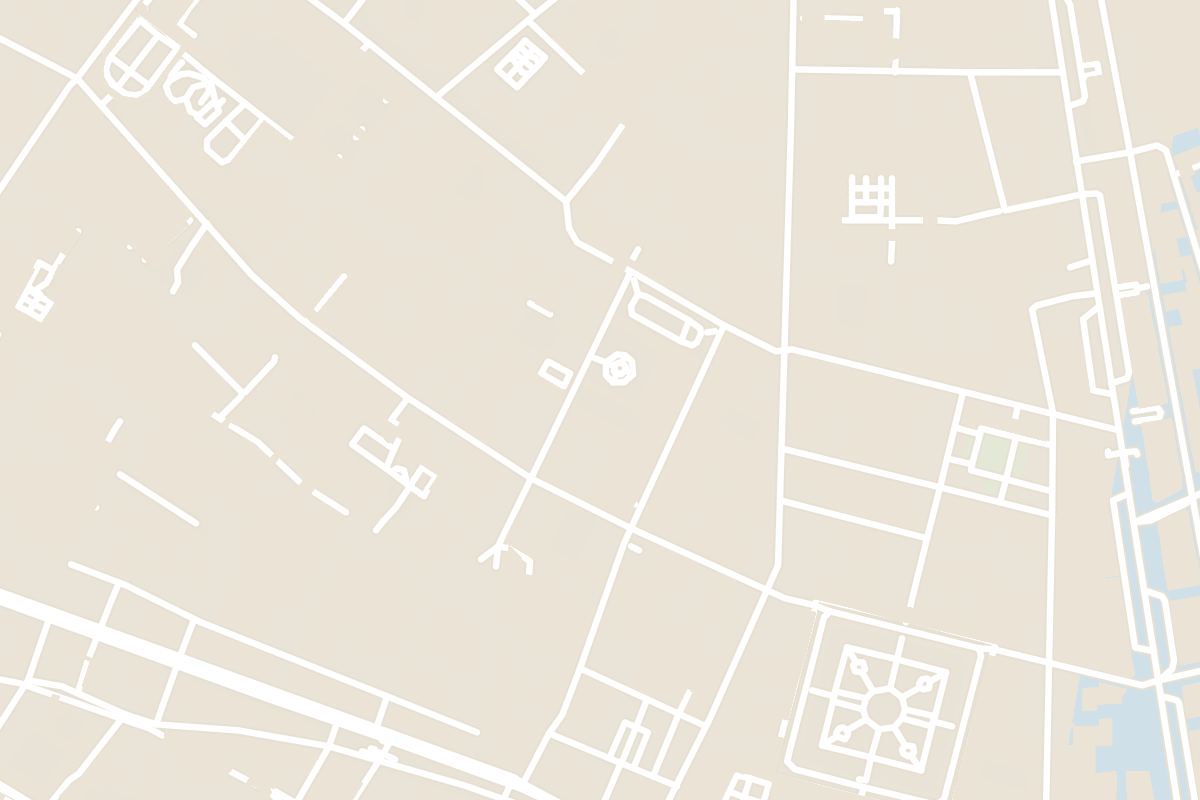
The entrance is on rue Madame de Sévigné, at number 23, in the 3rd arrondissement. The nearest Métro stop is Saint-Paul on line 1, with Chemin Vert (line 8), Bréguet-Sabin (line 5) and Pont-Marie (line 7) as alternatives. Buses 69 and 76 also stop at Saint-Paul.
Entry to the permanent collections is free and needs no reservation. Temporary exhibitions are the exception: each carries its own ticket, and a place there is guaranteed only with an advance booking.
Doors open at 10am and close at 6pm, Tuesday through Sunday, and Mondays are closed. Entry to the collections stops at 5.15pm. The museum shuts on 1 January, 1 May and 25 December, and its galleries close at 5pm on 24 and 31 December.
Two to three hours covers every period, from prehistory to the present day. Because the galleries follow date order, a shorter visit works best by choosing a single era, such as the Revolution, and walking straight to it.
It is the museum of the history of Paris, holding more than 618,000 items. Its collection from the decade of the Revolution, 1789 to 1799, is the largest anywhere. Two complete interiors stand inside it: the Fouquet jewellery shop that Mucha designed, and the cork-lined room where Marcel Proust slept.
Large luggage cannot go inside, for safety and conservation reasons. Coats and smaller items go in the self-service cloakrooms, which sit behind the welcome counter and ticket office.
If you have one afternoon for the story of Paris, the city's own history museum takes you from Roman Lutetia to Proust's bedroom. Come above all for the Revolution rooms.
The Revolution rooms are what the museum is famous for: no collection anywhere holds more art and objects from the Revolution's ten years. Look for the keys, handcuffs and fragments of stone from the Bastille, and a carved model of the fortress. One case holds a bust of Marat, Charlotte Corday's bonnet and the door handles from his bathroom.
Close by are a slipper of Marie Antoinette, a model of the guillotine and a reconstruction of a room in the Temple prison. The king and his family were held in the Temple, and the rebuilt room shows where they lived.
Two rooms were rebuilt here whole. The jewellery shop is a complete Art Nouveau interior designed by Alphonse Mucha for the Fouquet jewellers. Marcel Proust's cork-lined bedroom is reconstructed with a lock of his hair, cut on his deathbed, framed beside Man Ray's deathbed portrait of him.
If you have time for the start, see the Neolithic finds in the second room of the prehistory section, then Lutetia, the Roman town under Paris, in the third. Out in the central courtyard stands a bronze of Louis XIV, a rare survivor from before the Revolution.
Coming in from rue Madame de Sévigné, you enter two joined mansions: the Hôtel Carnavalet and its neighbour, the Hôtel Le Peletier de Saint-Fargeau. Leave coats and bags in the self-service cloakroom behind the welcome counter. Staff at reception can give advice on what to see if you ask.
The rooms run in date order, so the first galleries cover prehistory and Roman Paris, not the Revolution. Short on time, pick one period and head straight for it. Temporary exhibitions are ticketed separately, and only a booking made in advance guarantees you a place.
Download the museum's own app from the App Store or Google Play before you arrive, and use it to plan your route through the two mansions. Its children's routes carry audio written for younger listeners. Gallery texts are in English as well as French.
Photograph what you like for your own use, but leave the flash off and the tripod at home.
Save time for Musée Picasso Paris, or with Centre Pompidou for modern art as well.
Explore the rest of Paris
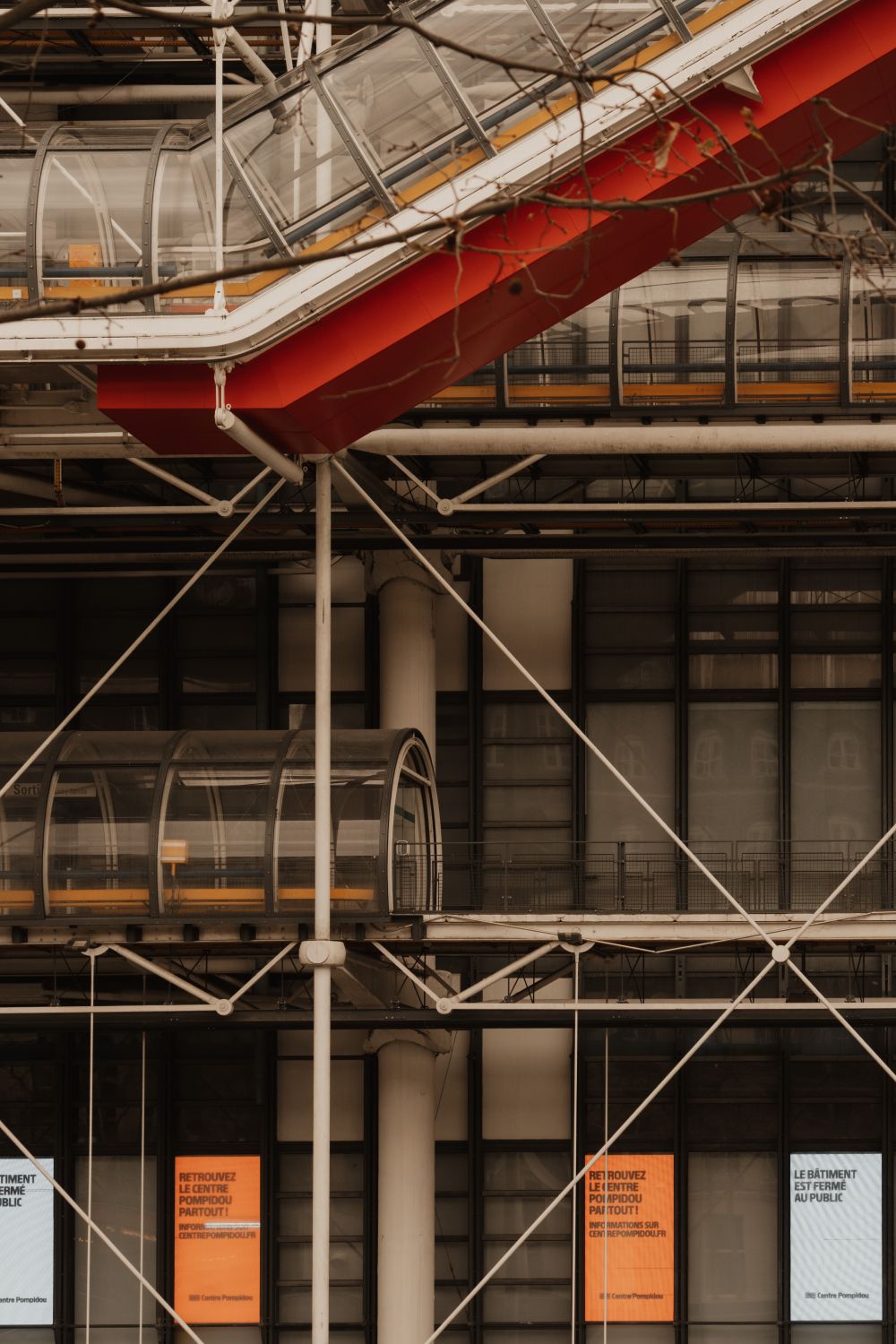
Piano and Rogers's inside-out building of 1977 holding Europe's largest modern art collection. It closed for a five-year renovation in…
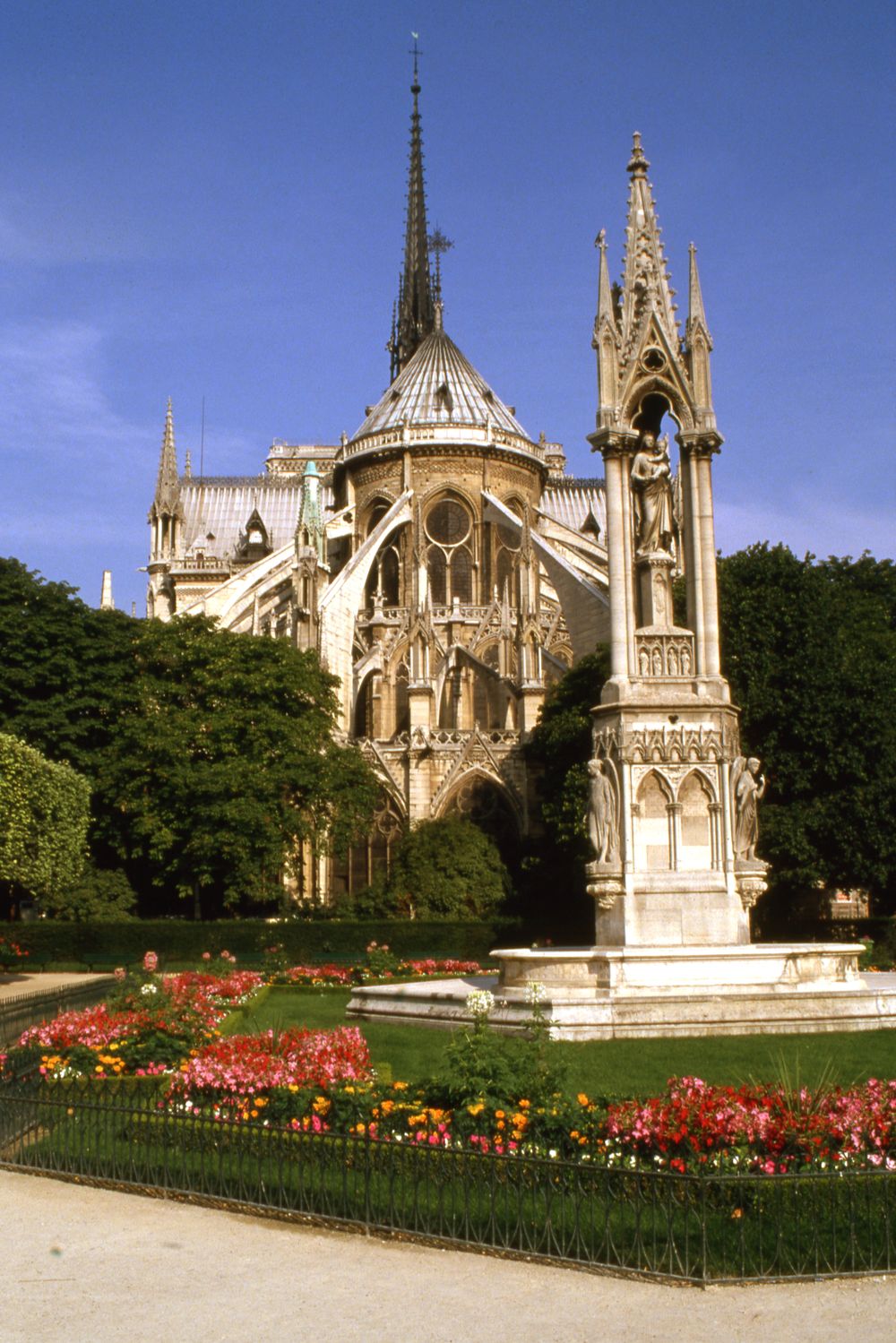
A Gothic cathedral on the Île de la Cité, known for its rose windows and flying buttresses. It reopened in December 2024 after the 2019…
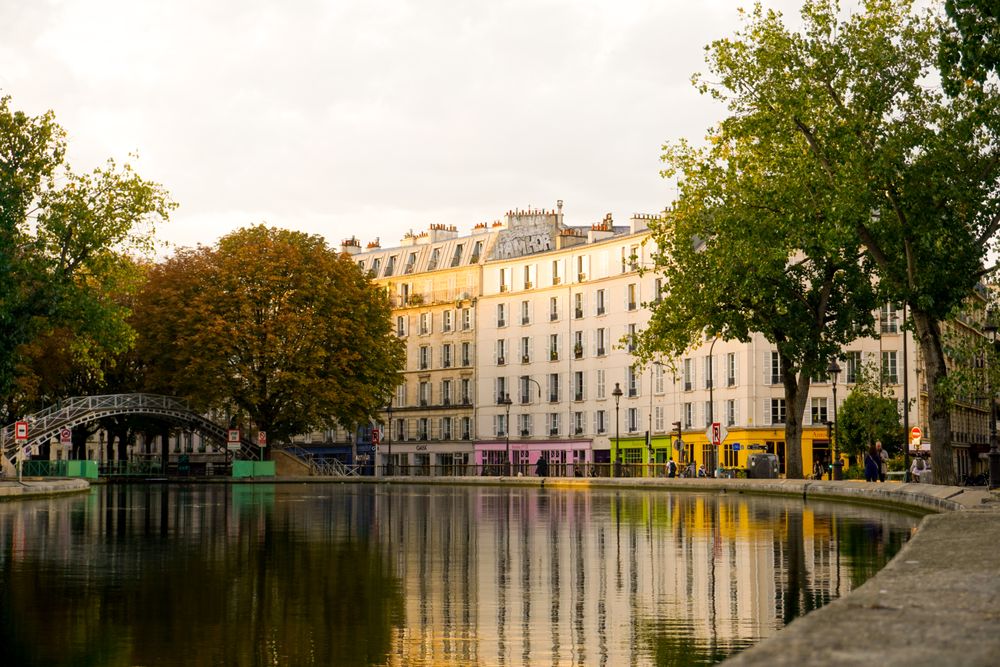
A canal of arched iron footbridges and locks running from the Bassin de la Villette towards the Seine, its open quays lined with cafes,…
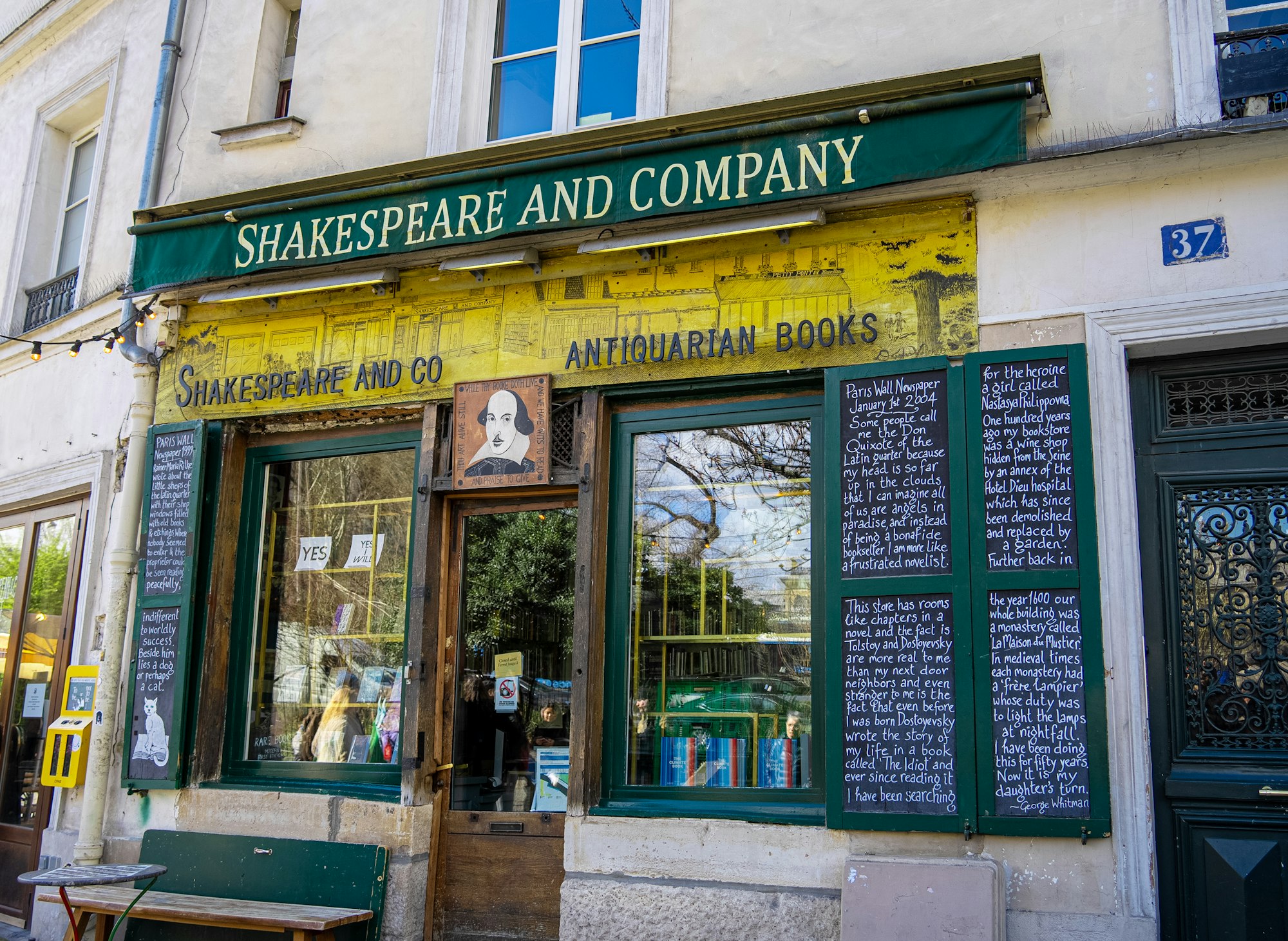
The English-language bookshop at 37 rue de la Bûcherie, named for Sylvia Beach's original shop of 1919, with reading rooms up a creaky…
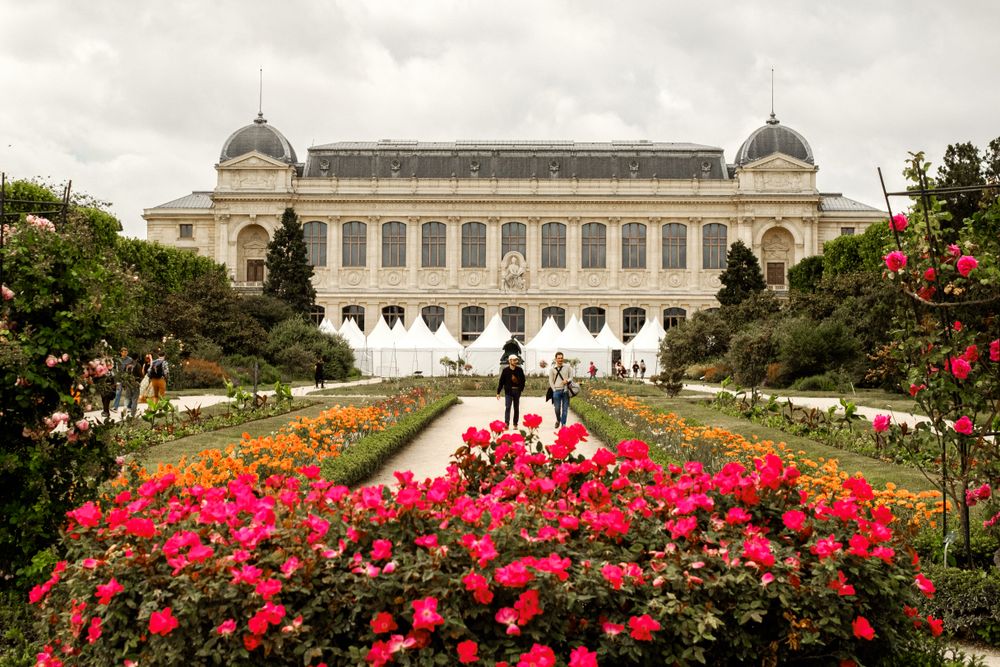
The botanical garden of 1635 on the Left Bank, with the Natural History Museum's Grande Galerie de l'Évolution, the greenhouses and the…
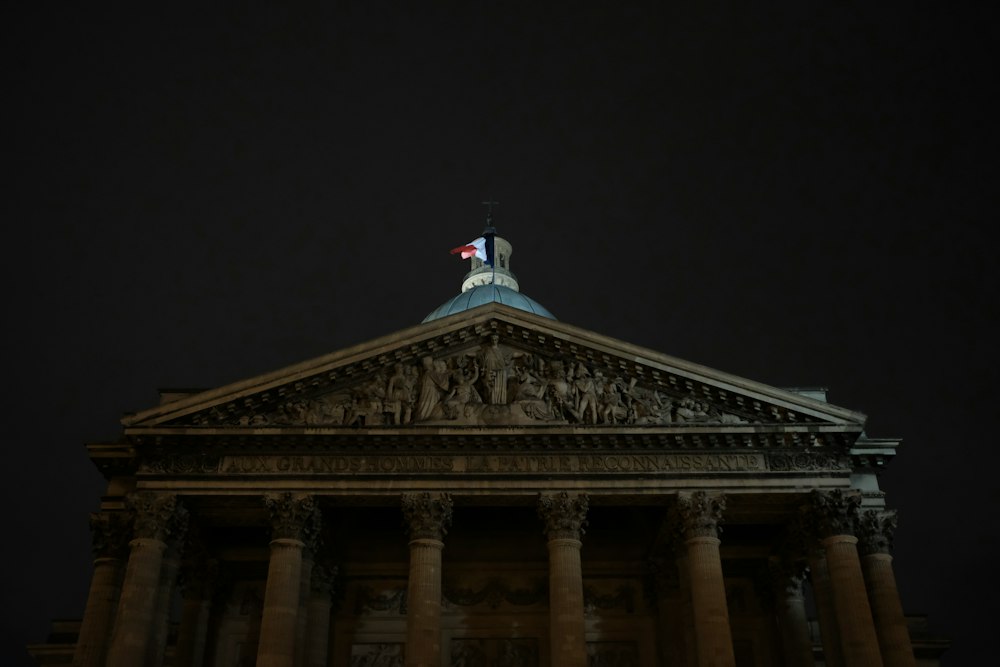
The old student quarter of the Left Bank, climbing from the Seine past the Sorbonne to the Panthéon, with a museum, a Gothic church and a…

A neoclassical mausoleum on the Montagne Sainte-Geneviève in the Latin Quarter, designed by Soufflot as a church and later given over to…
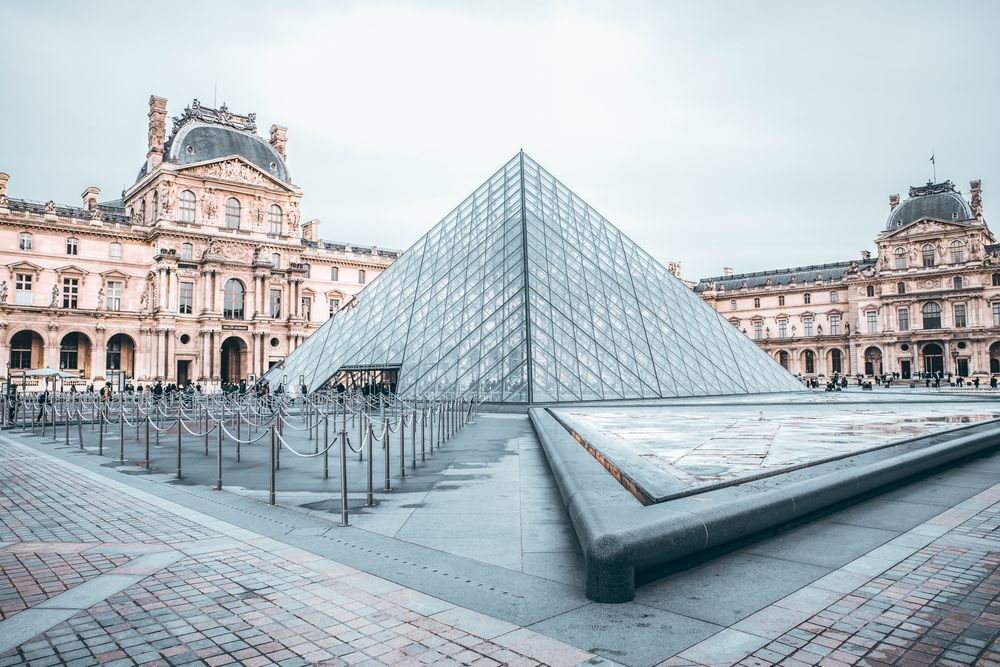
The former royal palace holds roughly 35,000 works on display, including the Mona Lisa, the Venus de Milo and the Winged Victory of…
Last updated