 Submit a photo
Ninety seconds on Schokoladenmuseum Köln
The museum opens daily from 10:00 to 18:00. As of November 2026 it is closed on 24 and 25 December and on Mondays from January to the end of March. It also closes on Mondays in November, which in 2026 meant the 2nd, 9th and 16th.
No, the box office sells tickets on the day. The museum advises buying a time slot ticket in its webshop in good time for the chosen date. Online ticket holders skip the box office queue and go straight to the exhibition entrance.
Yes. A museum chocolatier looks after it and visitors may try as much of the fresh chocolate as they like. It is part of the exhibition, inside the glass-walled production area.
Yes: family tours suit children from pre-school age, and one aimed at families with children from eight includes tasting along the way. Pushchairs fit in every exhibition room. From twelve, children may visit alone.
On foot, head south from the cathedral along the Rhine. By tram, lines 1, 5, 7 and 9 stop at Heumarkt, about eight minutes' walk away. Drivers can use the underground Rheinauhafen garage: drive to the end of the red area and take staircase 1.01, or 1.03 for the lift.
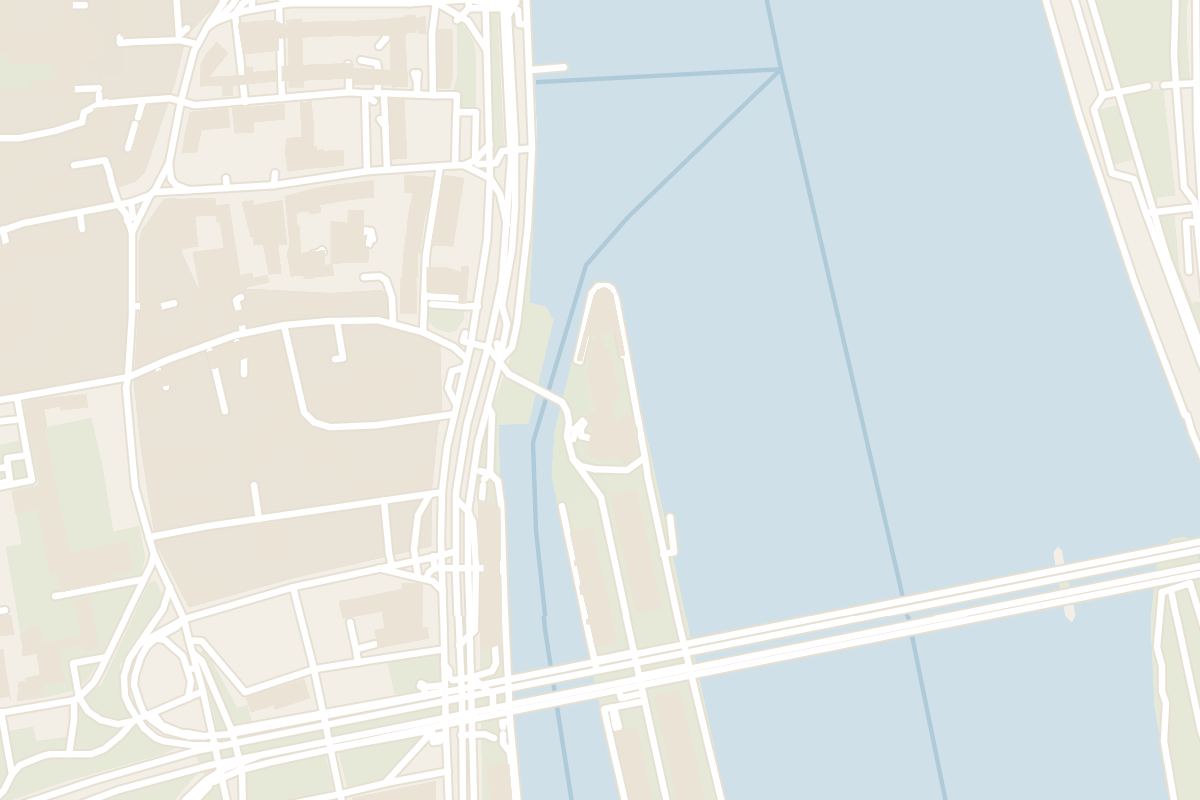
At the tip of Cologne's Rheinau peninsula you can watch raw beans become finished bars through the windows of a working factory, then taste the chocolate at a fountain three metres high.
The building is an old customs office framed in aluminium and glass, with an outline like a large ship. Two open staircases climb on the outside to its promenade deck.
Inside, a tropical house ten metres high is planted with several kinds of cacao, which sometimes bear fruit. The fountain is decorated with 80 golden pods and always kept filled with 200 kilograms of liquid chocolate.
Look for two early machines that helped make chocolate smooth, the five-roller mill and the conche. About 30 antique vending machines are here too, and you can work one of them yourself.
The room called the treasure chamber holds grating stones and drinking vessels from the Olmecs, Maya and Aztecs, who at times used cocoa as money. In the porcelain castle, look for services in porcelain, silver or gold, with the cups and pots used for chocolate at court.
The exhibition covers nine areas on four levels. It begins with growing and shipping: look for the dugout canoe from Ghana, inscribed Intowada, and walk through the greenhouse.
Behind glass comes production, where media stations show what happens inside the machines, from roasting onward. The fountain is here too. Through more windows you can watch truffles being decorated and hollow rabbits and unicorns made by hand.
The cultural history section follows 5,000 years of chocolate, including the colonial trade. At the top, ten interactive stations each stand for a feeling linked with chocolate, such as a red heart that beats when you touch it. A media wall shows old advertisements.
The shop is on the first floor.
If you want a bar made to order, pick milk, dark or white, up to four ingredients and a name as soon as you reach the workshop. It is ready in 45 minutes, so see the upper levels while you wait.
The production line stops at half past five, so go to it first if you come in the afternoon. You can go into the shop without a museum ticket, and the café terrace looks over the Rhine.
Afterwards the Schoko-Express tourist train leaves the museum stop every half hour and goes back through the Old Town to Cologne Cathedral. Check the last departure at the stop if you plan to ride back in the evening.
Explore the rest of Cologne
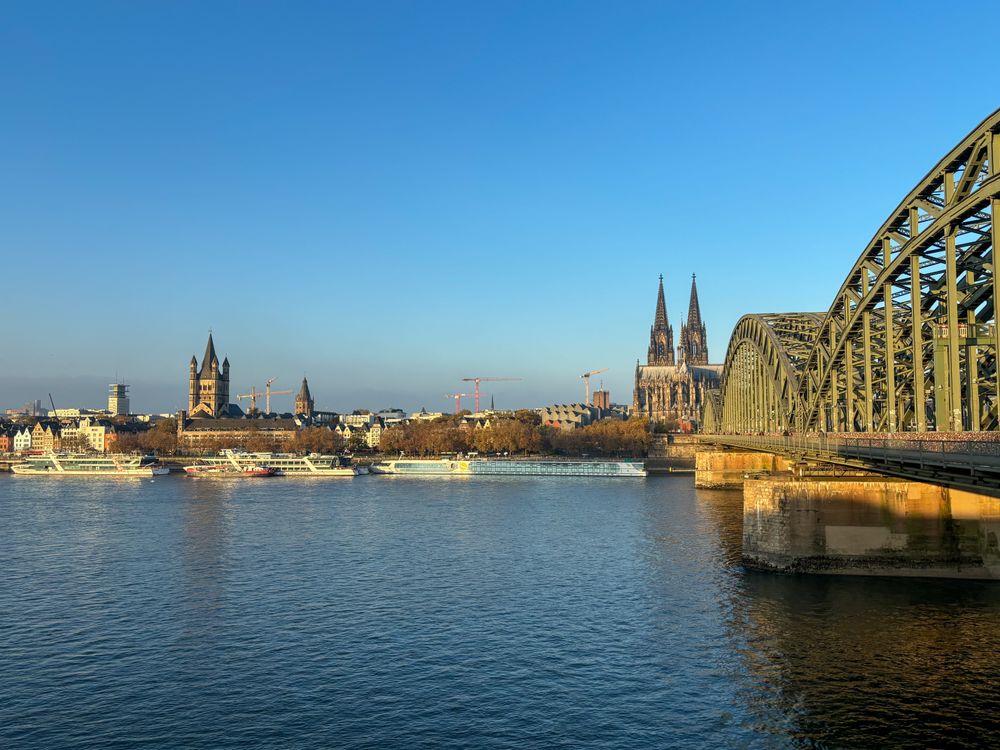
The cathedral and the Hauptbahnhof stand side by side on the Rhine, opposite Deutz, and the Altstadt fills the streets behind the…
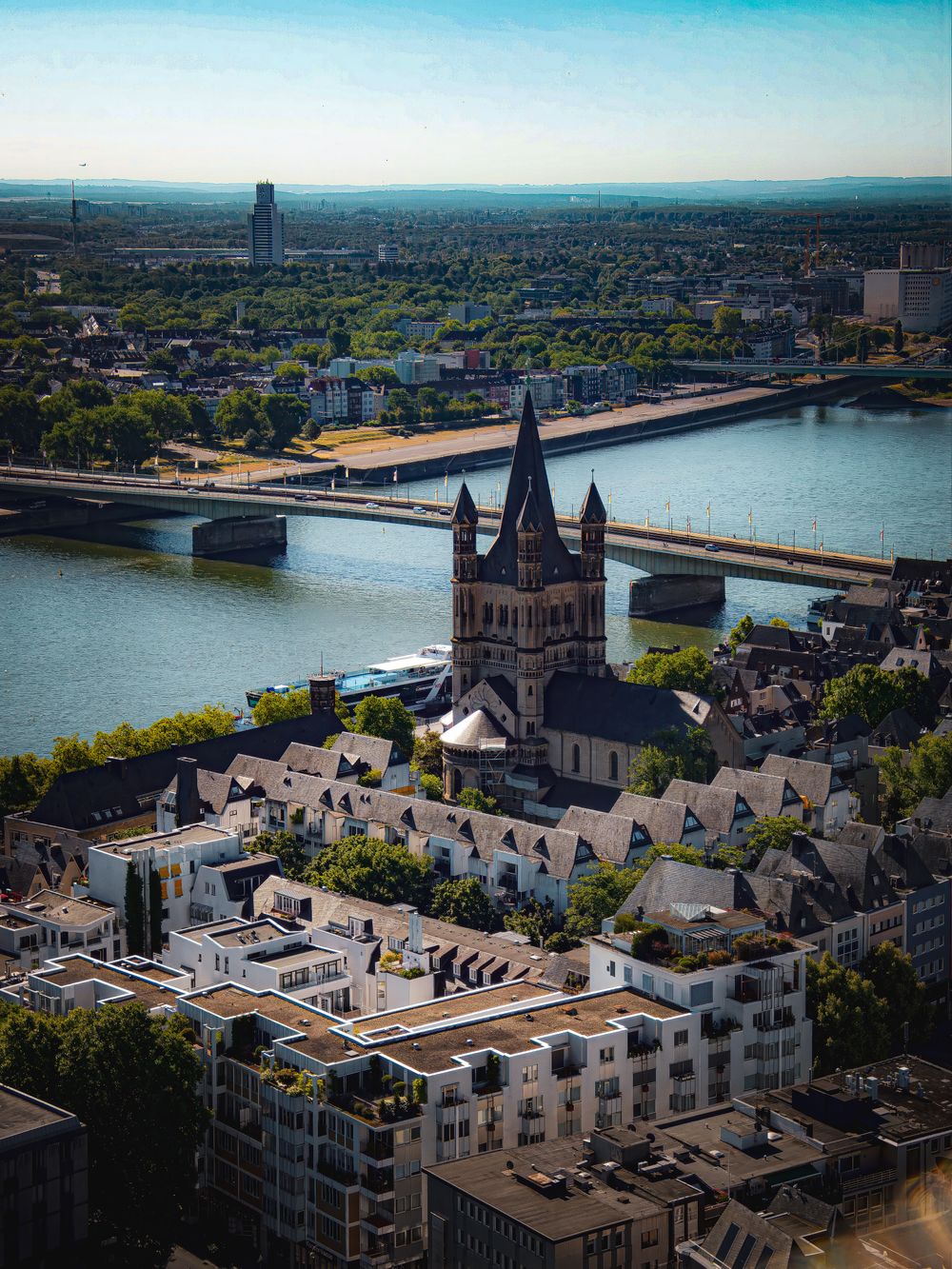
Groß St. Martin's Romanesque tower rises above the riverfront houses of the Altstadt. The church is shut on Mondays and opens only in the…
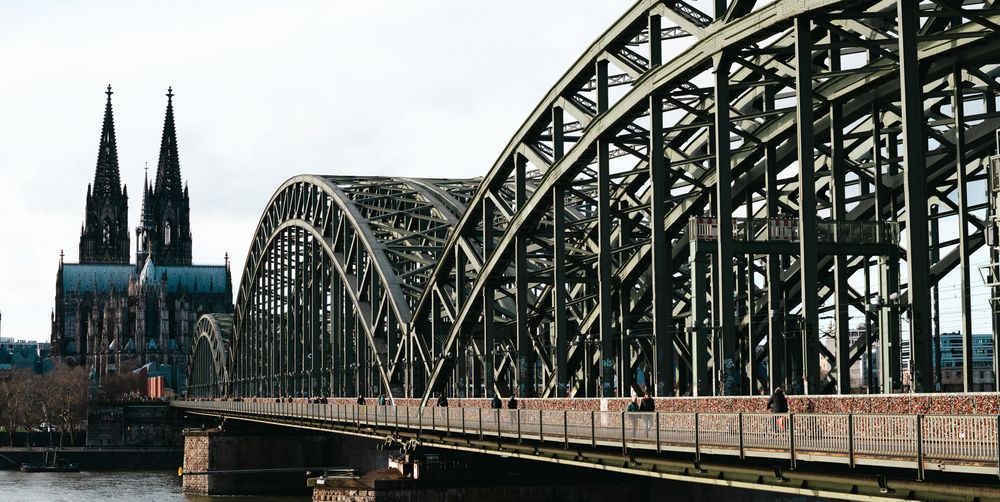
A footpath runs beside the railway tracks on the Hohenzollern Bridge, its fences hung with padlocks, from the cathedral end of the Altstadt…
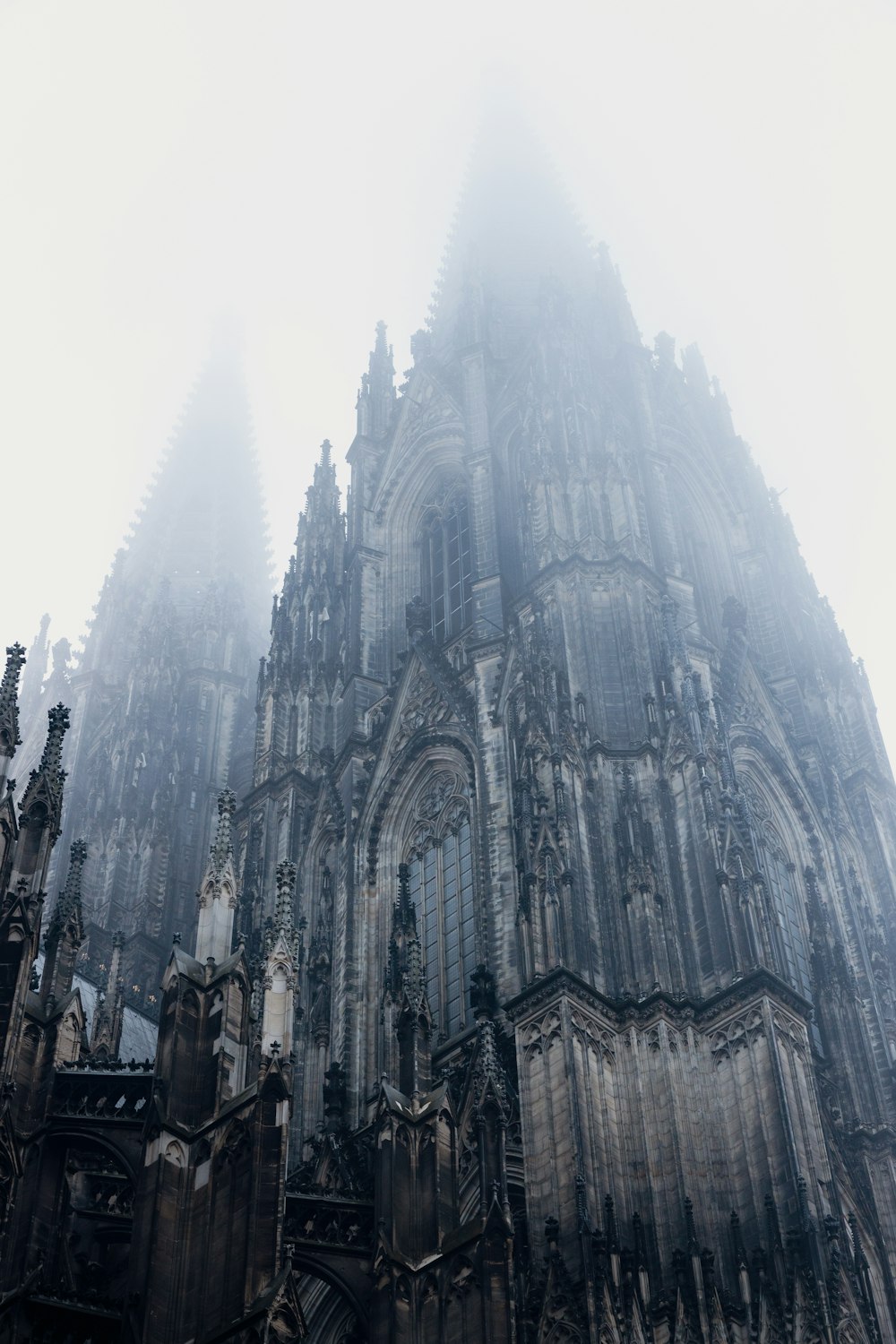
Twin spires rise right beside Köln Hauptbahnhof, and since July 2026 the cathedral interior, home of the Shrine of the Three Kings, has…
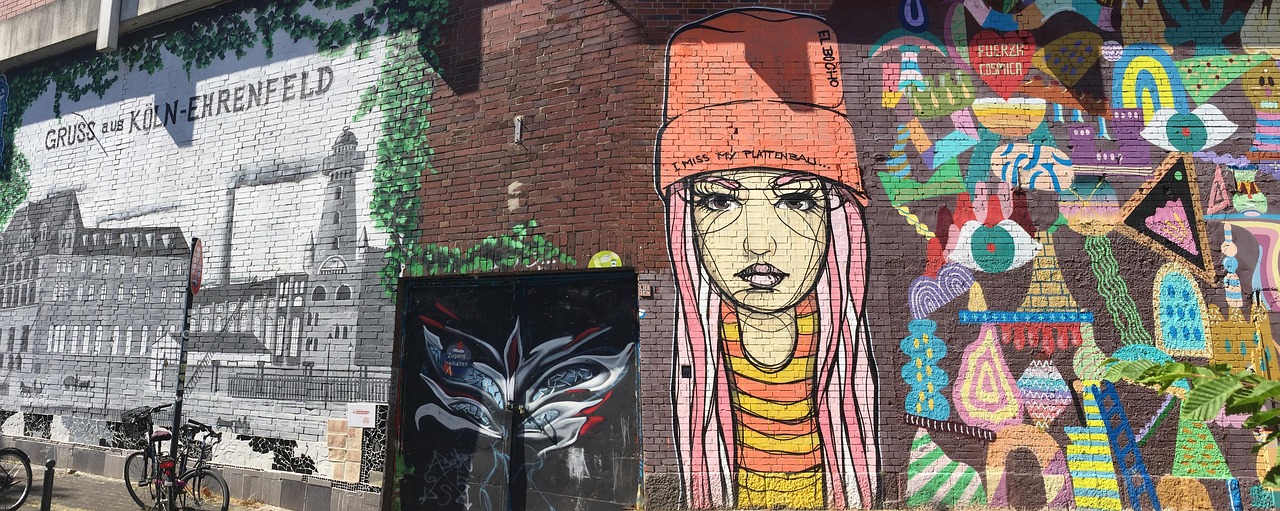
Murals and graffiti cover the walls of Ehrenfeld, north-west of the centre, where former factory halls now hold studios, clubs and music…
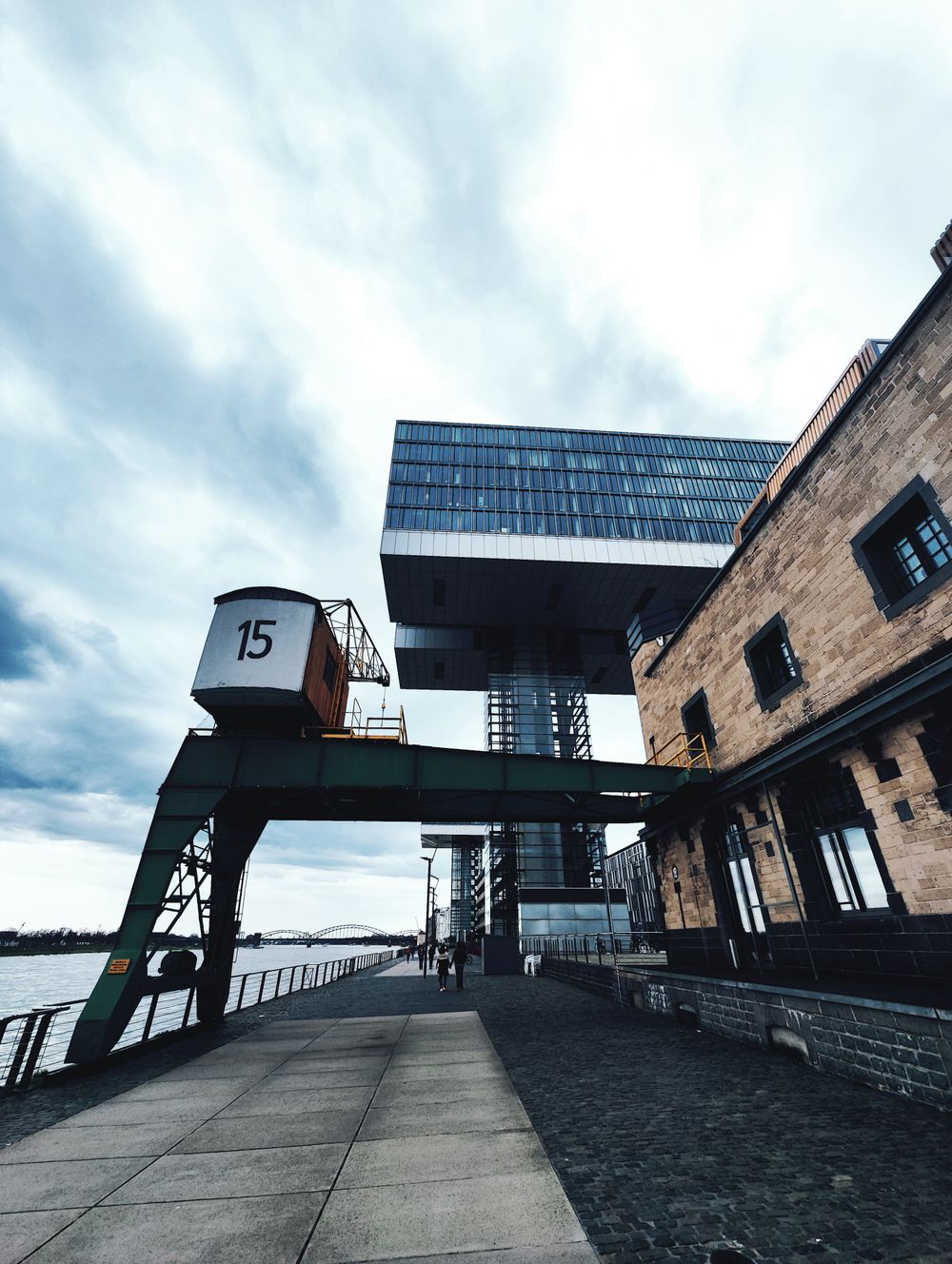
A promenade follows the water through the Rheinauhafen, the harbour quarter on the Rhine south of the Altstadt, to the Schokoladenmuseum…
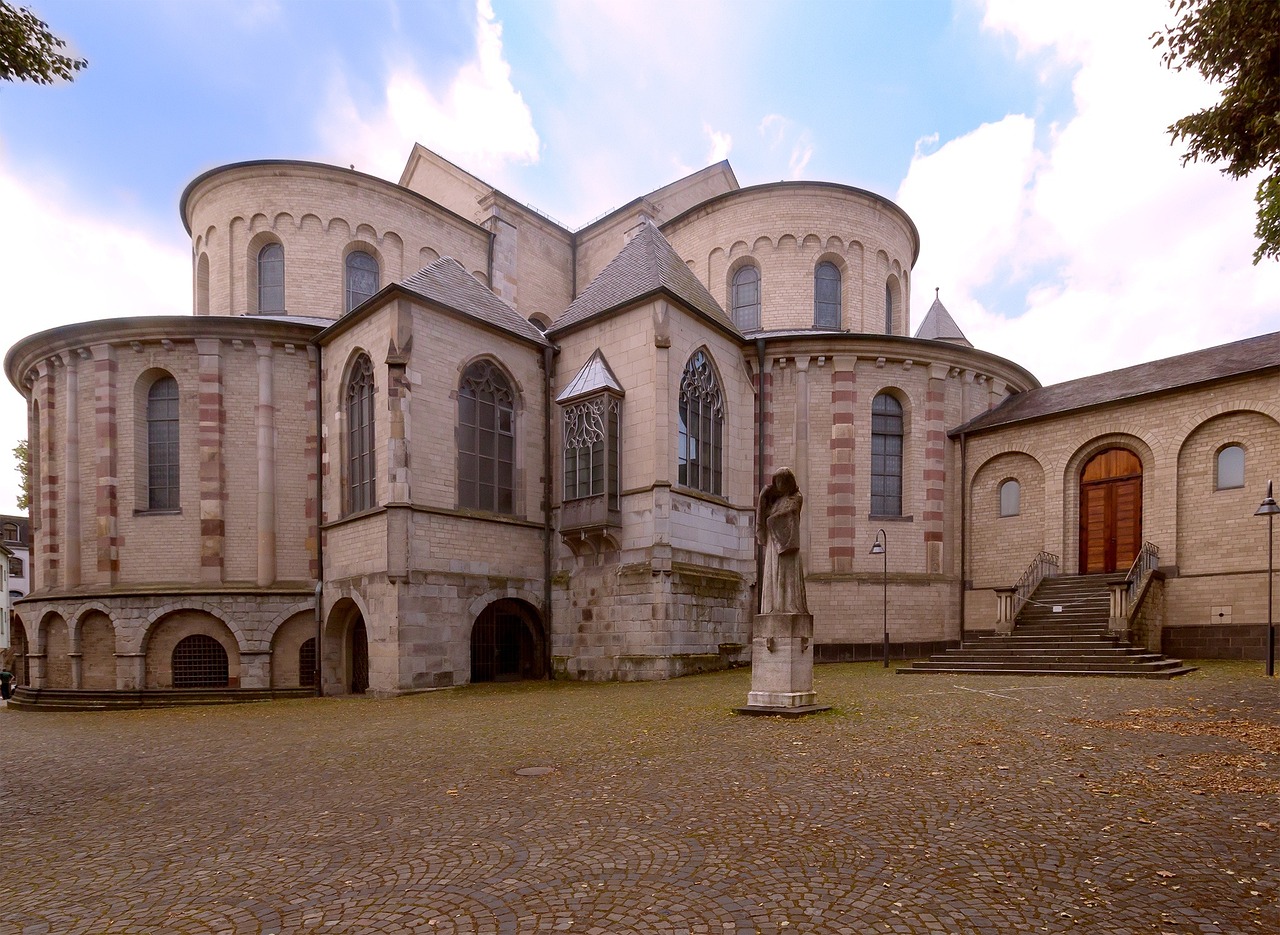
A carved wooden door five metres high is the showpiece of St. Maria im Kapitol, and a rood screen of 1525 divides the church inside. It…
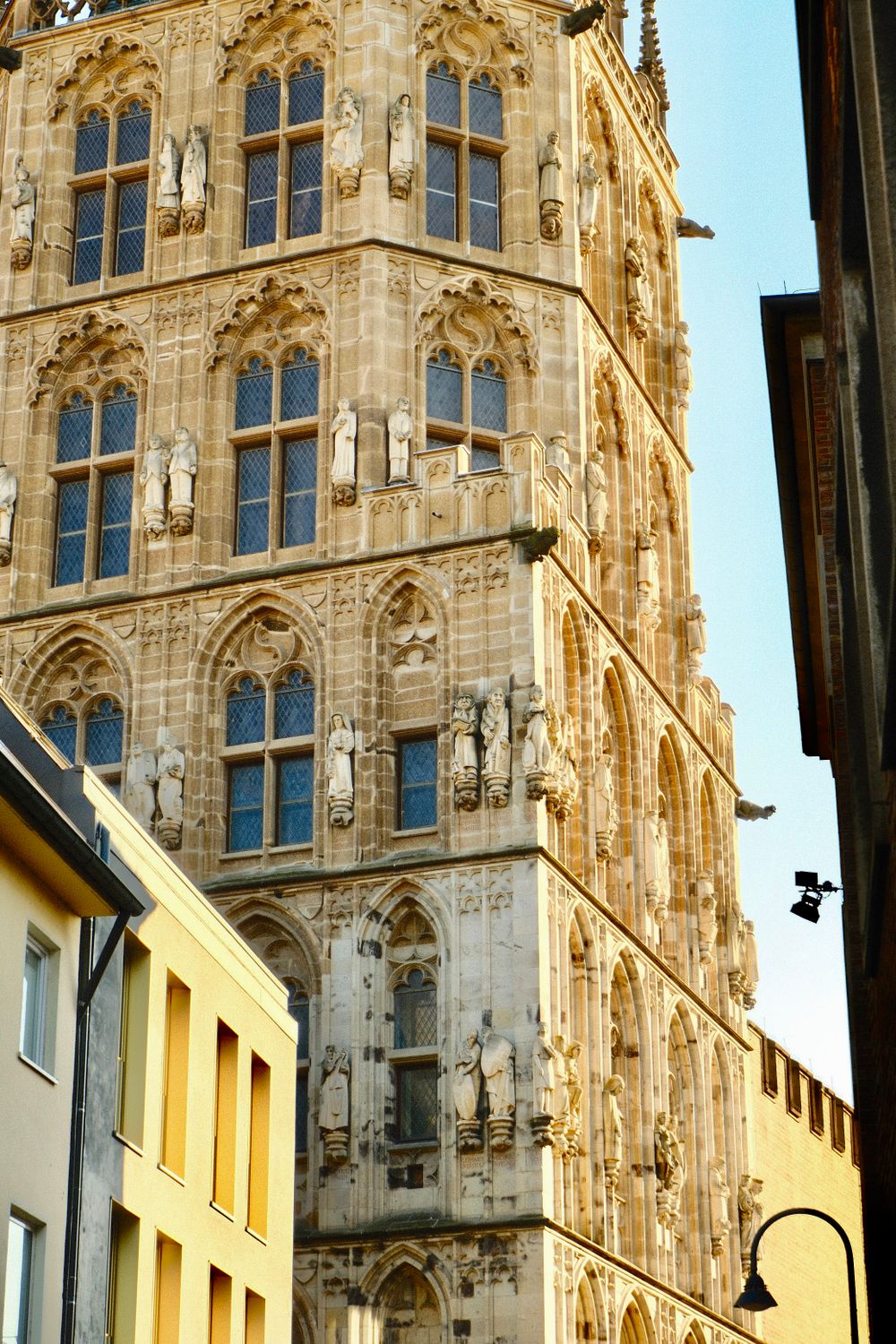
On every full hour the Platzjabbeck, a carved face on the tower of the Historisches Rathaus, opens its mouth and sticks out its tongue over…
The official pages this guide was checked against.
Last updated