Things to do
13-
Cologne Cathedral
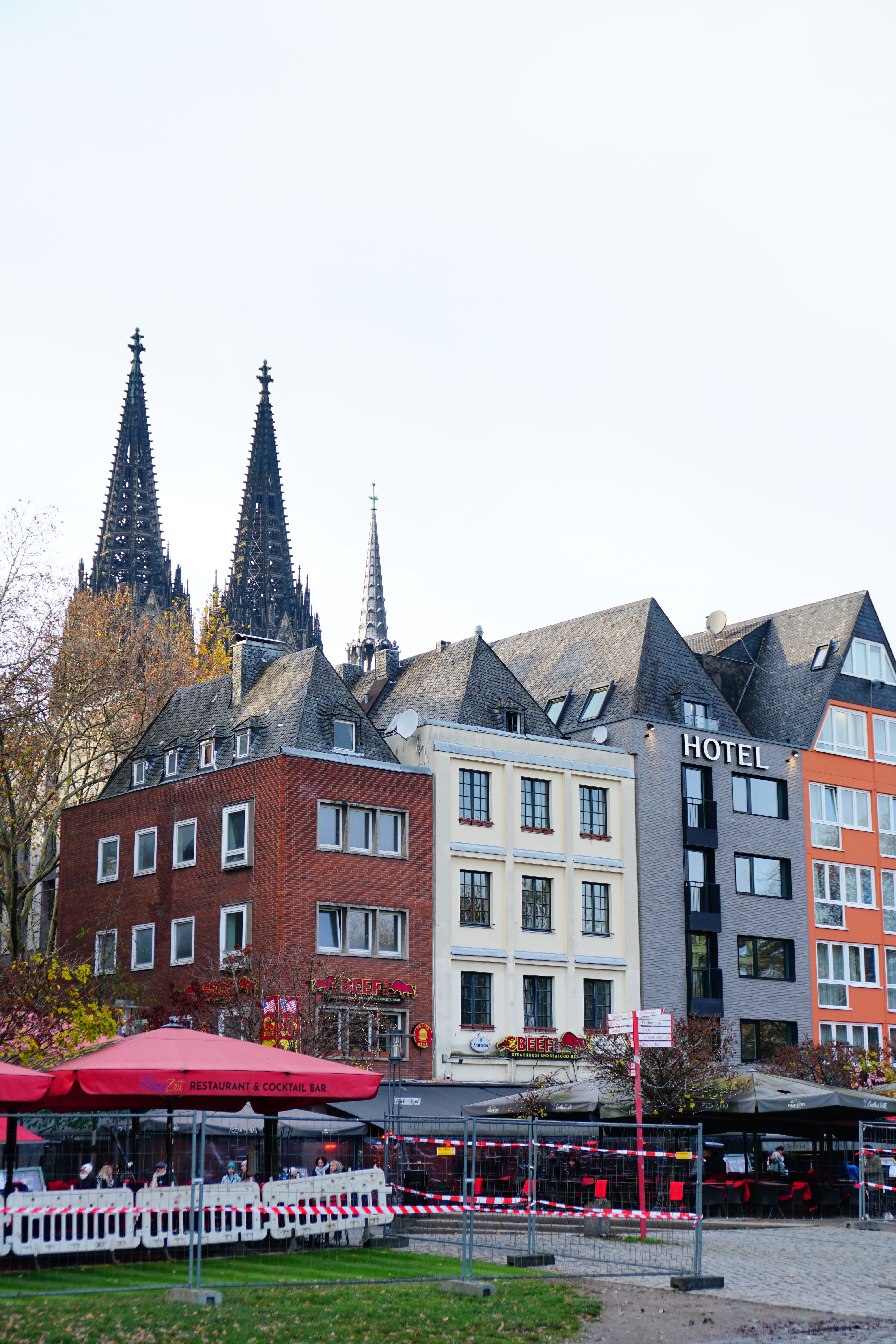
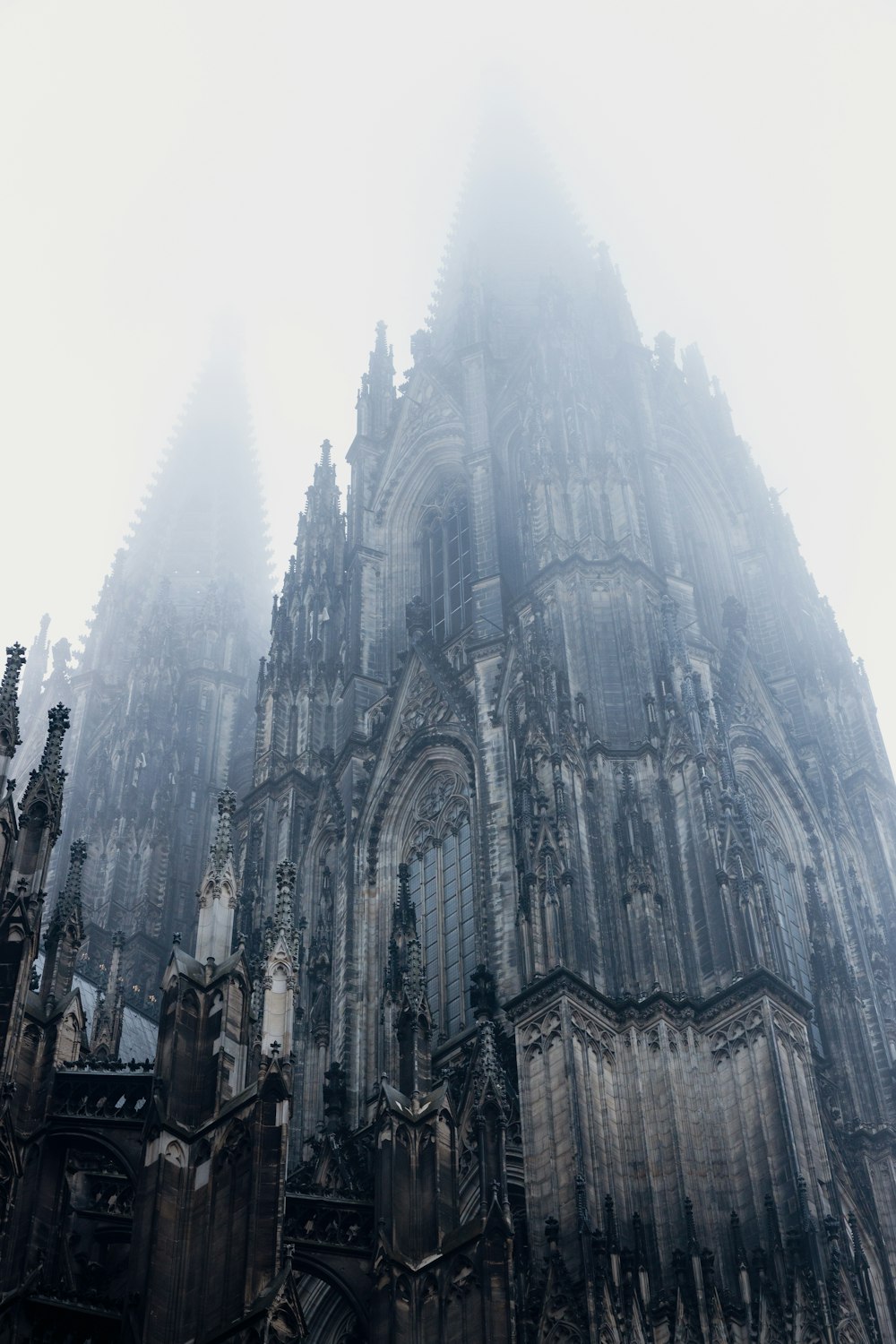
Twin Gothic spires rise straight from the station forecourt, over a cathedral begun in 1248, abandoned for three centuries and finished to the medieval plans in the nineteenth century. Inside, the shrine of the Three Kings draws pilgrims and the Richter window throws pixels of colour across the south transept. The south tower is climbed by more than five hundred steps, with no lift.
-
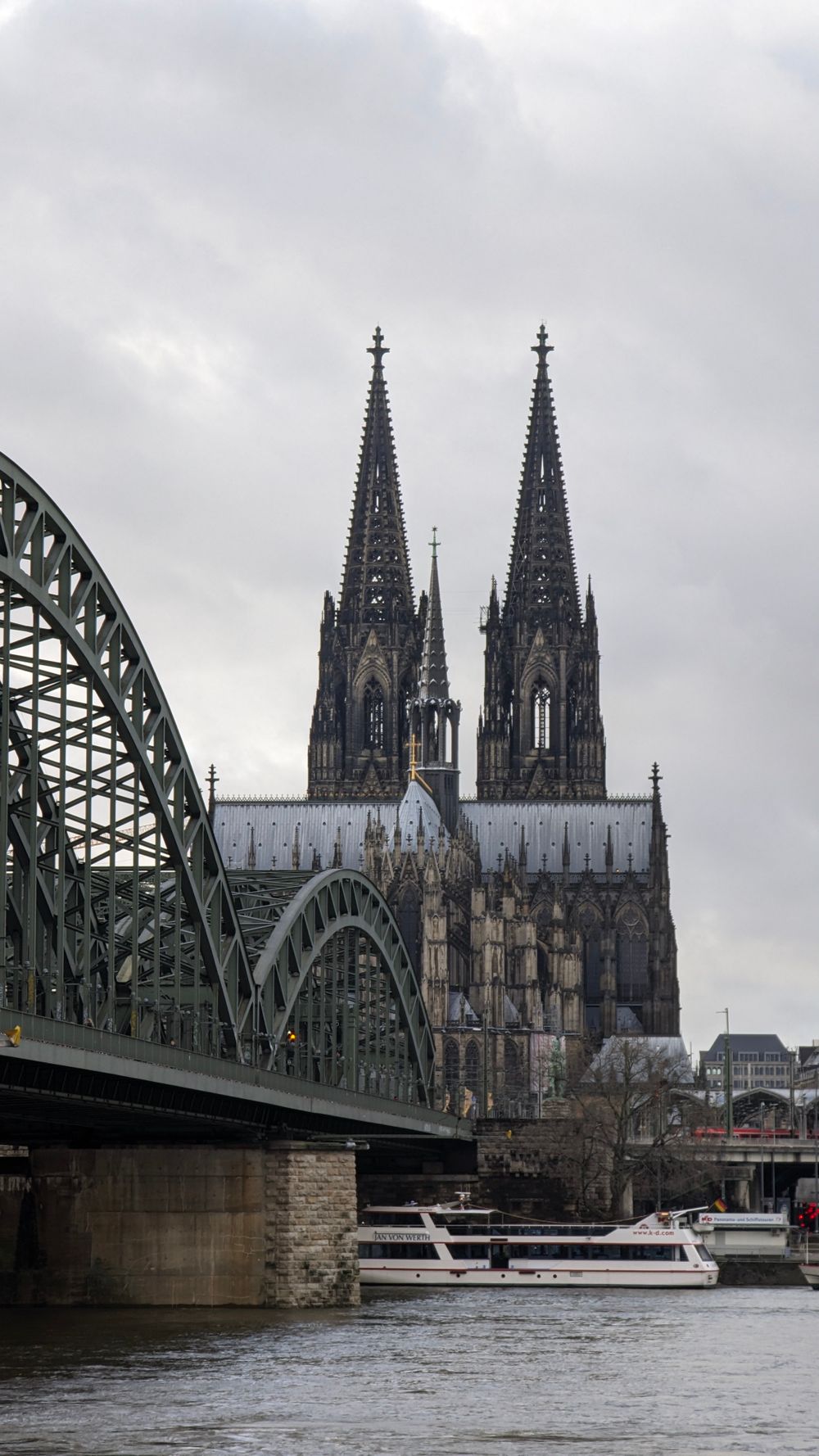
Hohenzollern Bridge
Trains cross the Rhine here every couple of minutes, and the walkway beside them carries a fence buried under padlocks left by couples. The view back at the cathedral and the old town is the standard picture of the city, and it sharpens after dark from the far bank. Crossing takes ten minutes and links the centre to the concert arena side.
-
Schokoladenmuseum Köln
A glass and steel building shaped like a ship on a spit in the Rhine, covering cacao from Olmec use through colonial plantation to a working production line, with a three-metre chocolate fountain dipping wafers at the end. It is the most visited museum in the city. Weekends are heavy and mornings are not.
-
Altstadt-Nord
The quarter between the cathedral and the river, rebuilt after the war on the medieval street lines with gabled fronts that look older than they are. Brauhäuser here serve Kölsch in two-tenth-litre glasses brought by waiters called Köbes, who are traditionally curt. The fish market square is the postcard corner.
-
Groß St. Martin
A Romanesque tower with four turrets rising over the riverfront houses, on foundations of a Roman warehouse that stood on an island in the Rhine. Gutted in the war and reconsecrated in 1985. The excavations underneath are shown on guided visits and explain how the bank has moved since the first century.
-
Hohenzollernbrücke
The busiest railway bridge in Germany, over a thousand trains a day, blown up by retreating troops in 1945 and rebuilt without its road deck. The pedestrian walkway beside the tracks carries hundreds of thousands of padlocks, which the railway tolerates and weighs. It gives the standard photograph of the cathedral from the far bank.
-
Kölner Dom
Begun in 1248, abandoned for three hundred years with a crane left standing on the unfinished tower, and completed in 1880 to the original plans, at which point it was the tallest building in the world. The gold shrine of the Magi behind the altar is what it was built to hold. Five hundred and thirty-three steps climb the south tower.
-
Kölner Seilbahn
A cable car across the Rhine since 1957, the first in Europe to span a river, running between the zoo on one bank and the Rheinpark on the other in about six minutes. It closes from November to March. Combined with the Zoobrücke footway it makes a circuit of an hour on foot.
-
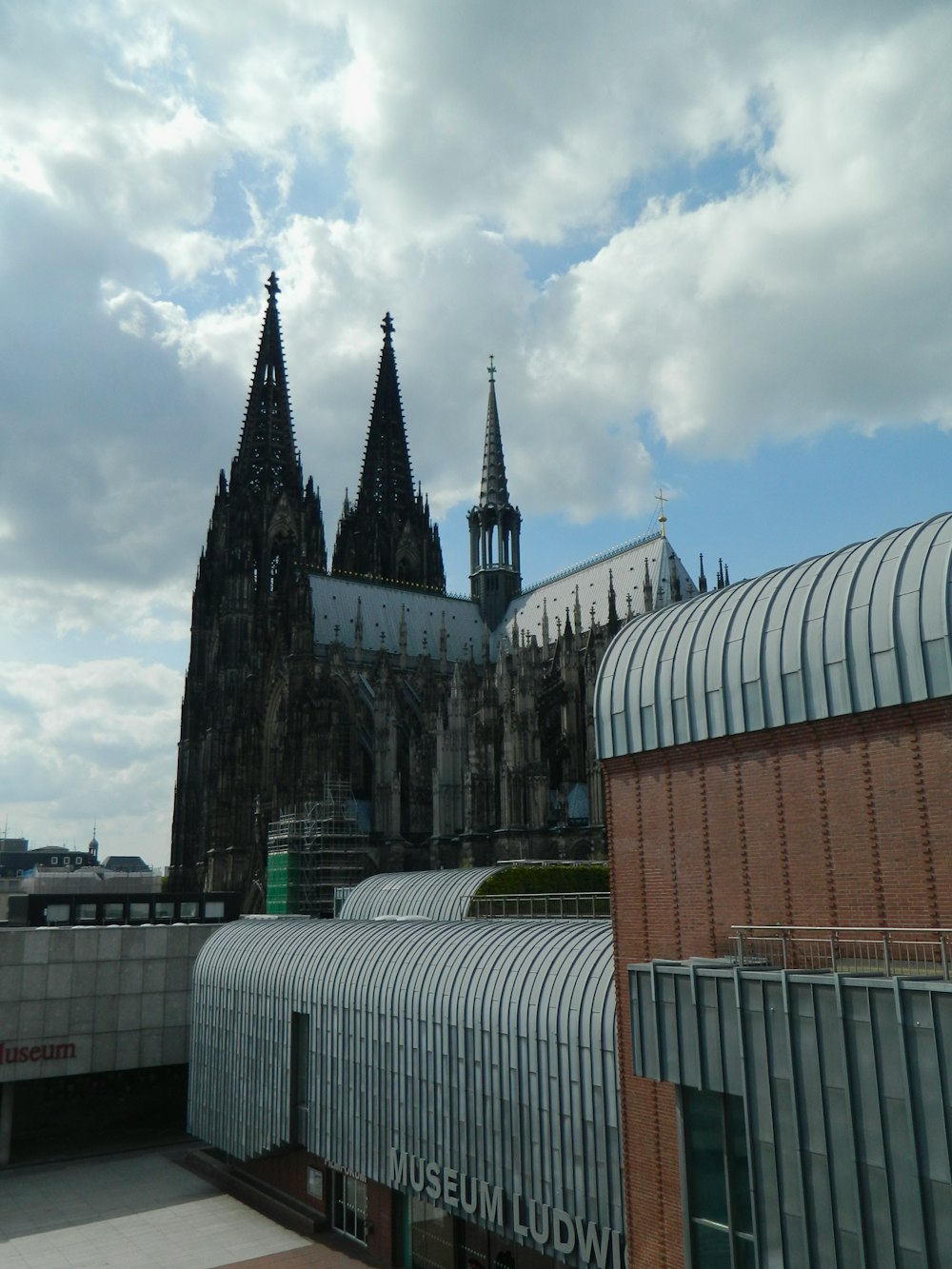
Museum Ludwig
Pop art, Russian avant-garde and one of the deepest Picasso holdings in Europe fill a museum wedged between the cathedral and the river. Its historic core is the Haubrich bequest of Expressionist work that the Nazi state had condemned as degenerate. Extended evening opening one Thursday a month suits a late visit, and a couple of hours covers the main floors.
-
NS-Dokumentationszentrum
The Gestapo held prisoners in the cellar of this office block, and the ten cells survive with over eighteen hundred inscriptions scratched into the walls by Germans, Poles, Russians and French. The floors above document the city under National Socialism. It is the largest regional memorial of its kind in the country.
-
Rheinauhafen
A working port until the 1990s, redeveloped from 2002 into a strip of offices and flats behind three glass buildings shaped like cranes leaning over the water. Old brick warehouses were kept between them. A promenade runs the length of it and the sports museum occupies one of the customs halls.
-
Römisch-Germanisches Museum
Built over the Dionysus mosaic where it was found in 1941, during the digging of an air-raid shelter beside the cathedral, along with the funeral monument of a legionary standing fifteen metres high. The main building has been closed for renovation since 2019 and the collection is shown at the Belgian House nearby.
-
Wallraf-Richartz-Museum
The oldest of the city's museums, holding medieval painting of the Cologne school, then Rembrandt and Rubens, then a floor of impressionists given by a Swiss collector in 2001. Stefan Lochner's Madonna of the Rose Bower is the one to find. It sits in a dark brick cube behind the old town hall.