 Submit a photo
Ninety seconds on Széchenyi Thermal Bath
No, but booking is strongly advised. Tickets can still be bought on arrival, yet online tickets take priority when the bath is full, and the official webshop sells them up to 180 days ahead. Online tickets cannot be moved to another date or time slot. On the spot, the self-service machines at the entrance take cards only.
The bath never closes for a day, public holidays included. As of 2026, weekends and holidays run on weekend opening hours, and the times shift with the season, so the official hours page is the one to check before going. Cash desks close an hour before closing time, and the pool areas must be left 20 minutes before it.
No, not with the daily ticket. Towels, bathrobes, swimwear, slippers and swimming caps are not included and cannot be rented. The shop sells them, though not in every size, or they can come from home. Slippers are compulsory throughout, while a cap is required only in the lap pool.
Not with children under 14. Since 1 August 2025 the whole bath is closed to them, even the outdoor pools, unless a medical certificate from a specialist has been approved 24 hours before the visit. Staff may check a child's age against an original passport or ID card. The bath directs families to its other baths suited to children.
Until closing time. The daily ticket allows entry at any point during opening hours, with entry stopping one hour ahead of closing time and the pools emptied 20 minutes before the doors shut. A morning fast track ticket must be used to enter by 11 am, yet still allows a full day. Two to three hours covers the main pools without hurry.
By metro is easiest: the bath itself suggests the M1, the millennium underground, and trolleybus 72 also serves it. The address is Állatkerti körút 9-11. There is no car park of its own, and street parking nearby is capped at three hours, so driving suits only a short soak.
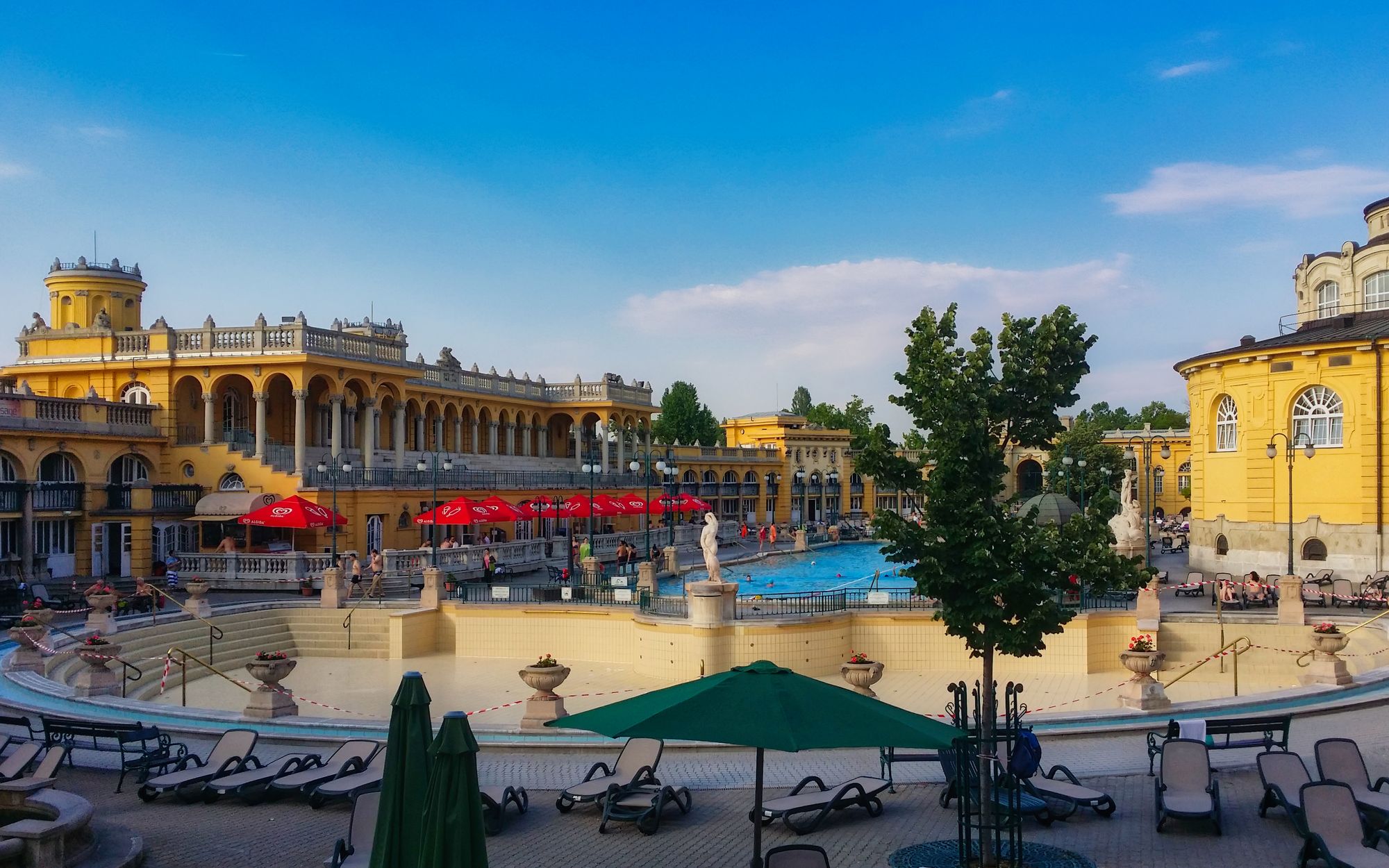
In winter the steam rises off the hot outdoor pool of Europe's largest medicinal bath into the cold air, and a handful of locals soak there. Weekends bring the queues.
Look up as you walk through the main entrance hall of the Czigler wing: its dome carries a mosaic of the sun god Helios driving a four-horse chariot. A centaur fountain by the Hungarian sculptor József Róna stands in the same hall. Both are easy to miss on the way to the changing rooms, so stop for a minute before you go through.
Outside, the yellow Neo-Baroque building wraps a courtyard of pools set with statues, balustrades, urns and fountains. The outdoor part, with the Francsek wing curving round the pools on the north side, was added in 1927. Two thermal springs, at 74 and 77 degrees, feed the pools.
The outdoor thermal pool is the one with the chess boards, and it stays open through winter. If snow is forecast, go that day, for the sight of it falling on the warm water.
The QR code on your ticket does not open the turnstile, so exchange it at the entrance for a wristband. It opens your locker and the turnstiles, so keep it on until you leave. A basic locker comes with the ticket, and a cabin is a private changing room for two that holds your bags all day.
Shower before you get in; after that the order of the pools is yours. In winter the dash from the changing rooms is cold, and the outdoor thermal pool, at 36 to 38 degrees, is the hottest of the three outdoor pools. The leisure pool runs a few degrees cooler, and the lap pool cooler again, with a cap required.
Indoors, the steam area runs from two cold plunges up to a hot plunge at 40 degrees. Alternate a hot soak with a cooler pool or a rest, and keep to about 20 minutes in the thermal pools. The saunas need a towel between you and the bench, and phones and smart watches stay outside them.
Allow two to three hours. Last entry is an hour before closing, and the pools clear shortly before the doors shut.
Nothing can be hired, so bring a towel, the compulsory flip-flops and your own soap, because the showers have no dispensers. Bring a coloured one if you can, since many bathers use plain white hotel towels and yours is easier to spot. You can eat food from home on the terrace, but alcohol you bring is not allowed.
You cannot buy a ticket just to look round, and there are no guided tours, so the only way to see the halls is with a bathing ticket. On Saturday nights from February to December the bath hosts Sparty, a party until 2am for adults only. The usual daytime services are closed during it, so come on another evening for a quiet soak.
Explore the rest of Budapest
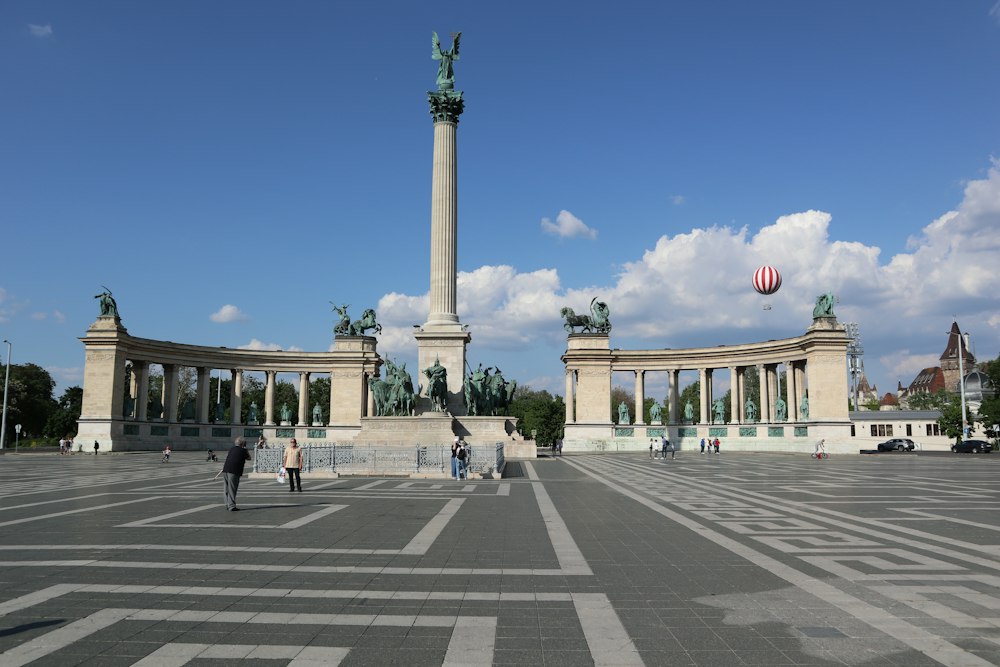
At the far end of Andrássy Avenue, a colonnade of Hungarian rulers and statesmen curves around a column carrying the archangel Gabriel,…
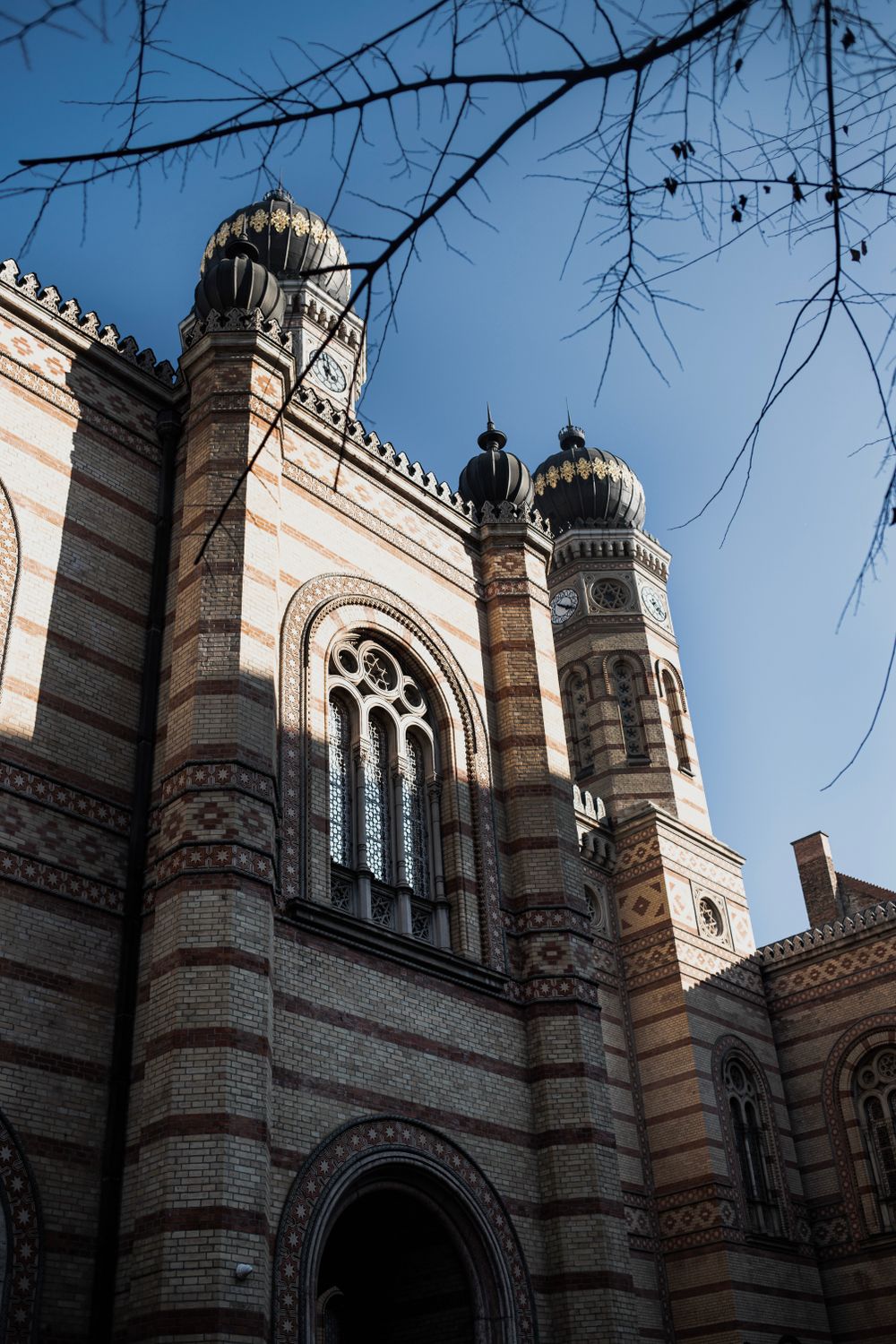
Moorish Revival towers on the edge of the old Pest ghetto hold the largest synagogue in Europe, consecrated in 1859 and seating about three…
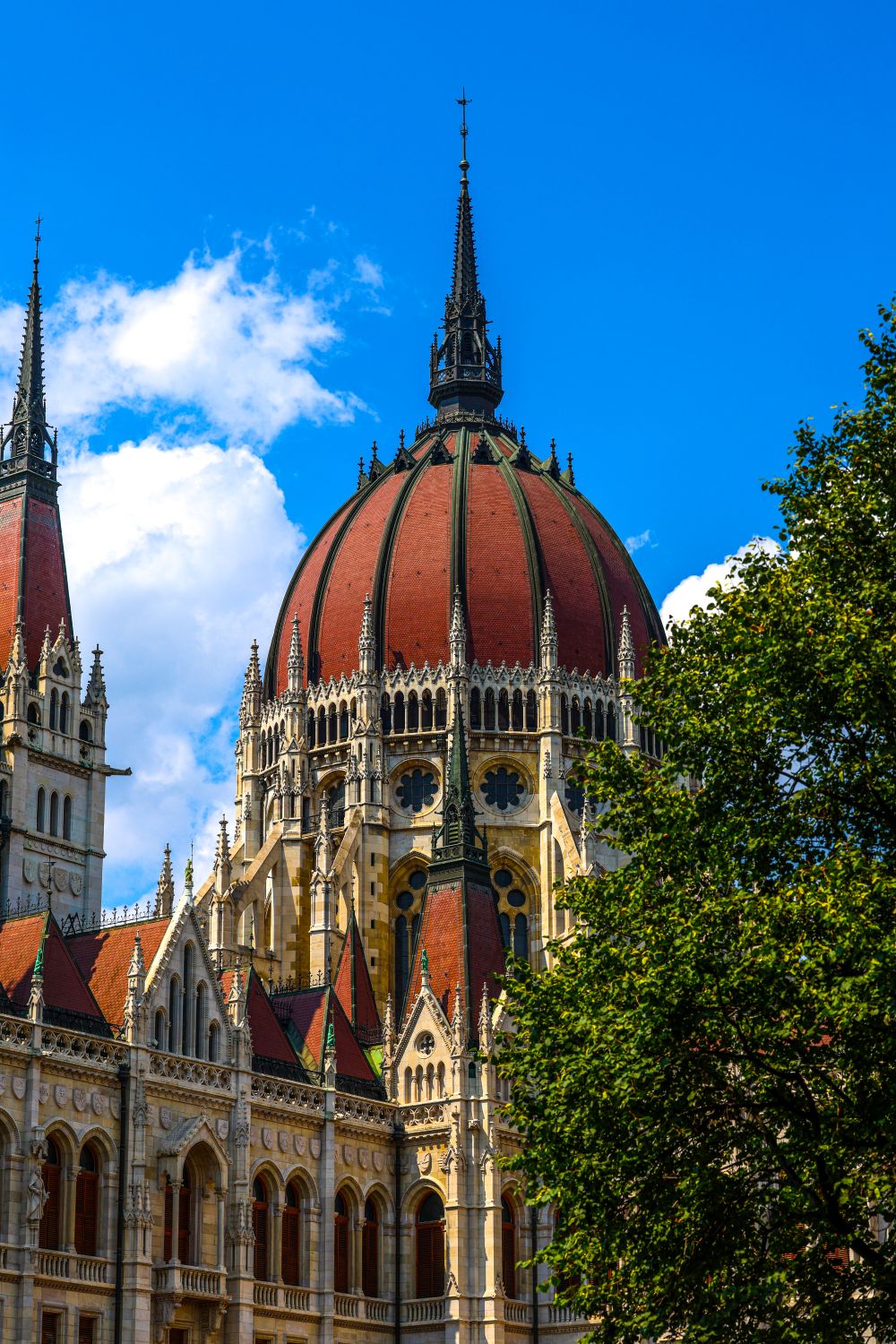
Imre Steindl's neo-Gothic parliament was finished in 1902 and still houses the National Assembly, so the interior opens only on a timed…
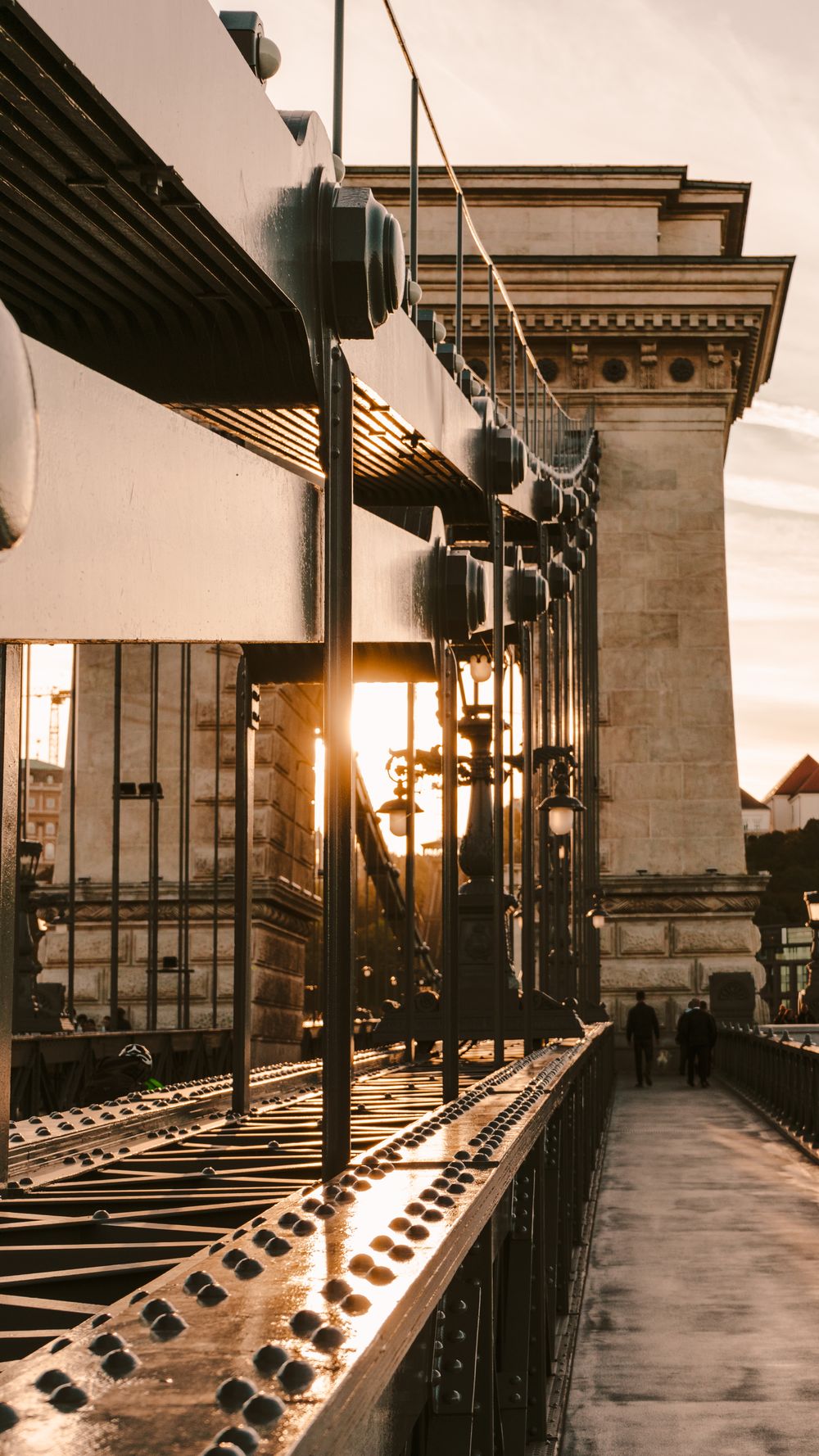
Hungary's first permanent Danube crossing opened in 1849 to a design by William Tierney Clark, supervised on site by the unrelated Adam…
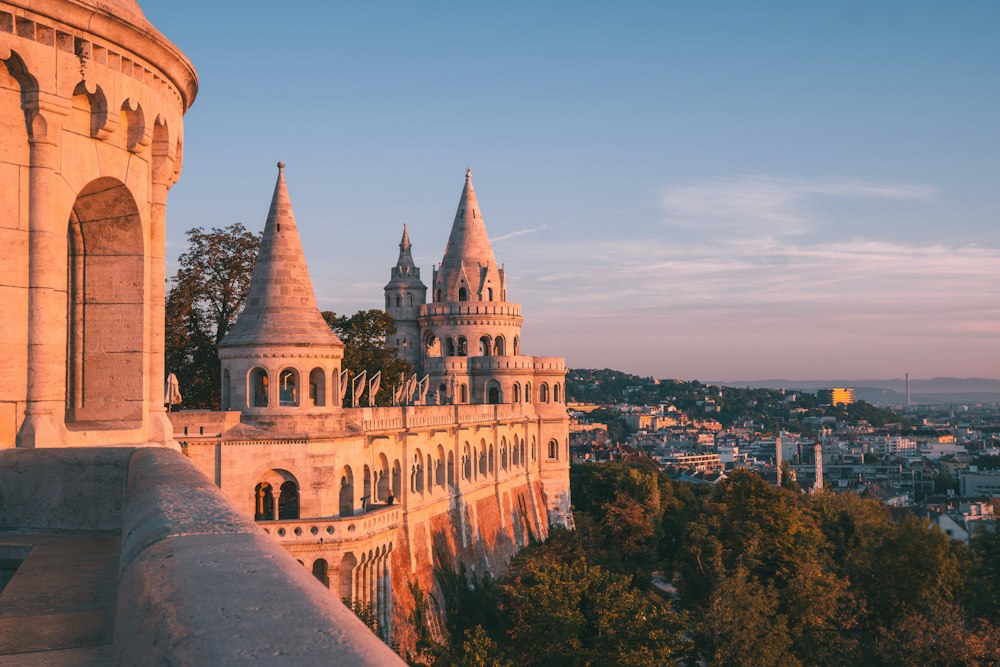
Seven white turrets stand for the seven Magyar tribes that settled the Carpathian Basin. Frigyes Schulek built the terrace between 1895 and…
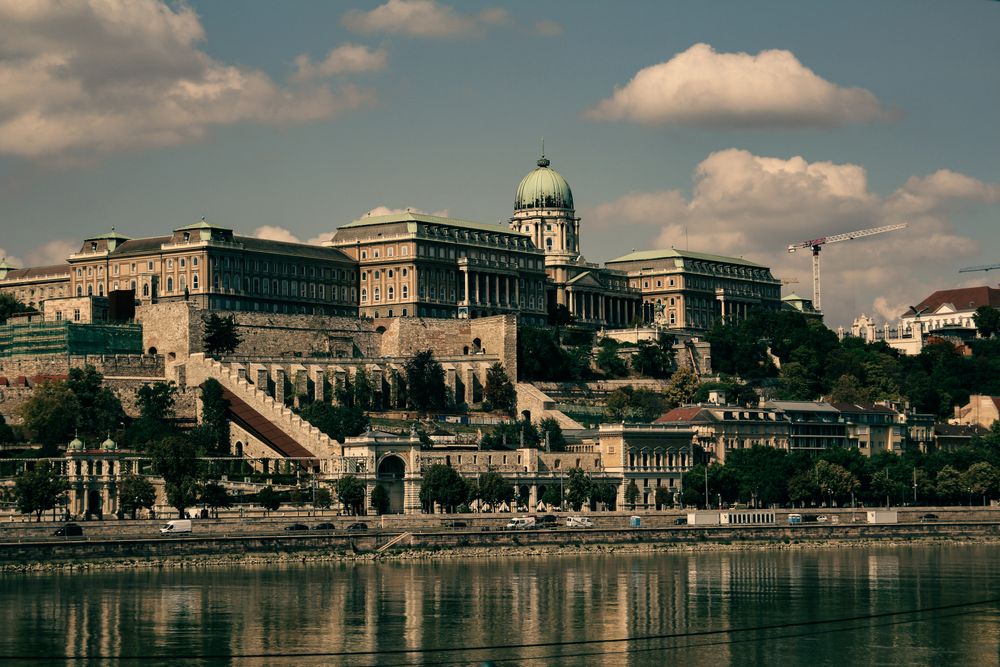
Thirteenth-century foundations lie under a baroque palace rebuilt twice after sieges, most recently from ruins after 1945. The wings now…
Buda, Óbuda and Pest became one city in 1873, and the split still reads on the ground: castle hill, thermal springs and steep streets on…
A baroque riverside town at the southern gate of the Danube Bend, settled by Serbian families who fled north from Ottoman rule in the 1690s…
Last updated