 Submit a photo
St Patrick's Festival 2027 runs from Saturday 13 to Wednesday 17 March, at venues across Dublin city centre. The day that matters most is the last, St Patrick's Day itself, when the National St Patrick's Day Parade sets off at 12pm. The full schedule for the days before is announced in January 2027.
It starts at 12pm on Wednesday 17 March 2027 and takes about two hours to pass any one point. The 3.2 kilometre route begins at Parnell Square in the north of the city, runs down O'Connell Street, crosses O'Connell Bridge and winds through the south side to the junction of Cuffe Street and Kevin Street. More than 3,000 performers take part.
No ticket is needed. The parade is free and can be watched from the pavement anywhere along the route. Grandstands are the one paid option: covered, tiered and with allocated seats, at six points on the route, sold separately by the festival. Most of the week's other events are free to attend as well.
Very crowded, so the earlier the better. The organiser expects around 500,000 spectators and advises arriving early to secure a spot. O'Connell Street and Dame Street fill solid by eleven, while College Green has noticeably more room.
City-centre roads close from early morning until late afternoon, and buses are kept off the streets along the route. In 2026 public transport ran a Sunday service on all routes, Green Line trams stopped between St Stephen's Green and Dominick from 7am to 6pm, and Tara Street station closed until 4pm for crowd control. The 2027 arrangements are published nearer the day.
Plenty, and most of it free. A treasure hunt opens the festival on 13 March, and a funfair runs on Custom House Quay from the 13th through the 17th. Street performance and workshops fill the city in the days before the parade. On St Patrick's Day the Céilí Mór brings traditional dancing to Merrion Square West.
Clothes for the forecast, which in mid-March can bring anything: the festival has been held in snow blizzards and in tropical sunshine. Comfortable footwear matters, since the parade takes about two hours to pass and a good place means standing well before noon. Water and food are worth carrying, and ear defenders help anyone sensitive to noise, because the parade is loud.
Yes, on both counts. Three wheelchair-accessible viewing areas stand on O'Connell Street, Westmoreland Street and at St Patrick's Cathedral. A Relaxed Parade Space, run by Dublin City Council and the festival with AsIAm, gives neurodivergent families a calmer place to watch, entered by wristband. Applications for both open in mid-January 2027. In 2026 a Family Village for younger children ran at the Wood Quay Amphitheatre.
Yes. St Patrick's Day is a bank holiday across Ireland, the feast of the country's patron saint. Shops, pubs and attractions set their own hours for the day, so each is worth checking before setting out.
St Patrick's Day, 17 March, is the feast of Ireland's patron saint, the missionary credited with bringing Christianity to the island, and by tradition the day he died. It is a national holiday in Ireland and a celebration of Irishness wherever the Irish settled.
Dublin has built several days of events around it, with the parade at the centre. The shamrock worn on lapels is said to be the plant Patrick used to explain the Trinity.
13 to 17 Mar 2027
If you see one thing, make it the parade on the seventeenth. Watch from around College Green, where there is more room than on O'Connell Street, and be in place well before the noon start.
13 to 17 Mar 2027. Times are approximate and can change from year to year.
Street performance and workshops across the city until the 16th, and a funfair on Custom House Quay through the 17th.
O'Connell Street and Dame Street are packed by eleven.
From Parnell Square down O'Connell Street, over the bridge and through the south side to Kevin Street. About two hours to pass.
Traditional dancing on Merrion Square West on St Patrick's Day.
No ticket is needed for the parade. Marching bands, pageant companies and ceremonial groups come down O'Connell Street, and the whole route can be watched from the pavement. Most of the week's other events are free as well.
The parade crosses the river at O'Connell Bridge, passes Christ Church Cathedral on the south side and ends at the Kevin Street junction. One of the six grandstands faces the cathedral, if you would rather have a seat than a kerb.
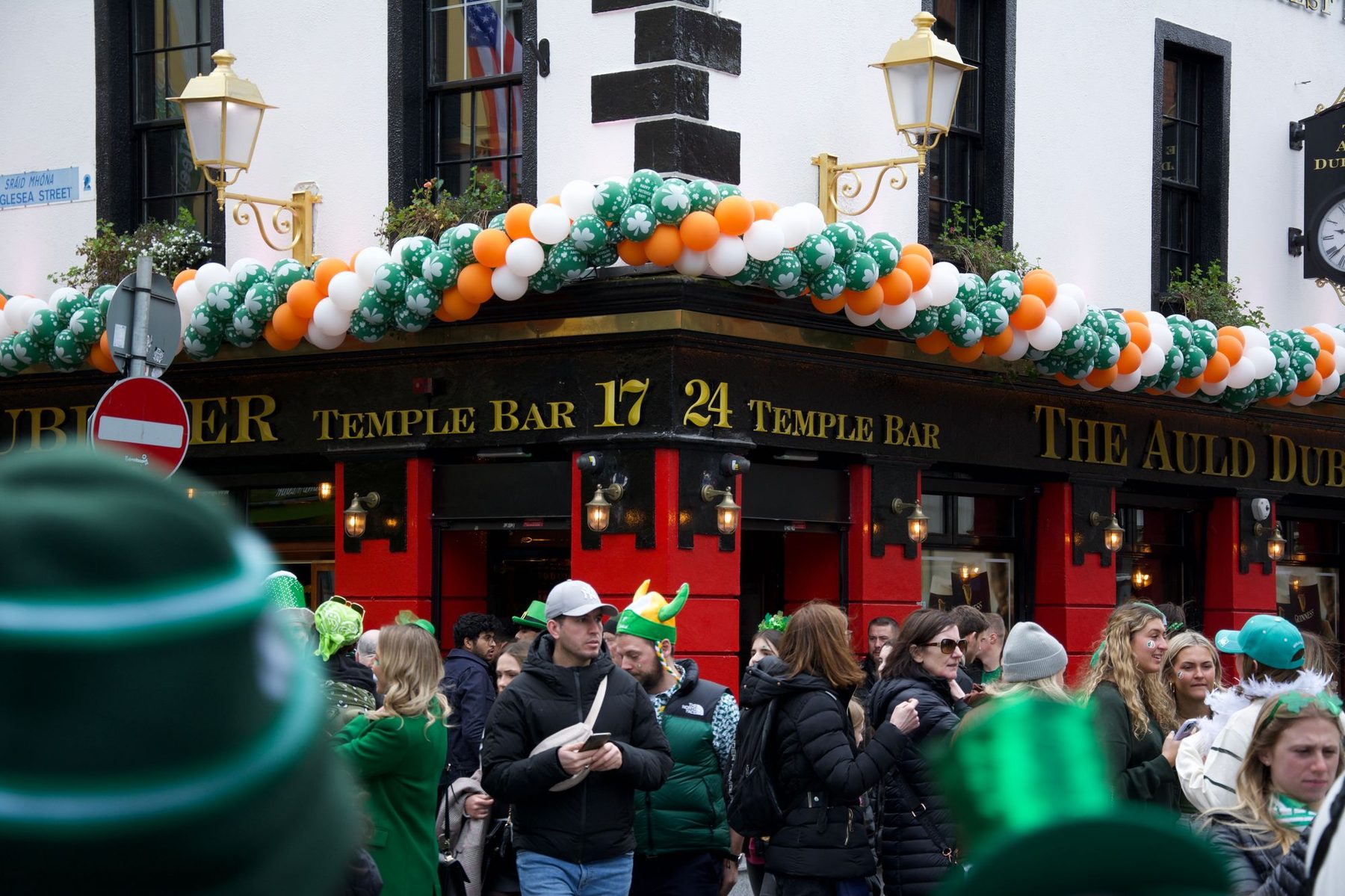
Toilets along the route are few and the queues form fast, so use your hotel's before you set out. By day the centre is calmer than you might expect; the late-night crowds gather in Temple Bar.
Stay in the centre, within walking distance of the route, since buses cannot use the streets along it on the day. Our pick is The Shelbourne on St Stephen's Green, a ten-minute walk from College Green. Book as far ahead as you can.
Add the four days to your plan
Explore the rest of Dublin
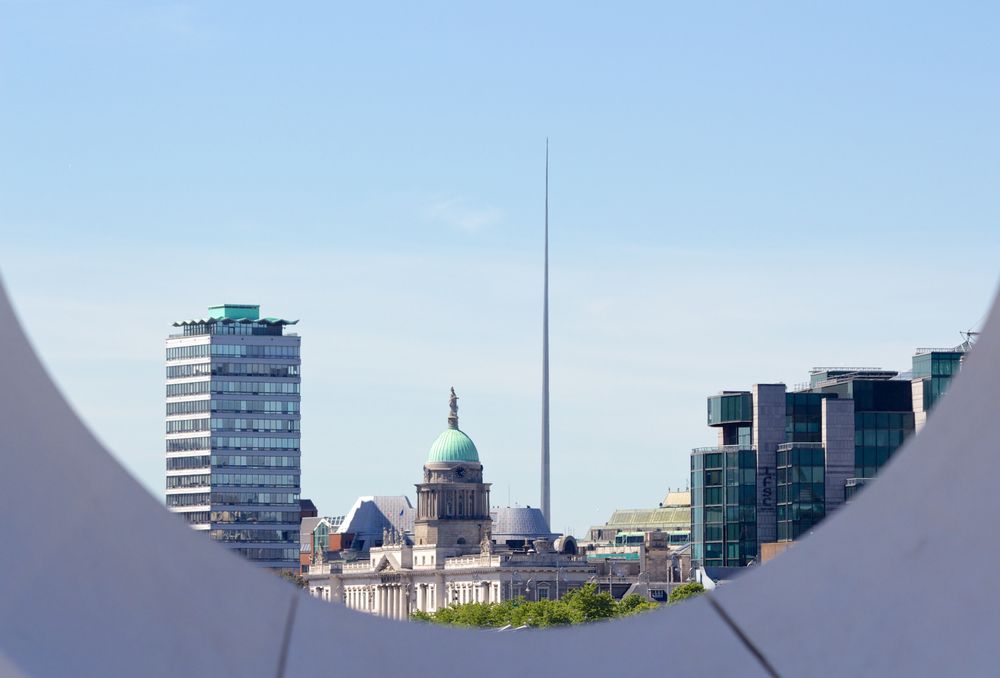
A small capital that is walked rather than ridden, laid out along the Liffey with the Georgian squares on the south side and the markets…
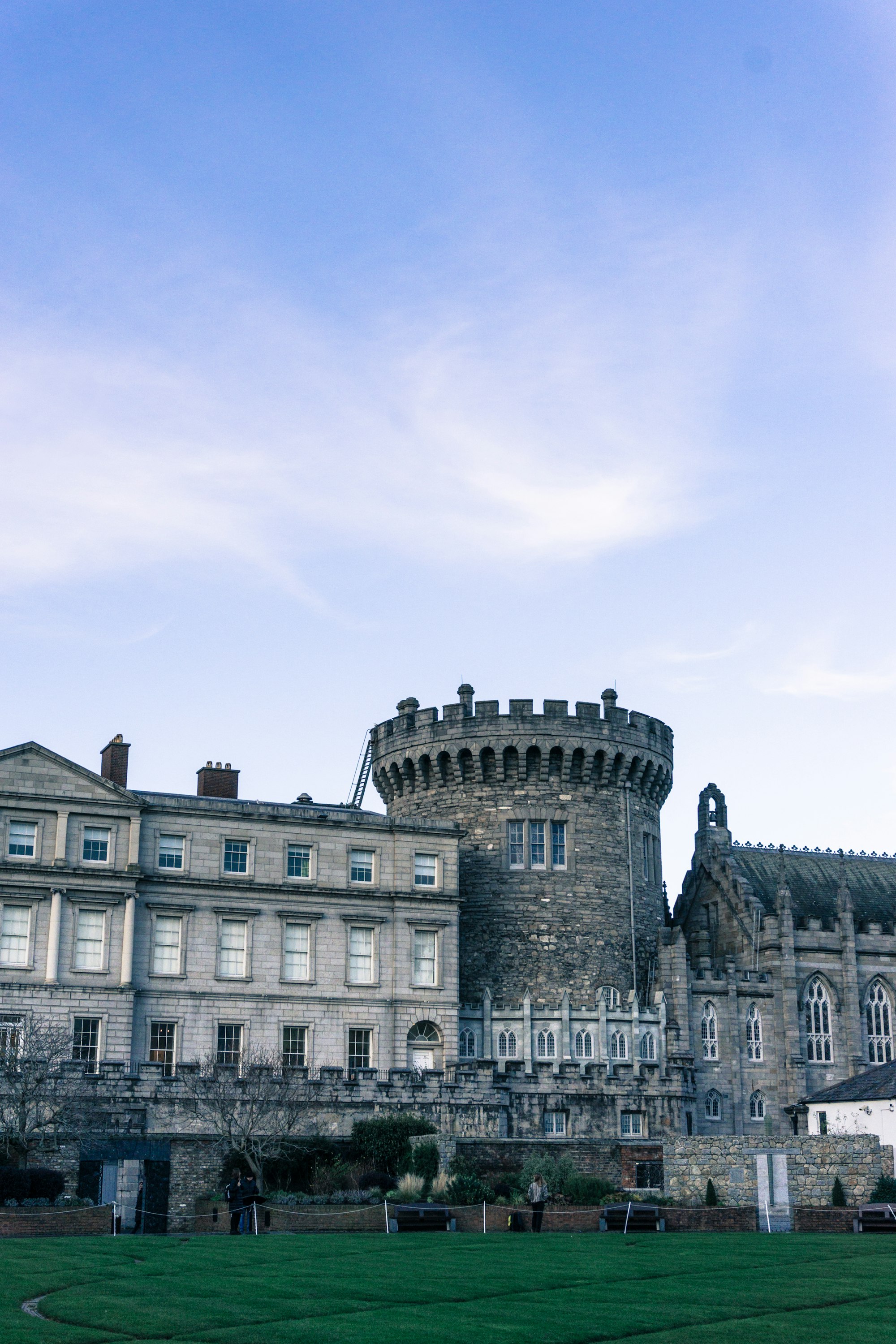
The seat of English, and later British, rule in Ireland from 1204 until 1922, now a working government complex. Its Viking Excavation and…
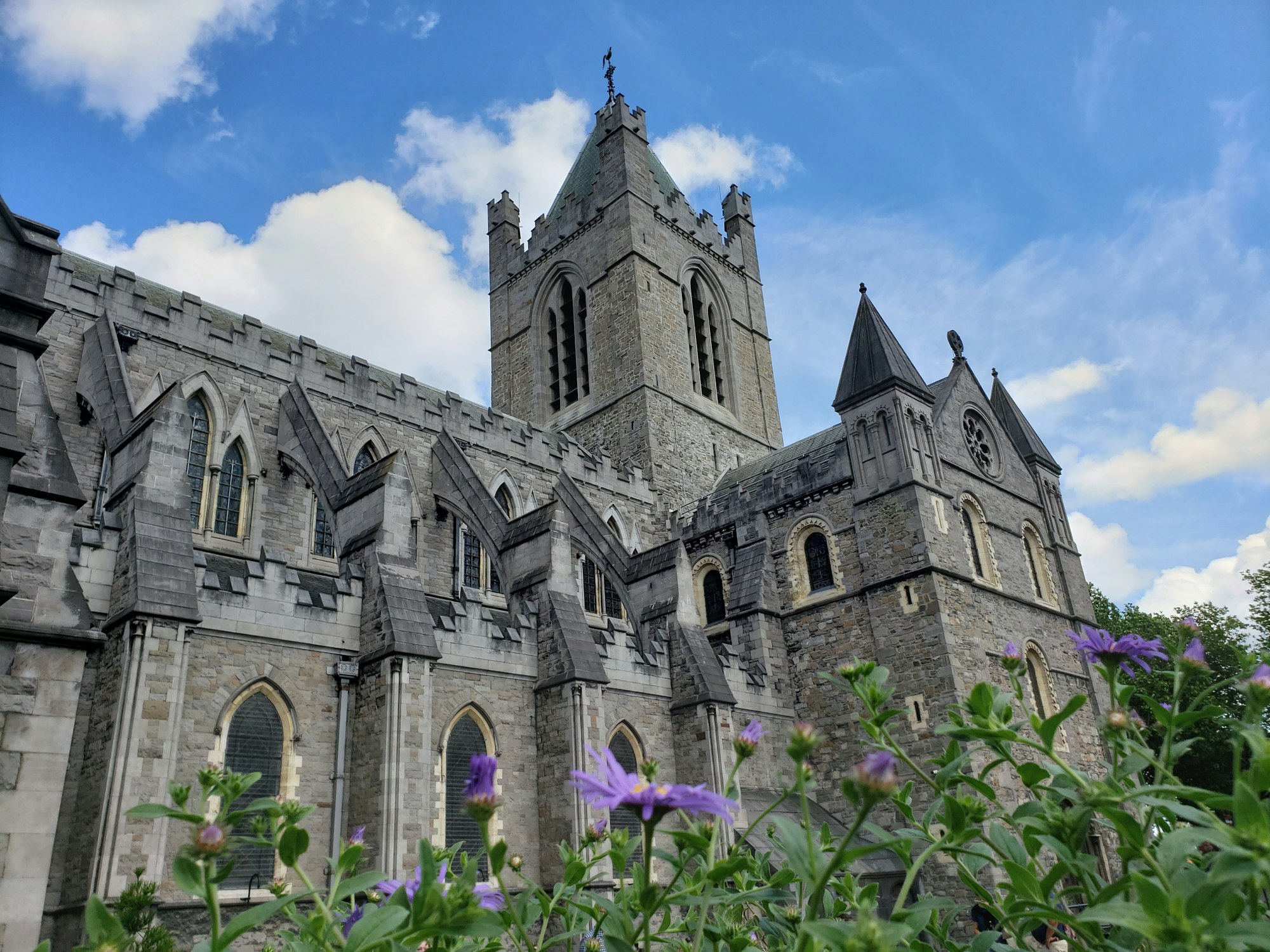
Dublin's cathedral began as a Viking church and was heavily Victorianised by the architect George Edmund Street in the 1870s. Below it, the…
The official pages this guide was checked against.
Last updated