Things to do
20-
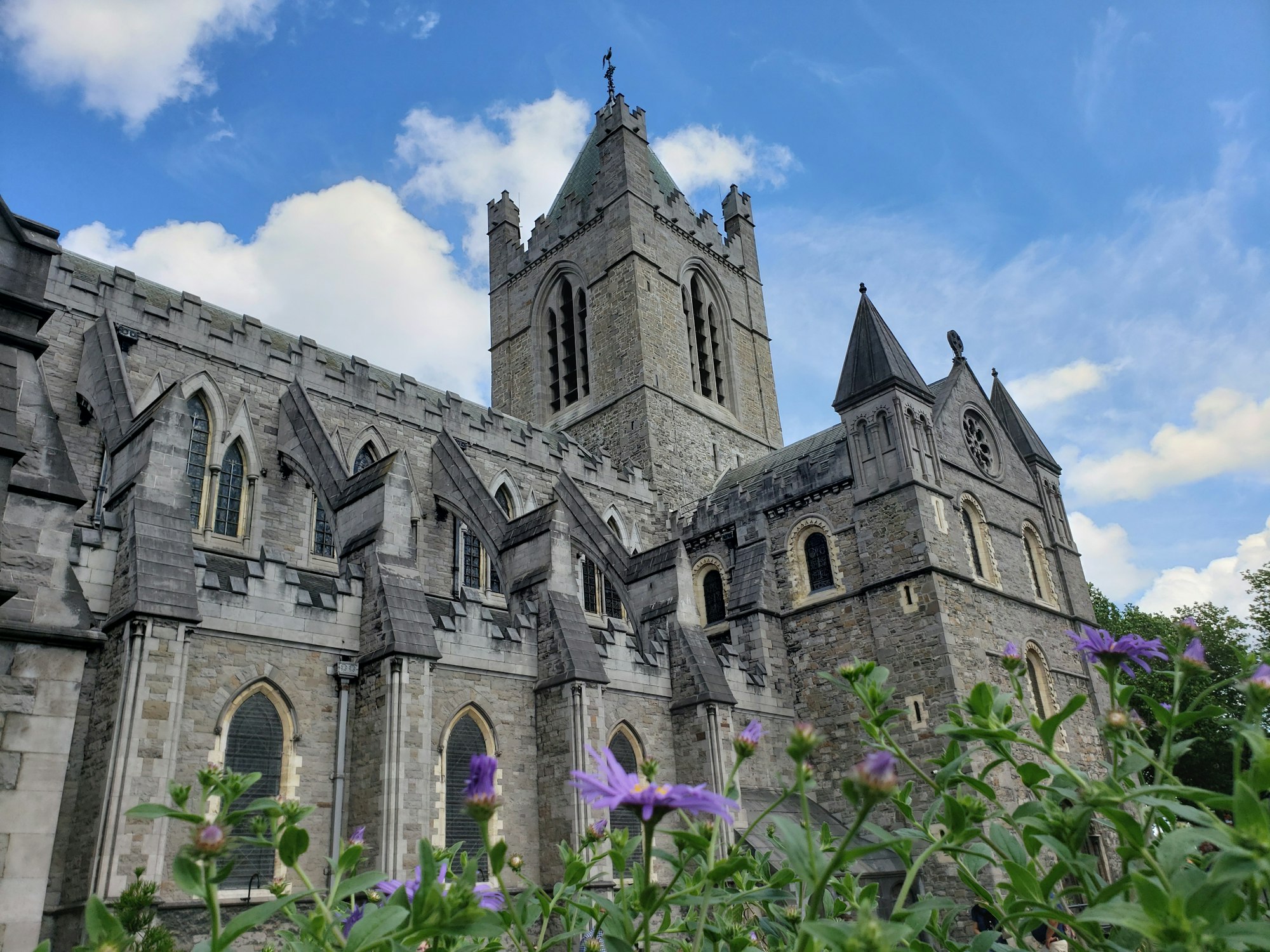
Christ Church Cathedral
The older of the two cathedrals, Norse in foundation and heavily restored in the 1870s, with a crypt that runs the full length of the building and holds a mummified cat and rat found in an organ pipe. The covered bridge across Winetavern Street links it to the Dublinia exhibition.
-
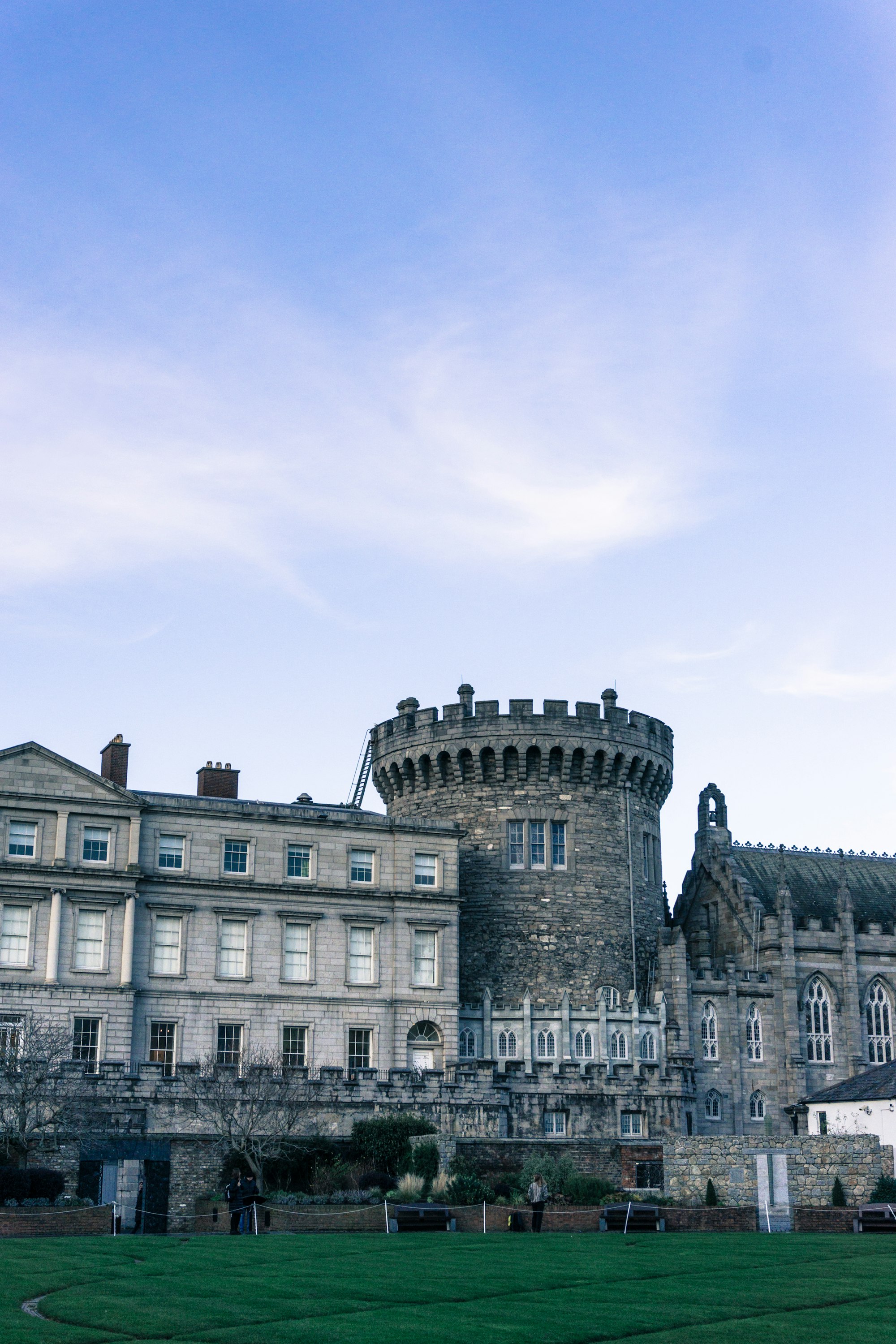
Dublin Castle
The seat of British rule in Ireland for seven centuries, handed over in 1922 and now used for state occasions and presidential inaugurations. The medieval Record Tower and the excavated Viking foundations under the yard are reached on the guided tour rather than the self-guided one.
-
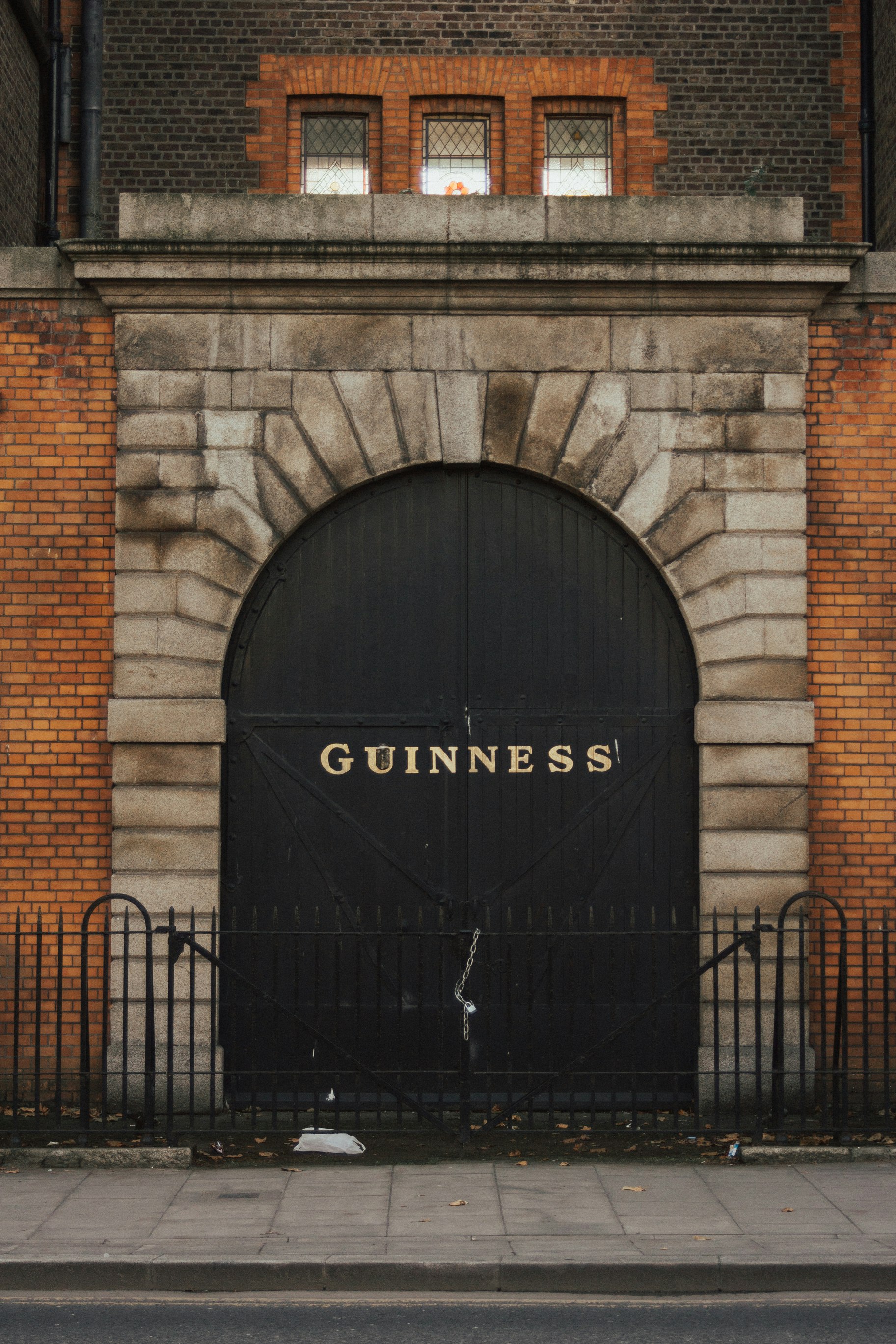
Guinness Storehouse
Seven floors built inside the old fermentation plant at St James's Gate, ending in a glass bar with a full circle of the city below it. It is the most visited fee-charging attraction in Ireland, so an early slot or a late one is the difference between reading the exhibits and queueing past them.
-
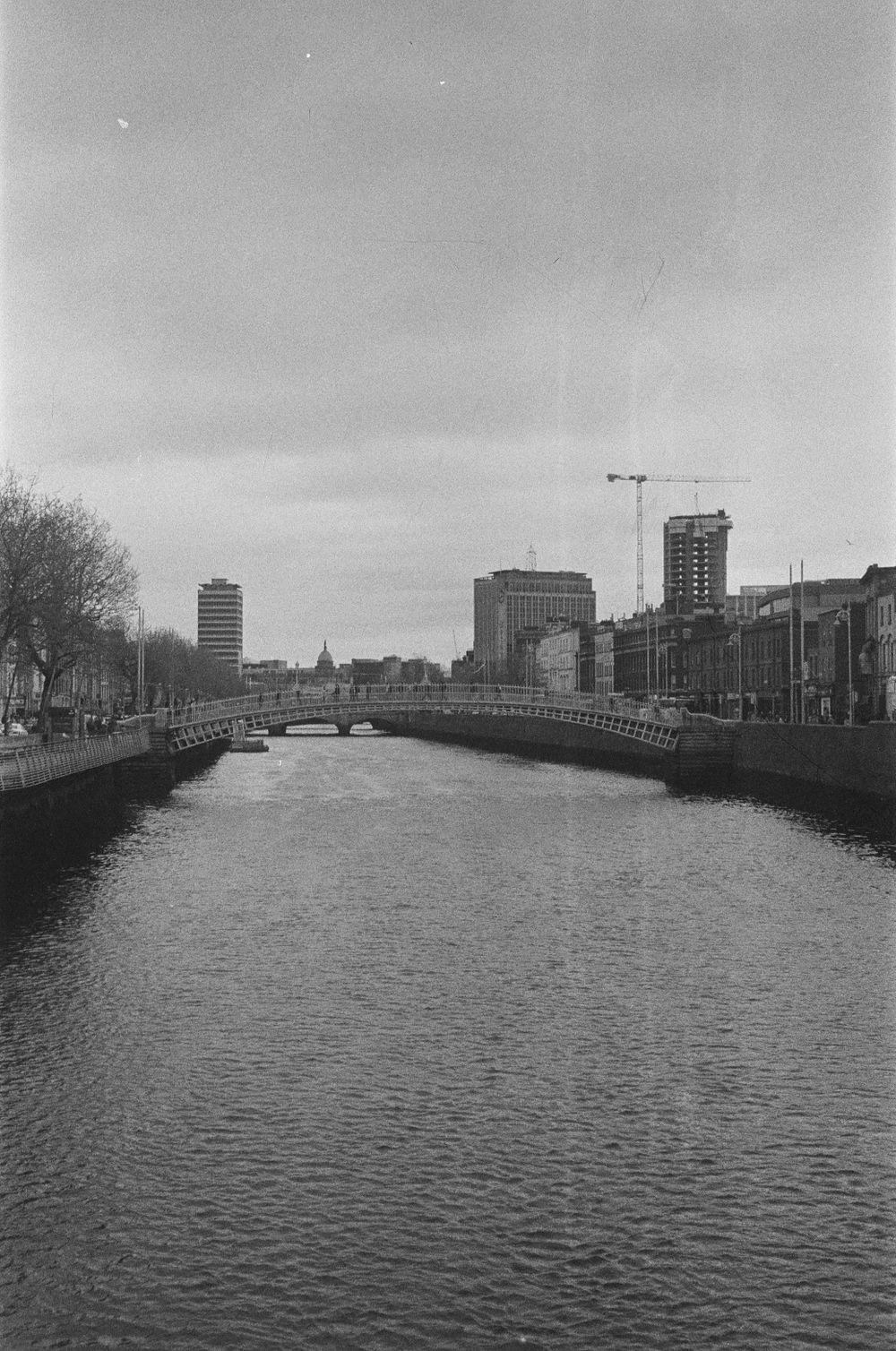
Ha'penny Bridge
The white cast-iron footbridge of 1816 that gave the city its picture, named for the toll charged to cross it until 1919. It is a two-minute walk and best from the boardwalk on the north quays rather than from the bridge itself.
-
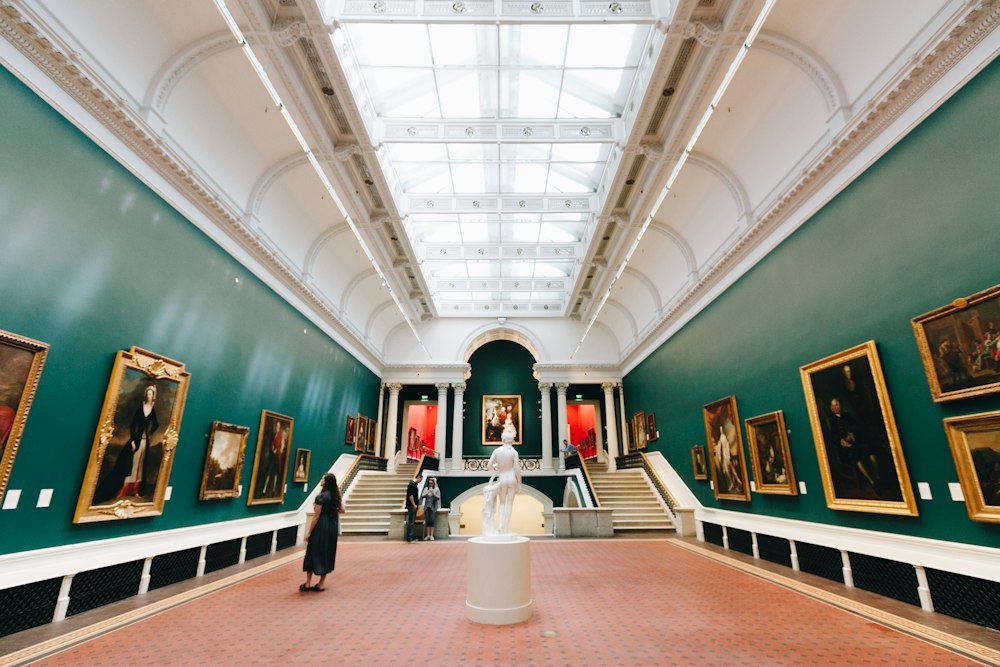
National Gallery of Ireland
The national collection on Merrion Square, strongest on Irish painting and holding the Caravaggio Taking of Christ that was found hanging in a Jesuit dining room in 1990. Entry to the permanent collection is free, and the Yeats rooms are on the upper floor.
-
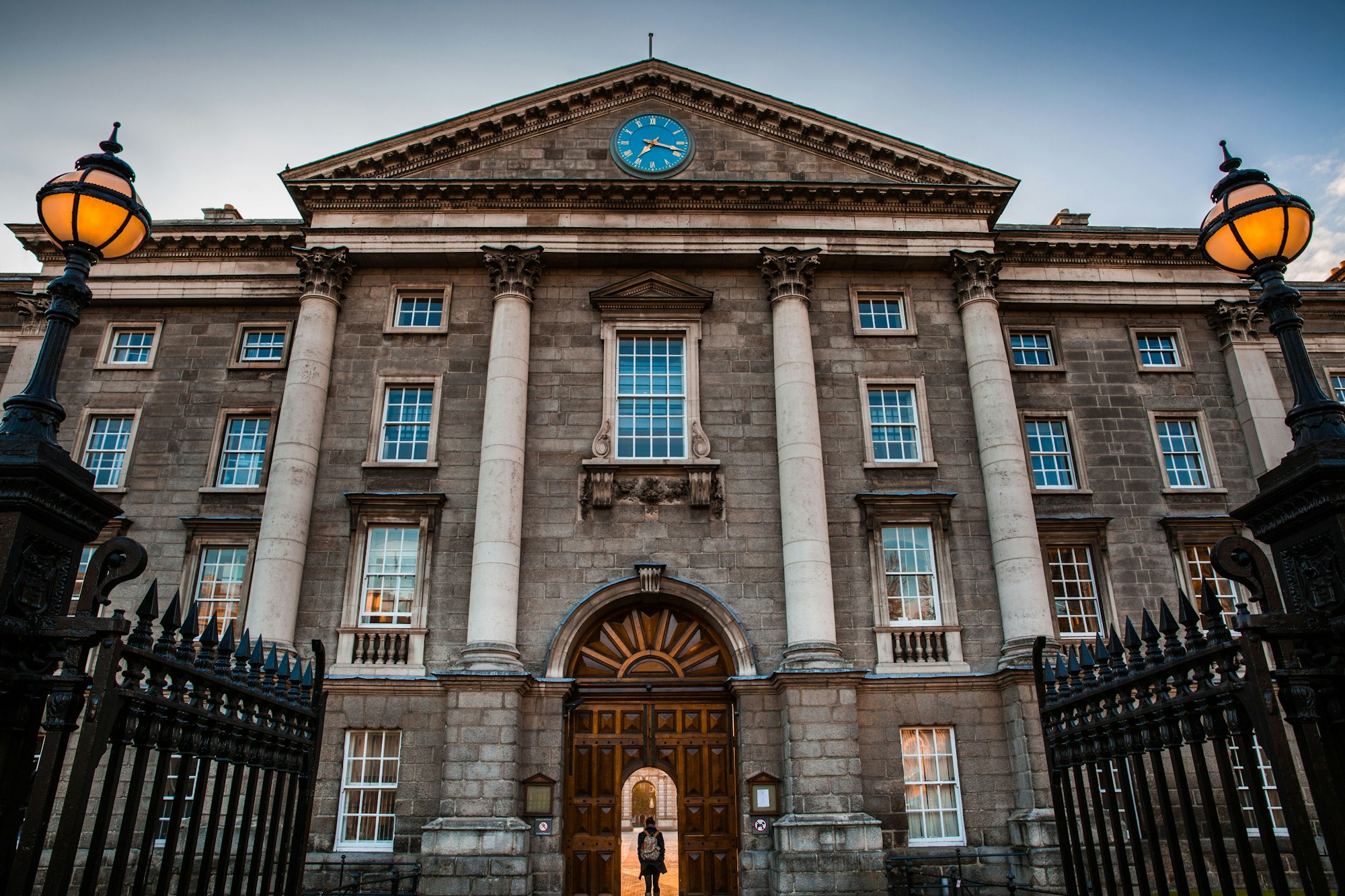
National Museum of Ireland, Archaeology
The Kildare Street building holds the Ardagh Chalice, the Tara Brooch, the Broighter gold and the bog bodies, which is the finest room of prehistoric goldwork in western Europe. Admission is free and the collection is the reason to look at the passage tombs before going north to see them.
-
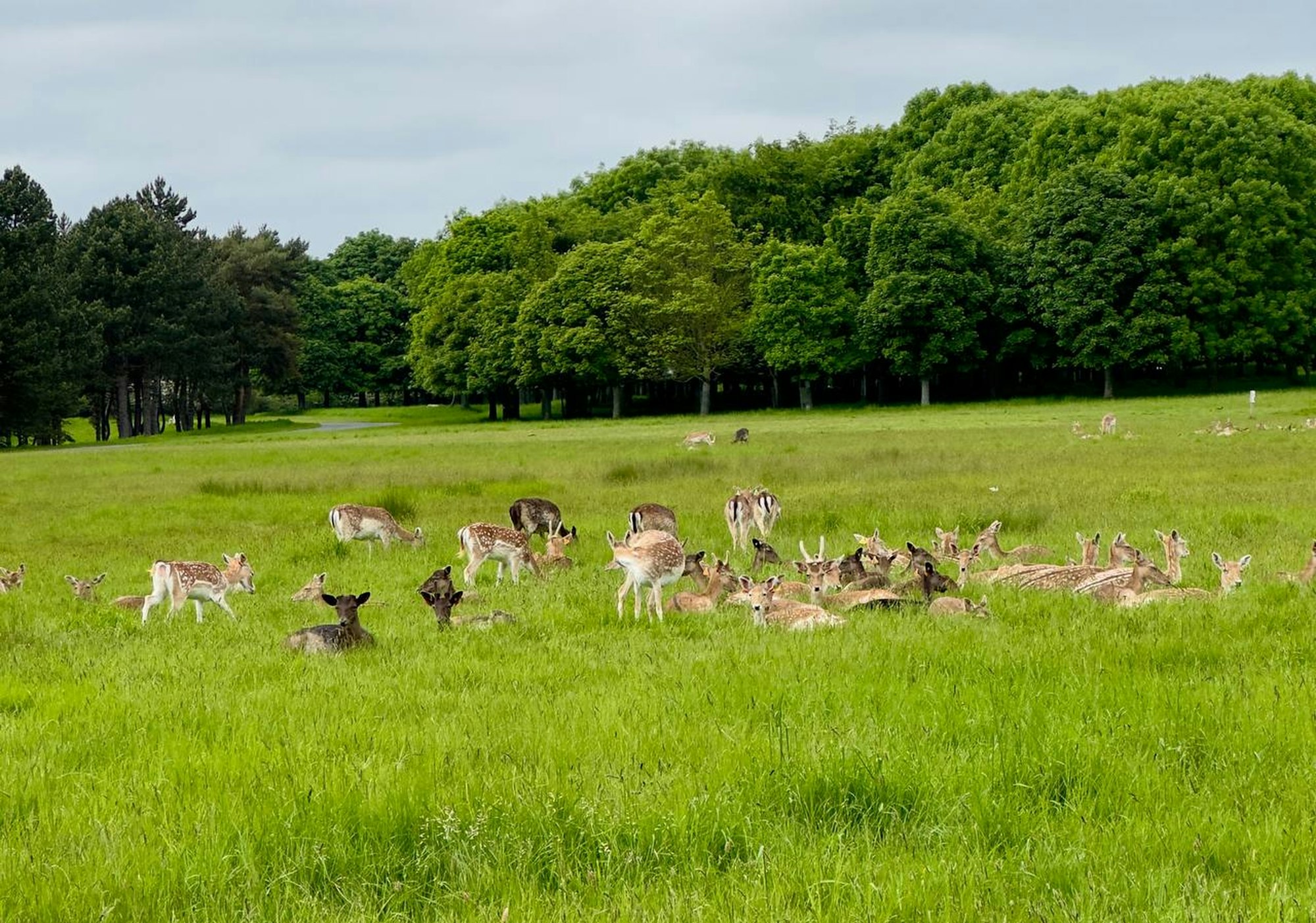
Phoenix Park
One of the largest walled city parks in Europe at over seven square kilometres, with a herd of fallow deer that has been there since the 1660s and the president's house inside it. The Papal Cross and the Magazine Fort are both walkable from the Parkgate Street entrance.
-
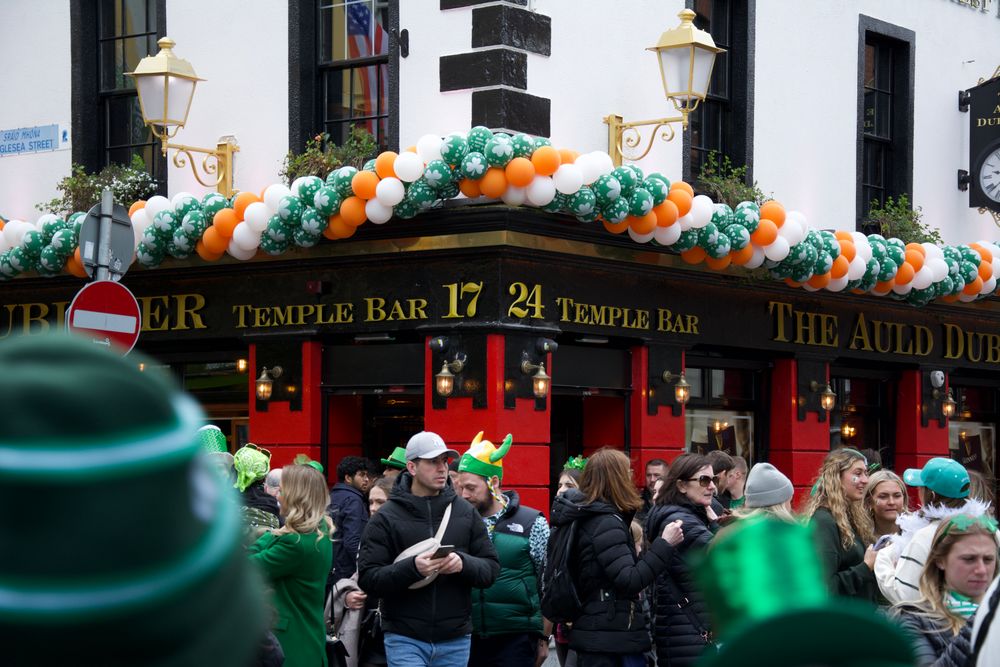
St Patrick's Festival
If you see one thing, make it the parade on the seventeenth from around College Green, where there is more room than on O'Connell Street, and be in place well before the noon start.
View more → -
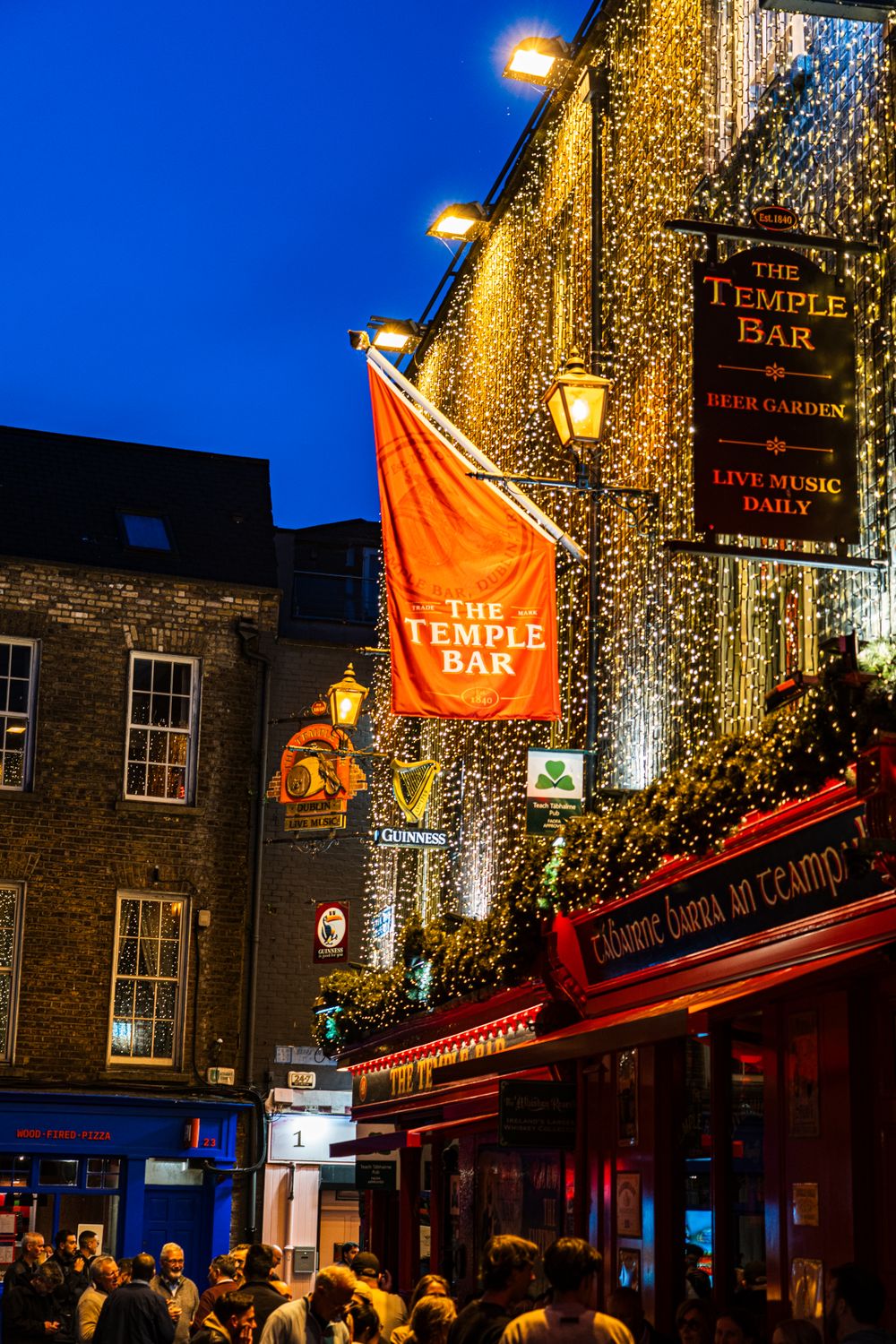
Temple Bar
The cobbled quarter between Dame Street and the river, rescued from a bus station plan in the 1980s and now the most concentrated and most expensive drinking in the city. The Saturday food market on Meeting House Square and the Gallery of Photography are the reasons to come by day.
-
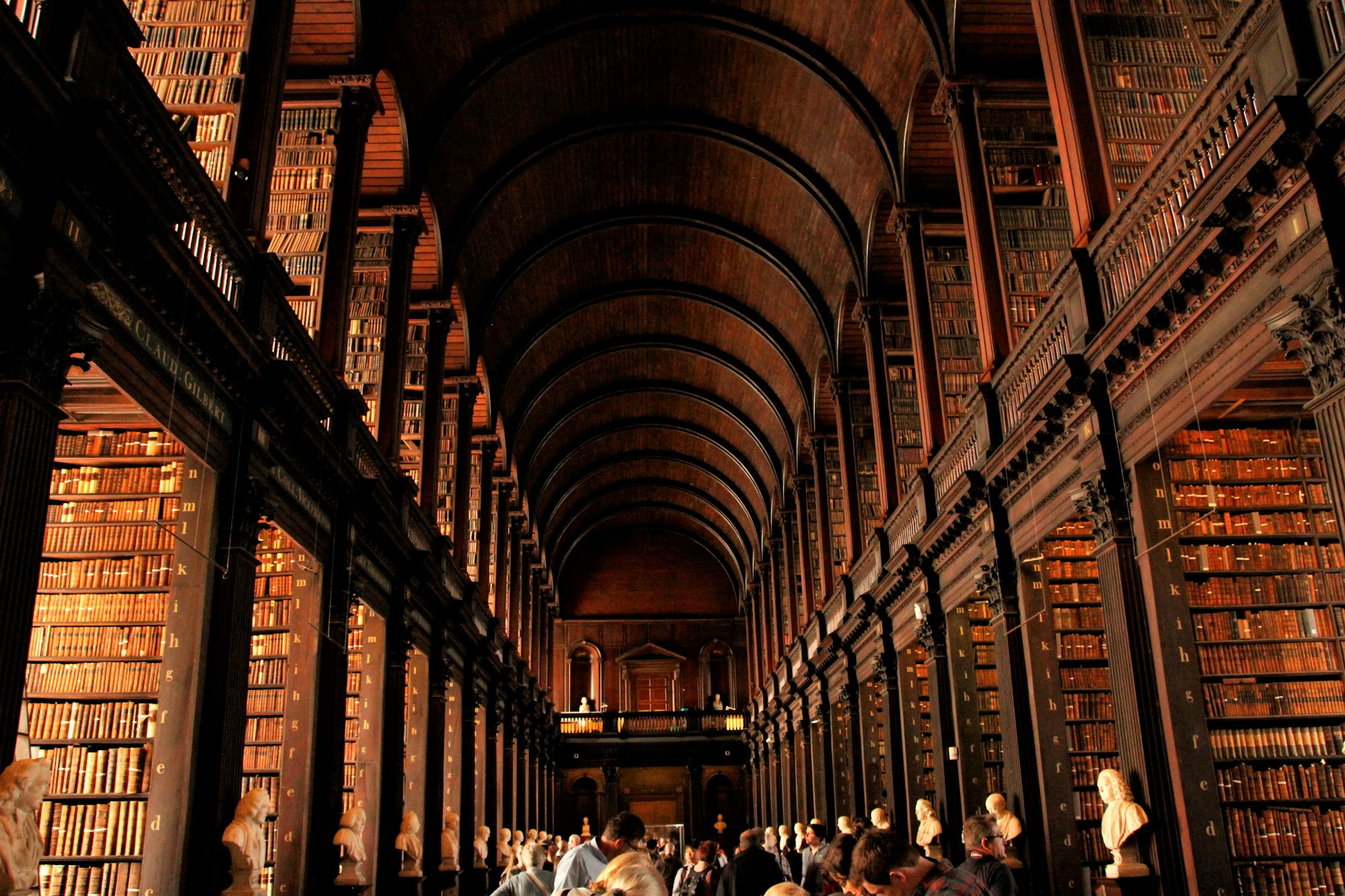
Trinity College Library
The Long Room and the Book of Kells, a ninth-century gospel manuscript kept in the college that has held it since 1661. The Long Room's books were removed for conservation from 2023, so check what is on display before booking a timed slot.
-
Chester Beatty Library
A mining magnate's collection of Qur'ans, Chinese jade books, Japanese scrolls and some of the earliest surviving New Testament papyri, given to the state and housed in the Dublin Castle gardens. It is free, rarely crowded, and was named European museum of the year in 2002.
-
EPIC The Irish Emigration Museum
A fully digital museum in the vaults of the CHQ building on the docks, tracking the ten million who left and what they did after. It works better than it sounds and is the right place to start if the trip has a family reason behind it.
-
Glasnevin Cemetery
The national cemetery, opened in 1832 so Catholics could be buried with their own rites, holding Daniel O'Connell, Parnell, Collins and over a million others. The guided tour is the best single account of modern Irish political history available in the city.
-
Grafton Street
Dublin's main pedestrian shopping street runs from St Stephen's Green to Trinity College, about six minutes on foot. Walk it between the two, on a morning at Trinity or on the way to the Green. At the Trinity end the Book of Kells queue builds fast, so book an early slot and walk the street afterwards.
-
Kilmainham Gaol
The prison where the leaders of the 1916 Rising were held and fourteen of them shot in the stonebreakers' yard, closed in 1924 and now the sharpest place in the country to understand the road to independence. Entry is by guided tour on a timed ticket and it sells out weeks ahead in summer.
-
Marsh's Library
The first public library in Ireland, opened in 1707 and almost unchanged since, with dark oak stalls and three wired cages readers were once locked into with the rare books. It stands beside Saint Patrick's and takes half an hour, and the reading room is still in use.
-
National Botanic Gardens
Nineteen hectares at Glasnevin with Richard Turner's curvilinear glasshouses of the 1840s, restored and open, and a gate through the wall into the cemetery next door. Admission is free and the two together make a straightforward half day, with the cemetery tour worth booking.
-
Saint Patrick's Cathedral
The largest church in Ireland, built on the site where the saint is said to have baptised converts, with Jonathan Swift buried in the nave beside his own furious epitaph. It is Church of Ireland, as is Christ Church, which is why the city has two Protestant cathedrals and no Catholic one.
-
Saint Stephen's Green
The Georgian square at the head of Grafton Street, laid out as a public park by Lord Ardilaun in 1880, with bullet marks from 1916 still in the arch at the Fusiliers' Gate. It is the obvious lunch stop between the National Gallery and the Little Museum.
-
The Merrion Hotel
Four restored Georgian townhouses on Upper Merrion Street facing the government buildings, with the largest private collection of Irish art in the country hung through the drawing rooms. The garden rooms are the quiet ones and the afternoon tea is served against the paintings it copies.