All four areas
The snow
Cold air off the Sea of Japan drops dry powder on the range all winter.
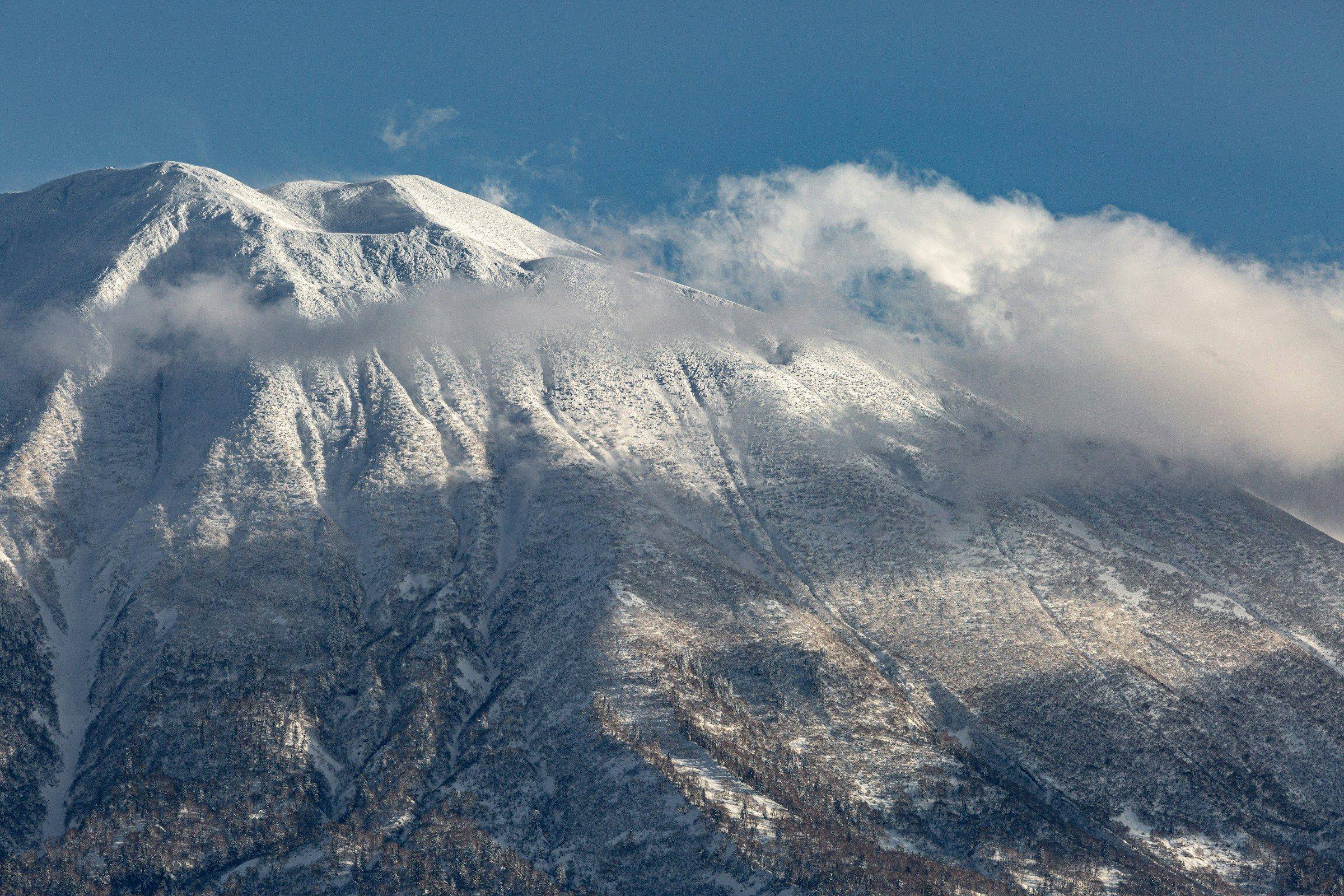
Most of the runs lie below the tree line, so the skiing holds up when cloud sits on the summit.
See when to go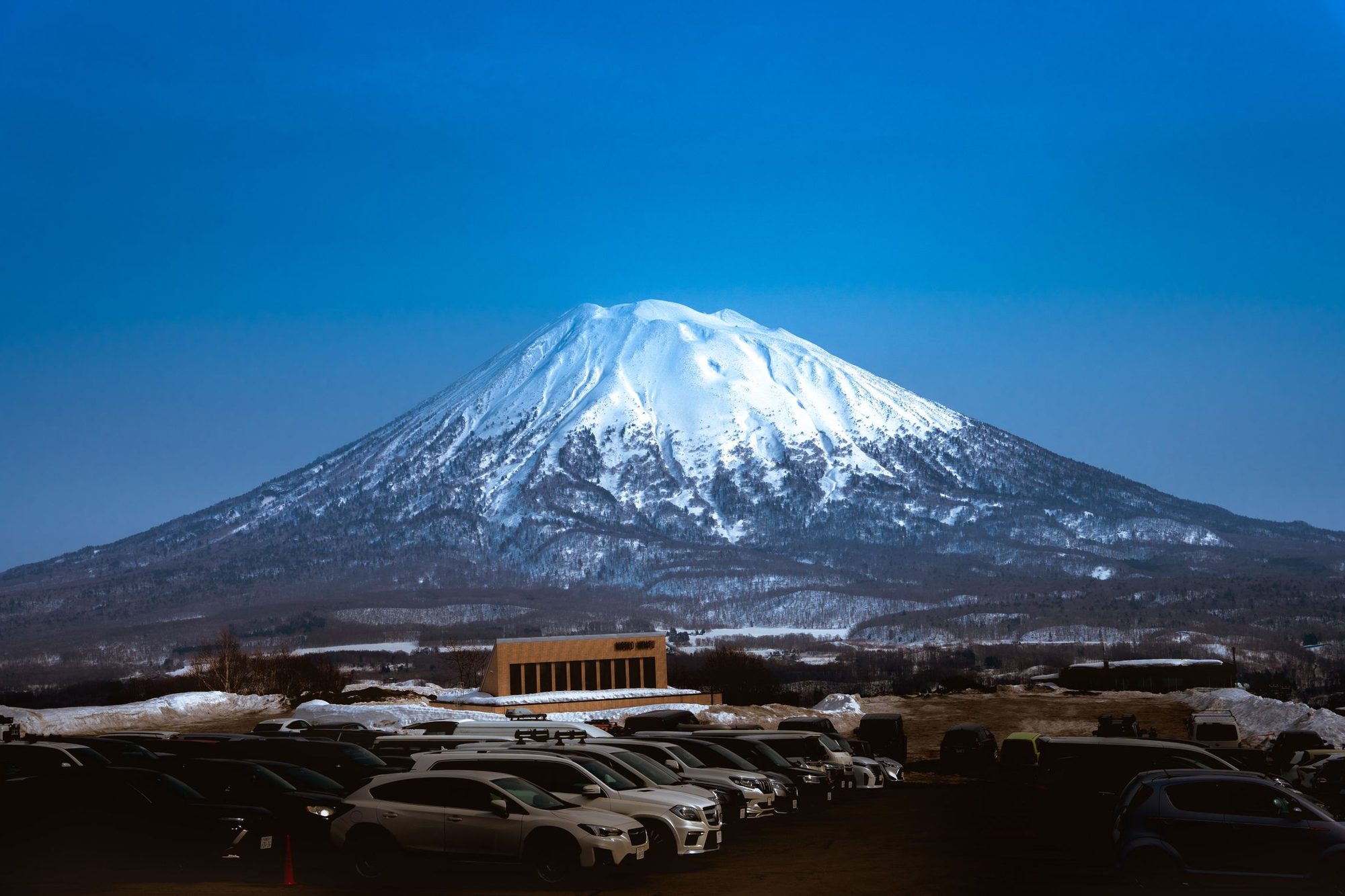
Come in January when the powder is deepest or in March for fewer crowds on the lifts, and buy the all-mountain pass online before you fly, so you collect it at a machine instead of queuing at the counter.
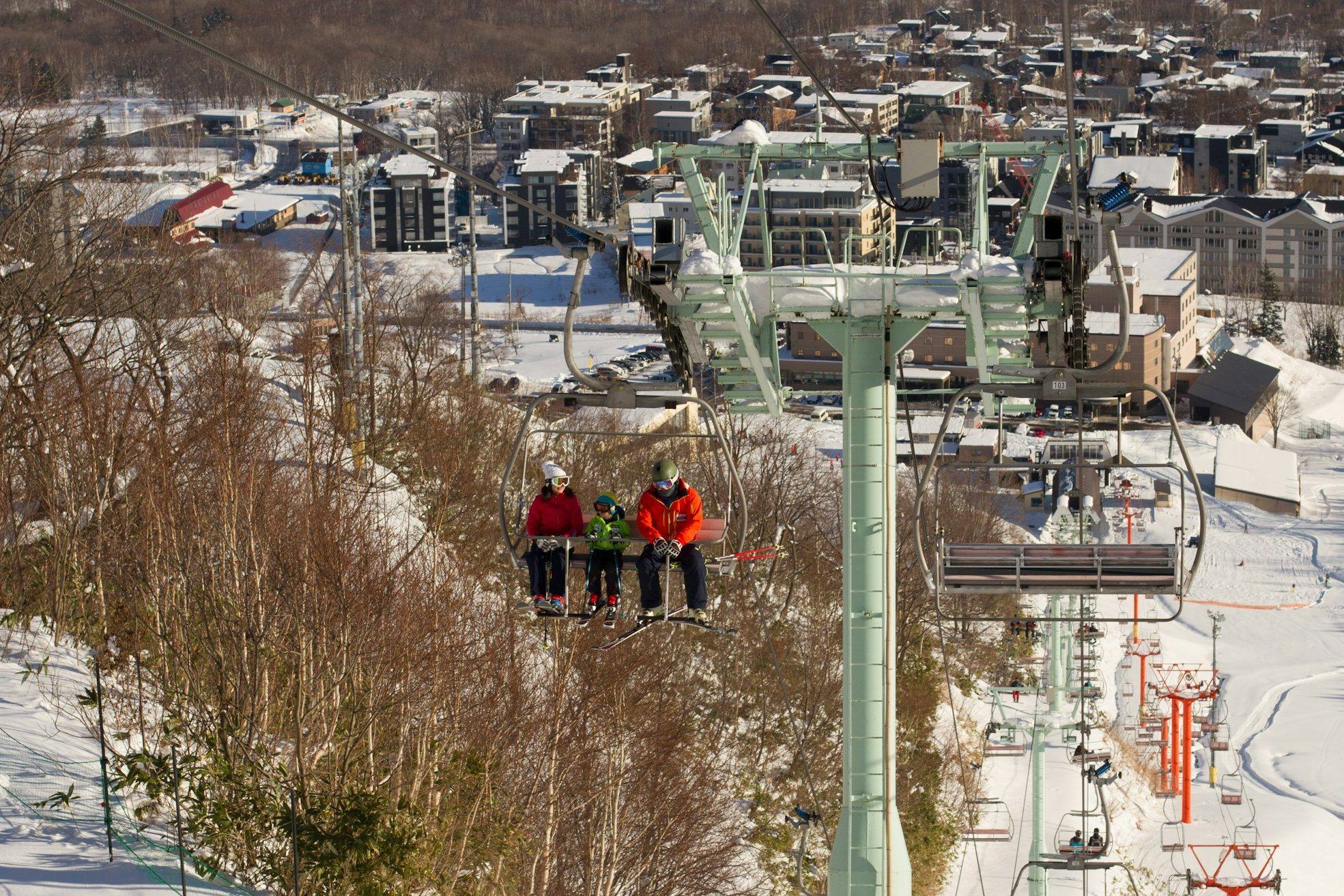
Ski resort, Niseko, Japan. Meridian Dispatch.
Four ski areas on one mountain, facing Yōtei
All four areas open together on 28 November 2026. Niseko Village closes first, on 4 April 2027, then Hanazono on 11 April; Grand Hirafu and Annupuri stay open until 5 May.
Grand Hirafu, Hanazono, Niseko Village and Annupuri, four resorts on the slopes of Niseko Annupuri, which rises to 1,308 metres. Each has its own base and gondola, and one all-mountain pass covers them all.
No. The all-mountain pass covers all four, and the shuttle bus between them is free with a pass valid that day. Multi-day passes run on consecutive days only.
January, for the deepest powder, and anywhere from late December to mid-February for peak conditions. March brings warmer days and far fewer visitors on the lifts.
Yes. The wide, gentle slopes at the foot of Grand Hirafu suit first-timers, the Holiday and King Beginner courses among them. Staying in Hirafu keeps a lift a short walk away.
Yes, on all four areas, from 12 December to 22 March. Grand Hirafu runs until 19:00, Niseko Village until 19:00, Annupuri until 19:30 and Hanazono until 20:00, and a day ticket runs until the night lifts stop.
By coach, about two and a half hours to the resort bases, with seats booked ahead. Or by train, changing at Sapporo and Otaru for Kutchan, about three and a half hours, then a taxi of about 15 minutes to Hirafu.
Grand Hirafu suits skiers who want lift access, restaurants and nightlife close together. Niseko Village is a self-contained resort, and Annupuri is the quiet choice for evenings, with onsen close by.
Skiers who duck a rope can lose their lift pass. Backcountry access is through the marked gates only, never while they are closed, and with a helmet and an avalanche beacon.
Light snow, four resorts on one mountain, and a volcano across the valley.
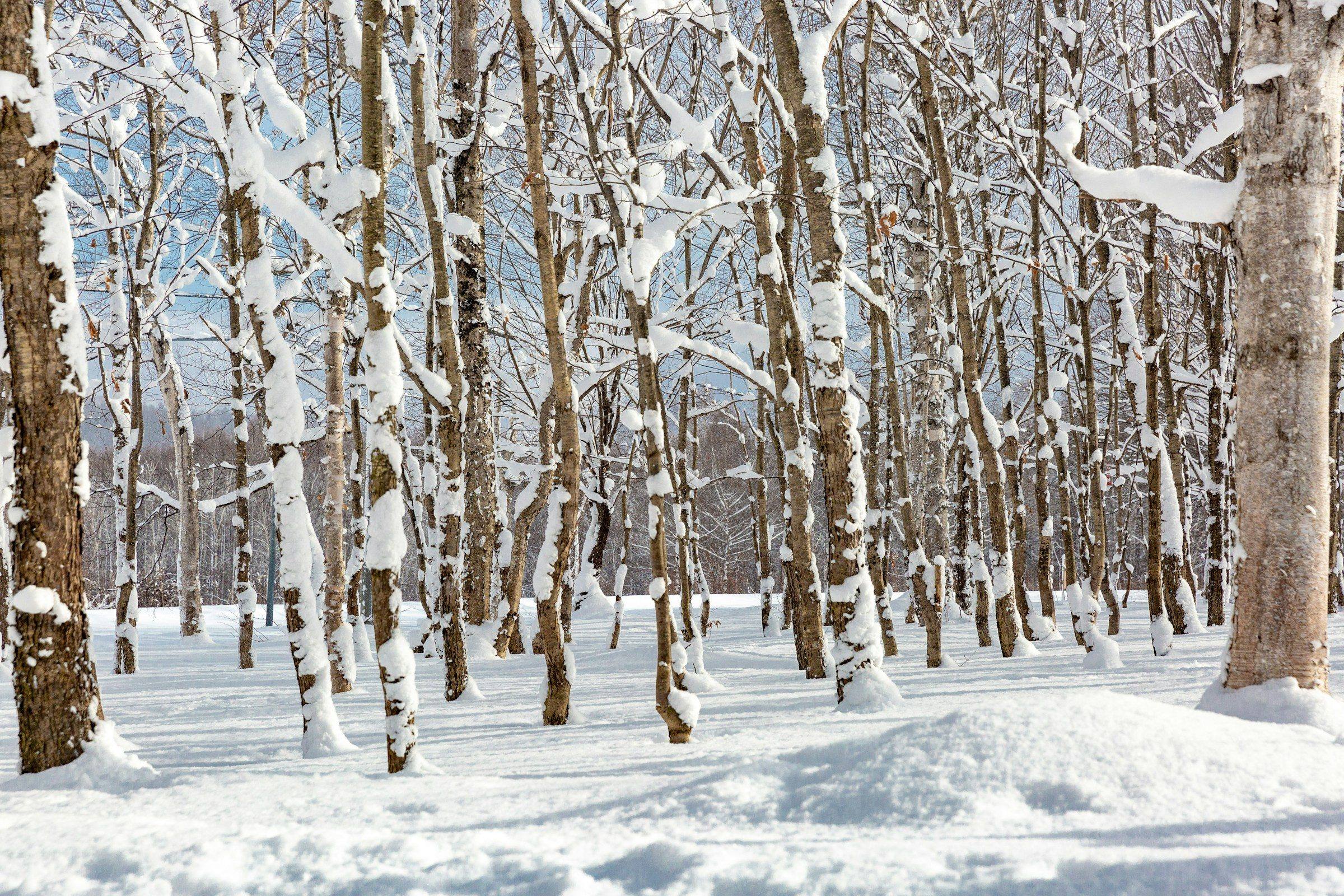
Cold air off the Sea of Japan drops dry powder on the range all winter.
Most of the runs lie below the tree line, so the skiing holds up when cloud sits on the summit.
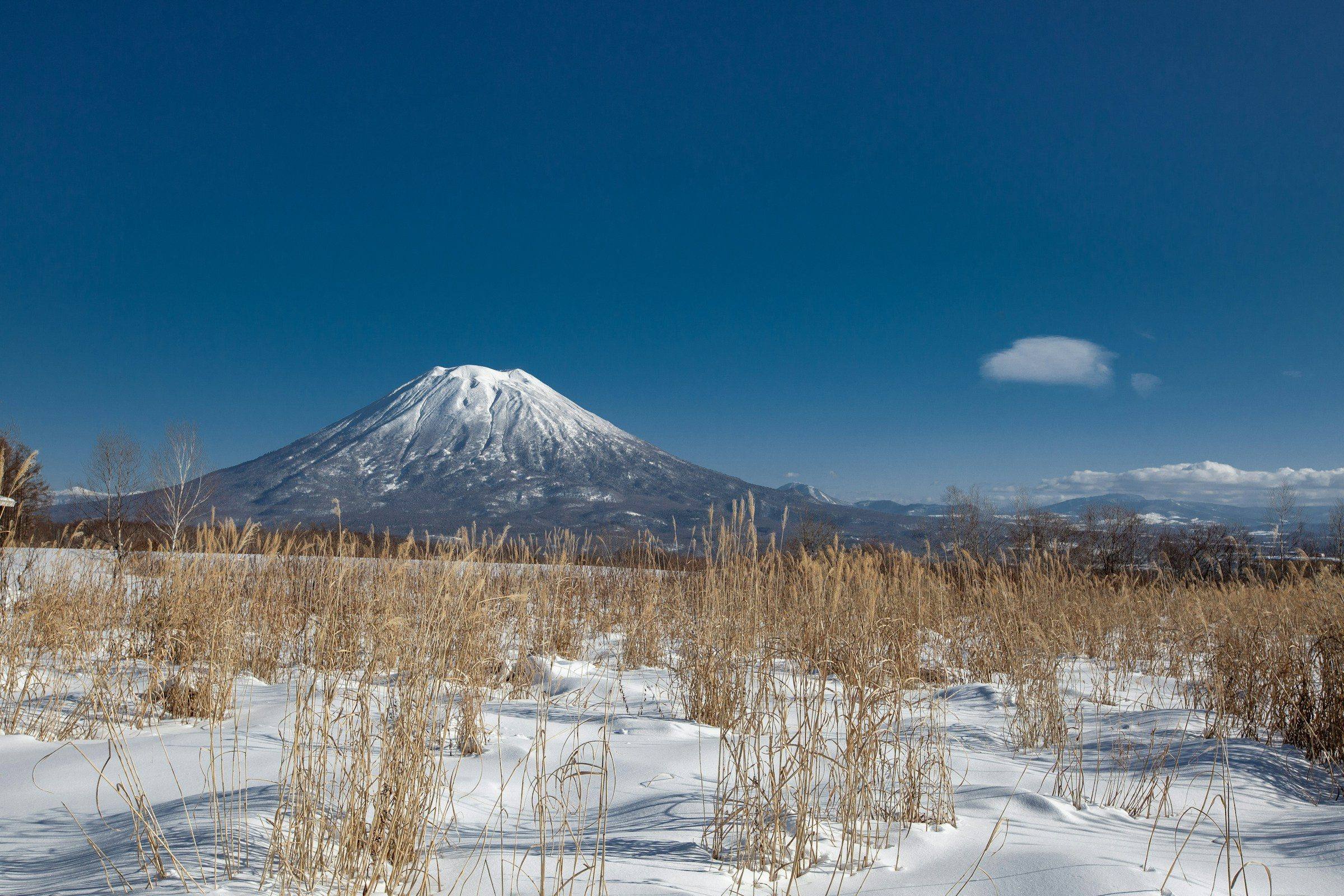
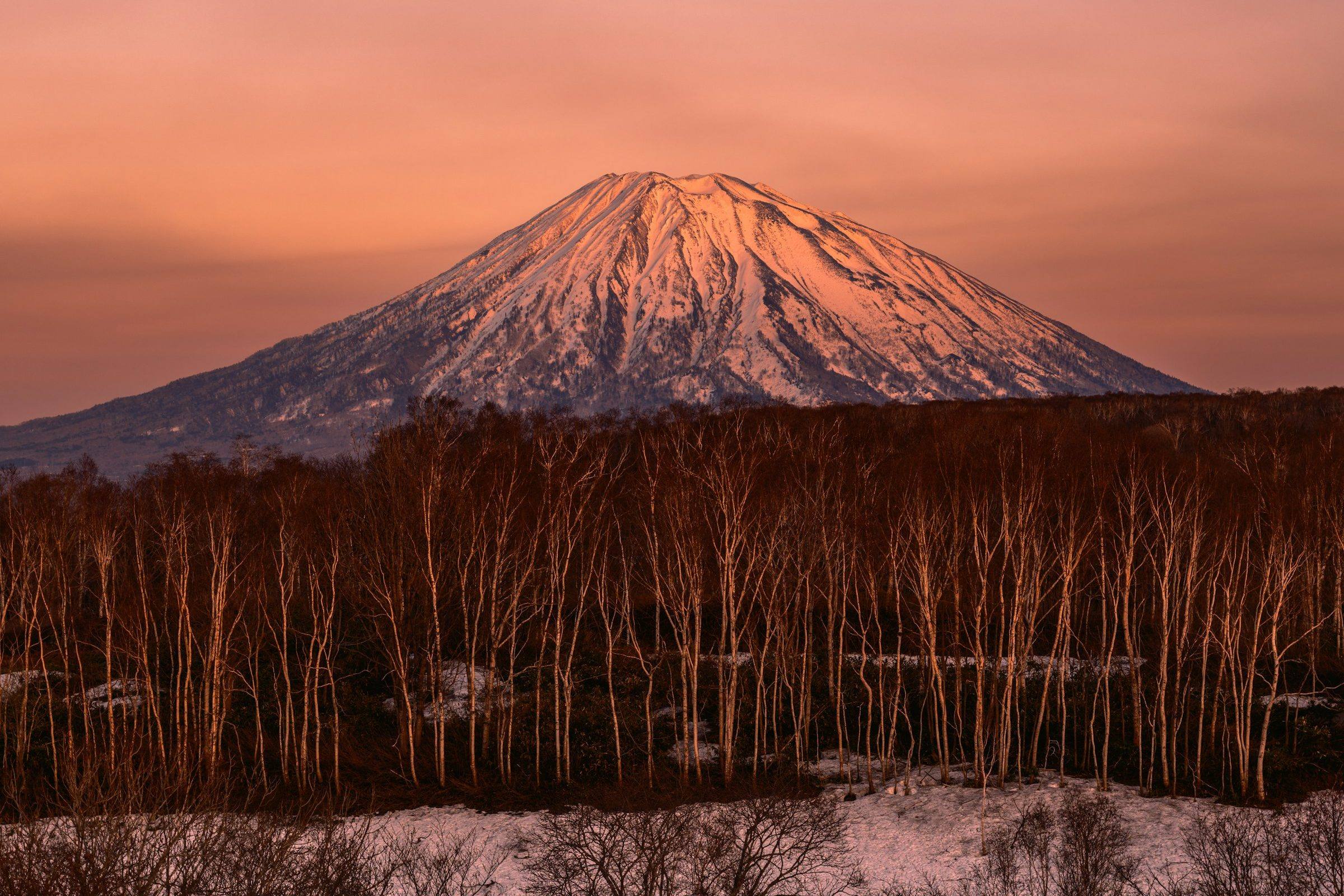
See when to goThe volcano stands alone across the valley, a cone as clean as Fuji’s.
You see it from most of the runs on Grand Hirafu and Niseko Village.
See the ski mapFrom 12 December to 22 March all four areas keep lifts running after dark.
A day ticket runs until the night lifts stop, so the evening comes with the day.
See the four areasGrand Hirafu, Hanazono, Niseko Village and Annupuri on one model, with Yōtei across the valley. Drag to turn the mountain, and tap a run or a lift to see where it starts, where it ends and how far it drops.
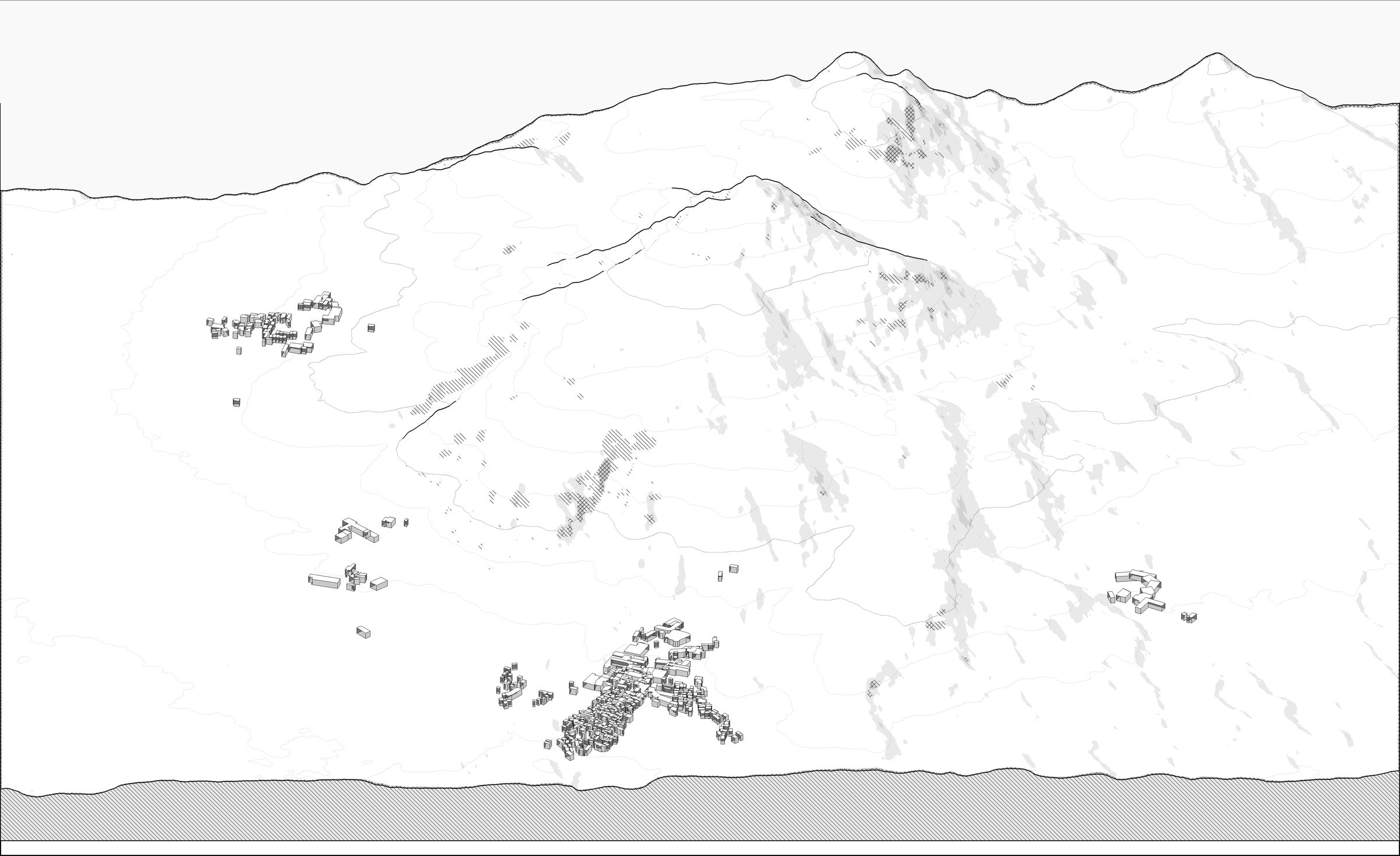
Run colours follow the resort: green easy, red intermediate, black advanced. Share of mapped run length. Runs and lifts from OpenStreetMap, inside the Niseko United boundary (dashed). Shaded patches are open slopes; the bar is the share of mapped run length at each level, not the resort's own count. Terrain: Mapzen, AWS Open Data. The drawing is an artist's rendition by Meridian Dispatch, not the resort's own map.
Gentle, wide slopes at the foot of Grand Hirafu, Holiday and King Beginner among them.
Below the tree line on every area, with Yōtei across the valley.
Tree runs and powder fields reached from the Hirafu gondola and the Ace lifts.
Beyond the boundary, through the gates only, with a helmet and an avalanche beacon.
Four resorts on one mountain, each with its own base and gondola. Base yourself at the one you will ski most.
The largest of the four, with 22 trails from wide beginner slopes at the base to seven advanced runs. Its village has the most places to stay and eat, and its lifts run until 7pm in the night season.
Known for powder bowls and tree runs, with learning areas and terrain parks below them. Silver Dream, its longest run, is 2.7 kilometres, and its night skiing runs latest, until 8pm.
Long trails, and powder off the piste through the gates. The Niseko Gondola takes about nine minutes up, and the Kids Club teaches children from the age of three.
Wide groomed runs with views over the valley, and natural onsen near the base. The gondola takes about ten minutes, and night skiing runs until 7.30pm.
The official trail mapLift status and weatherAvalanche informationOfficial siteDirections to Grand HirafuBuy tickets on the official site
18Metres of snow in an average winter at Niseko Village, by the resort’s own measure
Most trips start at New Chitose Airport, outside Sapporo. From there it is a coach, a train or the drive.
Direct coaches run to the resort bases and many hotel doors. Book a seat before you fly; the winter services need a reservation.
Change at Sapporo and at Otaru for the line to Kutchan, then take a taxi, about 15 minutes, or a bus to Hirafu.
About 110 km by Route 276 to the resort bases.
The same coach firms pick up in central Sapporo. Book a seat ahead.
Sapporo to Otaru, about 40 minutes, then Otaru to Kutchan, about 1 hr 40.
About 97 km over the Nakayama Pass by Route 230, or 1 hr 45 by the expressway to Hirafu.
At the resort Niseko Village runs a free shuttle from Kutchan station. Between the four areas, the Niseko United shuttle bus is free with a lift pass valid that day.
Pick a base by the evenings you want as much as by the lifts.
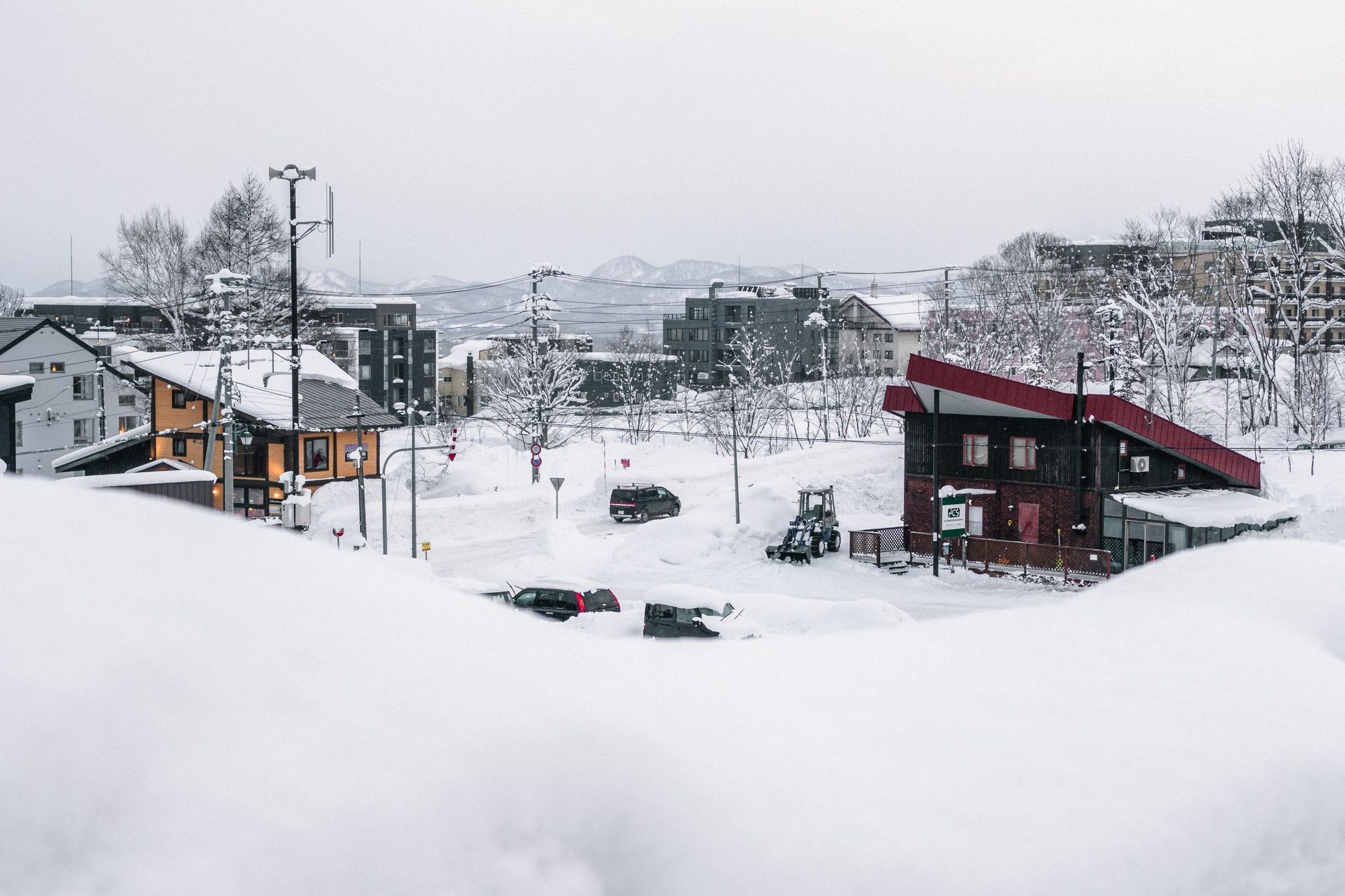
The biggest village, with the most hotels, restaurants and bars, and the King and Ace gondolas at the top of the street.
Read the Niseko guide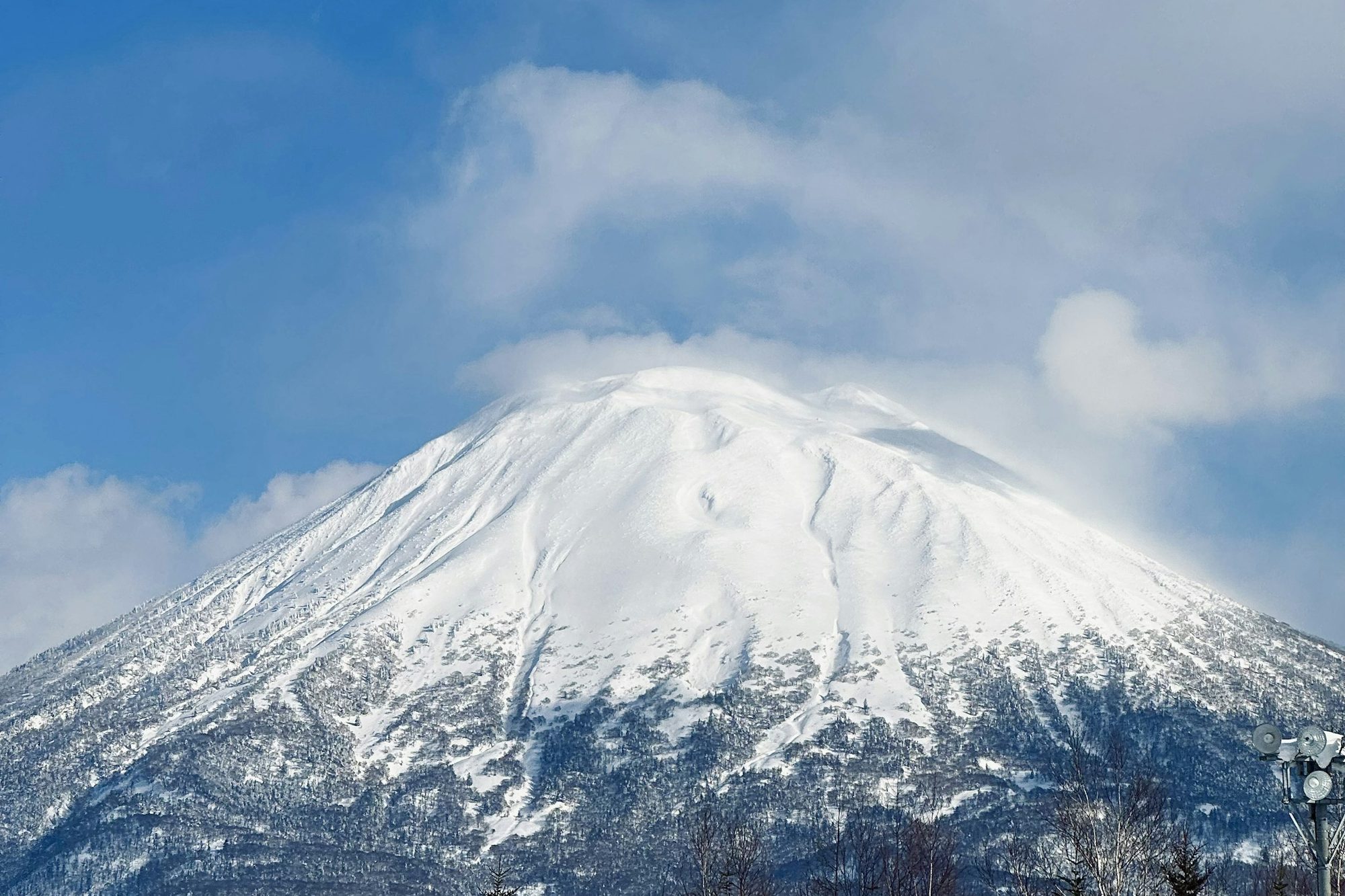
A smaller base around the Niseko Gondola, quieter at night, with a free shuttle to Kutchan station.
You ski from the Hanazono lift station to the door, and nine of the suites have a hot spring bath of their own.
Fifty rooms at Niseko Village, an omakase sushi counter, and an onsen with baths indoors and out.
You ski in and out at Niseko Village, and the hot spring baths look straight across the valley at Yōtei.
You step out onto Grand Hirafu from a designer condominium, with the hotel's onsen and spa to come back to.
An apartment beside the Ace Family Quad lift, and in every room type but the studio, an onsen of your own.
Six restaurants in the middle of Hirafu, from ramen and tempura to Edomae sushi, and onsen pools after.
You ski in and out at Annupuri, the quiet end of the mountain, and soak in the hotel's own hot spring.
Fifteen rooms in the Hanazono woods, each with its own indoor and open-air bath, and Hokkaido kaiseki for dinner.
A small inn at Annupuri whose baths run on spring water at 49 degrees, with nothing added and nothing recirculated.
January for the deepest powder, March for longer days and fewer people.
The deepest powder of the winter, in the resort’s peak season.
January is when the storms come one after another and the trees fill with powder.
It is also the resort’s peak season, so book rooms, rental and dinner tables early.
Go in January if
Think twice if
Still mid-winter, still peak season.
February keeps the cold and the snow. Peak season runs to the last day of the month.
Go in February if
Think twice if
Warmer days and far fewer visitors.
March brings light top-ups of snow in its first weeks, warmer days and far fewer visitors.
Night skiing ends on 22 March.
Go in March if
Think twice if
Spring snow, and the first areas close.
Niseko Village closes on 4 April and Hanazono on 11 April. Grand Hirafu and Annupuri keep going.
Grand Hirafu moves its terrain park to the Spring Park on 1 April.
Go in April if
Think twice if
The last runs, on two areas.
Grand Hirafu and Annupuri close on 5 May, the end of the season.
Go in May if
Think twice if
The mountain is green; the lifts are shut.
The season ended on 5 May. The next one opens on 28 November.
Go in June if
Think twice if
Summer in the Niseko range.
Route 58, the summer road from Hanazono, is open to Goshiki Onsen, where day bathers soak in wooden pools of sulphur water from 9am.
Go in July if
Think twice if
High summer, no snow.
The lifts stay shut until 28 November.
Go in August if
Think twice if
Late summer, the last weeks before autumn.
The lifts stay shut until 28 November.
Go in September if
Think twice if
Red leaves on the range, and the first snow on the summit.
In autumn the mountainside around Goshiki Onsen turns red with the leaves.
Go in October if
Think twice if
All four areas open together on 28 November.
The lifts open on 28 November, snow permitting. Early-season passes are sold only at the counters, not online.
Go in November if
Think twice if
Night skiing starts, and the holidays fill the villages.
Night skiing starts on 12 December. Peak season begins on 24 December and runs through New Year.
Book rooms, rental and dinner tables well ahead for the holidays.
Go in December if
Think twice if
One pass covers all four areas. Buy it online before you fly.
The all-mountain pass covers Grand Hirafu, Hanazono, Niseko Village and Annupuri, and the shuttle bus between them.
Multi-day passes run on consecutive days only. If you want rest days, buy single days or the 50-hour pass.
Buy online and scan the QR code at a ticket machine at any of the four bases. It is ready 15 minutes after you pay.
Online passes cannot be cancelled, even for bad weather. Early-season passes and passes for children under three are sold only at the counters.
Ikon Pass holders ski all four areas; go straight to the gates, no booking needed.
Epic is not accepted here, though it covers Rusutsu.
Child passes come in two bands, 4 to 12 and 13 to 15. Seniors are over 65.
Children under three ski free, with a pass from the counter on the day. For a three-year-old, ask at the counter which pass applies.
Rent at the base you ski from, and leave your skis there overnight.
Each area has an official rental counter at the foot of its gondola. Book a fitting online for the evening you arrive.
Ski lockers at .Base and the Mountain Center Annex hold skis and boots for about four people, for 24 hours.
They take cards only. Coin lockers are for the same day.
In winter the summer road from Hanazono is shut, so you come in by the Niseko Panorama Line, about 50 minutes by taxi from Kutchan. Day bathers are welcome from 10am to 8pm.
Read the guideA town bathhouse in Rankoshi with a sulphur spring and an iron spring. In winter it opens at noon and closes on Tuesdays.
Rain and snow from Yōtei rise here as a spring that stays at about 6.5 degrees all year. Paths and an observation deck run through the park, and Meisui Plaza has a shop and a restaurant.
A town museum in Niseko for the writer Arishima Takeo, who in 1922 gave the tenant farm he owned here to its farmers as shared land.
Shinsen-numa, Lake Hangetsu and the summit walks on Annupuri and Iwaonupuri are summer places, closed or under snow in the ski season.
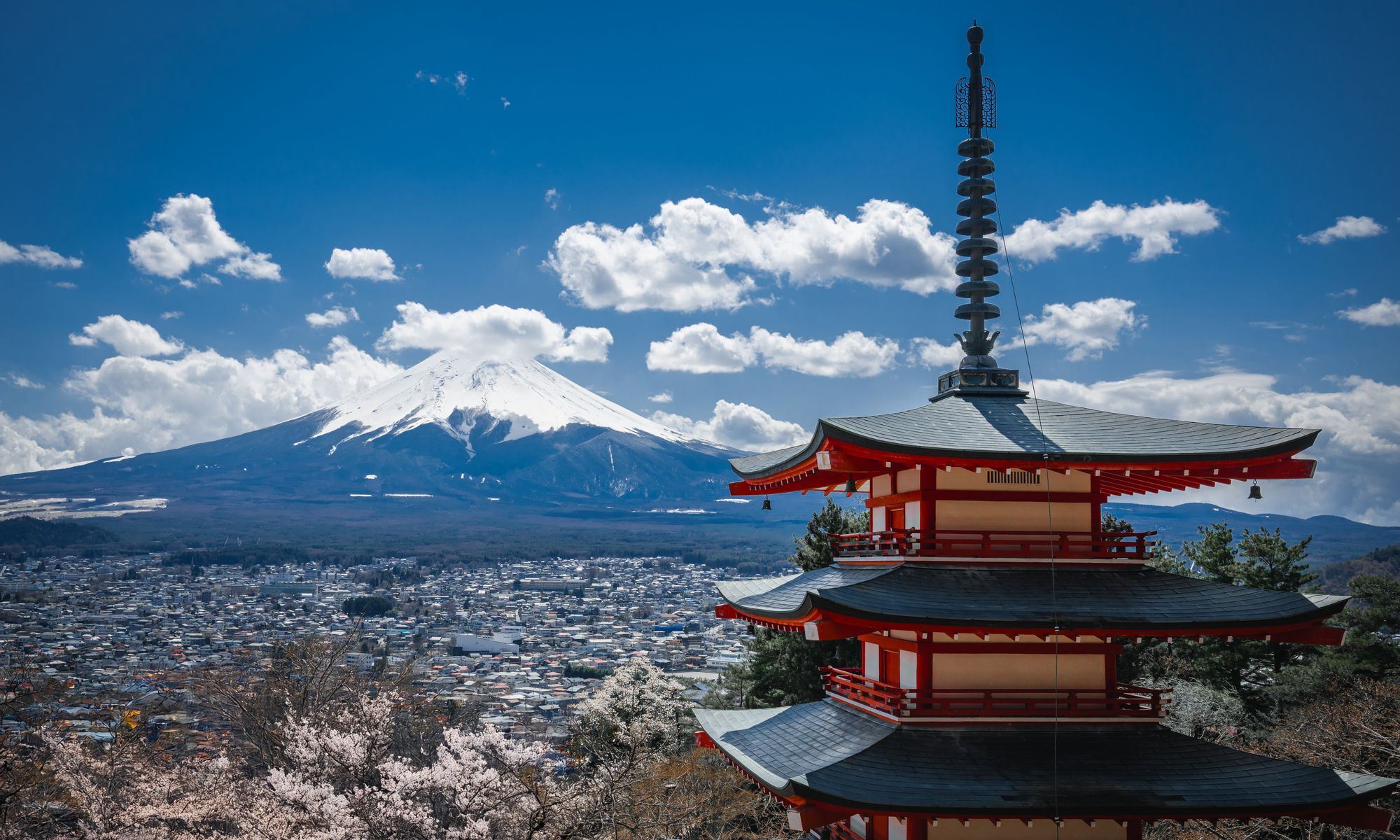
Where to fly in, how the trains work, and the rest of the country cut four ways: nature, adventure, culture and luxury.
Read the Japan guide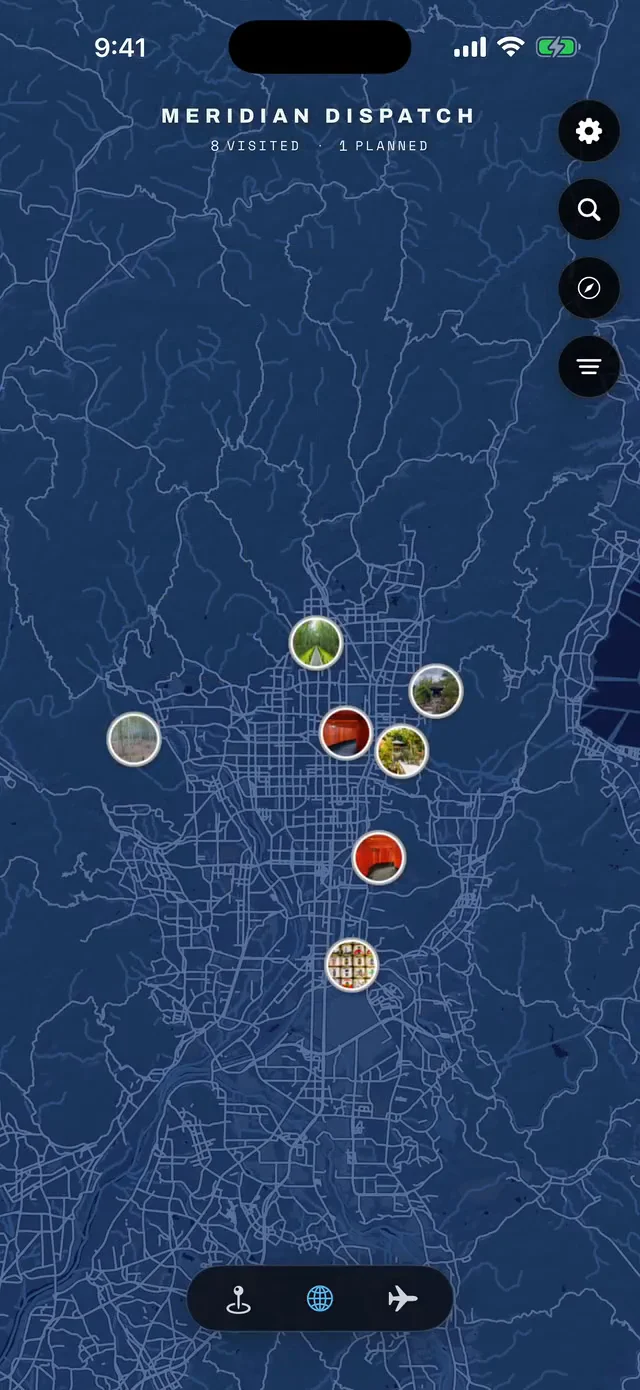
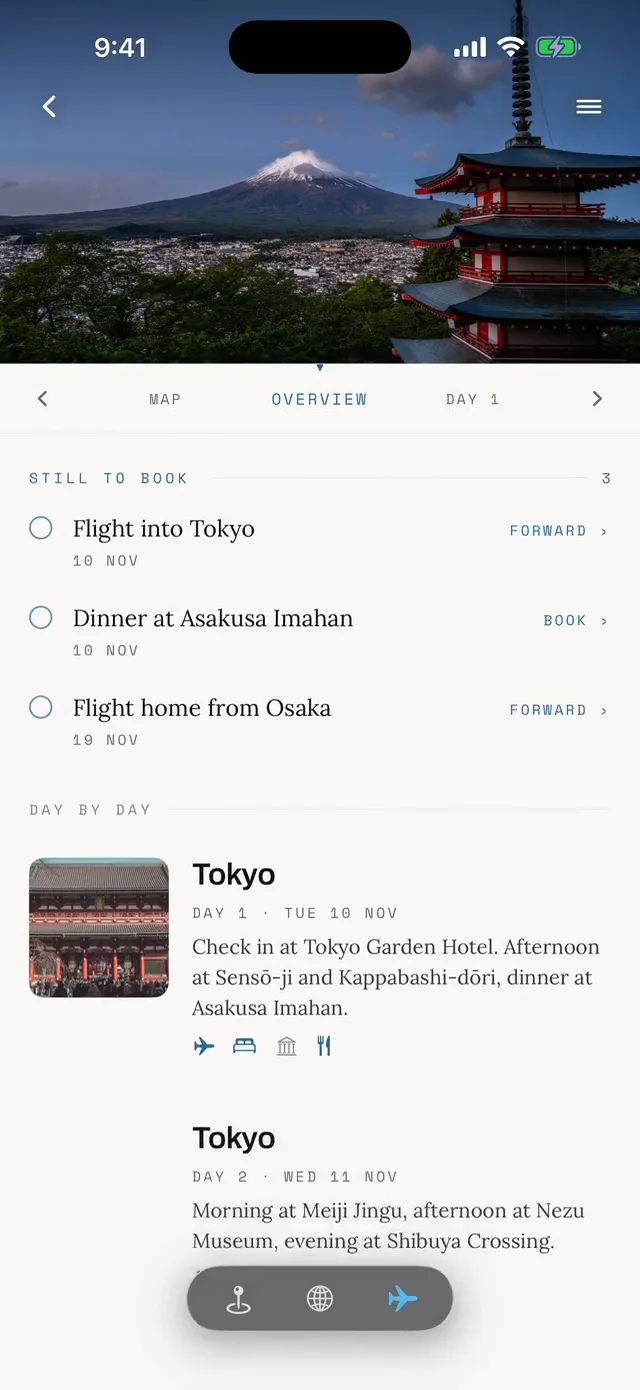

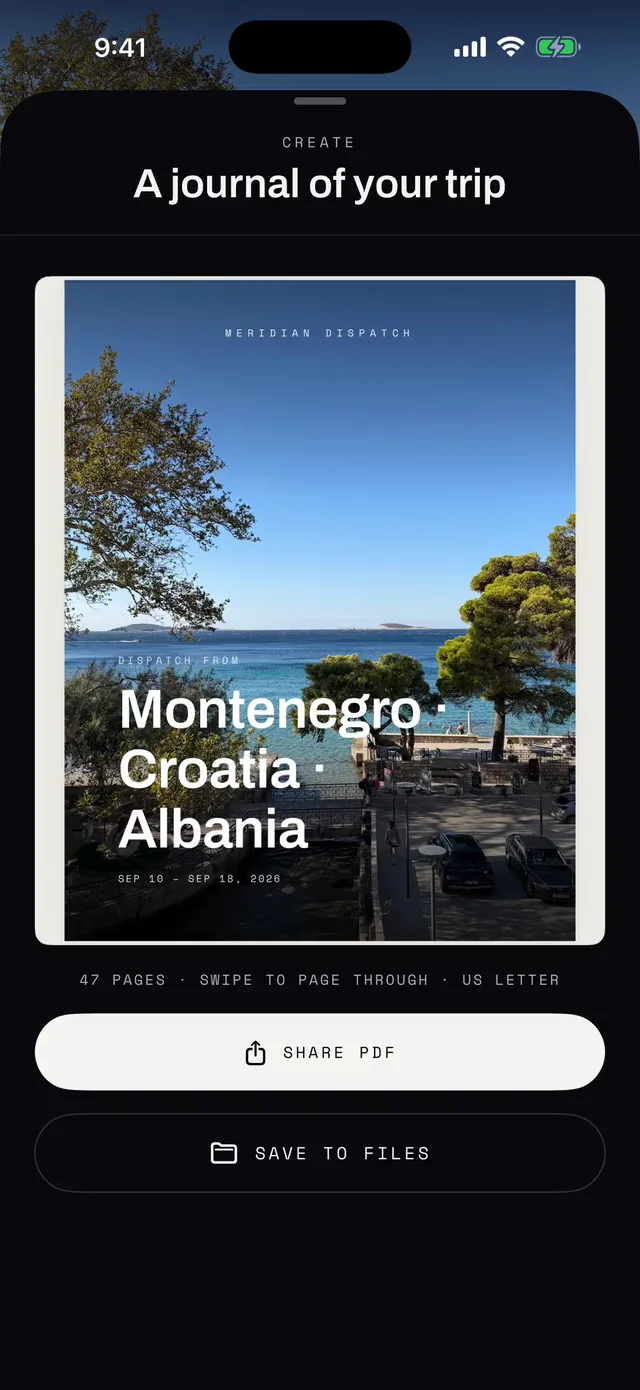
Save Niseko United to your Japan trip in the Meridian Dispatch app and build the day around it, with the best of Niseko pinned on one map.
Download on the App StoreLast updated