Globe Countries Cities Dispatches About Get the App
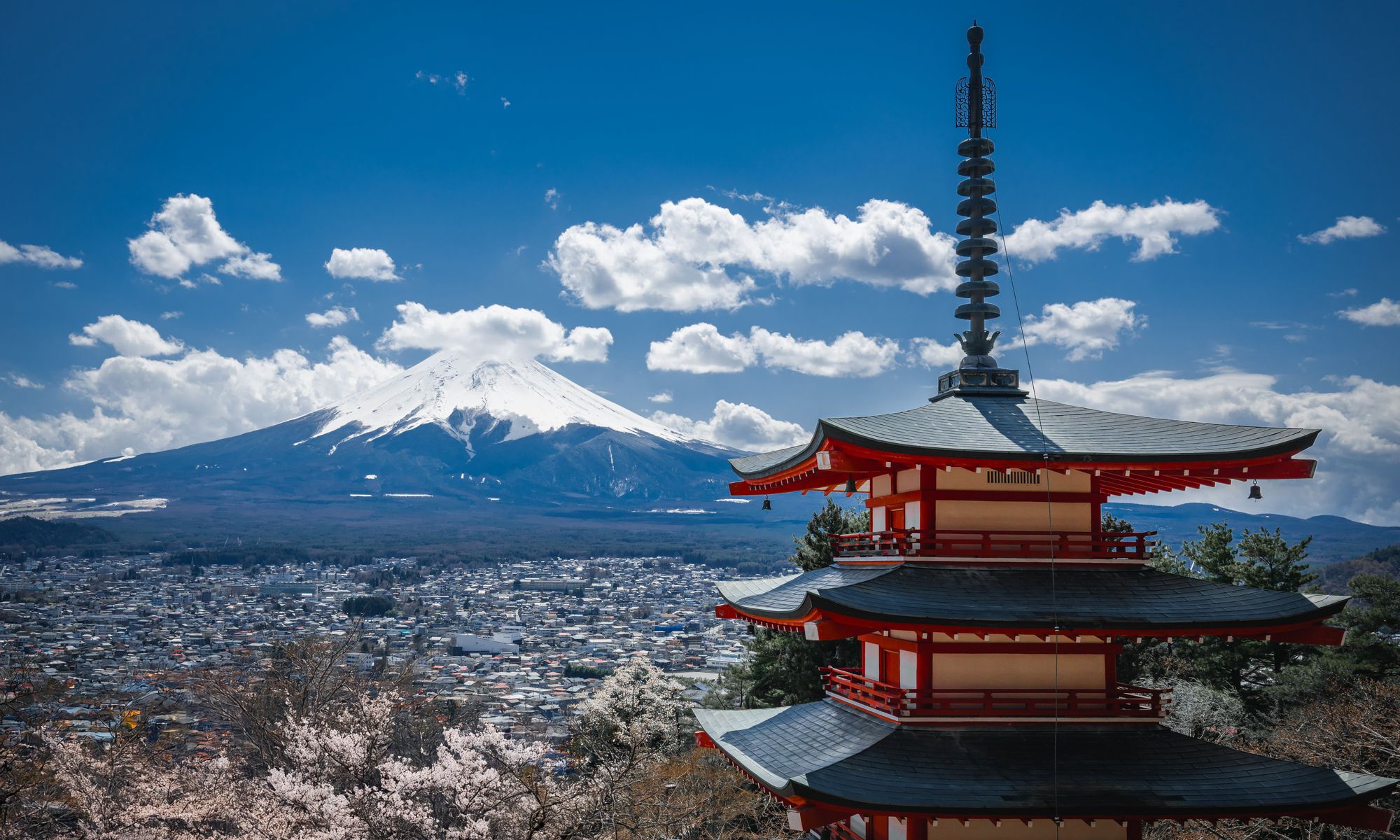
Snow-capped Mount Fuji above the town of Fujiyoshida, with the vermilion Chureito Pagoda on the wooded slope to the right and cherry blossom in the foreground
Chureito Pagoda, above Fujiyoshida · the terrace that lines the pagoda up with the mountain is a long flight of steps above the car park
Country brief · 35.6762°N 139.6503°E

Japan

The famous places now take a booking. Ten kilometres past them, nothing does.

How long
Ten days to a fortnightTokyo, Kyoto and Kansai; a third region needs four more nights, not two
Getting around
Trains, rarely a carthough one earns its place in rural Hokkaido, Kyushu, Shikoku and Okinawa
When
Spring or late autumnthree domestic holiday weeks fill the trains and the rooms
Language
Japanese96th of 123 for English; the signage carries a visitor, the conversation does not
Money
The yencashless is 58 percent of spending; cash holds at shrines and on rural buses
Airports
Haneda, not Naritaand Kansai for a trip that starts in Kyoto, Osaka or Nara
How long

How many days do you need in Japan?

Ten to fourteen days covers Tokyo, Kyoto and the Kansai cities around them, with Nara, Osaka and Himeji reachable from a single base and no change of hotel. A week works and spends a disproportionate share of itself on the Tokaido corridor between the two big cities. A third region is where the arithmetic changes: Hokkaido, Kyushu, Okinawa and the Japan Alps each cost a domestic flight or a rail leg near four hours, and each is better given four nights than two. Hiroshima is the exception, since it extends the existing Shinkansen spine westward and sits under four hours from Tokyo.

Getting around

Do you need a car in Japan?

No car is needed for the Tokyo to Kyoto to Hiroshima spine or inside any large city, where one is a liability. The nationwide rail pass is the question most published advice still gets wrong: after the 2023 increase it no longer pays for itself on a plain Tokyo, Kyoto and Osaka loop, and it rises again by roughly five to six percent on 1 October 2026. It starts to earn its place once a long western or northern leg is added and the itinerary keeps moving. A car earns its place in rural Hokkaido, inland Kyushu, the Noto peninsula, the interior of Shikoku and Okinawa.

When

When is the best time to visit Japan?

Late March into early April and late October into early December are the two windows the country is organised around, and both are busy for good reason. The cherry bloom runs south to north up an archipelago aligned southwest to northeast, so the same fortnight means Kyushu in one week and Hokkaido a month later; the window shifts by year and no date should be booked against. Arguments against summer are concrete: the rainy season in June, the humidity of August and the typhoon months. Three domestic holiday weeks fill trains and rooms nationwide, at New Year, in Golden Week and at Obon.

Language

What language is spoken in Japan?

Japanese, and the honest measure is unflattering. The 2025 EF English Proficiency Index places Japan 96th of 123 countries, in the lowest of five bands, with written sub-scores running well above spoken ones. That combination produces a specific experience: signage on the rail network is bilingual and carries a visitor through the country without difficulty, while conversation past a transaction is rare outside international hotels and the staff of major sights. It thins fast on a rural bus or at a small inn.

Money

Is Japan still a cash country?

Half of the old advice has stopped being true. Cashless payment reached 58.0 percent of consumer spending in 2025 by the government’s own measure, against a government target of 65 percent by 2030, and cards work across the cities. Cash has not gone away, it has retreated to specific places: small shrines and temples, rural buses, older inns and many market stalls. Foreign cards work at 7-Eleven and Japan Post machines, which are the two reliable networks. Tax-free shopping changes on 1 November 2026 to a pay first and claim at departure system, with no transition period.

Airports

Where do you fly into Japan?

Tokyo has two and the difference is real: Haneda sits inside the city and reaches the centre in about half an hour, while Narita is well outside it, about forty minutes to Ueno on the fastest train and an hour to Tokyo Station on the slower one. A trip that begins in Kyoto, Osaka or Nara should fly into Kansai instead and skip the Tokaido leg entirely. Chubu Centrair serves Nagoya and the Japan Alps, New Chitose is the gateway to Hokkaido and Sapporo, Fukuoka opens Kyushu, and Naha serves Okinawa.
Why you should visit

Ninety seconds on the country

Japan runs three thousand kilometres from the sub-Arctic to the sub-tropics across four main islands and several thousand smaller ones. A train network holding 320 kilometres an hour with bilingual signage as standard turns most of that distance into a morning, which is why a first trip can be an itinerary instead of a base.

Record arrivals have produced rules rather than complaints. Every trail up Mount Fuji now needs a permit booked in advance, a daily cap holds on the busiest route, Kyoto fines entry to private alleys in Gion, and Ginzan Onsen has gone to timed entry. The well-known places have become appointments.

That makes the case for the towns behind them stronger than it has ever been. Kanazawa kept three licensed teahouse quarters and a garden that ranks with the two most famous in the country; Takayama kept the only shogunal magistrate’s office left standing in Japan; Nikko holds a shrine carrying five thousand carvings up a mountain road of forty eight hairpins.

Nara is the shortest version of the argument. Japan’s first permanent capital sits forty minutes from Kyoto with the oldest things in the country inside one walkable park, and roughly one visitor in seven stays the night. Hakone, Sapporo and Hiroshima each make the same case in a different register.

Three Ways to Travel It

Pick how you want to travel. The towns, the things to do and the map all change with it.

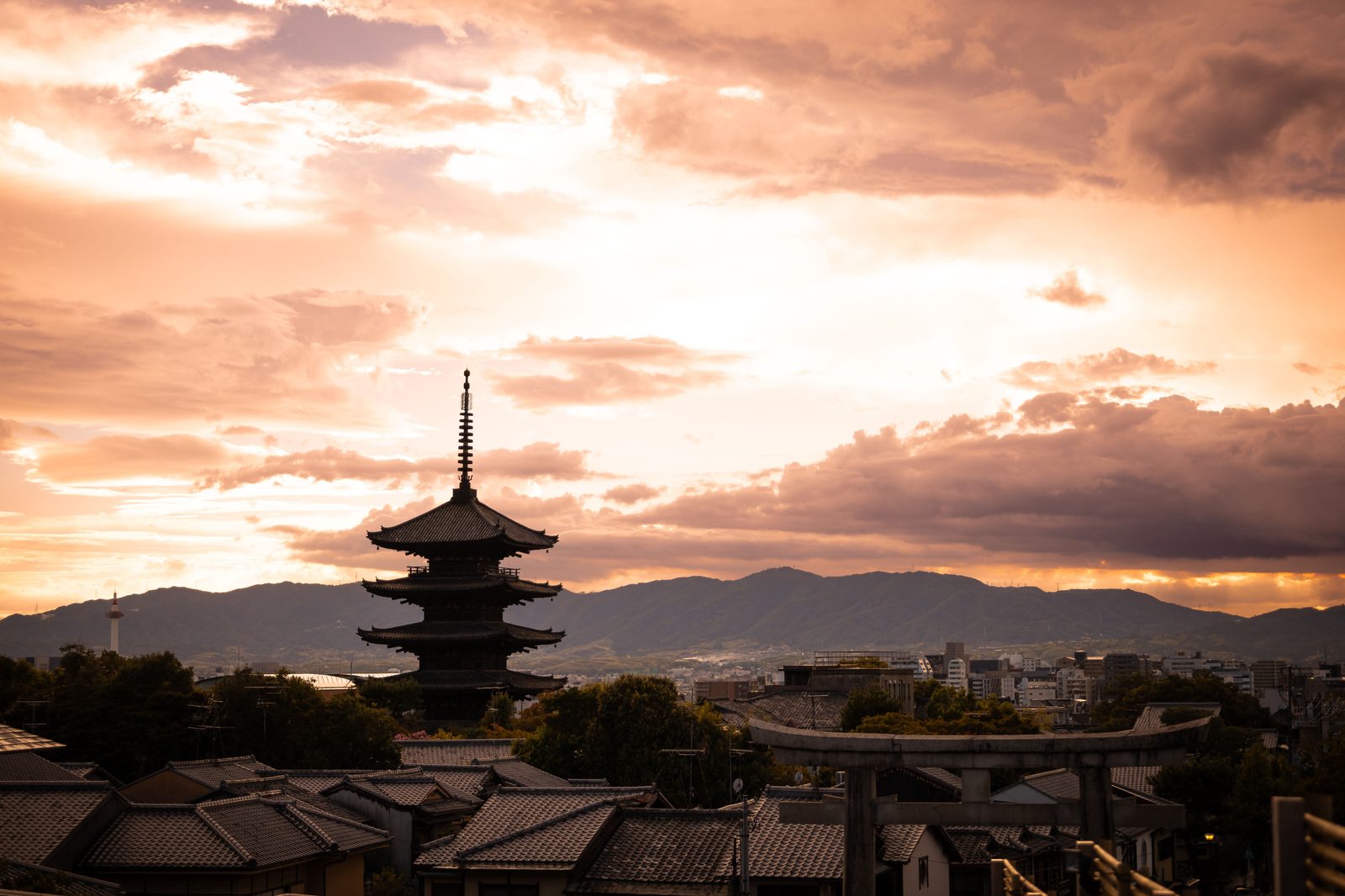
The five storey Yasaka Pagoda rising above tiled roofs in Kyoto at sunset, the sky orange behind it
Yasaka Pagoda, Kyoto. The lane below it is one of the most photographed in Japan and is empty for about an hour after dawn.

Culture

The Best Places to Visit for Cultural Travel in Japan

Kyoto and Nara hold the oldest of it, and they are forty minutes apart. Nara was the first permanent capital and keeps the Great Buddha, a shrine approached through two thousand stone lanterns and a merchant quarter of lattice-fronted houses. Kyoto followed it and never stopped being the reference.

The register changes north and west. Kanazawa spent the richest domain in Japan on gold leaf, lacquer and Noh; Takayama was governed direct from Edo and kept the office; Nikko buried a shogun under five thousand carvings. Tokyo, Osaka, Hiroshima and Hakone carry the modern half of the same story.

Plan the trip

Loading the map
View on globe

Last updated

Meridian Dispatch for iPhone

Start planning your trip
to Japan.

The places on this page are in the app, each with a verdict: why to go, how far from your hotel, how long to stay. Forward your confirmations and the days fill themselves in.