One night in a campyou may need two if you arrive after mid morning
Getting around
In your camp's 4x4standard cars stop before the sand tracks
When
Spring and autumnJuly and August are stiflingly hot
Language
Arabicguides' English runs from excellent to very basic
Money
The Jordanian dinar, in cashmost desert camps take no card
Airports
Aqaba AQJfrom Amman AMM, the bus to Aqaba takes four hours
How long
How long should a visit to Wadi Rum be?
One night in a desert camp. Jeep tours start in the morning, so reaching the Visitor Centre by about 9 or 10 am fits the tour, the sunset and the camp night into one stay; a later arrival may need two nights. A day trip from Aqaba gives five to six hours in the desert and misses the night and the sunrise.
Getting around
Can a car be driven into Wadi Rum?
Only as far as the tarmac goes. Standard cars stop before the sand tracks, and the camps run jeep tours with their own drivers. Camels move at walking pace, so a short stay covers more ground by jeep; camel rides suit sunrise or sunset and are best avoided in the midday heat of summer.
When
When is the best time to visit Wadi Rum?
Spring or autumn, which avoid both the cold winter nights and the hot summer days, though these are also the busiest seasons. The average July high is about 35°C and the average January low about 5°C, and December to February can bring snow.
Language
What language is spoken in Wadi Rum?
Arabic is the national language. The Bedouin guides speak English at every level from excellent to very basic. Ask the camp whether the jeep driver speaks English before booking, since a driver without it gives no commentary on the stops.
Money
What currency is used in Wadi Rum?
The Jordanian dinar, written JD. Most desert camps do not accept cards and card machines in the area are unreliable, so camps, jeep tours and extras are usually paid in cash. Bring all the cash needed in dinars, and do not count on a cash machine.
Airports
Which airport is nearest to Wadi Rum?
Aqaba, AQJ, about 9 km north of Aqaba city. No public transport serves the airport, so leave it by taxi. Amman, AMM, lies about 30 km south of the capital, and the JETT bus from Amman to Aqaba takes about four hours.
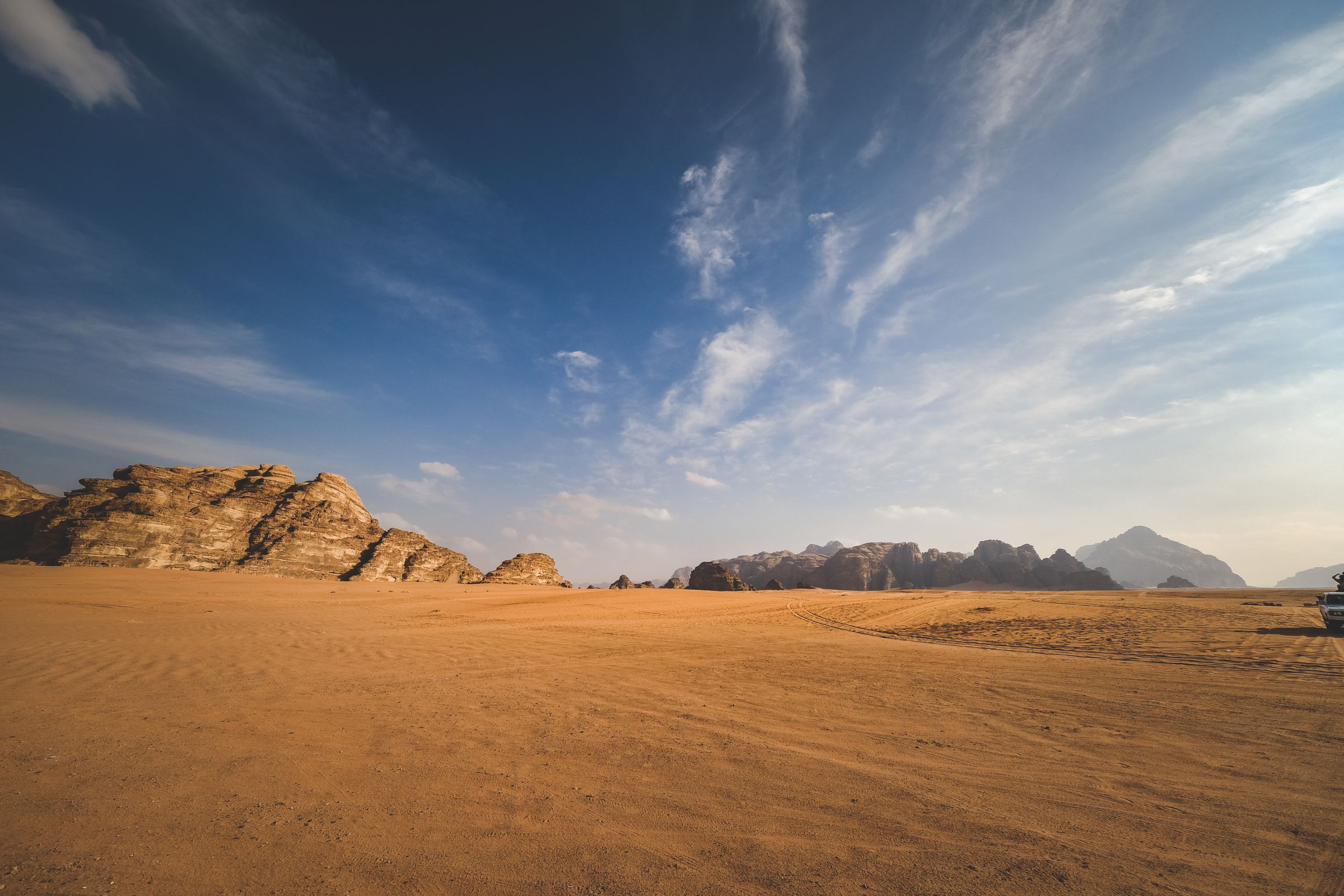
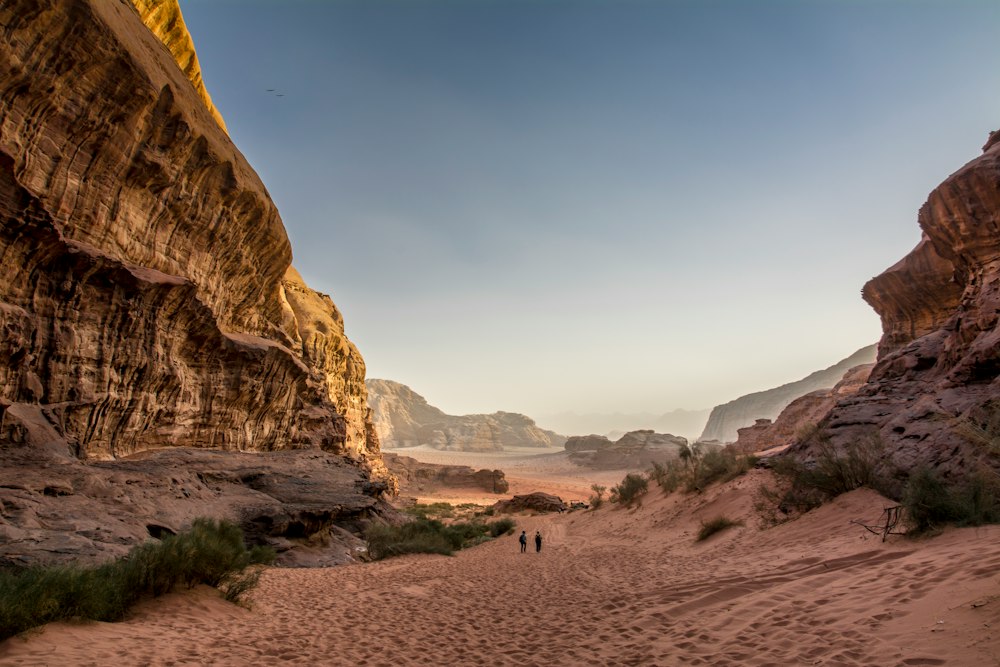
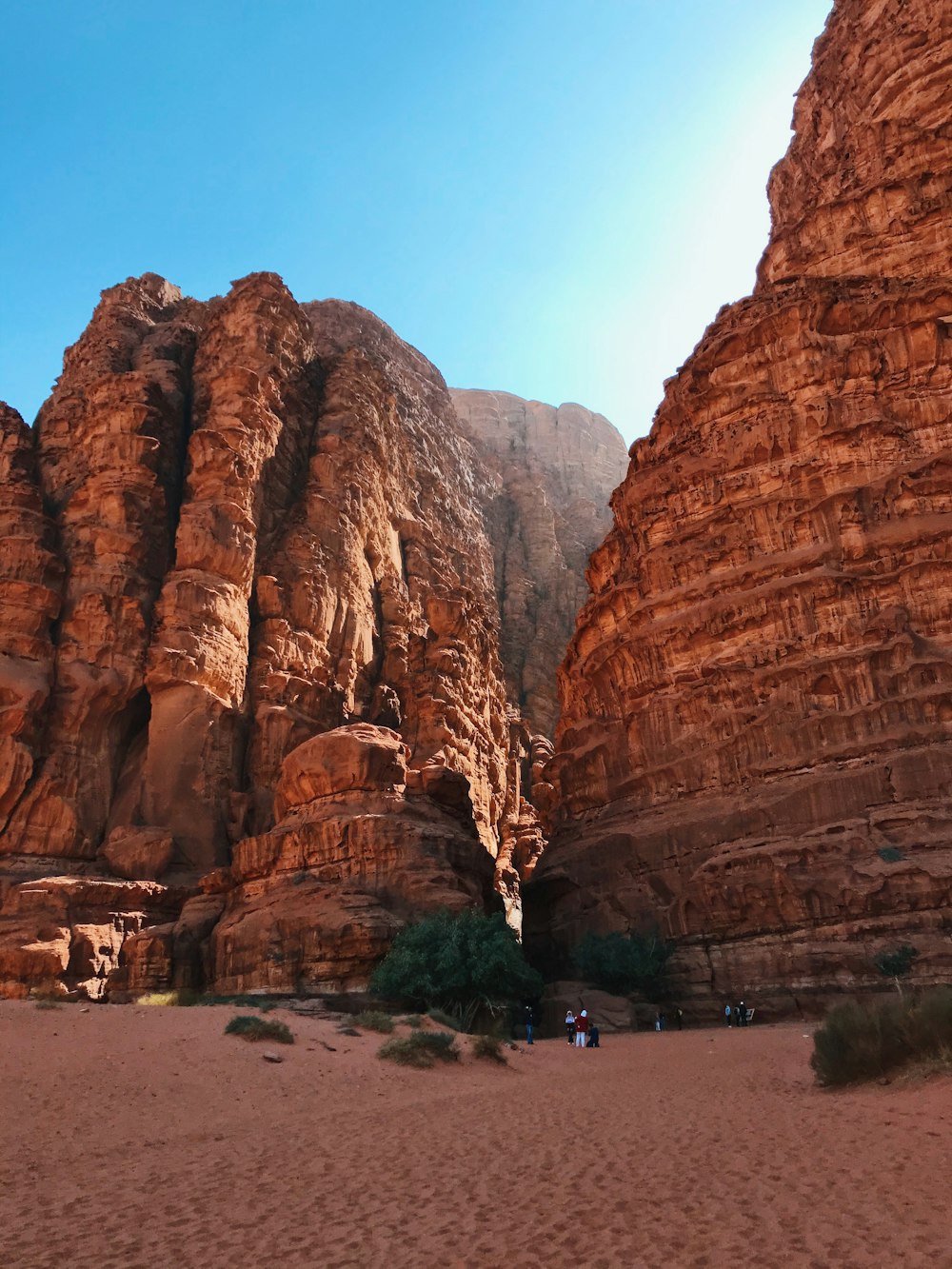
Wadi Rum is a protected desert in southern Jordan, where near-vertical sandstone mountains rise straight out of the sand. A camp night brings a traditional dinner, hours by the fire with tea, and a drive out to a spot with no light pollution for the stars. Choose the tent with care: bubble tents show you the sky from bed, and traditional tents often share toilets.
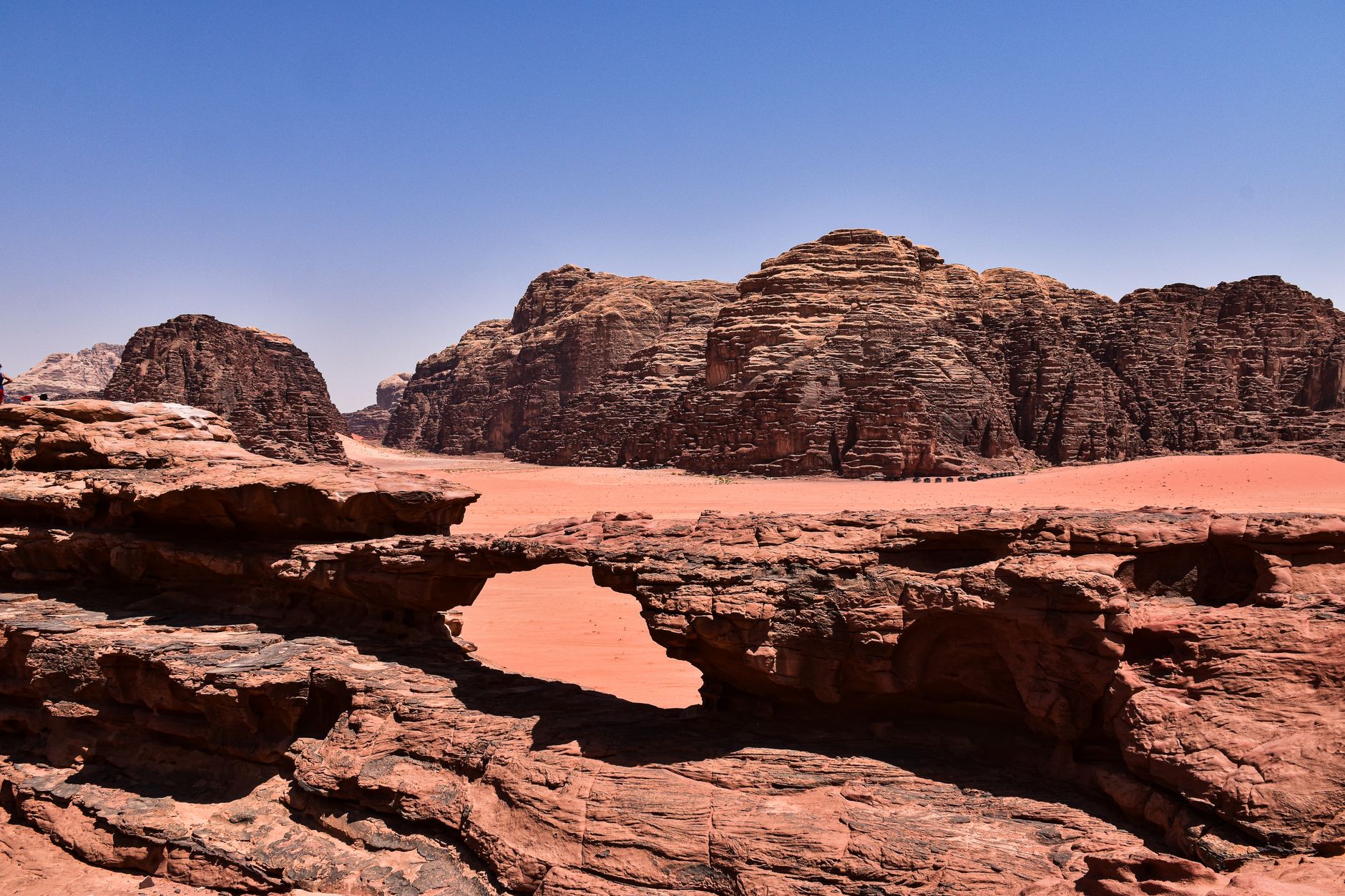
The jeep tour fills the day: a two-hour tour reaches Um Fruth Rock Bridge, while the far south, with Al-Mahat Arch, needs a longer one. Late in the day guides head back towards the Visitor Centre, often by the Um Sabatah viewpoint for sunset, so ask to arrive half an hour early. To hike or climb, book a guide through your camp: a number of guides are trained climbers.
Every visit starts at the Visitor Centre, the official entry point, where you buy the entry ticket or show your Jordan Pass, which covers it. Your camp meets you there or in Rum village, several kilometres further in, so agree the place and any pick-up charge when you book. Do not pay anyone else at the Visitor Centre, whatever they offer.
Aqaba is about an hour's drive away: a morning JETT bus runs from its JETT station to the Visitor Centre, and a local bus runs daily except Fridays to Rum village. From Petra, a bus collects you from hotels in Wadi Musa at around 6am; check the time with your hotel. No bus runs direct from Amman, so you travel via Aqaba or Petra.
Pack a warm layer in every season, because the temperature drops sharply after sunset, though camps provide warm blankets. Camp water supplies can fail, so do not count on a morning shower. Carry toilet paper on the jeep tour, since there are no toilets outside the village and the camps, and download an offline map, because phone signal stops in the desert.
From sunset to sunrise is the reason to come: you spend the night in a camp among red dunes and sandstone cliffs, under a sky that ranks among the best on earth for stargazing.