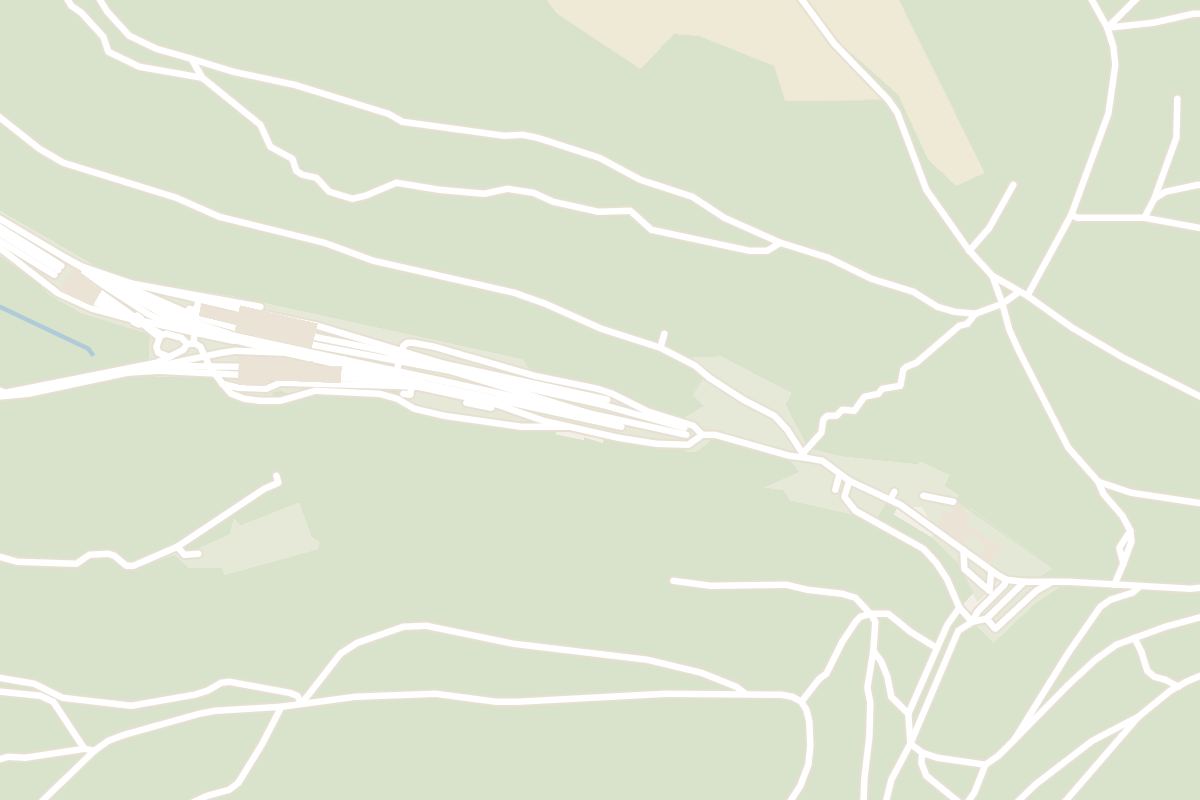
You ride a steam or diesel train from Pétange up the old ore line to Fond-de-Gras, then change to the narrow-gauge Minièresbunn, which runs underground through the iron seam to the miners' village of Lasauvage.
Museum, Esch-sur-Alzette. Meridian Dispatch.
The Train 1900 runs on Sundays and public holidays, with extra Thursday and Saturday trains in summer. On Sundays it leaves Pétange about hourly through the afternoon, and summer Sundays add a morning train. Some departures are steam trains, and each season's timetable is published on the Minett Park practical information page.
Tickets for both trains are sold only on site, on the day of the visit. The Minièresbunn takes no reservations and accepts cash or card. Children under 5 ride free.
Yes. A Sunday afternoon train from Pétange reaches Fond-de-Gras before the afternoon Minièresbunn departures at 15:00, 16:00 and 17:00. Take the Minièresbunn at 15:00 or 16:00: the last Train 1900 down to Pétange leaves Fond-de-Gras at 18:20, before the 17:00 trip gets back.
The Train 1900 platform is reached directly from the CFL station at Pétange, so national trains reach the start of the line. Bus 6 calls at Fond-de-Gras on Sundays only. On weekdays the nearest stop is Niederkorn, Hondsterrain, a downhill walk of about 1.2 km.
Children can enter the mine from the age of 3, though the cold, the darkness and the noise leave the choice to parents. Prams ride in the Train 1900's freight wagon on most trips but stay behind at the station during the mine train, so a baby carrier is easier. Wheelchair access is difficult, and the old carriages have very high entrances.
Yes. The mine stays between 10 and 12°C all year, so a warm layer is strongly recommended, with flat, closed shoes. A helmet is handed out for the underground stop.
Minett Park Fond-de-Gras is an open-air museum of iron mining, spread along a small valley above Pétange. The Train 1900 runs on the Mining Line, built to carry ore from these hills. Its locomotives, mostly from the steel plants of the basin, pull coaches from the early twentieth century.
The Minièresbunn is the second line, laid to a 700 mm gauge. A Krauss steam engine pulls it to the Doihl pithead, then an electric locomotive takes over and runs 1,400 metres underground along a haulage tunnel, cut through a black layer of ore. Out of the tunnel, the train enters the oldest galleries of the mine, then stops at Lasauvage.
Back at Fond-de-Gras stand the railway station, the sheds and the rolling mill train, taken apart on its original site and rebuilt here. The Paul Wurth Hall, a former power plant with brick panels in a metal lattice frame, was moved here from the Hollerech plant.
The Epicerie Victor Binck, a grocery brought from Differdange, still has a drawer labelled Polenta, a trace of the Italian workers living in the region. The Salle des Pendus was the changing room for the mine workers: clothes hung on hooks from chains so they dried faster, and each man locked his own chain with a padlock.
Most visits start on the Train 1900 platform at Pétange, for the ride up through the mining country to Fond-de-Gras.
At Fond-de-Gras, walk over to the Minièresbunn platform beside the café-restaurant Bei der Giedel. The mine train stops inside the mine for a visit of about 25 minutes, carries on to Lasauvage, and then returns to Fond-de-Gras.
Between trains, look into the grocery, the Paul Wurth Hall and the station buildings. The two train rides alone fill about 2h30, so plan an afternoon. Finish with the ride back down to Pétange.
The car park at Fond-de-Gras has only about 50 spaces, so leave the car at Pétange instead. Signs marked Train 1900 lead to the platform off rue de Niederkorn, where parking is free.
Dogs on a leash can go anywhere on the site, though not into the first-class carriage on the Pétange line. On a day without trains, a digital treasure hunt tells the valley's story; bring your own phone, as the site lends none.
Climb about 40 metres up the old blast furnace at Belval, ride the mine train into the iron galleries at Rumelange and take the heritage train to Fond-de-Gras, then come back each night to a room in Esch.
Read the Esch-sur-Alzette guideExplore the rest of Esch-sur-Alzette
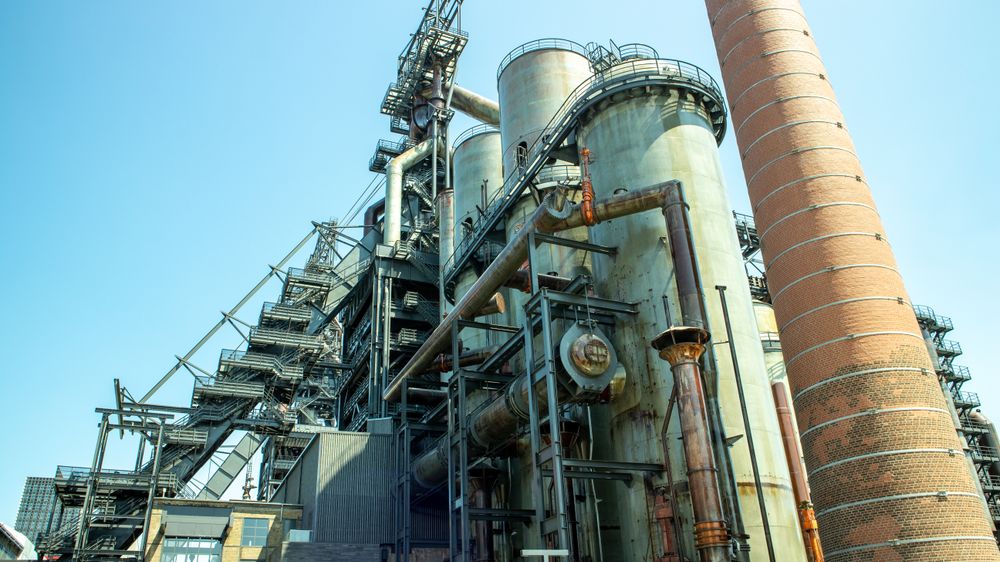
Above the Belval university quarter, Blast Furnace A still towers over the square. A signposted path starts in the Möllerei, where ore and…
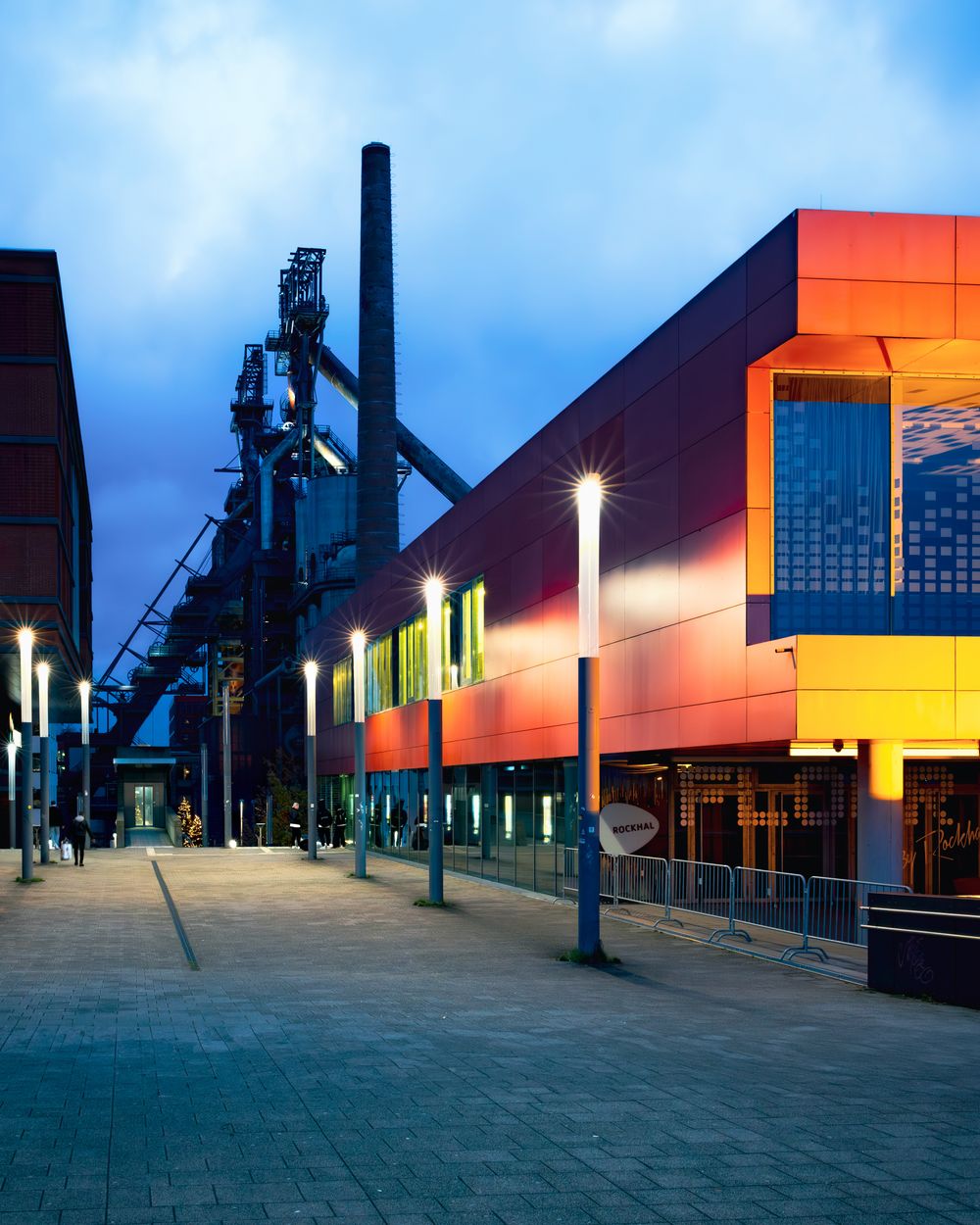
Beside the blast furnaces on the old Belval steelworks site, this concert venue holds up to 6,500 standing in its main hall and about 1,100…
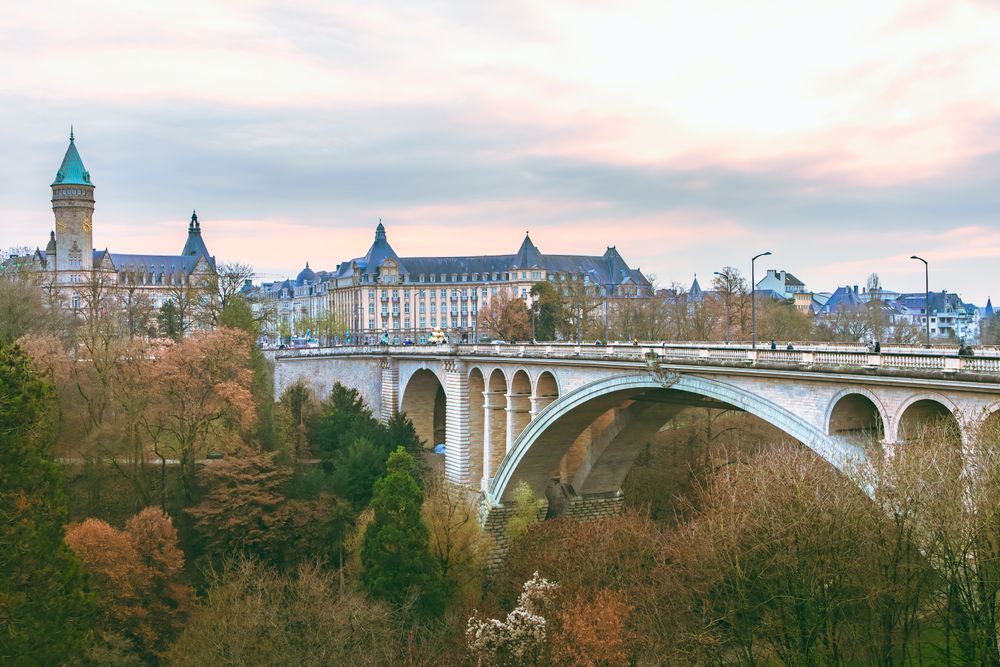
Spanning the Pétrusse valley about 42 metres up, a double-decked arch completed in 1903 carries road traffic and the city tram on its upper…
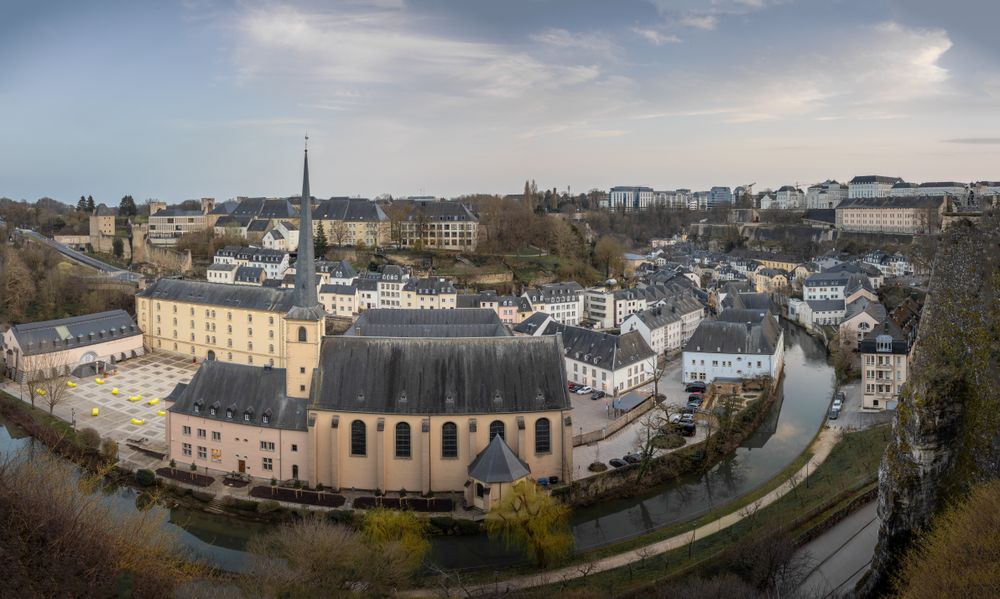
A capital built on cliffs above the Alzette and Pétrusse valleys, with an upper town of ramparts, palace and cathedral over the river…
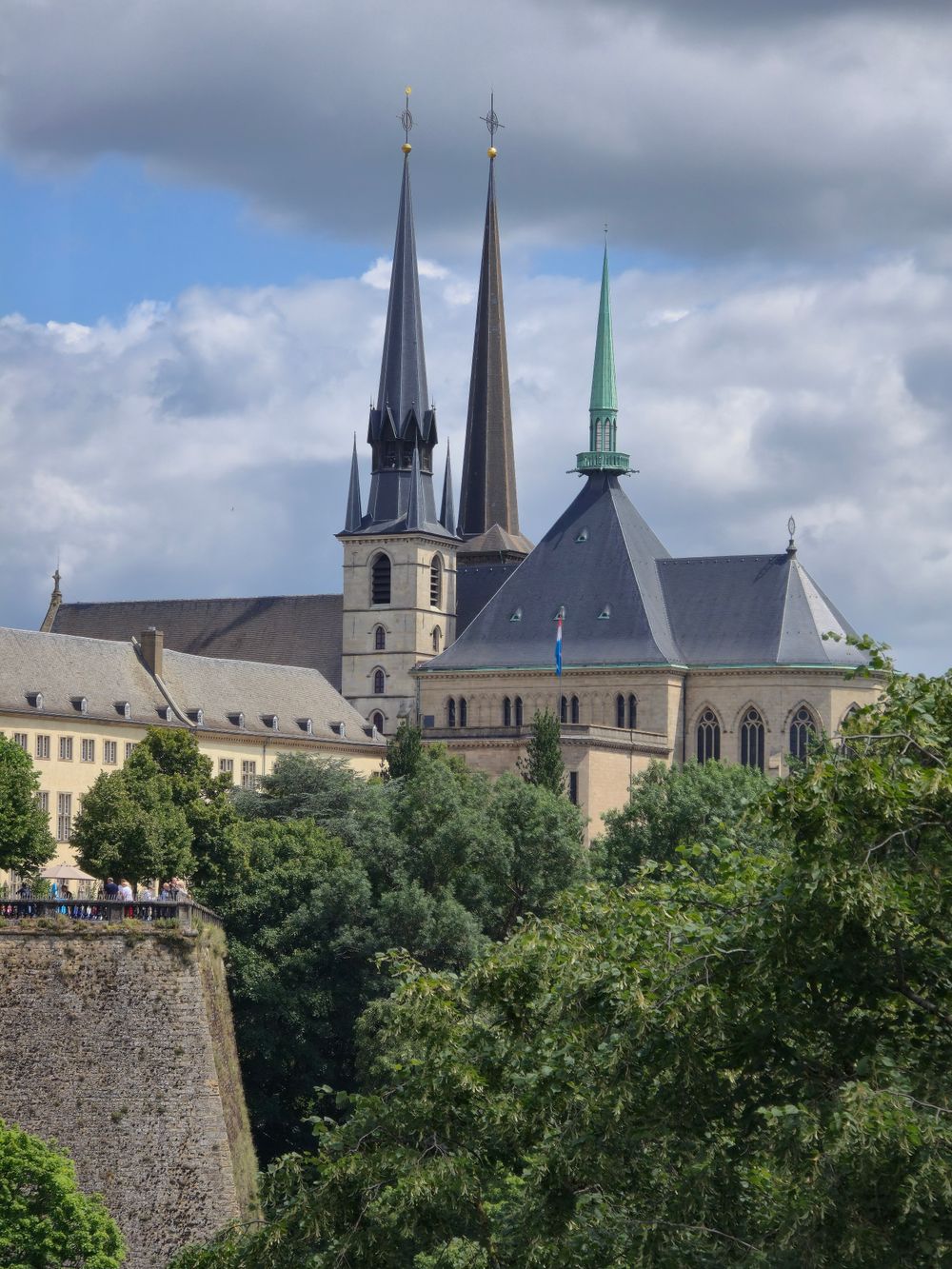
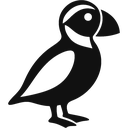
Late Gothic pillars and Renaissance carving share the city's Catholic cathedral, whose cornerstone was laid in 1613. Steps lead down to the…
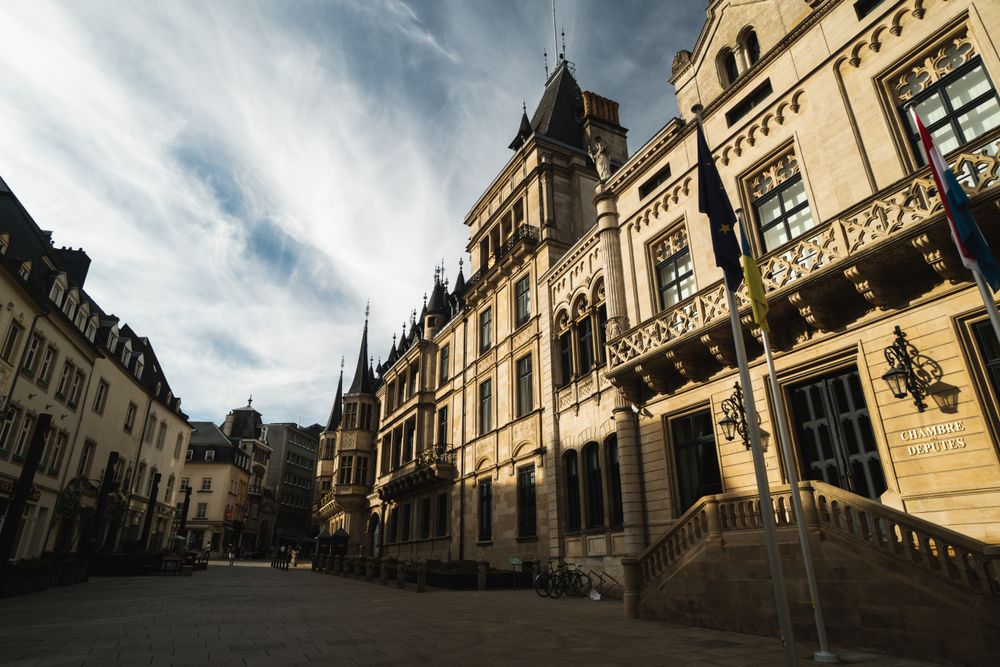
Rue du Marché-aux-Herbes runs past the palace where the Grand Duke keeps his office, a building that served as the city's town hall for…
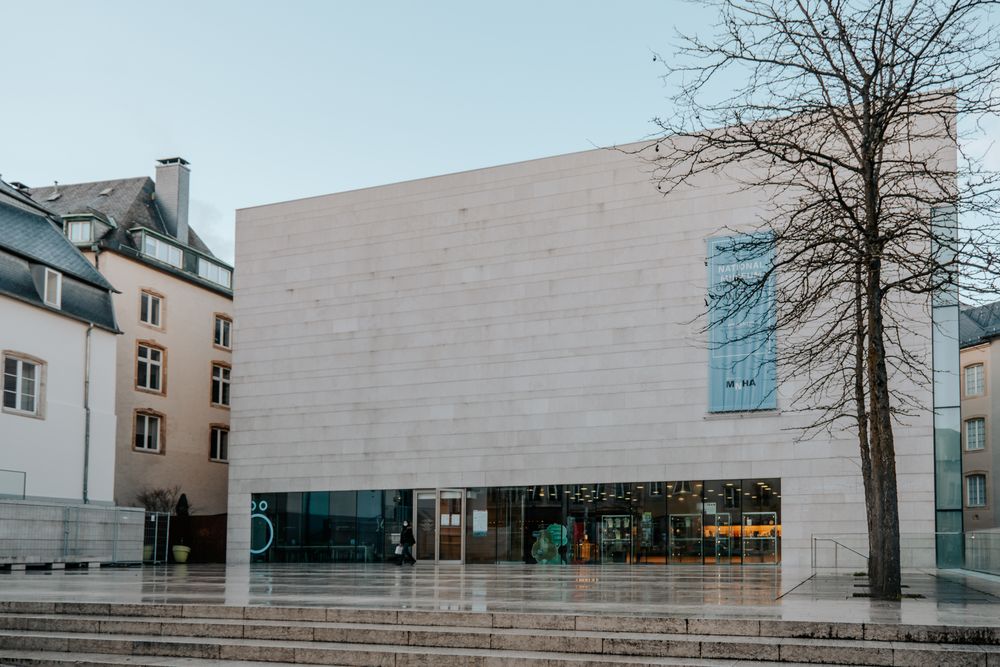
On the old Fish Market square in the upper town, the national museum gathers archaeology, history, coins and medals, decorative arts and…
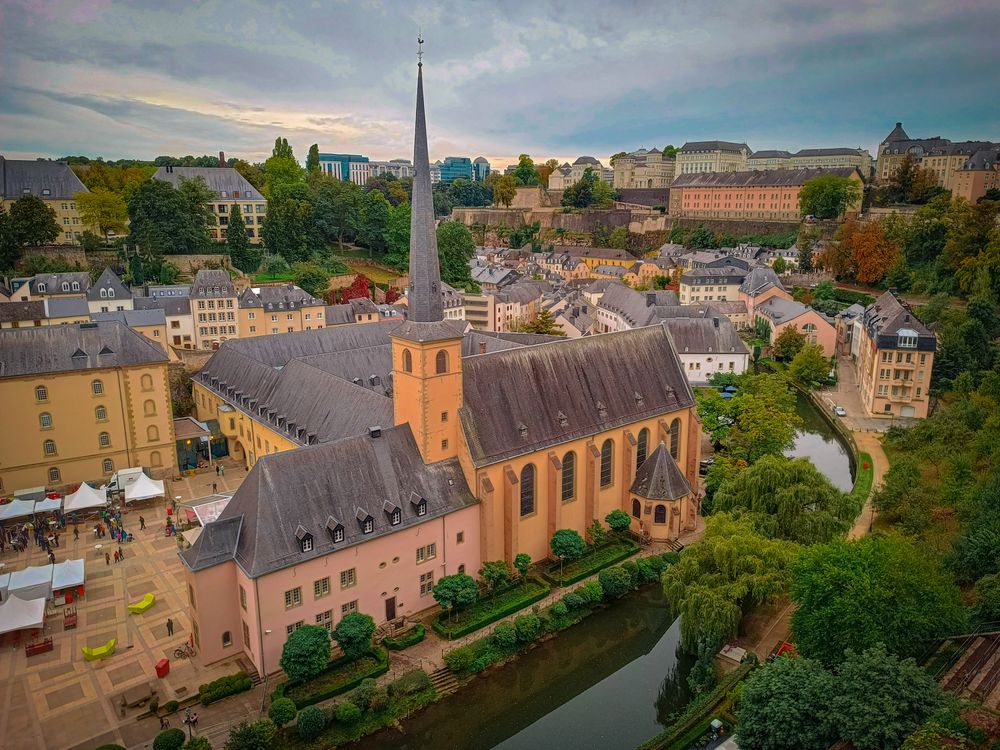
Begun by Benedictine monks in 1606, the abbey complex on the Alzette in the Grund now runs as the Neimënster cultural centre, with…

Save Minett Park Fond-de-Gras to your Luxembourg trip in the Meridian Dispatch app and build the day around it, with the best of Esch-sur-Alzette pinned on one map.
Download on the App StoreLast updated