Bock Casemates
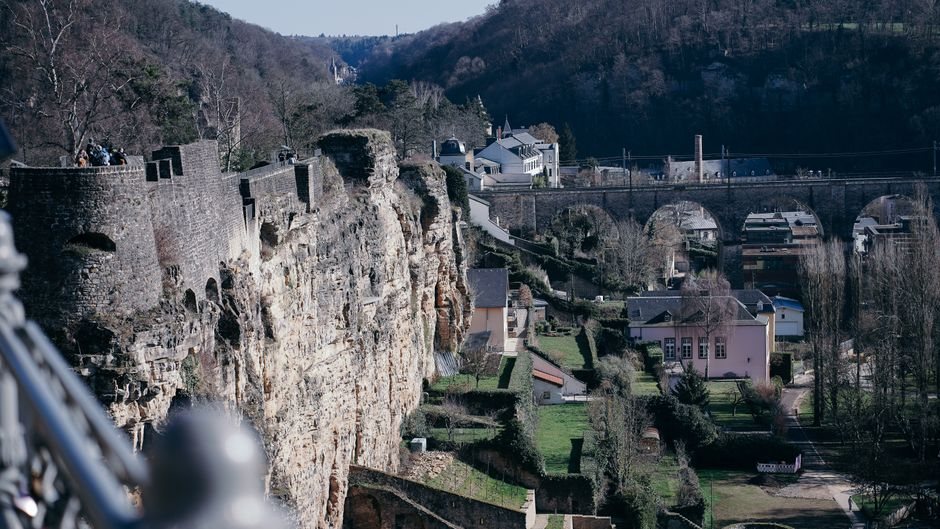
Walk the tunnels inside the Bock, the cliff the old fortress of Luxembourg stood on, and look out through its gun openings. The route comes out at the start of the Chemin de la Corniche.
Read the guide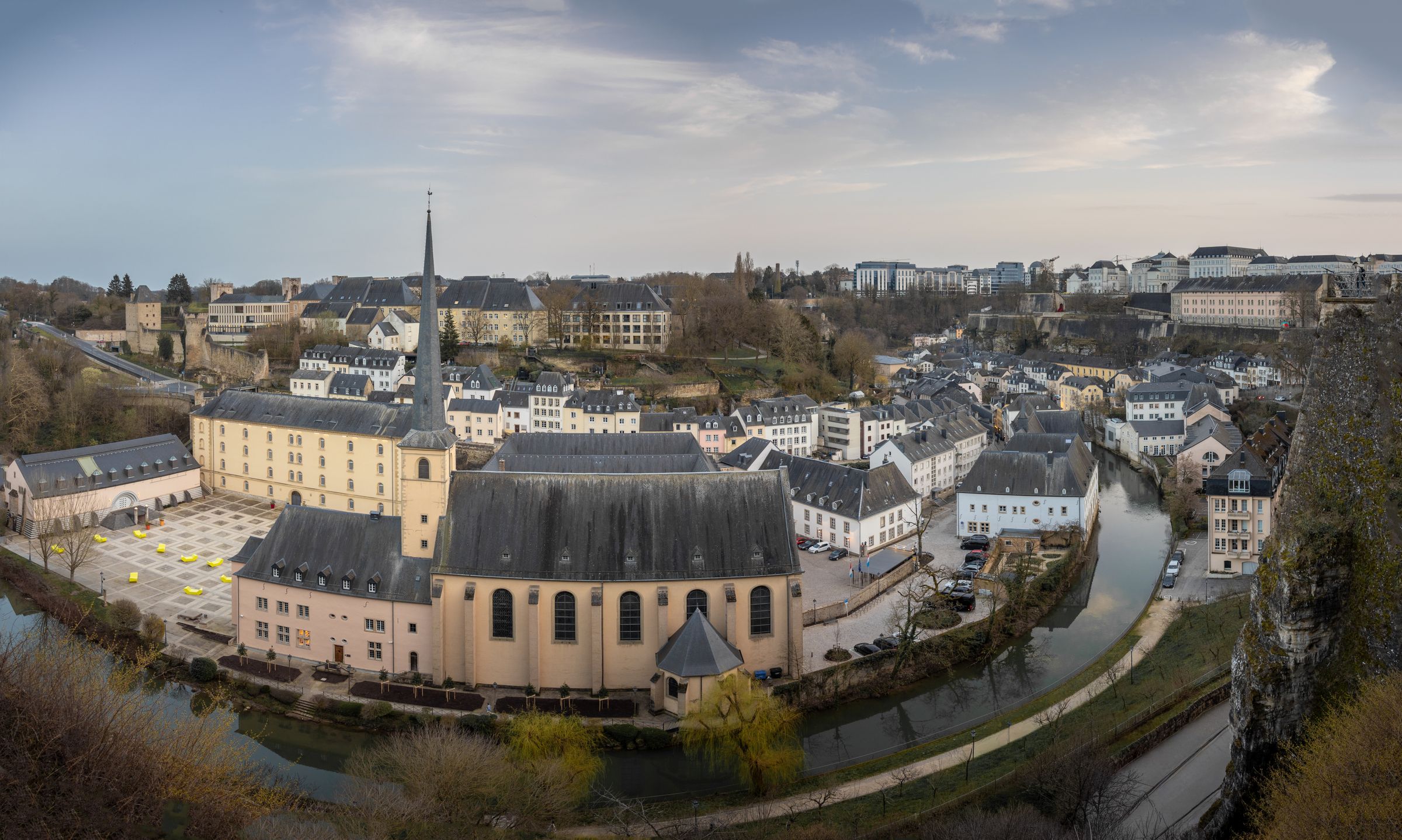
In the Ville Haute the main sights are a walk apart, and a free public lift drops you to the Pfaffenthal in the valley below, running until 1 am for the ride back up.
Town guide, Luxembourg. Meridian Dispatch.
Ninety seconds on Luxembourg City
Two days. The first fits the Bock, the Chemin de la Corniche, the Grund and the palace quarter; the second adds the museums, the Kirchberg plateau and an unhurried evening down in the valley. A third day leaves time for the Mullerthal gorge loop from Echternach, a direct bus ride from Kirchberg, or the castle at Vianden, by train and bus with one change.
Yes. Buses, trams and second-class trains are free across Luxembourg, with no ticket needed. First-class seats and the international part of any journey abroad still need a ticket, sold at the red machines in the main station.
Summer, for the Grand Ducal Palace tours, which run from mid-July to the end of August and sell out; dates and tickets are published in spring. The Schueberfouer funfair fills the Glacis from the third week of August into September. The tourist office closes on 25 December and 1 January.
Luxembourgish, French and German are all in everyday use, and English is widely spoken. Many places carry more than one name: Place Guillaume II is the Knuedler to locals, and the Grand Duchess Charlotte Bridge out to Kirchberg is the Red Bridge.
Rarely. Card and contactless payment are accepted in most places, small shops among them.
Bus lines 16 and 29 leave the terminal every 10 to 15 minutes for the main station and the city centre, about 9 km away, and tram 1 also starts there.
For a first visit, the capital is the base: the fortress, the museums and every train and bus line start here. Walkers bound for the Mullerthal do better in Echternach.
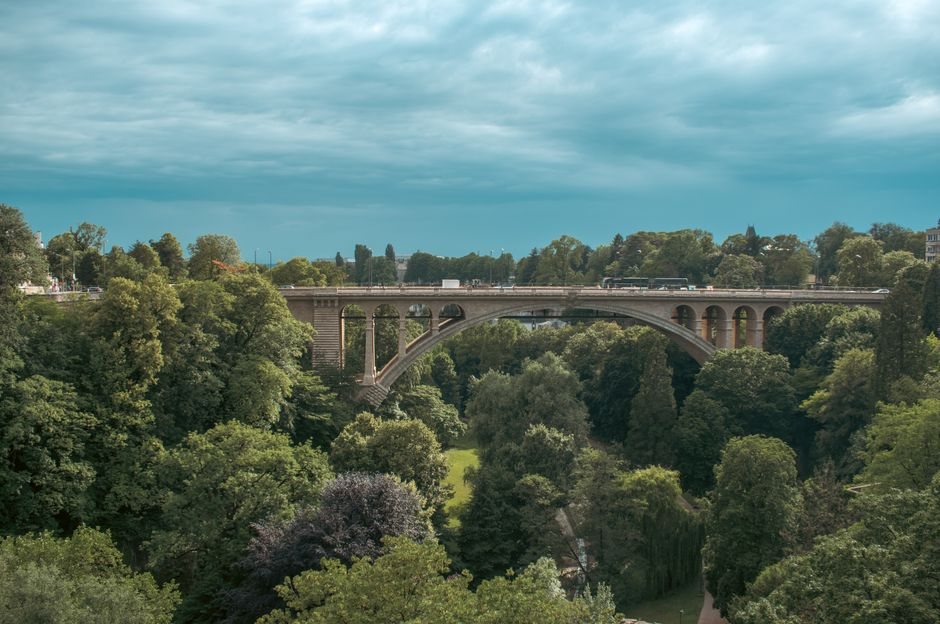
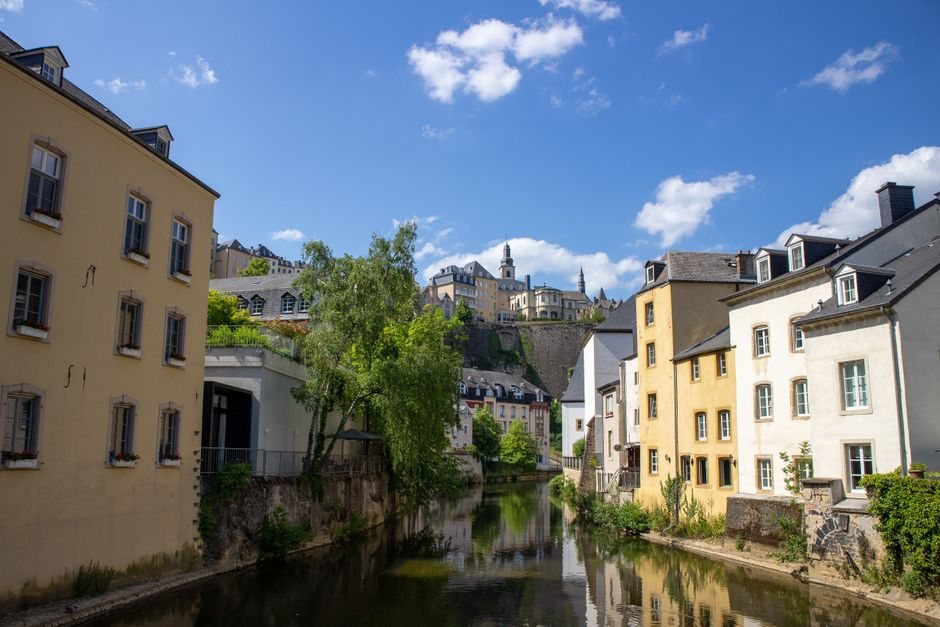
The old town stands on a rock above two valleys, the Alzette and the Pétrusse, with the fortress walls along its edge. Lifts link it to the Grund and the Pfaffenthal below, and the tram crosses the Red Bridge to Kirchberg.
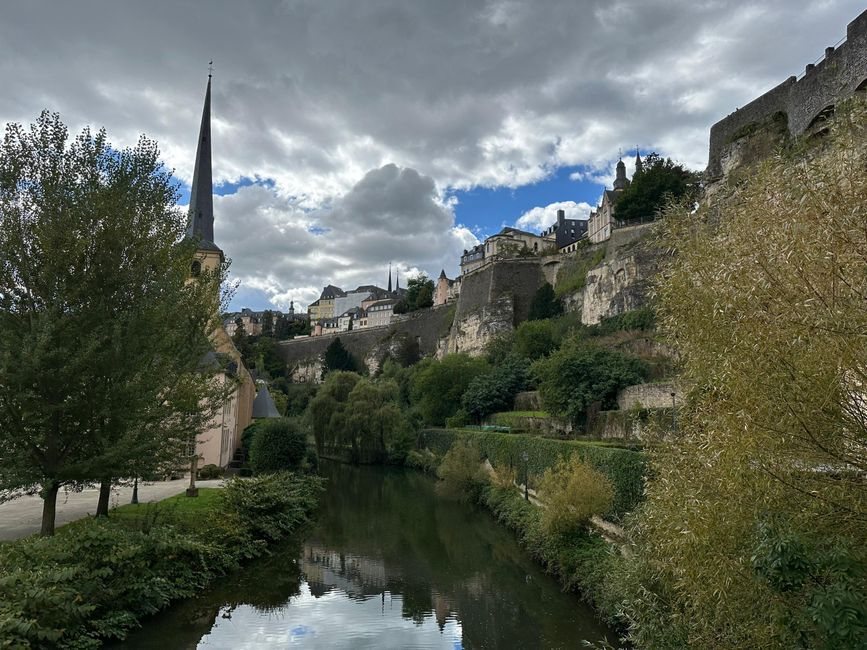
47 metres
Two hotels in the upper town, a few minutes on foot from Place Guillaume II, and one on Boulevard d'Avranches above the Pétrusse valley, towards the station.
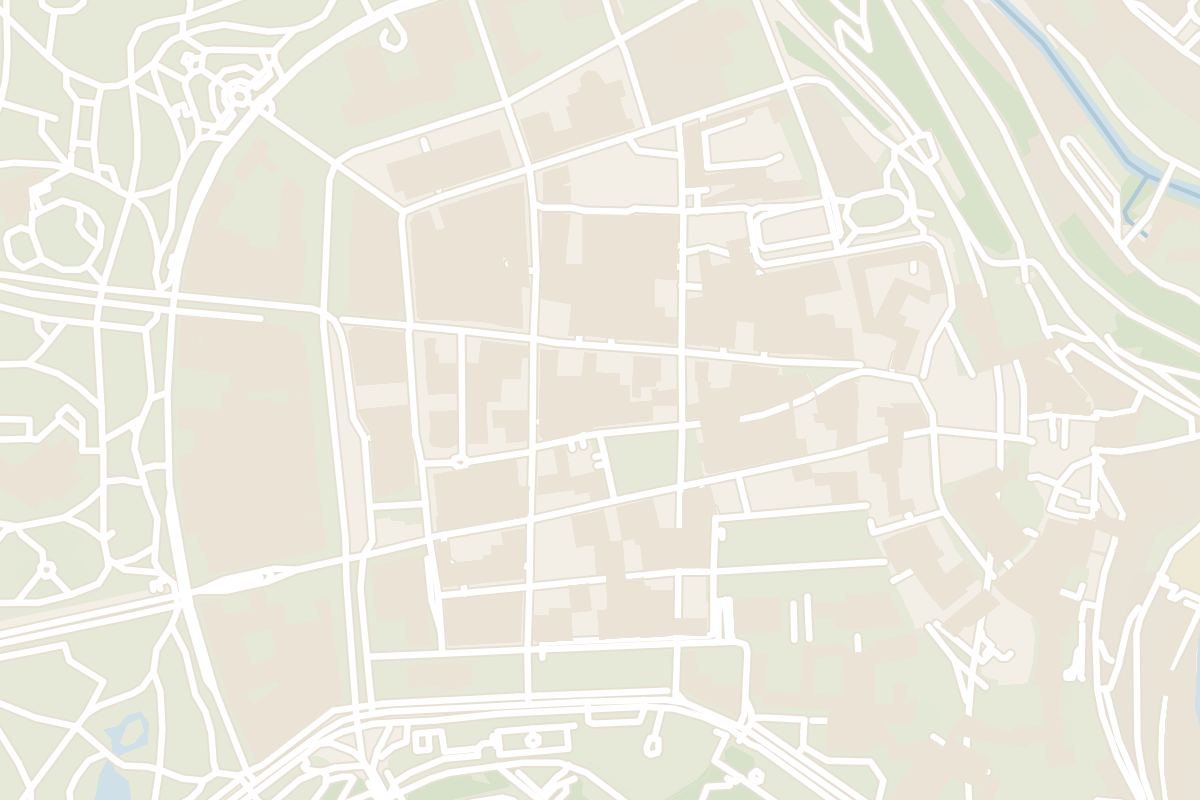 2 min walk from Place Guillaume II
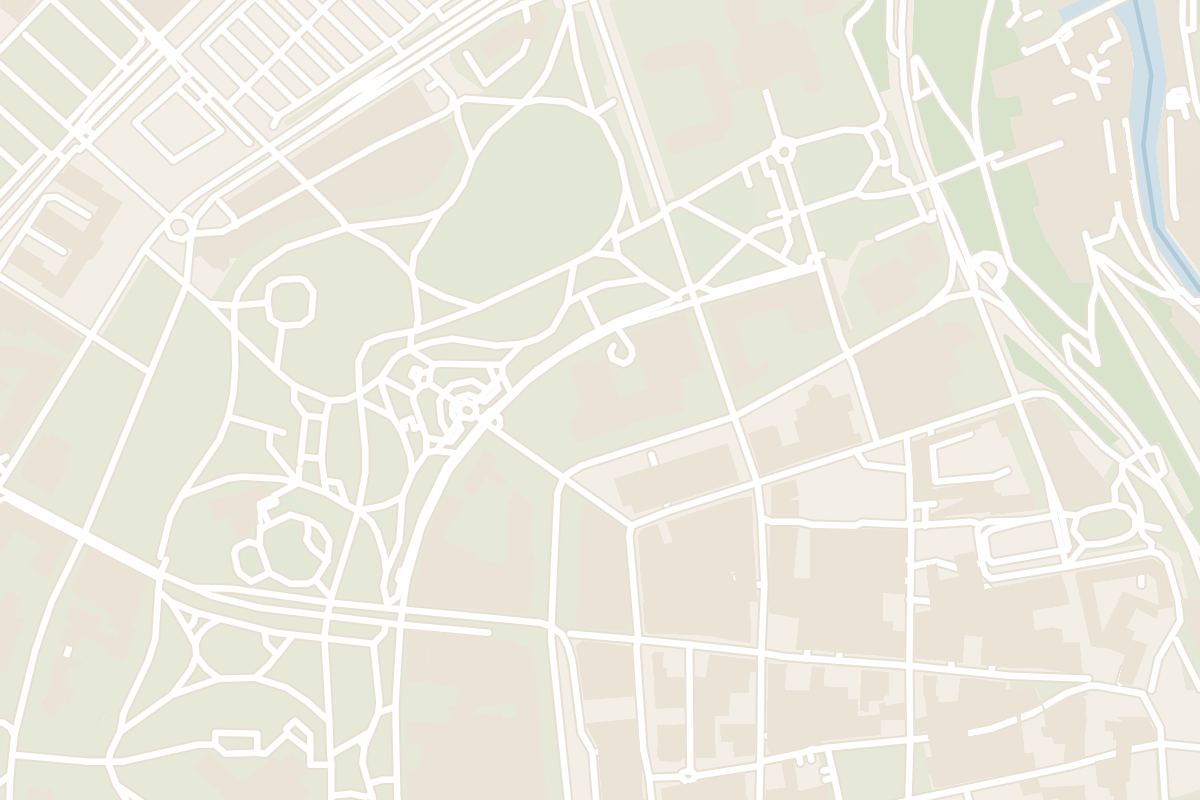 7 min walk from Place Guillaume II
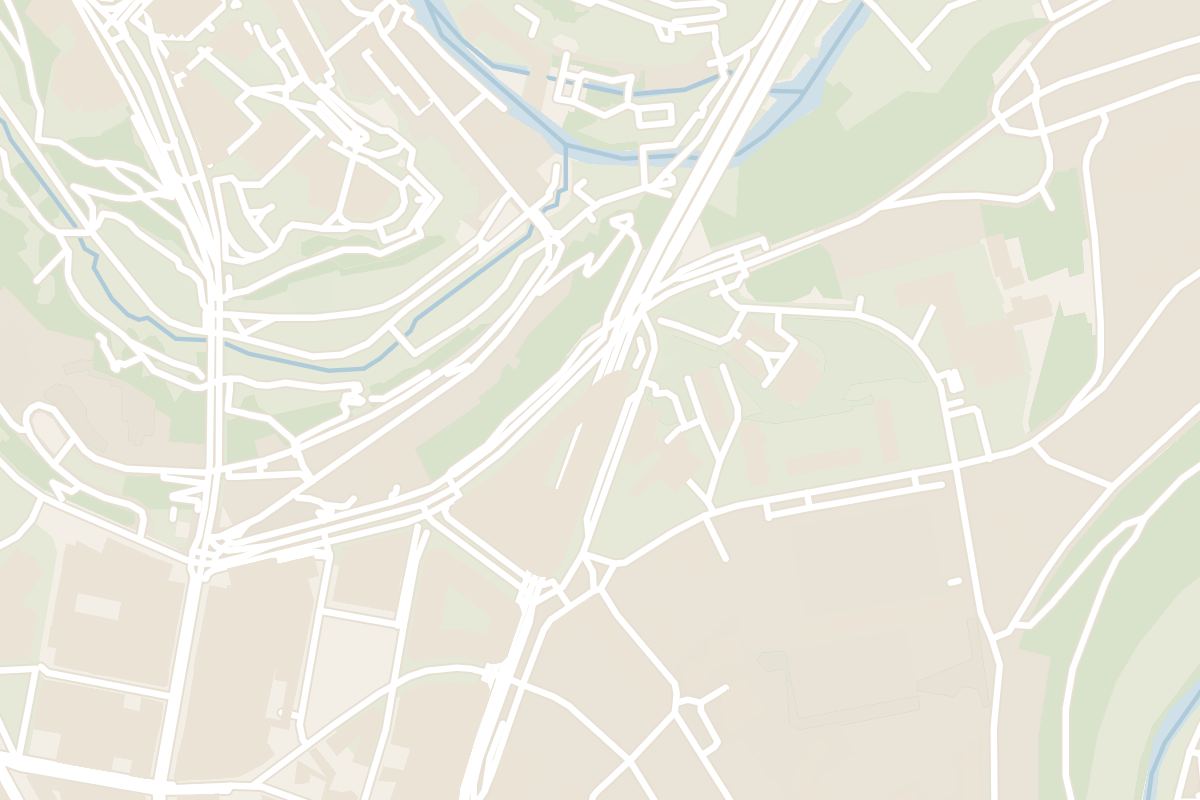 13 min walk from Place Guillaume II
The fortress and the valleys first, then the upper town, the museums and Kirchberg, out to the cemeteries east of the city.
The upper town and the Grund are on foot from Place Guillaume II. Kirchberg is a tram ride away, and the two war cemeteries a bus ride east.
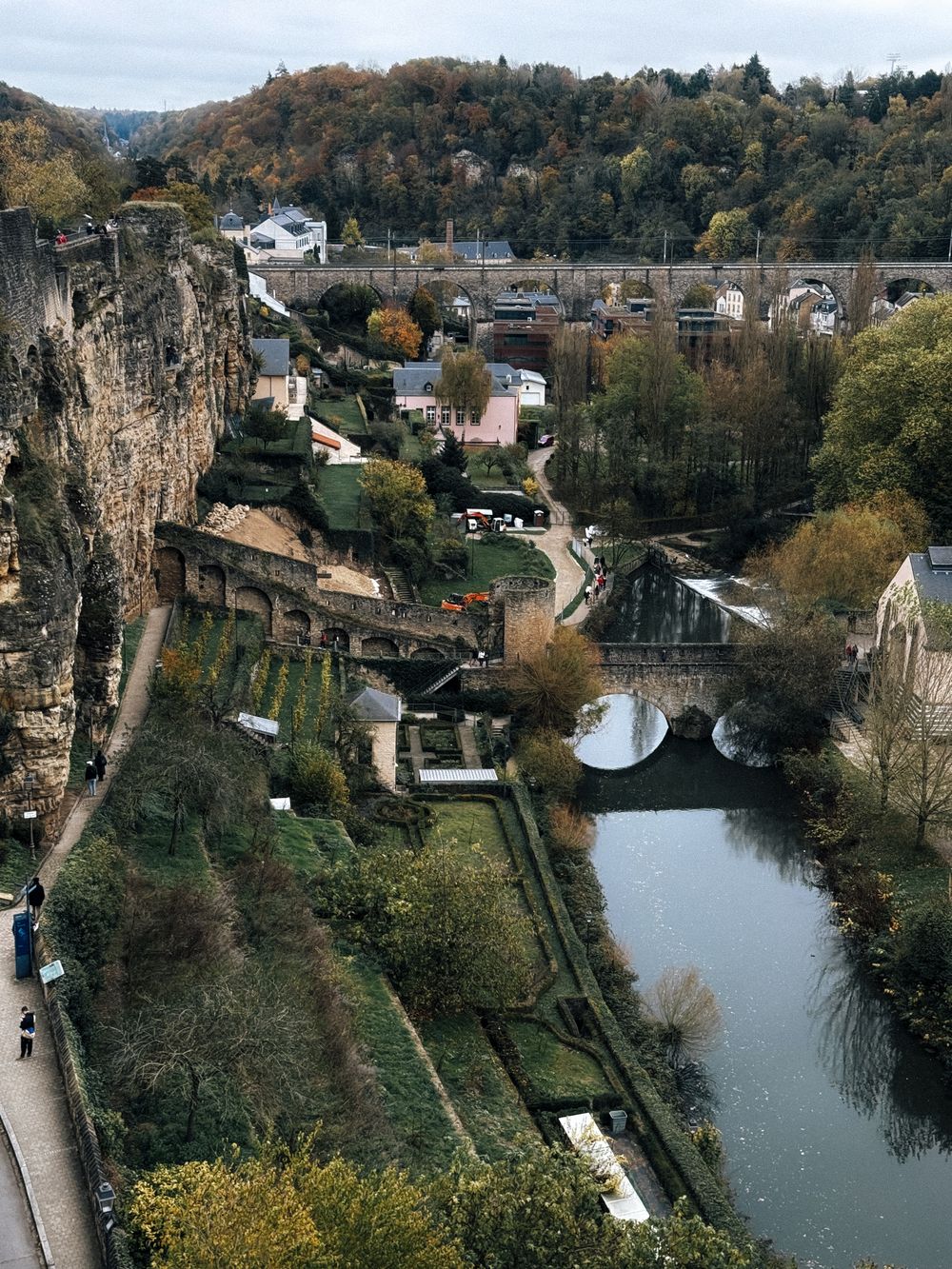

Walk the tunnels inside the Bock, the cliff the old fortress of Luxembourg stood on, and look out through its gun openings. The route comes out at the start of the Chemin de la Corniche.
Read the guide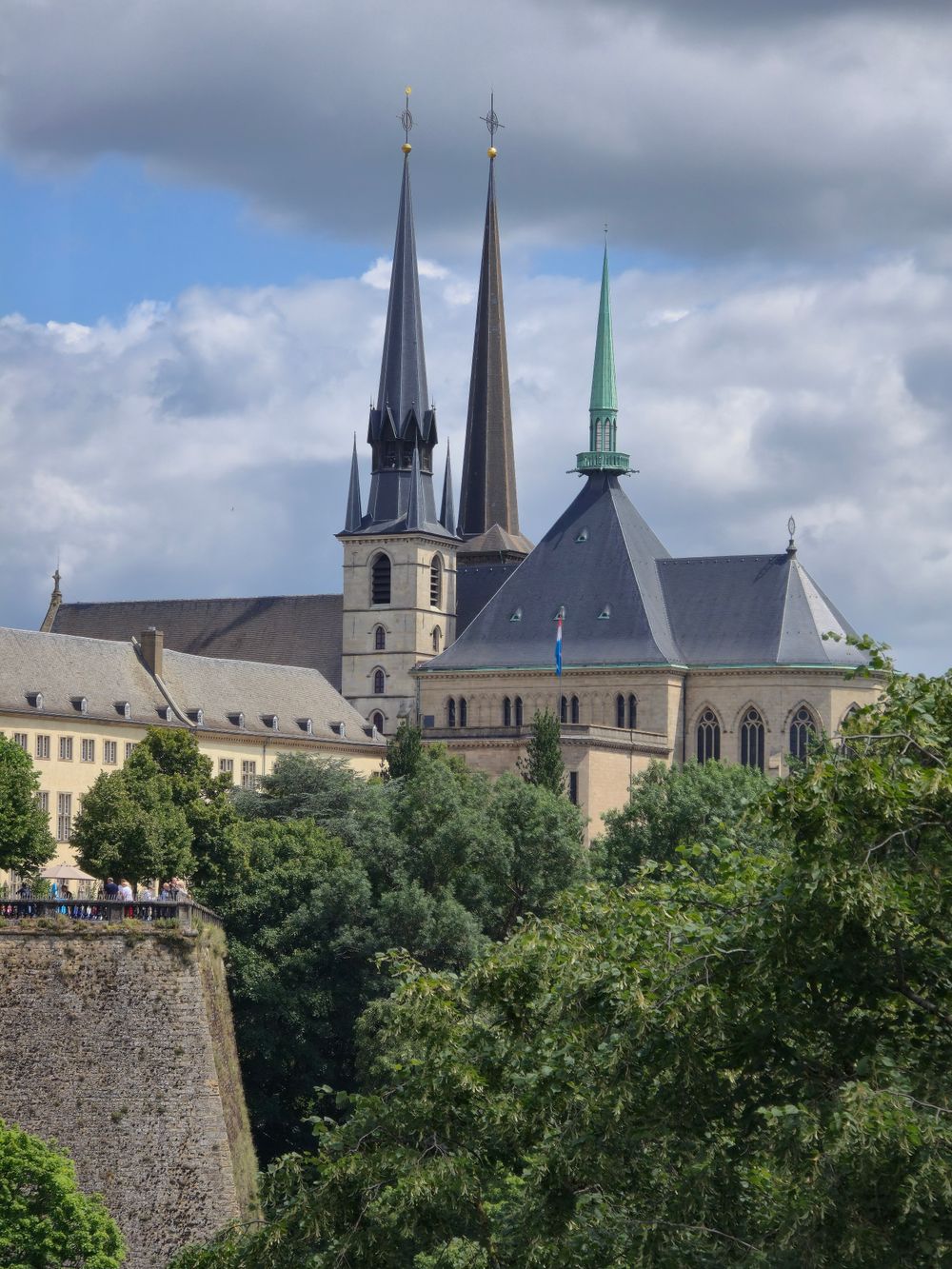
Three towers, two of them 40 metres high, put the cathedral on the city's skyline. Inside you find the wooden Virgin at the heart of the Octave pilgrimage, and below it a crypt where members of the Grand Ducal family rest.
Read the guide
On the Fish Market, the museum's main route starts underground: five levels down from Roman Luxembourg to prehistory, then up to the old masters on the third floor.
Read the guideEasy to reach from the station and the upper town, the Pétrusse valley lets you walk a green gorge under the fortress cliffs, beside a restored stream that winds over stone banks below the old city walls.
Read the guideGoing down through the levels below the street, you follow Luxembourg City from a medieval fortress town to a European capital. The building is also the UNESCO Visitor Centre for the old quarters and fortifications.
Read the guide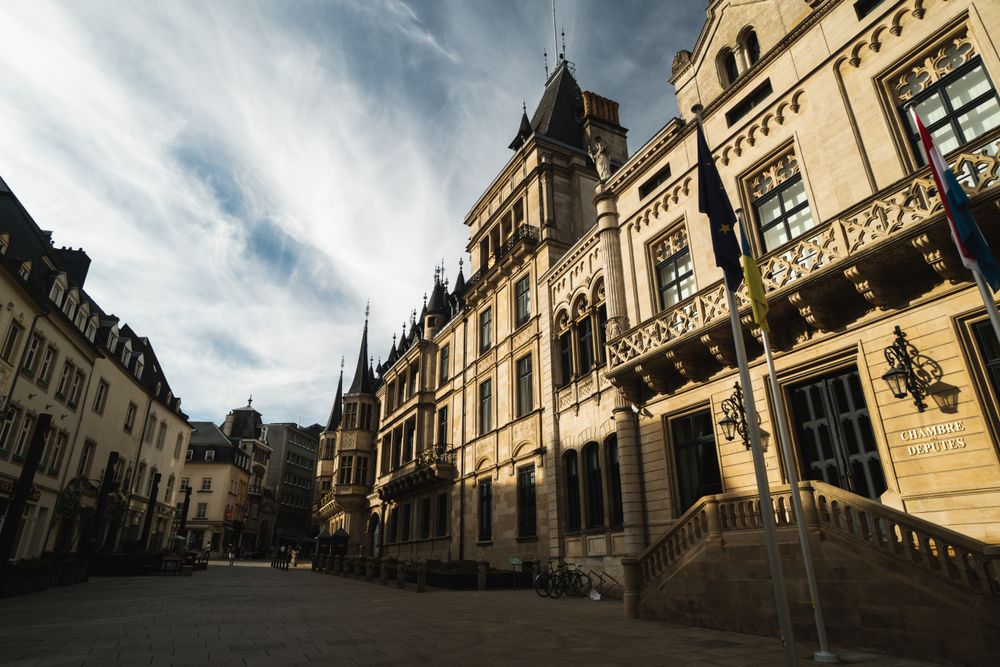
In summer a guided tour takes you inside the Grand Duke's town residence, up the grand staircase and through the state rooms to the office where he works.
Read the guide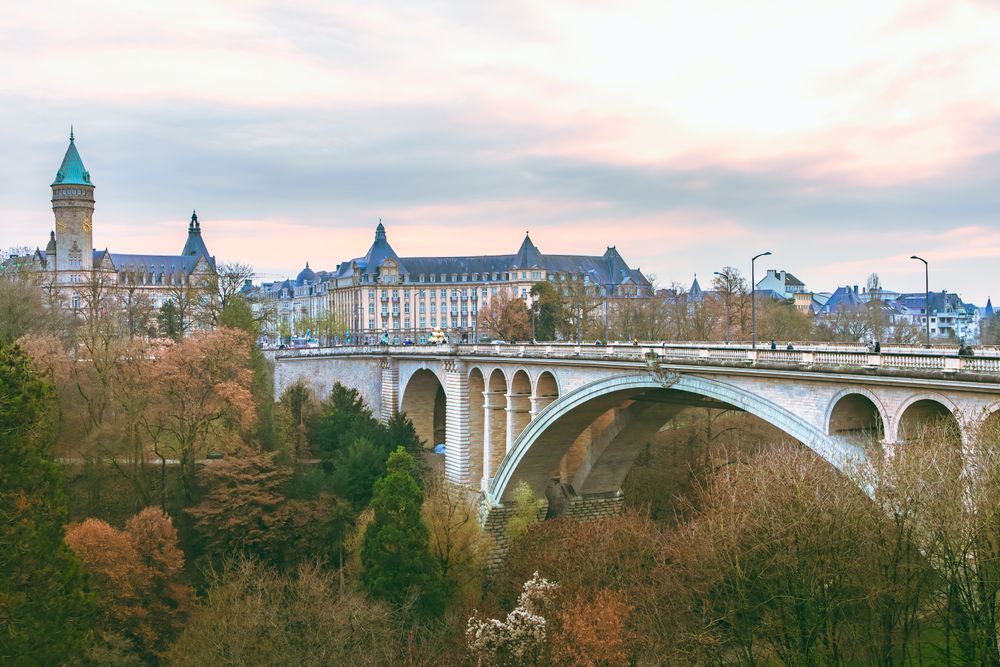
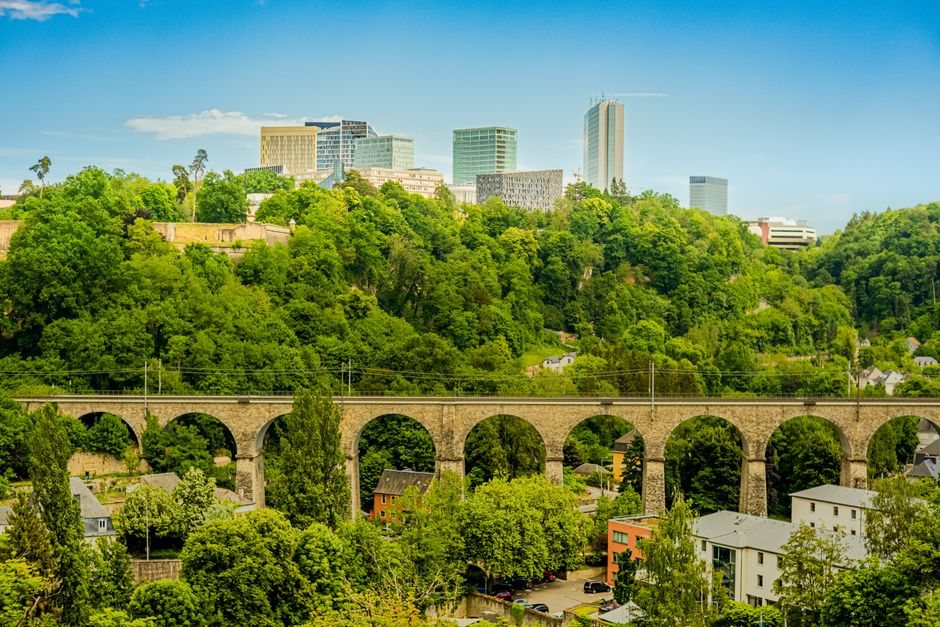
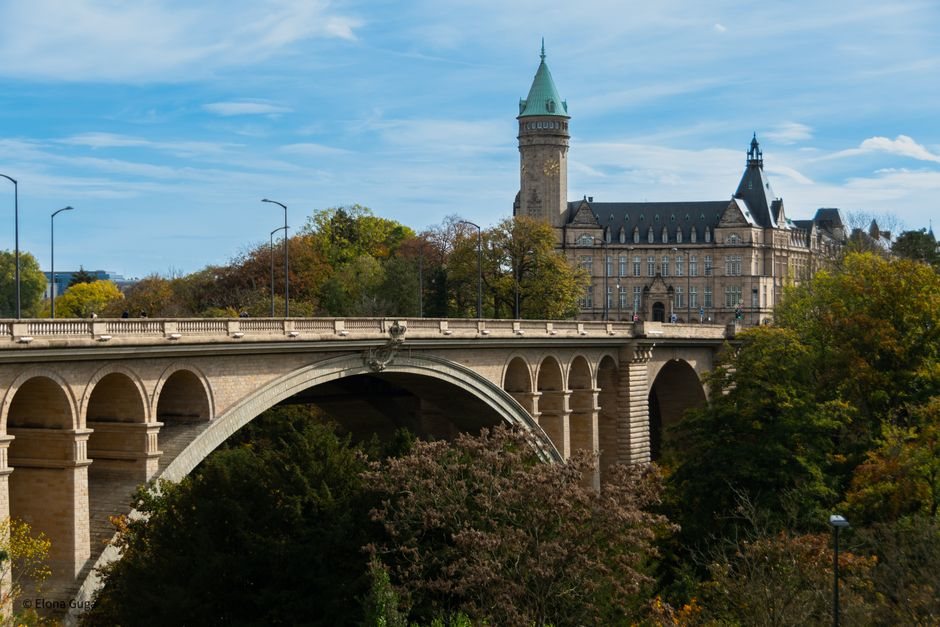
Two decks cross the Pétrusse valley here. The top one carries the tram between the station and the upper town; underneath, you can walk or cycle a steel deck hung from the slab, away from the traffic.
Read the guideThe Kinnekswiss lawn is the place for your picnic in this green belt round the west and north of the old town, and a wooden pirate ship gives children something to climb.
Read the guideAbove the Alzette valley, this walk along the old fortress walls gives you an open view over the rooftops of the Grund and across to the Rham Plateau.
Read the guideThere is a big, peaceful pond at Merl, not far from the centre, with a restaurant looking out onto it and a playground built so children of any ability can play together.
Read the guide
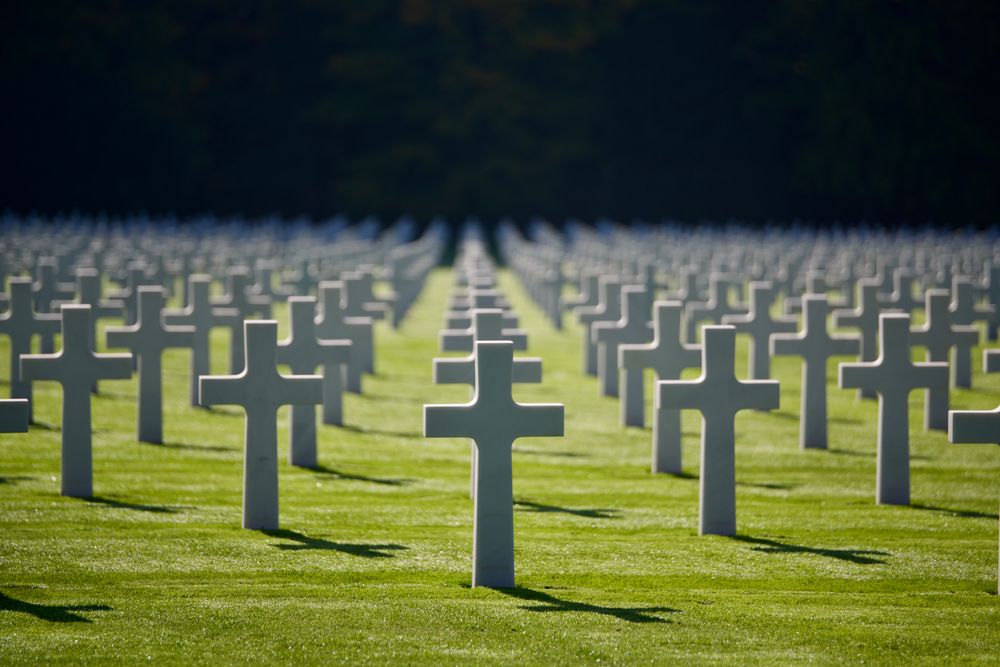
Near Hamm, about 5 km east of the city centre, General George S. Patton lies among 5,076 American soldiers. Find his grave, then walk the rows to the chapel.
Read the guide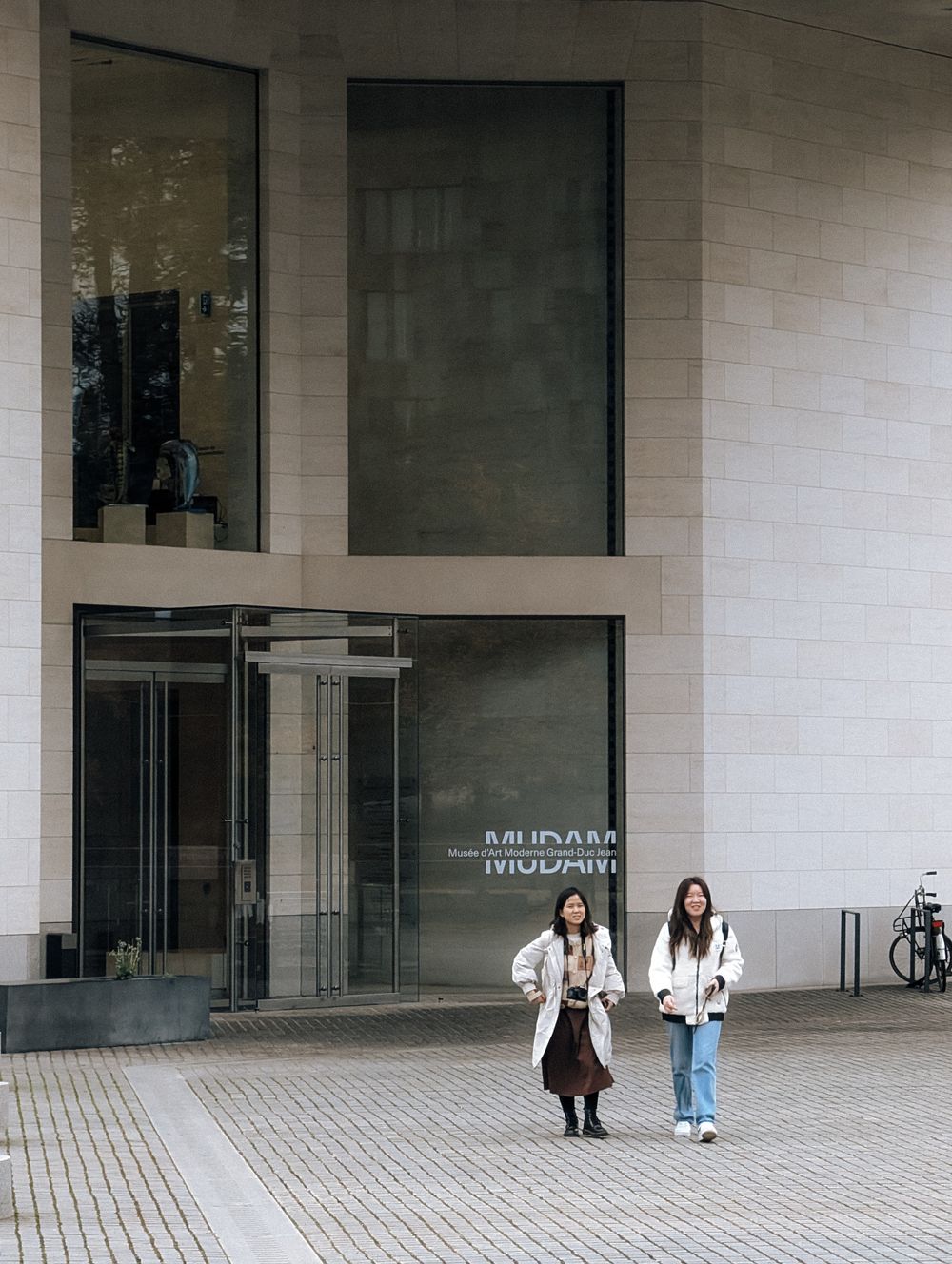
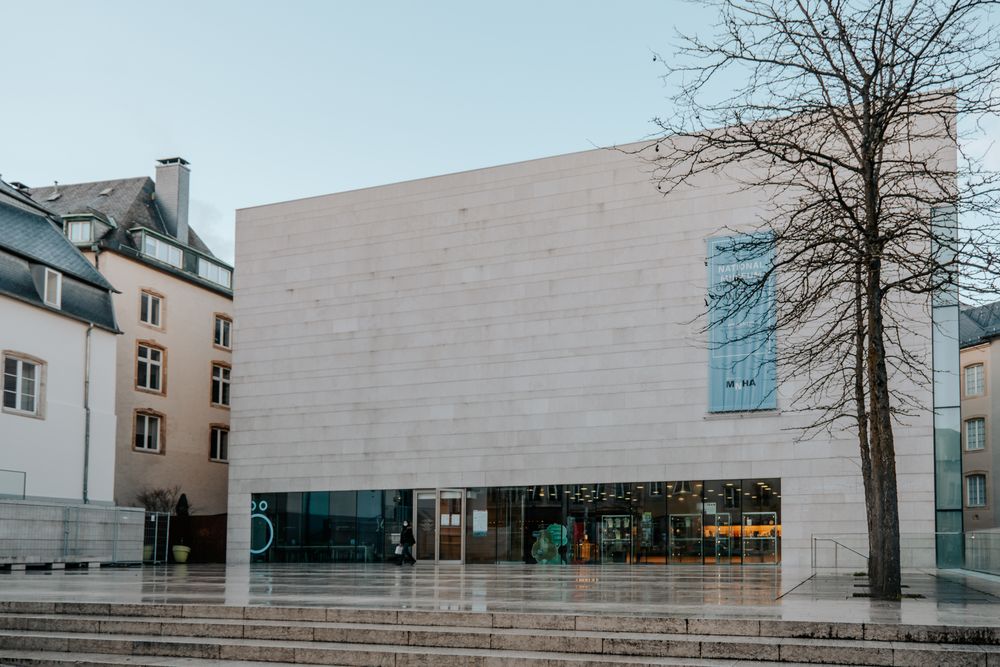
Ieoh Ming Pei built Luxembourg's museum of contemporary art in pale limestone under a glass canopy, on the Kirchberg plateau. Inside you get the current shows; outside, a park that looks over the city.
Read the guide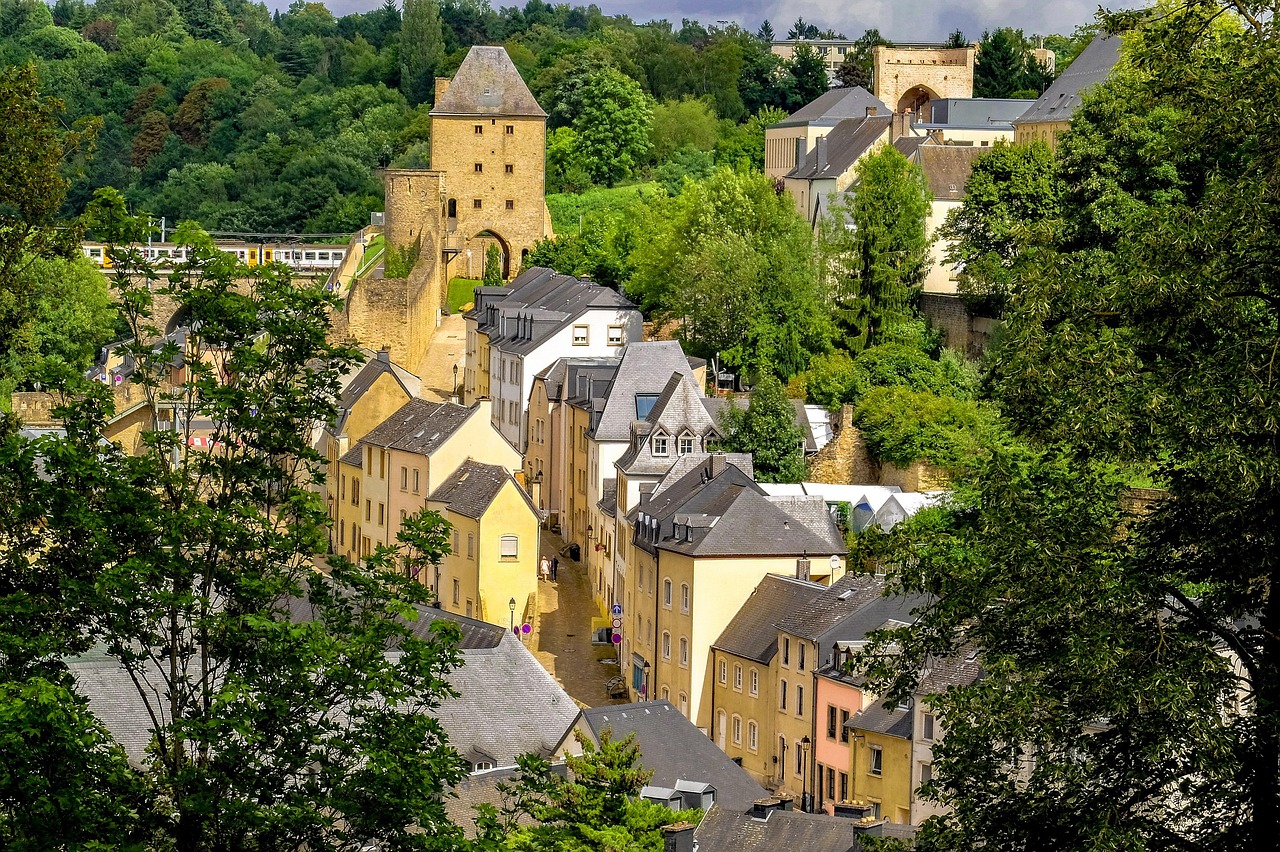
Take the lift or the stairs down to the Grund, the quarter of stone houses and river bridges on the valley floor beneath the fortress cliffs.
Read the guide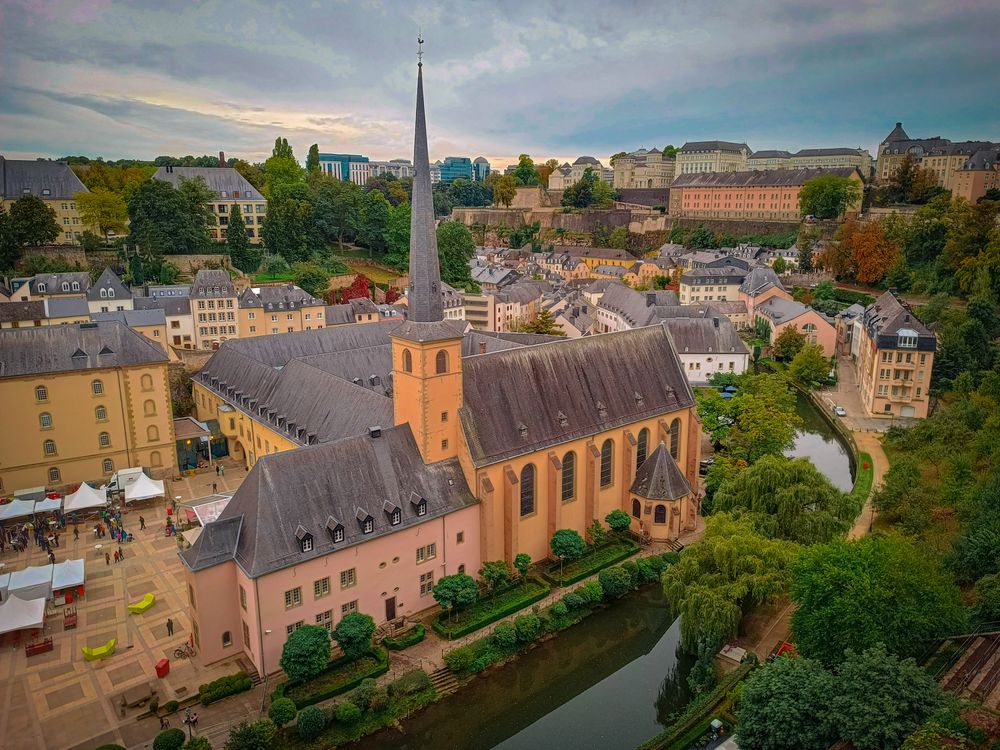
A former Benedictine abbey beside the Alzette in the Grund now runs as Neimënster, a cultural centre with free exhibitions open daily and a programme of plays and concerts.
Read the guide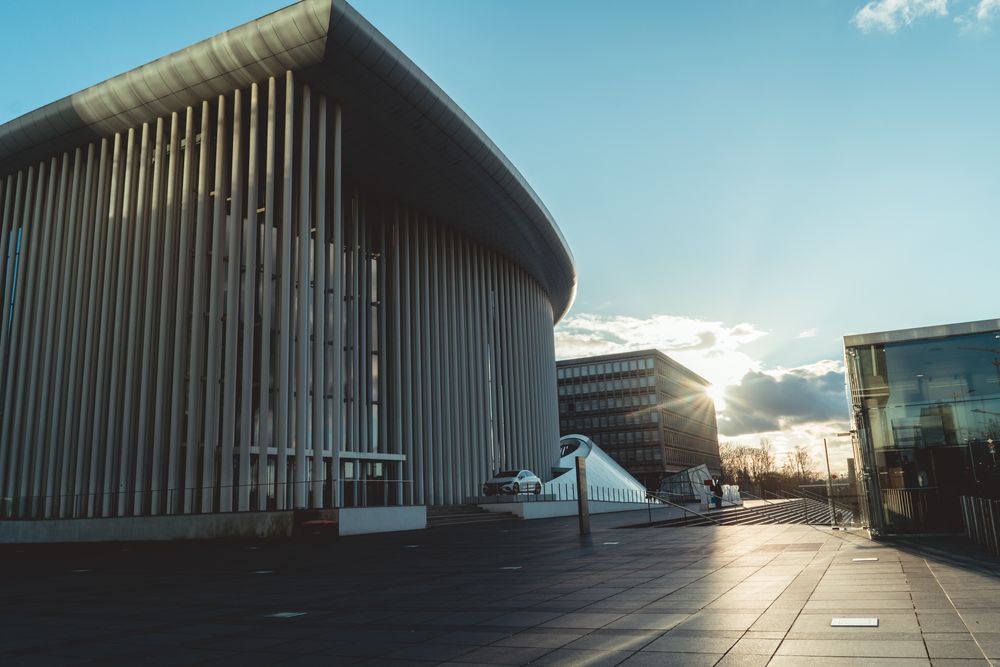
Early music and premieres share the programme with jazz, world music, DJs, brass ensembles and young Luxembourg musicians and bands, so your concert here need not be classical.
Read the guide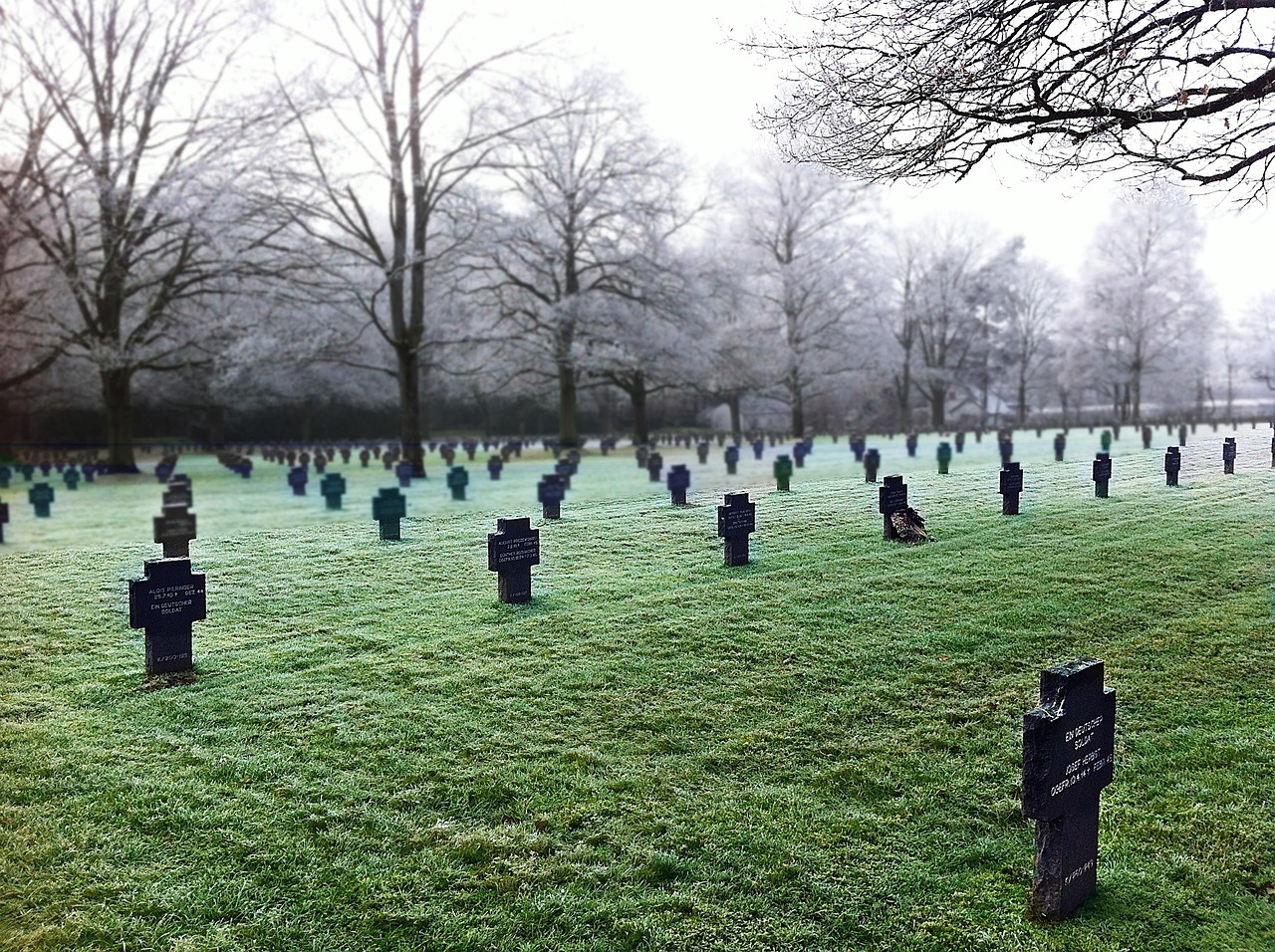
Outside Sandweiler, 1.5 km from the American cemetery, stone crosses in 18 lawned blocks mark the German dead of the same winter.
Read the guideThis lift is a quick, easy way between Ville Haute and the Pfaffenthal valley, on foot or with a bike. Before you ride down, walk out to the far end of the footbridge for the view across the valley.
Read the guideFrom the Plateau du Saint-Esprit, reached by the Grund lift or the stairs, a rose garden along the old fortress wall looks over the lower and upper town together.
Read the guideBetween the Alzette and the plateau above Grund, stretches of medieval wall with towers and gates still link the lower town to the defence ring. The signposted loop takes you down into the valley and back up the far side past the fortress towers.
Read the guideThis is the oldest sanctuary in the upper town: a single late Gothic nave behind a Baroque portal, refurnished from several other churches after the French Revolution.
Read the guideOn Cannon Hill you reach the chapel where Luxembourg honours all its dead of the Second World War, beside an eternal flame.
Read the guideTake the Grund lift or the Montée du Grund down to rue Münster for a room of shelves the museum calls a library of life, mounted animals from around the world. Further on, fossils sit beside the Loschbour Man, the oldest known Luxembourger.
Read the guideThe Kirchberg plateau, about 2 km northeast of the old town across the Red Bridge, holds Mudam and the Philharmonie at a tram stop named for both.
Read the guideA stone acorn crowns each of the three towers of this fort on Kirchberg. Inside, the museum follows the fortress city room by room, in vaulted spaces dug out of the fort itself.
Read the guideHoused in a villa in the Municipal Park, Luxembourg City's art museum holds more than 100 paintings and 14 sculptures. Come for Dutch Golden Age and 19th-century French painting.
Read the guideCome here for new contemporary art in the Ville Haute. Casino Luxembourg puts on shows mostly by younger international artists, inside a 19th-century building, the former Casino Bourgeois.
Read the guide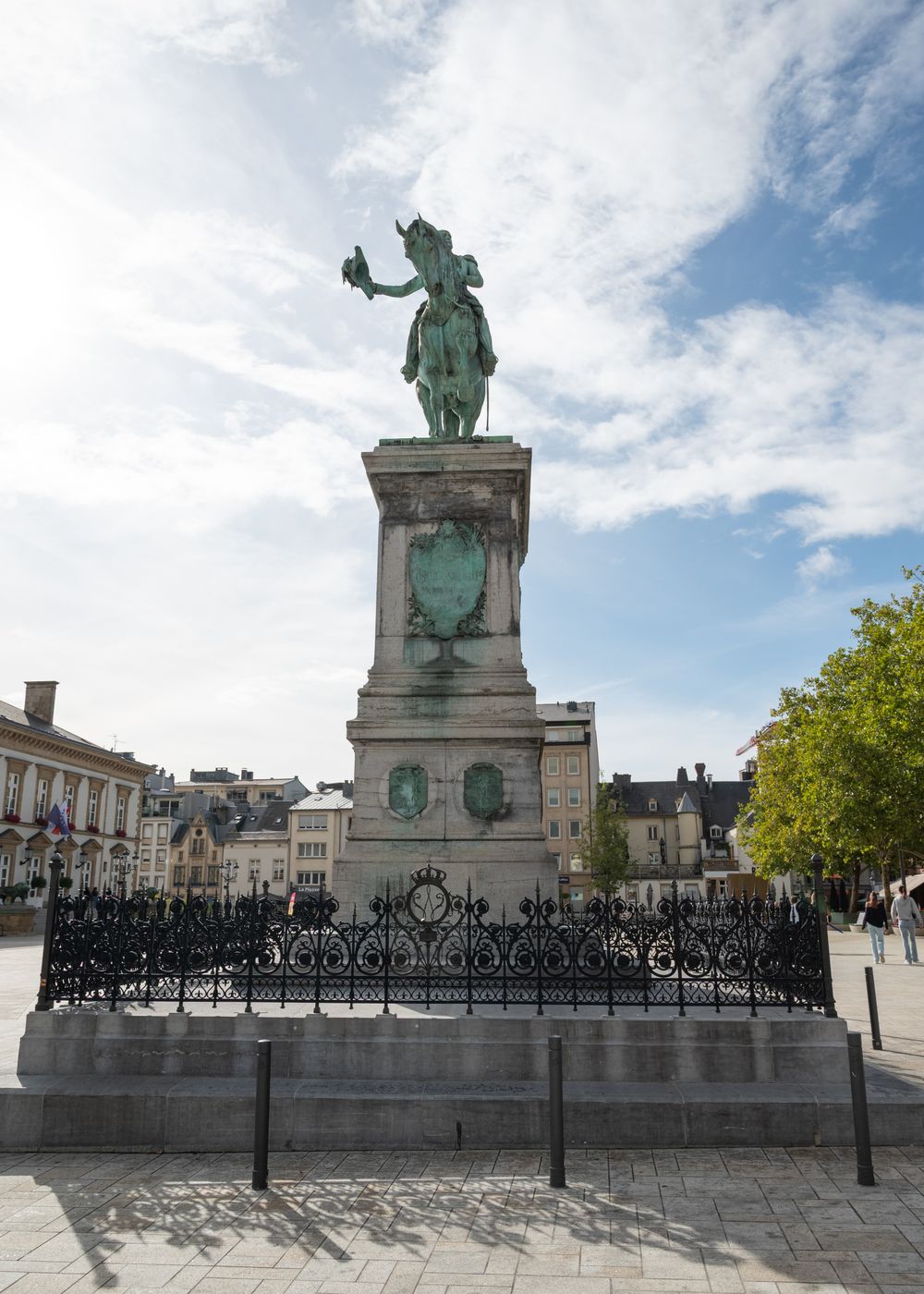
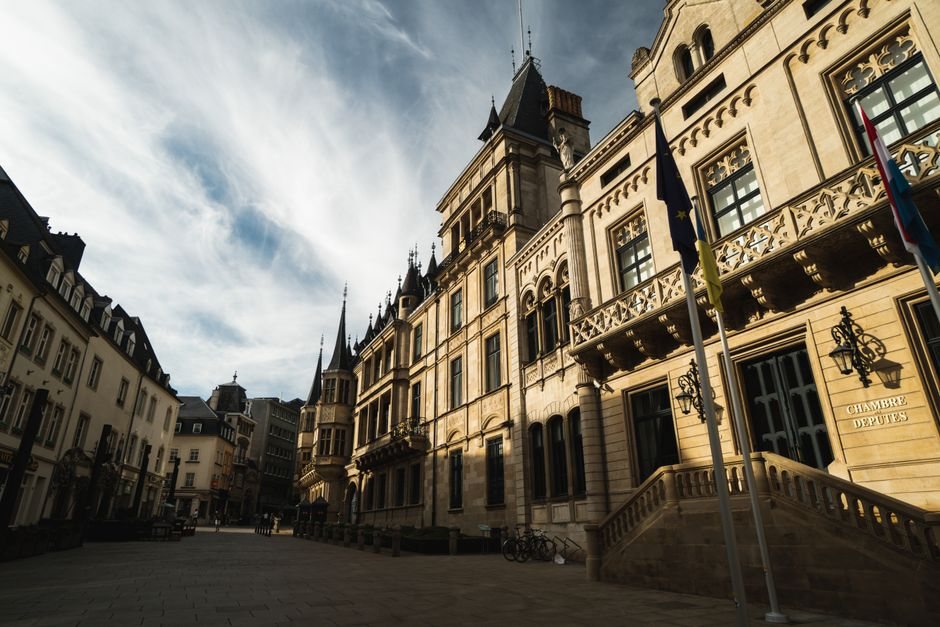
The square in front of the town hall holds the city tourist office at No. 30, where the palace tours and the guided fortress walks meet.
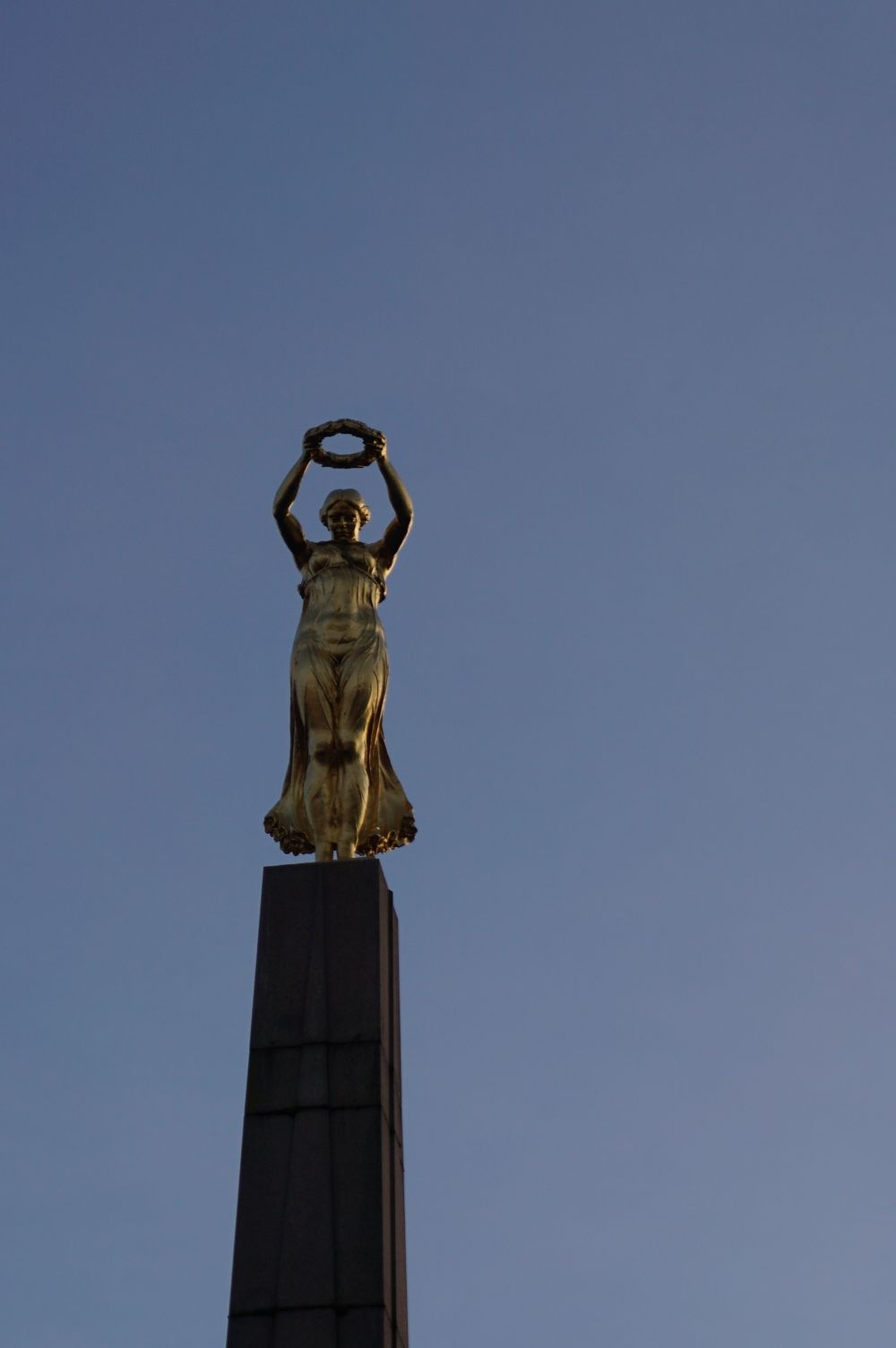
A gilded figure holding out a wreath stands on an obelisk on Place de la Constitution, above the Pétrusse valley beside the Adolphe Bridge.
Café terraces line this square in the pedestrian streets of the upper town, two minutes on foot from Place Guillaume II.
Tunnels inside the Bock, a path along the walls and a fort with a museum inside.
Walk the tunnels inside the Bock, the cliff the old fortress of Luxembourg stood on, and look out through its gun openings. The route comes out at the start of the Chemin de la Corniche.
Read the guideAbove the Alzette valley, this walk along the old fortress walls gives you an open view over the rooftops of the Grund and across to the Rham Plateau.
Read the guideFrom the Plateau du Saint-Esprit, reached by the Grund lift or the stairs, a rose garden along the old fortress wall looks over the lower and upper town together.
Read the guideBetween the Alzette and the plateau above Grund, stretches of medieval wall with towers and gates still link the lower town to the defence ring. The signposted loop takes you down into the valley and back up the far side past the fortress towers.
Read the guideA stone acorn crowns each of the three towers of this fort on Kirchberg. Inside, the museum follows the fortress city room by room, in vaulted spaces dug out of the fort itself.
Read the guideLifts and stairs drop to river quarters, an abbey and a green gorge under the cliffs.
Easy to reach from the station and the upper town, the Pétrusse valley lets you walk a green gorge under the fortress cliffs, beside a restored stream that winds over stone banks below the old city walls.
Read the guideTwo decks cross the Pétrusse valley here. The top one carries the tram between the station and the upper town; underneath, you can walk or cycle a steel deck hung from the slab, away from the traffic.
Read the guideTake the lift or the stairs down to the Grund, the quarter of stone houses and river bridges on the valley floor beneath the fortress cliffs.
Read the guideA former Benedictine abbey beside the Alzette in the Grund now runs as Neimënster, a cultural centre with free exhibitions open daily and a programme of plays and concerts.
Read the guideThis lift is a quick, easy way between Ville Haute and the Pfaffenthal valley, on foot or with a bike. Before you ride down, walk out to the far end of the footbridge for the view across the valley.
Read the guideBetween the Alzette and the plateau above Grund, stretches of medieval wall with towers and gates still link the lower town to the defence ring. The signposted loop takes you down into the valley and back up the far side past the fortress towers.
Read the guideTake the Grund lift or the Montée du Grund down to rue Münster for a room of shelves the museum calls a library of life, mounted animals from around the world. Further on, fossils sit beside the Loschbour Man, the oldest known Luxembourger.
Read the guideThe palace, the cathedral and the squares, a few streets apart on the plateau.
Three towers, two of them 40 metres high, put the cathedral on the city's skyline. Inside you find the wooden Virgin at the heart of the Octave pilgrimage, and below it a crypt where members of the Grand Ducal family rest.
Read the guideIn summer a guided tour takes you inside the Grand Duke's town residence, up the grand staircase and through the state rooms to the office where he works.
Read the guideTwo decks cross the Pétrusse valley here. The top one carries the tram between the station and the upper town; underneath, you can walk or cycle a steel deck hung from the slab, away from the traffic.
Read the guideThis is the oldest sanctuary in the upper town: a single late Gothic nave behind a Baroque portal, refurnished from several other churches after the French Revolution.
Read the guideOn Cannon Hill you reach the chapel where Luxembourg honours all its dead of the Second World War, beside an eternal flame.
Read the guideThe square in front of the town hall holds the city tourist office at No. 30, where the palace tours and the guided fortress walks meet.
A gilded figure holding out a wreath stands on an obelisk on Place de la Constitution, above the Pétrusse valley beside the Adolphe Bridge.
Café terraces line this square in the pedestrian streets of the upper town, two minutes on foot from Place Guillaume II.
Roman Luxembourg five floors underground, the story of the city and old masters in a villa.
On the Fish Market, the museum's main route starts underground: five levels down from Roman Luxembourg to prehistory, then up to the old masters on the third floor.
Read the guideGoing down through the levels below the street, you follow Luxembourg City from a medieval fortress town to a European capital. The building is also the UNESCO Visitor Centre for the old quarters and fortifications.
Read the guideIeoh Ming Pei built Luxembourg's museum of contemporary art in pale limestone under a glass canopy, on the Kirchberg plateau. Inside you get the current shows; outside, a park that looks over the city.
Read the guideTake the Grund lift or the Montée du Grund down to rue Münster for a room of shelves the museum calls a library of life, mounted animals from around the world. Further on, fossils sit beside the Loschbour Man, the oldest known Luxembourger.
Read the guideA stone acorn crowns each of the three towers of this fort on Kirchberg. Inside, the museum follows the fortress city room by room, in vaulted spaces dug out of the fort itself.
Read the guideHoused in a villa in the Municipal Park, Luxembourg City's art museum holds more than 100 paintings and 14 sculptures. Come for Dutch Golden Age and 19th-century French painting.
Read the guideCome here for new contemporary art in the Ville Haute. Casino Luxembourg puts on shows mostly by younger international artists, inside a 19th-century building, the former Casino Bourgeois.
Read the guideAcross the Red Bridge: new art, a concert hall and a park beside an old fort.
Ieoh Ming Pei built Luxembourg's museum of contemporary art in pale limestone under a glass canopy, on the Kirchberg plateau. Inside you get the current shows; outside, a park that looks over the city.
Read the guideEarly music and premieres share the programme with jazz, world music, DJs, brass ensembles and young Luxembourg musicians and bands, so your concert here need not be classical.
Read the guideThe Kirchberg plateau, about 2 km northeast of the old town across the Red Bridge, holds Mudam and the Philharmonie at a tram stop named for both.
Read the guideA stone acorn crowns each of the three towers of this fort on Kirchberg. Inside, the museum follows the fortress city room by room, in vaulted spaces dug out of the fort itself.
Read the guideAmerican and German graves of the same winter, east of the city at Hamm and Sandweiler.
Near Hamm, about 5 km east of the city centre, General George S. Patton lies among 5,076 American soldiers. Find his grave, then walk the rows to the chapel.
Read the guideOutside Sandweiler, 1.5 km from the American cemetery, stone crosses in 18 lawned blocks mark the German dead of the same winter.
Read the guideOn Cannon Hill you reach the chapel where Luxembourg honours all its dead of the Second World War, beside an eternal flame.
Read the guideA green belt round the old town, a pond at Merl and shaded paths along the Pétrusse.
Easy to reach from the station and the upper town, the Pétrusse valley lets you walk a green gorge under the fortress cliffs, beside a restored stream that winds over stone banks below the old city walls.
Read the guideThe Kinnekswiss lawn is the place for your picnic in this green belt round the west and north of the old town, and a wooden pirate ship gives children something to climb.
Read the guideThere is a big, peaceful pond at Merl, not far from the centre, with a restaurant looking out onto it and a playground built so children of any ability can play together.
Read the guideHoused in a villa in the Municipal Park, Luxembourg City's art museum holds more than 100 paintings and 14 sculptures. Come for Dutch Golden Age and 19th-century French painting.
Read the guideStart at the Bock promontory on Montée de Clausen. Inside the Bock, the tunnels of the Bock Casemates take up to 45 minutes; book a timed slot, and leave large bags at the hotel, since bulky items are not allowed in.
The route comes out on the Chemin de la Corniche. Follow the old walls along the valley edge to the rose garden on the Holy Ghost Citadel, with the rooftops of the Grund below.
From the citadel, the Grund lift beside the law courts drops to the valley floor. Cross the bridges over the Alzette to Neumünster Abbey, whose exhibition rooms are free and open daily from 10:00 to 18:00.
On foot, the Montée du Grund takes about 10 minutes down from the upper town, and the way back is the same climb. The Grund lift saves it, running until 2 am and later on Friday and Saturday nights, so a late dinner in the Grund needs no climb home.
Back on the plateau, Notre-Dame Cathedral is free to enter. The National Museum of Archaeology, History and Art on the Fish Market lets you in free in the last hour before closing.
The tourist office on Place Guillaume II runs guided tours of the Bock and of the Pétrusse Casemates, which open from a pavilion on Place de la Constitution; the Pétrusse tour lasts one hour. The tours desk takes bookings Monday to Friday only, outside public holidays, so reserve a weekend tour by Friday.
Walk out to the glazed end of the footbridge before you ride the Pfaffenthal Panoramic Elevator down. It usually closes for maintenance from 9:00 on the first Monday of the month until 5:45 the next morning; the city posts each date on its elevators page.
End the day in Park Dräi Eechelen, a tram ride out to Kirchberg, where the lawns look back over the old town. On Wednesday evenings Fort Thüngen is free from 17:30 to 20:00 and Mudam from 18:00.
The main station is 15 to 20 minutes on foot from the old town, and tram 1 stops outside. Its quarter, Gare, is the practical base if you arrive or leave by train, and the TGV to Paris leaves from here.
Luxembourg has one airport, at Findel, east of the city beyond Kirchberg. Buses and the tram run from the terminal into the centre.

Both lines stop at the main station on their way into the centre. Board without a ticket.
The tram runs from the airport across Kirchberg, past the Philharmonie/Mudam stop for the museum and the fort, then over the Red Bridge into the upper town and on to the main station.
Taxis wait outside the terminal. Much of the upper town is pedestrian, so ask your hotel where a car can drop you.
Every Luxembourg town, place and dispatch, on one map.

Luxembourg's second city grew on iron ore, and its old blast furnaces now stand beside a university quarter at Belval.

Forty metres up the only blast furnace in Luxembourg open to visitors, you look down on the new Belval district built around it.

A riverside wine town on the Moselle, facing Germany across the water, with a long promenade and boat departures from its quay.

Come for a show: Rockhal is a concert hall built for amplified music, and Belval-Université station is two minutes on foot from its doors.
The official pages this guide was checked against.
Last updated