A battery train carries you through 3 km of tunnel at Rumelange, and a museum guide then leads you on foot through iron-ore galleries more than 70 metres underground.
Museum, Esch-sur-Alzette. Meridian Dispatch.
Not always for individual visitors. The tour language follows the majority of the group, and audioguides in English, German, French and Dutch are handed out at reception. Groups that book ahead choose their language: Luxembourgish, French, German or English.
Booking ahead is recommended, through the online calendar on the museum's website, to secure places. Individual visitors can also turn up at reception during opening hours instead.
For individual visitors, it opens Thursday to Sunday afternoons from April to June and in September, and Tuesday to Sunday in July and August. From October to March, tours run every Sunday at 14:15 and 15:15, booked ahead. It is closed on Mondays, on 1 November, on 4 December and from 24 December into the New Year.
The mine stays at about 9 to 10°C all year round. The museum recommends warm clothing and hiking shoes for the tour, in summer as much as in winter.
Children of all ages are admitted, and paying tickets start at age 2. After the tour, the museum's mining-themed playground has a miniature steam train running round it on some weekends in season.
The official site of National Mining Museum is mnm.lu.
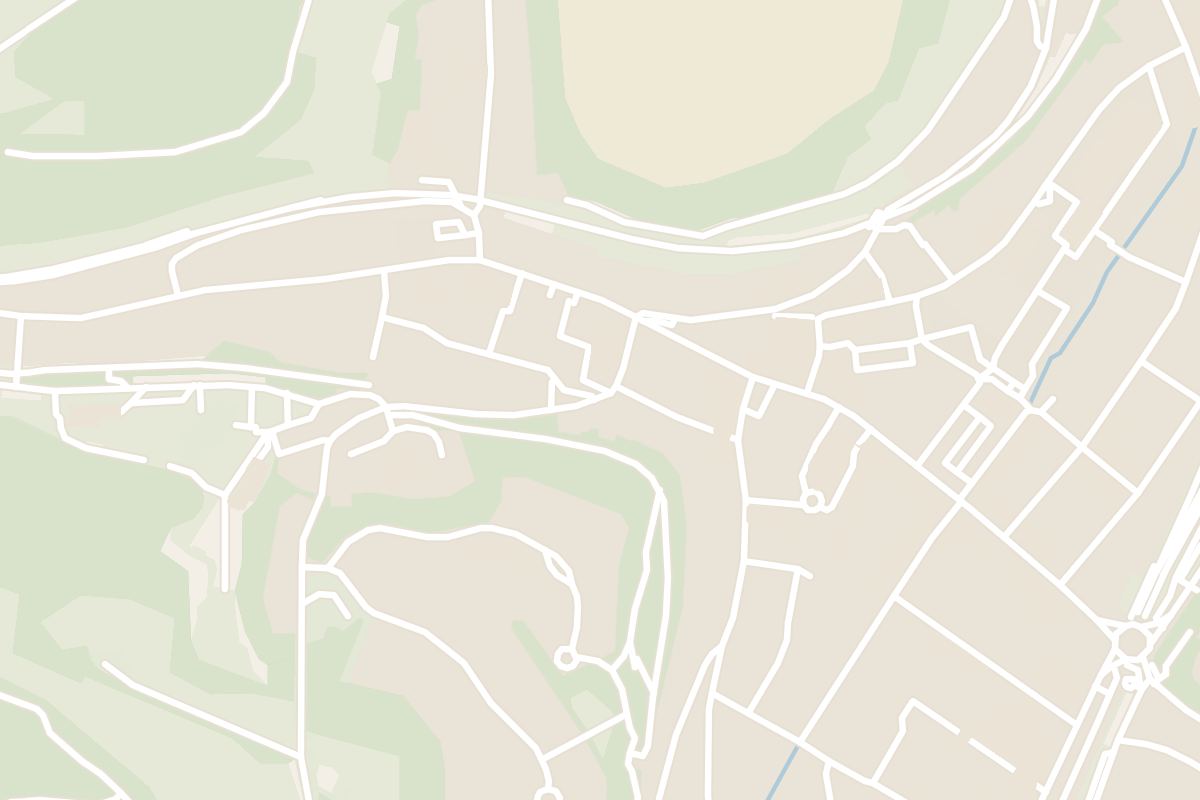
mnm.lu →The National Mining Museum occupies the old Walert iron-ore workings at Rumelange, in the far south of Luxembourg close to the French border. Its galleries were dug between 1891 and 1963, and the tour passes the large cavities the miners cut out of the rock.
The machines and tools down in the mine trace iron-ore extraction across the whole region, Lorraine included.
The battery locomotive and its carriages have large windows, so you see the tunnel walls and rock faces on the ride in.
Above ground, the former engine shed holds an exhibition on the history of iron-ore mining in Luxembourg. Remains of buildings and machinery stand around the site, the part of the mine that was above ground.
Inside the exhibition building, you meet the guide and are lent a safety helmet. The group then boards the mine train for a 20-minute ride on a 4 km circuit, first through the green of the former opencast pits and then underground.
From the train, the tour continues on foot through spacious tunnels on two levels.
For individual visitors, departures are in the afternoon, three a day from April to September.
Afterwards, leave time on the surface, since the open-air part of the site can be walked freely.
There is no way into the mine without a museum guide, and every tour runs as a group. Groups of up to 31 can pick their own time, booked at least 48 hours ahead.
Two special tours are listed on the booking page. One walks about 2 km through the main Walert gallery into the neighbouring Langengrund workings; the other goes underground by the light of carbide lamps.
Across the Langengrund valley, the Hutberg pit was the last opencast pit in Rumelange, and walking trails are marked on the terraces cut into its slopes, where nature is slowly taking back the old workings. The routes in and around Rumelange are shown on map.geoportail.lu.
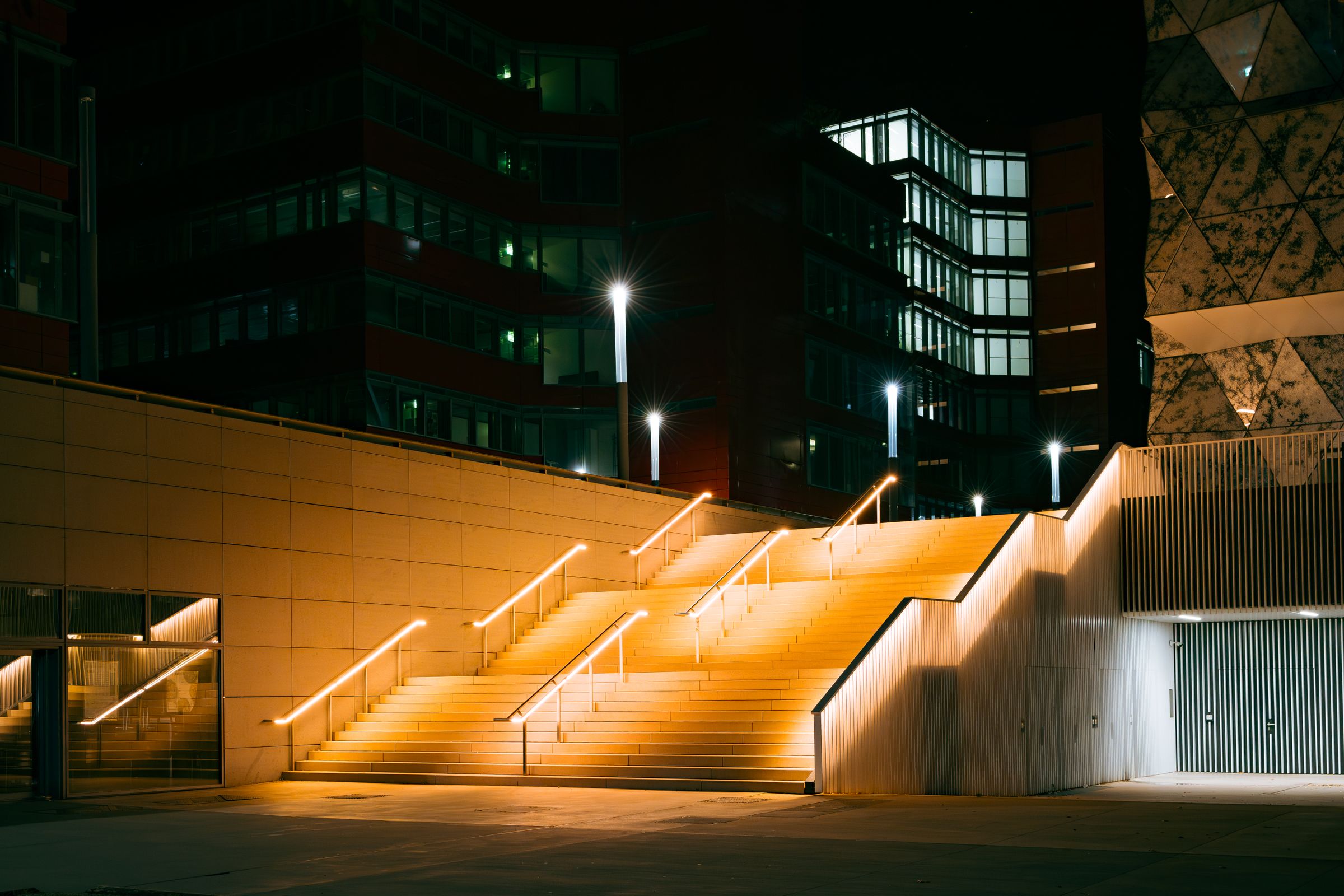
Climb about 40 metres up the old blast furnace at Belval, ride the mine train into the iron galleries at Rumelange and take the heritage train to Fond-de-Gras, then come back each night to a room in Esch.
Read the Esch-sur-Alzette guideExplore the rest of Esch-sur-Alzette
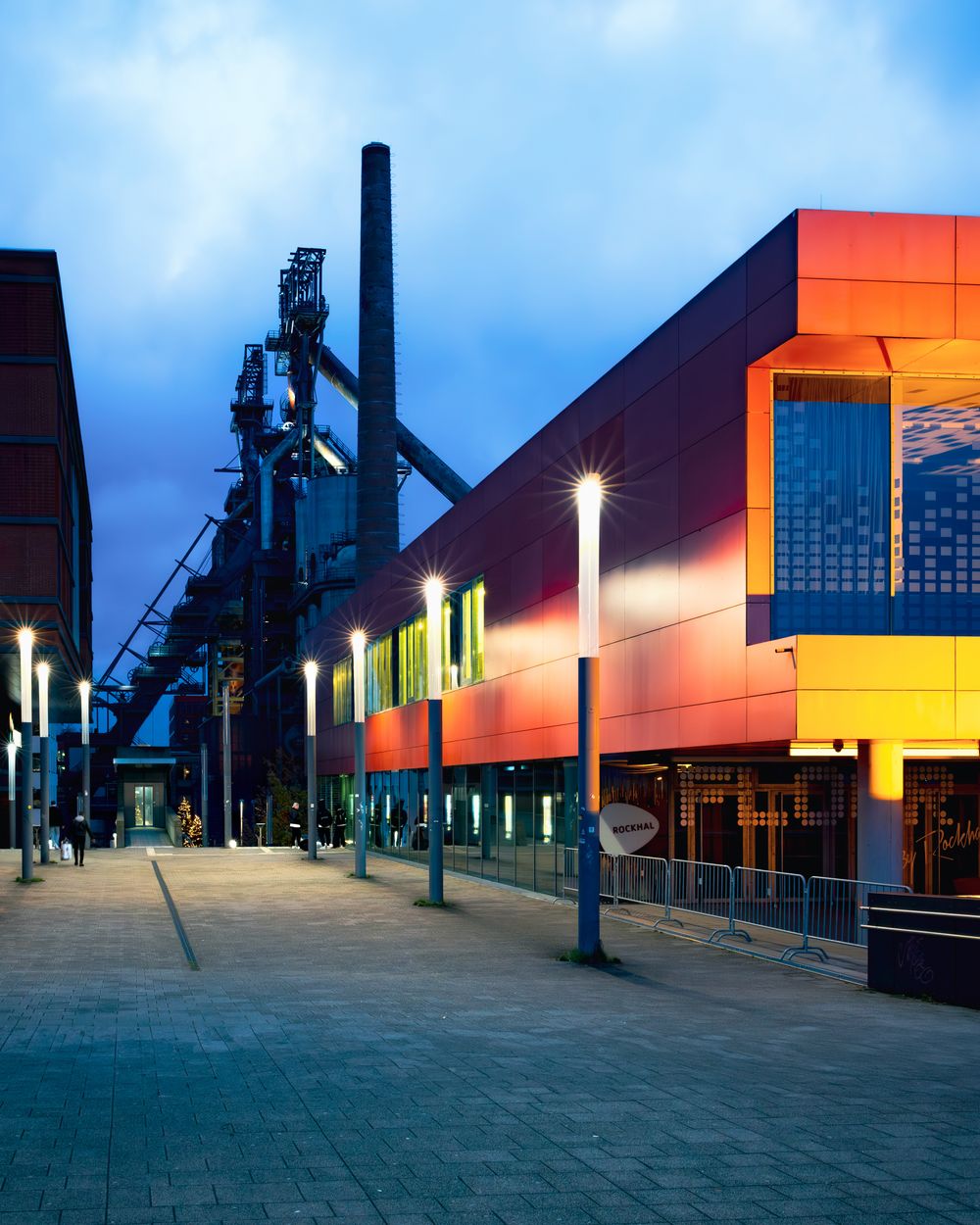
Beside the blast furnaces on the old Belval steelworks site, this concert venue holds up to 6,500 standing in its main hall and about 1,100…
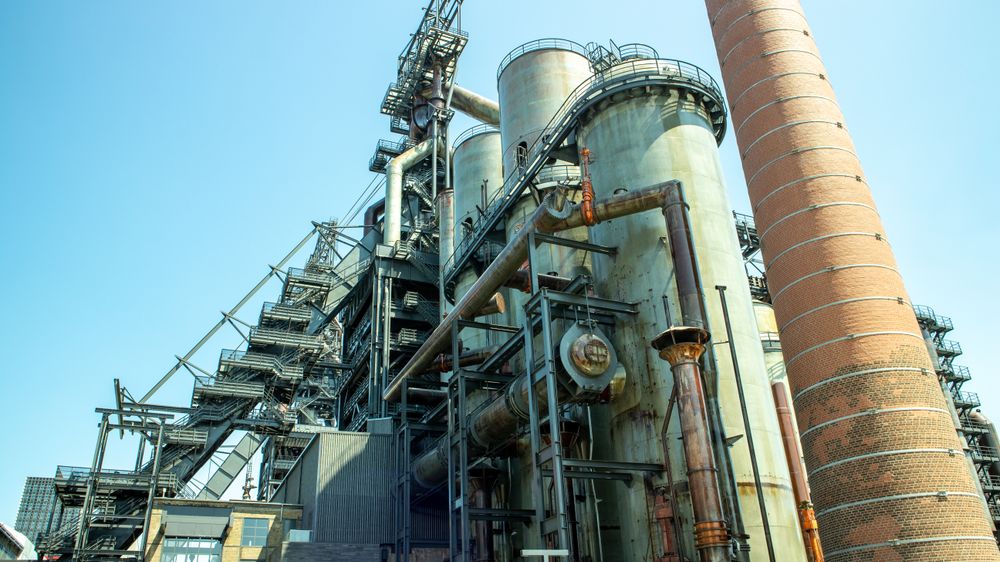
Above the Belval university quarter, Blast Furnace A still towers over the square. A signposted path starts in the Möllerei, where ore and…
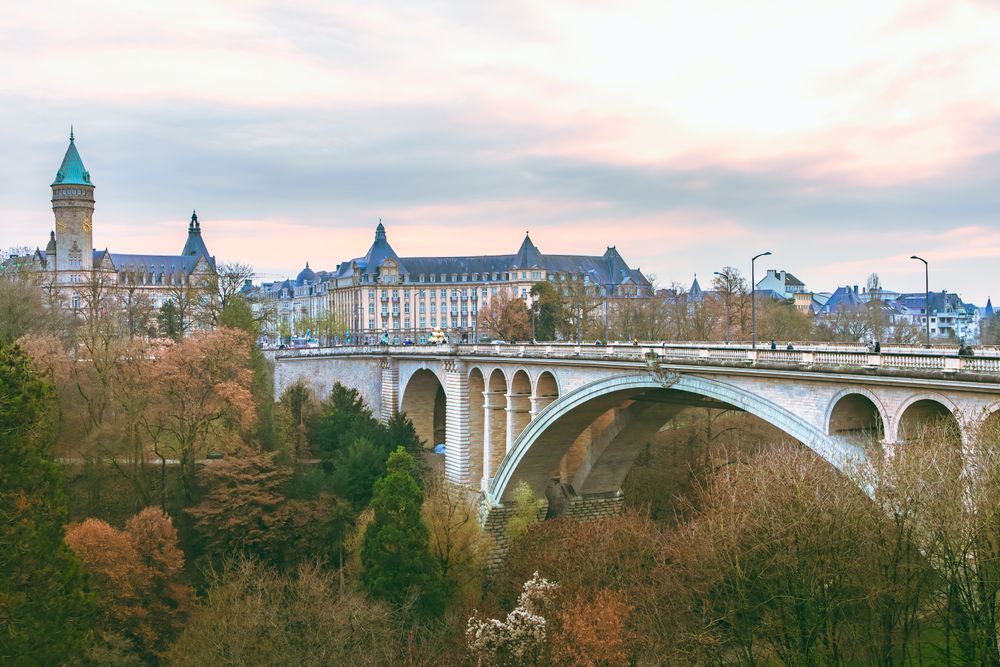
Spanning the Pétrusse valley about 42 metres up, a double-decked arch completed in 1903 carries road traffic and the city tram on its upper…
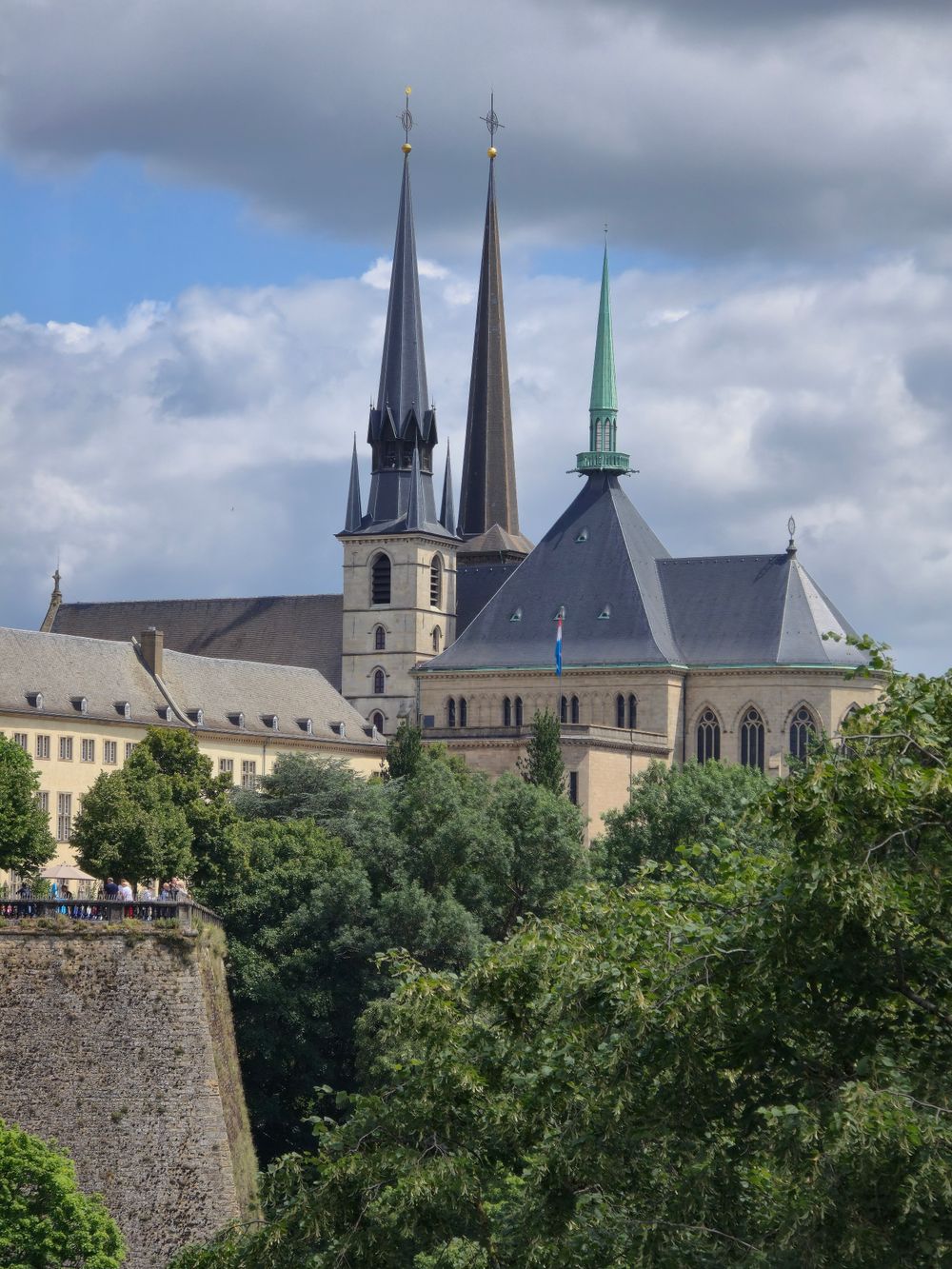

Late Gothic pillars and Renaissance carving share the city's Catholic cathedral, whose cornerstone was laid in 1613. Steps lead down to the…
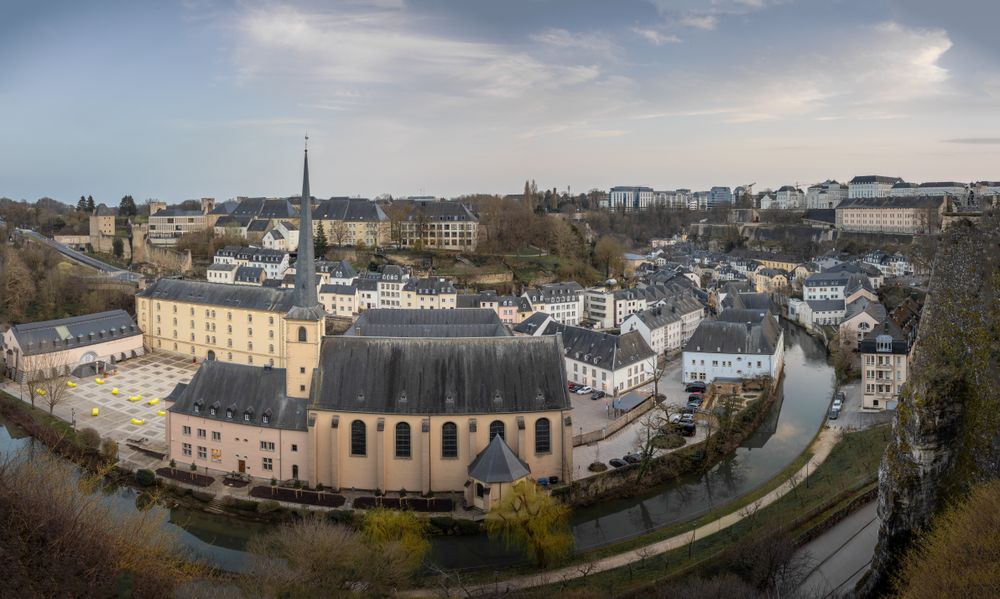
A capital built on cliffs above the Alzette and Pétrusse valleys, with an upper town of ramparts, palace and cathedral over the river…
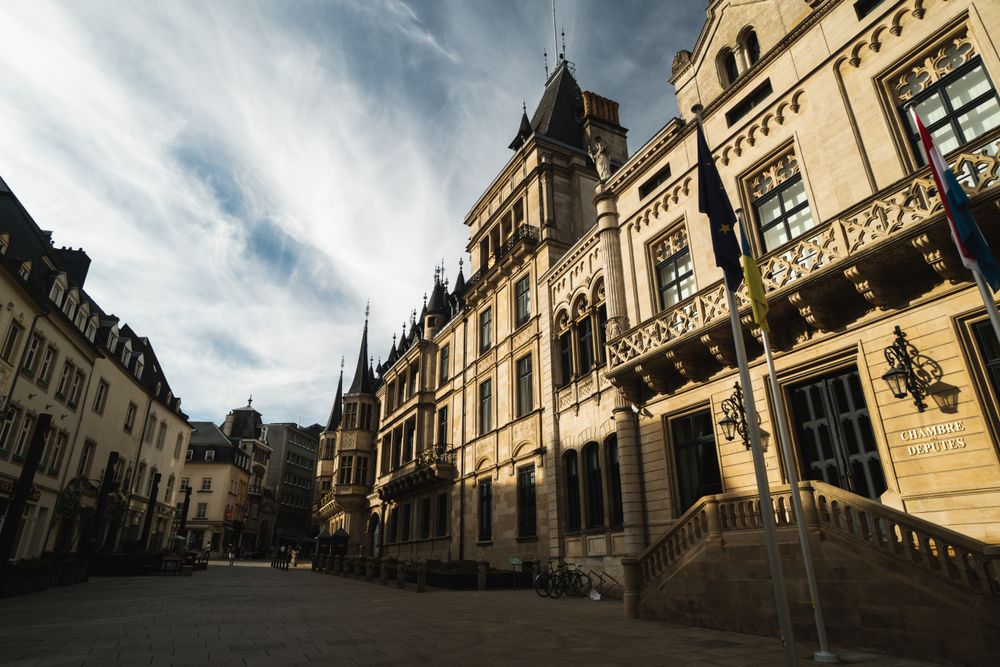
Rue du Marché-aux-Herbes runs past the palace where the Grand Duke keeps his office, a building that served as the city's town hall for…
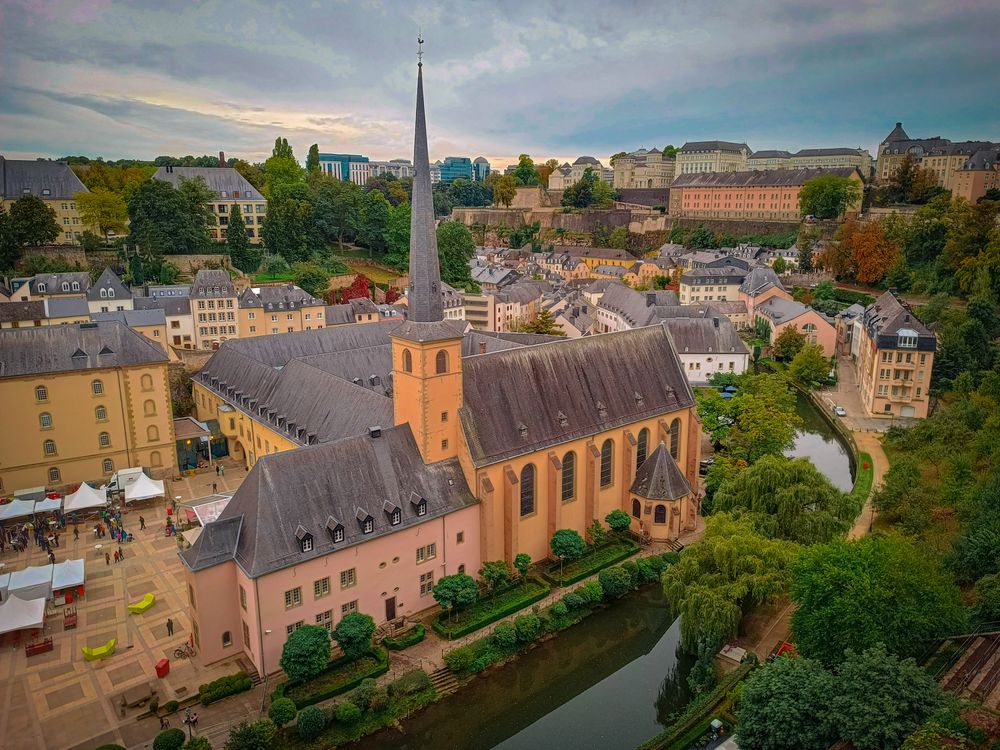
Begun by Benedictine monks in 1606, the abbey complex on the Alzette in the Grund now runs as the Neimënster cultural centre, with…
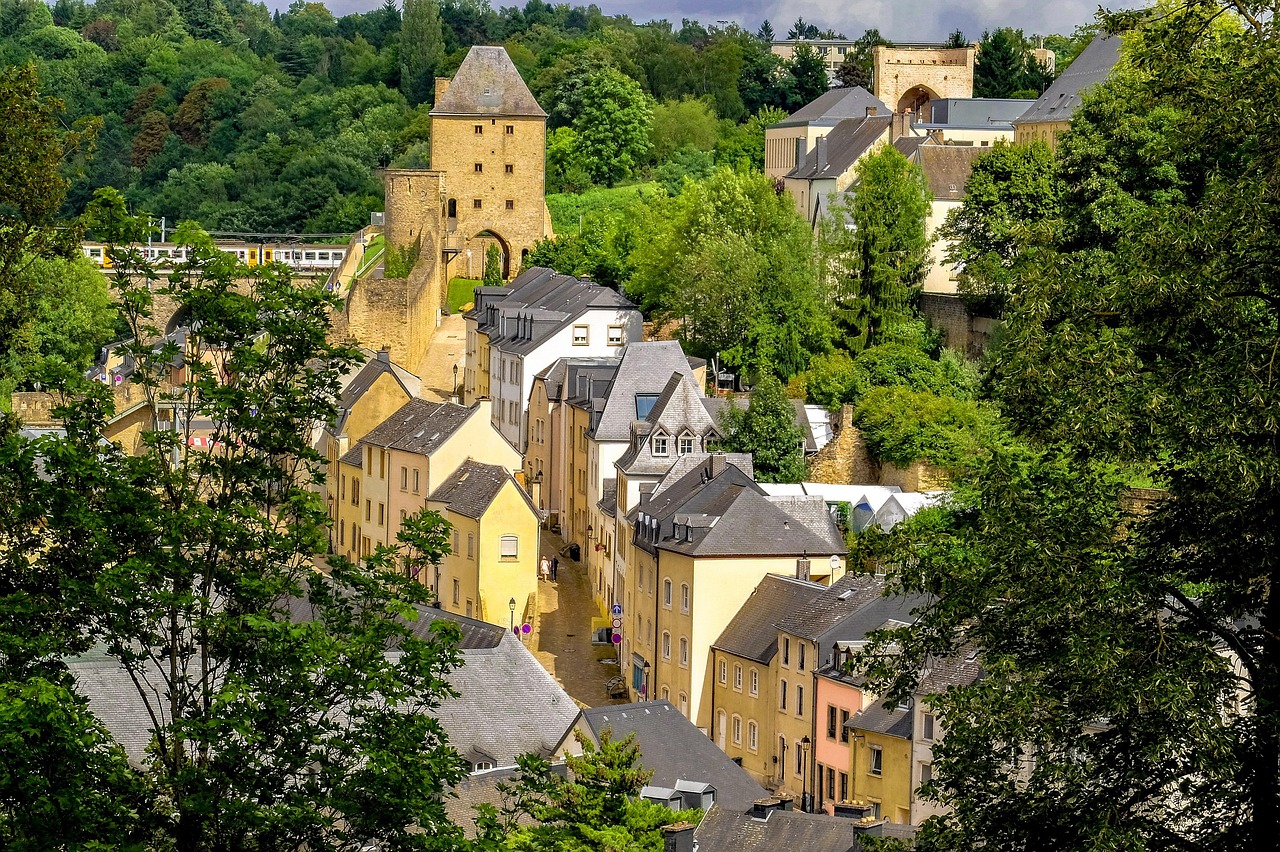
Down in the Alzette valley below the city centre, old houses crowd the riverbanks around Neimënster Abbey, with views up to the fortress…

Save National Mining Museum to your Luxembourg trip in the Meridian Dispatch app and build the day around it, with the best of Esch-sur-Alzette pinned on one map.
Download on the App StoreLast updated