You come down to the Grund for a room of shelves stacked with mounted animals from around the world, then galleries on Luxembourg's own forests and meadows and the oldest known Luxembourger.
Museum, Luxembourg City. Meridian Dispatch.
Yes, the museum is closed every Monday. As of November 2026 it opens 10:00 to 18:00 from Wednesday to Sunday, and 10:00 to 20:00 on Tuesday. It also shuts on 1 January, 1 May, 23 June, 1 November and 25 December; check the museum's website before a holiday visit.
For many visitors, yes. Admission is free for young people under 21, students up to 26, and visitors with disabilities or reduced mobility along with their companions. The LuxembourgCard also covers it, and every Tuesday entry is free from 17:30.
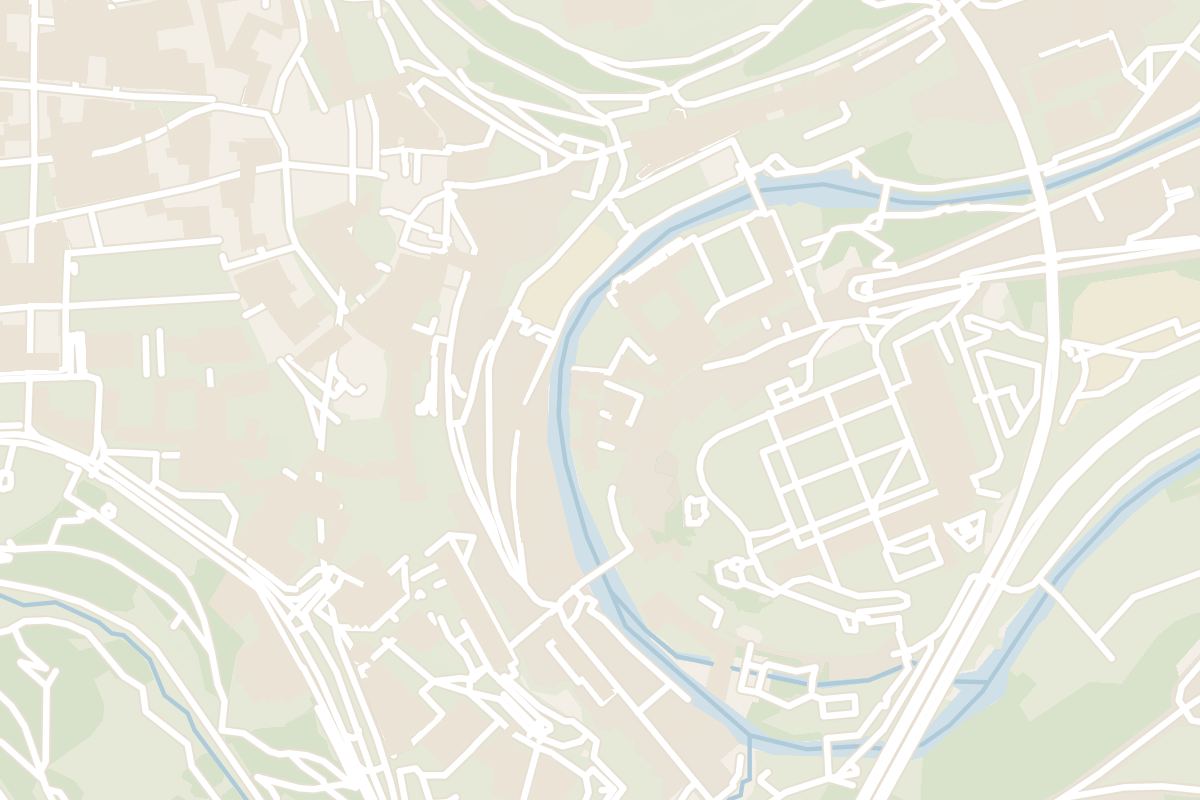
The lift between Plateau du Saint-Esprit, in the judicial quarter, and the Grund is the direct way down from the upper town. The underground car park at Plateau St-Esprit connects to the same lift, which then leads to the Grund, a five-minute walk. AVL bus 23 stops nearby at Stadgronn, Bréck.
Yes. Every area of the museum can be reached step-free, with lifts between levels. A car park for visitors with reduced mobility sits in front of the building, although general parking in the area is very limited.
A permanent exhibition on evolution and biodiversity, alongside changing temporary shows on plants, animals and the universe. Behind them, the museum keeps nearly 3 million preserved specimens, some collected more than a century ago.
The official site of National Museum of Natural History is mnhn.public.lu.
mnhn.public.lu →The Naturmusée sits in the Grund district, on rue Münster. Its permanent exhibition is laid out as a journey through time, across a planet in constant motion.
The centrepiece is a single room the museum calls a library of life. Its shelves hold mounted animals chosen from the collections, so species from many parts of the world share the same shelves.
Other rooms turn to Luxembourg itself. They show the plants and animals that live in the country's forests, meadows and fields, and even in its towns.
Fossils show what animals and plants looked like in the distant past, and beside them you meet the Loschbour Man, the oldest known Luxembourger. The same section explains how species have adapted to different living conditions on Earth.
The walk from the railway station to the museum takes about 15 minutes.
Buy your ticket at the museum's ticket office, then go round the galleries at your own pace.
Before or after the galleries, step out into the gardens, open during museum hours. The rock garden lays out four plots of stone from different regions of the country, each walled in local dry stone and planted with that landscape's species.
The vegetarian cafeteria serves pastries, filled rolls and homemade cakes, with a freshly prepared dish every lunchtime.
For a quieter break, find the small hidden garden walled off from the square in front of the church. The museum has redesigned it so visitors can use it.
If you want the day's lunch dish, phone the cafeteria between 10:00 and 11:30 to reserve it. With children, note that the museum's slide counts as an exhibit: riders must be at least 1 metre tall and go down one at a time.
In the Ville Haute the main sights are a walk apart, and a free public lift drops you to the Pfaffenthal in the valley below, running until 1 am for the ride back up.
Read the Luxembourg City guideExplore the rest of Luxembourg City
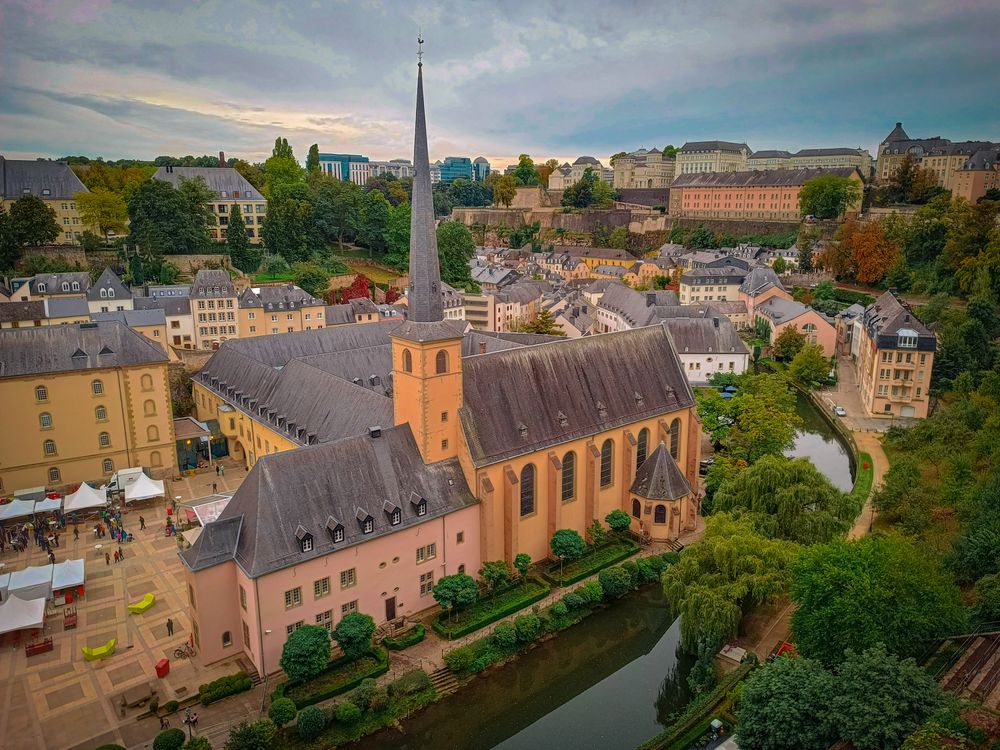
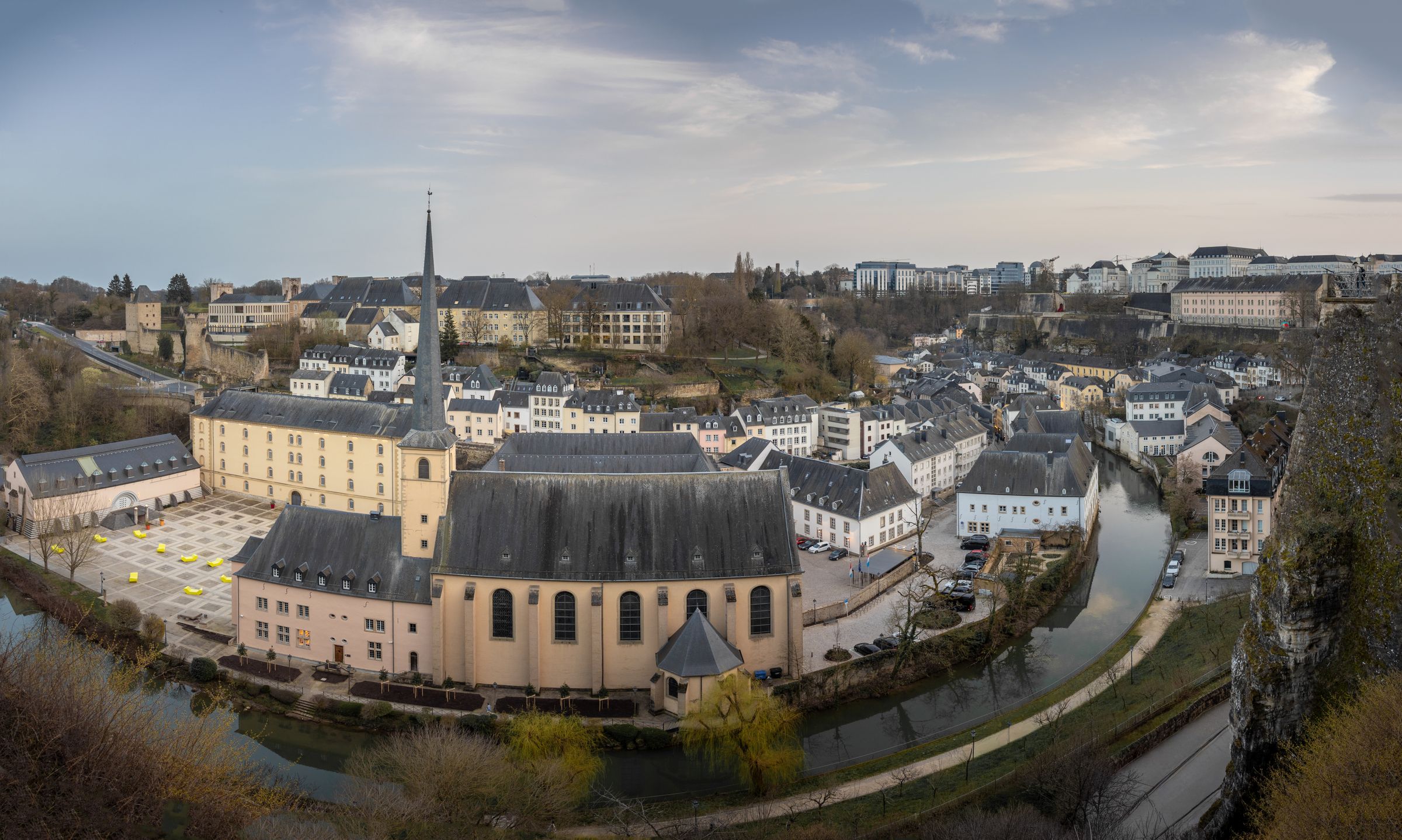
Begun by Benedictine monks in 1606, the abbey complex on the Alzette in the Grund now runs as the Neimënster cultural centre, with…
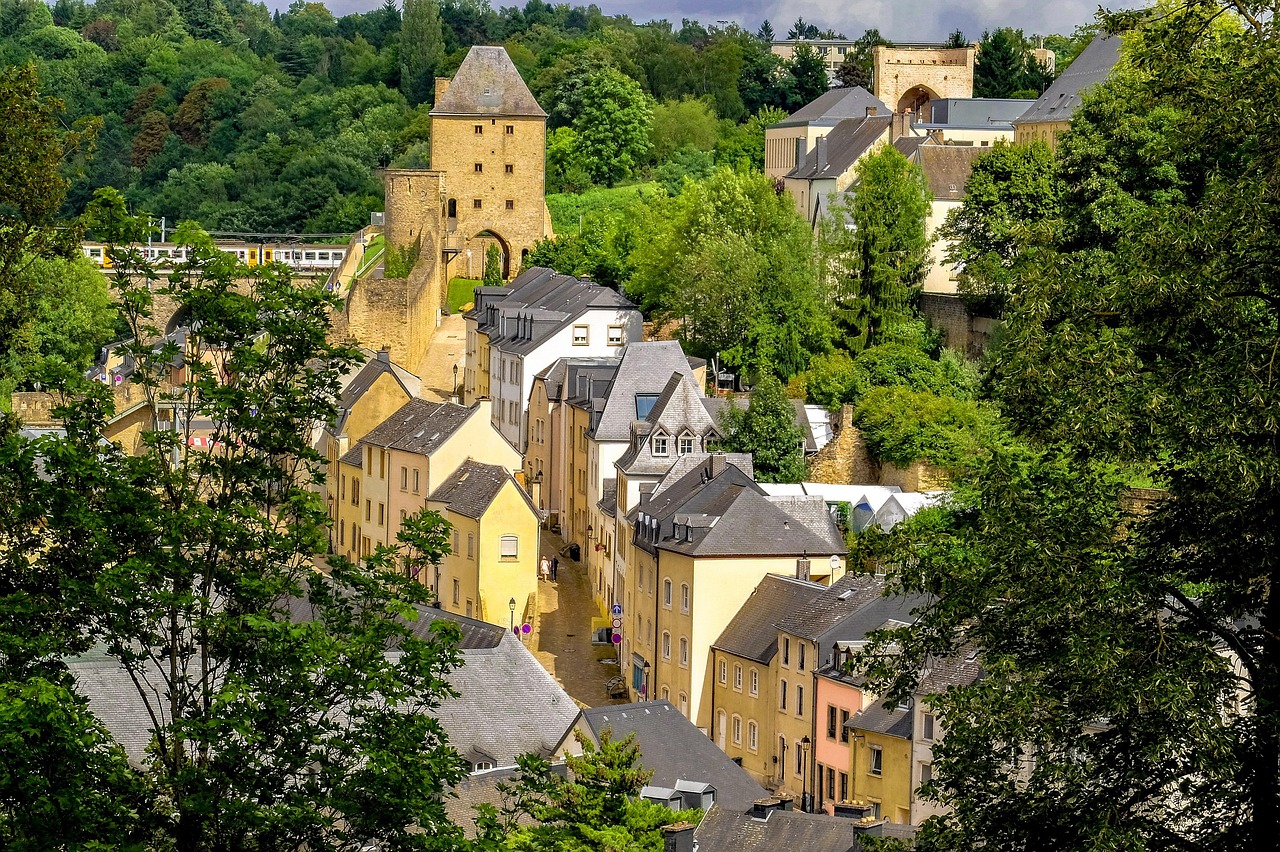
Down in the Alzette valley below the city centre, old houses crowd the riverbanks around Neimënster Abbey, with views up to the fortress…
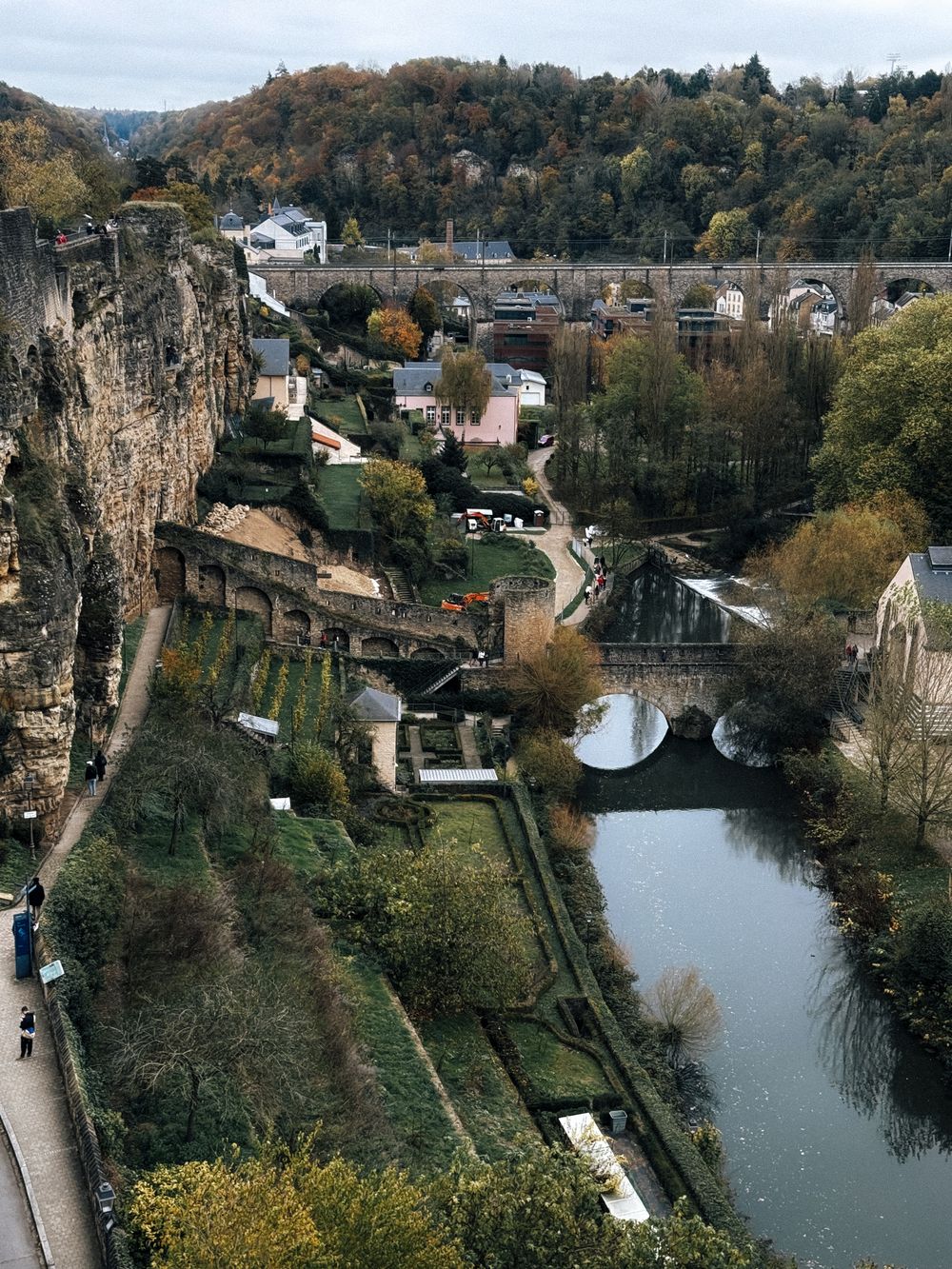
A main gallery 110 metres long runs through the rock of the Bock promontory, with side passages where cannon once covered the Alzette…
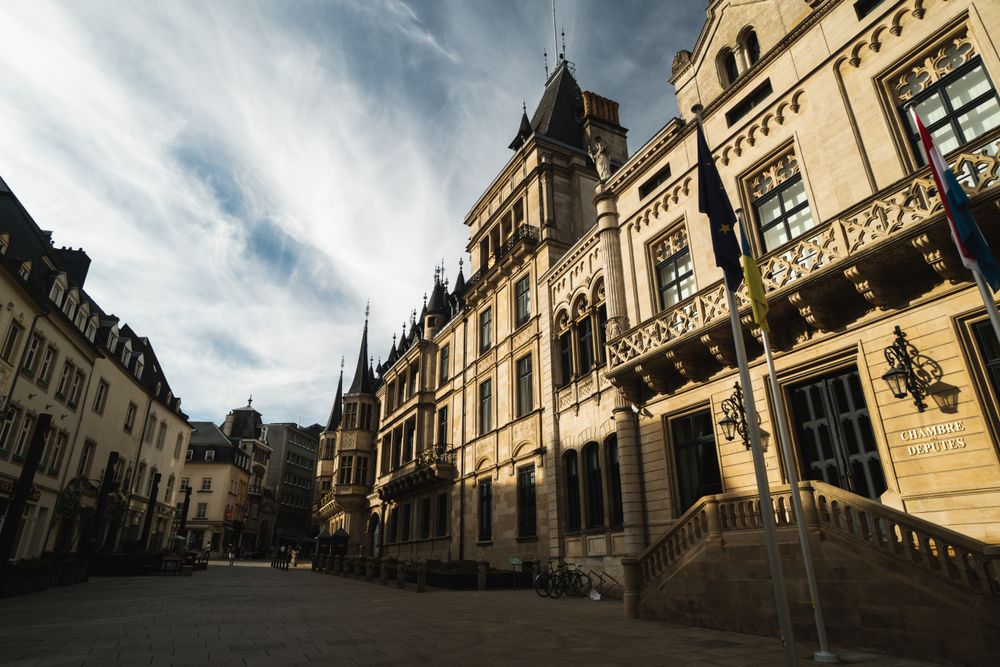
Rue du Marché-aux-Herbes runs past the palace where the Grand Duke keeps his office, a building that served as the city's town hall for…
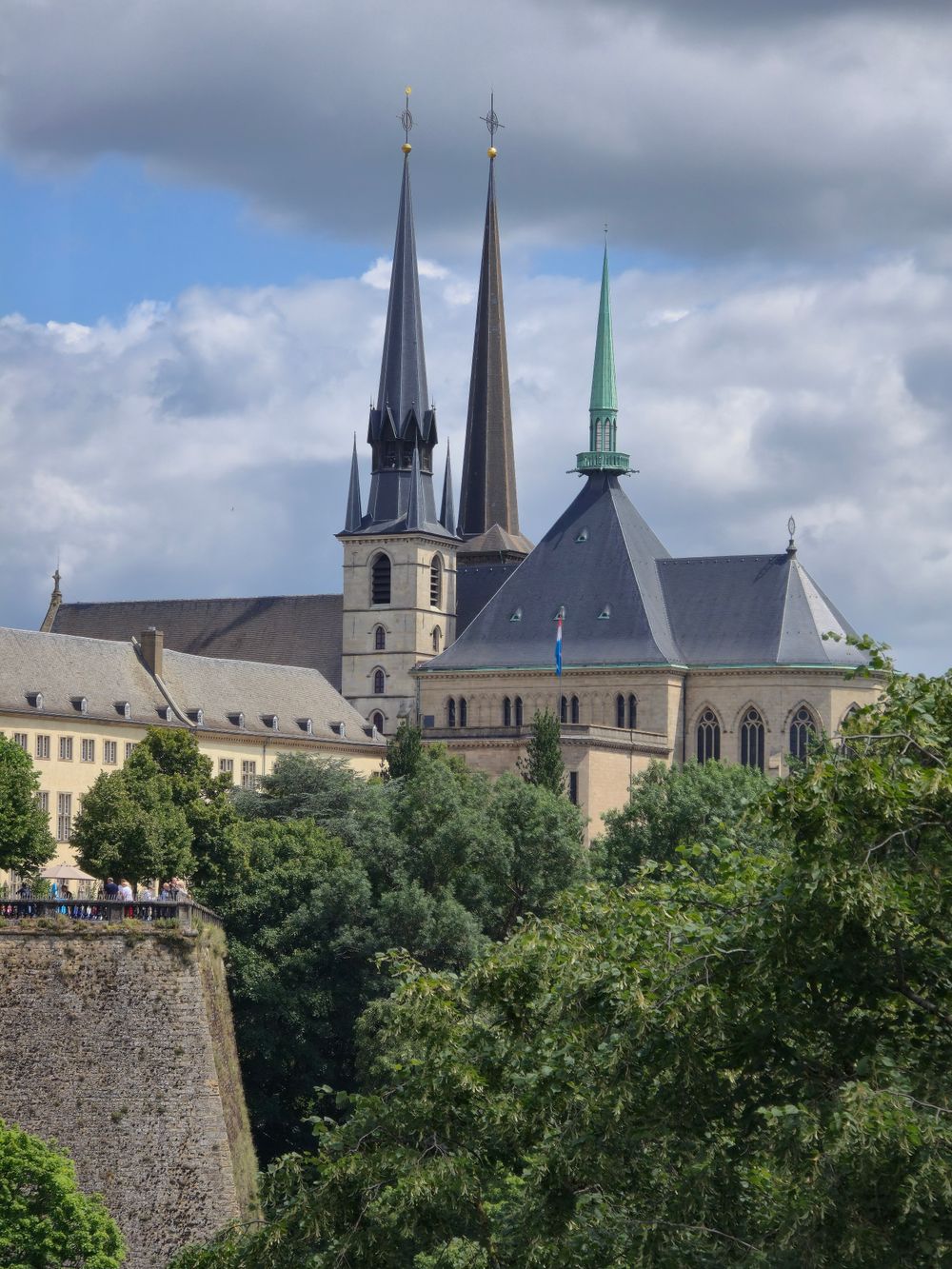
Late Gothic pillars and Renaissance carving share the city's Catholic cathedral, whose cornerstone was laid in 1613. Steps lead down to the…
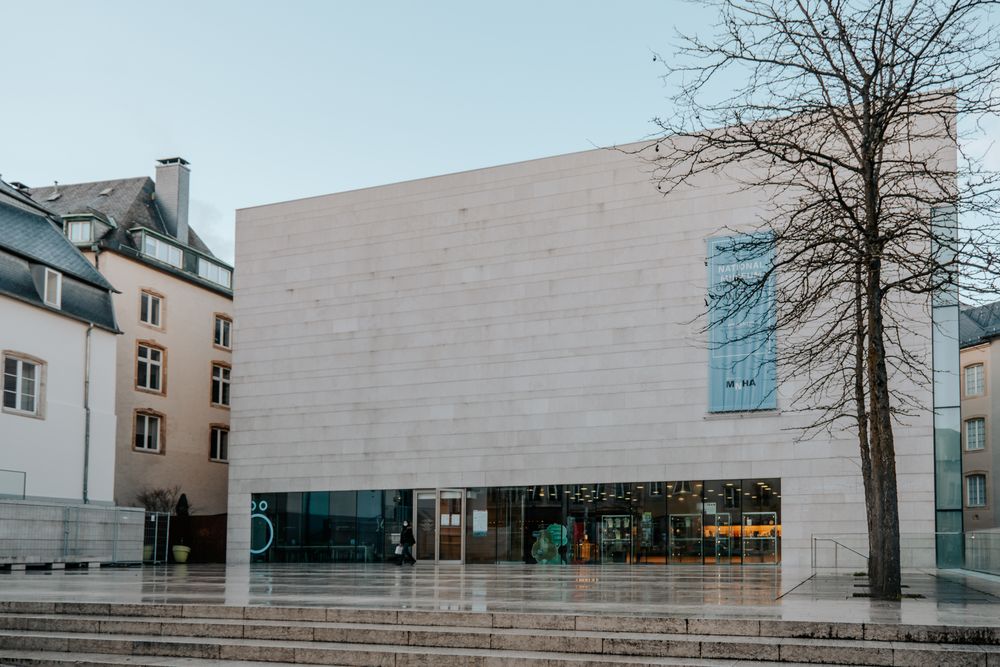
On the old Fish Market square in the upper town, the national museum gathers archaeology, history, coins and medals, decorative arts and…
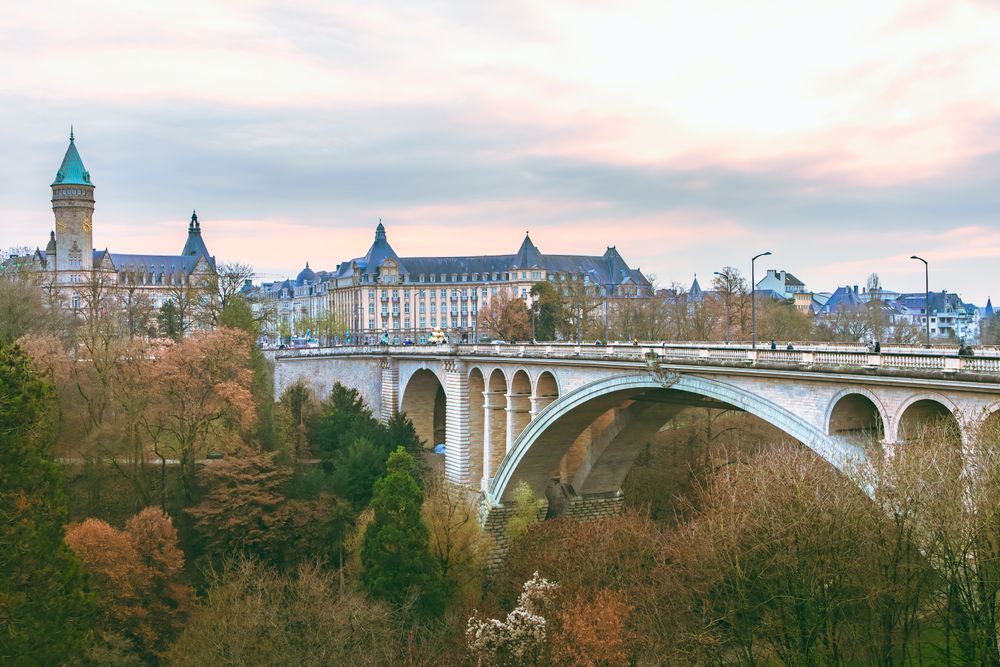
Spanning the Pétrusse valley about 42 metres up, a double-decked arch completed in 1903 carries road traffic and the city tram on its upper…
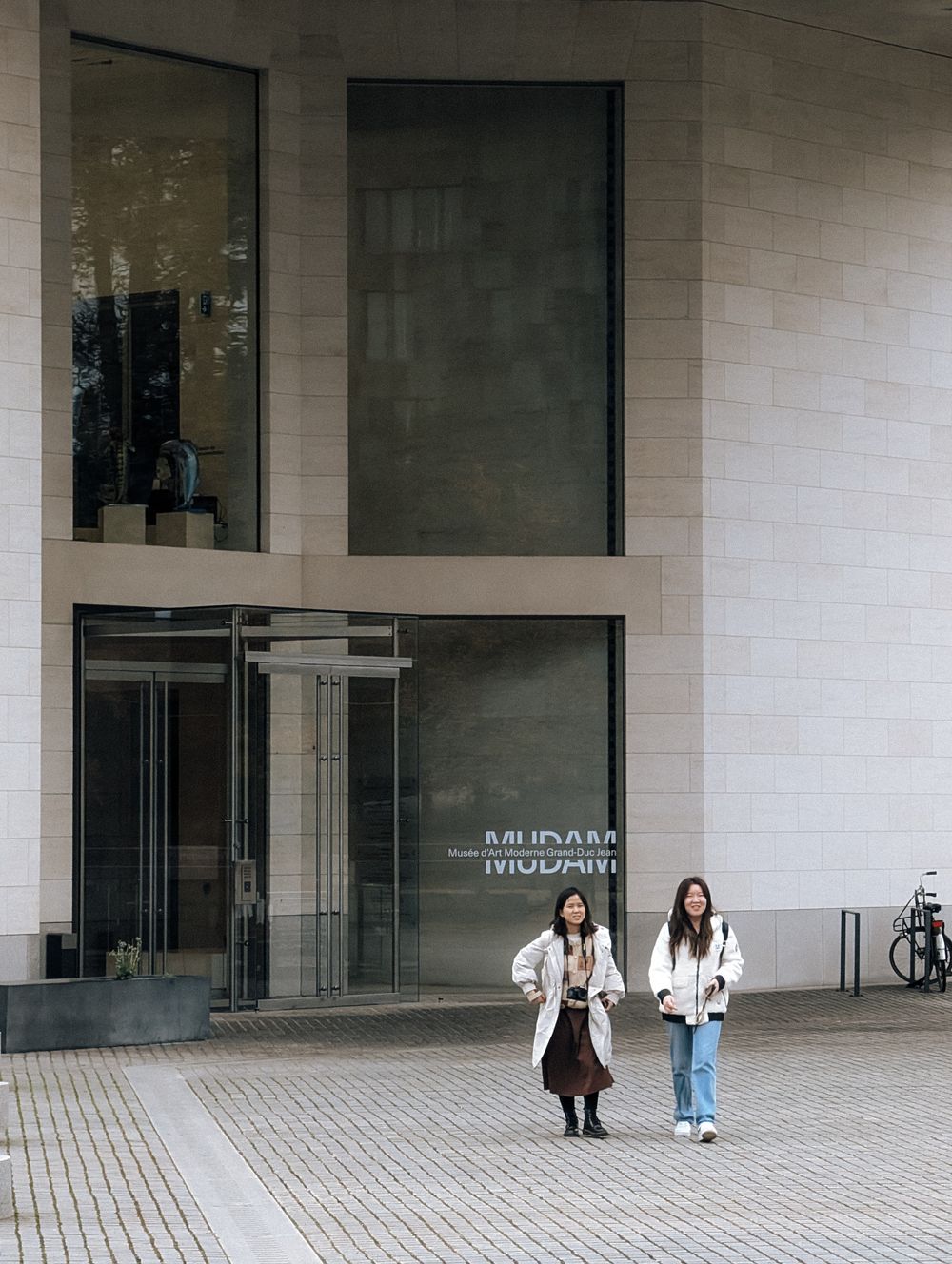
Up on the Kirchberg plateau, the building by Ieoh Ming Pei for the national museum of modern art rises on the site of the old Fort Thüngen…

Save National Museum of Natural History to your Luxembourg trip in the Meridian Dispatch app and build the day around it, with the best of Luxembourg City pinned on one map.
Download on the App StoreLast updated