 Submit a photo
Ninety seconds on Quartier Habous
No. Casablanca's Old Medina is a separate district, and the Habous quarter is one of the latest medinas built in Morocco, created under the French protectorate. Its plans were drawn from 1917 by Albert Laprade and carried on by Auguste Cadet and Edmond Brion.
Friday is the weakest day for shopping here. Most market stalls close while men attend Friday prayers, and the olive market closes all day on Fridays, so a visit for shopping suits Saturday to Thursday better.
The Mahkama du Pacha is the seat of the regional authority and works as government offices, with no public visiting hours. Its Hispano-Moorish exterior by Auguste Cadet is the first stop on a walk through the quarter.
You walk this quarter under rows of arches, from a Hispano-Moorish pasha's court to an olive market hidden in a courtyard. Casablanca built it under the French protectorate in the style of the imperial cities, and its lanes still sell books, cakes and crafts.
Rows of arches run along the lanes and frame the shopfronts, a deliberate echo of Morocco's imperial cities. The Mahkama du Pacha at the head of the quarter is a Hispano-Moorish building by the architect Auguste Cadet, and it took more than ten years to finish.
On the big square, the Al Mohammadi mosque stands out for the irregularity of its structure. The Moulay Youssef mosque, the quarter's other historic mosque, sits right beside it, so the square gives you both at once.
Craftsmen work on their pieces inside the shops along the way, and you can stop to watch them at it. Stalls carry leather goods, slippers, bags and poufs, along with traditional clothing and pieces for decorating a home.
Start outside the Mahkama du Pacha, then cross to the big Habous square facing the Al Mohammadi mosque. Rue Ibn Khaldoun is the main street through the quarter.
On the way, the Dar Al Kitab bookshop stocks reference works and art books. Pâtisserie Bennis, close by, sells traditional Moroccan cakes to take away.
Finish at the olive market, in a courtyard off a main street that is easy to walk past. Follow the smell of brine to the entrance; inside, an olive tree grows in the middle of the cobbles, ringed by barrels of every kind of olive.
At the olive market, ask to taste before you buy; a seller may let you try several kinds first. Shopkeepers along the lanes are not known for pressing you, so browsing is relaxed.
In the days before a festival, the lanes fill with shoppers from across Casablanca. Pick another day if you want room to browse.
Explore the rest of Casablanca
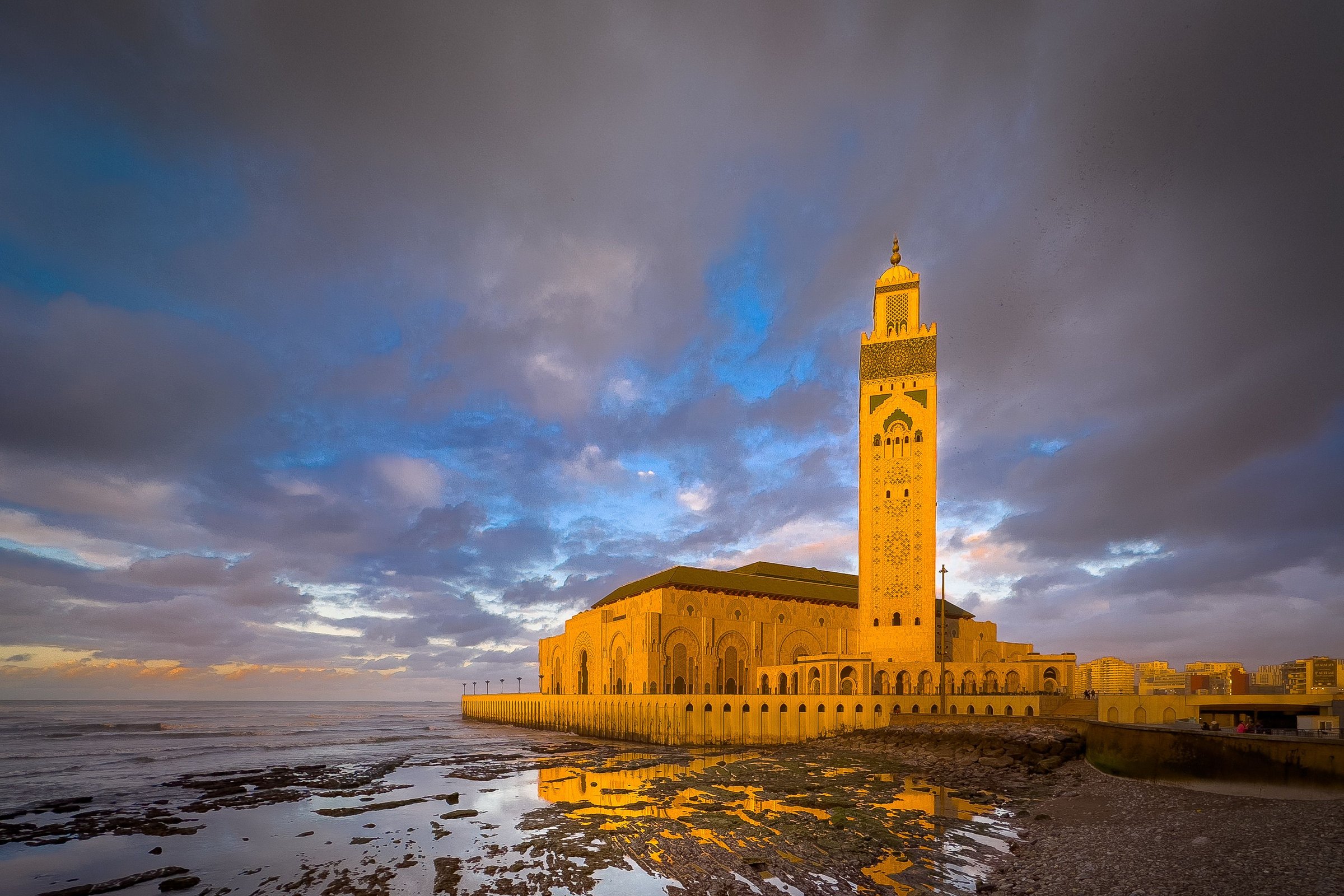
Art Deco boulevards, a working port and a mosque built out over the ocean define the country's largest city and business capital, a place…
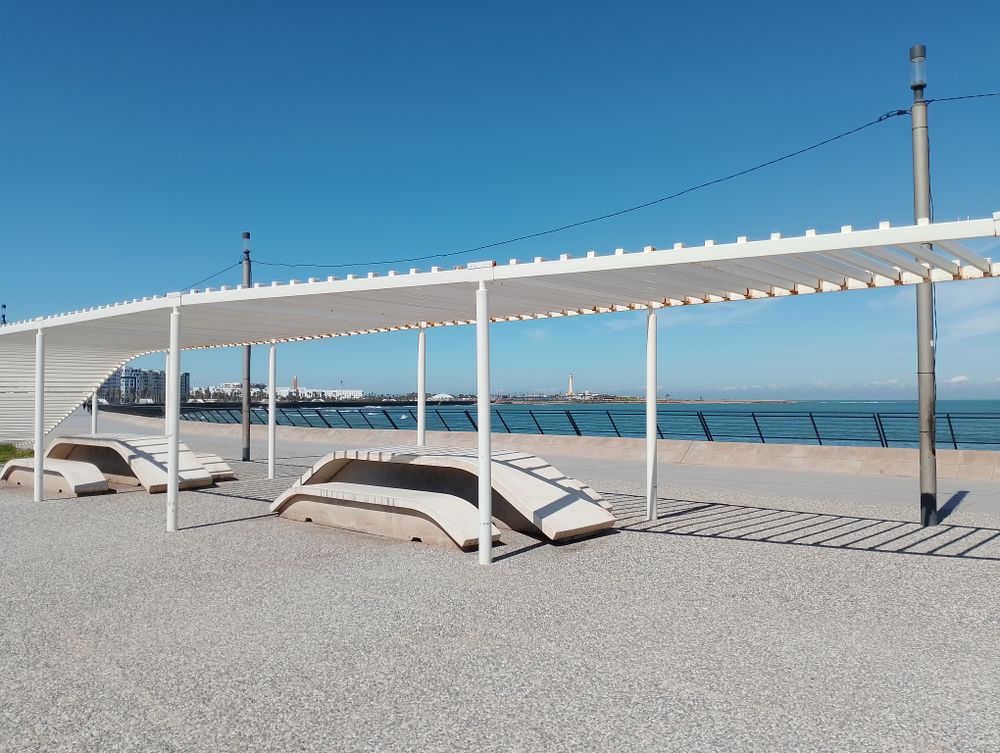
A seafront promenade runs west along the Corniche past beach clubs, hotels and surf schools to the sands of Ain Diab. It is at its…
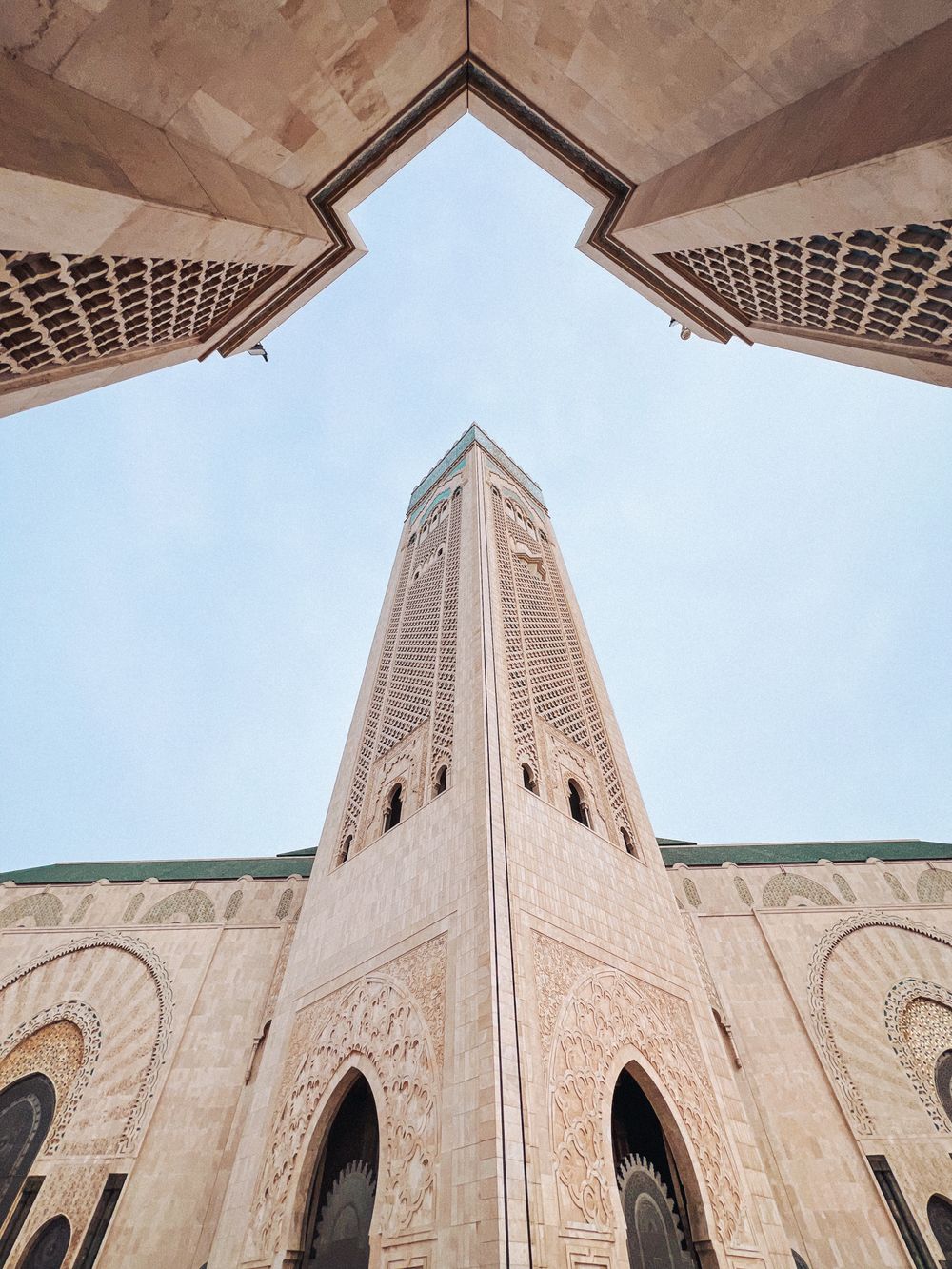
Completed in 1993 to designs by French architect Michel Pinseau, it holds 25,000 worshippers inside and has the tallest minaret in the…
Down the coast from Casablanca, a Portuguese fortress with a flooded cistern and a walk along its ramparts sits at the centre of a seaside…
The official pages this guide was checked against.
Last updated