Globe Countries Cities Dispatches World's Best Events Get the App
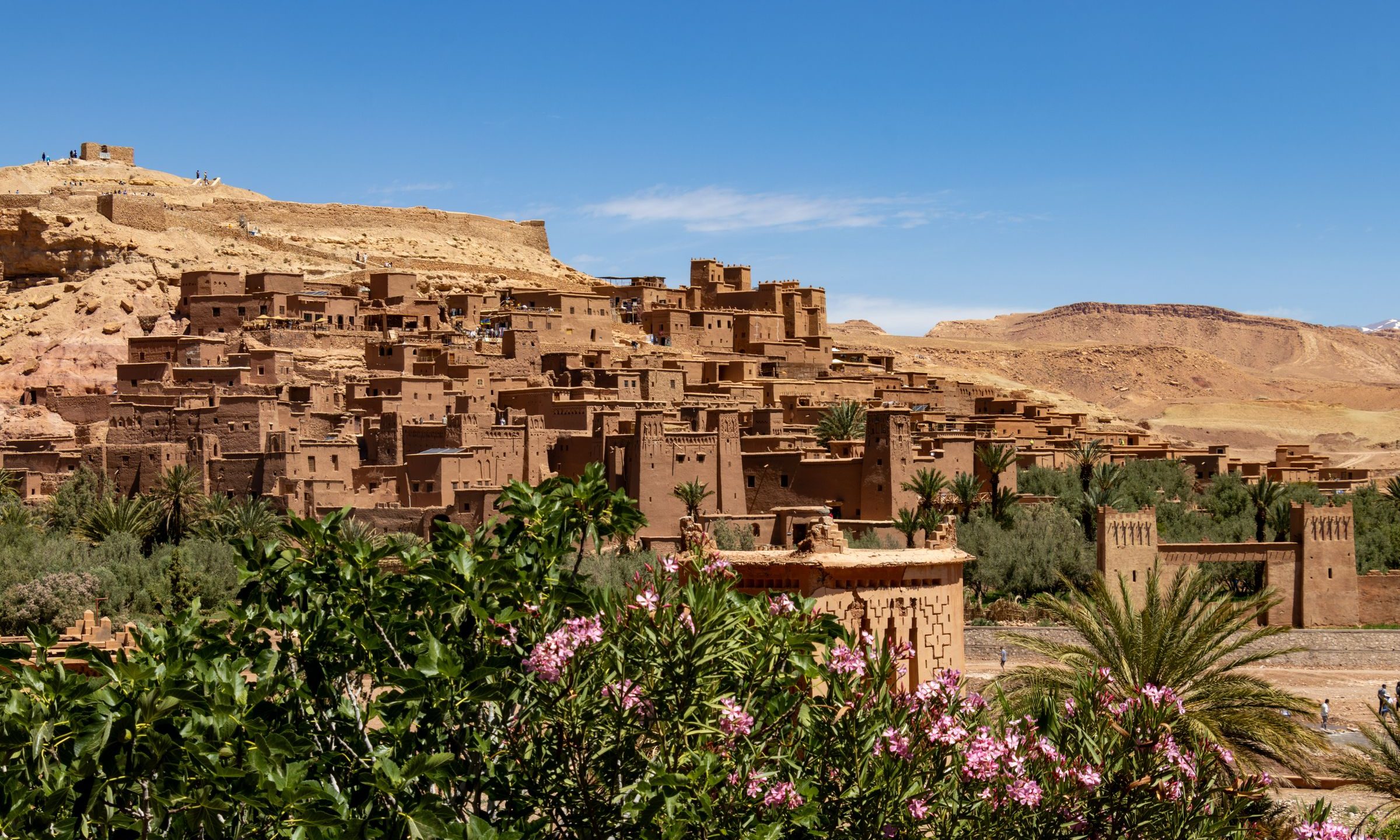
The earthen ksar of Aït Benhaddou rising above palms and flowering oleander under a clear blue sky
Aït Benhaddou above the Ounila valley · about thirty minutes by road from Ouarzazate
Country brief · 31.7917°N 7.0926°W · Updated

Morocco

Walled medinas, kasbah valleys and Saharan dunes, with the High Atlas and the Atlantic between them.

How long
Ten days to two weeksa week covers one region well
Getting around
Trains north, coaches southno railway runs south of Marrakesh
When
March to May, October, Novemberinland summers pass 37°C
Language
Arabic and Amazigh, then FrenchEnglish is common in riads and medinas
Money
The Moroccan dirhama closed currency, bought only in the country
Airports
Casablanca and MarrakeshFez, Tangier and Agadir fly direct to Europe
How long

How many days do you need in Morocco?

Ten days covers the classic loop: three nights in Marrakesh, two over the High Atlas in the kasbah country and the Dades or Todra gorges, a night in the Erg Chebbi dunes at Merzouga, then the long drive north to Fez for two or three nights. A week suits one region alone, Marrakesh with Essaouira and the Atlas, or Fez with Meknes and Chefchaouen. Two weeks adds Tangier and the north, or the surf coast around Taghazout.

Getting around

Do you need a car in Morocco?

Not in the north. Al Boraq, the high-speed train, runs Tangier to Casablanca in just over two hours, and classic trains link Casablanca, Rabat, Meknes, Fez and Marrakesh. No railway runs south of Marrakesh, so CTM and Supratours coaches carry the routes to Essaouira, Agadir, Ouarzazate and Merzouga. A car or a hired driver suits the desert loop: the road over the Tizi n’Tichka pass to Ouarzazate takes about four hours and can close after winter snow.

When

When is the best time to visit Morocco?

March to May and October to November are the most comfortable months. In July and August Marrakesh averages highs around 37°C and the desert runs hotter, while Essaouira and the Atlantic coast stay cool and windy. Winter brings snow to the High Atlas, cold nights in the Sahara and mild, clear days in the cities. Ramadan, expected from about 8 February to 9 March 2027, shortens opening hours, and many cafés outside the tourist quarters close by day.

Language

Is English widely spoken in Morocco?

Less than French. Arabic and Amazigh are the official languages, Moroccan Arabic, called Darija, is what is spoken in the street, and French is used in business, on signs and in the cities. The EF English Proficiency Index for 2025 ranks Morocco 68th of 123, in its low band. English is common among riad staff, guides and younger Moroccans in Marrakesh, Fez and the north.

Money

What currency does Morocco use?

The Moroccan dirham, a closed currency: it is bought inside Morocco, and leftover dirhams are best changed back before departure. Cash machines are easy to find in the cities and larger towns, and cards work in hotels and bigger shops, but the souks, taxis and small cafés run on cash. In the mountains and the desert, cash machines are few, so withdrawals are made in the last town with a bank.

Airports

Where do you fly into Morocco?

Casablanca Mohammed V and Marrakesh Menara each handled more than ten million passengers in 2025, of about 36 million across the country. Casablanca is the long-haul hub, with a train station under Terminal 1 for the city. Fez, Tangier, Agadir and Rabat take direct flights from Europe, and Ouarzazate and Errachidia have small airports with domestic links that shorten the way to the desert.
Why you should visit

Ninety seconds on the country

Morocco puts very different trips within a day of each other. The medinas of Fez and Marrakesh are still working cities behind their walls, the High Atlas rises an hour south of Marrakesh, and beyond it the road runs through kasbah valleys to the Erg Chebbi dunes on the edge of the Sahara.

UNESCO lists nine sites here, among them the medinas of Fez, Marrakesh, Meknes, Tetouan and Essaouira, the ksar of Aït Benhaddou and the Roman city of Volubilis. Most are joined by train, coach or a day’s drive, and Marrakesh and Casablanca take direct flights from much of Europe.

Fez rewards the most time. Its old city is closed to cars, and the tanneries, madrasas and workshops lie down lanes that are hard to follow on a first morning, which is why a guide for half a day pays off. Marrakesh is louder and easier, with gardens and palaces between the souks.

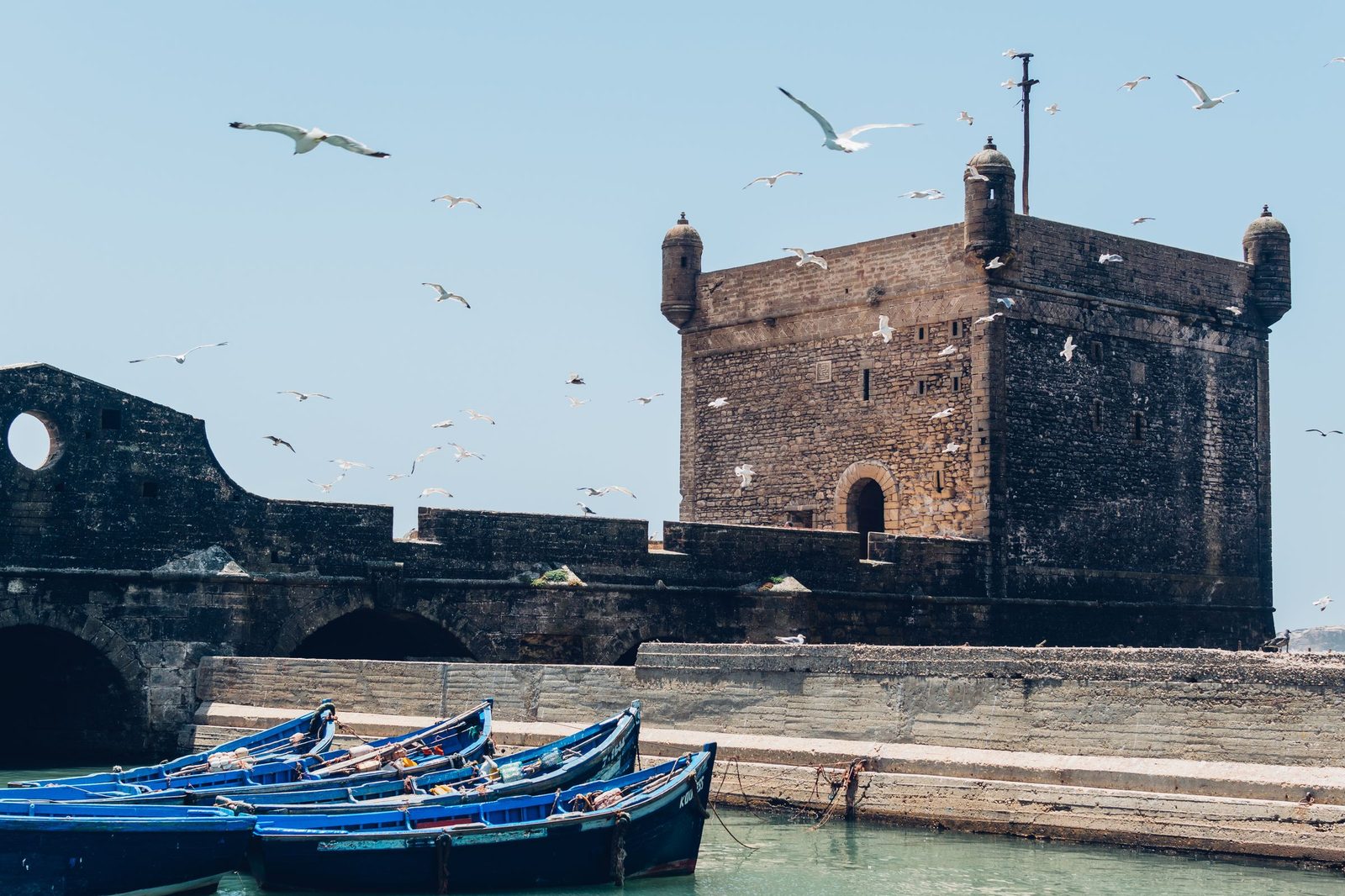
The coast is the counterweight. Essaouira keeps its sea ramparts and fishing port, the breaks at Taghazout and Imsouane work through the winter, and Tangier looks across the strait to Spain. In the south, Tafraoute and the Anti-Atlas see few visitors and repay a slow drive.

Six Ways to Travel It

Start with the best of the country, or pick how you want to travel. The towns, the things to do and the map all change with it.

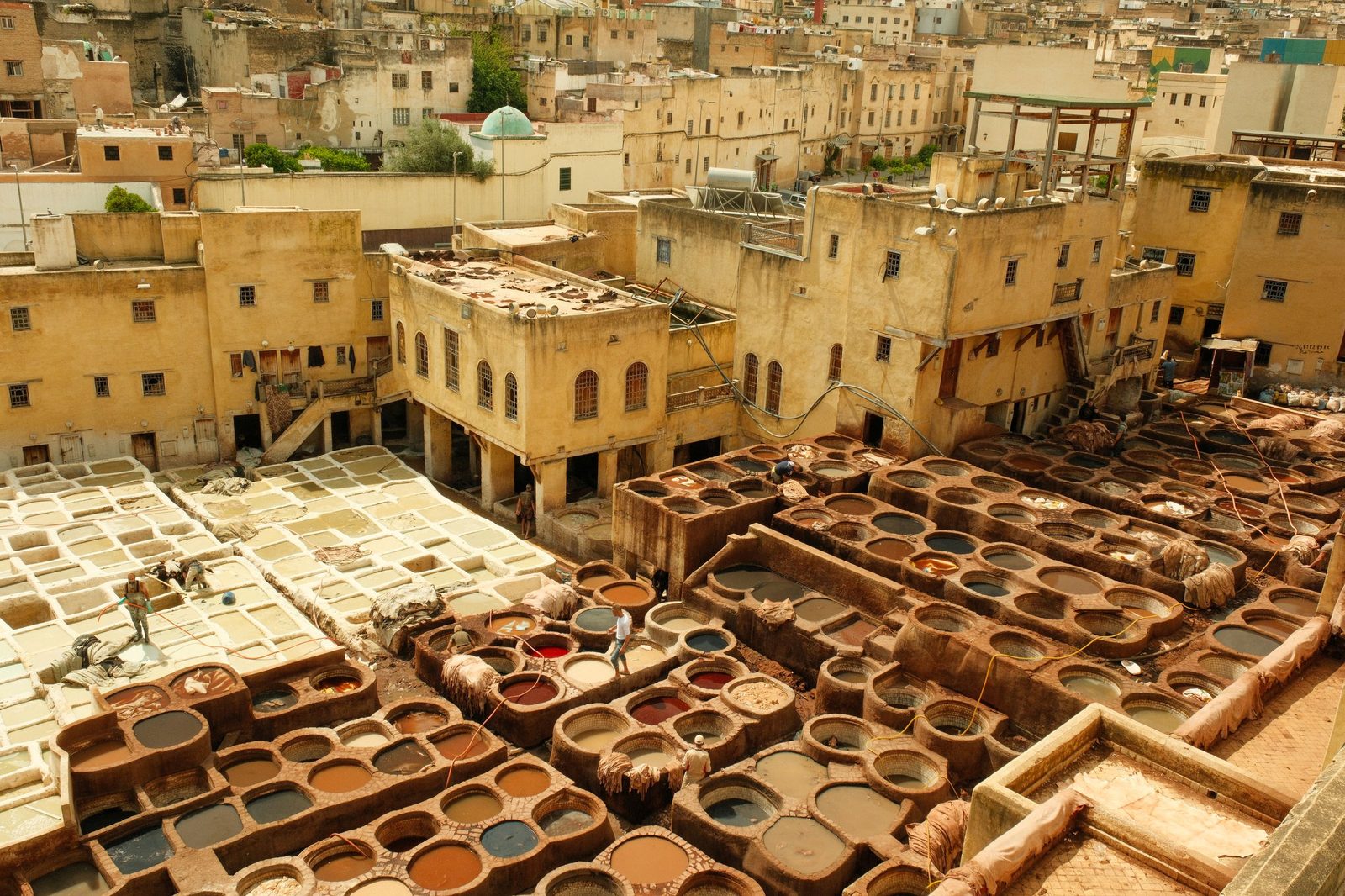
Stone dye vats of the Chouara Tannery below the rooftops of the Fez medina
The Chouara Tannery in Fez, seen from the terraces of the leather shops around it.

Best of Morocco

The Best Places to Visit in Morocco

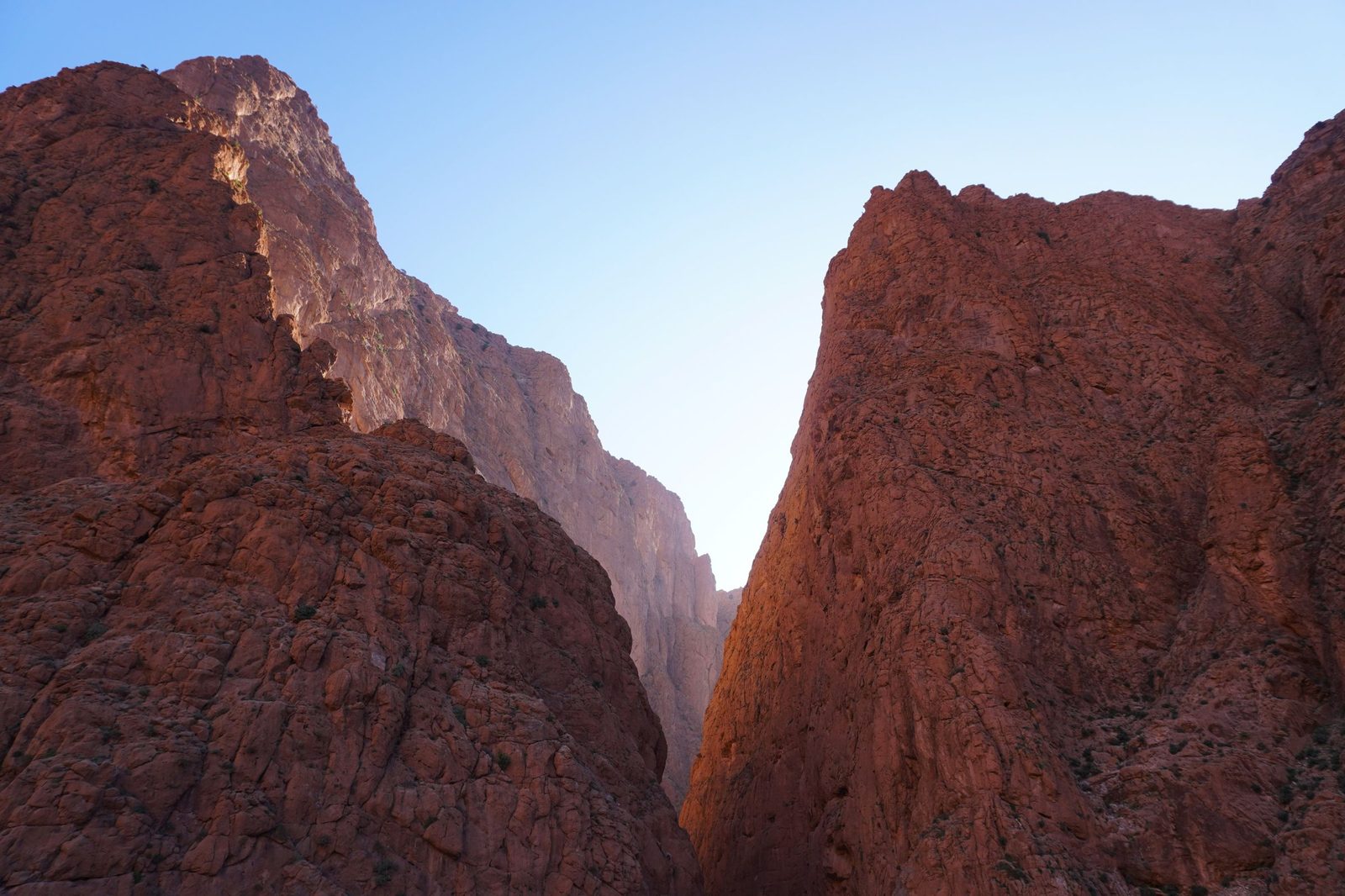
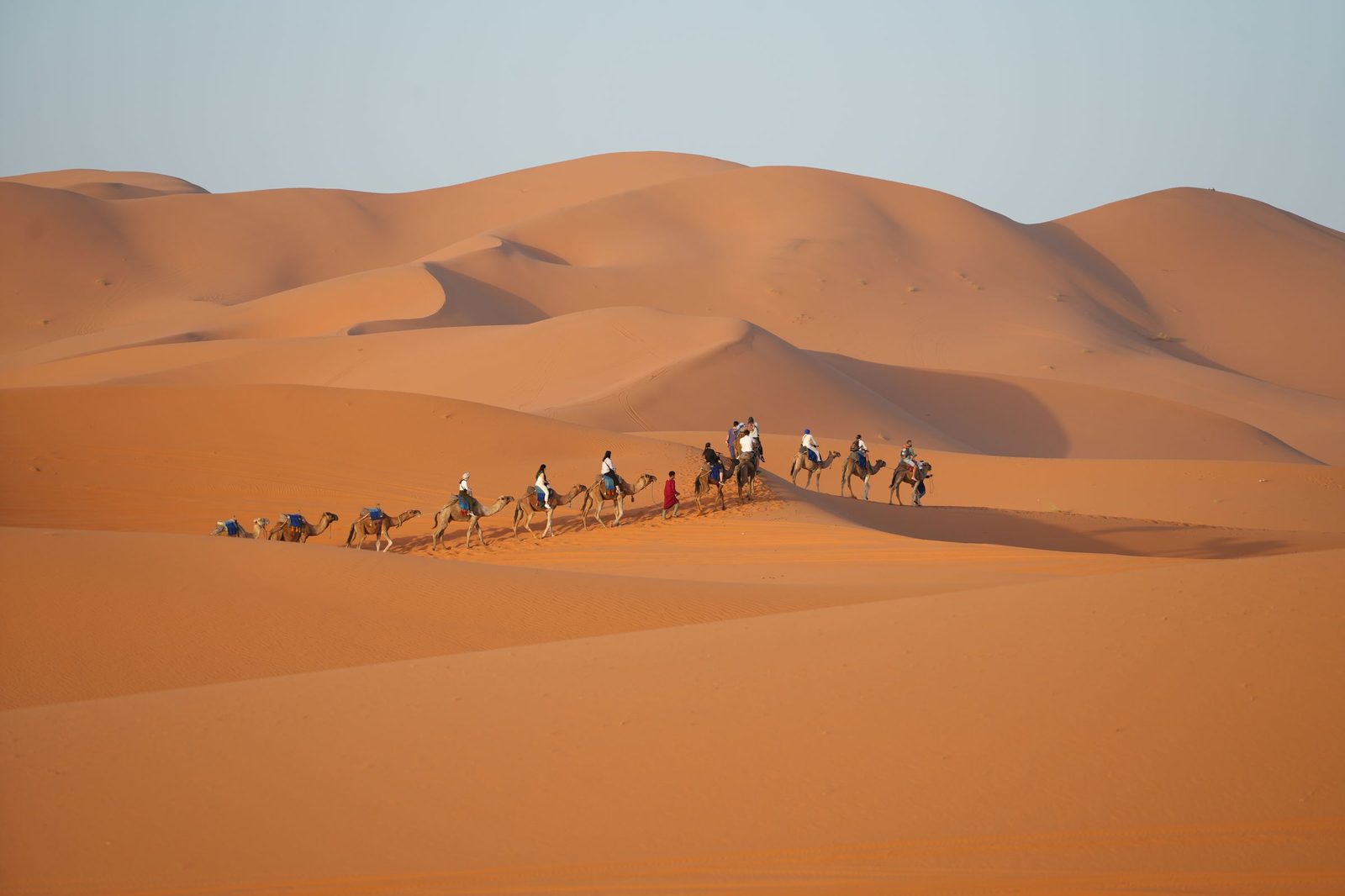
Start in Marrakesh for three nights, then cross the High Atlas by the Tizi n’Tichka to Aït Benhaddou and sleep in the Dades or Todra gorges. A night in the Erg Chebbi dunes at Merzouga is the high point of most first trips, and the camps ride out by camel or 4x4 at sunset.

From the desert it is a long day’s drive north to Fez, which deserves three nights and a guide for your first morning in the medina. Chefchaouen is about four hours further on, and Essaouira is the easy coastal escape from Marrakesh, about three hours by coach.

Plan the trip

Loading the map
View on globe
Meridian Dispatch for iPhone

Start planning your trip
to Morocco.

The places on this page are in the app, each with a verdict: why to go, how far from your hotel, how long to stay. Forward your confirmations and the days fill themselves in.