Ninety seconds on Naankuse Wildlife Sanctuary
Book the carnivore feeding tour and you watch lions, cheetahs, leopards and wild dogs fed 45 km east of Windhoek, with guides who tell you where each animal came from.
The sanctuary has taken animals in since 2007 and releases them whenever it can. The ones that stay arrived orphaned, injured or too used to people, and could not be released safely.
Namibia has six species of large carnivore: lion, leopard, cheetah, African wild dog, spotted hyena and brown hyena. They roam freely outside the country's formally protected areas, so they share the land with farms and the people who work them.
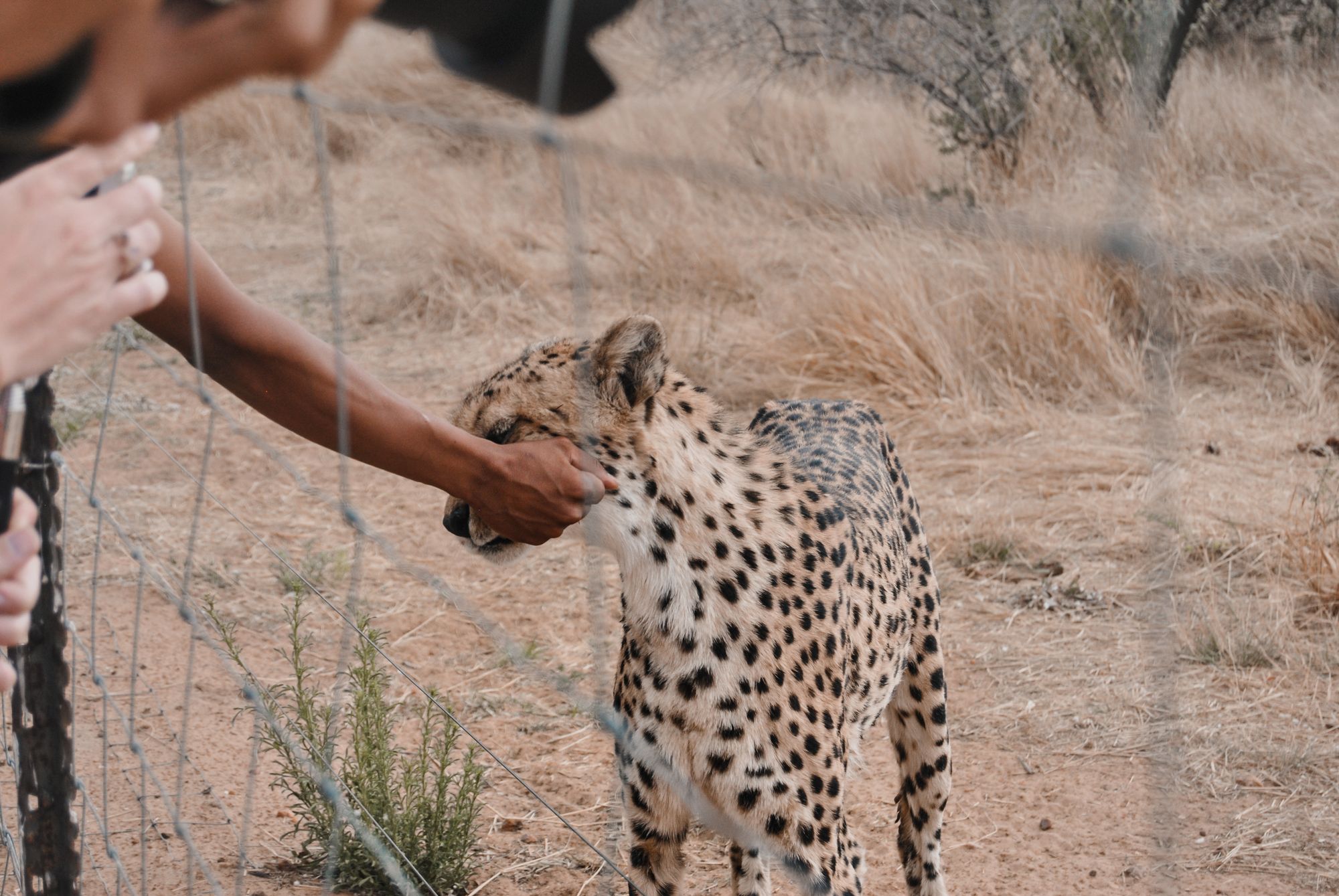
In 2008 the foundation set up a Rapid Response Unit for predator problems. Cats it captures are fitted with a radio collar before they are released. Ask your guide about the collars, and how each animal you meet came to the sanctuary.
The day turns on which activity you book, so settle it before you drive out. Book directly with the sanctuary or through a Windhoek tour operator.
On the carnivore feeding tour, guides take you from one feeding to the next as baboons, caracals, lions, cheetahs, African wild dogs and leopards are fed. They often tell each animal's story as it eats, and the animals stay behind barriers throughout.
For something on foot, the guided nature walk covers 5 km of the sanctuary. On the caracal walk you watch the sanctuary's caracals stalk birds and small mammals.
The cheetah experience puts you with the habituated cats, led by a guide. Read the note below before you book it.
Choose the behind-the-scenes tour if you want the sanctuary's work rather than its animals. It takes you into the food preparation area, and a guide explains the research and volunteer programme as you go.
Take the late-afternoon nature walk if you want to see warthogs, which may be out roaming the farm then. The morning walk is the quieter of the two.
The sanctuary lies closer to the international airport than to Windhoek, so you can plan the drive around the activity you book.
Explore the rest of Windhoek
A capital of about half a million sits in a basin in the Khomas Hochland, high enough that the nights are cool through winter. Almost every…
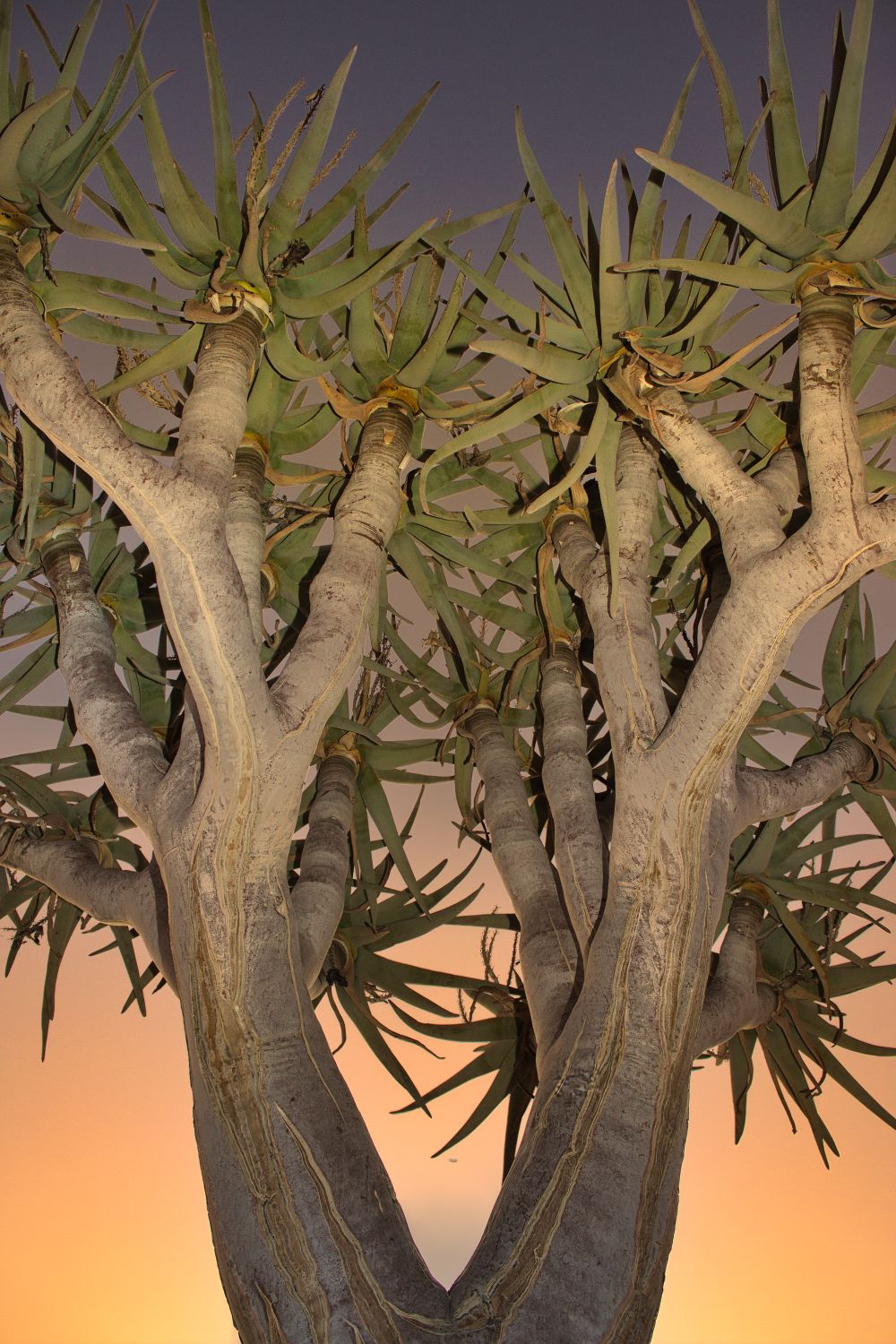
A hillside reserve of 12 hectares above the centre, where the country's plants grow along self-guided paths. Aloes, a stand of quiver trees…

A museum designed and built by a North Korean firm on Robert Mugabe Avenue in central Windhoek, telling Namibia's resistance to colonial…