 Submit a photo
Ninety seconds on Maihaugen
In one afternoon you walk from eighteenth-century farmyards and a medieval stave church to a town street of about 1900 and a wartime home, and you see how everyday life in Norway's inland valleys changed.
The Garmo stave church is the best known building here, a medieval timber church brought from Garmo, in Lom. Its font was used at the baptism of the writer Knut Hamsun in 1859.
Bjørnstad, a large farm from Vågå, shows how a big valley farm was laid out, with twenty-seven separate buildings set round two farmyards. Its farmhouse, Andersstua, is the most imposing of them.
The Town is built to look like an inland Norwegian town of the early twentieth century. Its streets, houses and fittings follow real examples from the period.
Past it, the Residential Area has family houses from nearly every decade of the twentieth century. One of them is furnished as it would have been in 1944, in wartime.
The Norwegian Olympic Museum covers the Olympic Games from ancient times to today.
One ticket covers the open-air museum and the Norwegian Olympic Museum in the visitor centre. Go outdoors first and keep the Olympic galleries for the end.
Begin in the Rural Area: walk round the two farmyards at Bjørnstad, then go on to the stave church. In summer the farms have grazing animals and farmers at work, and hosts inside the historic houses tell you how life was lived there.
The café looks out over the stave church, Lake Mjøsa and the town, and it is open all year whenever the museum is. Stop there before you move on.
Next, walk to the Town, where in summer you can shop over the counter and look inside the homes and workshops. The twentieth-century houses of the Residential Area come after it, and the Olympic Museum last.
Behind closed doors is a guided tour in English that explores behind the closed doors of the open-air museum. It runs daily at 2pm from 22 June to 16 August, lasts half an hour, suits visitors aged 15 and over and meets at Skjåktunet. Join it if your timing fits, and see the rest on your own.
A private guide must be booked at least three days ahead. One guide takes up to thirty people in the Rural Area, but only fifteen in the Town and the Residential Area.
Lillehammer's weather changes quickly, so carry an extra layer, and keep the indoor exhibitions for a cold or wet spell.
Outside summer, ask at the visitor centre which buildings are open. Daylight goes early in the cold months, so walk the grounds while it is light and go indoors after.
At the very top of the museum, a forest trail runs through an 1890s forest and explains the woods as a resource and a workplace. It is gravel with bumps and hills, and in winter it can be icy and is not cleared of snow.
The Christmas market, with Norwegian handicrafts, local food and decorations, runs on 28 and 29 November 2026. In December there are guided tours inside historic homes set out for an old-fashioned Christmas; ask the museum for dates.
Lillehammer, and further afield
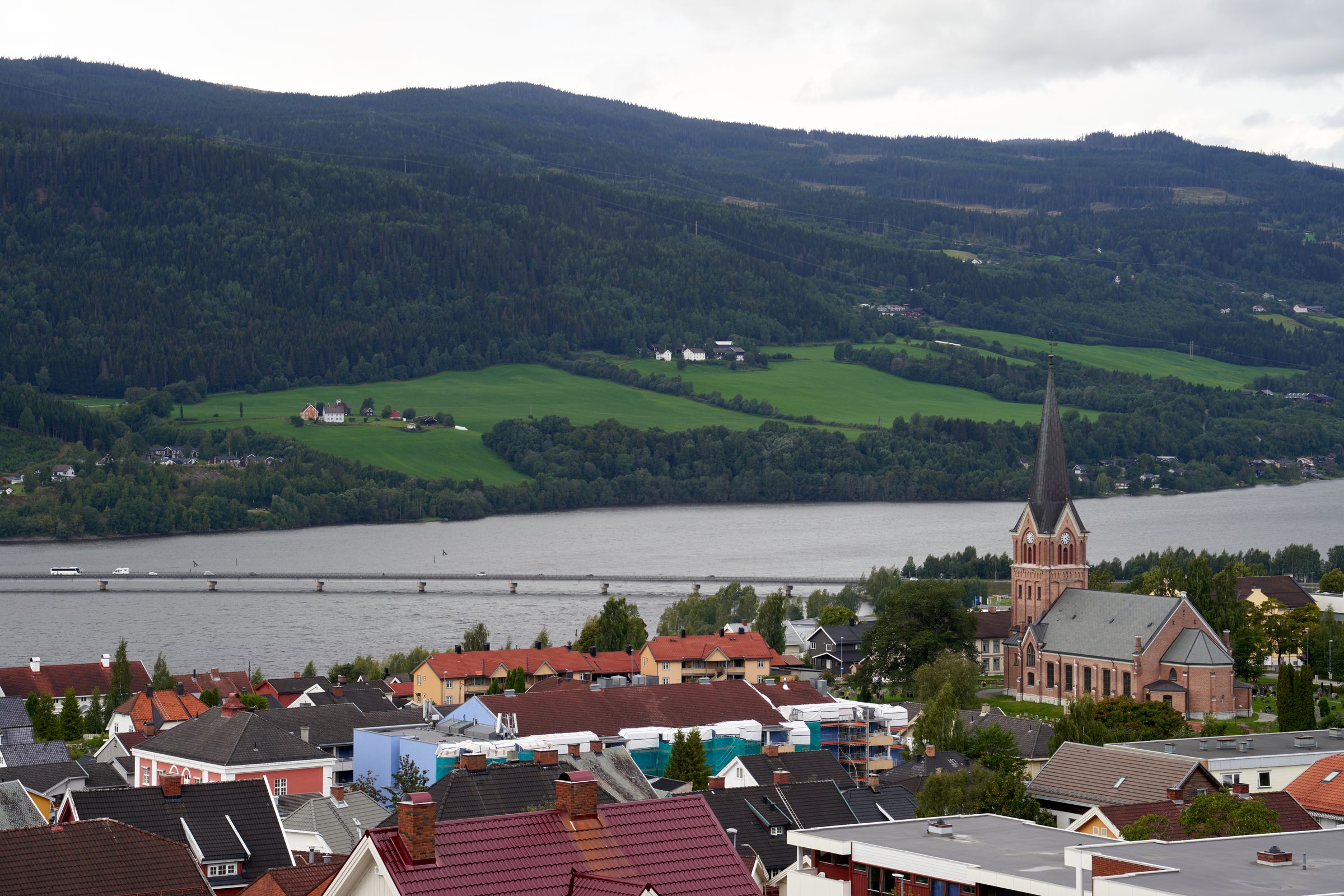
A town of wooden houses on the slope above the northern end of Mjøsa, Norway's largest lake. It hosted the 1994 Winter Olympics, and the…
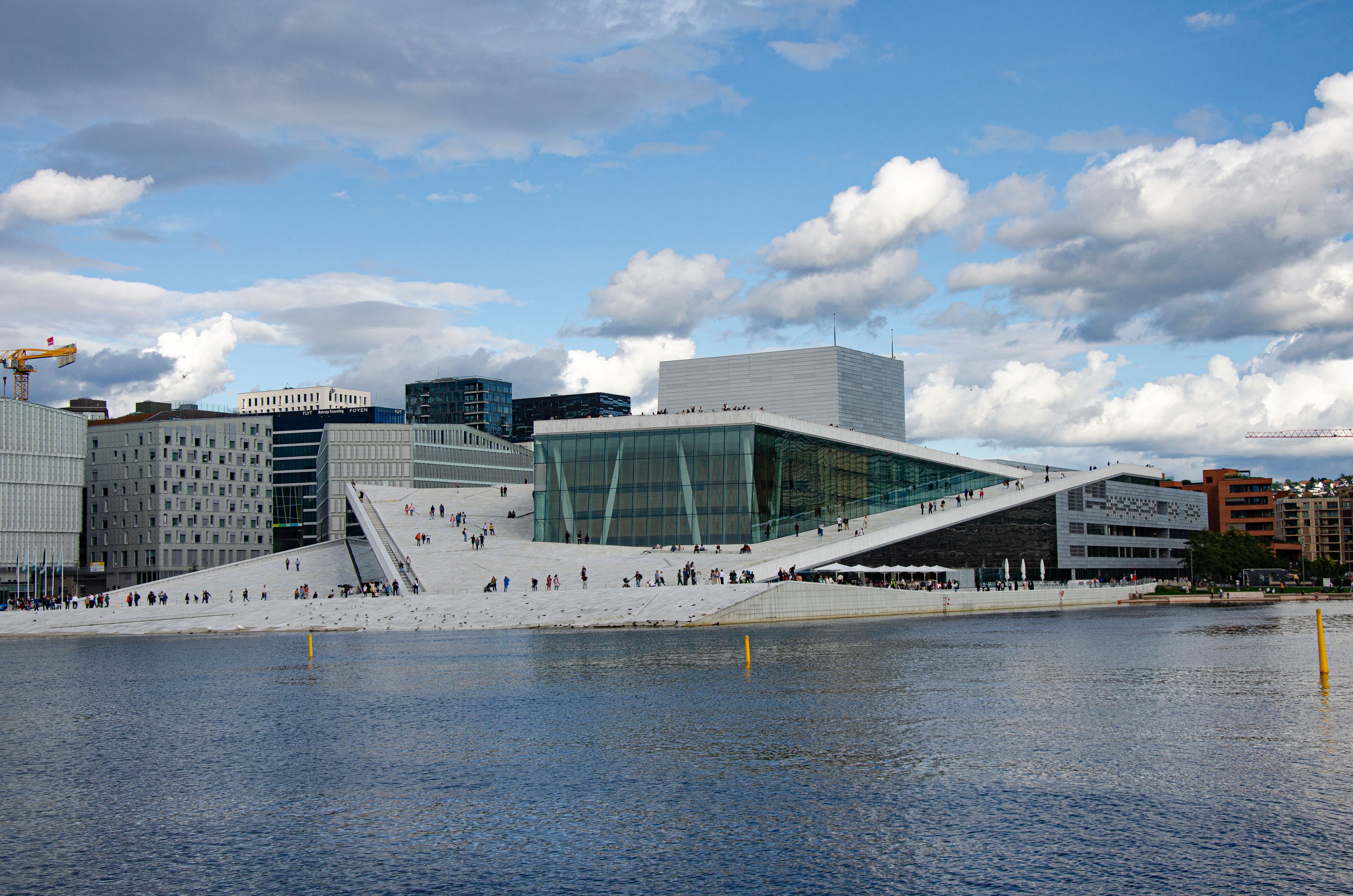
Norway's capital sits at the head of a sixty mile fjord with forest on three sides, and roughly two thirds of the municipality is woodland…
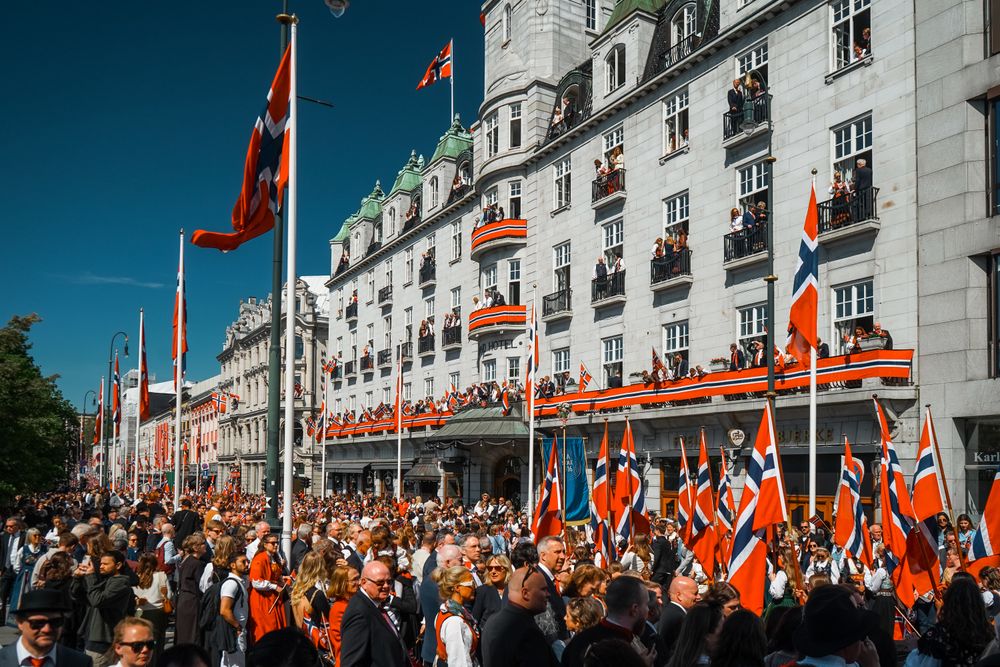
Norway's Constitution Day on 17 May is a public holiday, and in Oslo it centres on the children's parade. Schools march with brass bands…
Last updated