Things to do
18-
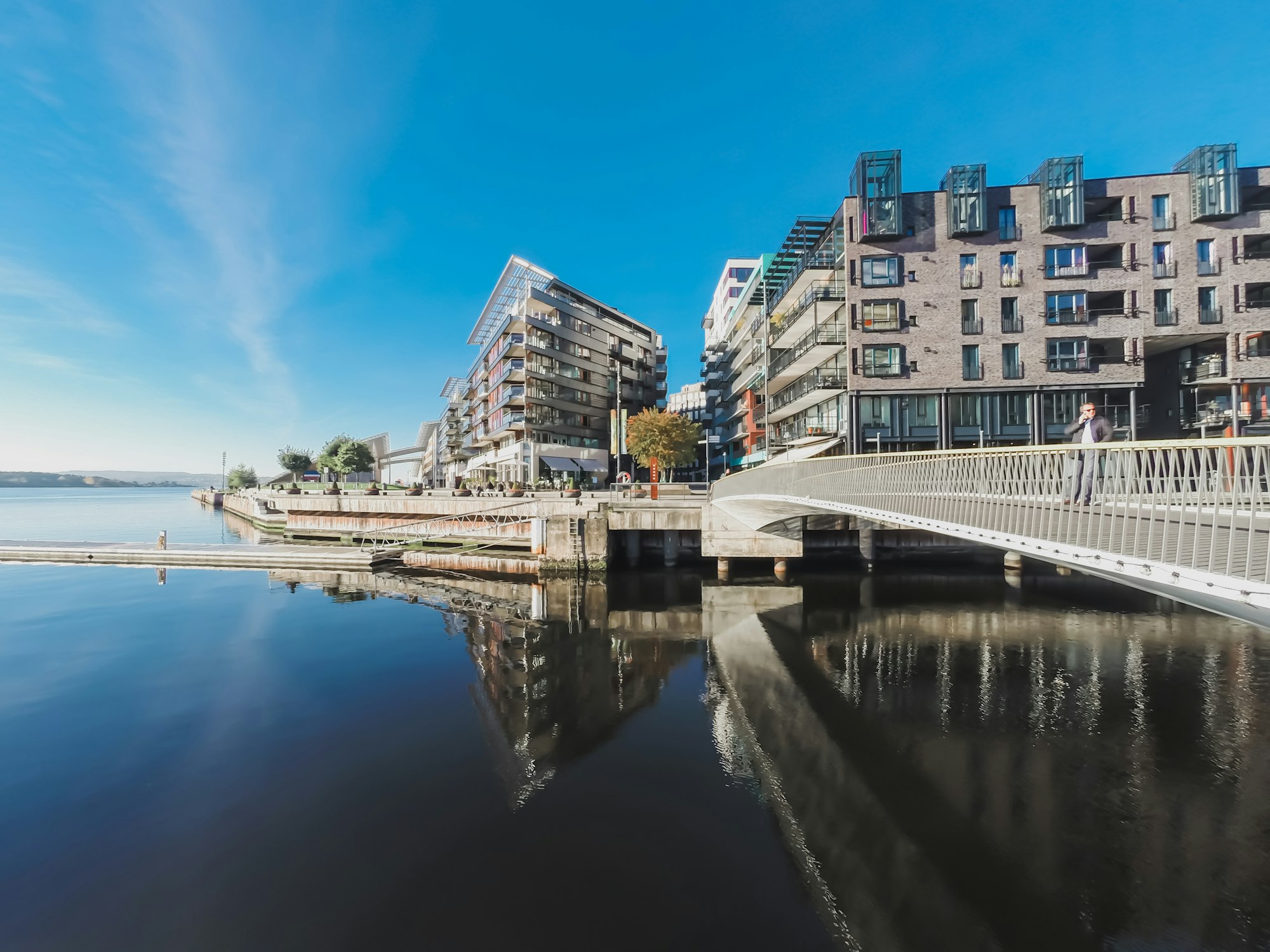
Aker Brygge
The old Aker shipyard, closed in 1982 and rebuilt as the city's waterfront promenade, running west from the town hall to Tjuvholmen. It is where Oslo eats outdoors in summer and where the fjord ferries and island boats leave from. The promenade is busiest on the first warm evenings of the year.
-
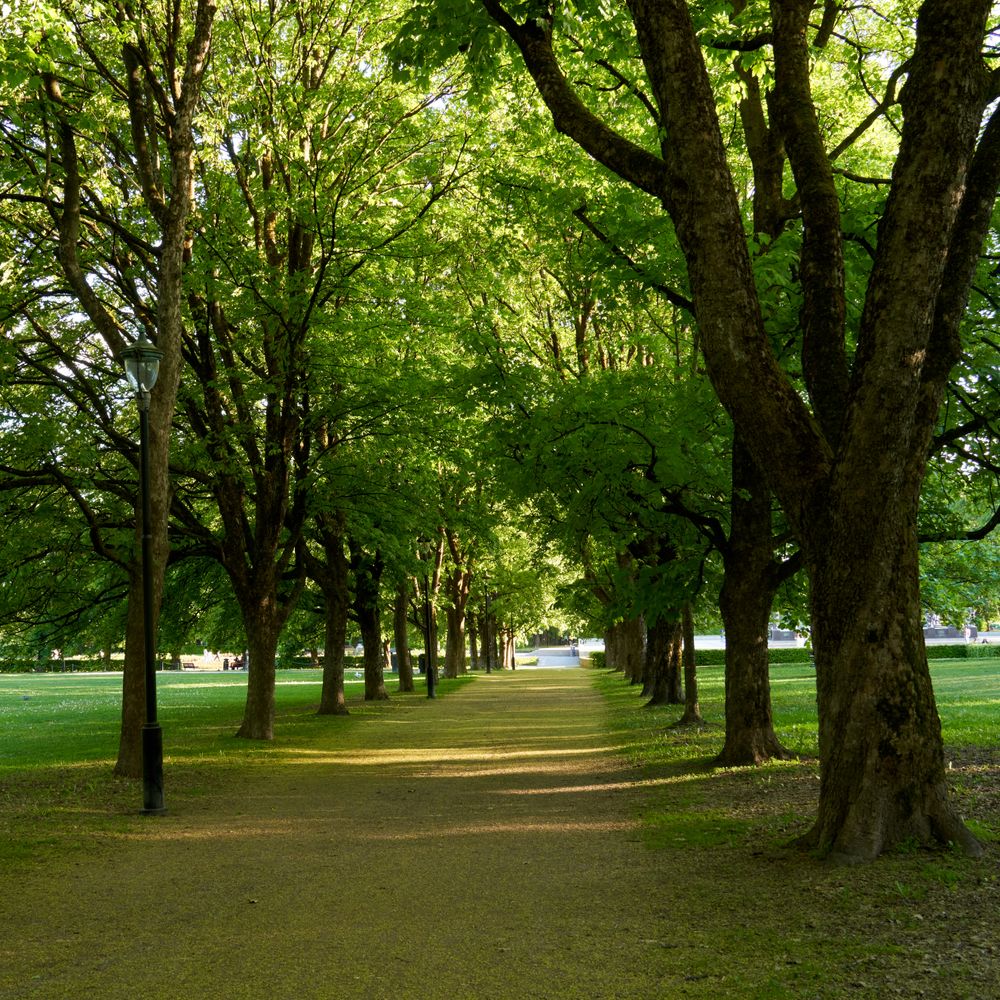
Akerselva river path
A riverside path follows the Akerselva from Maridalsvannet lake, north of the city, down through town to the fjord. The whole walk is 10 km and takes about two and a half hours. It can be walked in pieces: half of it, 5.6 km, takes about an hour and twenty minutes.
-
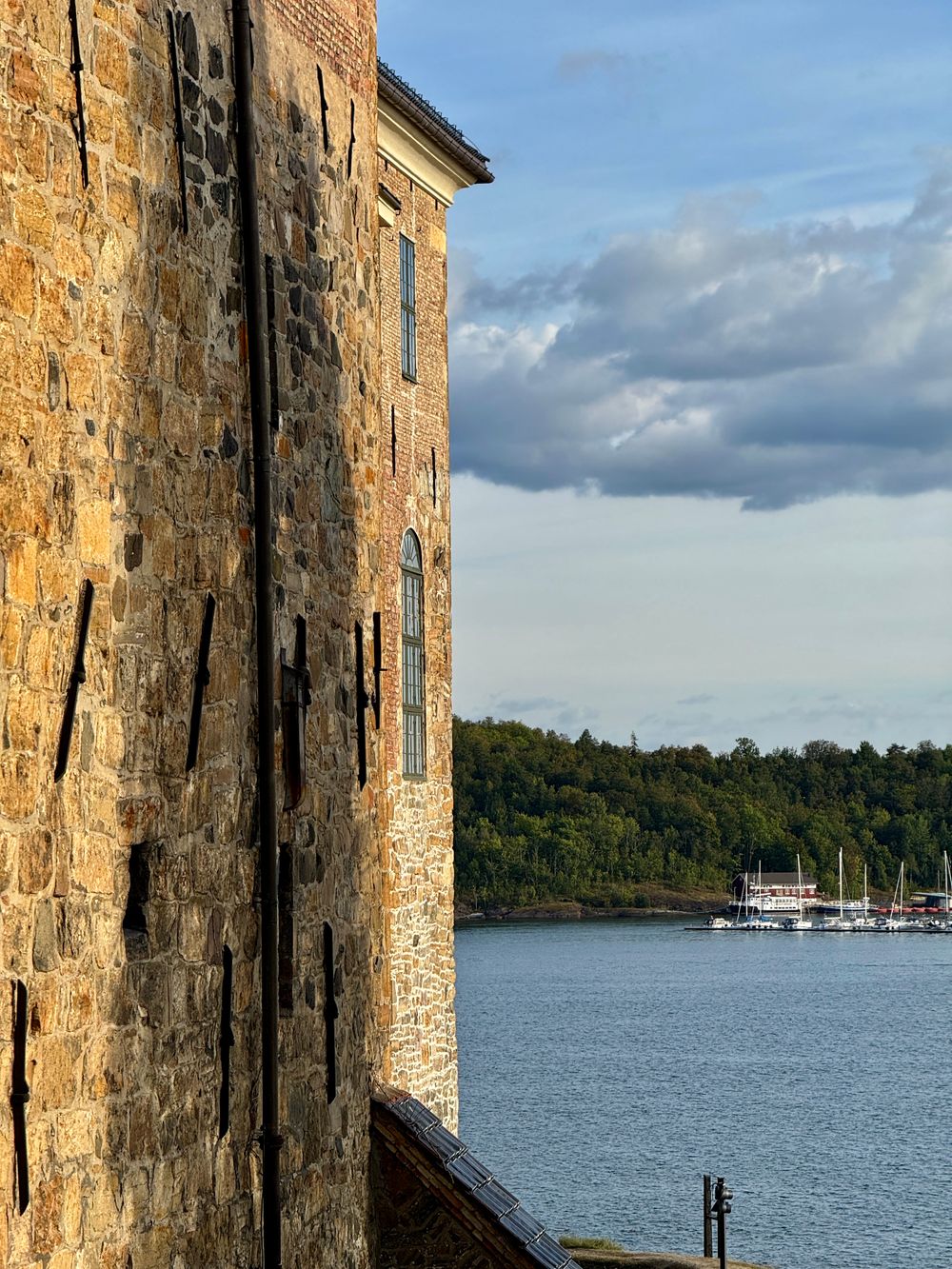
Akershus Fortress
A medieval castle on the headland above the harbour, begun about 1300 and never taken by a besieging army. The grounds and ramparts are a public park with the best view of the inner fjord, and the castle interior and the Resistance Museum inside the walls are ticketed separately.
-
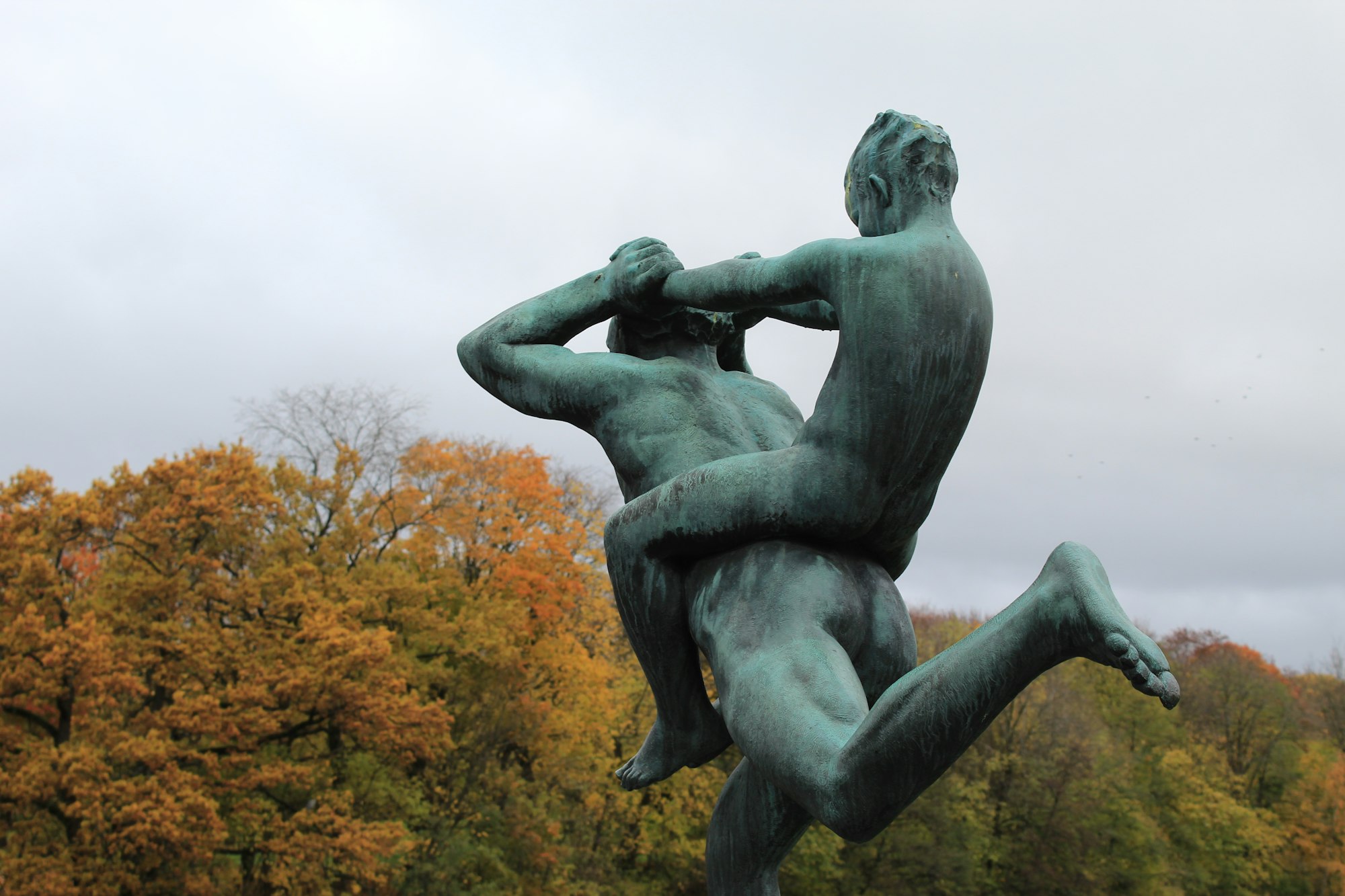
Ekebergparken Sculpture Park
Forty sculptures set through mature woodland on the ridge east of the centre, from Rodin and Renoir to Louise Bourgeois, on the slope where Munch placed the figure in The Scream. The tram climbs to the gate and the view down over the fjord is the best in the city.
-
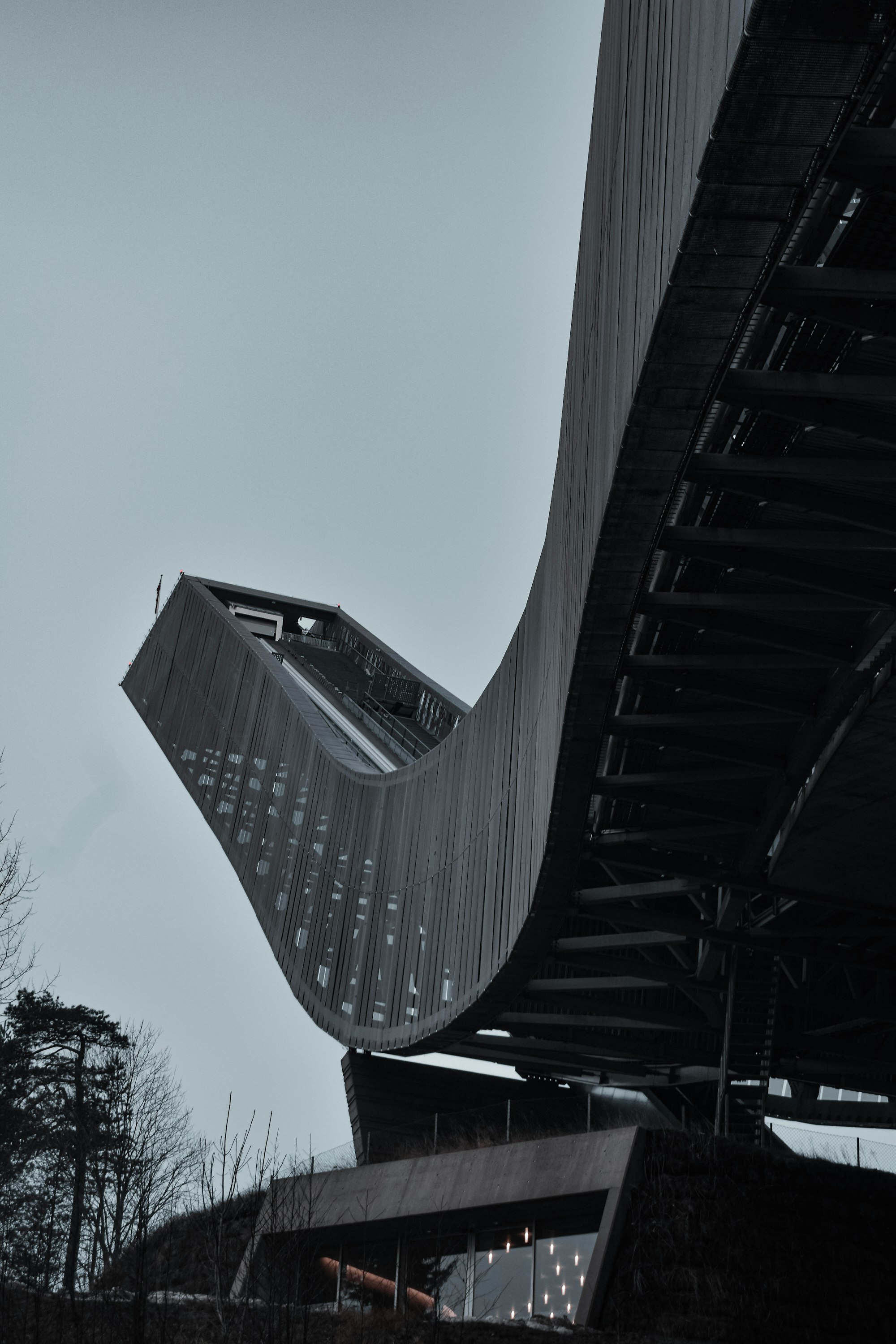
Holmenkollen Ski Jump
The hill above the city has been jumped since 1892 and rebuilt nineteen times, most recently in steel for 2011. The tower lift reaches an observation deck at the top of the inrun, and the ski museum cut into the hill under it is the oldest of its kind anywhere; the metro line up from the centre is itself the ride worth taking.
-
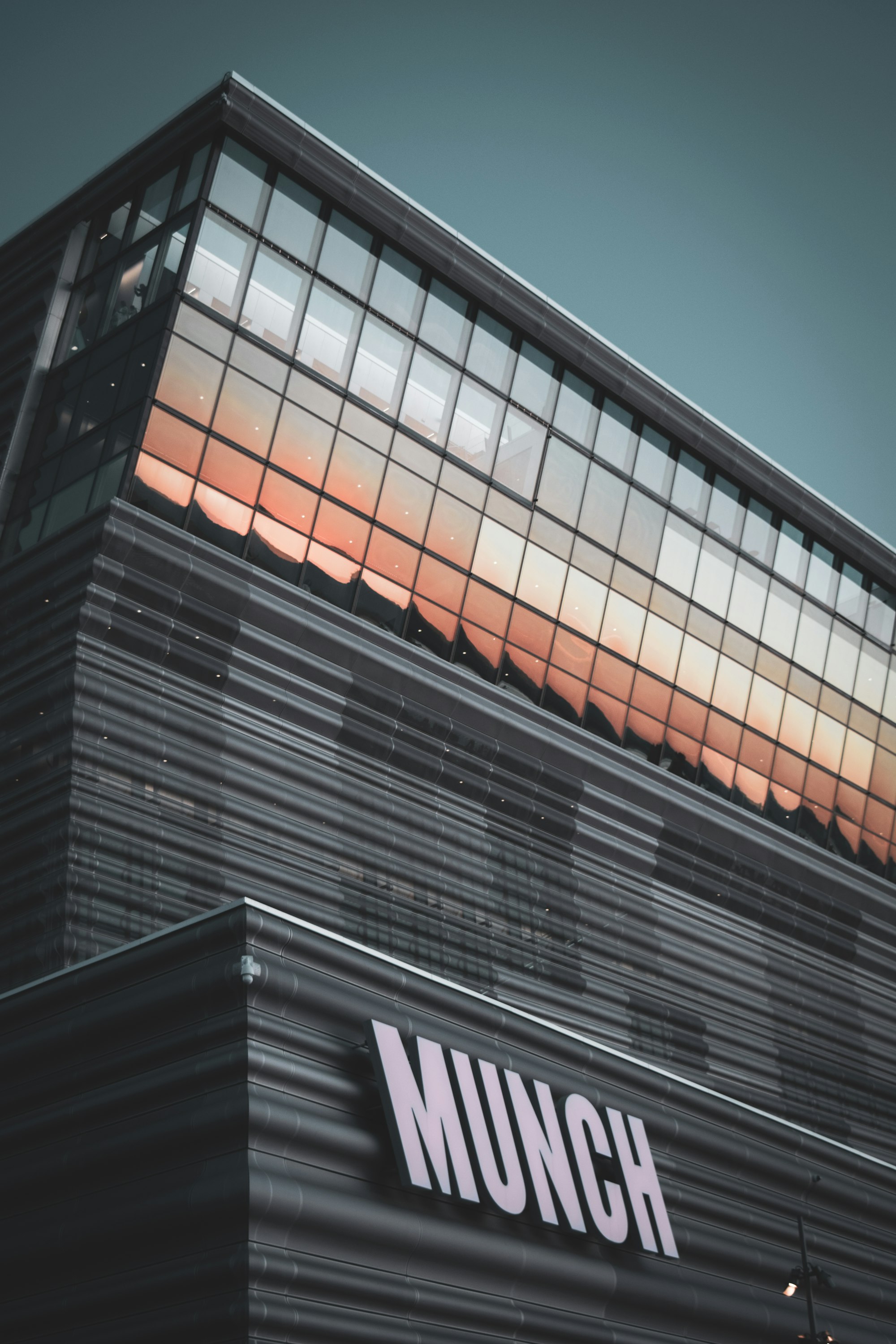
Munch Museum
Thirteen floors on the harbour at Bjorvika holding the artist's own bequest to the city, some 26,000 works, including versions of The Scream shown in rotation to limit their time in the light. Book a slot for the top floor bar and go late: the museum runs into the evening several nights a week when the rest of the city's galleries have closed.
-
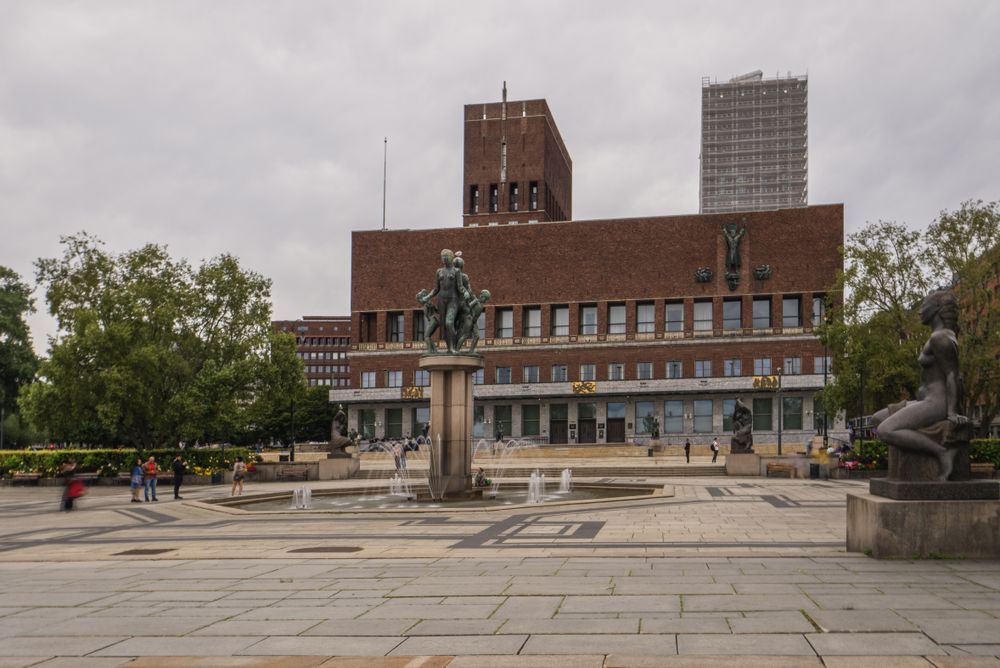
Oslo City Hall
Look for the twin red towers of the city's town hall above the harbour, then go inside for the murals, which are the reason to come. Entry is through a security check at the door, so allow a few extra minutes on top of the time planned for the main hall.
-
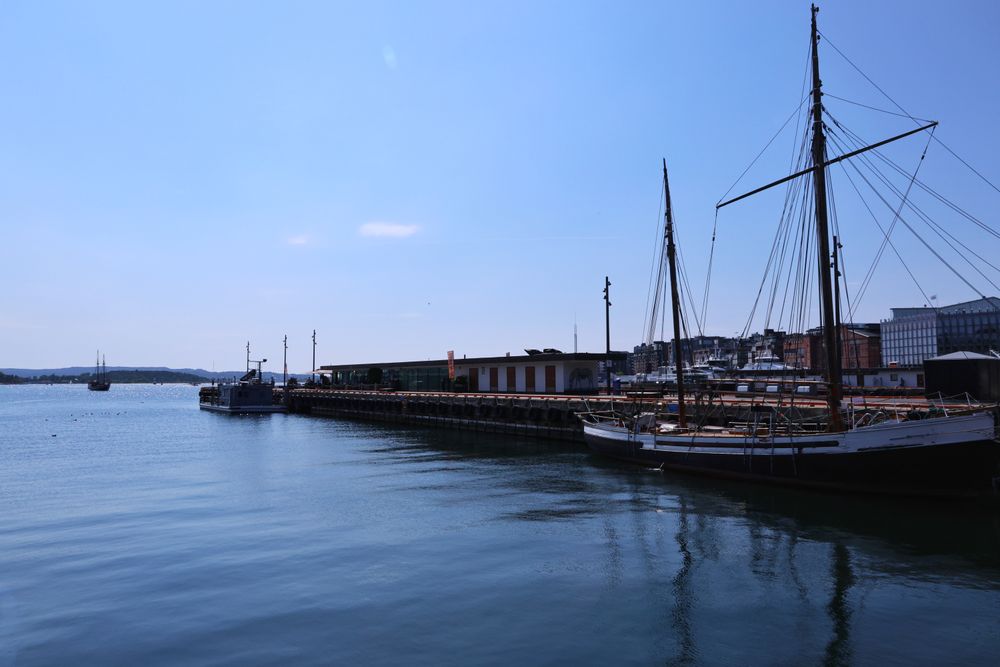
Oslo harbour promenade
Almost 10 km of path follows Oslo's waterfront from west to east, an urban walk that can be done in one long outing. To walk it in that direction, take bus 30 to Karenslyst allé and start from the western end. The same route can also be cycled, which covers it faster.
-
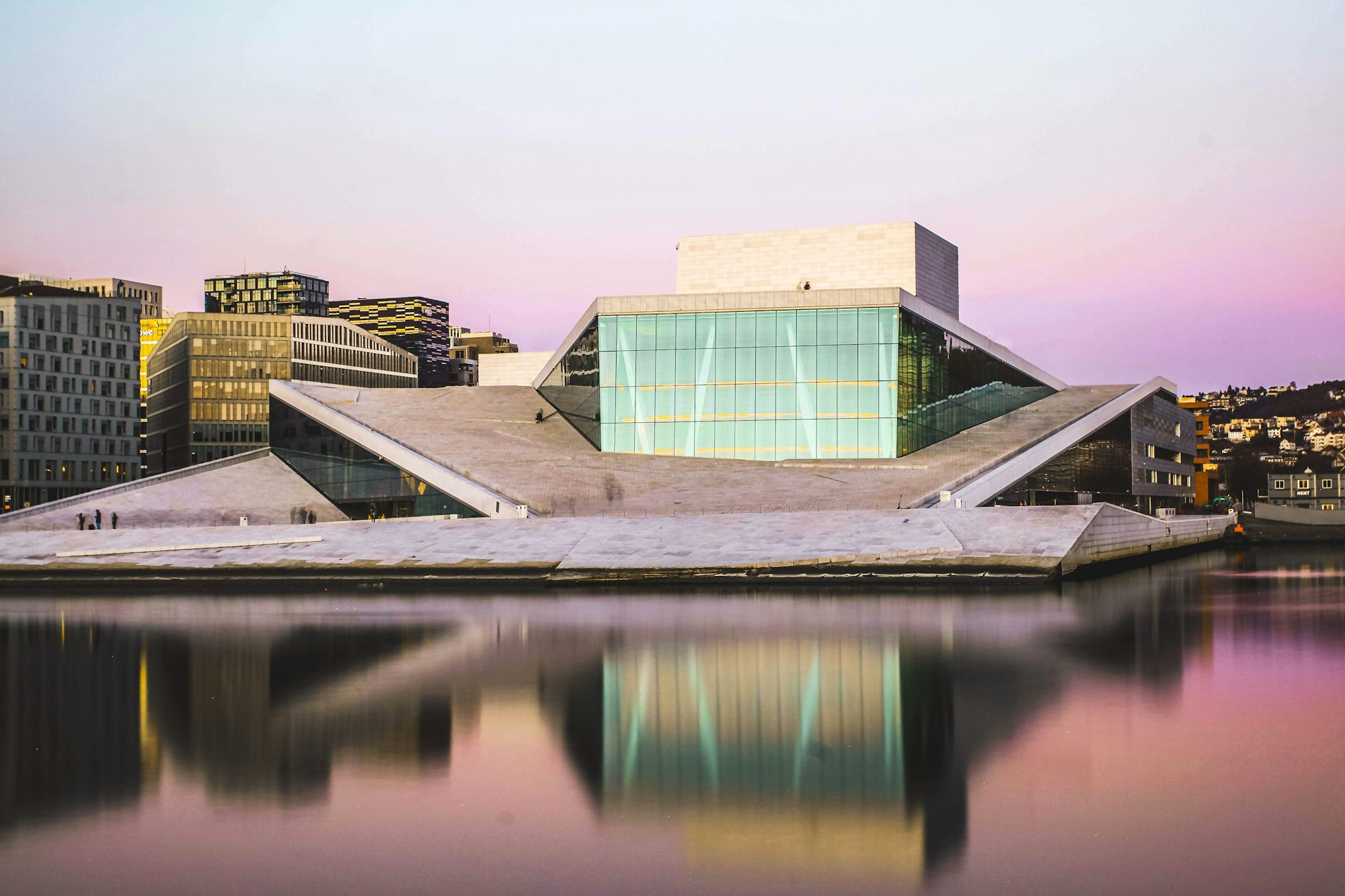
Oslo Opera House
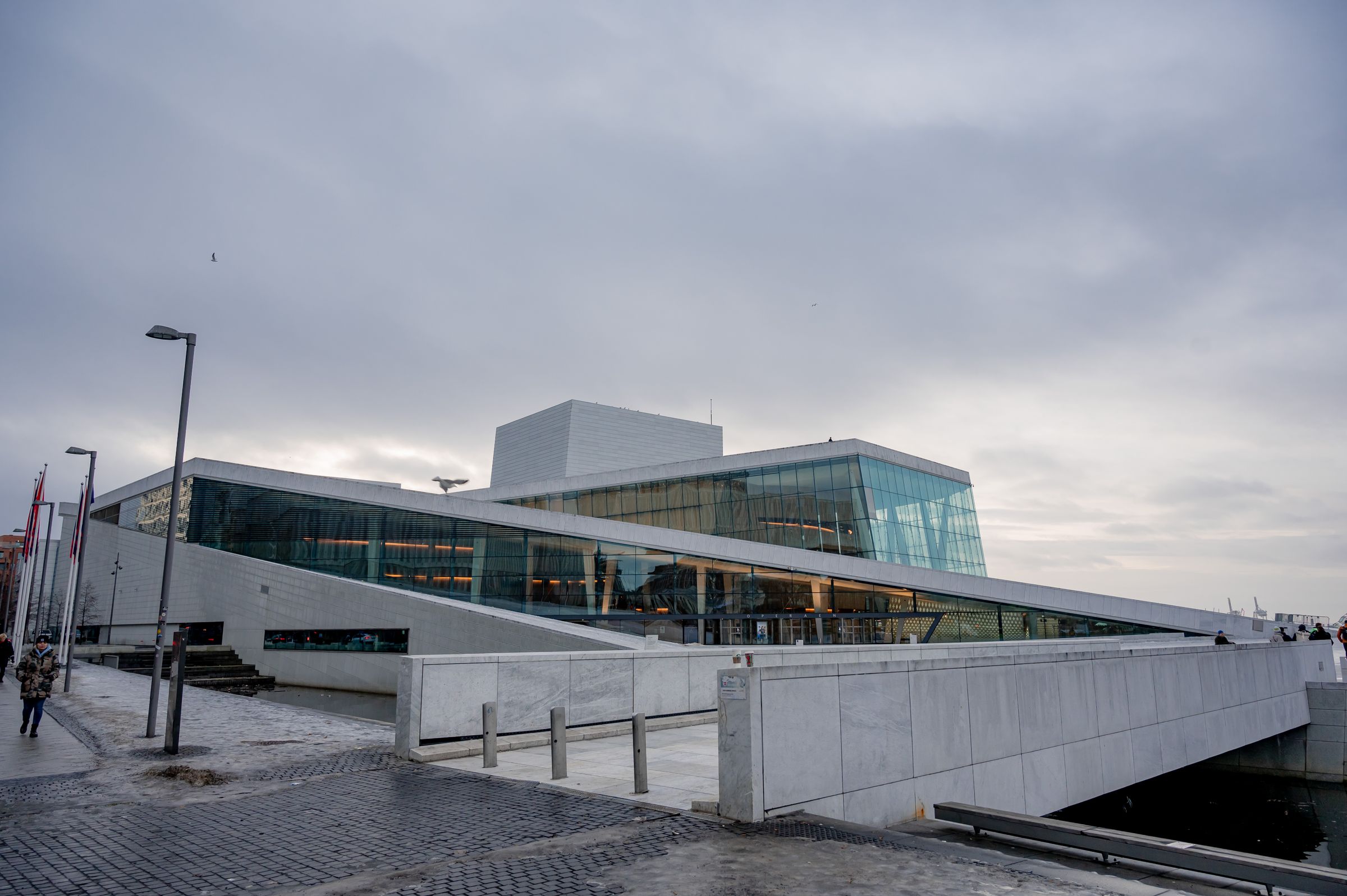
A slab of white Carrara marble sloping straight out of the fjord, built so that the public can walk up the roof to the ridge and look back over the city. The walk costs nothing and is done at all hours; the foyer and its oak wave wall are open in the daytime without a ticket.
-
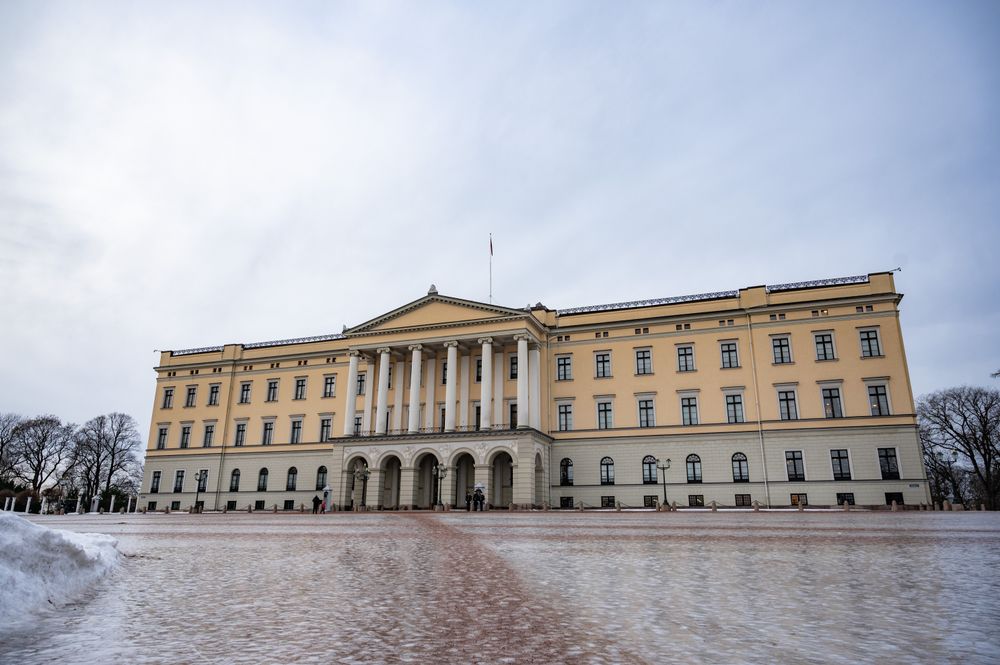
Royal Palace
On any ordinary day, come to the royal residence for the changing of the guard, or join a guided tour in summer. On 17 May the children's parade marches up Karl Johans gate to the palace, where the Royal Family greets the marchers from the balcony, so arrive early for a view. Slottsparken, the palace park, is a popular picnic spot that day.
-
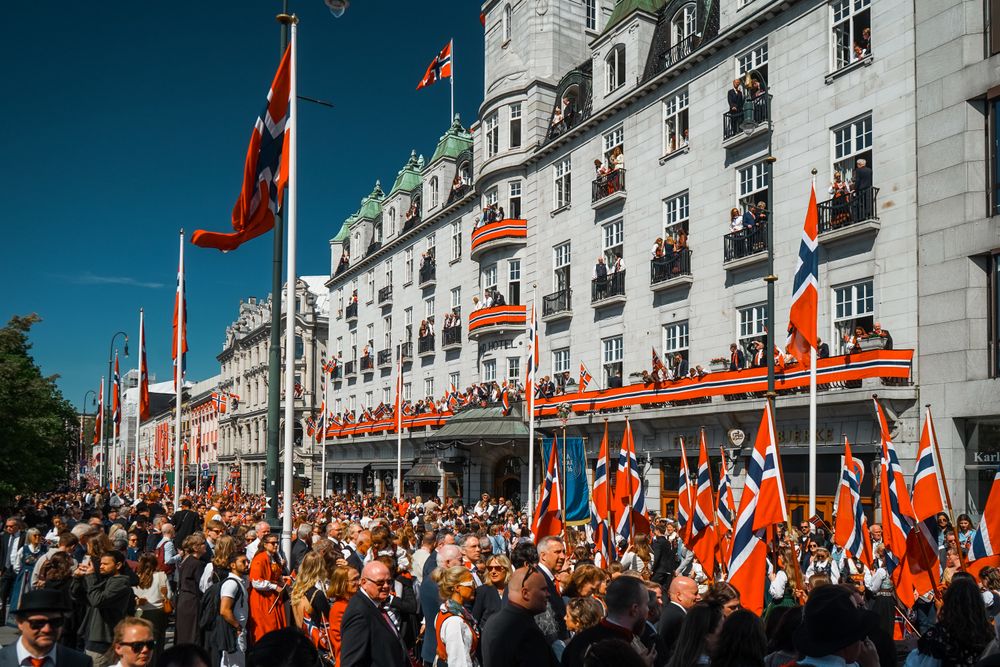
Syttende Mai
Be in Oslo on 17 May and you see the city in its best clothes, a flag in every hand. Watch from halfway up the hill below the Palace, or outside the Storting, the parliament, and be there by nine.
View more → -
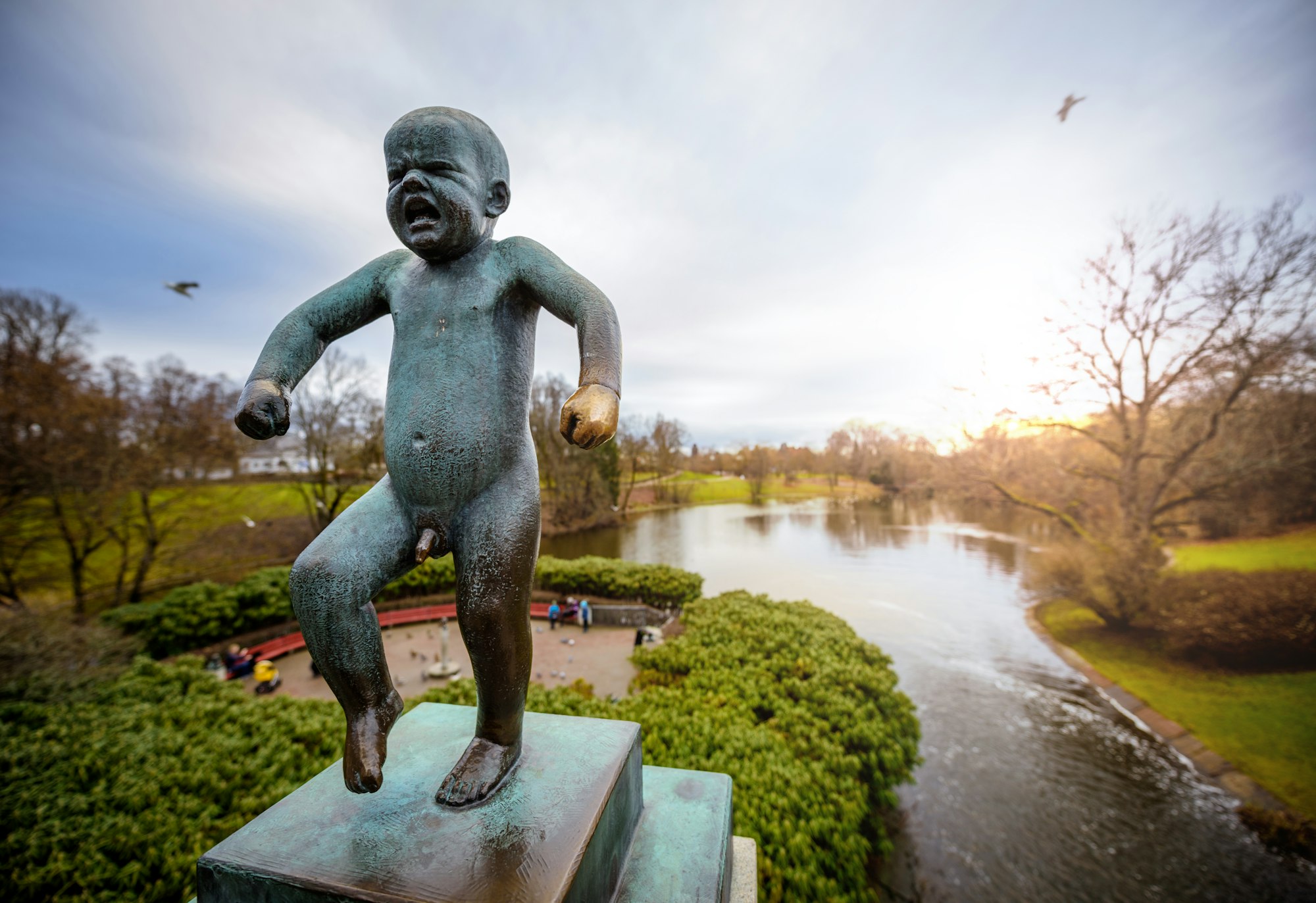
Vigeland Sculpture Park
Two hundred figures in bronze, granite and iron by Gustav Vigeland, laid along an axis inside Frogner Park and culminating in the Monolith, a single stone column of 121 bodies. It is open ground with no gate and no ticket, which makes it the one thing in the city that works at any hour and in any weather.
-
Astrup Fearnley Museum
A private contemporary collection in a Renzo Piano building of glass sails and reclaimed timber at the end of the Tjuvholmen spit. The sculpture park and the small city beach beside it are free and open, so the setting is worth the walk even without the ticket.
-
Fram Museum
Built around the polar ship Fram herself, the strongest wooden vessel ever launched, which carried Nansen into the ice and Amundsen to the Antarctic. Visitors go aboard and below decks, which is the point: the cabins explain the expeditions better than any label does.
-
Grand Hotel
On Karl Johans gate since 1874, and the hotel the Nobel Peace Prize laureate stays in each December before appearing on the balcony to the torchlight procession. Ibsen took the same table in the cafe every day for the last years of his life.
-
National Museum
The largest art museum in the Nordic countries, opened in 2022 behind the town hall, gathering the old National Gallery, the design collection and the museum of contemporary art under one roof. The Munch rooms hold the 1893 Scream, and the top floor Light Hall runs the big temporary shows.
-
Norwegian Museum of Cultural History
An open-air museum on Bygdoy of 160 relocated buildings, from Oslo tenement flats to farm clusters, arranged by region around the Gol stave church of about 1200. Summer brings costumed interpreters, baking and folk dancing; in winter about half of it is shut and the indoor galleries carry the visit.
-
The Thief
On the Tjuvholmen island beside the Astrup Fearnley, hung with work by Warhol, Julian Opie and Peter Blake, much of it lent by the museum next door. The rooftop bar looks straight down the fjord and is the reason to book the higher floors.