 Submit a photo
Ninety seconds on Chan Chan
Inside Nik An, a compound believed to be the work of a Chimú ruler, you walk its adobe lanes to the ceremonial plaza and see how this desert capital was laid out.
Of the whole city, only Nik An, a small part, is open to walk through, and the quarter where ordinary people lived is closed. An adobe perimeter wall about 10 metres high, its base 4 to 5 metres wide, encloses the compound.
Look closely at the reliefs on the inner walls. Rows of fish swim towards the north and the south, set among waves, pelicans and a small diamond pattern that stands for fishing nets, with small animals that may be sea otters or squirrels. The reliefs were originally painted in ochres, yellows and reds.
The compound also holds a plaza lined with benches; audiencias, small U-shaped buildings; a huachaque, a broad sunken field dug into the ground; and a low truncated pyramid where its lord was buried.
UNESCO named Chan Chan a World Heritage Site in 1986, and it is also on the List of World Heritage in Danger. Heavy rain, El Niño storms, strong wind and salt all threaten walls made of mud, and work is under way on covers to keep the rain off the buildings.
The Museo de Sitio on the Huanchaco road comes first. It is small, with original objects found at Chan Chan and a large model of the site, so see it before you walk out to Nik An.
From the museum, a path leads to the Nik An entrance, a little further to the left, past the remains of the old town. Inside, the circuit takes you through narrow lanes between high adobe walls, built for protection, and into the main plaza.
The circuit also takes in the half of the compound given to religious ceremony, with small chapel-like rooms and more carved walls.
Guiding is not part of the ticket: guides offer their services at the Nik An door and are paid separately. The Ministry of Culture recommends doing the circuit with one, and a guide is the way to have the reliefs explained.
Groups are kept small, five people at most.
Bring sunscreen and a camera, and wear sports shoes.
Tickets are sold at the museum and at the Nik An gate, or you can book ahead on the Ministry of Culture's platform, tuboleto.cultura.pe, choosing a date and time.
The ticket stays valid until the day after you buy it, within opening hours, and also covers Huaca Esmeralda and Huaca Arco Iris. Either can close for research or conservation work, so ask at the museum whether they are open, and keep them for the next day if you run out of time.
Explore the rest of Trujillo
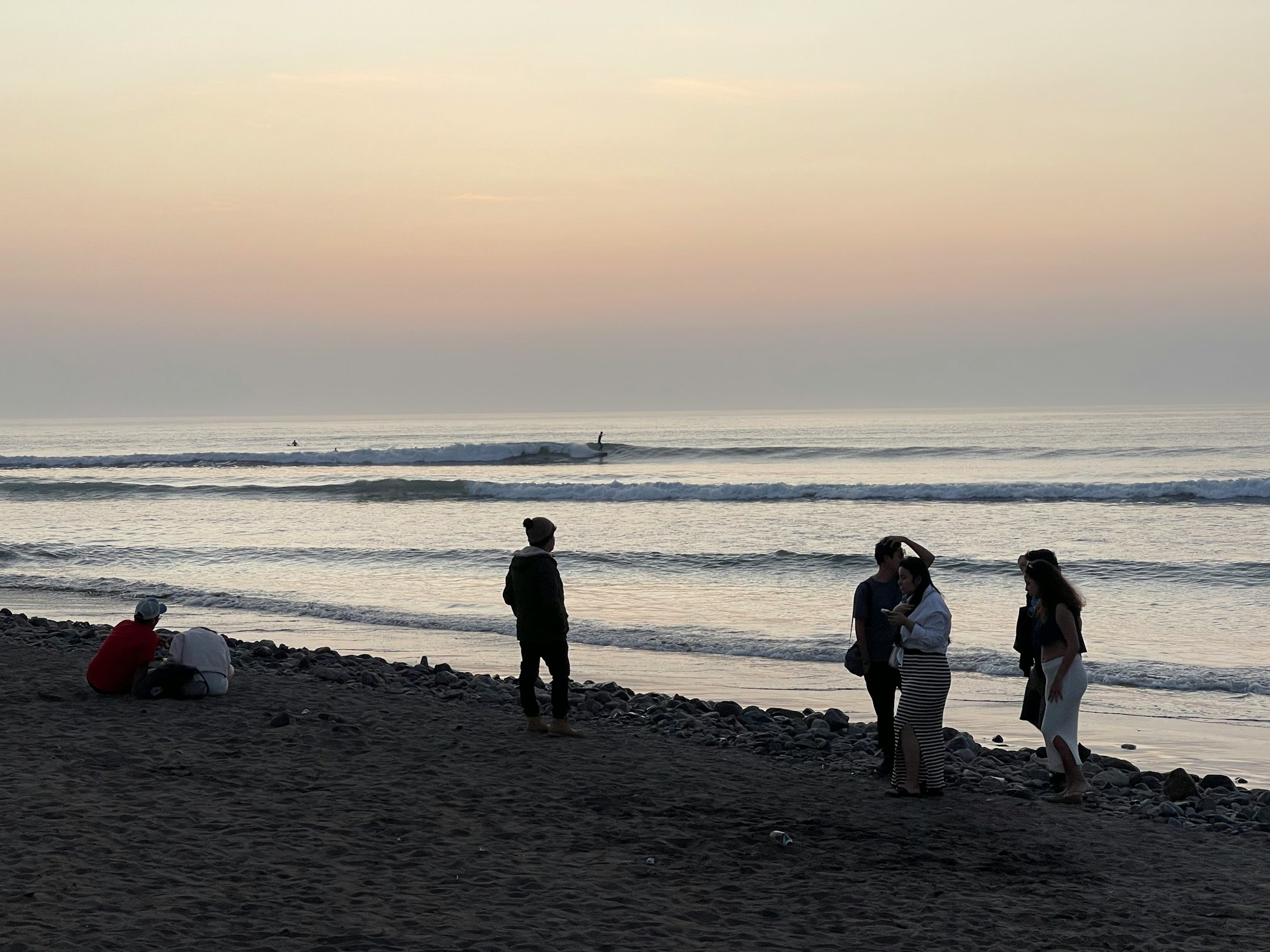
The colonial city of the north coast, with the largest adobe city in the world at Chan Chan on one side and the painted Moche pyramids of…
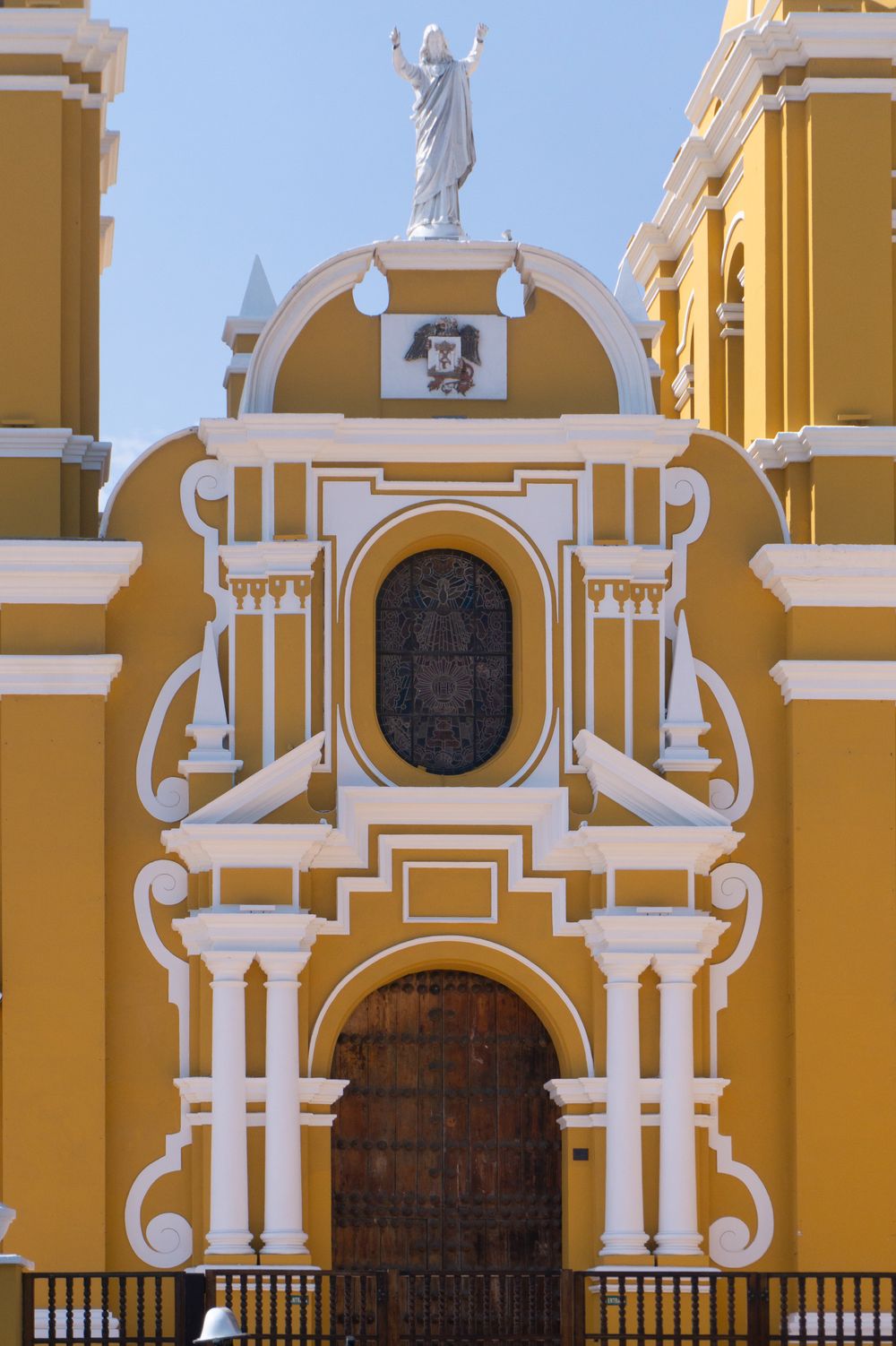
The Basílica Catedral Santa María stands on a corner of Trujillo's Plaza de Armas, rebuilt after the earthquakes of 1619 and 1635 and named…
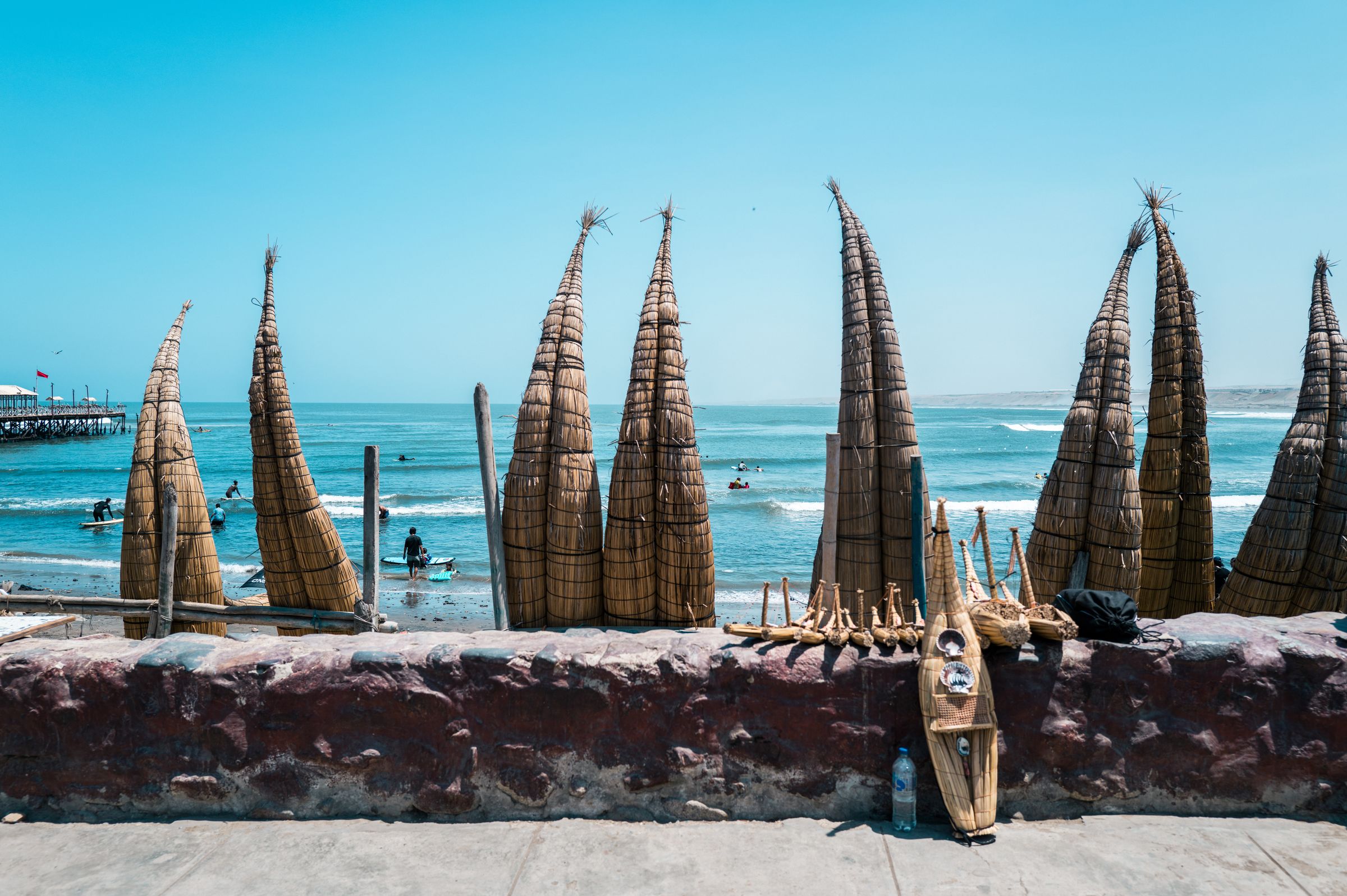
Reed fishing boats, the caballitos de totora, stand upright in a row on the sand, and Huanchaco fishermen still build them from reeds cut…
The official pages this guide was checked against.
Last updated