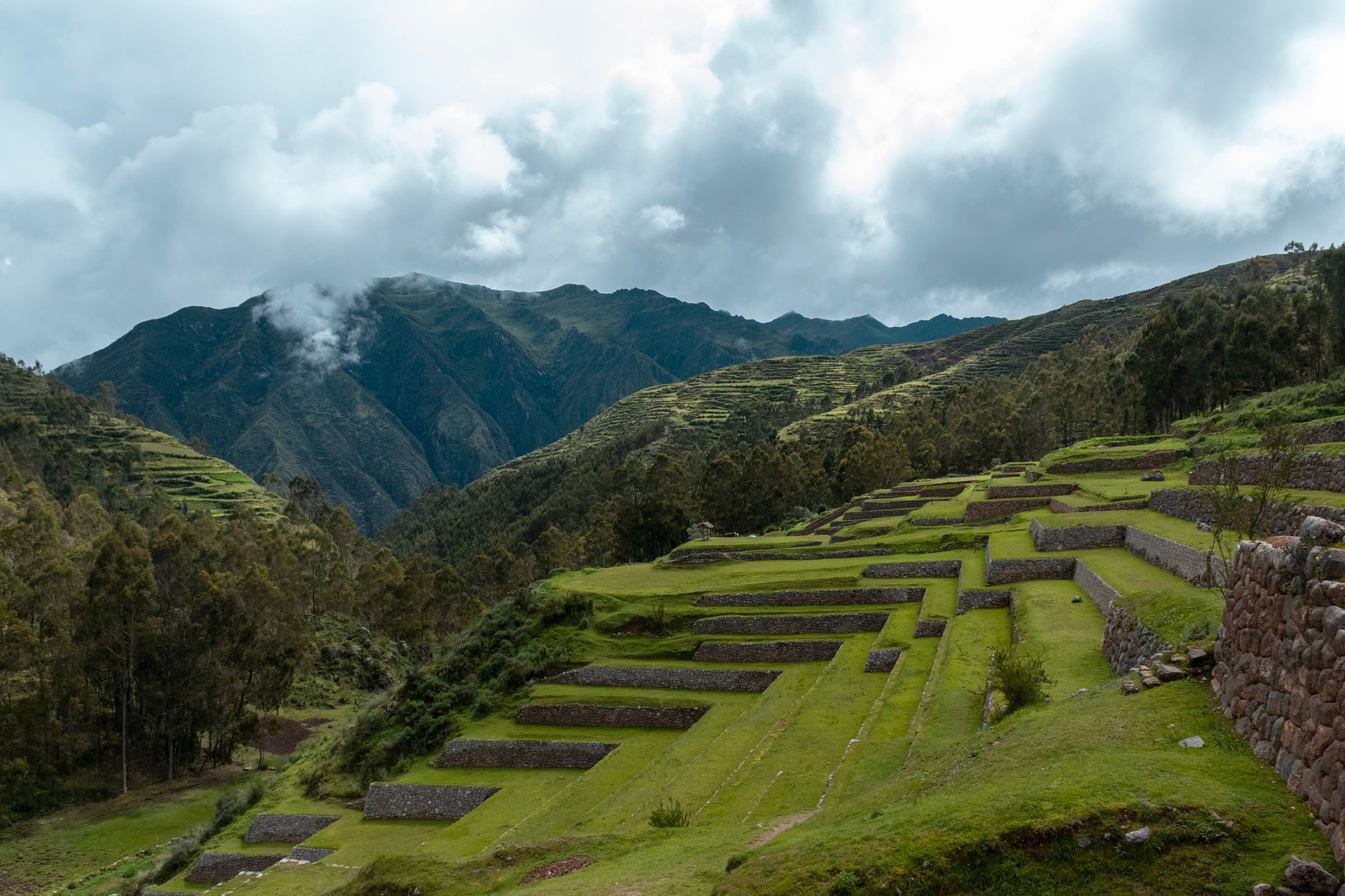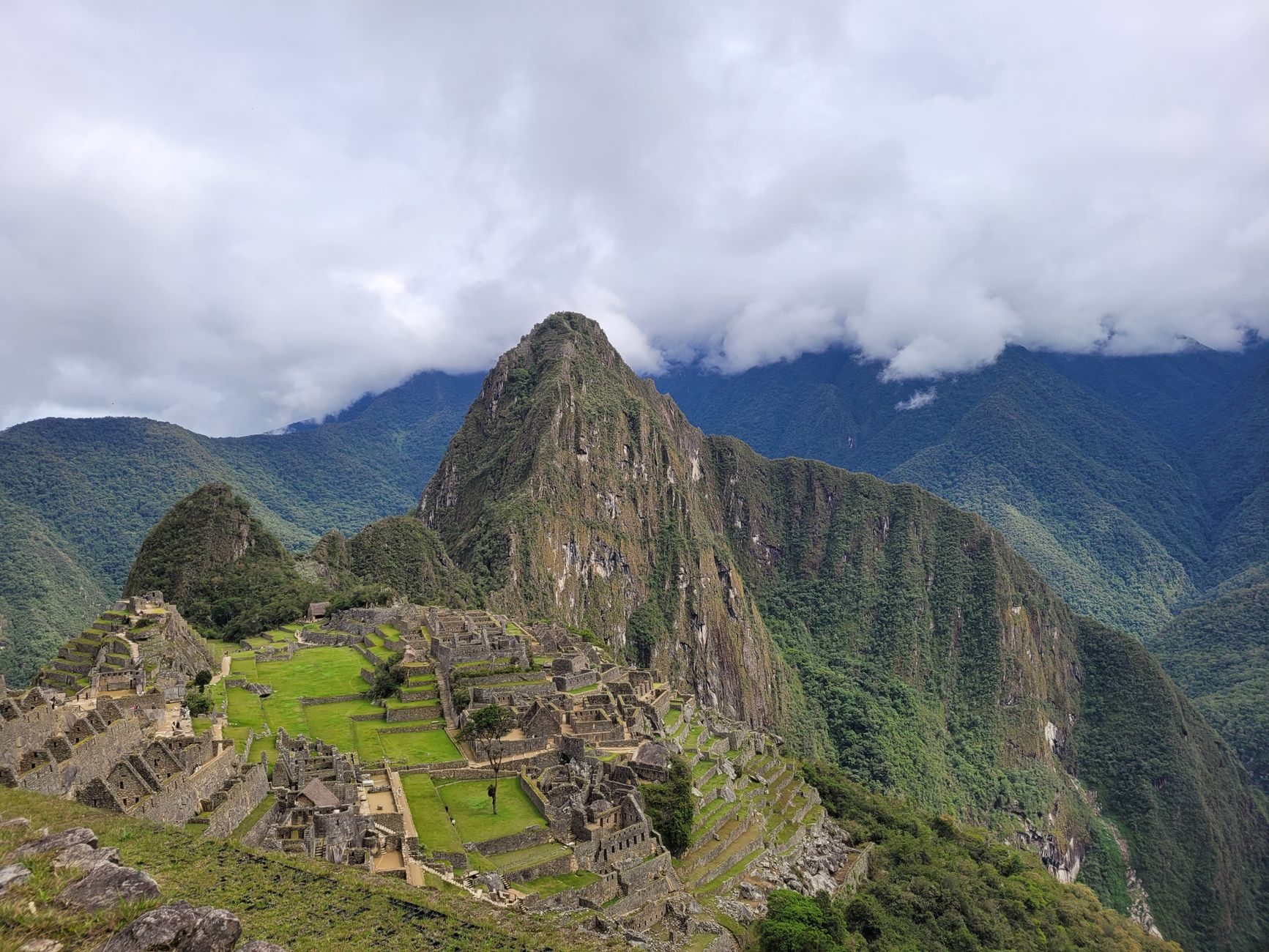
Machu Picchu is rationed to 4,500 people a day. The rest of the country is not, and most of it is empty.
Ten days for Lima, Cusco, the valley and Machu Picchu; a fortnight adds Arequipa, the Colca or Titicaca. Give Cusco two slow days first: it sits at 3,400 metres and about a third of arrivals feel it
No. Fly the long legs with LATAM, Sky or JetSMART, take PeruRail or Inca Rail from Ollantaytambo to Machu Picchu, and Cruz del Sur along the coast. A hire car makes sense on the coast and nowhere in the mountains
May to September is dry in the Andes and June to August the busiest. The Inca Trail shuts every February. The coast runs the other way: Lima is grey from May to October and bright from December to March
Spanish, with Quechua the mother tongue of 13.9 percent and Aymara of 1.7 percent, on the 2017 census. English is moderate, 52nd of 123 on the 2025 EF index, and lives in the Cusco tourist trade and the Lima hotels
The sol. Cards in Lima, Cusco and Arequipa; cash for markets, taxis and the valley villages, from an ATM inside a bank. Tip about ten percent in restaurants
Lima Jorge Chávez LIM, in its new terminal since June 2025. Cusco CUZ for the Sacred Valley and Machu Picchu, Arequipa AQP for the Colca, Juliaca JUL for Titicaca, Puerto Maldonado PEM and Iquitos IQT for the Amazon
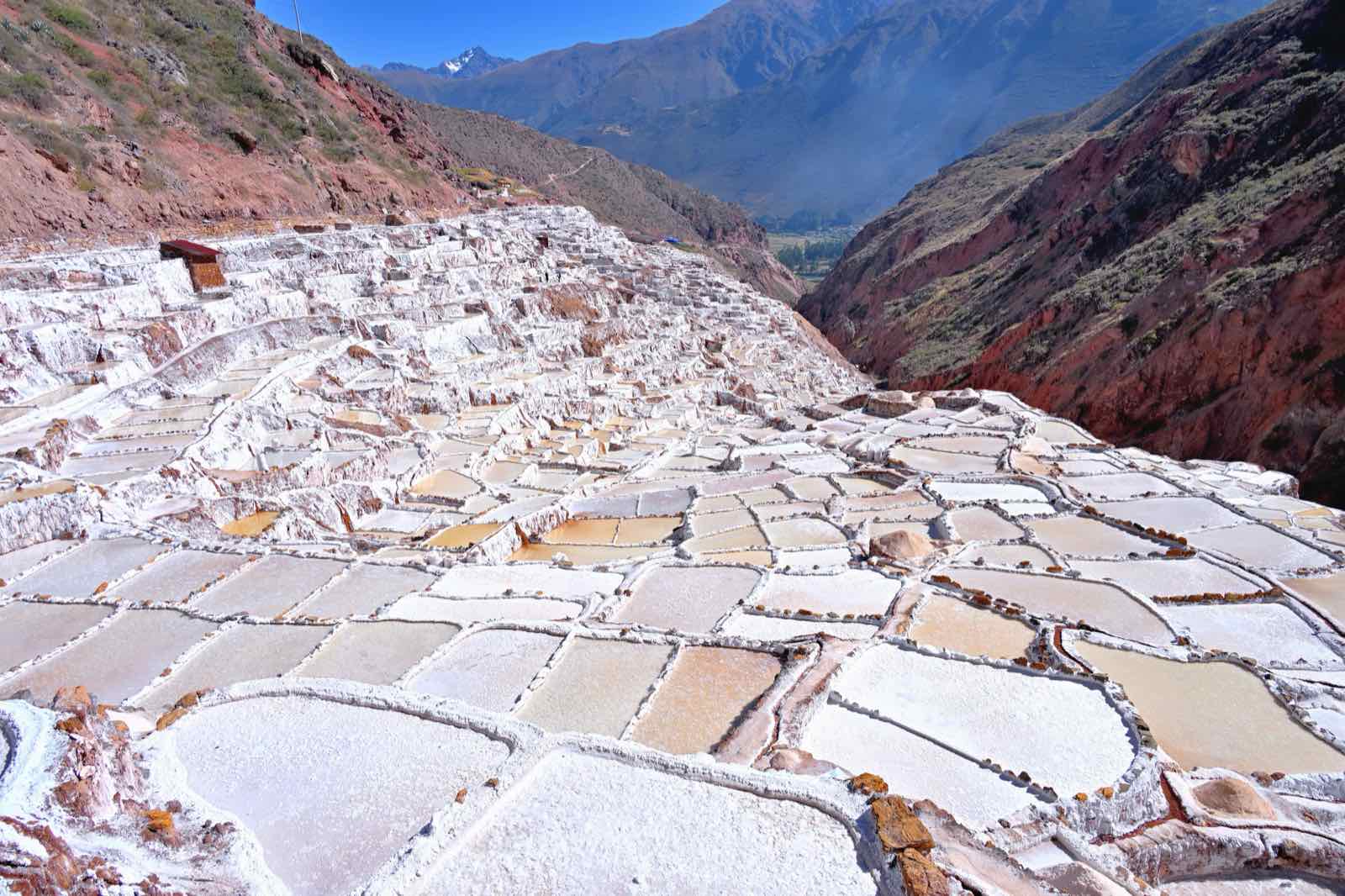
Ninety seconds on the country
Peru is three countries stacked west to east: a desert coast that never rains, the Andes, and half of it Amazon. The Incas ran all three from Cusco, and the country still does.
4.16 million people visited in 2025, and most of them flew one line, Lima to Cusco and out again. Machu Picchu is now sold in timed circuits with a hard daily cap, which is the correct response to that, and also the argument for going wider.
Wider means the Colca and its condors, the reed islands on Titicaca, a white city built of volcanic stone, a desert oasis, the lines at Nazca, and the highest tropical mountains on earth. None of them is rationed. A fortnight gets three of them on top of the core.
The mistake is altitude. Cusco is at 3,400 metres and the airport is at 3,300, so arrival is straight into thin air; sleep the first nights in the Sacred Valley, 600 metres lower, and come back up for the city. Lima is the other surprise: the best restaurant in the world is here, and so is the best ceviche, at lunchtime, for a tenth of the price.
Pick how you want to travel. The towns, the things to do and the map all change with it.
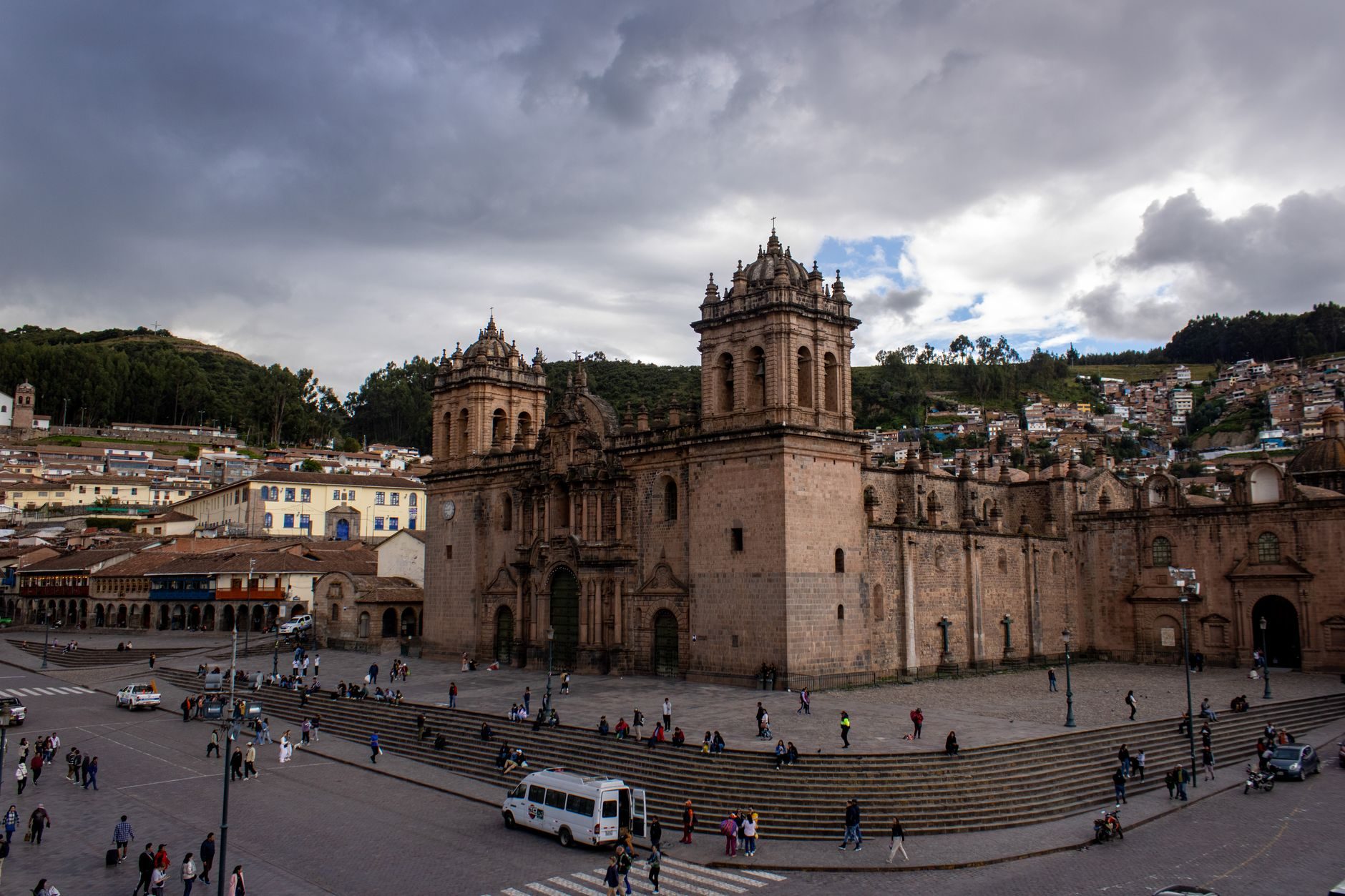
The Spanish built their churches directly on the Inca walls, so one street in Cusco holds both. Lima and Cusco carry the most of it, then Ollantaytambo, Pisac and Arequipa. That is 169 places across 30 towns, from the Inca core to Moche pyramids on the north coast and a Wari city nobody visits.
Machu Picchu is sold in ten fixed circuits with a daily cap, booked months out. Choquequirao, Chan Chan, Kuélap and the Lord of Sipán are not rationed at all, and each is a bigger site with a fraction of the people.
The Inca Trail is the famous one and the most rationed. What the rest have in common is a cost: a permit, a pass above 4,000 metres, a rope, a river, or two days on foot with the site at the far end. Machu Picchu, Cabanaconde and Huaraz carry most of the 34 places.
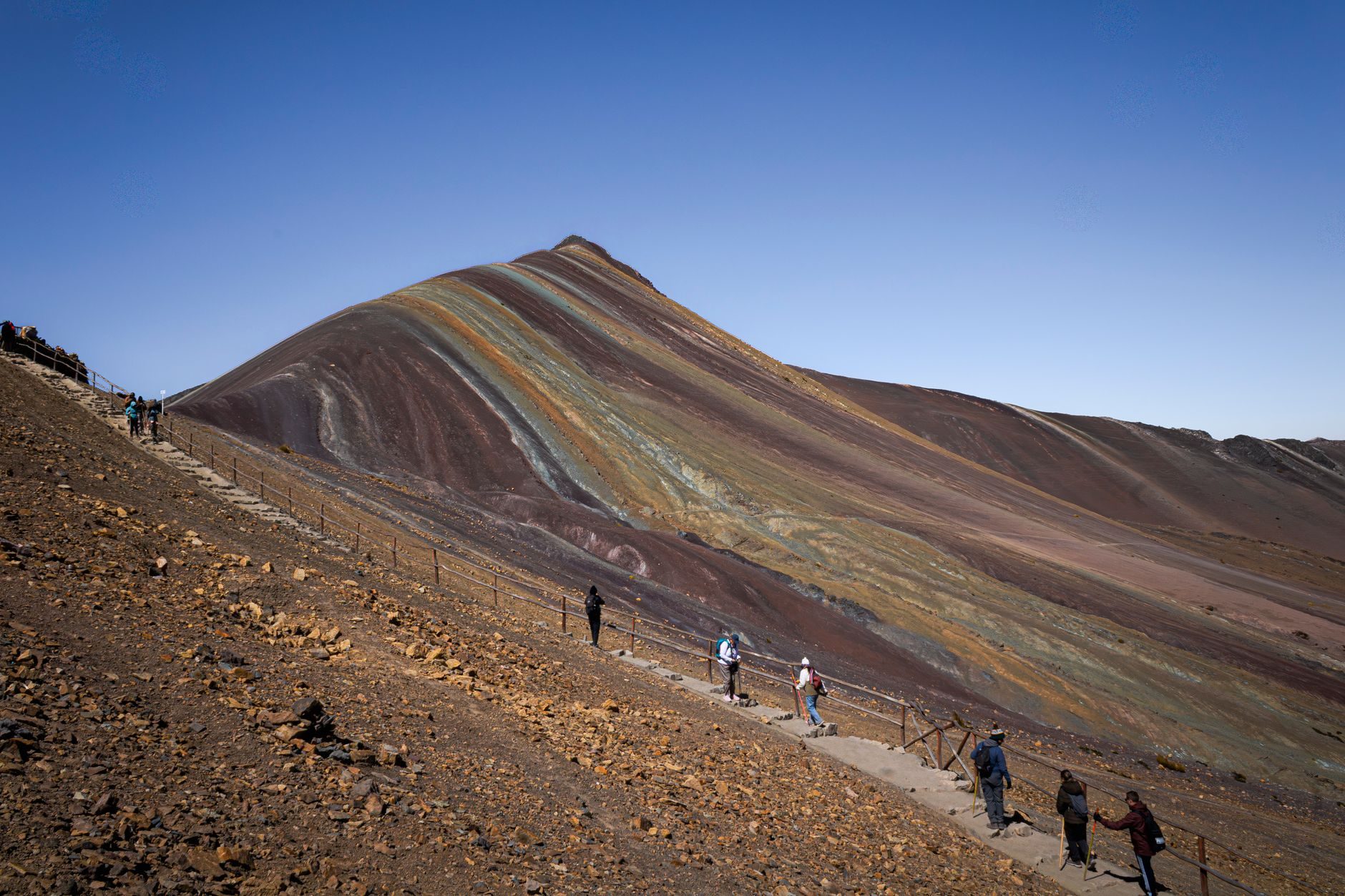
Salkantay needs no permit, Choquequirao has a few dozen visitors a day, the Colca descends 1,200 metres to an oasis, and the Cordillera Blanca holds the highest tropical mountains on earth with lagoons a day's walk apart. Acclimatise first; every one of these starts high.
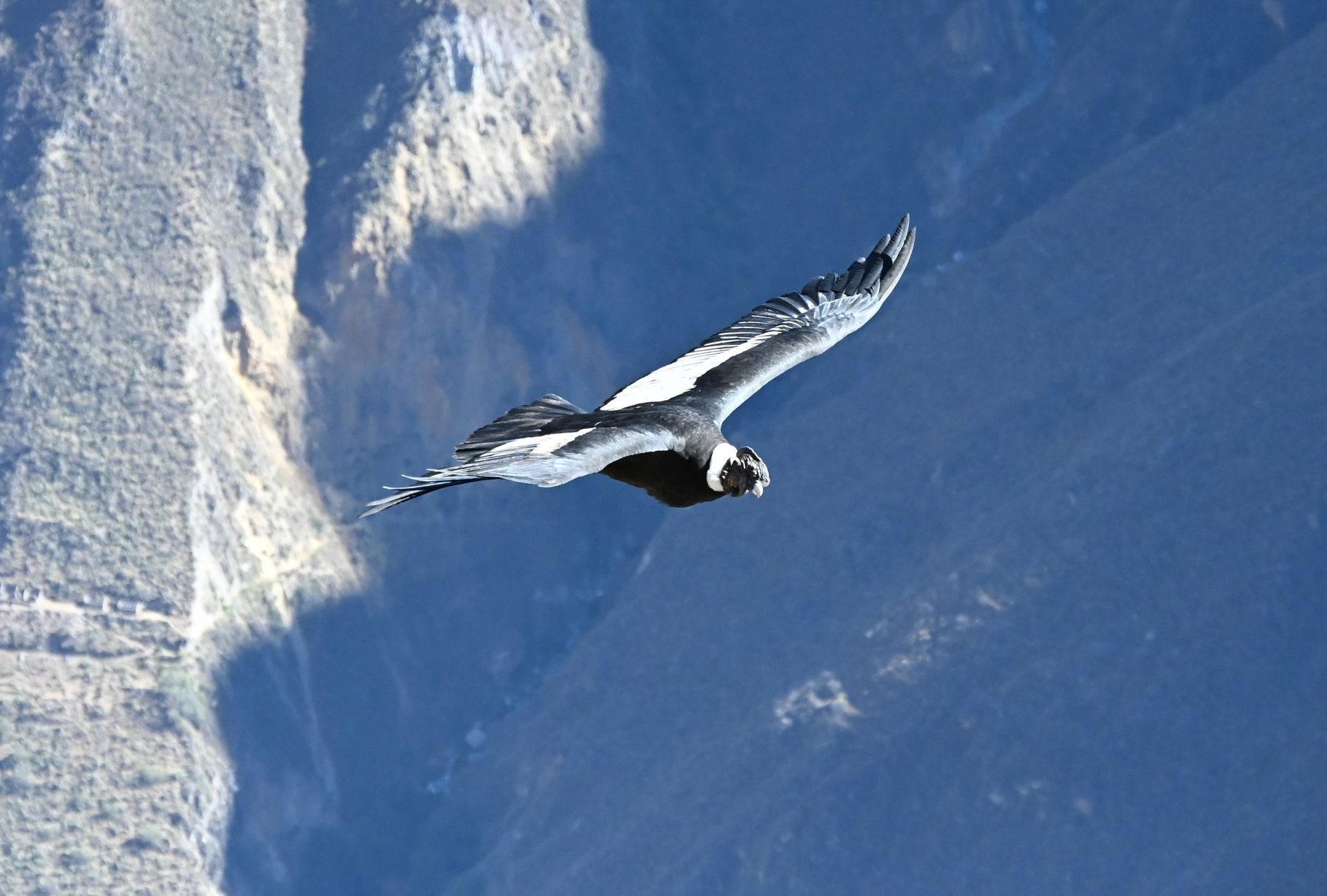
Peru stacks on three floors: condors over one of the deepest canyons on earth, a lake at 3,800 metres, and the Amazon, which is half the country and gets a fraction of the visitors. Puerto Maldonado and Iquitos are the two Amazon doors, Huaraz the cordillera one, and Chivay and Cajamarca the hot springs, thirty-nine places across seventeen towns in all.
The Amazon is the part most itineraries skip. Tambopata is half an hour by air from Cusco, the macaws come to the clay lick at dawn, and the lodges do the rest. Pacaya Samiria, from Iquitos, is the bigger and wilder reserve.
Two coasts here could not be less alike: 2,400 kilometres of desert shore where it never rains, and the reed islands of Titicaca at 3,800 metres, which is the southern country’s sea. Both are cold water. Paracas, Máncora and Lima carry most of the twenty-one places.
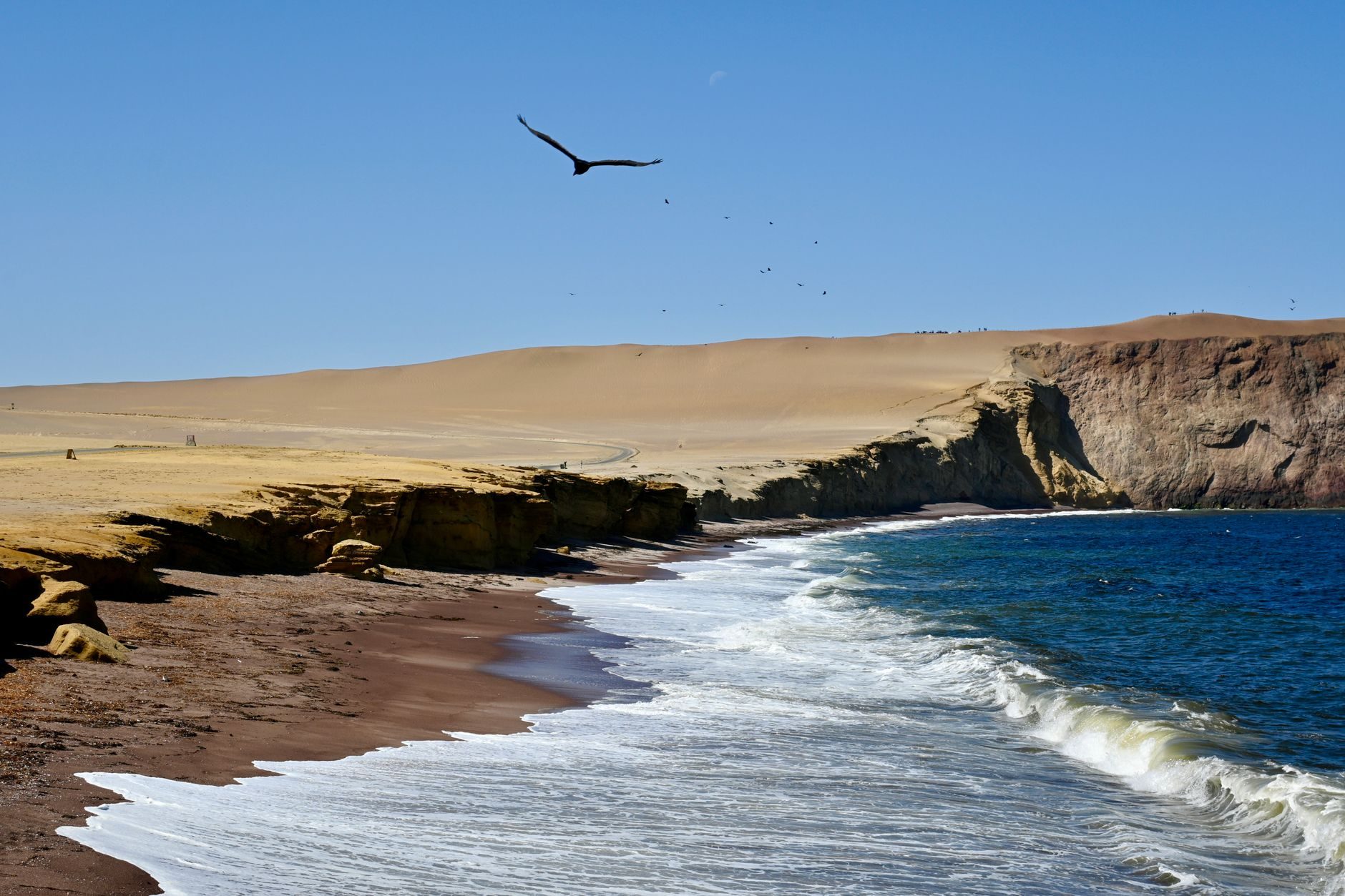
The Pacific is at its best where the desert reaches it: the sea lions and penguins off Paracas, the surf at Máncora where the current finally gives way to warm water, and the reed boats at Huanchaco that predate the Incas. Lima's own cliffs are the evening walk.
Peru is unusually strong here: converted convents in Cusco, valley lodges on working farms, the only hotel at the citadel gate, and river lodges in the Amazon reached by boat. Urubamba has the most, then Lima and Cusco, thirty hotels across twelve towns. Most are Belmond, Inkaterra or explora.
Sleep the first nights in the valley, not in Cusco, and give the Amazon its own three days rather than a night. On the coast the Paracas resorts are the base for the Ballestas and the dunes in one day.
Last updated
The places on this page are in the app, each with a verdict: why to go, how far from your hotel, how long to stay. Forward your confirmations and the days fill themselves in.