 Submit a photo
Ninety seconds on Bear Cave
Book this for the dripstone, in many shapes and colours: stalactites, stalagmites and stone curtains, with the skeleton of a cave bear in one of the halls.
The entrance was uncovered during marble quarrying at Kletno in October 1966. Nearly five kilometres of halls and corridors are now known, and the tourist route covers about 360 m of them.
Stalactites form as water drips under gravity, and they hang from the ceilings as long, narrow cones, like inverted icicles. The stalagmites are squat and often large, and other formations take on the shape of hanging curtains or fabric.
One cascade on the route, nearly eight metres high, looks like a frozen waterfall of stone.
Most of the bones found in the cave belonged to cave bears. One hall on the route displays the skeleton of a cave bear.
Every visit has a set entry time, booked on the cave's website. A booking stands only once you have the confirmation, and the cave may move you to another free slot.
Set off from the car park at least 45 minutes before your slot. The walk up the valley of the Kleśnica stream to the entrance pavilion takes most of that, and a reserved ticket has to be collected at the cave's ticket office 15 minutes before entry.
The office takes cash and card. Bags, backpacks, handbags, umbrellas and walking sticks go into the free cloakroom before you go in.
Touch nothing on the route. If you have bought the photo ticket, shoot without flash, and leave the tripod and selfie stick behind, because neither is allowed inside.
The guide keeps the group moving from stop to stop, so look closely as you go. Small children are allowed in, but think it over first: the route has dozens of stairs and the cave is cold.
Explore the rest of Kłodzko
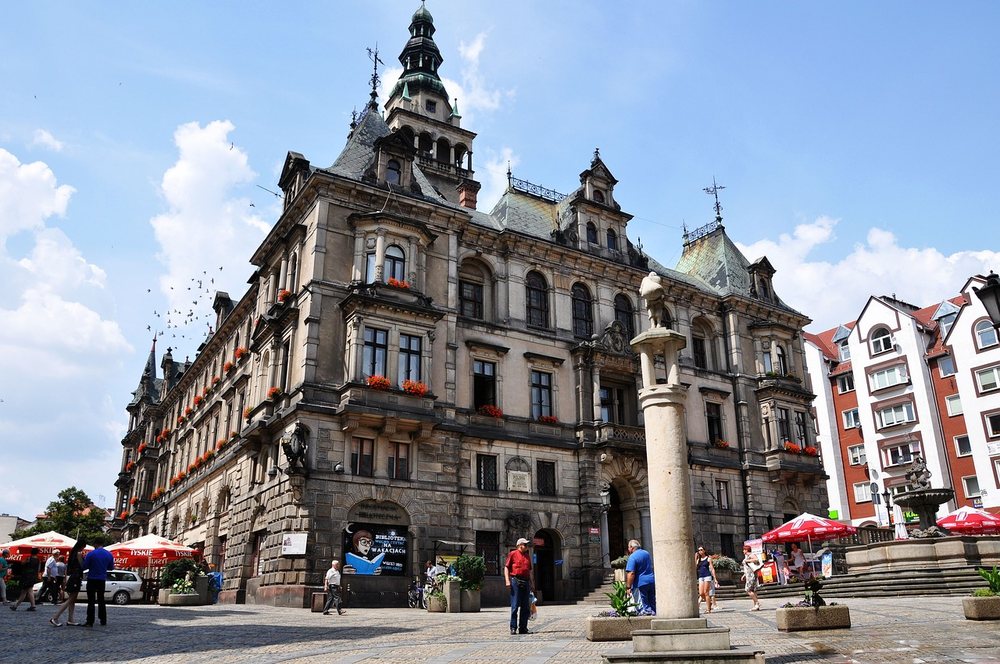
A Prussian fortress crowns the hill above this old town on the Nysa Kłodzka, with a Gothic stone bridge below and tunnels cut beneath the…
A stronghold has stood on the hill above Kłodzko's old town since the tenth century, and the Prussians rebuilt and greatly enlarged it into…
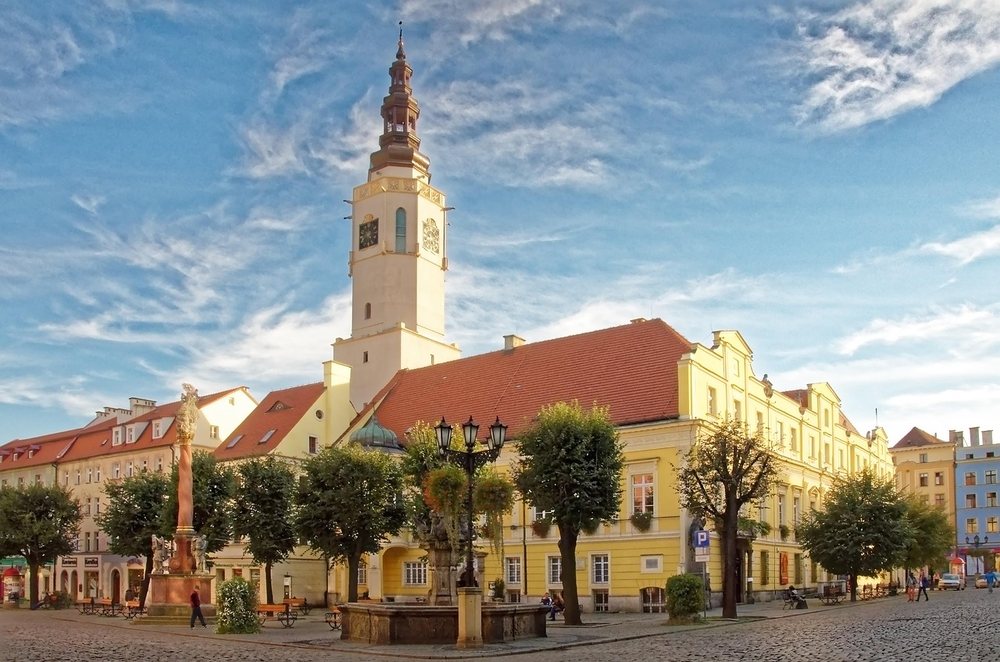
Wood, clay and straw were the only materials allowed for the vast Lutheran church built here in 1656, and it still holds thousands under…
The official pages this guide was checked against.
Last updated