Travel the fast rail line through Kraków, Warsaw and Gdańsk, then add the Tatras, the Baltic dunes or the forest at Białowieża, each a few hours off it.
Ten days covers Kraków, Warsaw and Gdańsk with their day trips. A second week adds one wild corner: the Tatras, the Masurian lakes or the forest at Białowieża. A long weekend suits one city on its own.
Not between the cities. Pendolino express trains run Kraków to Warsaw in about two and a half hours and carry on north to Gdańsk, and Wrocław and Poznań are on the main network too. Zakopane is two to two and a half hours from Kraków by direct train, about the same as the bus. A car earns its keep in the Bieszczady, among the Masurian lakes and around Białowieża, where buses are few.
May to September, when the mountain trails are clear of snow and the Baltic is warm enough for the beach in July and August. The cities work all year, and in December the market squares of Kraków, Wrocław and Gdańsk fill with Christmas markets. Winter brings snow to Zakopane and the ski season runs into March; the summer weekends there are the busiest of the year.
Polish is the language everywhere. English is routine in hotels, museums and city restaurants, especially among younger staff. It thins out in villages and mountain huts, where a few words of Polish and a translation app help.
The złoty. Poland is in the European Union but has not adopted the euro and has set no date to do so. Cards and contactless payment are taken almost everywhere, including market stalls and mountain huts in the busier areas; small village shops and some mountain transport still prefer cash.
Warsaw Chopin is the main hub and handled about 24 million passengers in 2025, with a train to the city centre in about 20 minutes. Kraków handled about 13 million and has its own rail link to the main station, and Gdańsk about 7.4 million. Katowice, Wrocław and Poznań take direct flights from across Europe for the south and west.
Ninety seconds on the country
You can spend a morning in the Warsaw old town, rebuilt after the war, and the next in Kraków, where the medieval centre came through intact. Gdańsk, on the Baltic, is the third city of the same line.
Plan the hard days with care. Auschwitz-Birkenau takes most of a day from Kraków and entry is by online timed booking only, so reserve before you travel. Wieliczka and the Wawel exhibitions run on timed tickets in summer, so book those too.
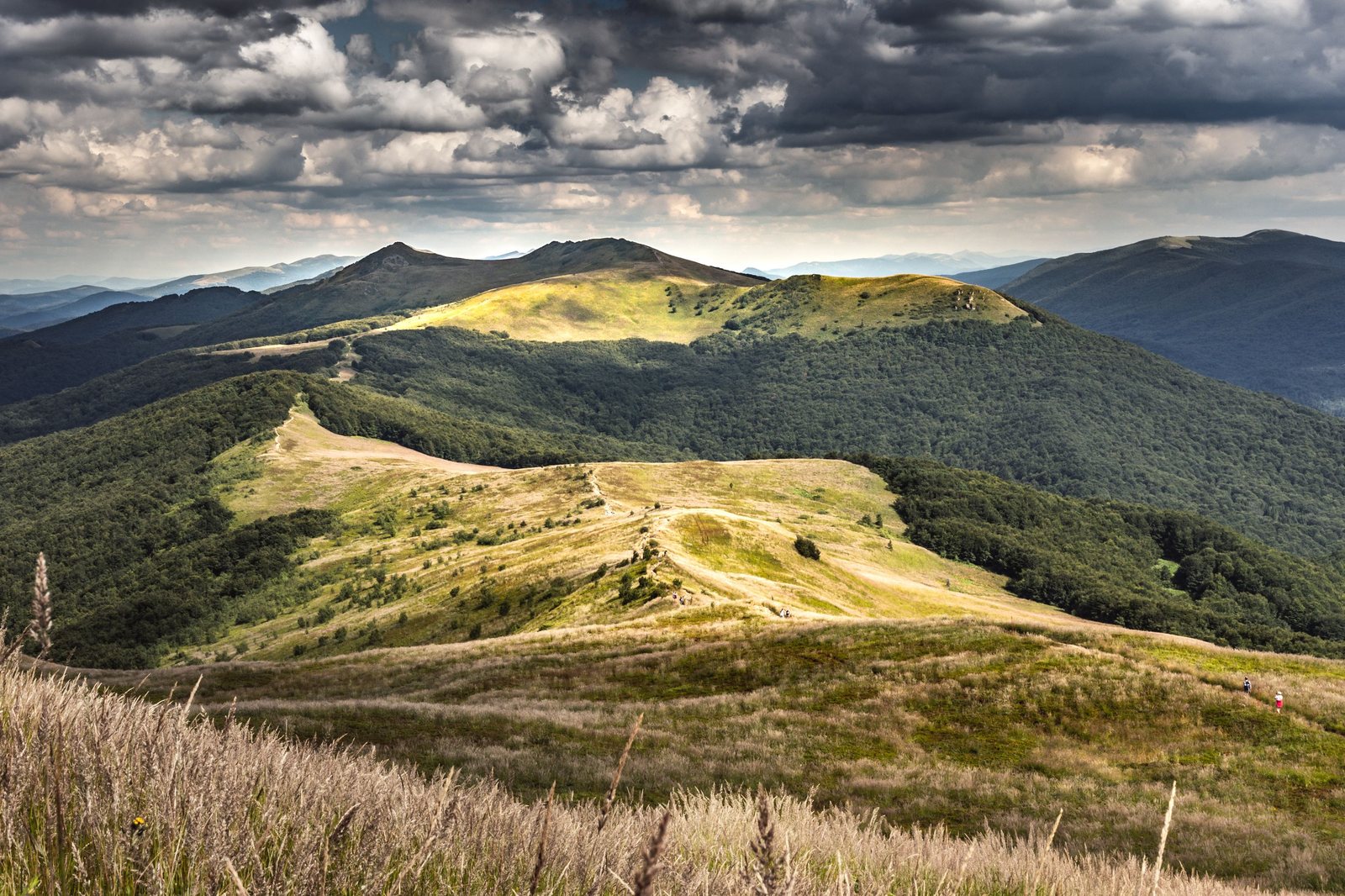
Outside the cities the country empties out. The High Tatras rise behind Zakopane, the Dunajec runs through a limestone gorge in the Pieniny, and the Bieszczady in the far south east are open grass ridges with very few villages. On the Baltic, the dunes at Łeba move a few metres every year.
In the east, Białowieża keeps a stretch of lowland forest that has never been cleared, with wild European bison in the forest itself. In the north east, the Masurian lakes are for sailing and kayaking in summer.
Start with the best of the country, or pick how you want to travel. The towns, the things to do and the map all change with it.
Start in Kraków and give it four nights, with Wieliczka and Auschwitz-Birkenau as day trips. Book Auschwitz online before you travel, and take an early slot at Wawel. Then take the train to Warsaw for two nights.
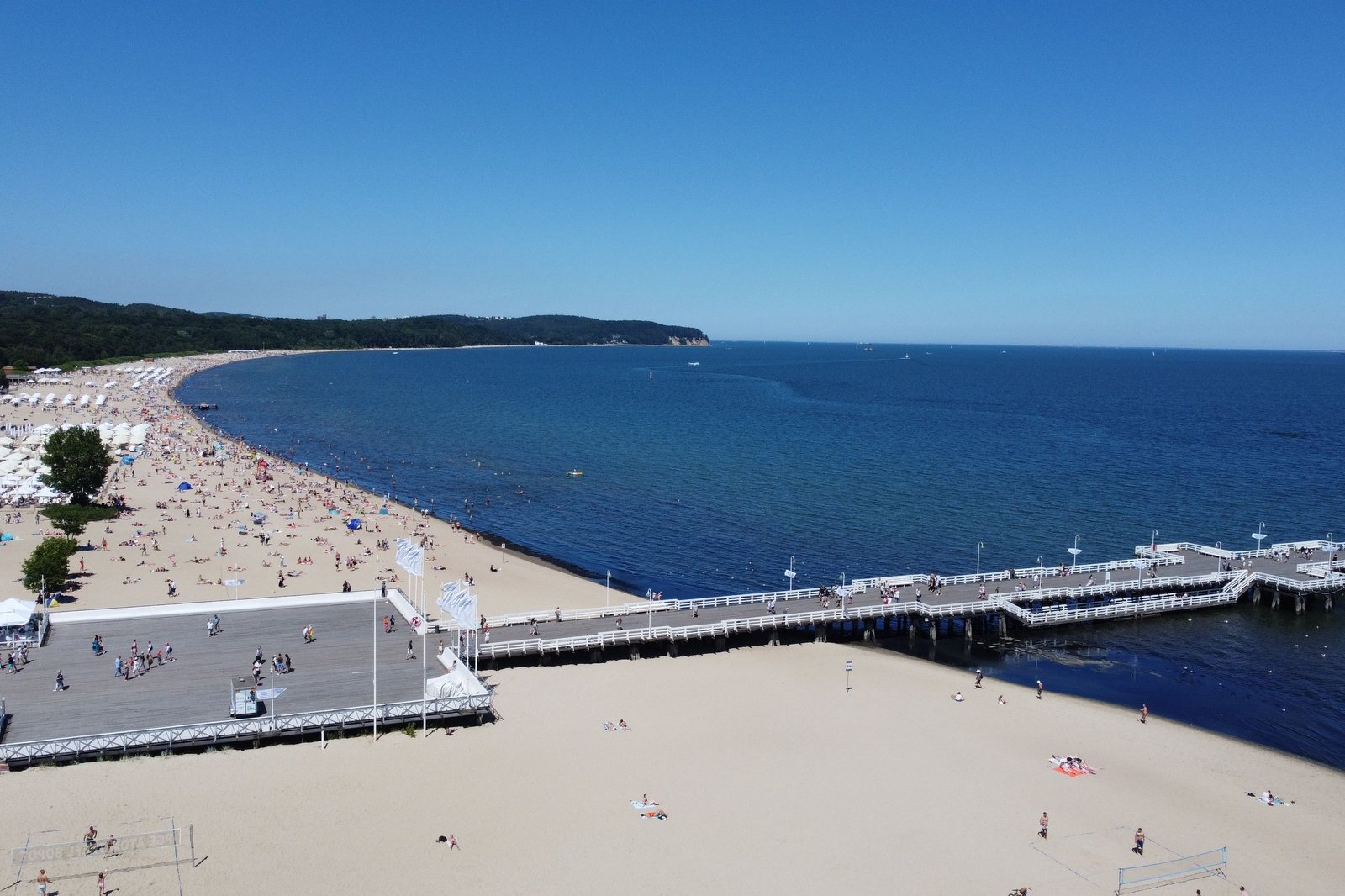
Finish in Gdańsk, with a morning at Malbork Castle and an afternoon on the pier at Sopot. If you have a second week, add the Tatras from Zakopane, the dunes at Łeba or the forest at Białowieża.
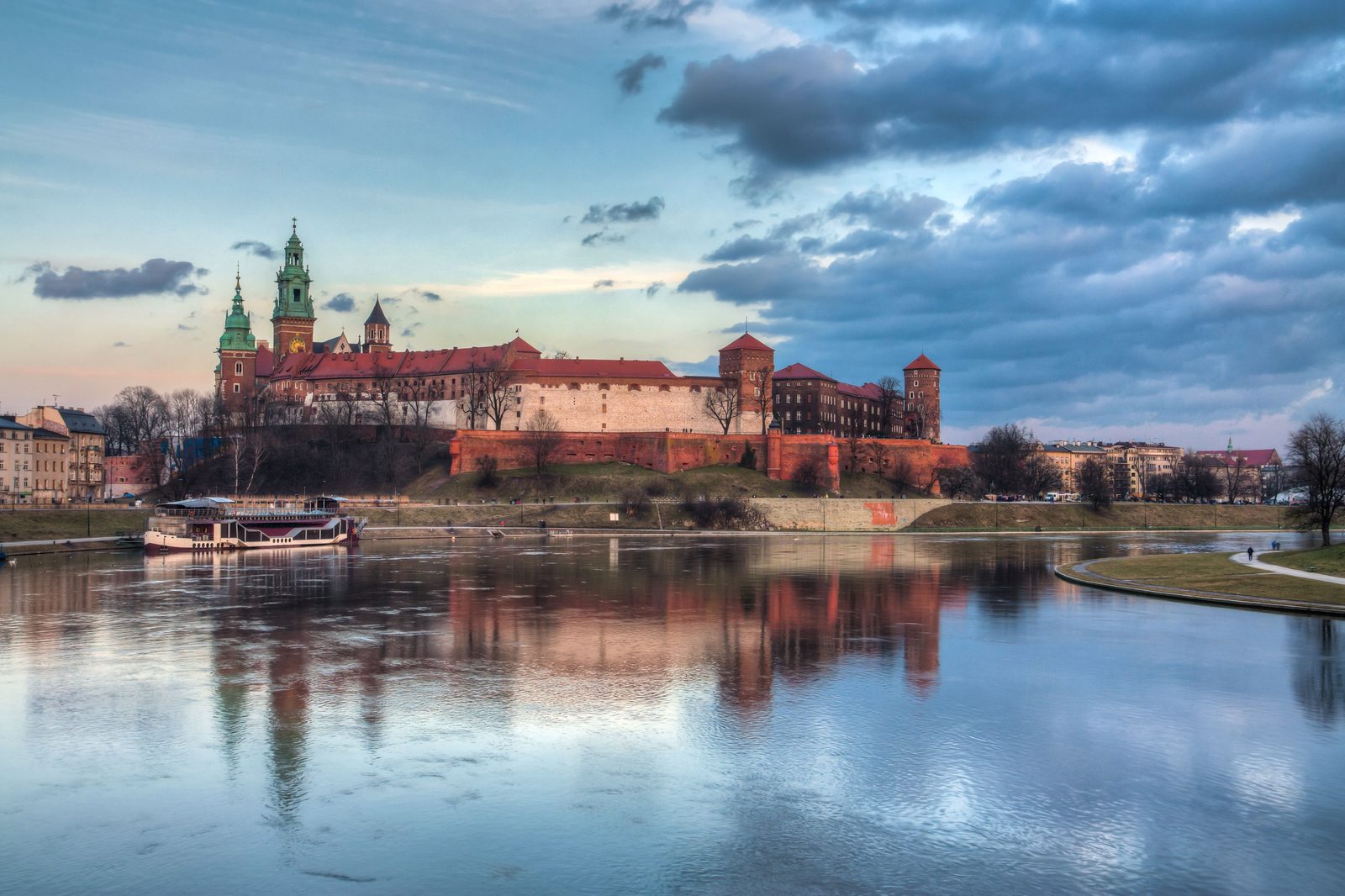
Kraków is the place to begin: Wawel Castle and the cathedral on their hill, the Main Square, and the old Jewish quarter of Kazimierz. In Warsaw the old town was rebuilt after 1945 from paintings and plans, and the POLIN museum tells a thousand years of Jewish life in Poland.
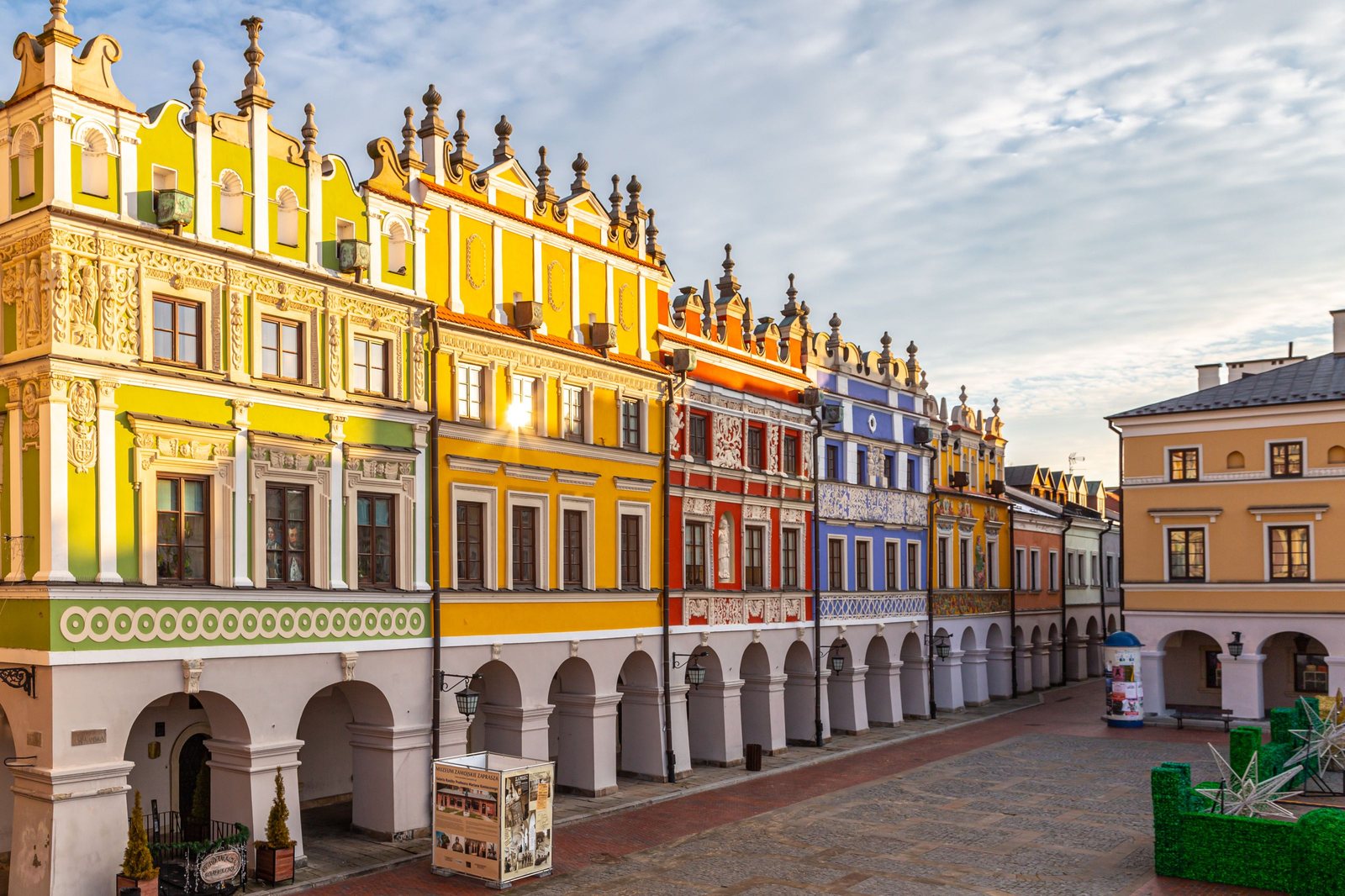
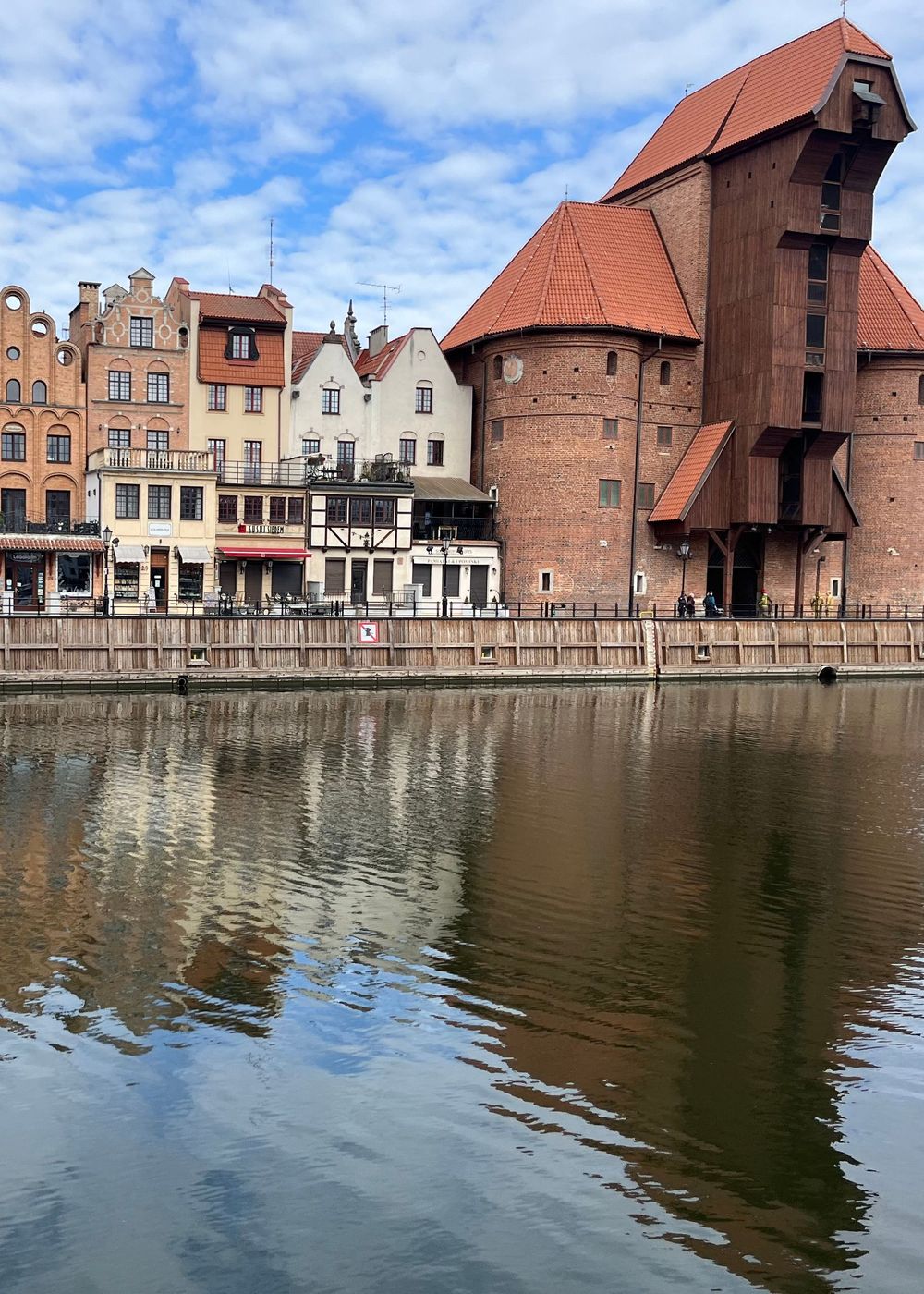
Gdańsk, Wrocław and Toruń are Gothic brick cities on their rivers, and Malbork is the largest brick castle in Europe. In the east, Zamość and Lublin keep their Renaissance squares, and in Silesia the timber Churches of Peace at Świdnica and Jawor are on the World Heritage list.
For wildlife, stay in Białowieża. The strict reserve of the national park is entered only with a licensed guide, and the bison show reserve outside the village is the surest place to see the animals that still roam the forest.
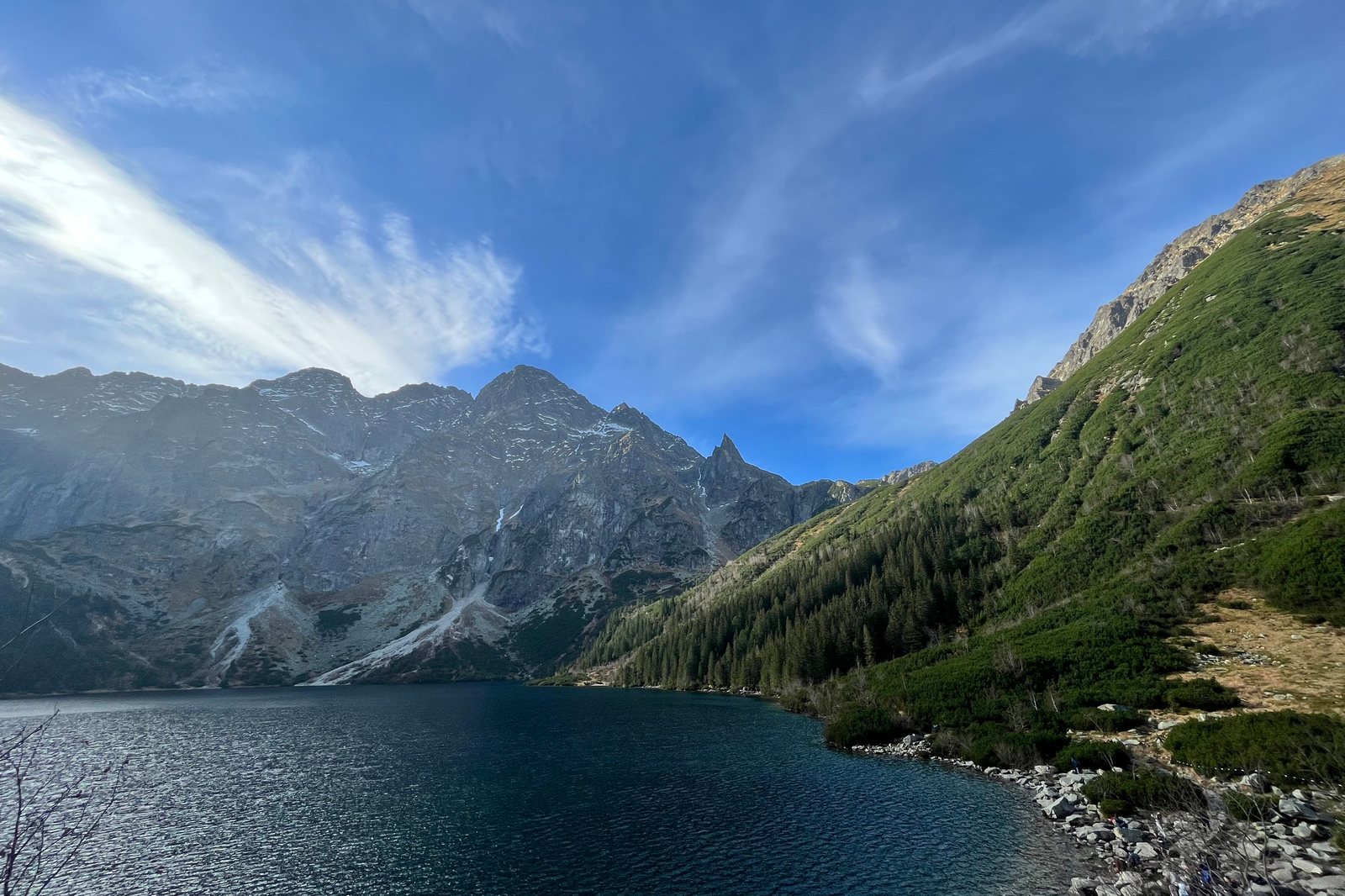
Zakopane is the base for Morskie Oko, a glacial lake under the High Tatras, on a road closed to cars. Mikołajki sits on the Masurian lakes and Ojców in a limestone valley close to Kraków. Karpacz is under Śnieżka in the Karkonosze, and Kłodzko is the base for the sandstone mazes of the Table Mountains.
The Tatras are the only alpine range in Poland, and Zakopane is where you stay for them. The cable car to Kasprowy Wierch puts you on the ridge, and Giewont is the classic climb from the town; book the cable car in summer and start early.
From Szczawnica you can raft the Dunajec gorge, which ends in the town, and climb the Trzy Korony from nearby Krościenko. The Bieszczady ridges around Wetlina are long days on open grass, Śnieżka above Karpacz is the high point of the Karkonosze, and the Krutynia in Masuria is the best known kayak route in the country.
Stay in Sopot for the beach and the half kilometre of wooden pier, with Gdańsk twenty minutes away by train. The Hel Peninsula curls out across the bay, and summer ferries cross to it from Gdańsk and Gdynia.
Further west, Łeba is the base for the moving dunes of Słowiński National Park, a walk of a few kilometres from the town. Go in the morning, before the sand heats up, and walk on to the Czołpino lighthouse if you have the whole day.
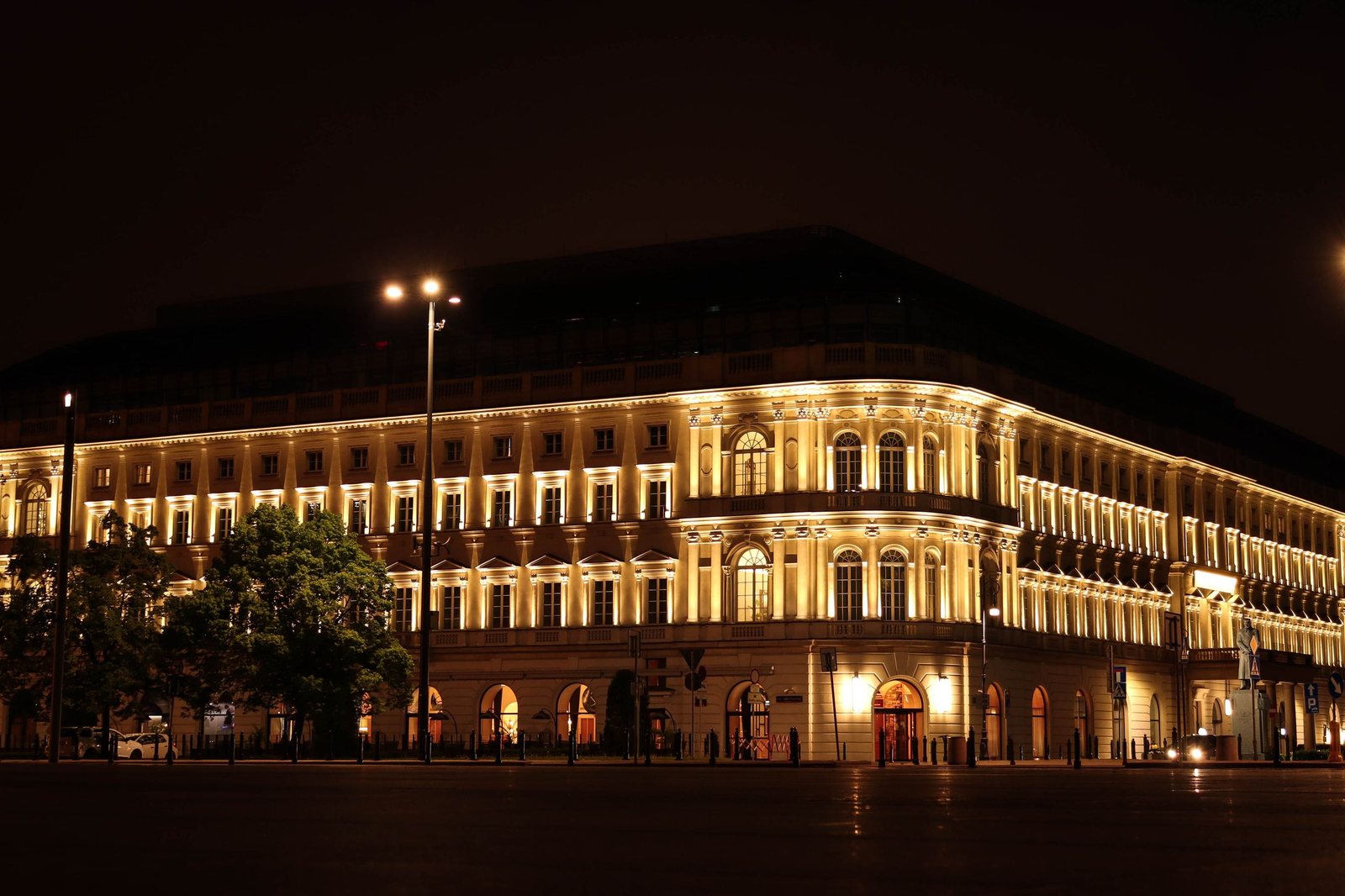
Warsaw and Kraków have the grand hotels. In Warsaw the Bristol and the Raffles Europejski face each other across Krakowskie Przedmieście, and in Kraków the Grand Hotel and Pod Różą stand a few steps from the Main Square.
On the coast, the Sofitel Grand looks over the beach at Sopot, and Gdańsk has small hotels in old granaries on the river. In Silesia you can sleep inside Książ Castle or a palace hotel at Staniszów, under the Karkonosze.
The places on this page are in the app, each with a verdict: why to go, how far from your hotel, how long to stay. Forward your confirmations and the days fill themselves in.