
Ninety seconds on Wawel Castle
Worth at least a morning, Wawel is the hilltop palace of Poland's kings, with the Brussels tapestries of King Sigismund II Augustus still on its walls. You get the Renaissance court, the royal cathedral and a view over the Vistula from one hill.
Through the gate, the arcaded courtyard opens up: a Renaissance square ringed with open galleries, completed in about 1540 when Italian ideas reached the Polish court. It is the castle's centrepiece, and you can stand in it without an exhibition ticket.
On the State Rooms route, you meet the Wawel tapestries: 136 Flemish pieces survive from the 160 that Sigismund II Augustus ordered from Brussels workshops. Biblical scenes hang beside animal allegories, and the Garden of Eden cycle is the most photographed of the series.
The tapestries survived the Second World War because they were evacuated to Canada at its start, and they came back to Wawel around 1960.
Next door in the cathedral is the Sigismund Chapel, the royal family chapel. In the tower above hangs the Sigismund Bell, 12 tonnes of bronze, reached up narrow wooden stairs.
On the climb from Kanonicza Street, look at the retaining wall. The stone tablets set into it, called Wawel bricks, carry the names of donors to the castle's restoration, and they are easy to walk past on the way up.
Booking your exhibitions online is the first step: sales open a month ahead, and the ticket windows sell any that remain on the day. For a first visit, put the State Rooms first, then add the Crown Treasury and Armoury, which sells out in peak season.
On the hill, you pass a security check at the castle entrance. Backpacks, large bags, strollers and umbrellas are not allowed inside the exhibitions, and luggage bigger than a cabin bag is barred from the hill altogether, so leave it at your hotel.
The cathedral is a separate stop, and the castle does not sell its tickets. One cathedral ticket, bought on arrival at the cathedral ticket office, covers the Royal Tombs, the Sigismund Bell and the Cathedral Museum.
Go up to the bell first, because the climb runs on timed entry and queues build from mid-morning. From spring to the end of October you can add the Dragon's Den and the Sandomierska Tower.
You do not need a guide here: the audio guide covers the castle routes and suits visitors over 12. The castle also runs its own guided tours of selected exhibitions for individual visitors, on a separate schedule with limited tickets, listed on its booking page.
If you hire a private guide in town, a licensed Kraków guide carries an ID badge with the city's coat of arms.
Buy only through the castle's own website or ticket windows, since it does not guarantee entry on tickets sold by intermediaries. Photography is allowed without flash in most rooms, but tripods and selfie sticks are not allowed inside.
If you use a wheelchair, contact the museum before you come. The bell tower and the Dragon's Den have no step-free access, while the cathedral and the tombs below it have only modest stairs.
Explore the rest of Kraków
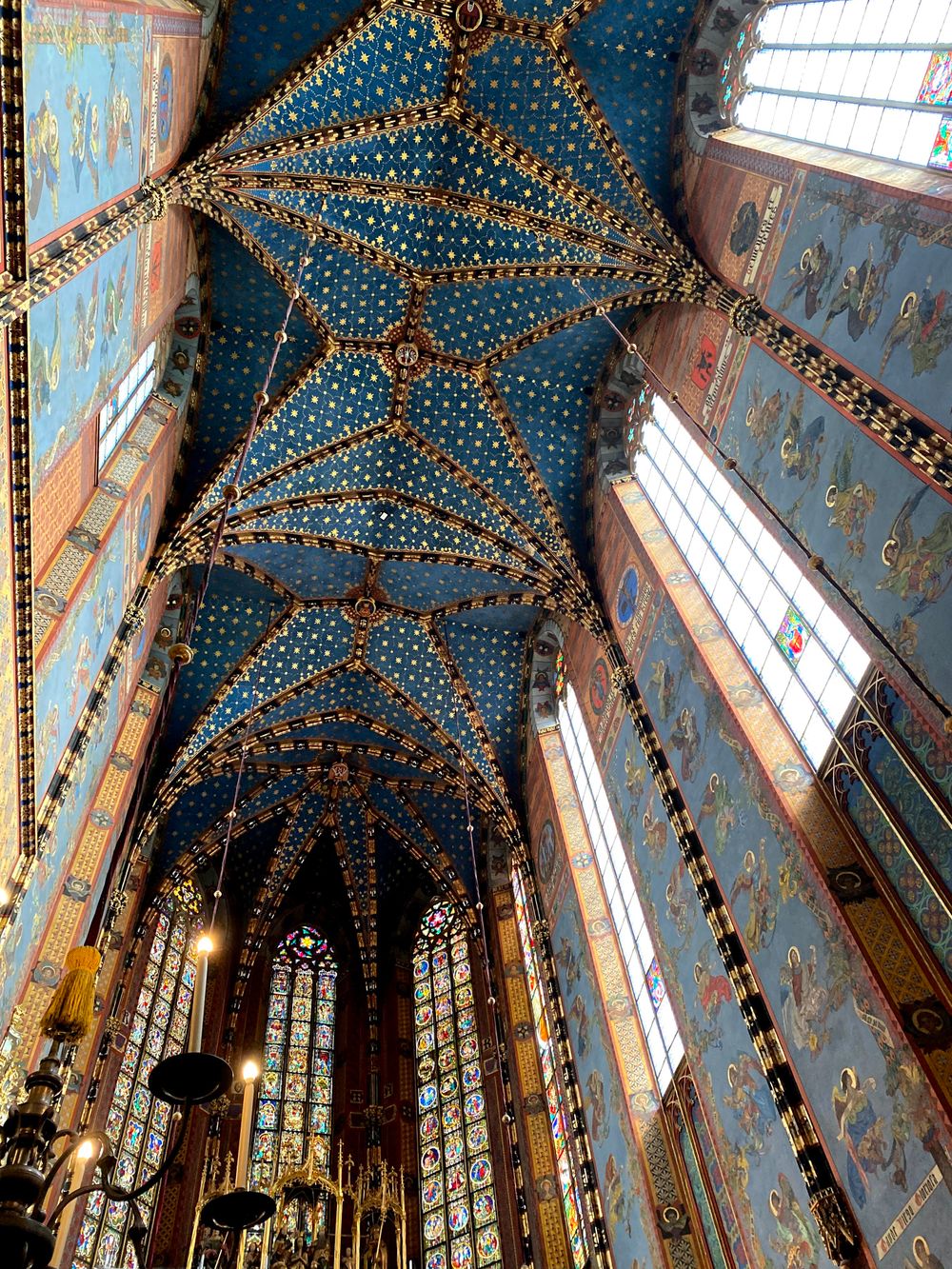
A brick Gothic church with two unequal towers on the corner of the square. Its carved limewood altarpiece, twelve years' work by the…
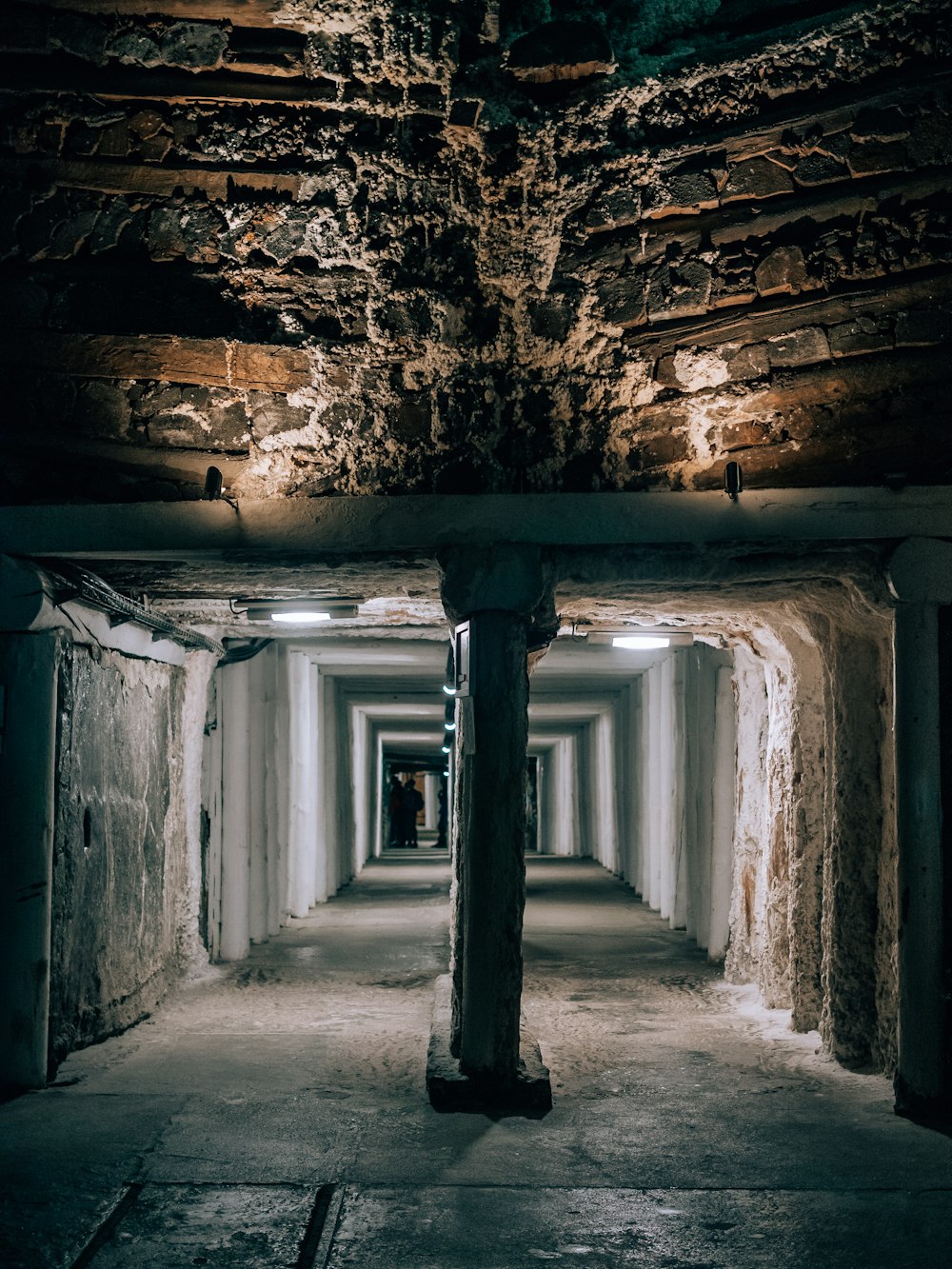
Mined for more than seven centuries, this salt mine in the town of Wieliczka, outside Kraków, has chambers, brine lakes and chapels carved…
White limestone crags line the narrow Prądnik valley a short drive north of Kraków, home to the smallest national park in the country. A…