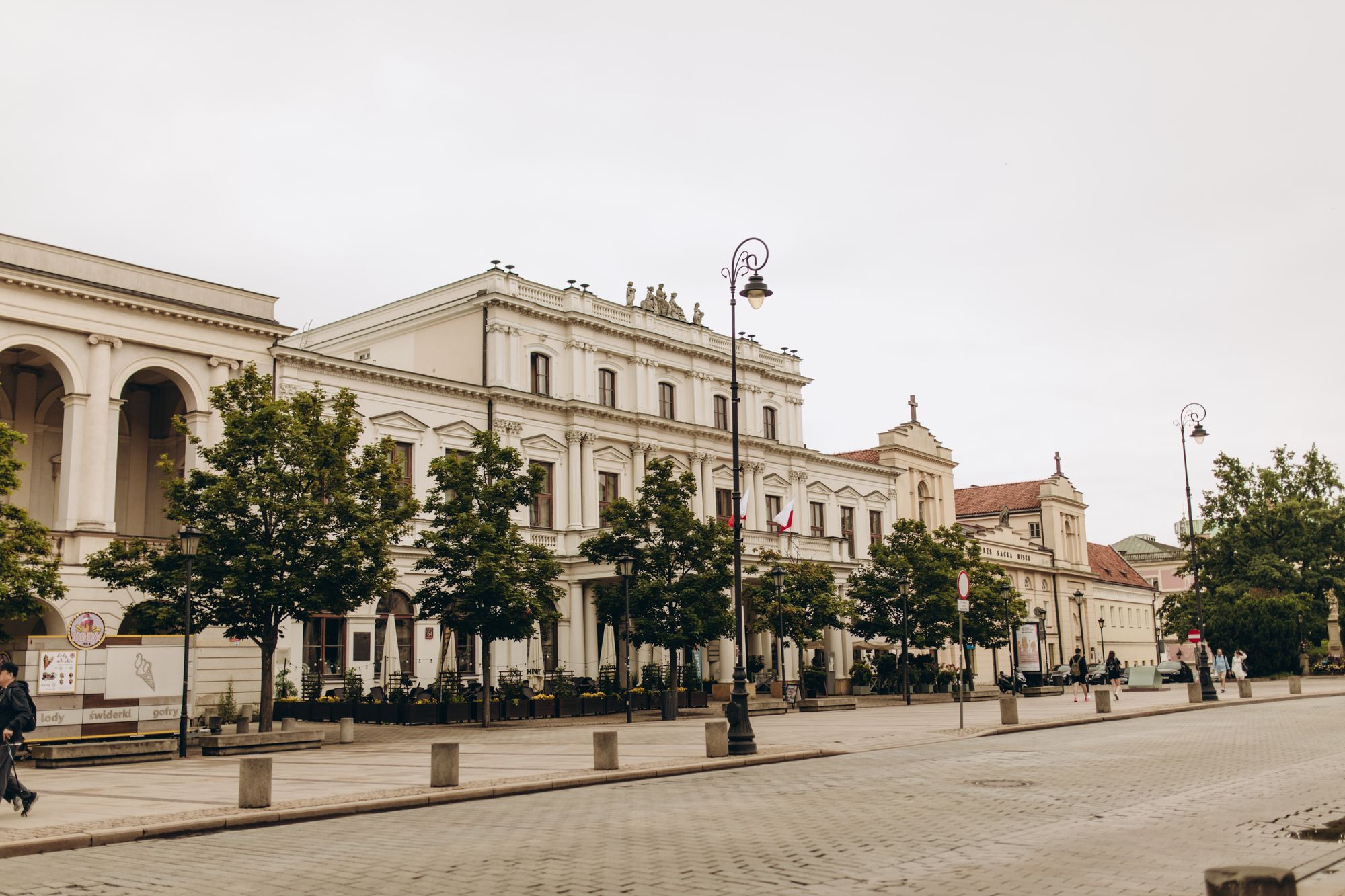
Ninety seconds on Hotel Polonia Palace
Best if you want to sleep in Warsaw's second oldest hotel, opened in 1913 and still keeping the historic interiors it was built with.
Stand across Aleje Jerozolimskie and look up at the front. Juliusz Nagórski drew it to a Parisian design in the Beaux Arts style, and the mansard roof is the clearest sign of it.
Inside, the historic interiors follow the Louis XVI style, and the lobby and the breakfast room are both large and richly decorated. They survived because a plan to gut and modernise them was dropped for lack of money. In 1945 the building stood undamaged among the ruins of Warsaw, and it is now a listed monument.
The bedrooms are modern by comparison: air-conditioned, soundproofed and quiet, with a safe, a kettle and a flat-screen television. Some of them have a view of the Palace of Culture and Science.
Checking in happens at the front desk in the lobby, from mid-afternoon, and a business centre beside it stays open around the clock. The rooms and suites include a Junior Suite with a separate living area and the English Apartment, a richly decorated suite with city views.
Breakfast is a buffet in the restaurant, served from half past six until 10 am on weekdays and a little later at weekends and on bank holidays. Hot and cold dishes are laid out, and omelettes are made to order.
In the evening the Lobby Bar serves food and cocktails, and it is the place to sit once you are back from the city.
Ask for a quiet room when you book, and say so again at check-in.
Pets are not allowed in the restaurant or the bar, so plan meals around a dog if one travels with you. A baby cot for children up to three is free, and Wi-Fi is free throughout the building.
Explore the rest of Warsaw
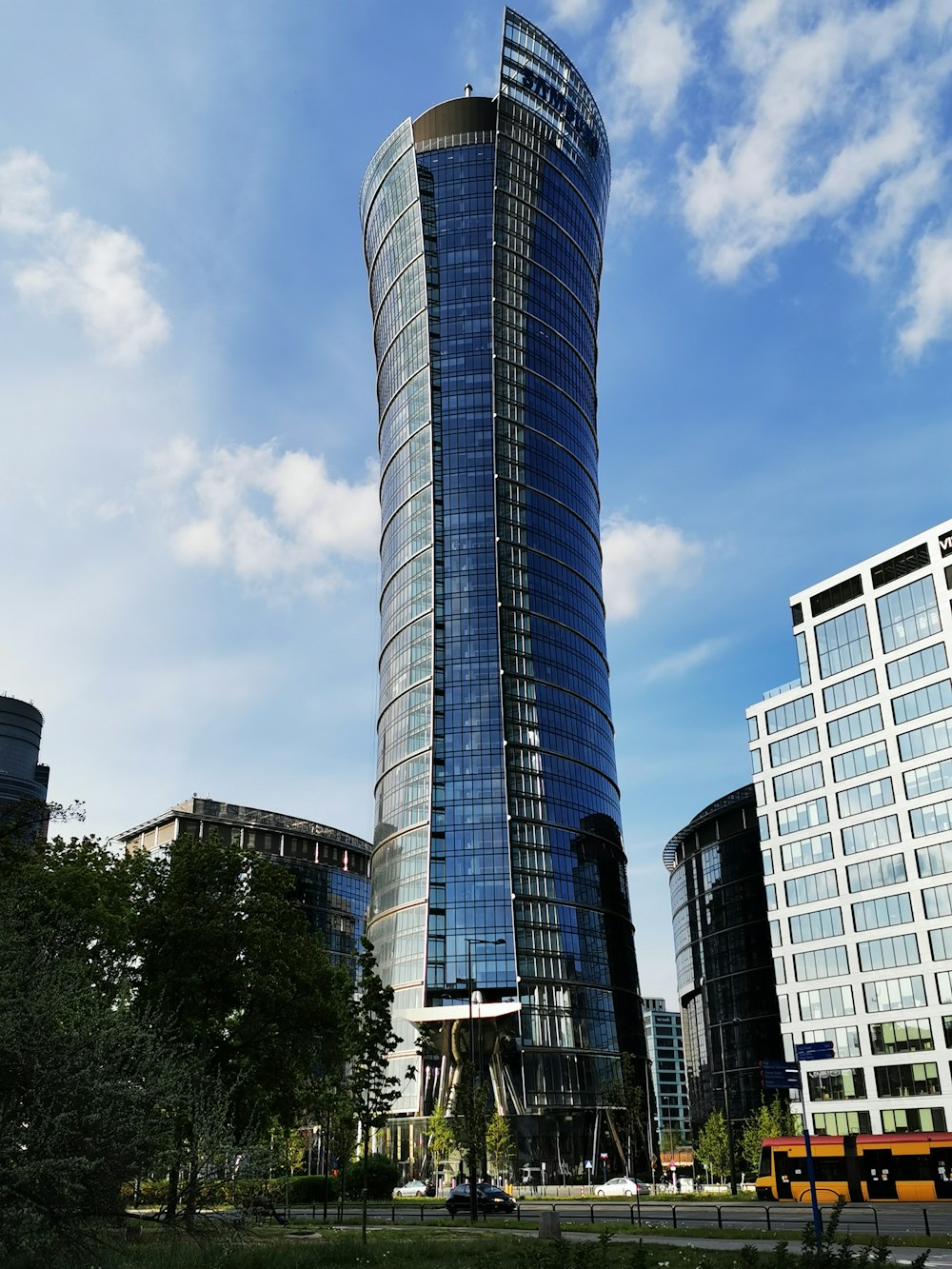
This museum in Wola tells the story of the 1944 Rising through objects, film and sound, from a full-size replica of a Liberator bomber to a…
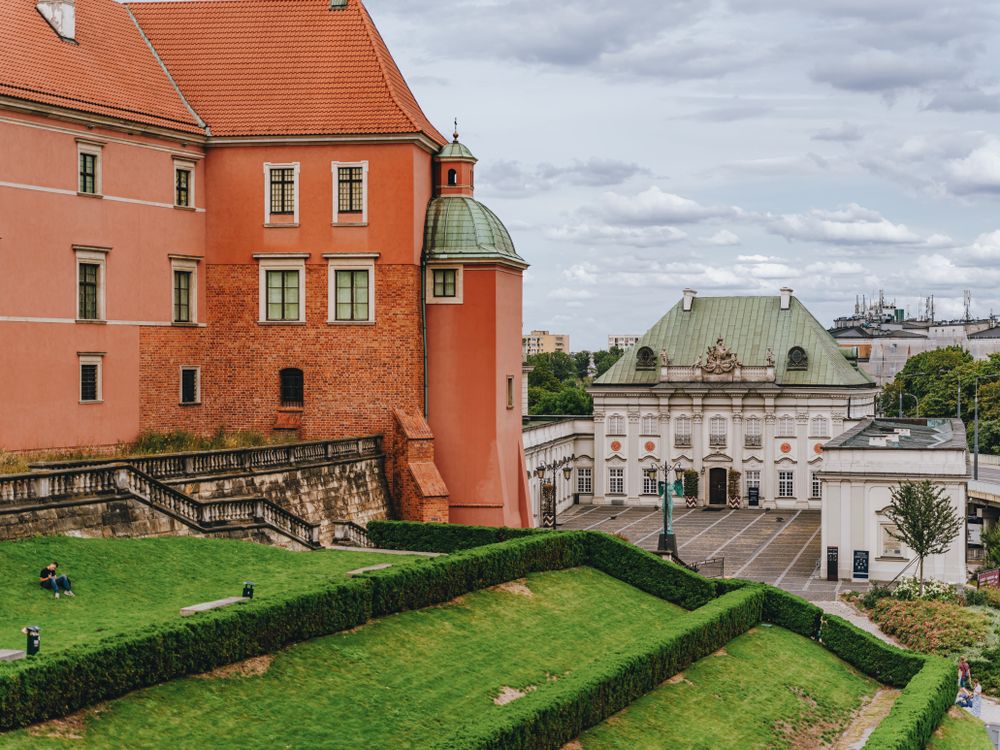
German troops blew the castle up in September 1944. The rebuild began in 1971, paid for until 1980 by public donation alone, and the…
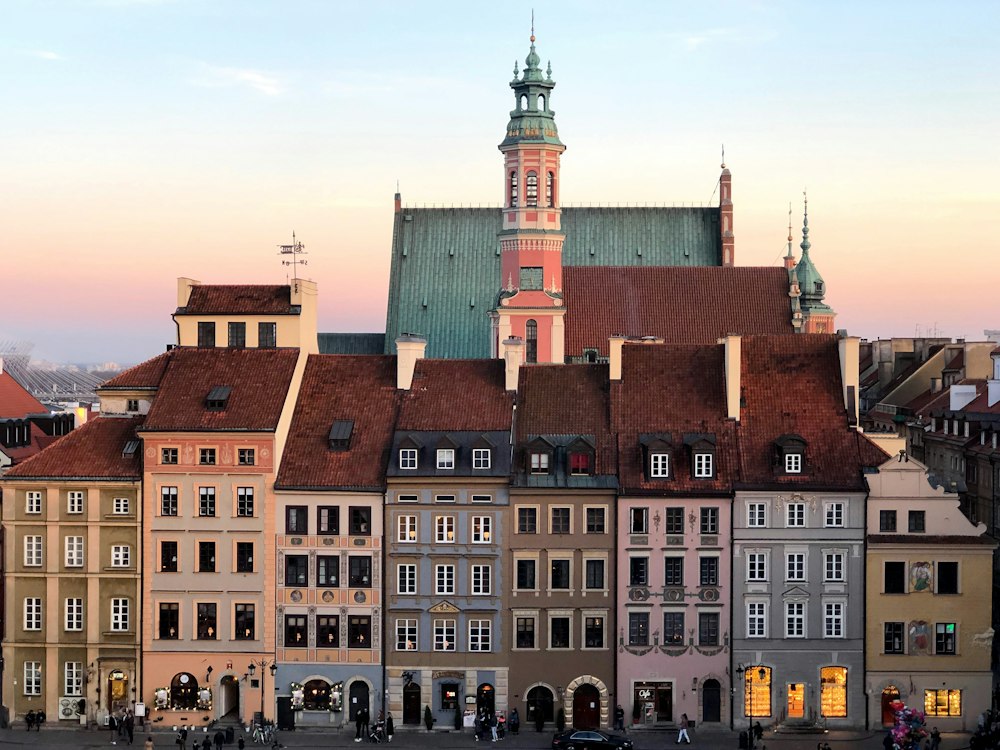
Warsaw's medieval Old Town was reduced to rubble in 1944 and rebuilt from Canaletto's 18th-century paintings, archival photographs and…