Ninety seconds on Łazienki Park
Walking through a royal summer garden in the middle of Warsaw, you reach a palace on its own island, hung with the king's paintings, and a monument to Chopin where pianists play on summer Sundays.
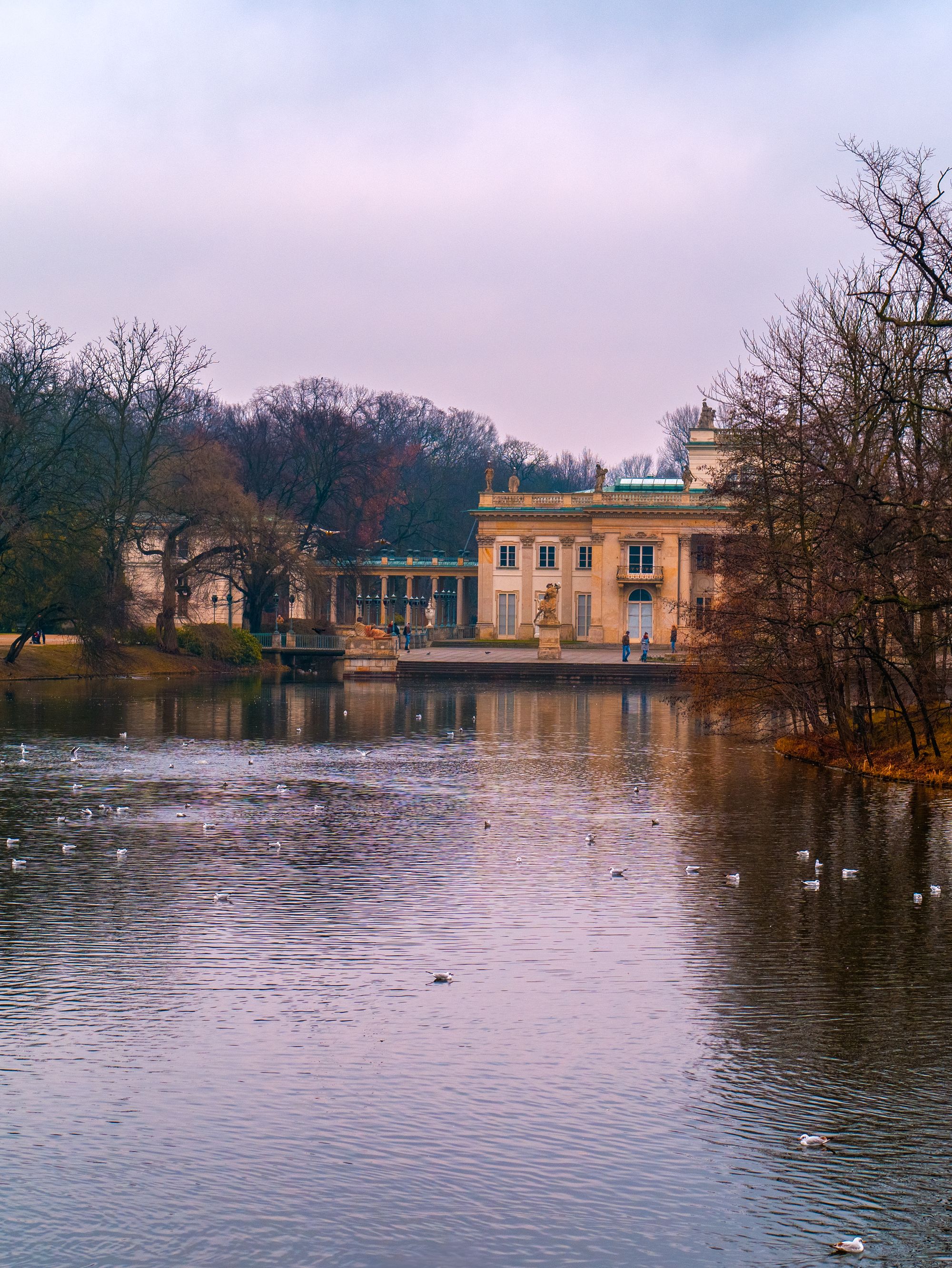
The Palace on the Isle is the centrepiece. King Stanisław August had a Baroque bathhouse rebuilt here as a neoclassical palace, on an artificial island that splits the lake, with an ornate bridge on each side. Inside, 140 paintings from the king's collection hang in their eighteenth-century arrangement, with the Dutch pictures the strongest group.
The Old Orangery holds plaster copies of the most famous sculptures of the ancient world. It also holds the Royal Theatre, one of the few original eighteenth-century court theatres left in Europe. Look in at the White Pavilion too, an eighteenth-century residence unlike any other in Poland.
The Amphitheatre was built to resemble the one at Herculaneum and is the park's main outdoor stage.
The Chopin Monument shows the composer deep in thought under a stylised willow. Look at the branches: they echo a pianist's hand and fingers, and an eagle's head sits at the right end. The original was destroyed in the war, and the statue you see is a replica cast from the mould, which survived.
Open every day from 6.00 to 21.00, the gardens are yours from early morning, long before the buildings open.
Buy building tickets online beforehand or at the cash desks in the Old Orangery, the Officer Cadets School or the Kubicki Stables. The desks close 50 minutes before the buildings do, so buy first if you plan to go in late.
Instead of heading straight for the Palace on the Isle, walk south towards the New Orangery first, then come back to the palace. Inside, you walk the state rooms at your own pace. Peacocks roam the smaller tree-lined paths, and even on a busy day you can find a quiet, shady corner.
On summer Sundays the Chopin recitals start beside the monument at noon and at four, with no tickets and no barriers. The step seats facing the statue fill half an hour before, so arrive early.
Leave dogs at home, and walk your bicycle on the paths. Picnics, fires and camping are banned, and alcohol is allowed only in the cafés and restaurants.
Check the museum's website on the morning you go, because individual buildings can close at short notice.
Explore the rest of Warsaw
Two days covers the essentials of the Polish capital: the Old Town, the Warsaw Uprising Museum and Łazienki Park. A third day lets the city…
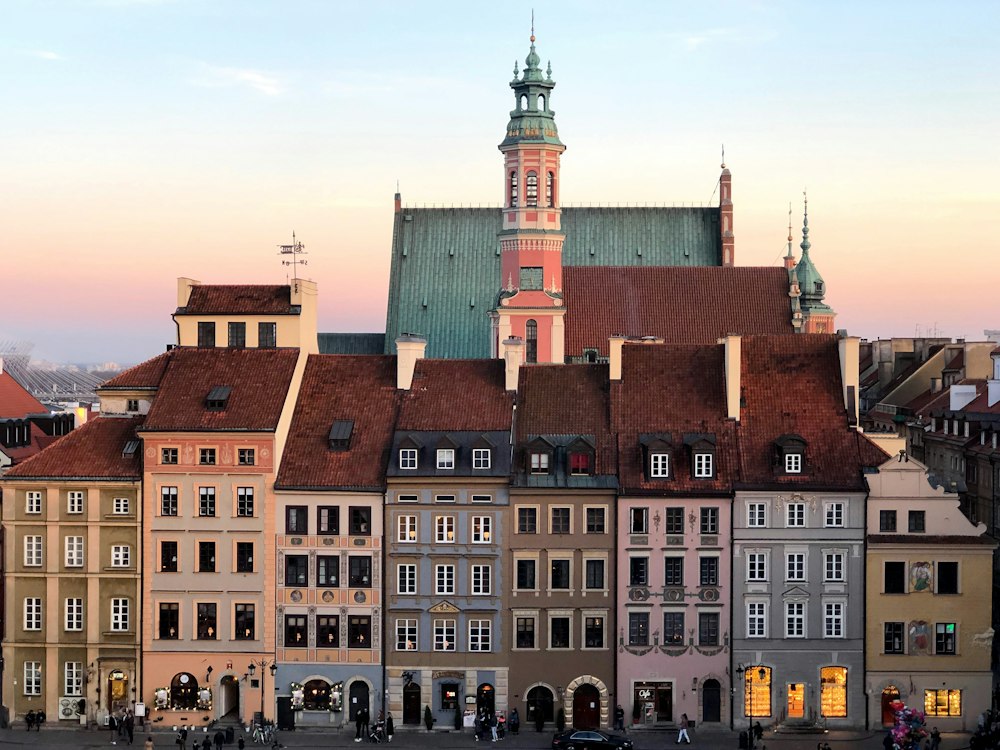
Warsaw's medieval Old Town was reduced to rubble in 1944 and rebuilt from Canaletto's 18th-century paintings, archival photographs and…
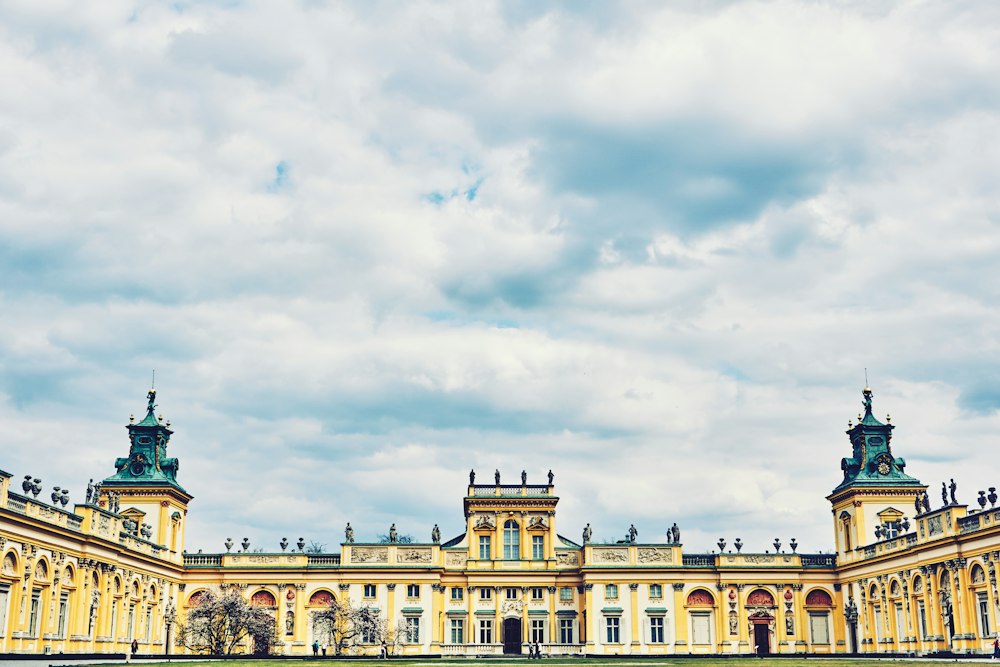
Baroque royal residence built as King Jan III Sobieski's summer house from 1677, at the end of Warsaw's Royal Route. Its painted ceilings…