Ninety seconds on POLIN Museum of the History of Polish Jews
From the first gallery to the last, you walk through a thousand years of Jewish life in Poland, told through original objects, a rebuilt synagogue interior and screens you can work yourself.
The core exhibition runs in time order through eight galleries, and the rooms change as you go. The earliest are curved and open, with storybook illustrations on the walls. The wartime galleries are angular and tight, and that change in the space is deliberate.
The best known piece is the reconstructed timber roof and painted ceiling of the wooden synagogue of Gwoździec, which stood in pre-war Poland. The copy was built to match the seventeenth-century original and hangs inside one of the galleries.
In the gallery on Jewish home life, look for the brightly painted bimah, the reading platform, from another wooden synagogue. Interactive stations sit among the original objects throughout, so much of the story is told on screens and in reconstructions.
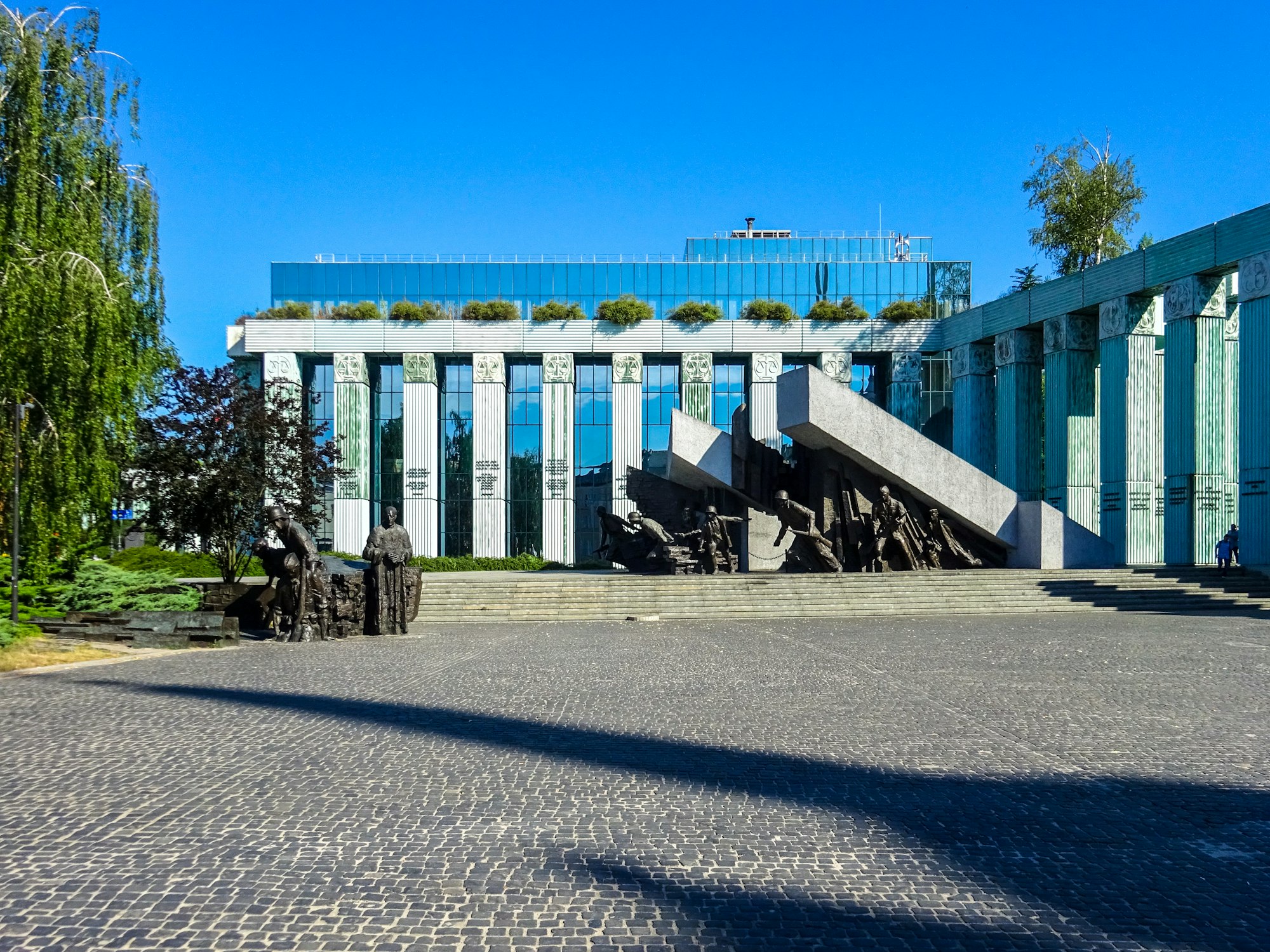
The building stands in Muranów, the prewar Jewish quarter and later the site of the ghetto, facing the memorial to the Warsaw Ghetto Uprising. Its name comes from Hebrew and means "rest here".
POLIN's entrance takes you through a security check first. You can walk into the building without a ticket if you only want to look at the hall. A small locker room is just inside on the left, and the ramp ahead leads up to the ticket desk and cloakroom.
Show your ticket at the desk to collect the audio guide, in Polish or English, which is included. It starts on its own as you enter each new space, so walk the galleries in order. Large bags, backpacks and coats stay in the cloakroom.
The galleries have flat floors throughout. If the sound and lighting get too much, the quiet, soundproof sensory room on the lower level is there for a break.
Look up as you walk the galleries, because the painted ceiling is easy to pass under without noticing. Keep an even pace through the early rooms, or you can reach closing time before the last ones.
Book tickets online ahead of a busy weekend or a popular temporary exhibition. Photography is allowed without flash or a tripod, and a restaurant and bookshop are on the ground floor.
Explore the rest of Warsaw
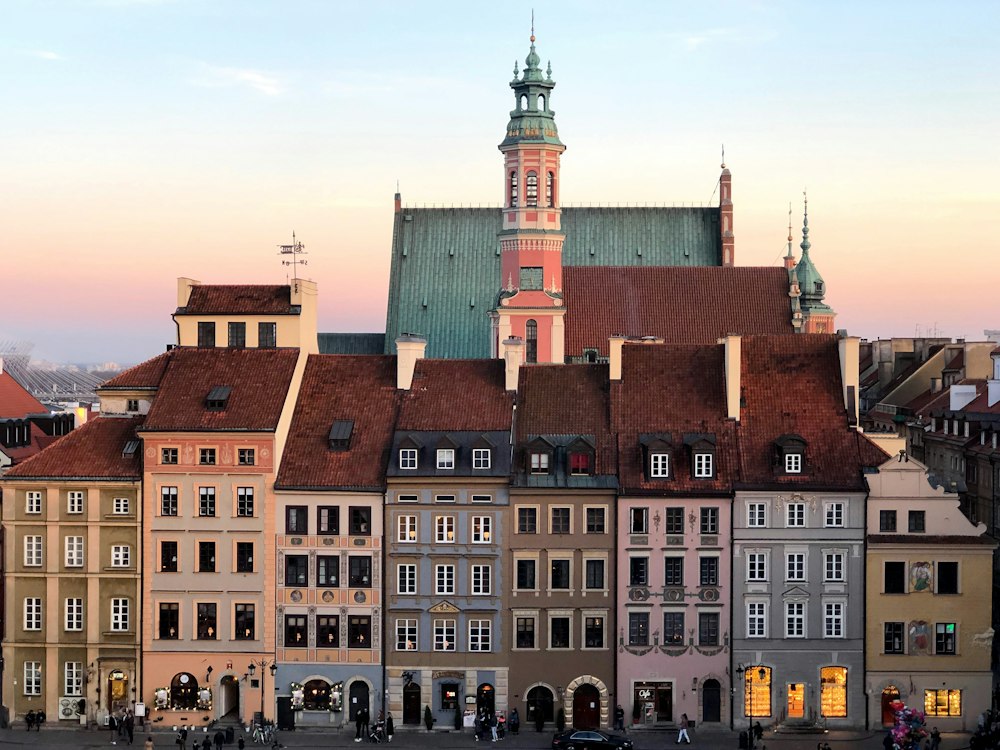
Warsaw's medieval Old Town was reduced to rubble in 1944 and rebuilt from Canaletto's 18th-century paintings, archival photographs and…
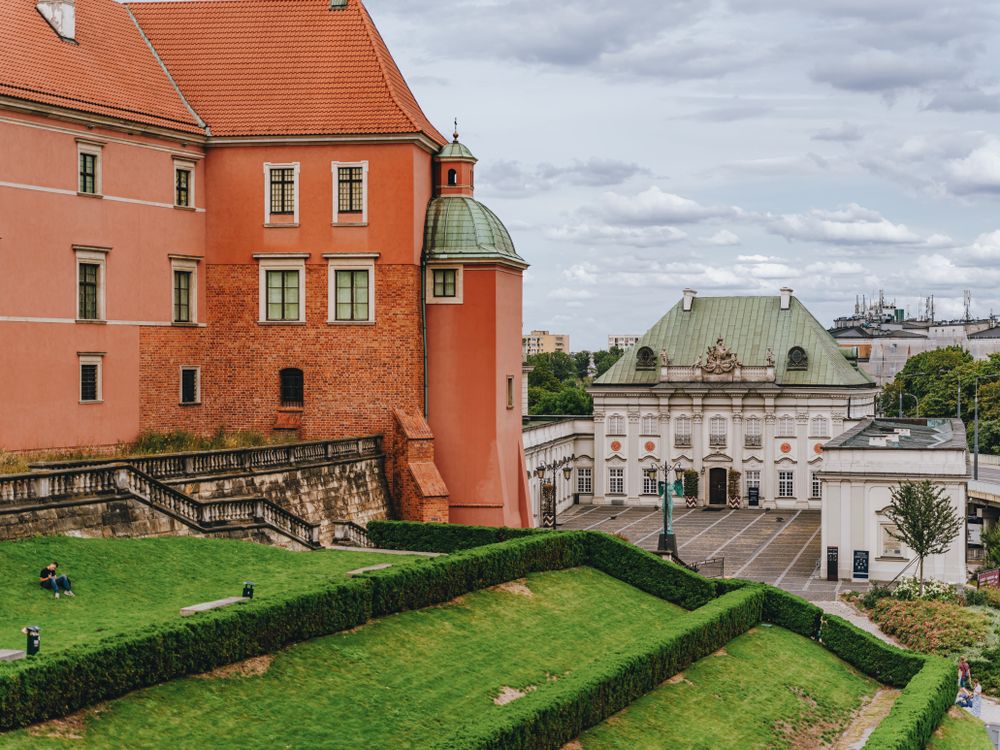
German troops blew the castle up in September 1944. The rebuild began in 1971, paid for until 1980 by public donation alone, and the…
This museum in Wola tells the story of the 1944 Rising through objects, film and sound, from a full-size replica of a Liberator bomber to a…