
Walk up a road closed to private cars, through forest, to the largest lake in the Tatras, ringed by peaks that rise about 1,000 metres above the water.
Lake, Zakopane. Meridian Dispatch.
About two and a half hours each way, with 486 metres of ascent on the way up by the city's trail guide. In season, an e-bus covers most of the way.
Yes, as far as Palenica Białczańska, where the walk begins. Buses leave from Zakopane's central bus station on regular lines run by outside operators. Tickets for these lines come from the driver, as the national park no longer sells them.
Booking ahead is strongly advised by the park. Once its website is sold out, no spaces are sold on site either. The ticket does not fix a space: staff fill Palenica first, then the roadside, then Łysa Polana, about 1.5 kilometres from the trail, in order of arrival.
Only part of the way. Under a trial that began on 1 September 2026, carts stop at the waterfalls after about 2.9 kilometres, and passengers walk the rest of the road.
They run in season to Włosienica, about 20 minutes from Palenica or 40 from the park's education centre at ul. Chałubińskiego 42 in Zakopane. Book each direction online or at the park information point at number 44, as the e-bus drivers sell no tickets; entry to the park is included. From Włosienica about a kilometre of road is left to walk. Travellers with disabilities can ride right to the hut on reserved runs, with a separate park ticket.
Yes, the main route is open and is not considered difficult in winter. Good boots and a torch are needed because the days are short. The walk is not advised in very bad snow conditions, and the trail from Morskie Oko over Świstówka to the Five Ponds Valley is closed from 1 December to 15 May.
No to both. Swimming and washing are banned in all the park's lakes and rivers, and dogs cannot enter even in a backpack. Assistance dogs are exempt. Bicycles and scooters are not allowed on the road either.
Yes, every visitor needs one, whichever trail they take. The park also sells it on its website and through QR codes posted at the gates. Parking is a separate purchase.
The lake has no closing hour of its own. As of November 2026 the Łysa Polana ticket point lists 5:00 to 17:00 in July and August, 7:00 to 15:00 in November and December and 7:00 to 14:00 in January and February, and may open sooner or stay open later.
The official site of Morskie Oko is tpn.gov.pl.
tpn.gov.pl →Morskie Oko lies deep in the Rybi Potok valley of the High Tatras, at the base of the Mięguszowieckie peaks. Rysy, which tops the Polish Tatras at 2,499 metres, is one of the peaks around the lake. Look too for Mnich, the Monk, a slender tower of rock set farther back, and for the Swiss pines that grow around the lake.
The name means Eye of the Sea, from an old legend that an underground passage joined the lake to the sea. Look into the clear water for trout; fish are uncommon in Tatra lakes.
The PTTK hut stands at the north end of the lake, with the Old Shelter close by, the oldest surviving hut in the Polish Tatras.
The walk starts at Palenica Białczańska. Show or buy your park ticket at the entrance and follow the red trail up the road. At the second information board, in good weather, look across Biała Woda valley to Gerlach, a 2,655-metre peak in Slovakia.
A wooden building on the right of the road holds an exhibition on the old boundary dispute over the lake.
Mickiewicz Waterfalls come next, with wooden tables and benches in a clearing nearby. Toilets follow at the Wanta forester's hut, and forest paths cut off some of the bends. Włosienica, the last clearing before the lake, has a buffet and more toilets.
At the top, the kitchen on the ground floor of the hut serves hot meals. The path round the shore takes about an hour. To see a second lake, Czarny Staw pod Rysami, follow the shore path and then a steep stone path that climbs 185 metres, and add two to three hours for the return trip.
Carry cash for food and toilets at the lake, where cards may be refused. The hut has a cash machine. Staff at the official car parks take cards only.
Save every ticket to your phone before you set out, because the signal at the trailhead is poor. Parking bought online can be refunded if you email ebilety@tpn.pl by noon the day before; parking bought on site cannot.
Bring a bag for your rubbish, since the route has no bins. In snow, stay on the road and skip the forest short cuts, which can be icy or untrodden.
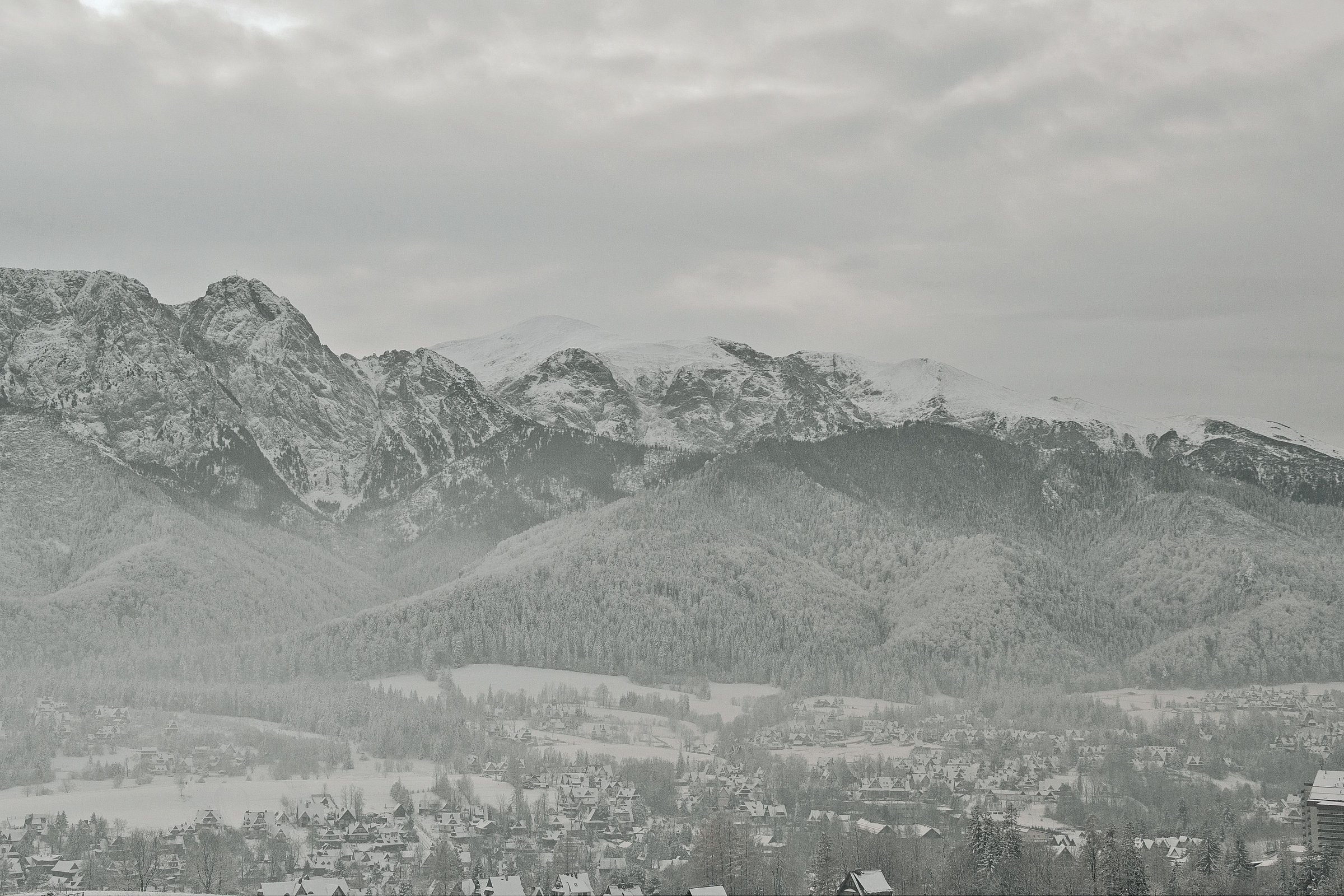
One night in Zakopane leaves you choosing between the cable car onto Kasprowy Wierch and the road walk up to Morskie Oko; with two, you take a bus to each in turn.
Read the Zakopane guideExplore the rest of Zakopane
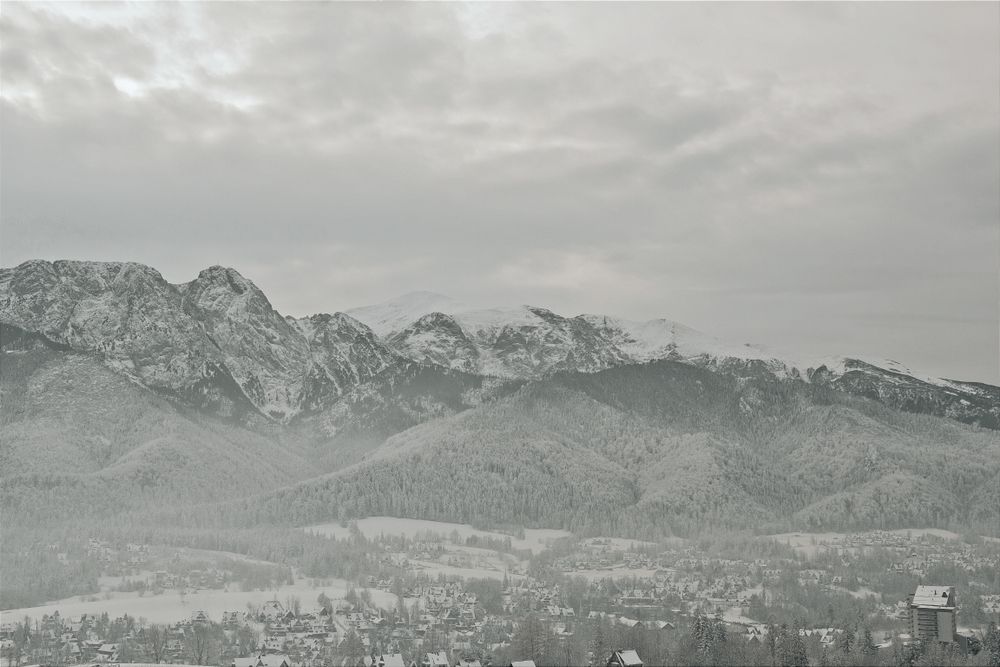
Granite peaks of the High Tatras rise straight behind this mountain resort, the country's only true alpine range. Trailheads, cable cars…
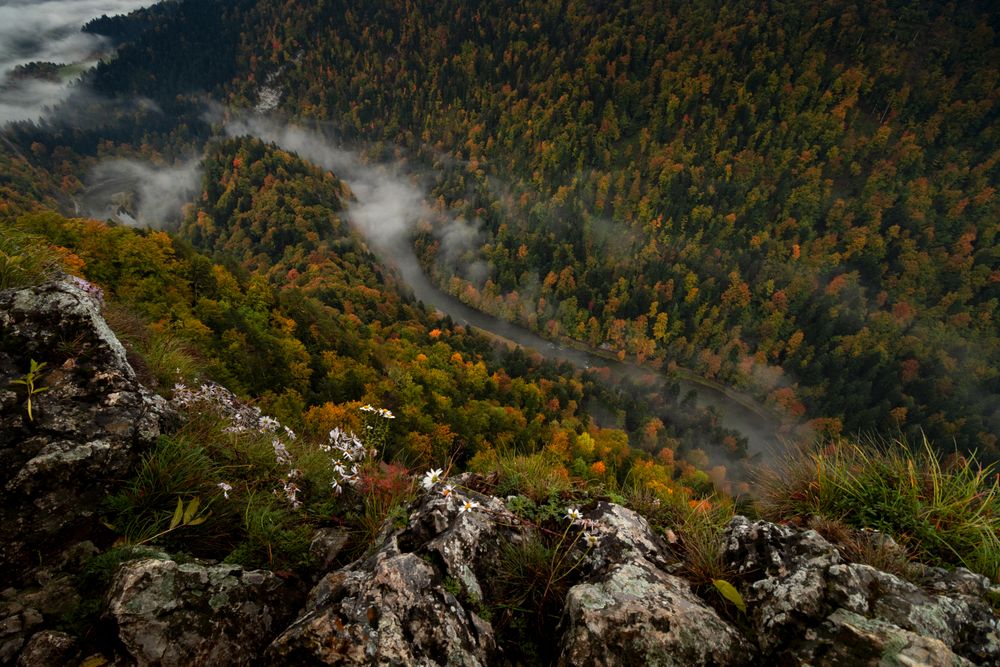
A winding gorge of the Dunajec through limestone walls on the Polish and Slovak border, floated on wooden rafts steered by raftsmen in…
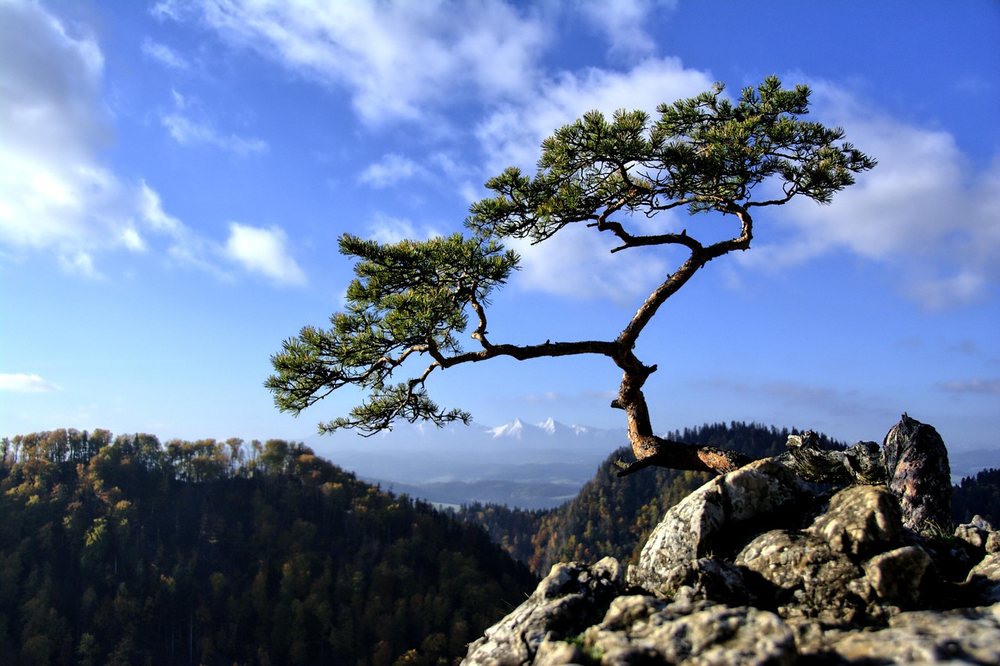
The wooden rafts that float the Dunajec gorge tie up at the landing in this small spa town of timber villas. Stay here for the Pieniny…
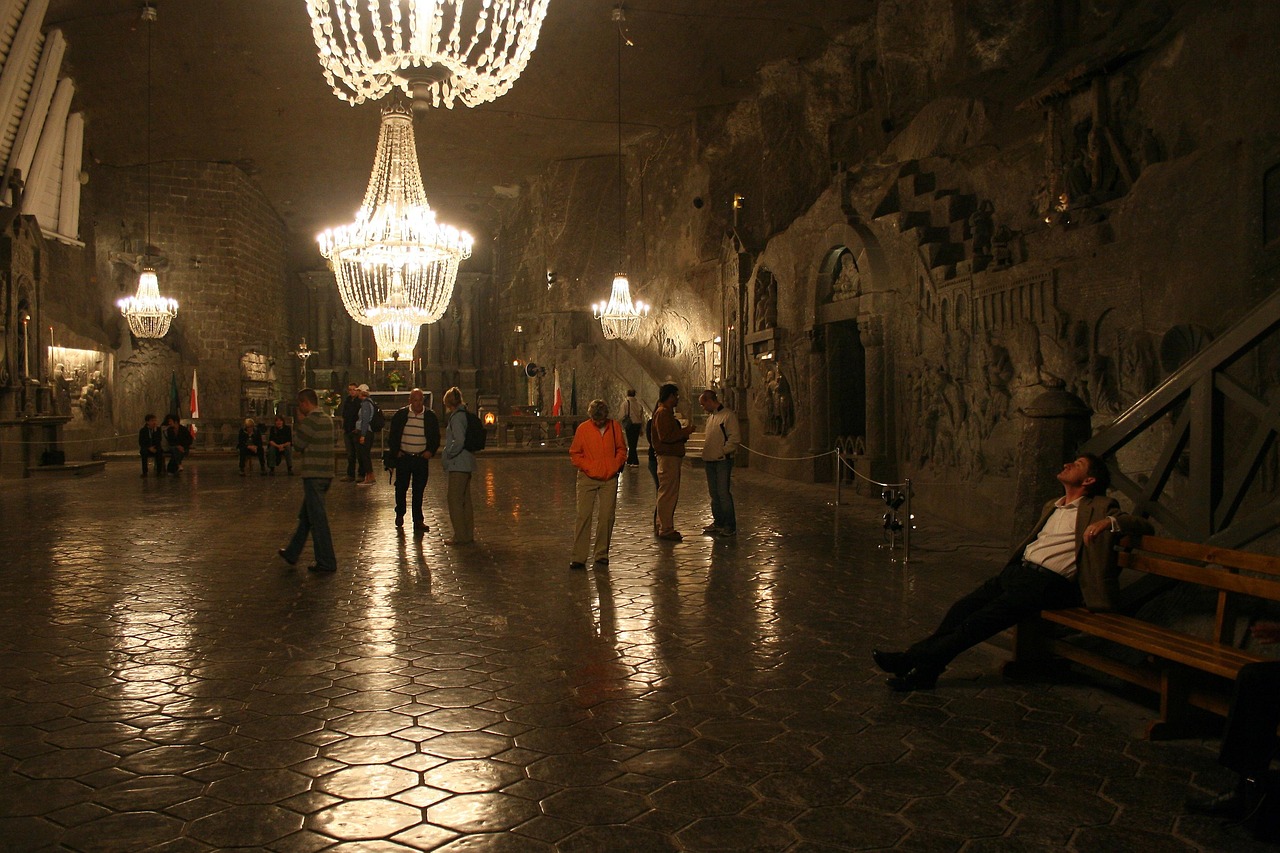
Mined for more than seven centuries, this salt mine in the town of Wieliczka, outside Kraków, has chambers, brine lakes and chapels carved…
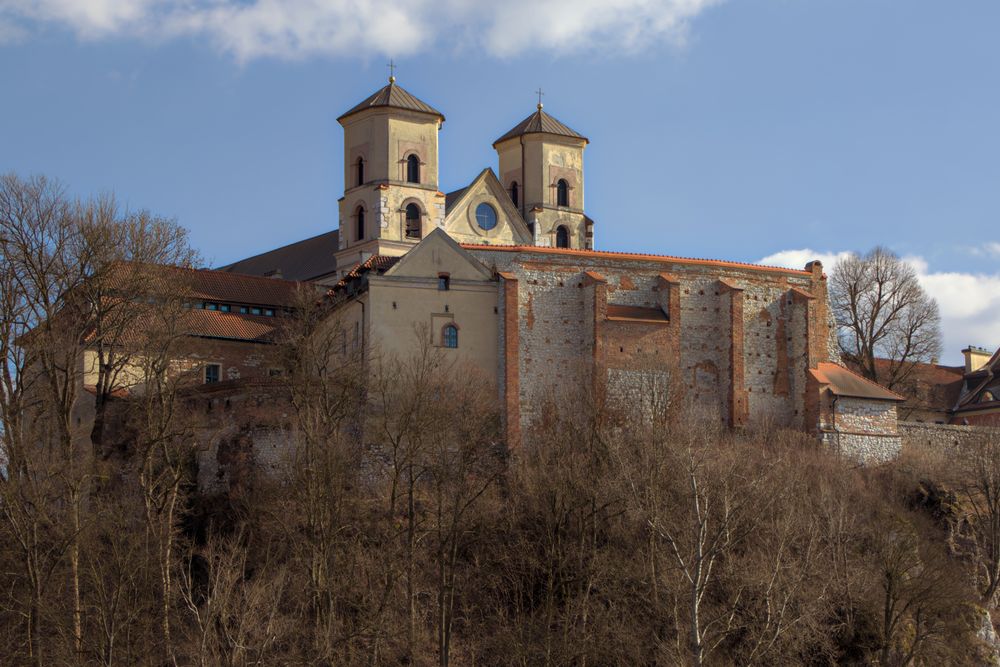
The oldest men's monastery still standing in Poland, this Benedictine abbey sits like a fortress on a limestone cliff above the Vistula,…
Restored stone murowaniec in Kuźnice, inside the Tatra National Park at 1030 metres, 100 metres from the Kasprowy Wierch cable car station.…
Built on the site of the former PTTK Tourist's House beside Krupówki, with 101 rooms including 27 apartments. Wellness facilities include…
Built in 1905 on Kościuszki street in Zakopane, this four-star hotel has 54 rooms and apartments, most with a balcony facing the Tatra…




Save Morskie Oko to your Poland trip in the Meridian Dispatch app and build the day around it, with the best of Zakopane pinned on one map.
Download on the App StoreLast updated