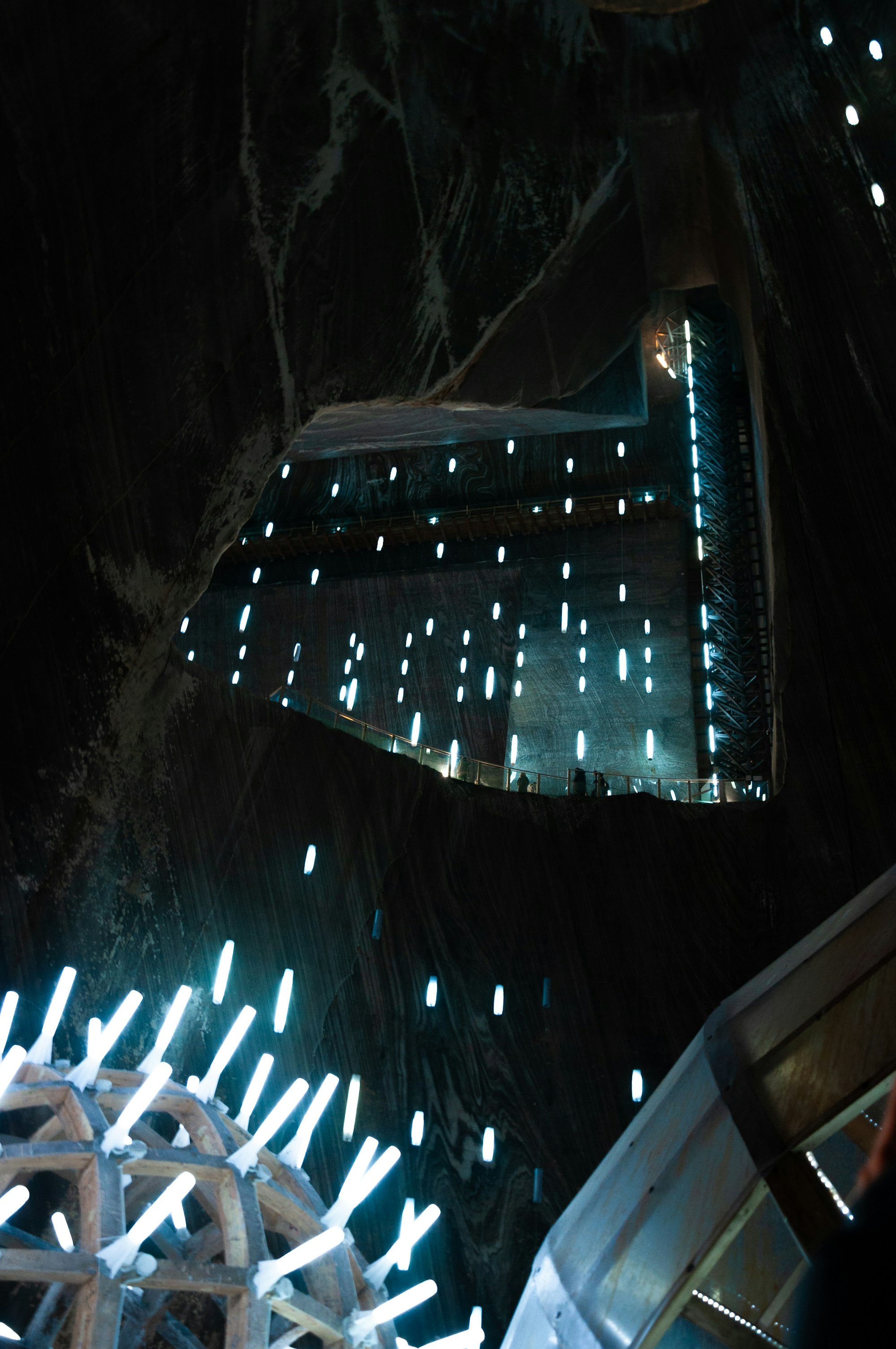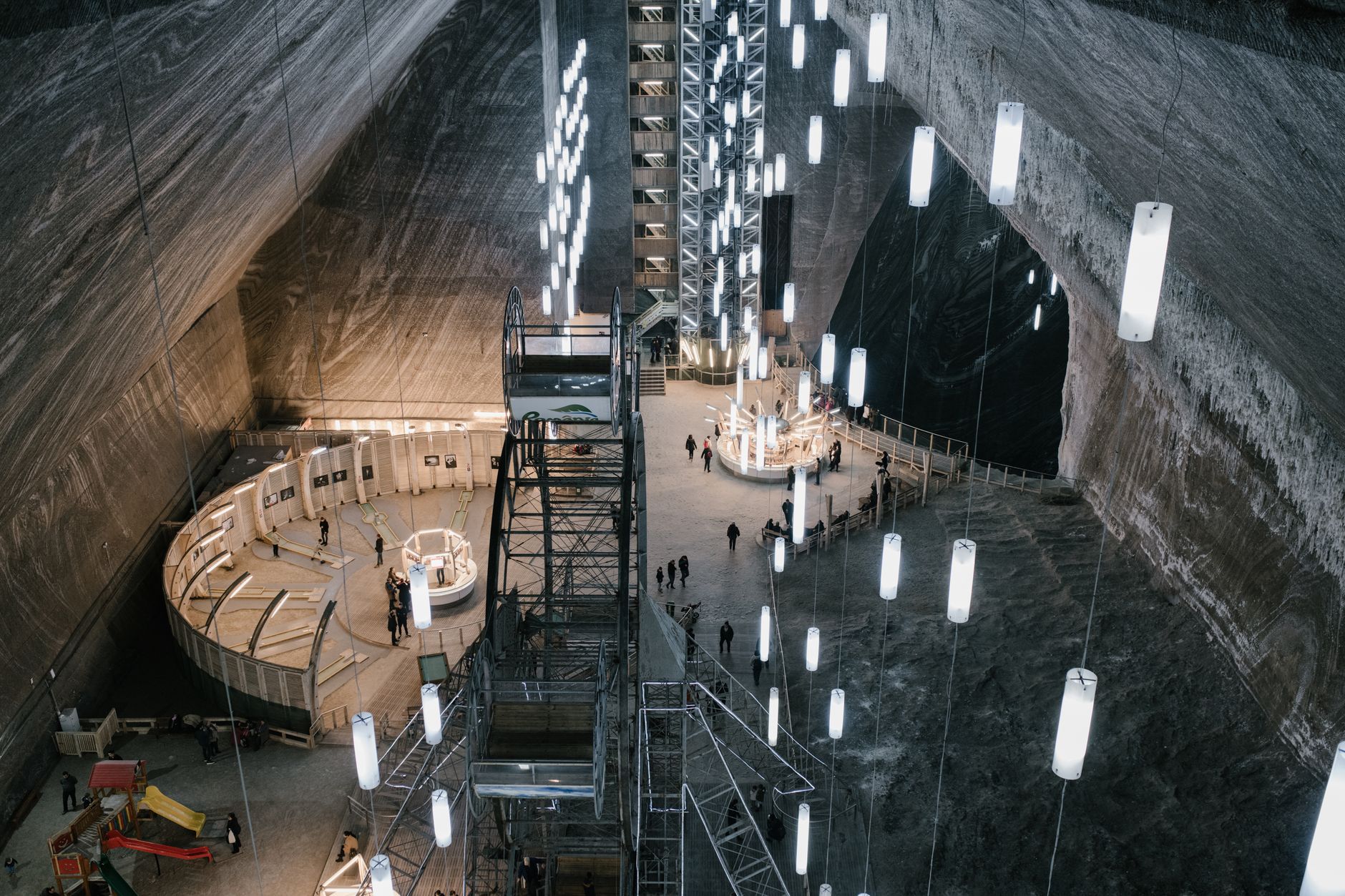
A carousel turns on the floor of the Rudolf chamber at Salina Turda, about a hundred and twenty metres under Transylvania. Beside it stand a Ferris wheel, a bowling alley, a mini golf course and an amphitheatre with rows of seats. Men cut the room out around them, working rock salt by hand. The walls still carry the vertical scoring of their tools, and the last of that work stopped in 1932.
Turda has been a salt town for as long as anyone has written about it. A document of 1075 names a salt customs house at the citadel there, which is a toll point and not a mine. The first explicit grant of the workings is dated the first of May 1271, to the chapter of the Transylvanian bishopric. What closed them was ordinary: primitive equipment, poor yields, and better mines elsewhere in Transylvania.
After that the town found other uses for it. People sheltered in it during the Second World War. From about 1950 the first stretch of the Franz Josef transport gallery held a cheese store, and it did so for forty years. In 1992 it opened again as a halotherapy centre, on the argument that salt air at a constant temperature helps damaged lungs.
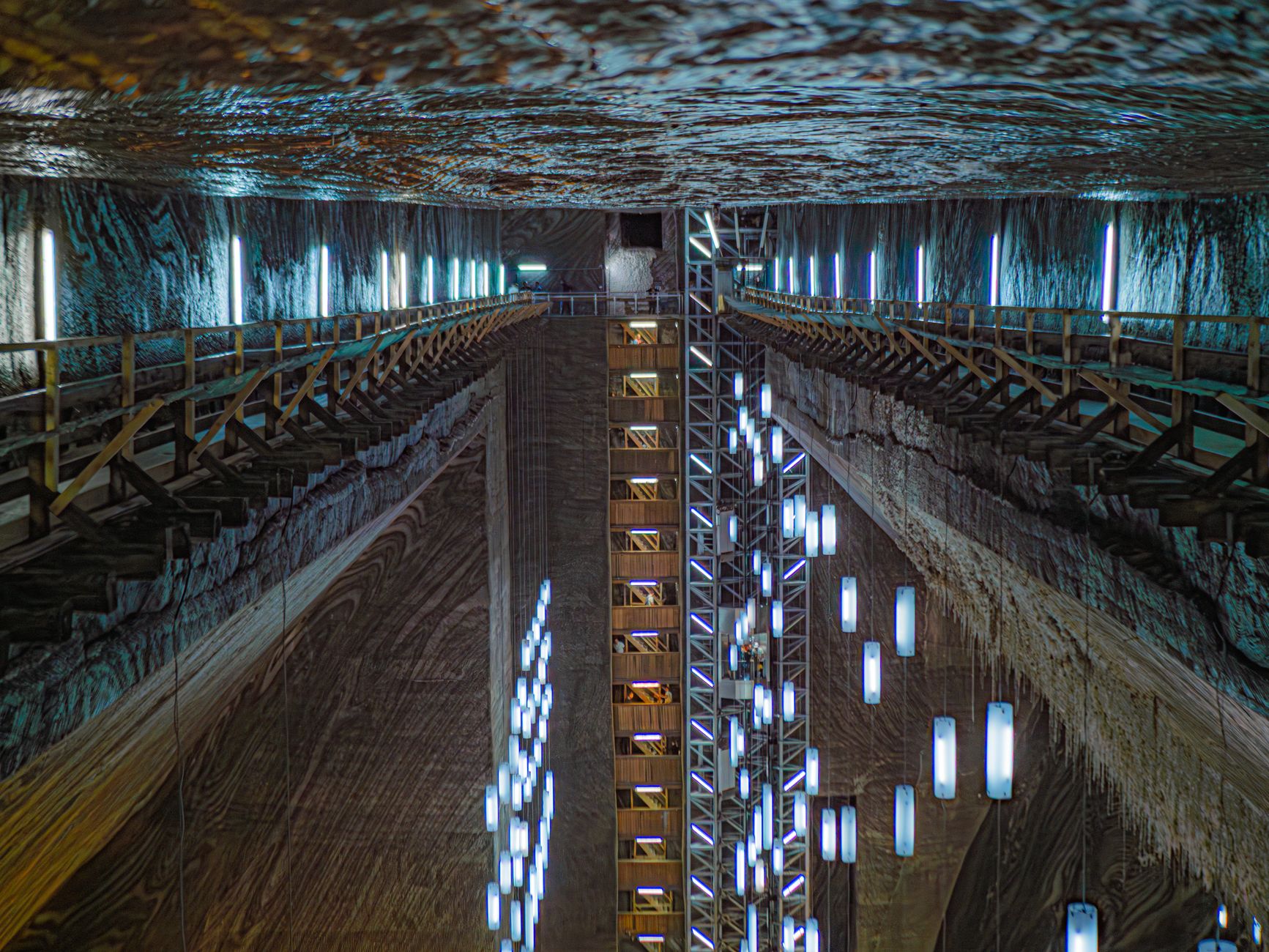
Getting in is a walk before it is a descent. The Franz Josef gallery runs 917 metres into the hillside, most of it driven through sterile rock and not salt, and about 850 metres of it are walkable. Only then does the ground open. From there it is a lift, or a hundred and seventy two steps down thirteen marked levels.
The seam under Turda is enormous and very pure, which is why the chambers are the shape they are. Salt was cut in blocks from the floor down, so a room grew taller as it was worked, not wider. That is the reason a visitor arrives at the top of each one and looks down into it.
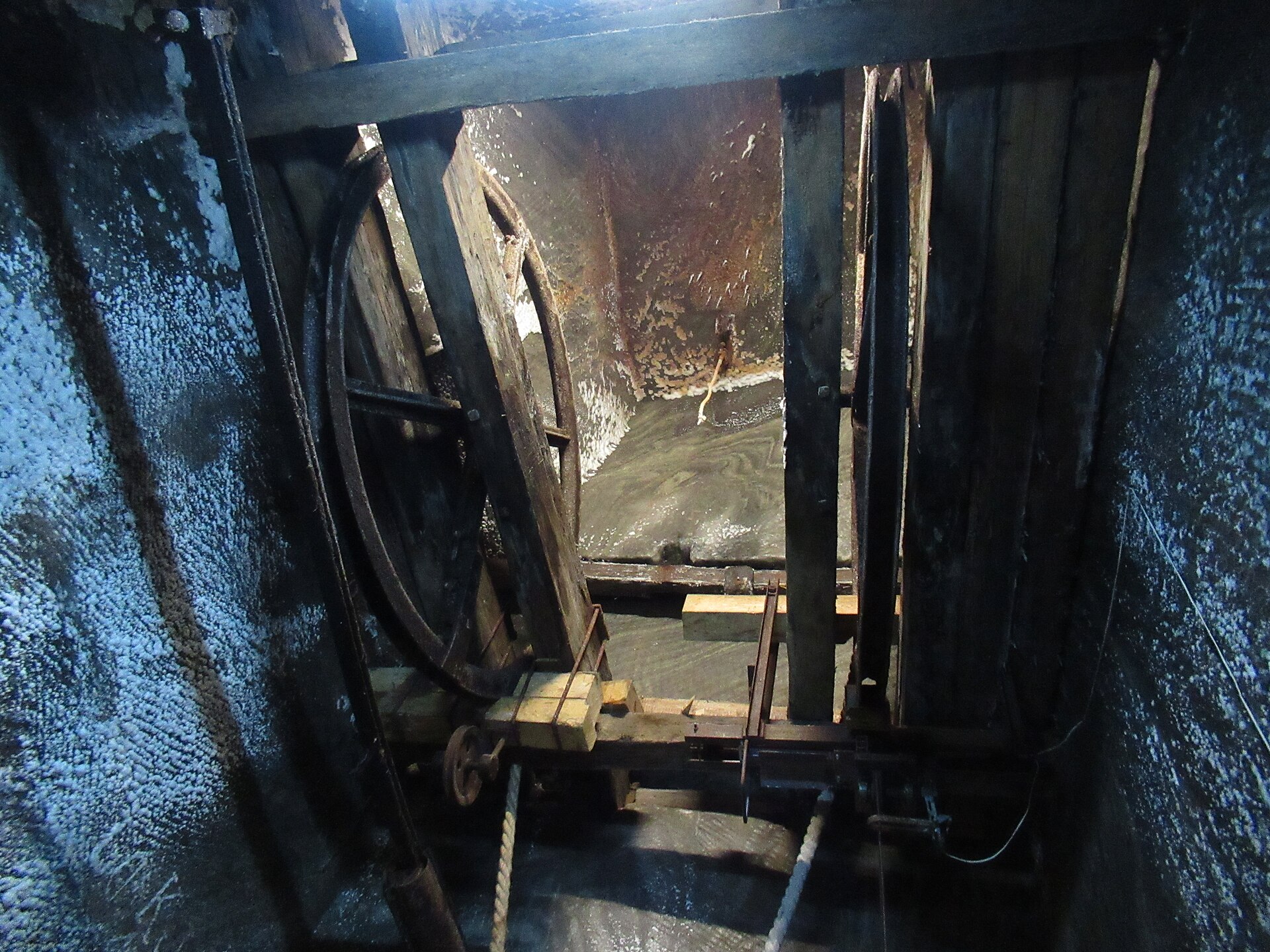
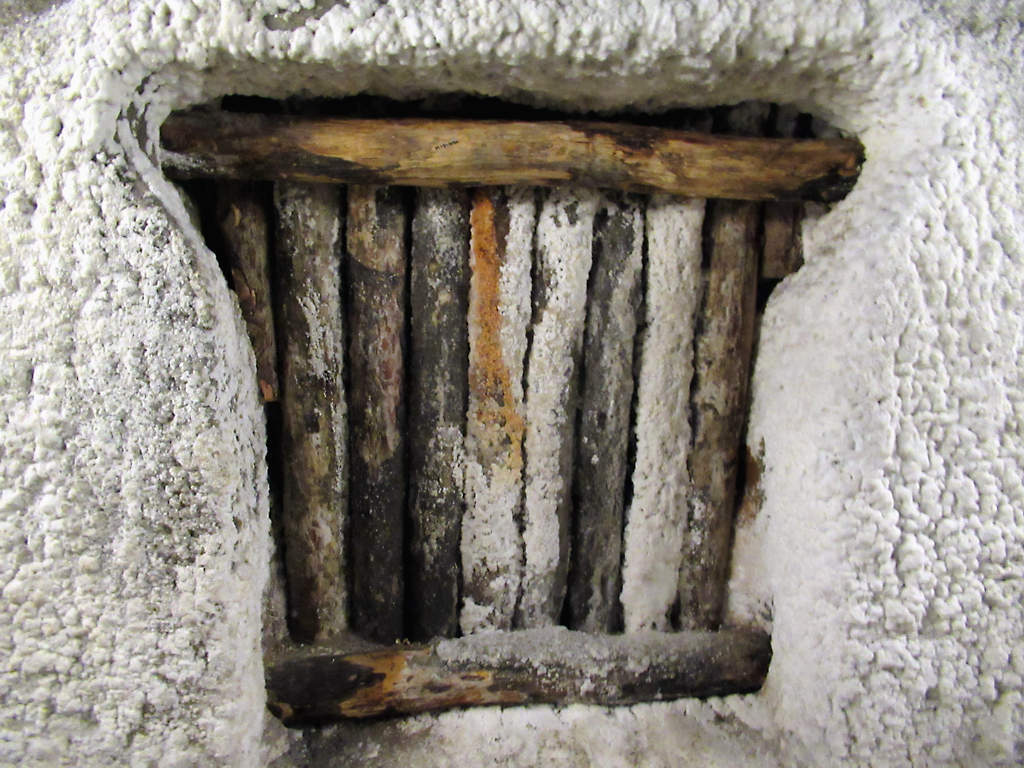
The miners left more than the shape of the rooms. A timber wheel with its rope still over it stands against one of the salt walls. Baulks set into the walls have grown a white crust, which is the salt coming back out of the rock. A horse-driven winch of 1881, the crivac, is the only machine of its kind still standing where it worked.
The visit takes in three chambers. Iosif is a cone about a hundred and fifteen metres deep and sixty seven across at the base, and its echo returns a sound up to twenty times. It cannot be entered. Visitors look down into it from balconies cut into the salt, and it has been under redevelopment since 2025. Terezia runs a hundred and twelve metres from the mouth of its shafts to the floor. Rudolf is the shallow one, forty two metres from floor to roof, and it is where the rides are.
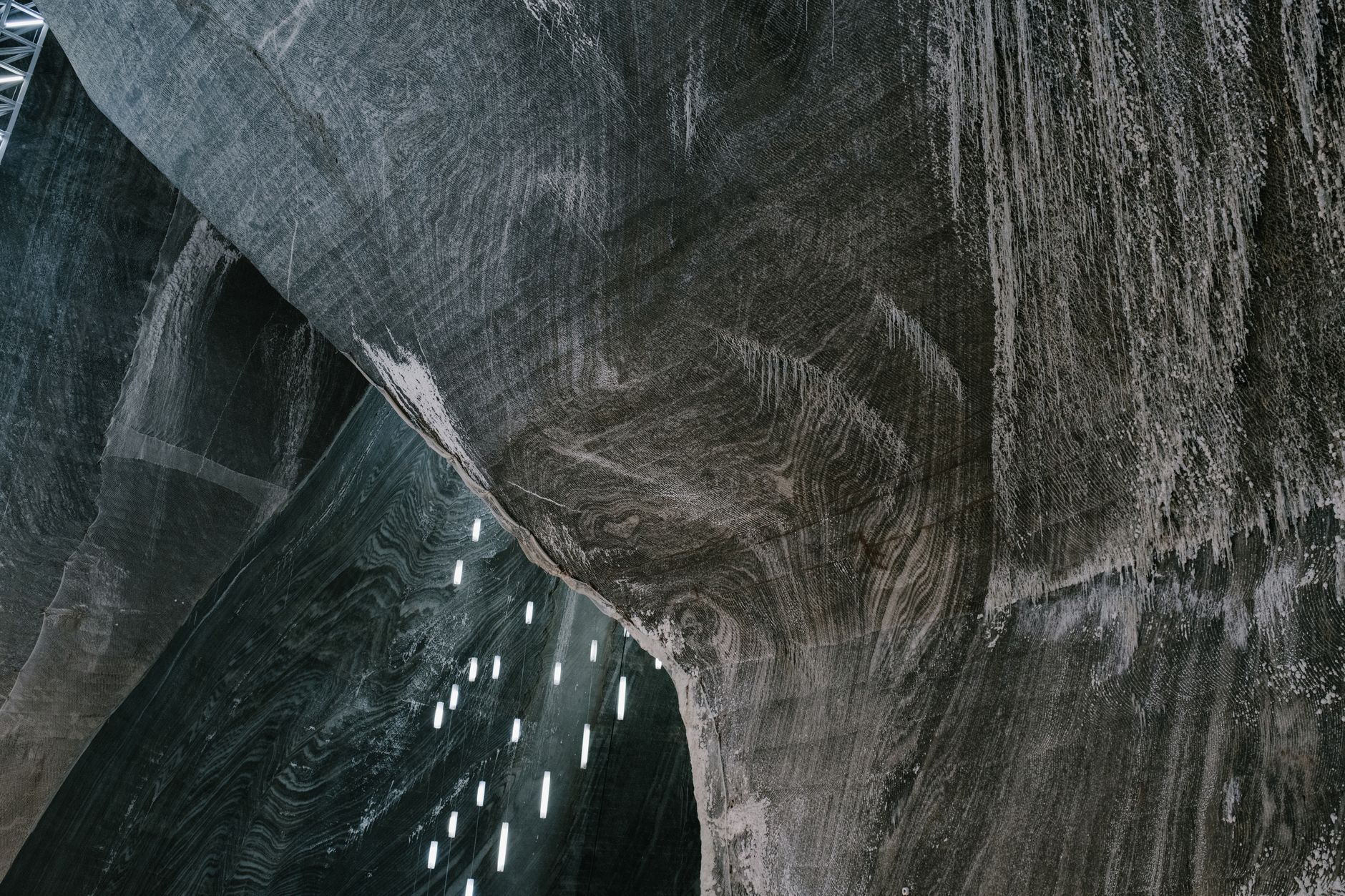
Terezia has a lake on its floor. Brine has collected there to about six metres at its deepest, over most of the floor, and rowing boats go out on it under the lights. Salt stalactites hang off the ceiling of Rudolf, growing roughly two centimetres a year. They reach about three metres before their own weight brings them down.
A European grant of about 5.9 million euros, spent between 2008 and 2010, paid for the lifts, the walkways, the lighting and the attractions. Roughly two thirds of it was European money and the rest came from the town and the county. It turned a mining museum into somewhere that has taken close to seven hundred thousand people in its best year. They have wobbled since instead of climbing, and 2025 came in below the year before it.
Every room down here is a hole where the salt used to be.
It is colder than people dress for. The air holds eleven to twelve degrees all year, at humidity in the seventies and low eighties, so the walls sweat and an August afternoon outside changes nothing. Allow two to three hours. Opening hours shift with the season, and the last entry is an hour before closing, so check them on the day. The lift queue is the choke point in season, and the wheel, the boats and the halotherapy chamber are each ticketed on top of the entrance.
Plenty of visitors find the funfair a cheapening of a seven hundred year old working, and the argument has an answer on the same floor. The chamber next door treats children with respiratory conditions who are underground for hours at a time. The playground is what they do while they breathe.
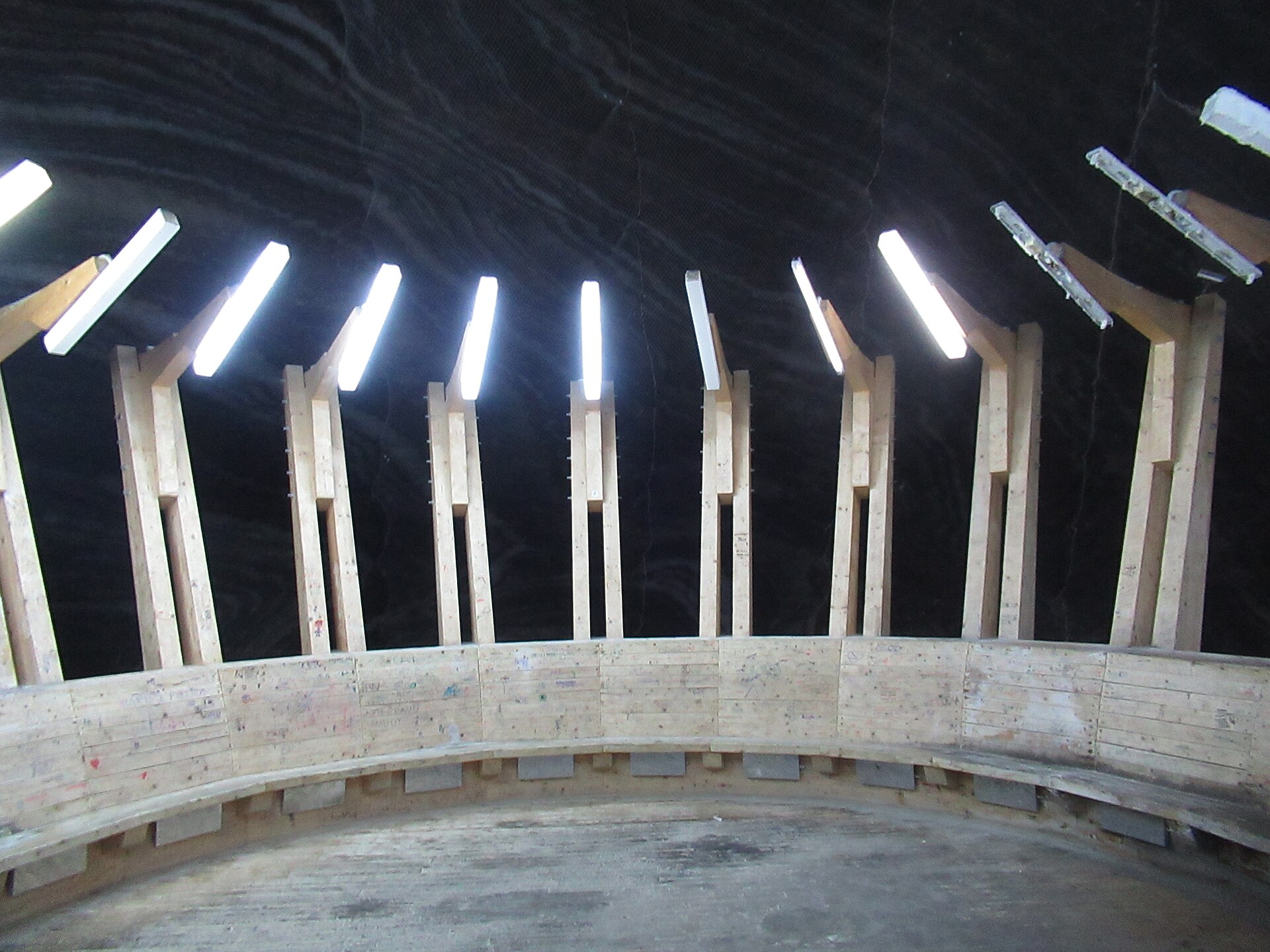
Ghizela is that chamber, and treating lungs is the reason the mine opened again at all in 1992. It is ticketed separately from the rest of the visit, as a treatment room visitors are allowed into.
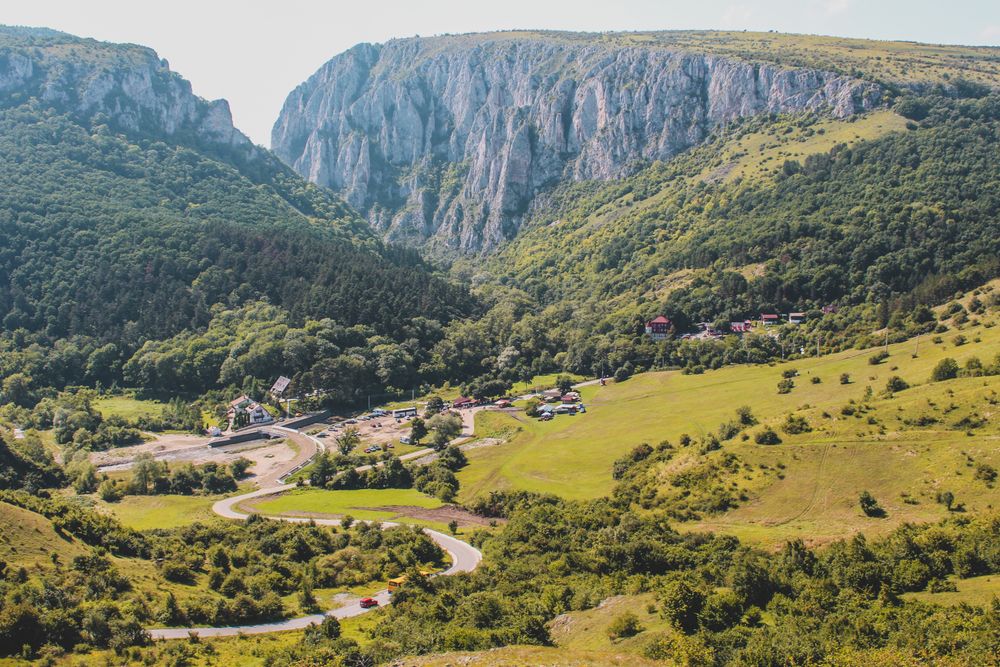
Cluj-Napoca is half an hour away, which makes this the easiest day out in the county. The Cheile Turzii gorge is twenty minutes further on, a limestone cut with a marked path along the river. The two together fill a day without either feeling hurried.
Salt stopped being worth lifting out of here in 1932, and the hole stayed. What fills it now is a Ferris wheel, an amphitheatre and a queue for the lift. The tool scoring on the walls is the same scoring the last shift left.