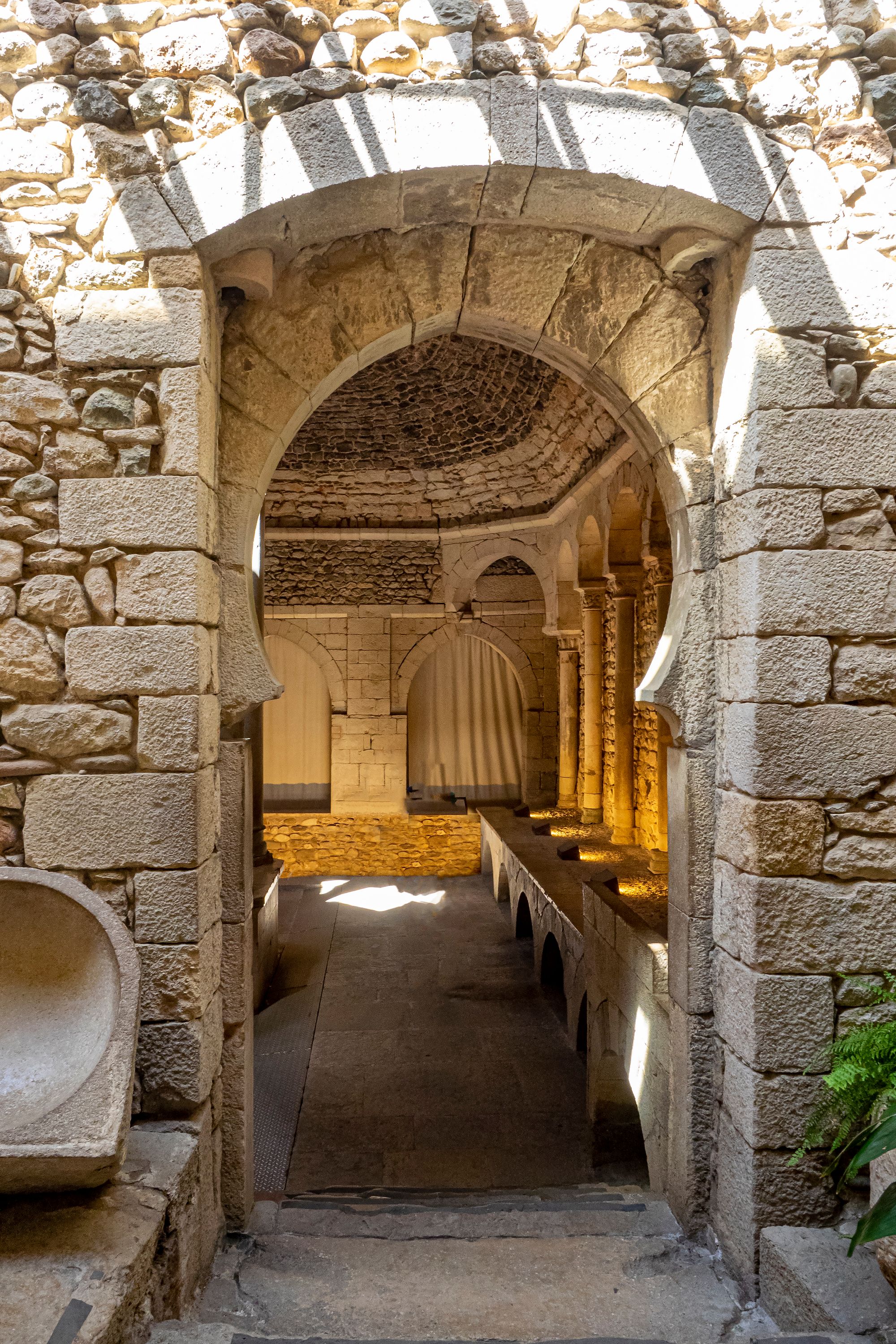
Ninety seconds on Arab Baths of Girona
Under one octagonal lantern a few streets from the cathedral, you find a small pool ringed by columns, the heart of the best preserved Romanesque public baths known. Give it a slow half hour.
Despite the name, this is a Romanesque bathhouse of the 12th century, inspired by the baths of ancient Rome. Its rooms follow the Roman order of changing room, cold, warm and hot.
The changing room is the one you came for. Columns with Corinthian-style capitals ring a small octagonal pool, and an octagonal lantern on arches and pillars rises above it through the roof. Look closely at the capitals: the carved plants and animals stand for the Christian earthly paradise.
Much of what you see in that room comes from the restoration of 1929 to 1932, which also opened it to the public. Beyond it, the cold room is small and plain. Its double doors once swung shut under their own weight, sealing the room to keep it cool.
In the hot room, look down: the floor sits over a hypocaust, an underground chamber heated from a furnace in the room next door. Archaeologists have mapped much of how it was built but still cannot say exactly how it ran.
Four small rooms make up the whole visit. You enter through the changing room, the grandest of them, with the pool and the lantern straight ahead. Give it a few minutes before moving on.
The other three are the cold room and the warm room, where bathers rested, talked, ate and had massages. Last comes the hot room, where you can stand over the chamber that once heated its floor.
At the end, stairs lead up to the rooftop. From there you look down on the stone dome of the lantern and across to the cathedral and the old town's churches.
A short guided visit runs at set times, mostly in summer, so check the day's times at the entrance. It explains the history and the working of all four rooms, which suits you if you want the heating system explained. Go alone at your own pace if you prefer.
Treat this as a short stop rather than a sight to build a morning around. It is a handful of small rooms, so pair it with the cathedral a few streets away.
Cash and cards are both taken at the entrance, and under-16s, the unemployed, groups and large or single-parent families pay a reduced rate. Bring a small dog only if it travels in a carrier, which is the condition for taking it inside.
Explore the rest of Girona
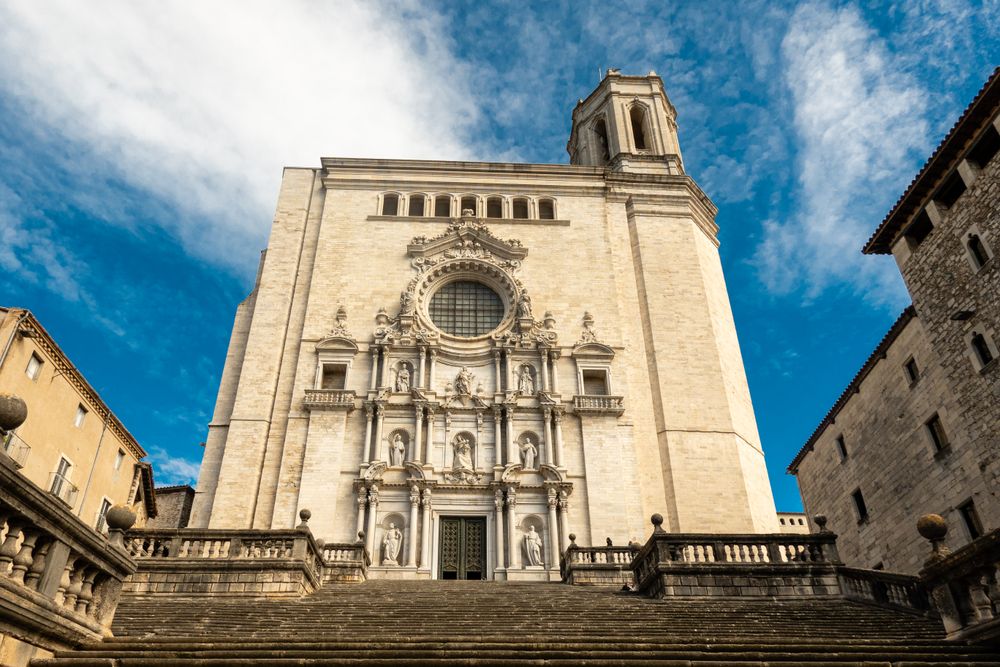
Climb the long Baroque staircase from Plaça de la Catedral to reach the Gothic nave and the cloister.
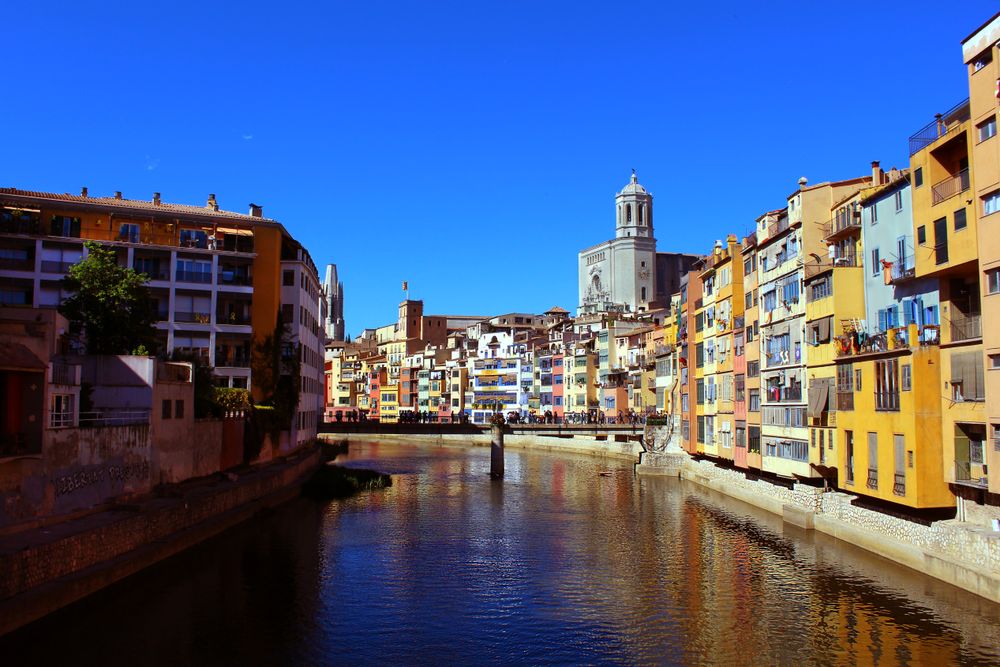
Painted houses in ochre, red and other earth colours line the Onyar river through Girona, the backs of buildings on Rambla de la Llibertat.…
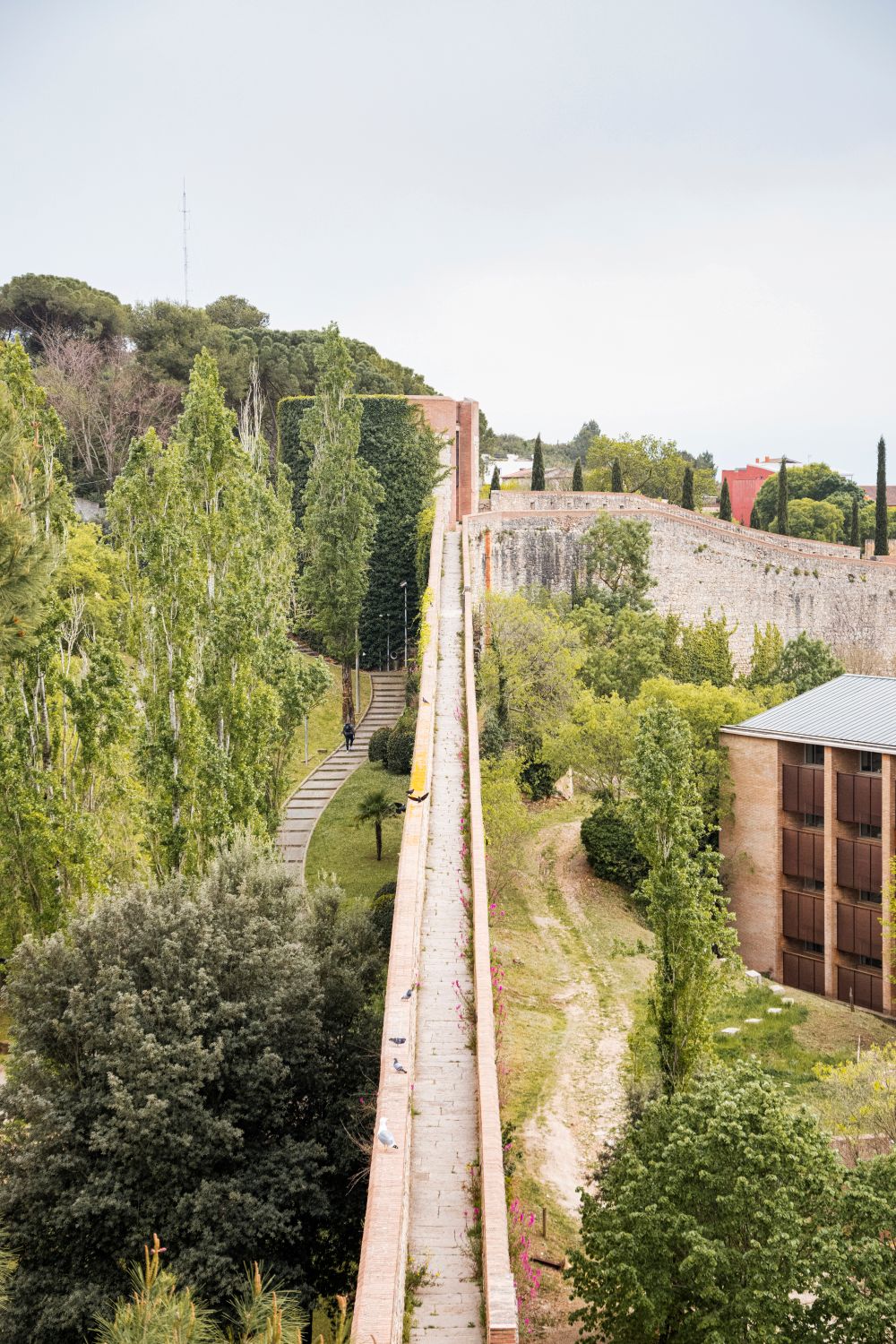
The Passeig de la Muralla follows the top of the old town's ramparts, with lookout towers and views over the rooftops to the cathedral.…