Ninety seconds on Cases de l'Onyar
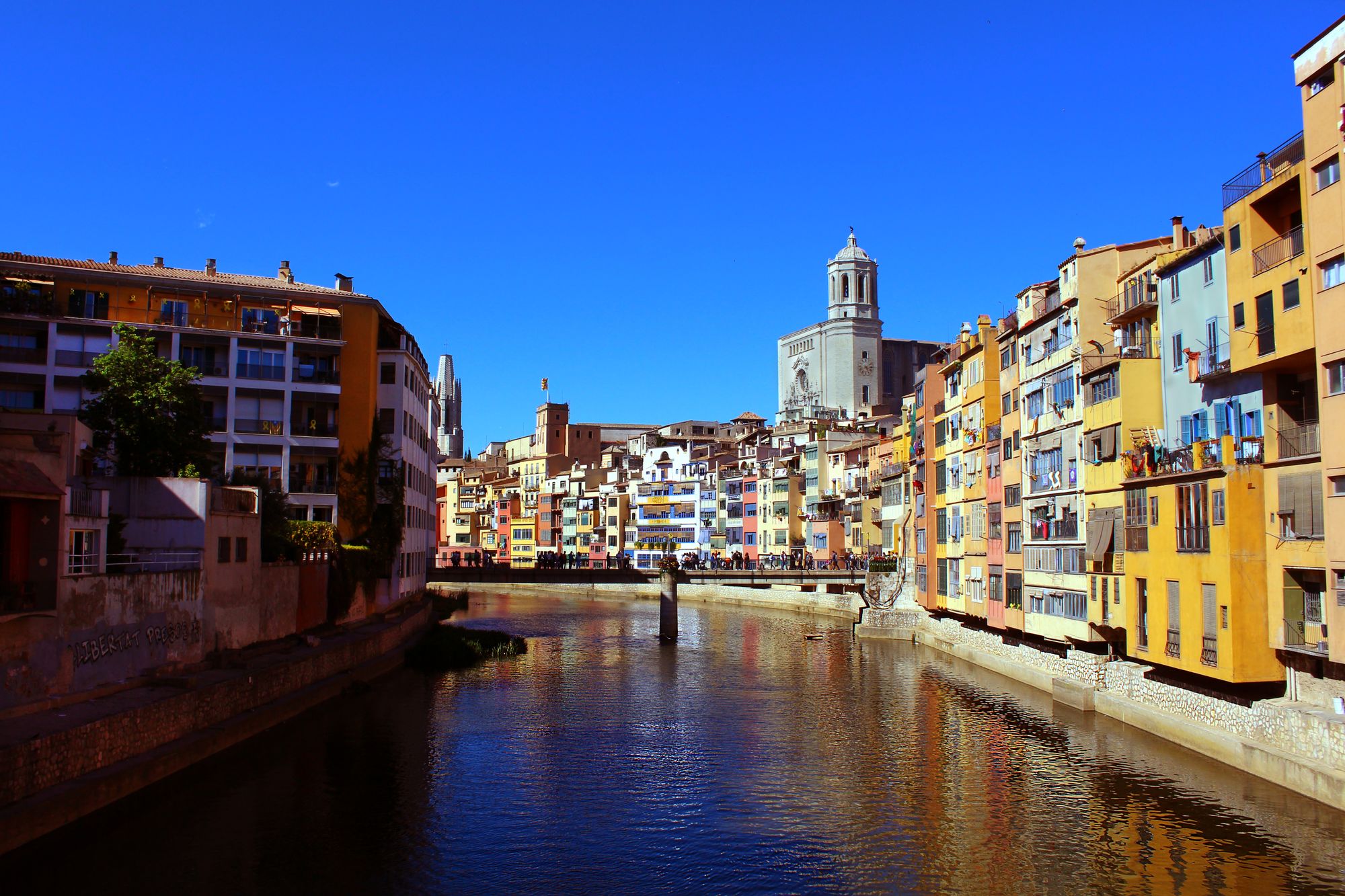
Every house on this bend of the Onyar turns its painted back to the river, and from the bridges you see the whole row and its reflection, the view the city treats as its most emblematic image.
What you are looking at is the back of each house. The fronts face Rambla de la Llibertat, and the coloured rears drop straight to the river. Their colours date from a 1983 restoration of the row.
The colours were chosen from a set palette of 32 earth tones, with Catalan names such as Roig Anglès, Terra de Camp and Ocre Tallat.
Casa Masó, the birthplace of the architect Rafael Masó, is the only house in the row you can enter. It keeps the Noucentista furniture and decoration of his time.
A red iron footbridge built by the Eiffel company, known as the Palanques Vermelles or the Pont de les Peixateries Velles, crosses the river near the row. It is the bridge that frames the row for the photo.
Pont de Sant Agustí gives you the best view of the whole row, so start there and look along the bend. Then walk on to the red iron footbridge for a second angle.
Casa Masó, at number 29 on Carrer de les Ballesteries, opens only for guided tours, and you book ahead. Choose the date, time and language when you book, then arrive for your slot.
Inside, the rooms keep their early 1900s furniture, and the windows look out over the river.
Every visit to Casa Masó is guided, in English, French, Catalan or Spanish. Tours take ten at most, and the first person to book a slot chooses its language. Groups larger than that email info@rafaelmaso.org at least four days ahead.
For the old town as a whole, the city runs its official guided visits from the Welcome Point at Carrer de Berenguer Carnicer 3.
First thing in the morning the river is at its calmest and the bridges are at their quietest. The hour before sunset is the other good window for photographs.
Be sure of your date before you pay for Casa Masó: tickets are not refunded unless the foundation cancels the tour. A grey or rainy day still works for the facades, with the colours standing out against the wet stone.
Explore the rest of Girona
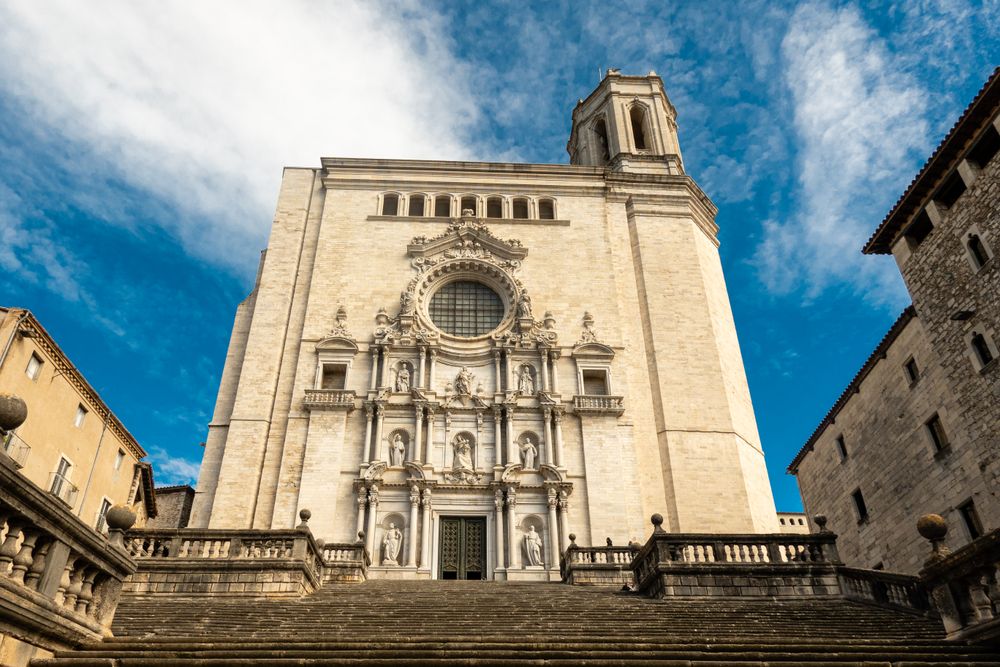
Climb the long Baroque staircase from Plaça de la Catedral to reach the Gothic nave and the cloister.
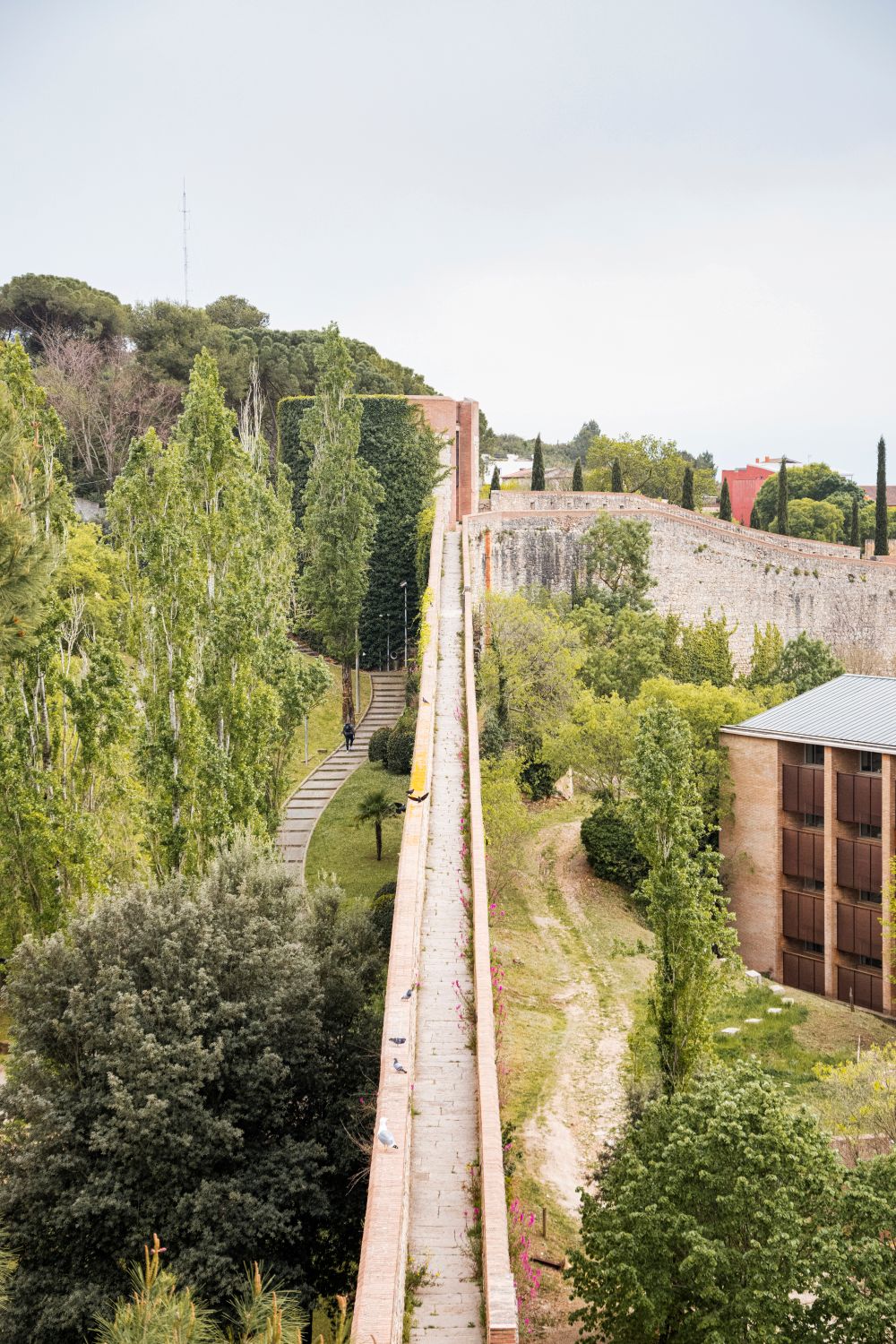
The Passeig de la Muralla follows the top of the old town's ramparts, with lookout towers and views over the rooftops to the cathedral.…
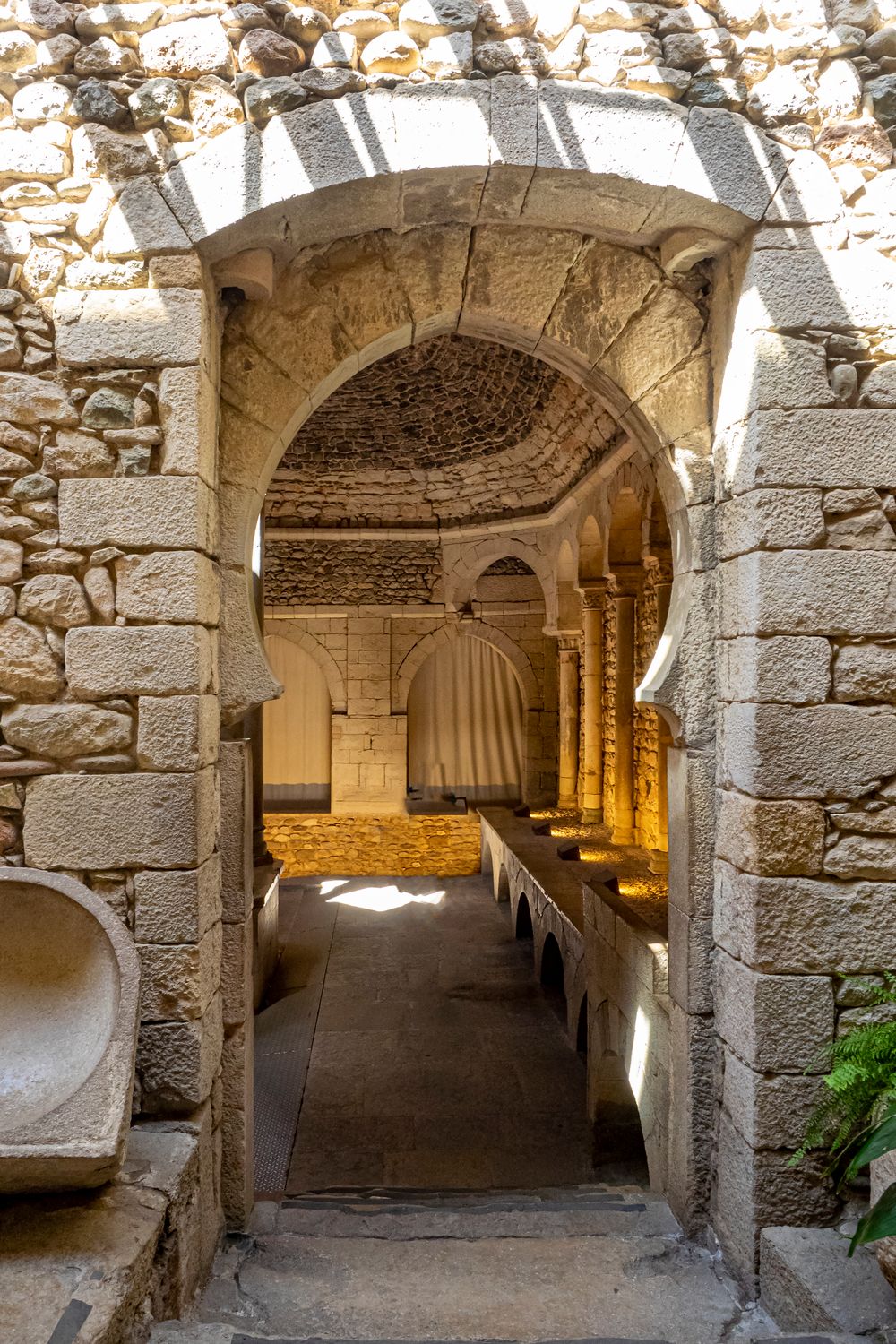
Despite the name, this is a Romanesque bathhouse built on the Roman model, with changing, cold, warm and hot rooms. In the changing room,…