Ninety seconds on Formentera
Across a short strait from Ibiza Town, Formentera gives you turquoise shallows at Ses Illetes, easy lanes for a hired bike and two clifftop lighthouses in a single day.
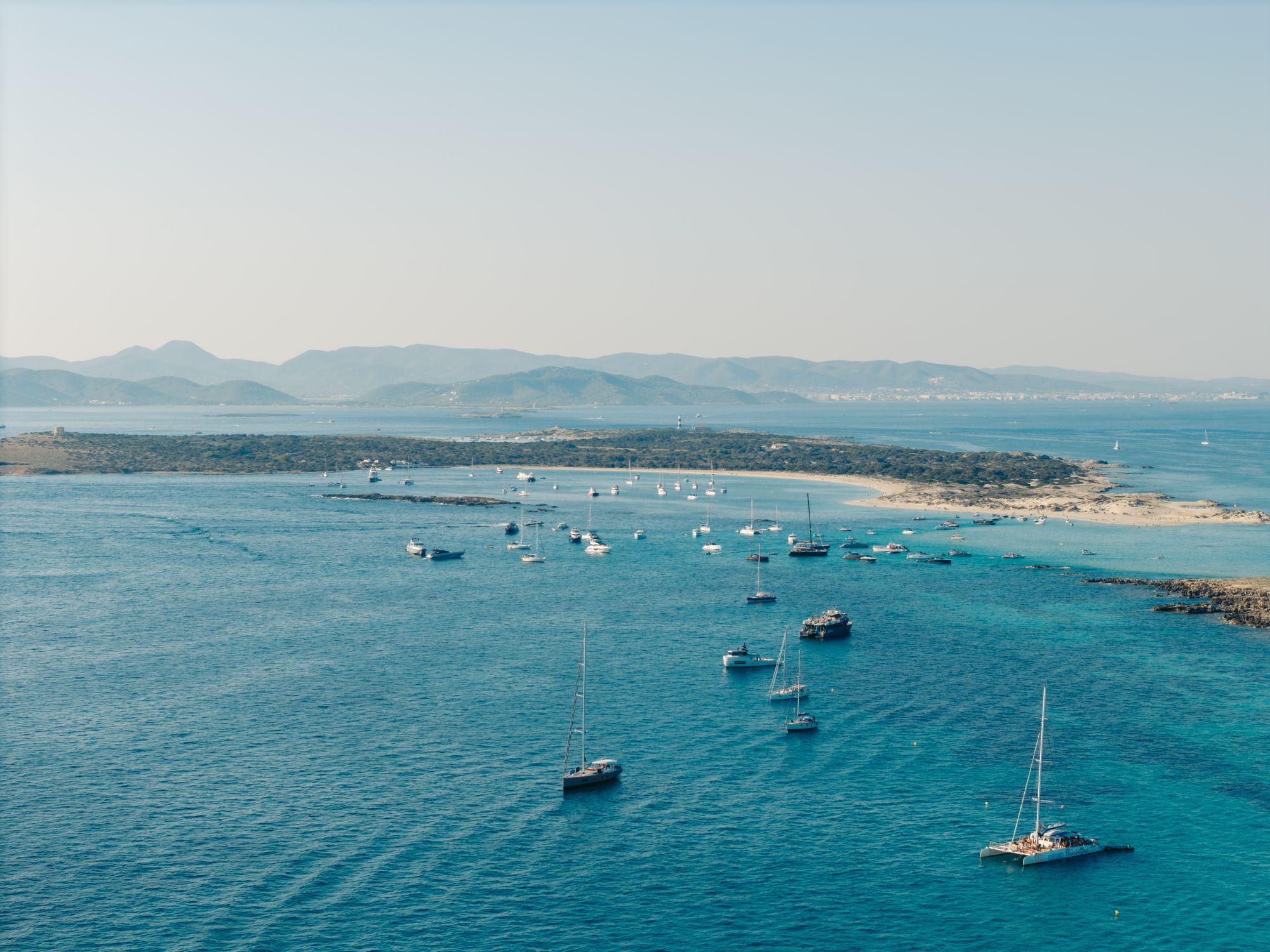
Ses Illetes is a narrow strip of white sand on the northern peninsula, inside the Parc Natural de ses Salines, where shallow water runs over a sandy seabed.
The park around it protects the oldest Posidonia seagrass meadows in the area, listed by UNESCO as World Heritage in 1999. It also holds working salt pans, which give the park a landscape unlike the rest of the island, and flamingos are the easiest of its 210 or so recorded bird species to pick out.
Cap de Barbaria lighthouse sits about 65 metres above the sea, looking over Migjorn beach, La Mola and, on clear days, Ibiza. La Mola is the island's highest point, and its lighthouse at the cliff edge faces open sea.
In Sant Francesc, the church was built as a fortified refuge against pirate raids. Its door is still covered in iron plating.
Two wheels cover the island: leave the car on Ibiza, cross as a walk-on passenger and hire a bike or scooter at La Savina. The bikes wait just behind the disembarkation area of the ferry station, so you can be riding within minutes of landing.
Go to Ses Illetes first and arrive before nine in the morning, ahead of the cars. The car parks fill from mid-morning until early evening. The park's four signposted routes need no booking.
After a swim, ride to Sant Francesc Xavier for the fortified church. For the Cap de Barbaria lighthouse, the approach road from Sant Ferran climbs steadily, harder on a standard bike than on a scooter. Cars and scooters stop at a barrier, and you walk the last 2 km, 25 to 30 minutes each way.
Finish at La Mola, the island's high plateau and its other lighthouse, or at the calm, shallow bay of Es Pujols on the north coast. In summer, an artisan market sets up near the La Mola lighthouse on Wednesday and Sunday evenings, from late afternoon until ten at night.
You do not need a guide: the park's signposted routes are built to be walked alone, and a hired bike covers the rest.
The park runs its own guided visits and educational activities through the year, which suit anyone who wants the salt pans and seagrass explained. Start at the Can Marroig interpretation centre, which sets out what the park protects. If you cannot walk the paths, the park information centre can arrange a route in an adapted Joëlette chair.
Walk-on passengers can usually board without booking for most of the season, but the last evening boats back to Ibiza sell quickly in July and August, so book your return early then. In spring and autumn, check the timetable for the last sailing before you cross.
Carry some cash, since some cafés and rental shops take nothing else, and reserve a beachfront lunch table in peak summer.
Keep to the marked paths, because the salt ponds, the dunes and the islets are off limits. S'Espalmador, the islet beyond the channel, is visited on licensed catamaran or zodiac trips from La Savina. Never try to swim across: it is banned and has proved dangerous.
Explore the rest of Ibiza
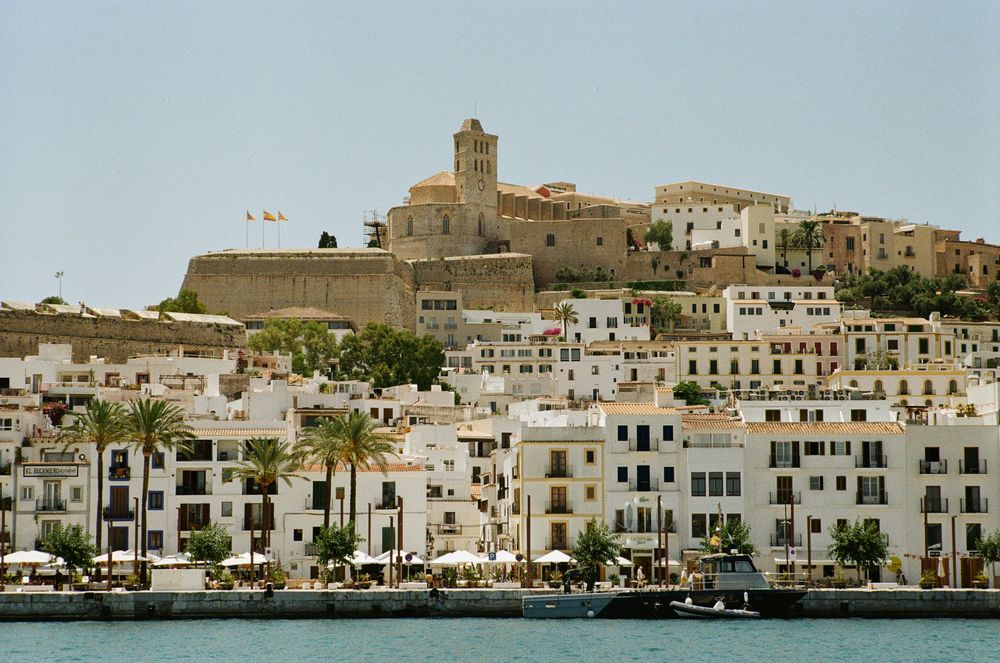
Ibiza Town's walled hilltop old town, a ring of Renaissance bastions that is free to walk with no ticket; the cathedral keeps its own…
Beaches, coves and a walled old town come with the clubs, and the island is small enough to see from one base. Ibiza Town suits the old…
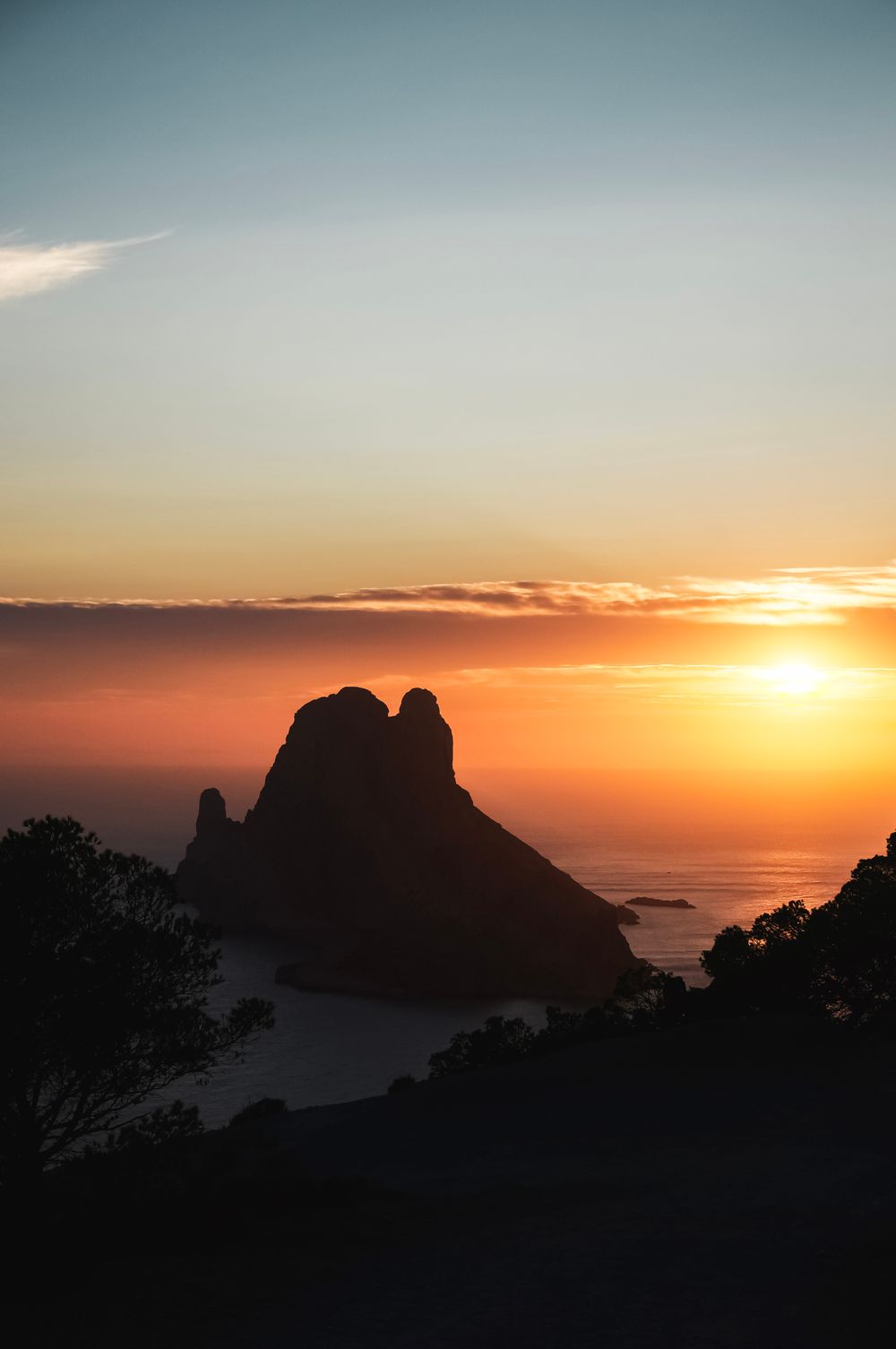
A sheer limestone islet off Ibiza's west coast, protected with its neighbour Es Vedranell as a nature reserve. It is seen from the beach at…