Ninety seconds on Roman Theatre of Málaga
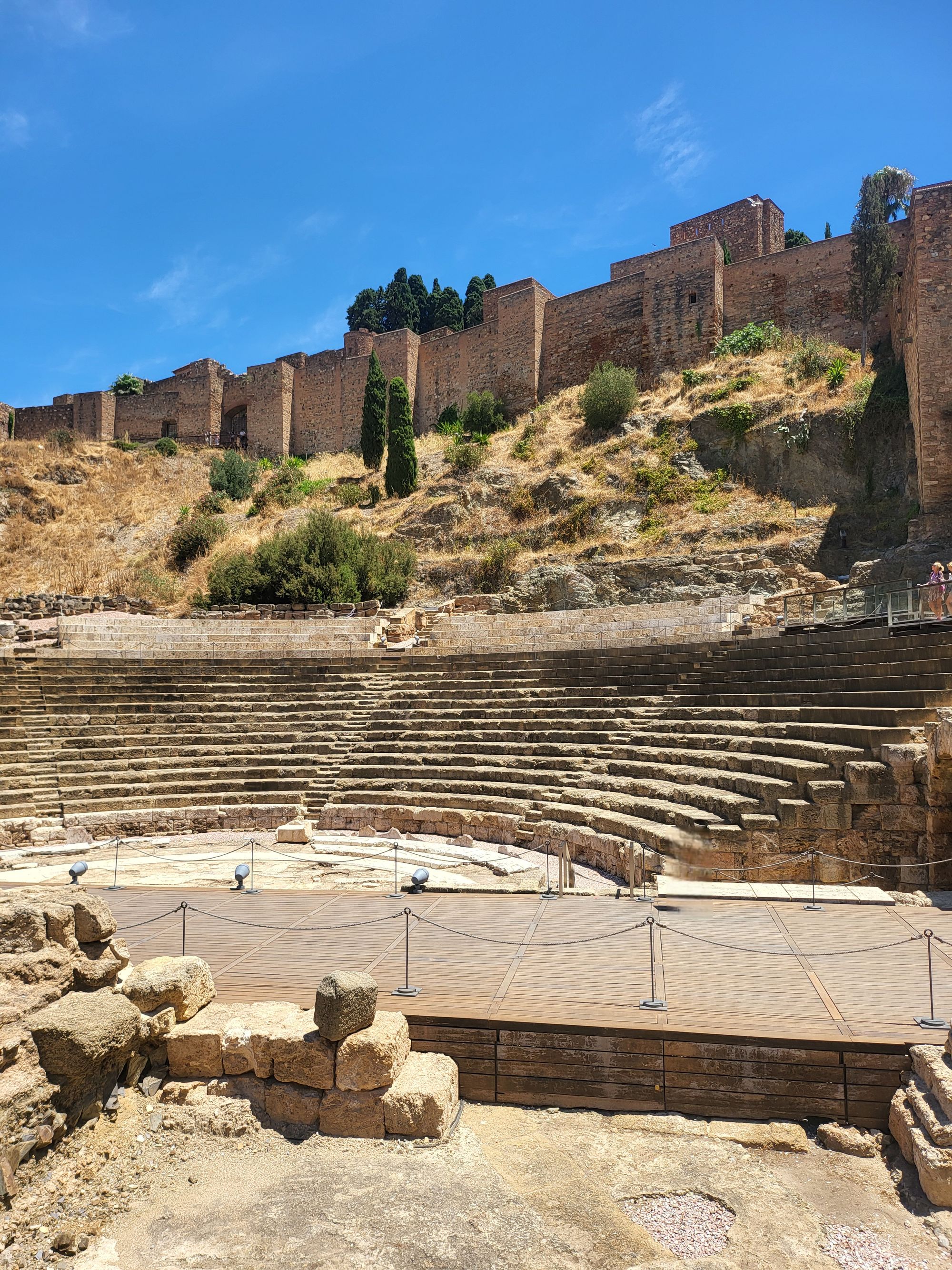
Come here to see a Roman theatre in the heart of a modern city centre, its seating and stage laid out in one view, with the Alcazaba's walls rising directly behind it.
The orchestra, the half-moon floor in front of the stage, is still paved with large marble slabs, and behind it stand the remains of the stage itself. From the bottom row, look up: the seating rises 16 metres in a half circle with a radius of 31 metres, and part of it rests directly on the slope of the hill.
The theatre was built at the start of the first century AD and was in use for about two hundred years.
On Calle Alcazabilla, a glass pyramid set into the pavement shows a row of Roman basins for making garum, a fish sauce. Fish and salt were packed into them in layers and left to ferment. The basins were lined with a waterproof render.
Start in the interpretation centre with the panels on the dig and the original pieces recovered from it. Ask at the desk for the video that shows how the theatre looked when it was in use.
Then go out to the theatre. Pass the stage and the orchestra, and take the stone steps up through the seating to the top row, where the whole theatre opens out below you.
Come back down the same steps when you are done. Before you leave, look into the glass pyramid in the pavement of Calle Alcazabilla.
On a sunny day the pale stone of the seating is glaring, so bring sunglasses.
The Alcazaba's main gate is next door on Calle Alcazabilla, so you can do the fortress first and finish here at the foot of the hill.
If you speak Spanish and travel as a group of five or more, the site runs guided visits in Spanish from Tuesday to Friday, booked ahead by phone or email.
Explore the rest of Málaga
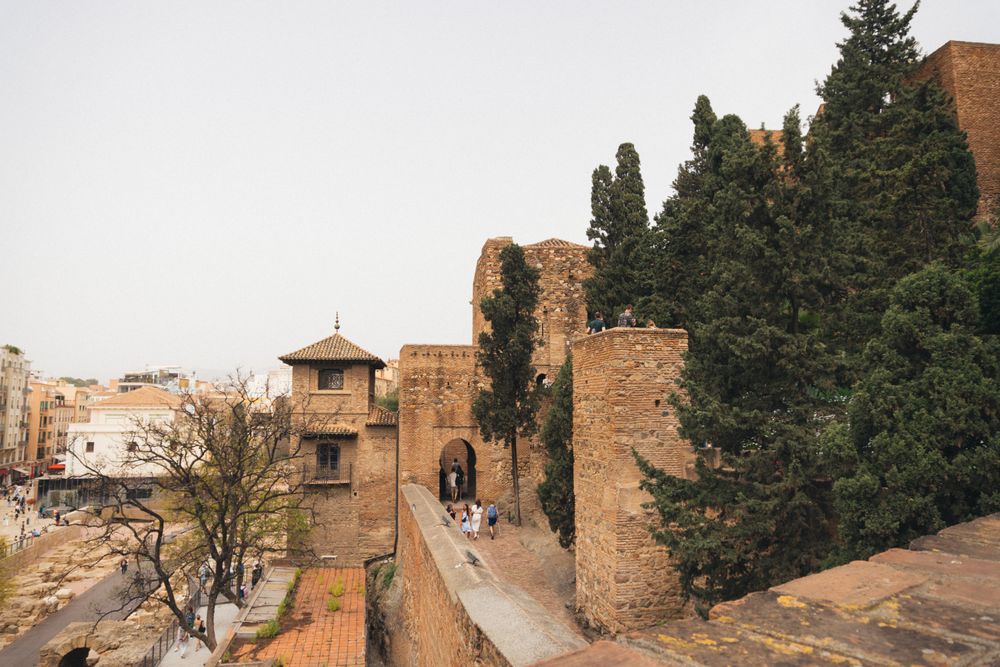
A Moorish palace-fortress climbing the hill above the port in rings of walls, with gateways set at angles to slow attackers. Higher up come…
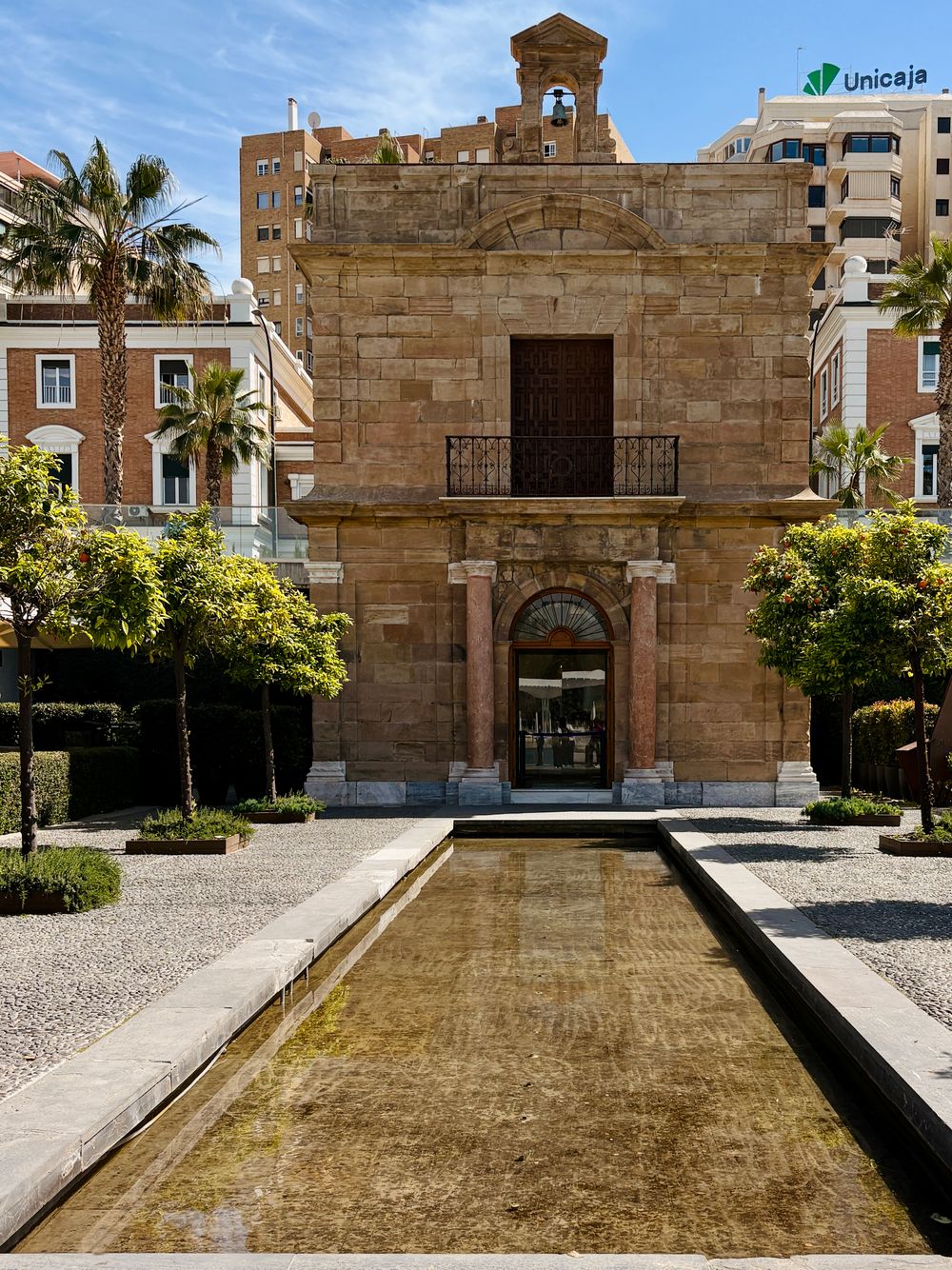
Paintings, drawings and ceramics given by the artist's family, hung in a Renaissance palace on Calle San Agustín a few streets from his…
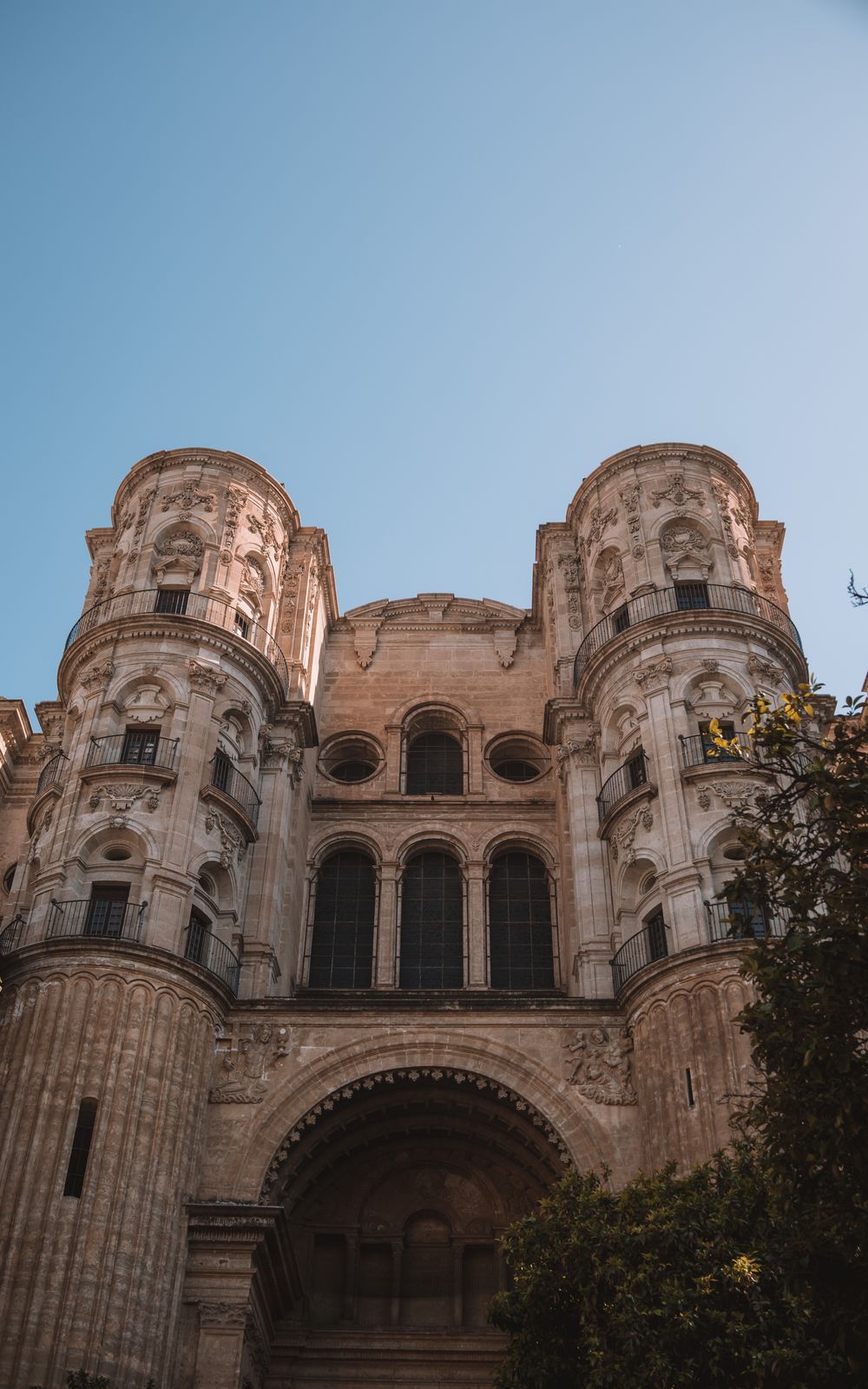
Known in the city as La Manquita, the one-armed lady, because its south tower was never finished and stops short beside the complete north…