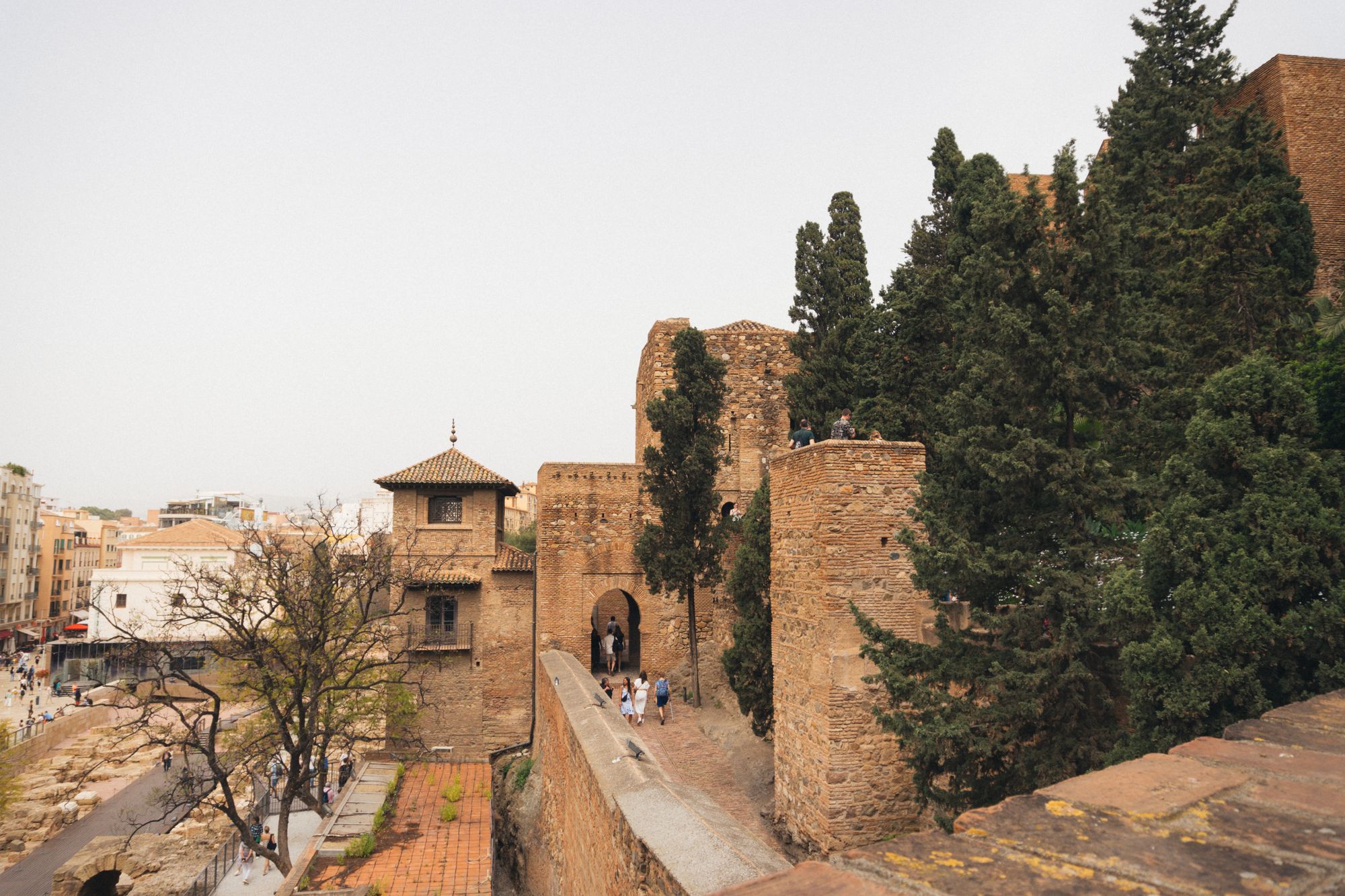
Stepping from hot ramparts into shaded palace courtyards is why you come: the Alcazaba is a Moorish palace walled in on the hill above Málaga, with gardens, pools and a wall walk to explore.
Fortress, Málaga. Meridian Dispatch.
The lift rises from a tunnel on Calle Guillén Sotelo, opposite the town hall. The main entrance on Calle Alcazabilla, beside the Roman Theatre, sits lower down, so walking in from there means climbing.
Between April and October the Alcazaba opens from 9am to 8pm, with last entry at 7pm. From November through March it opens from 9am to 6pm, with last entry at 5pm.
Entry is ticketed. Tickets are sold from two machines at the tunnel on Calle Guillén Sotelo, and a ticket is also needed to ride the lift. A joint ticket covers Gibralfaro castle too, and both sites are free for all visitors on Sundays from 2pm.
Set aside at least an hour to explore the palaces and the outside spaces. Time on the wall walk comes on top of that, since the ramparts run round the whole fortress.
A lift takes wheelchairs and pushchairs from Calle Guillén Sotelo up to the fortress near the top. The rest of the route is uneven stone with stairs throughout, so the lower ramps are not step-free.
Between about 2pm and 3.30pm, which is Spanish lunchtime, the fortress is quieter and fewer people are about. The last hour before closing is another good time to visit.
The official site of Alcazaba of Málaga is alcazabaygibralfaro.malaga.eu.
alcazabaygibralfaro.malaga.eu →Look at the corners of the Torre Albarrana on the way through: they are built of big stone blocks taken from the Roman Theatre below. It is the only tower of its kind here, standing out from the main wall and joined to it by a walkway, and everything above about halfway is modern restoration.
At the top, the Patio de los Surtidores was the central courtyard of an older palace, built before the Nasrid one. Its surviving south pavilion has a triple horseshoe arcade copied from the caliphs' palace city of Madinat al-Zahra, and off it a sixteenth-century hall keeps its carved timber ceiling where it was first built.
The Nasrid palace beyond is mostly a 1940s recreation, built from very few original fragments and modelled on the palaces of Granada, columns included. The Patio de los Naranjos is set round two small pools whose traces were found on the site, and the Patio de la Alberca's long pool reflects the arcades.
The shade and still water keep these courtyards noticeably cooler than the ramps. Before you leave, look up at the painted, curved ceiling in the room that holds the second section of the pottery display, which echoes the Sala de la Barca in the Alhambra.
From the lift you step out into the Plaza de Armas, a walled garden near the top where small channels carry water to a central fountain. Climb onto the wall walk here: the old town and the Roman Theatre lie below on one side, and the whole bay on the other.
Walk on into the two palaces and give them most of your time. The rooms along the Nasrid palace's north side hold a permanent display of Moorish pottery, restored from pieces found in the fortress and in digs around the city.
Then come back through the garden and take the ramps down, through a run of gateways that turn sharply and double back, past the Puerta del Cristo with the niche that gave it its name.
Wear trainers or flat shoes with grip, because strappy sandals start to hurt within a quarter of an hour on the stone. Carry water, sun cream and a hat for the ramps. Mobile data drops out near the thick entrance walls, so have your ticket on screen before you go in.
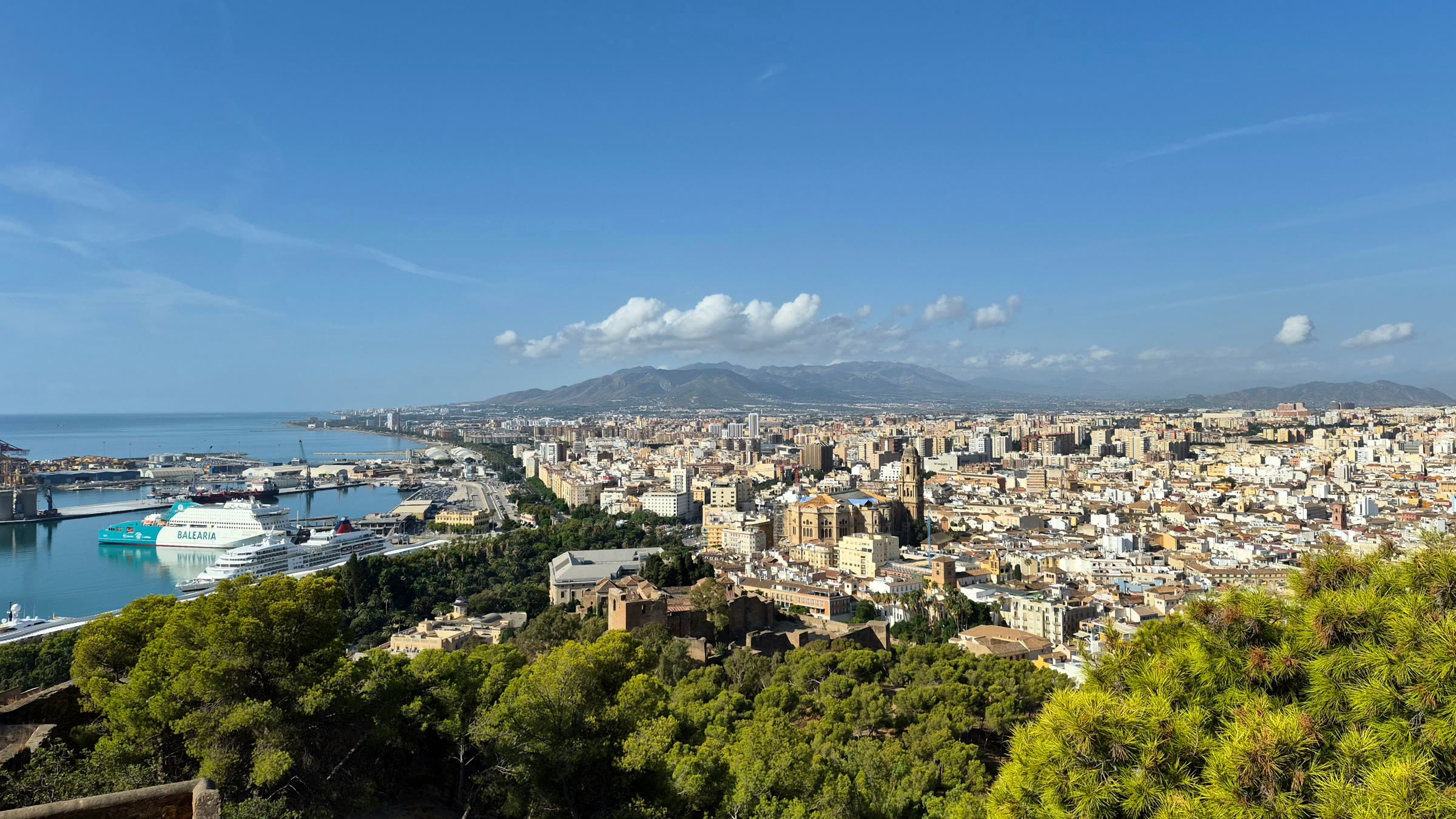
Land on the Costa del Sol and stay in the city, not a resort: two nights in Málaga give you a Moorish fortress, the Picasso museum and sardines grilled on the beach, all within walking distance.
Read the Málaga guideExplore the rest of Málaga
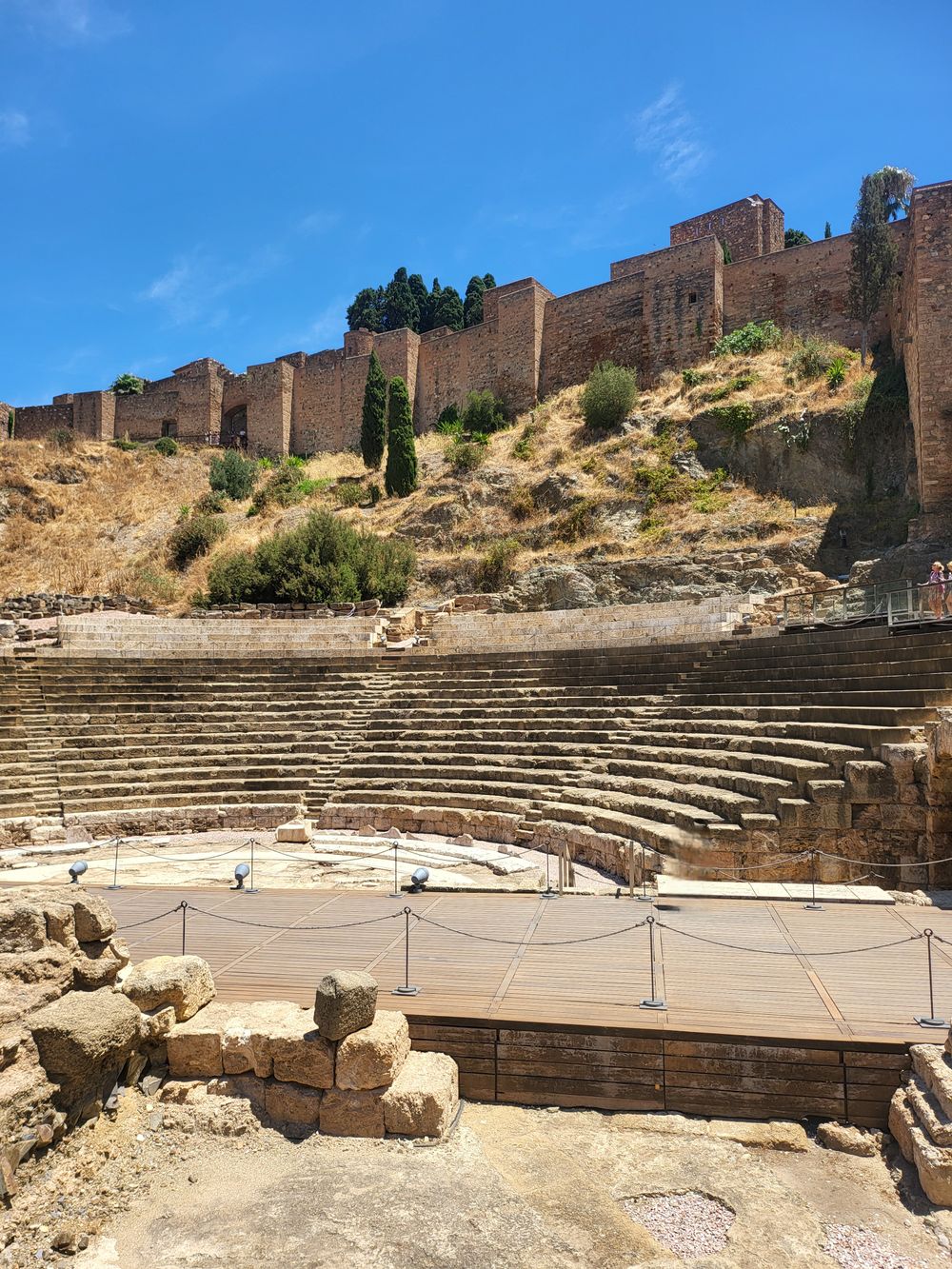
Stone seating cut into the foot of the Alcazaba hill, uncovered in 1951 and cleared once a cultural centre built over it was pulled down. A…
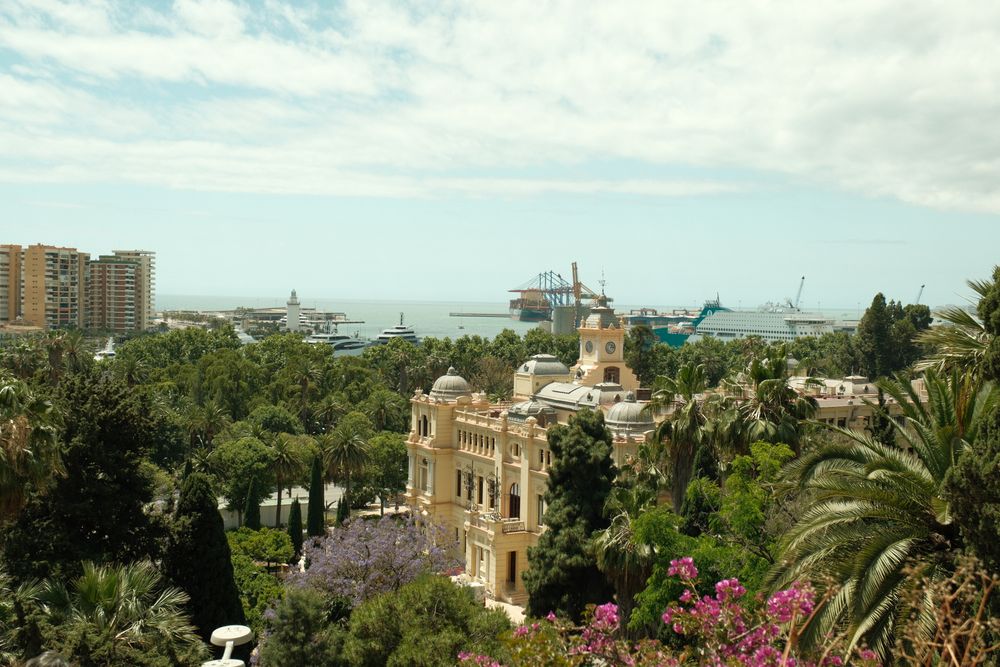
A long tree-lined avenue laid on land reclaimed from the sea, between the port and the old town. Its gardens hold palms, banana trees and…
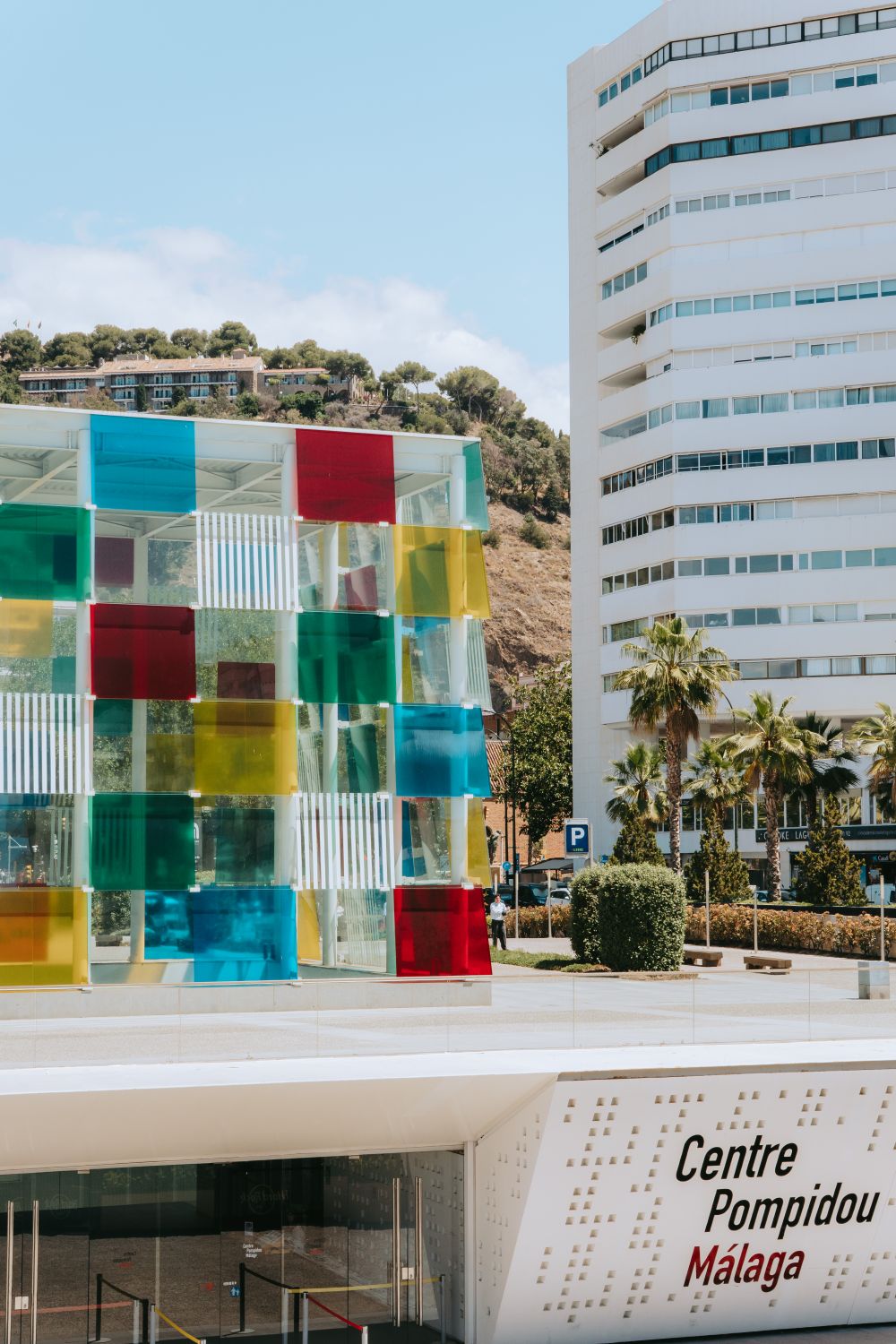
Modern and contemporary art from the Paris collection, shown in galleries under the quay at the head of Muelle Uno, beneath a glass cube…
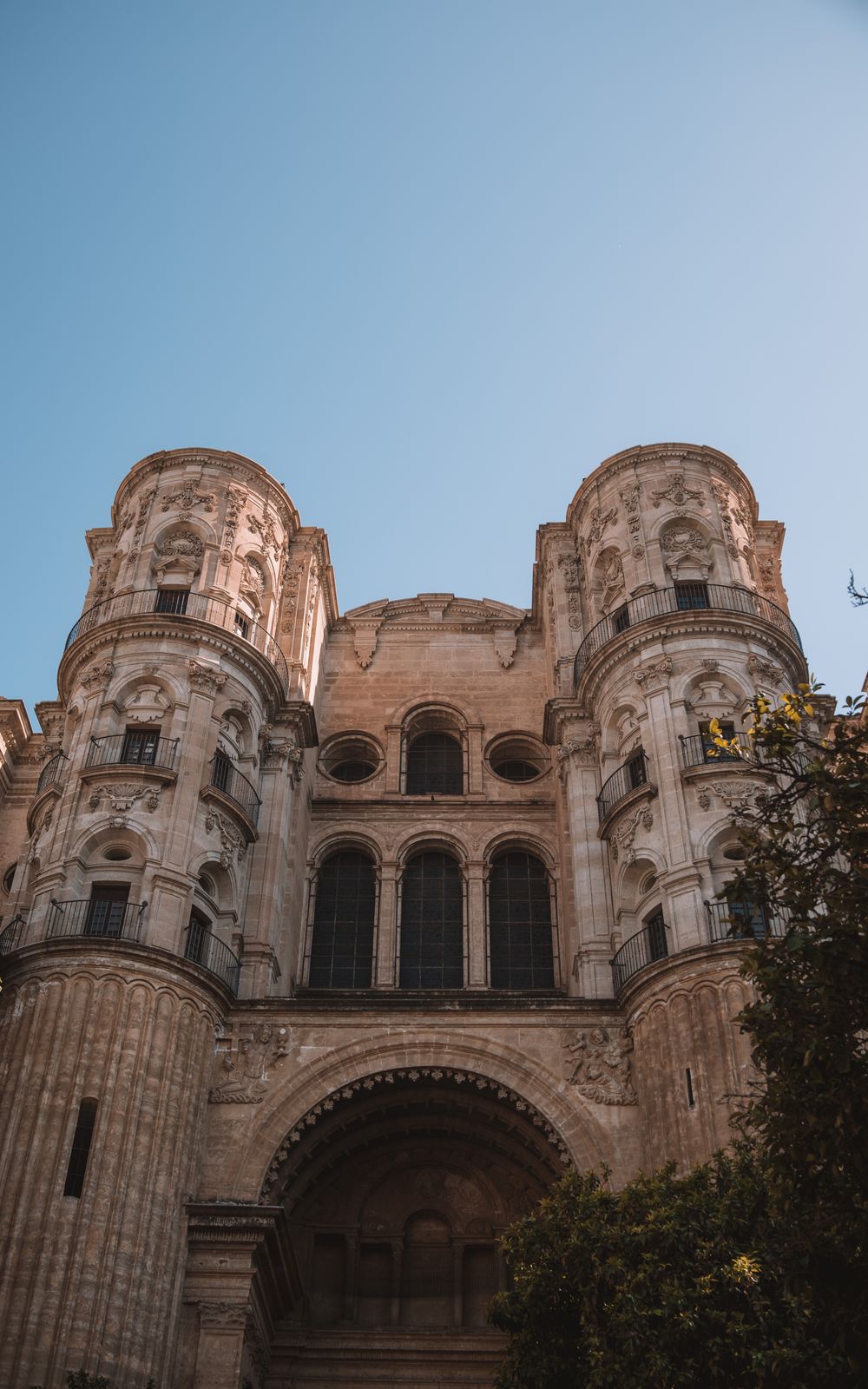
Known in the city as La Manquita, the one-armed lady, because its south tower was never finished and stops short beside the complete north…
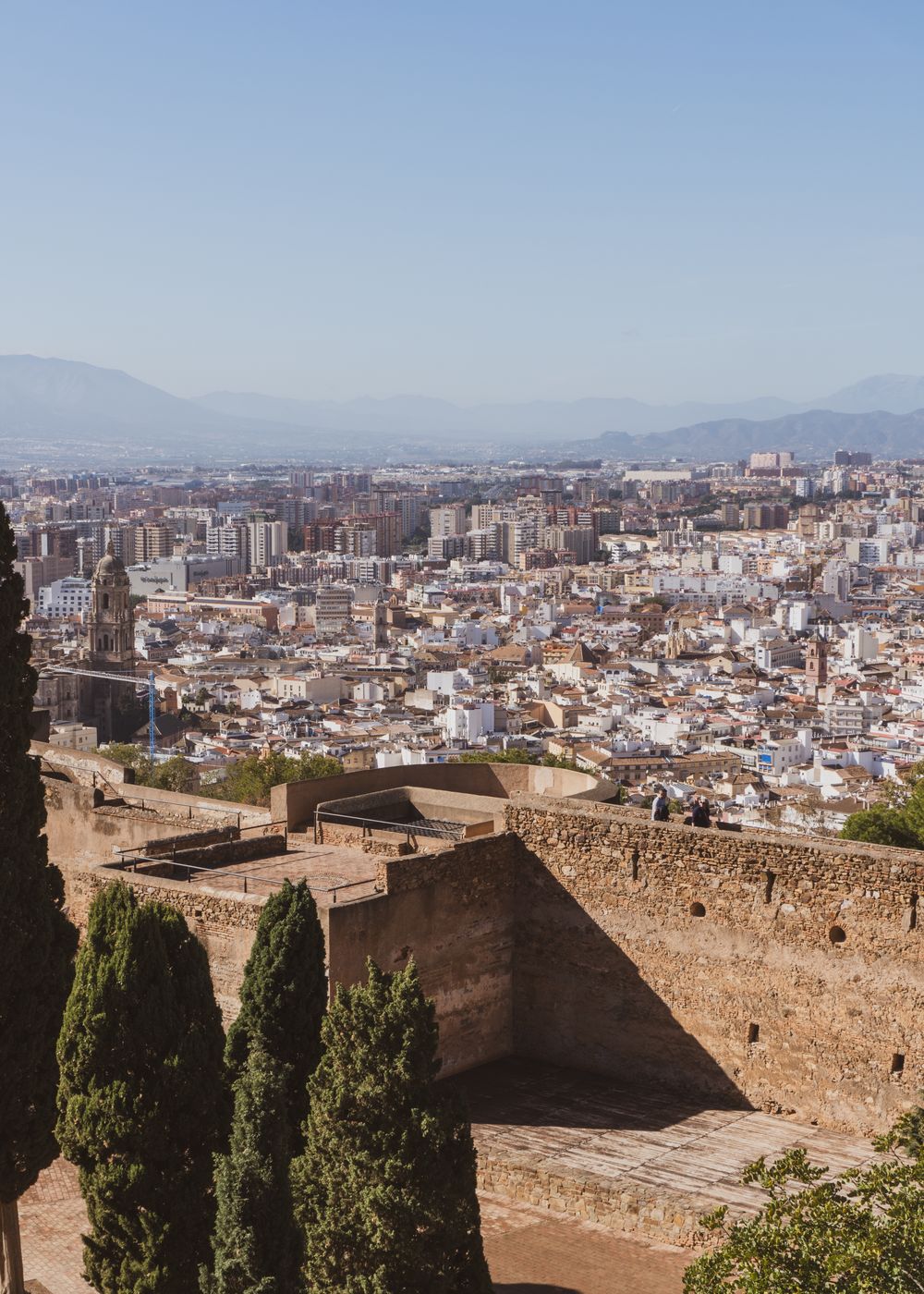
Castle walls along the summit of the hill above the Alcazaba, with the widest view in the city over the old town, the port and the bay.…
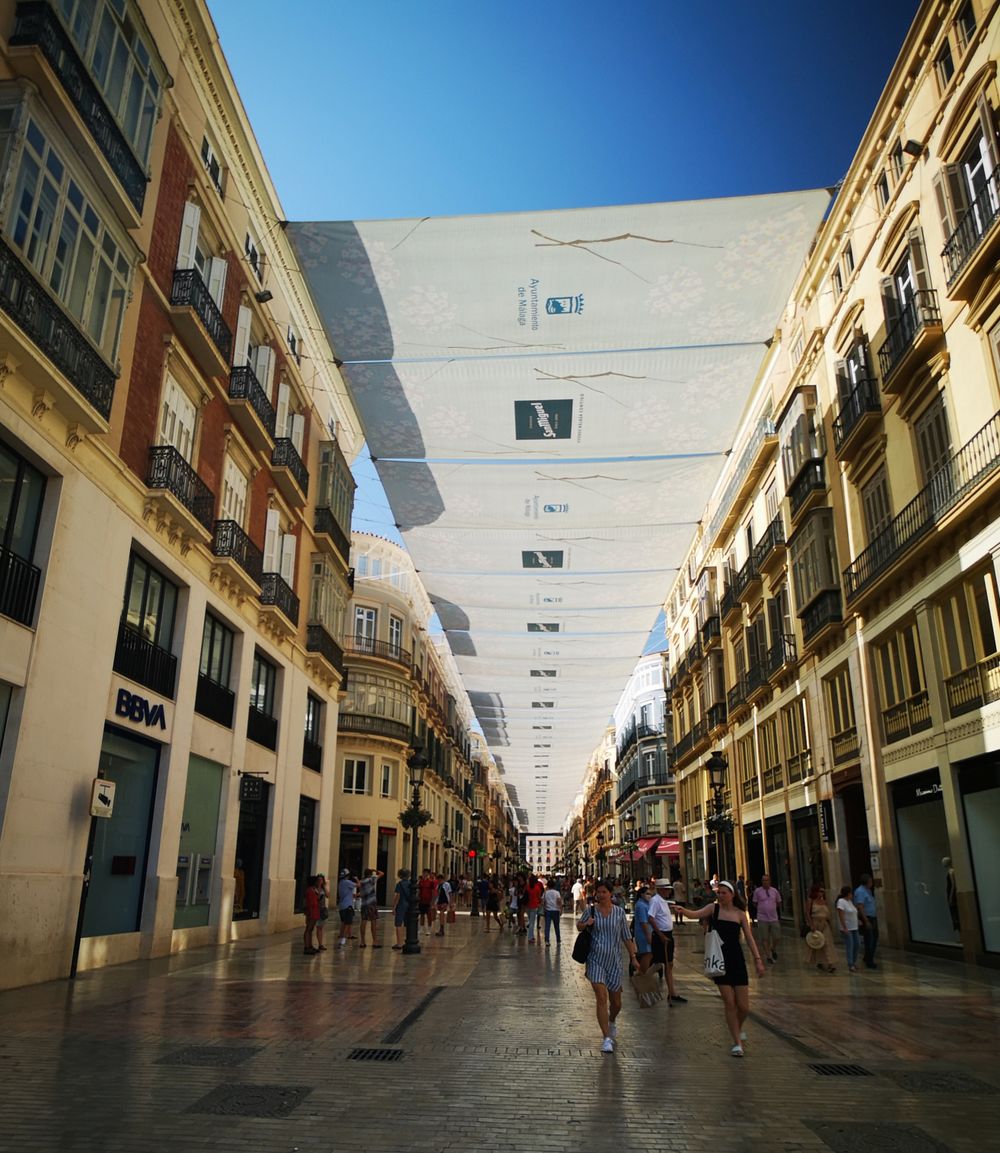
Málaga's main shopping street, paved in polished marble and lined with nineteenth-century buildings with rounded corners, running from the…
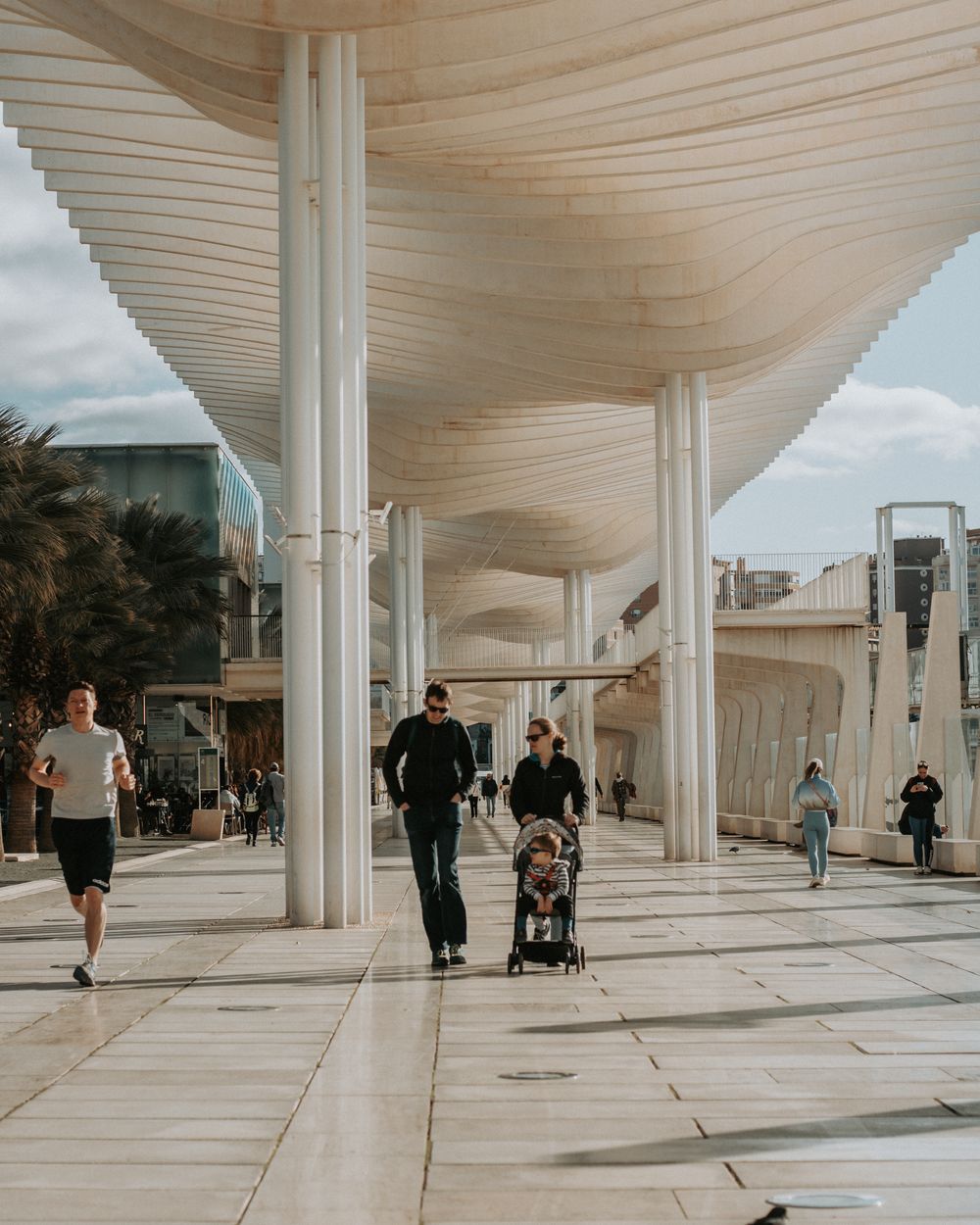
Muelle Uno is a quay of Málaga's port lined with shops and restaurant terraces, running along the port side of La Malagueta beach from the…
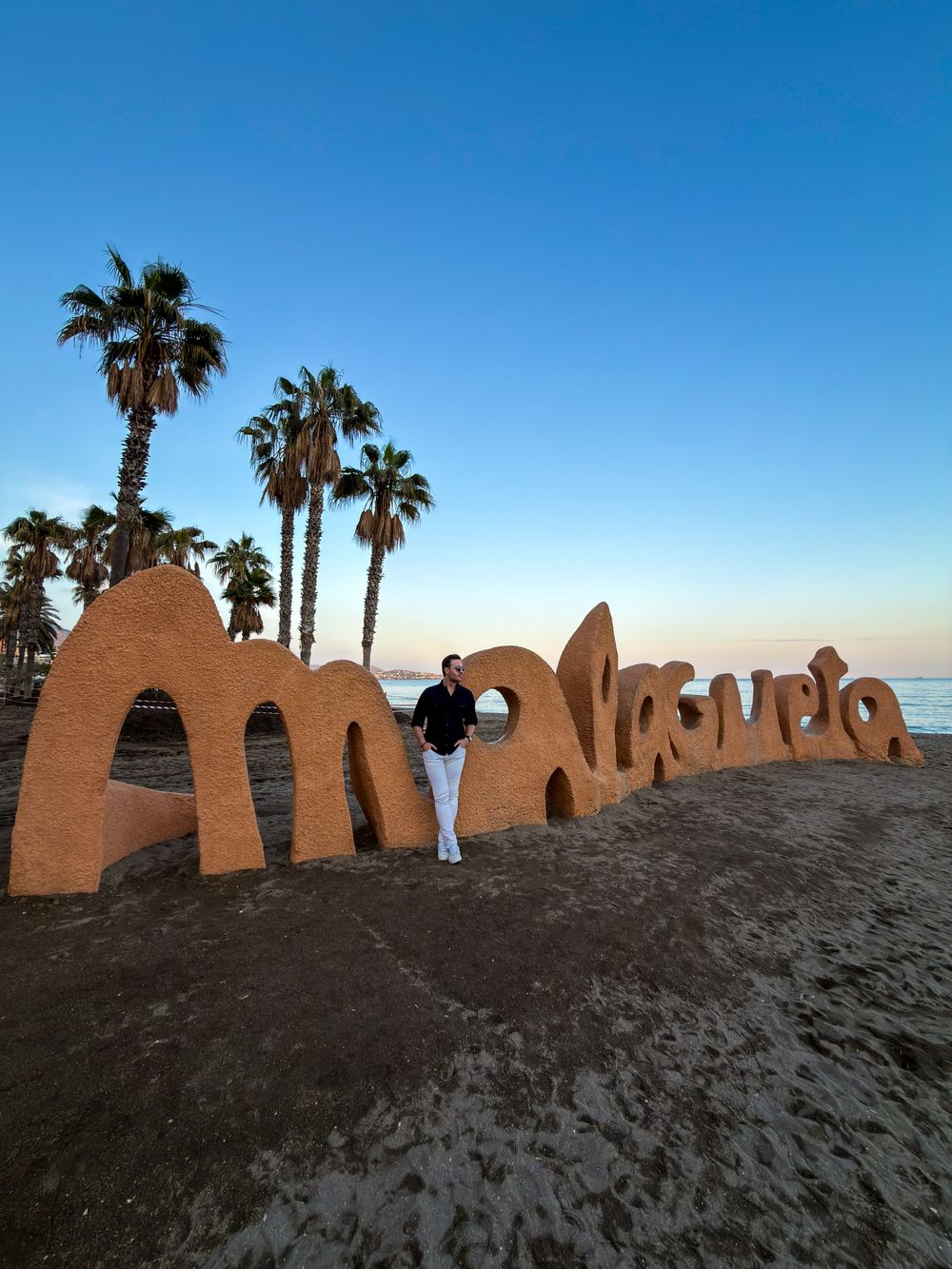
The city beach, a strip of dark sand a short walk east of the port, with a promenade, sunbeds, showers and chiringuitos grilling sardines.…




Save Alcazaba of Málaga to your Spain trip in the Meridian Dispatch app and build the day around it, with the best of Málaga pinned on one map.
Download on the App StoreThe official pages this guide was checked against.
Last updated