The card on Sunday 21 February
- Trot
- Flat: the Grosser Preis, 2000 m
- Skikjöring
- Flat
- Trot
- Flat
 Submit a photo
Dates and race times may still change, and each Sunday runs only if the ice passes its checks.
White Turf St. Moritz 2027 races on three Sundays: 7, 14 and 21 February 2027. The grounds also open free on the Saturdays, for the White Turf Opening on 6 February and the Family Days on 13 and 20 February. The programme may still change.
The Grosser Preis von St. Moritz, the meeting's biggest flat race, is run on the final Sunday, 21 February, along with the last skikjöring of the trophy. The Sundays of 7 and 14 February run the same disciplines in the same order.
In skikjöring, a skier is towed across the snow by a thoroughbred racehorse that carries no rider, and the whole field starts together. One skikjöring is run on each of the Sundays.
The Sundays are ticketed and sold online, while the Saturdays are free to enter. Under-16s go free on Sundays as well, and standing and grandstand tickets come with the printed programme.
Bets are placed at the betting counters on the grounds: win, place and combination bets, until betting closes at each start signal. A Sunday entry ticket also carries a voucher for a first bet.
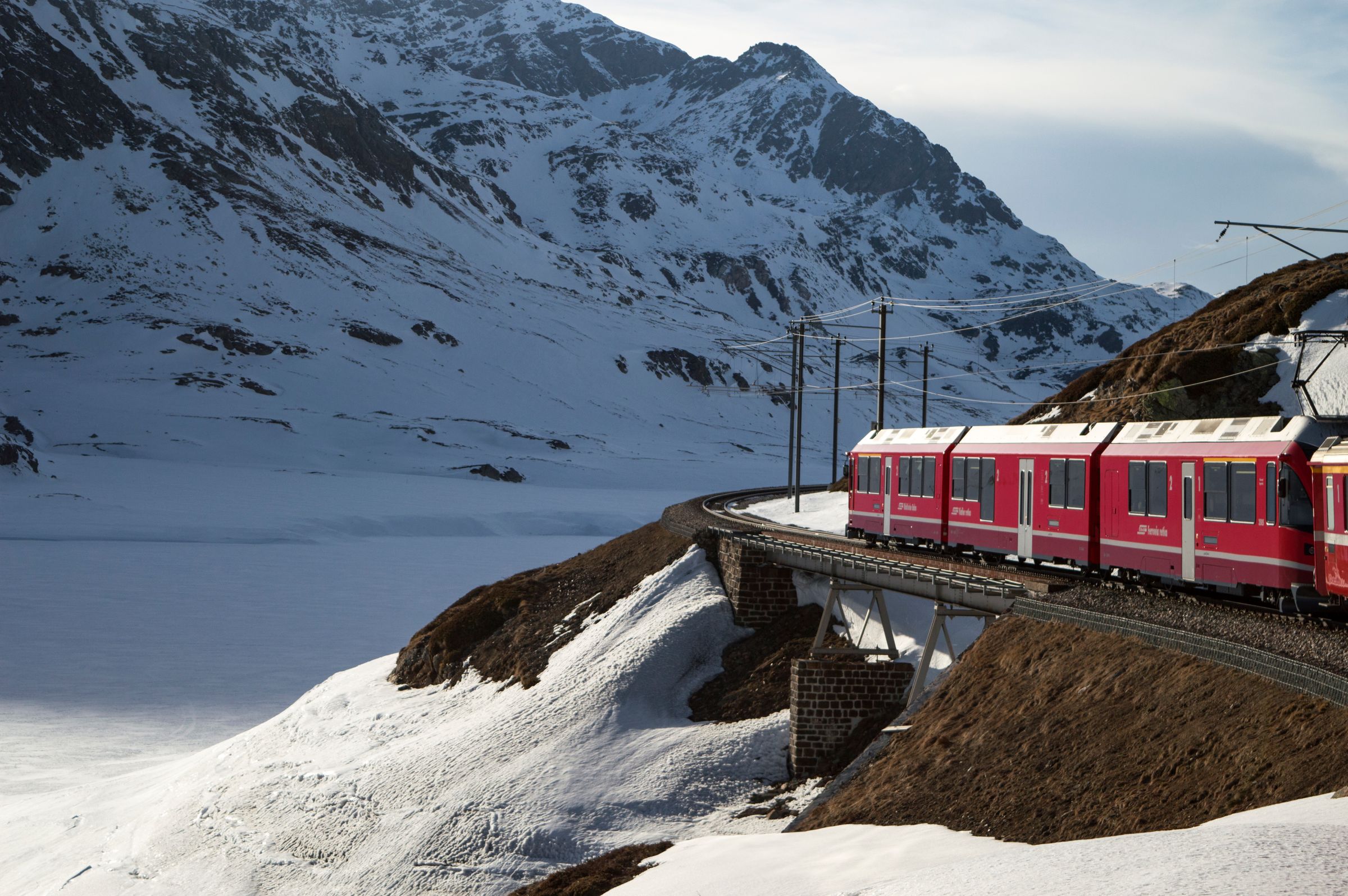
The racecourse and its tent city are built on the frozen Lake St. Moritz. Trains run to St. Moritz on the Rhaetian Railway, and the main lake entrance, opposite the Serletta car park where drivers are asked to park, is a few minutes' walk from the station. A shuttle bus also runs every 10 minutes from the Isola car park.
The racing club's board decides, in close consultation with the company that runs the lake's infrastructure, after checking the ice by radar, an infrared drone and test drilling. A Sunday was called off in 2024 and again in 2025, both times announced on the Friday before.
It is usually below zero out on the lake, and a Sunday there means several hours outdoors on snow-covered ice. Wear insulated boots, gloves and warm layers, with a hat.
Photographing and filming the event is reserved for accredited media, so visitors may do neither. Dogs are welcome on a leash, except in the standing area on the inner oval.
Watching horses on frozen Lake St. Moritz means three kinds of racing: jockeys at a gallop, trotters pulling drivers, and riderless horses towing skiers. Stay four nights around the final Sunday and you add the free Family Day and a day on Corviglia.
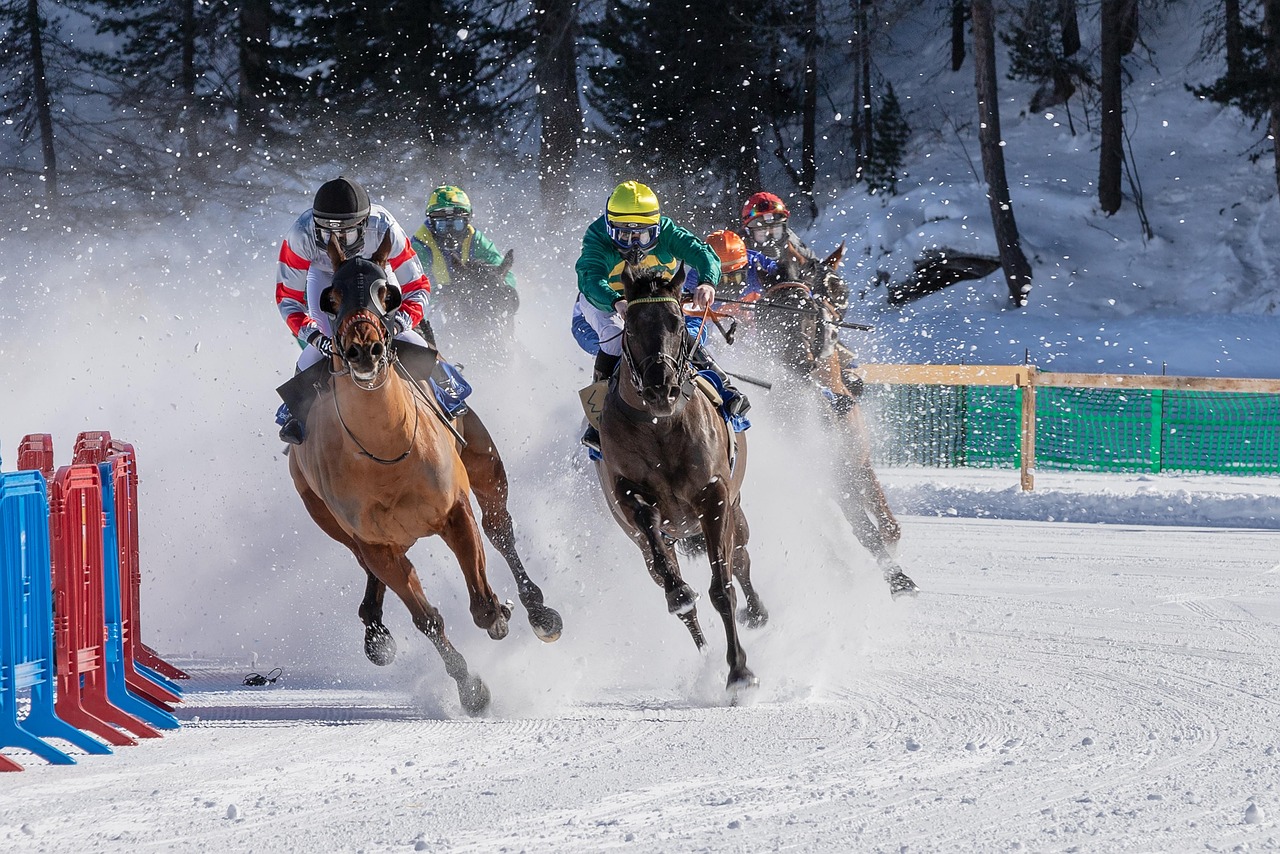
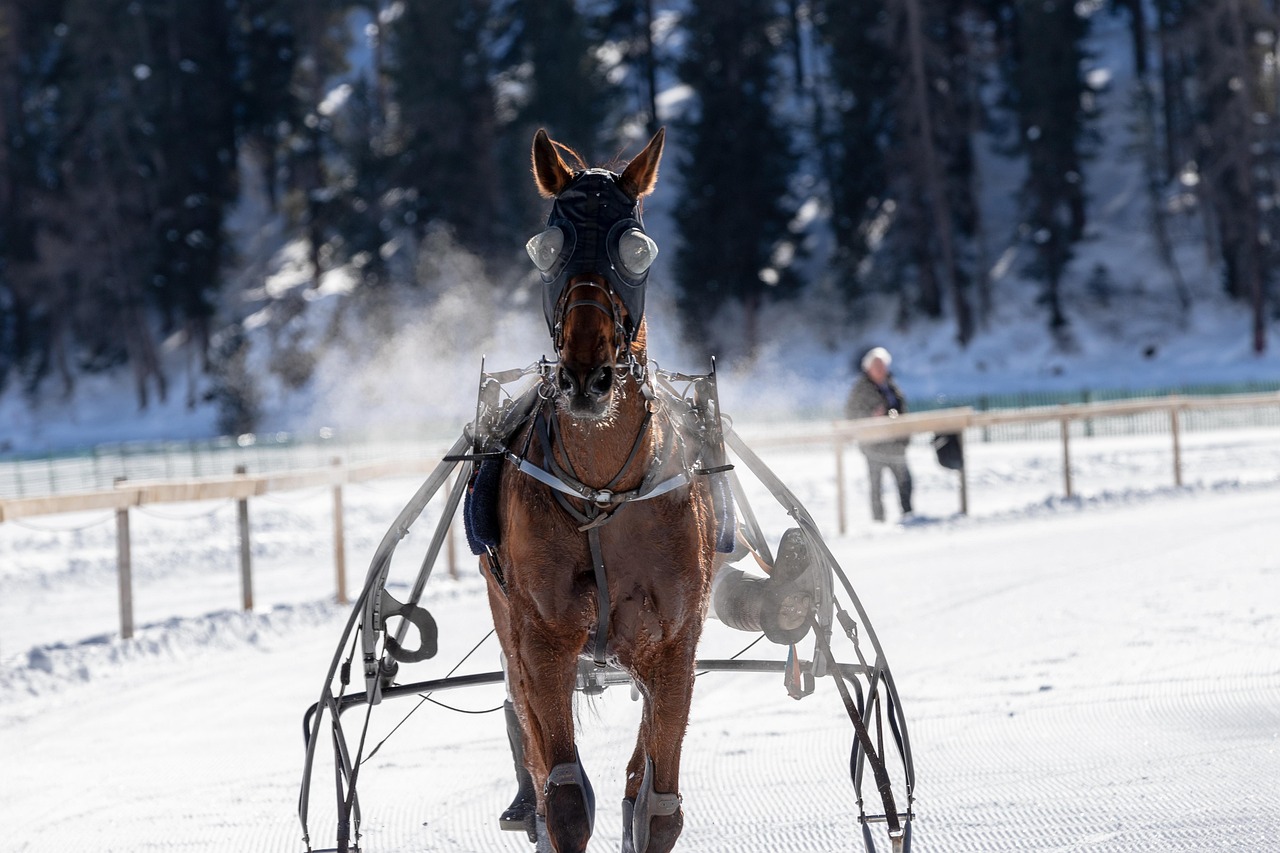
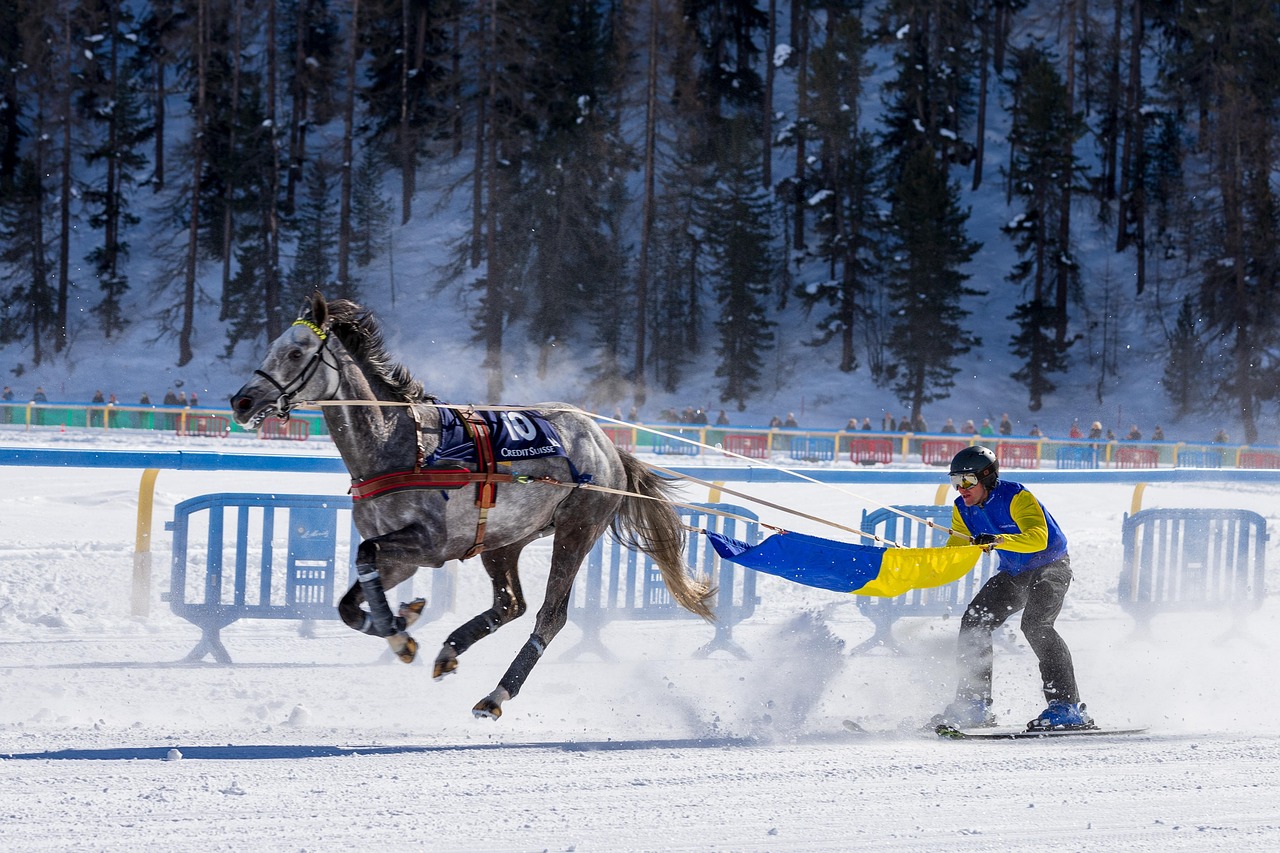
Each Sunday's six races mix all three, so one afternoon at the rail shows you every kind of race on snow.
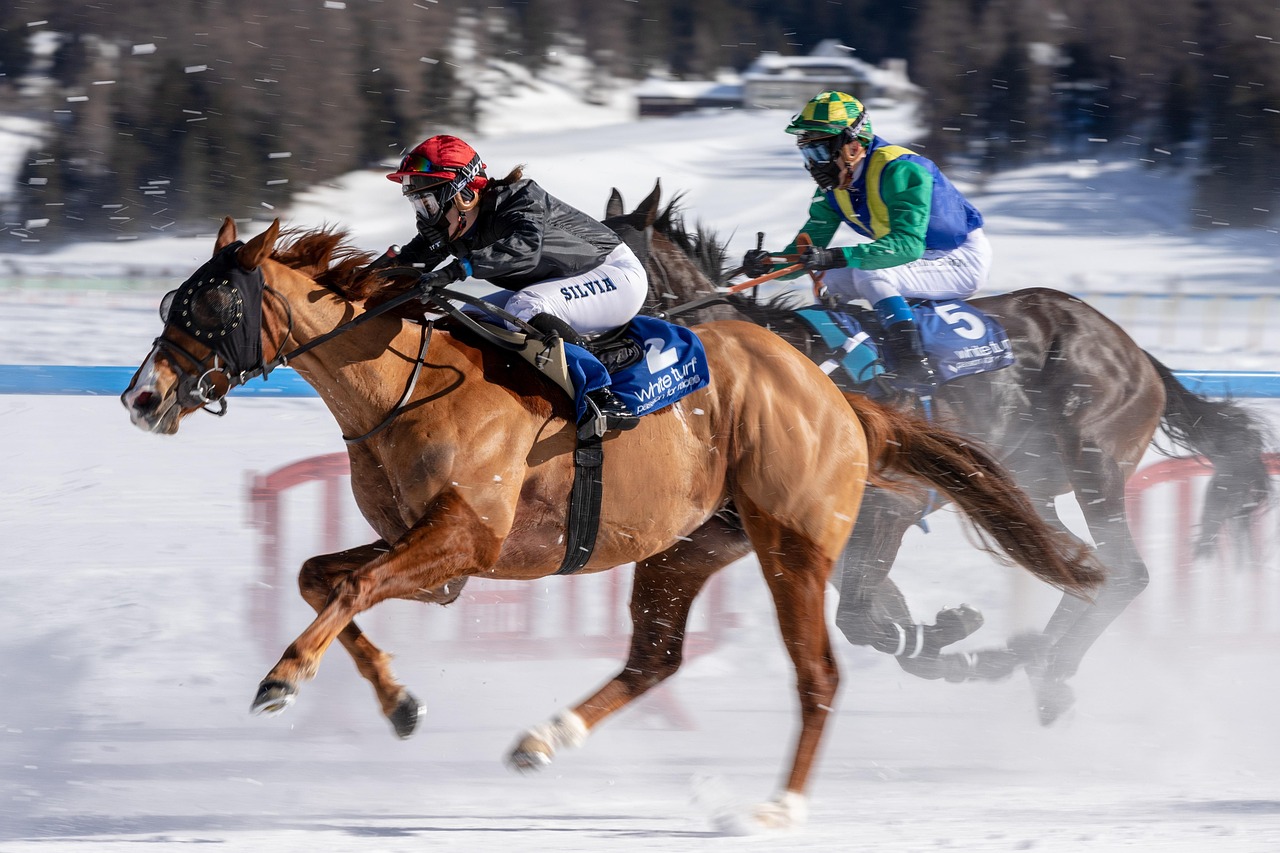
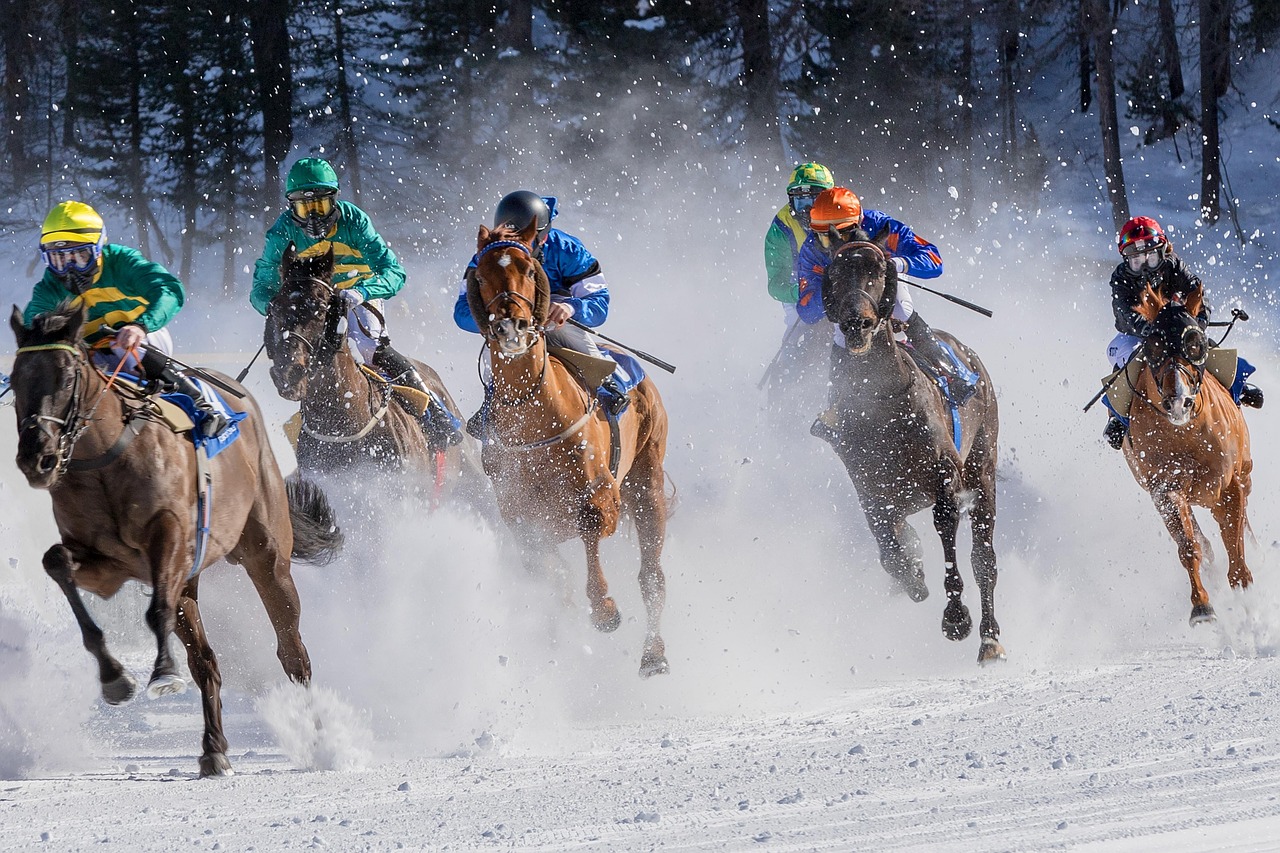
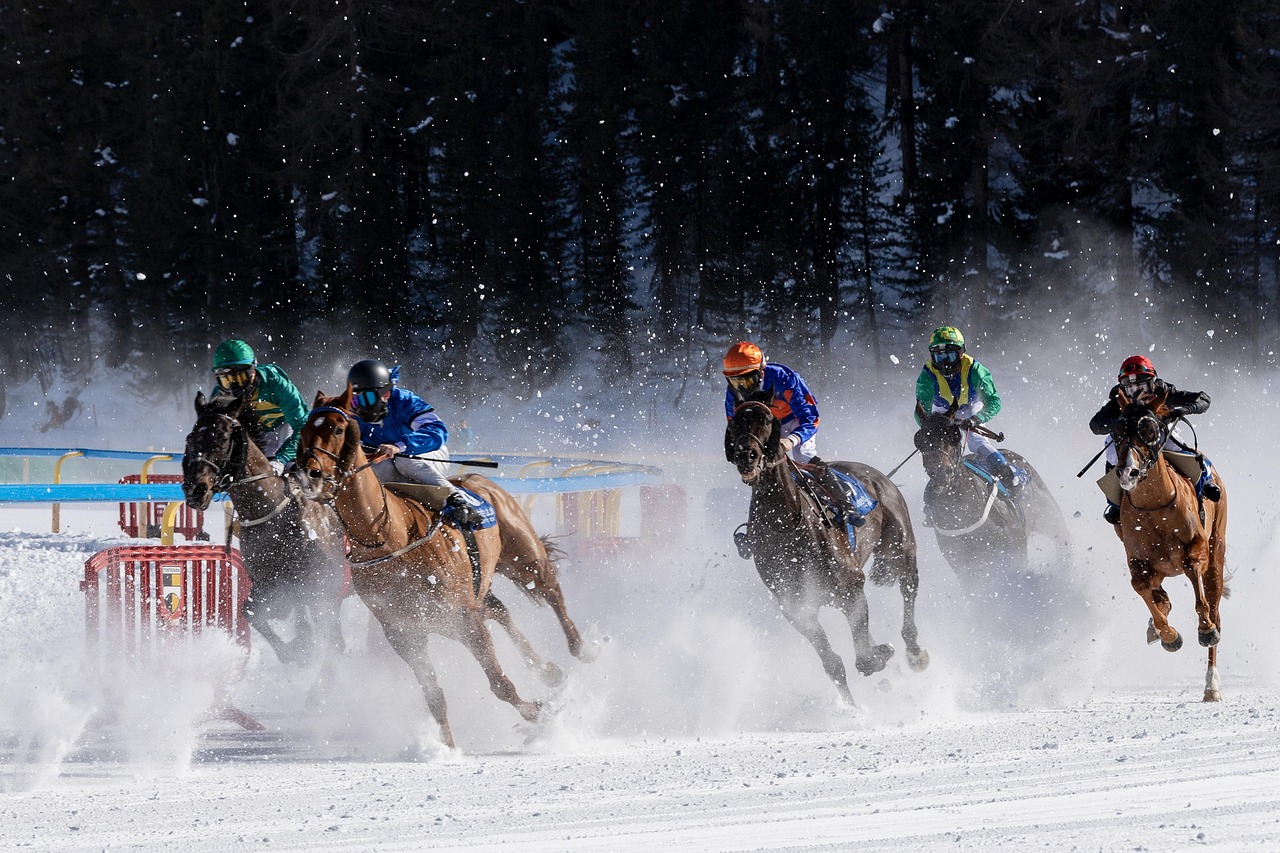
Jockeys ride thoroughbreds round the oval on snow over the ice, and the field throws snow up behind it as it goes. A sprint can be shortened to 800 m.
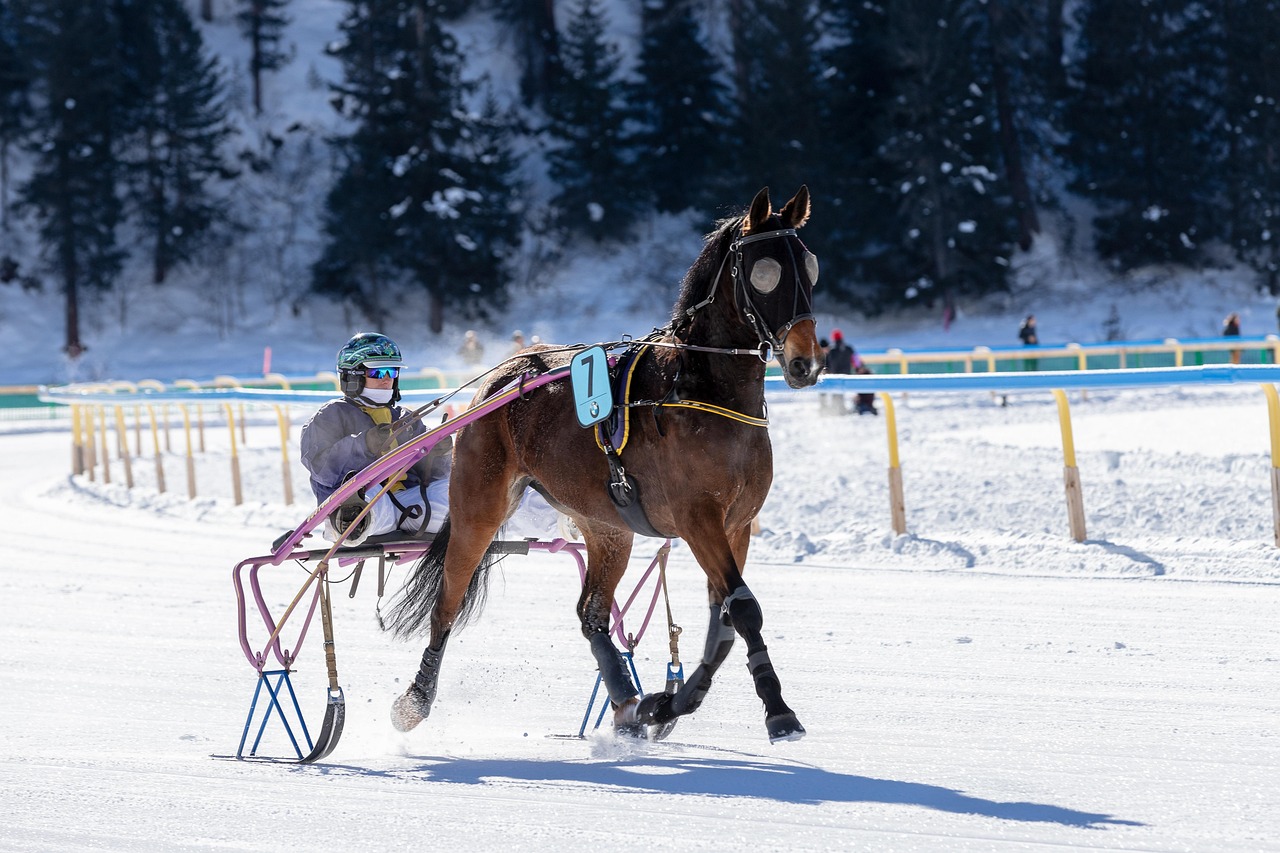
Each horse pulls a light sulky with its driver seated behind, and it must keep to a precise trotting gait the whole way. From the rail it looks close to a chariot race on ice.
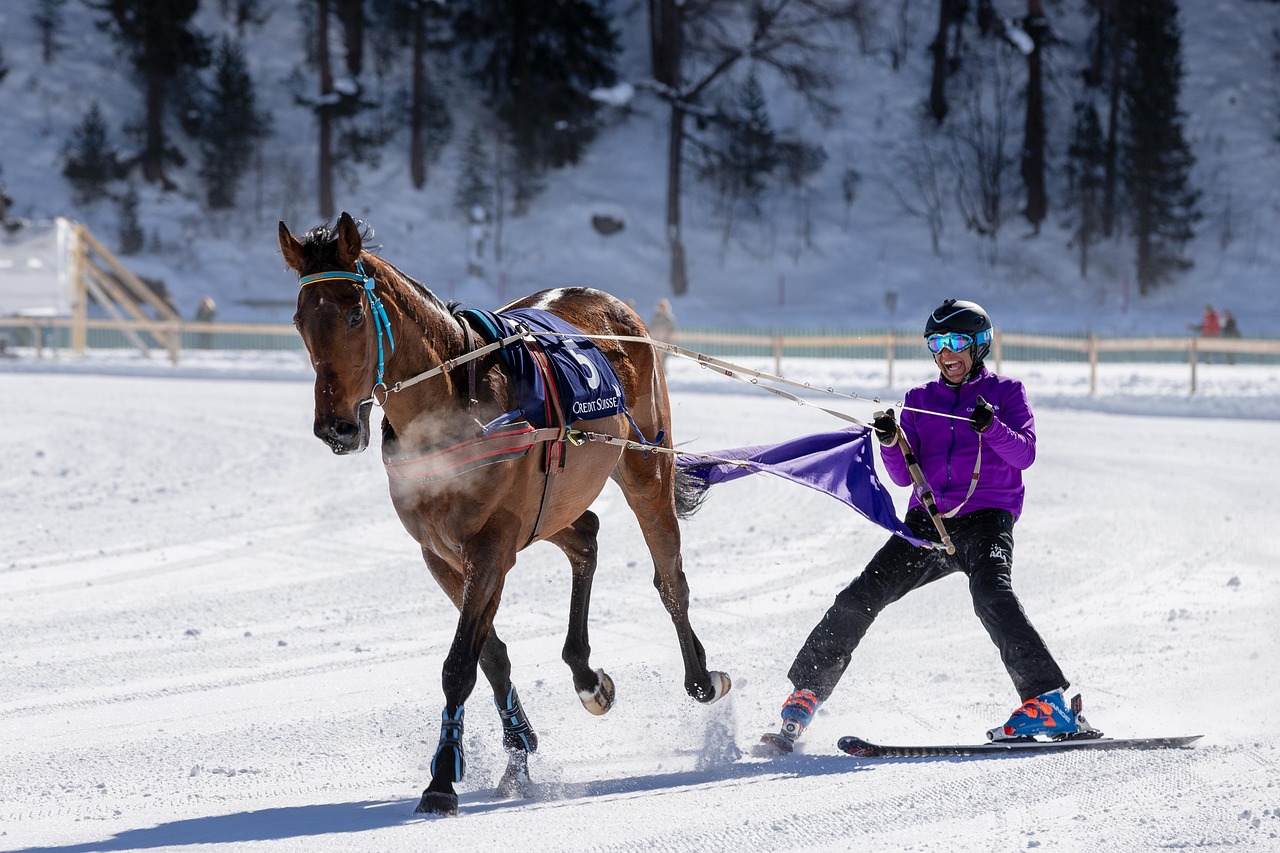
A skier is towed by a thoroughbred racehorse with nobody on its back, and the whole field starts together, horse against horse. Skiers reach up to 50 km/h on the course.
The 86th Grosser Preis von St. Moritz, a 2000 m flat race, is run only on the final Sunday; Snow Player won it in 2026 in a close finish. Skikjöring runs as a trophy across all three Sundays, and the skier at the top of the overall standings is called King or Queen of the Engadine for a year.
The Rhaetian Railway reaches St. Moritz, about three hours by train from Zurich. Arriving on Friday leaves the whole weekend free for the lake.
Driving takes about three hours from Milan over the Maloja pass, or four from Munich. A car train into the Engadin also runs every 30 minutes.
Carry snow chains or come in a four-wheel drive. After snowfall, the passes are open to nothing else.
The grounds on the lake open at 10.30am, and entry is free. The day is built for children, with pony riding and mounted skikjöring taxi rides for the youngest.
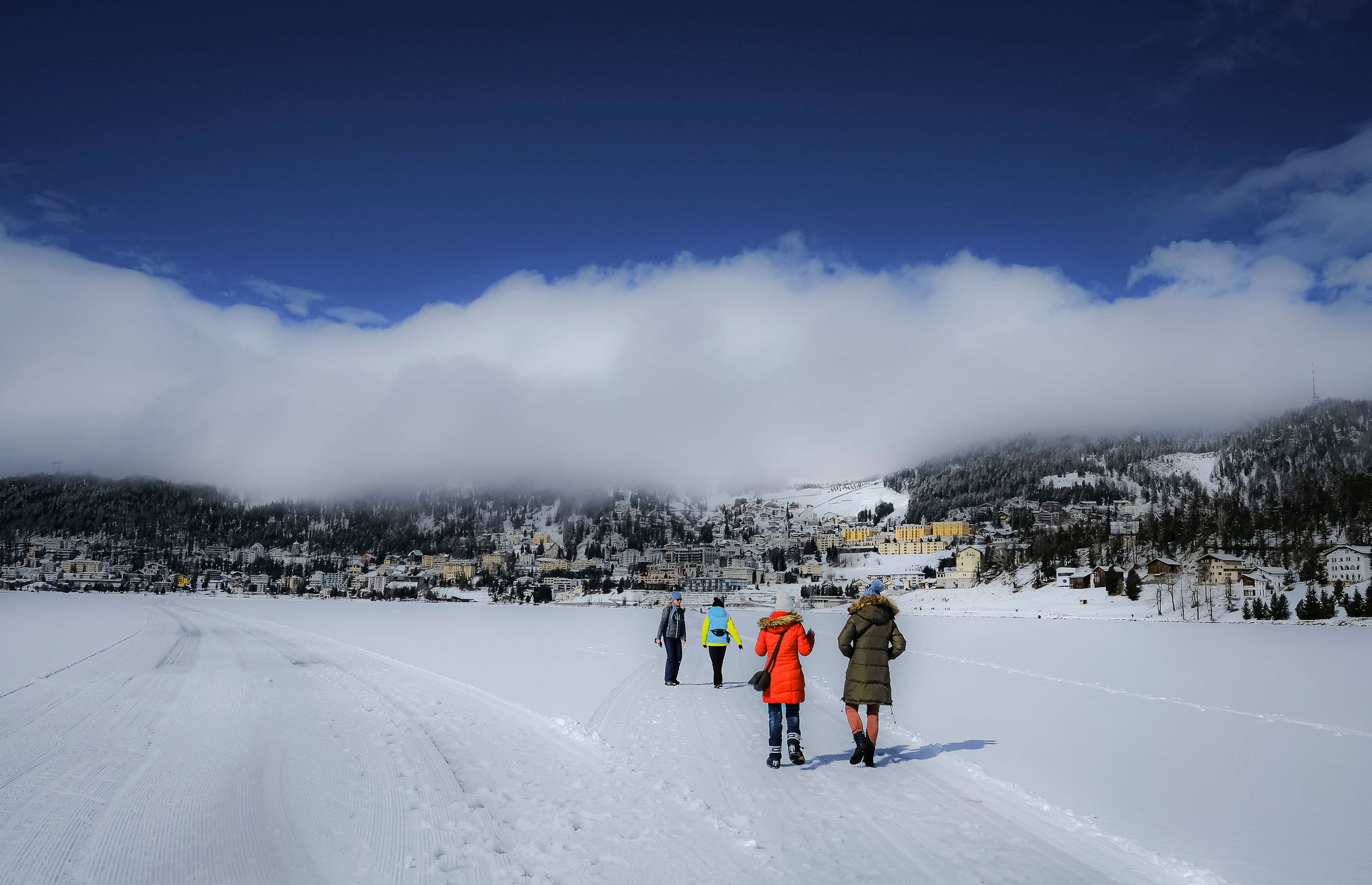
Live music plays and food is sold on the ice, so lunch is out on the lake. The racing ground covers about 130,000 square metres of the frozen lake, tent city included, with room to walk out across the snow.
Book a table in town for Saturday evening before you travel.
Gates open at 10.30am, and lunch is served from 11am. The first race, a trot, goes off at 11.30am, and the Grosser Preis follows at 12.05pm.
The skikjöring follows at 12.50pm. A flat race at 1.30pm, the second trot at 2.10pm and a final flat race at 2.45pm fill the afternoon.
After the last race comes a raffle, the Prix d'Honneur, and the grounds close at 4.30pm.
Leave the car at the hotel if you are staying in town. Once the car park opposite the main lake entrance is full, the police send drivers elsewhere.
Each ticket is good for one Sunday only, the date printed on it, so choose your Sunday before you buy.
Outside drinks are not allowed on the grounds, and neither are drones. Food and drink are sold in the tent city on the lake.
A standing ticket covers the tent city, and standing places in the inner oval are limited to 100. Grandstand seats in A1 and A2 are numbered and B seats are unreserved, and every standing or grandstand ticket comes with the programme and a betting voucher.
Three lifts lead into the Corviglia ski area. The funicular starts in St. Moritz Dorf, the upper town by the station; the Signal cable car starts in St. Moritz Bad, the lower town at the far end of the lake; and the Marguns lift starts in Celerina.
From Corviglia, a cable car climbs on to Piz Nair, at 3,057 m the highest point of the ski area. Beginners have a gentle park with a drag lift at Marguns, on the slopes above Celerina.
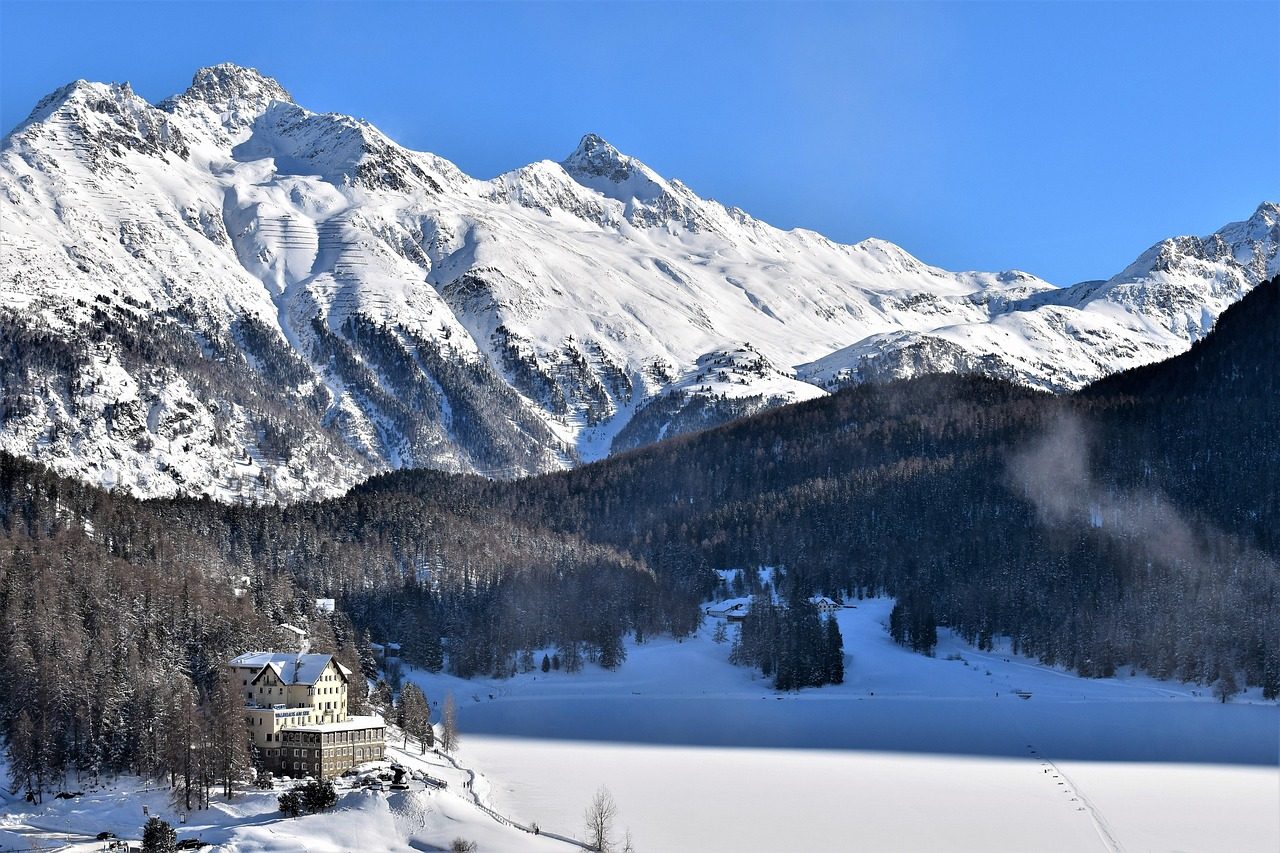
Take the Signal cable car if your hotel is in Bad, and the funicular if it is in Dorf.
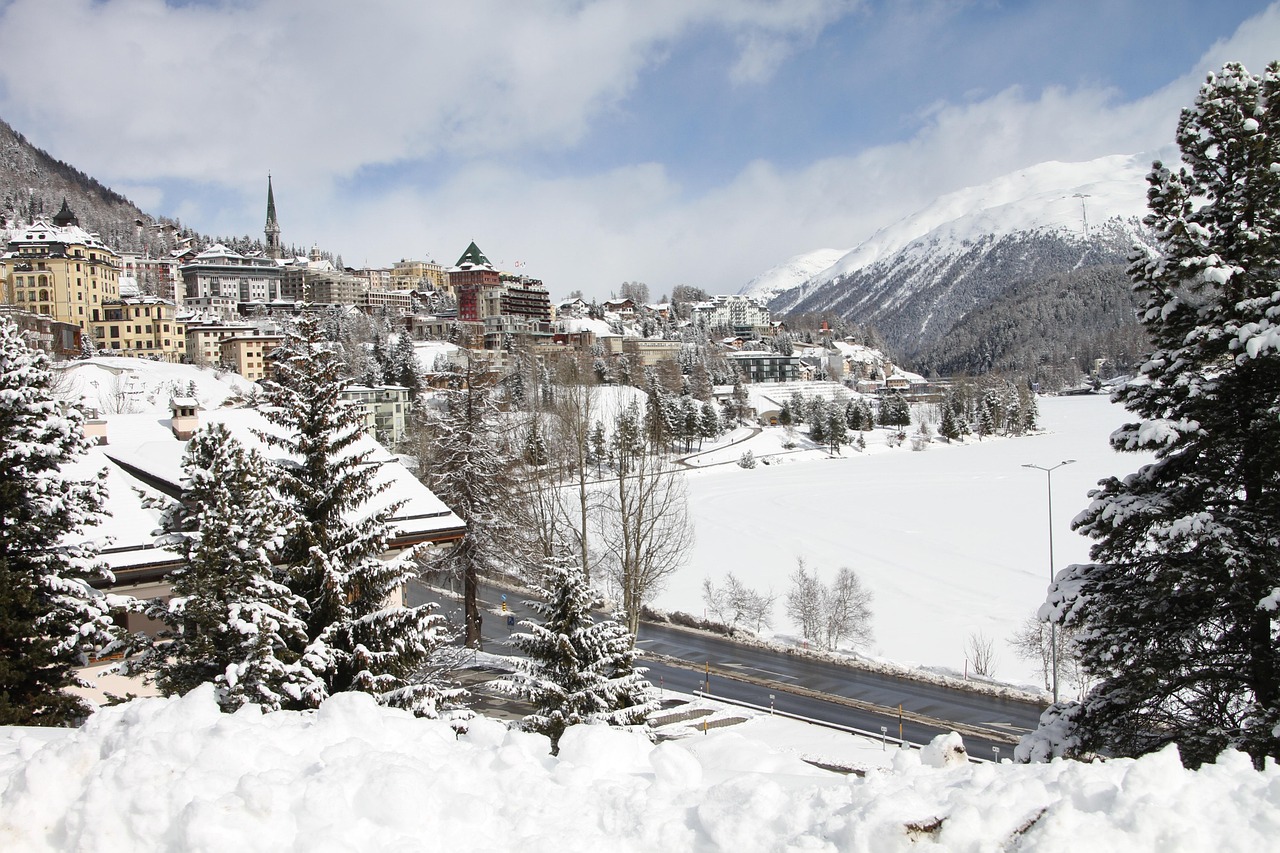
Book a room in St. Moritz itself, so race day needs no car and no hunt for a parking space. Our pick is Badrutt's Palace Hotel, in St. Moritz Dorf above the lake.
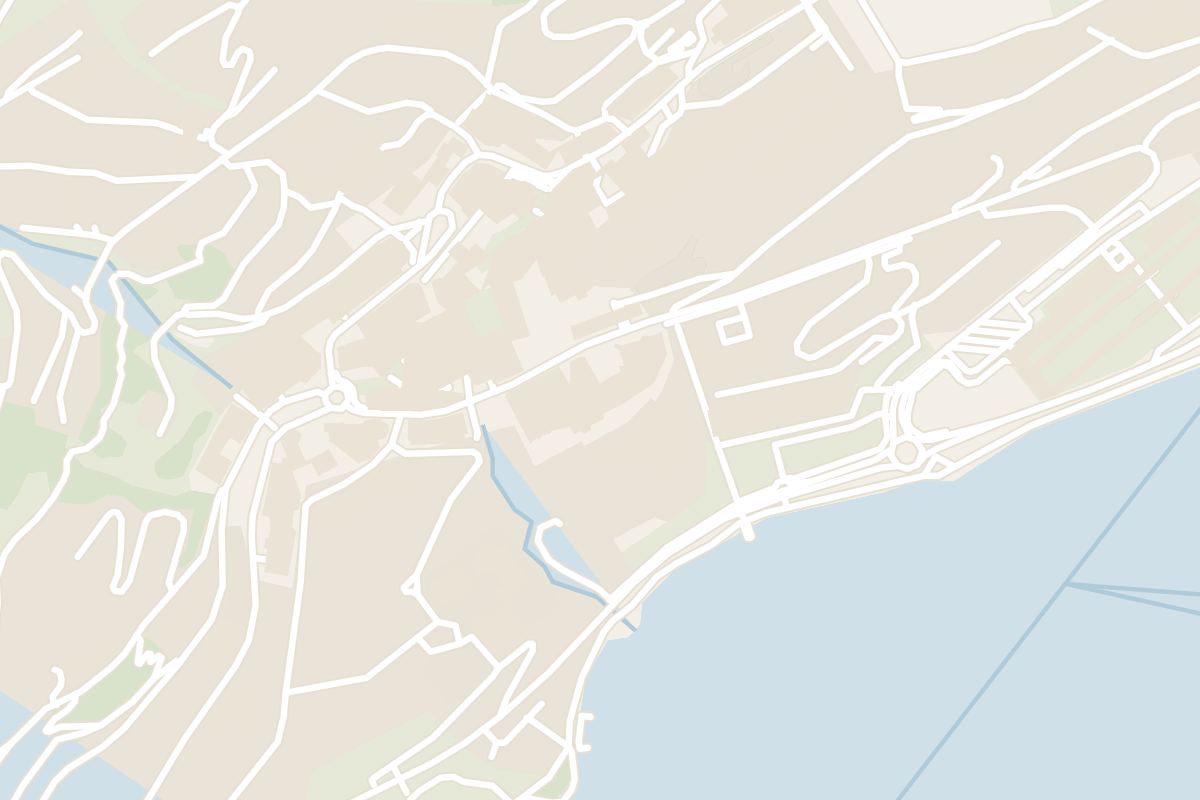 7 min walk from St. Moritz station
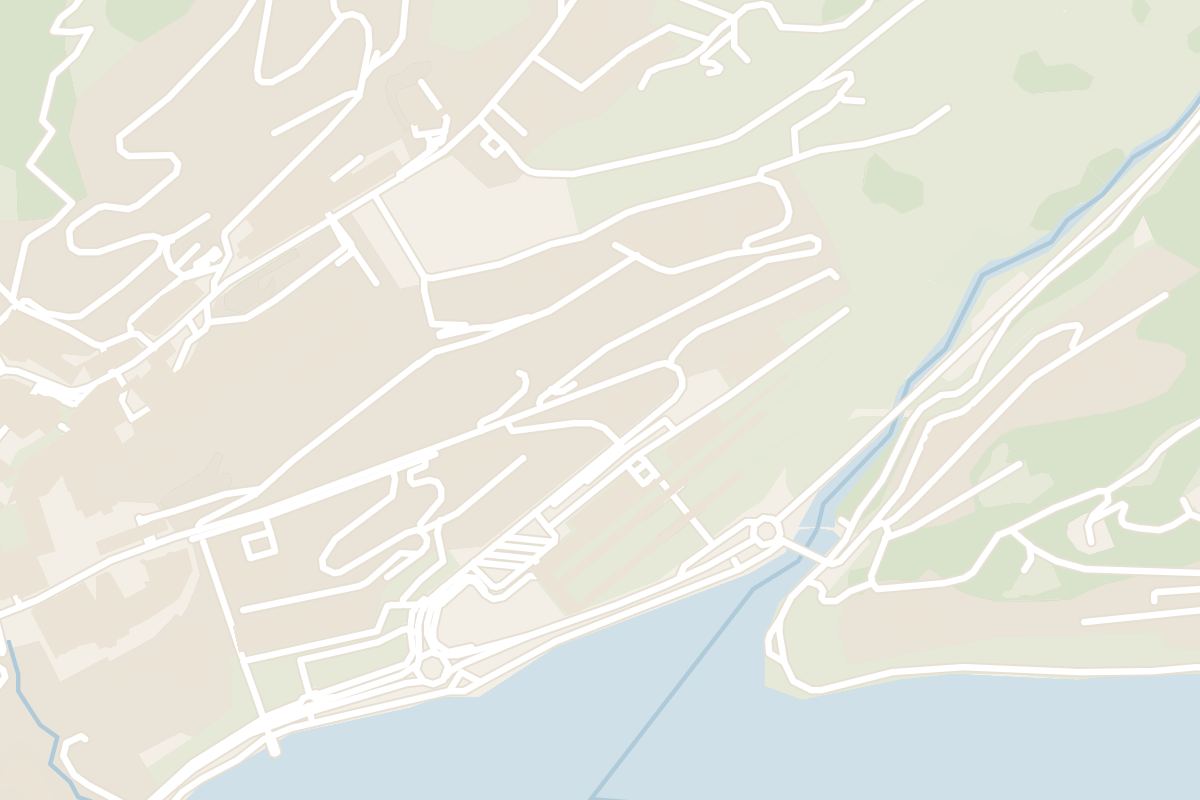 2 min walk from St. Moritz station
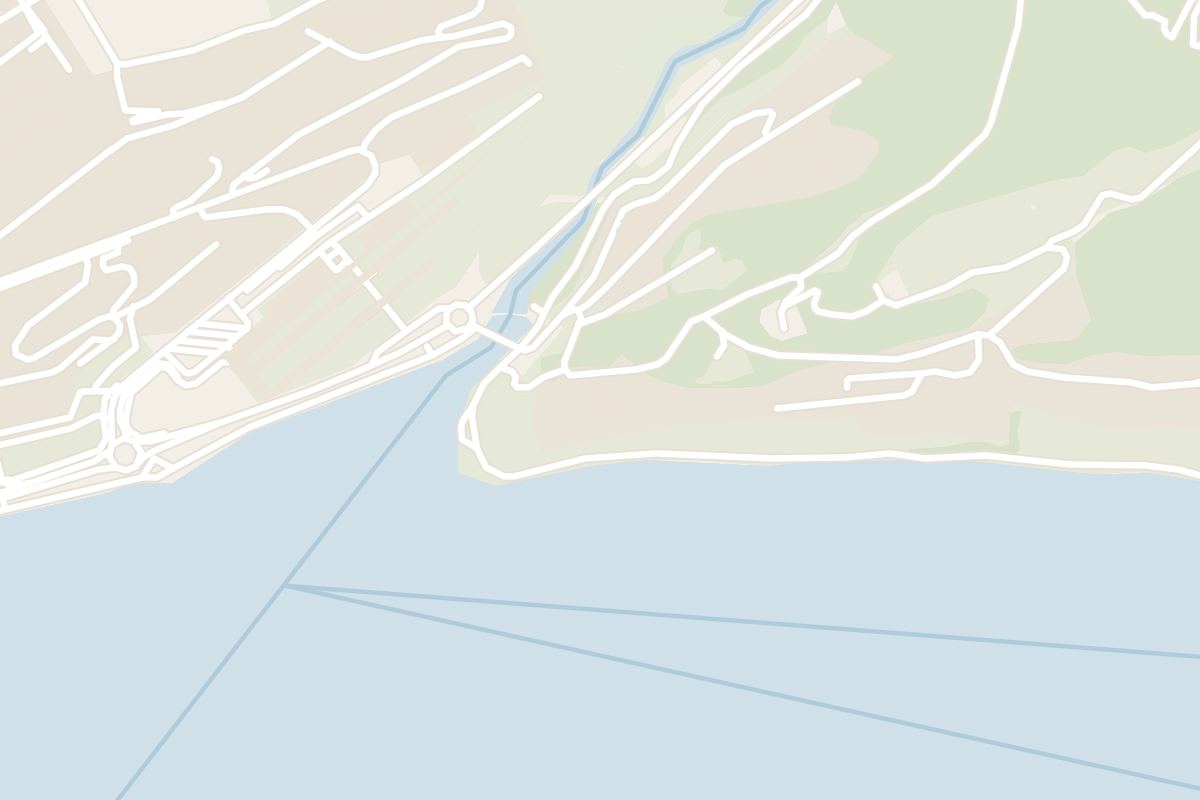 4 min walk from St. Moritz station
When the racing ends, the St. Moritz guide takes over: where to eat, what to see and how the town is laid out between Dorf and Bad.
Open the St. Moritz guideThe lake's other winter weekend, the calendar and the town.
The official pages this guide was checked against.
Last updated