 Submit a photo
Ninety seconds on Serengeti National Park
The flight from Arusha to the Seronera airstrip lasts between an hour and an hour and a half, depending on stops at other airstrips. The drive from Arusha takes seven to eight hours.
Wildebeest cross the crocodile-rich Grumeti River from June to early July. The better-known Mara River crossings come later, and August is usually rated the best month to watch the animals cross into the Masai Mara.
The dry months of July to September are the busiest, with wildlife kept close to the last water. The green season from November to March is quieter and good for birdwatching. April and May bring the heaviest rain and the worst mud.
Each entry permit covers one full day from the time of entry, and the fee depends on the visitor's age, residency and vehicle. Vehicles and camping can be charged on top. Because the permit runs out a day after entry, the arrival time at the gate matters.
A stay of two or three days works well, and even a visit that short gives a very high chance of seeing elephants, lions and buffalo. Because the migration moves through the year, the month of travel decides which part of the park to base in.
One park follows the Great Migration through most of the year, so whatever month you can travel, you can pick a camp within reach of the animals.
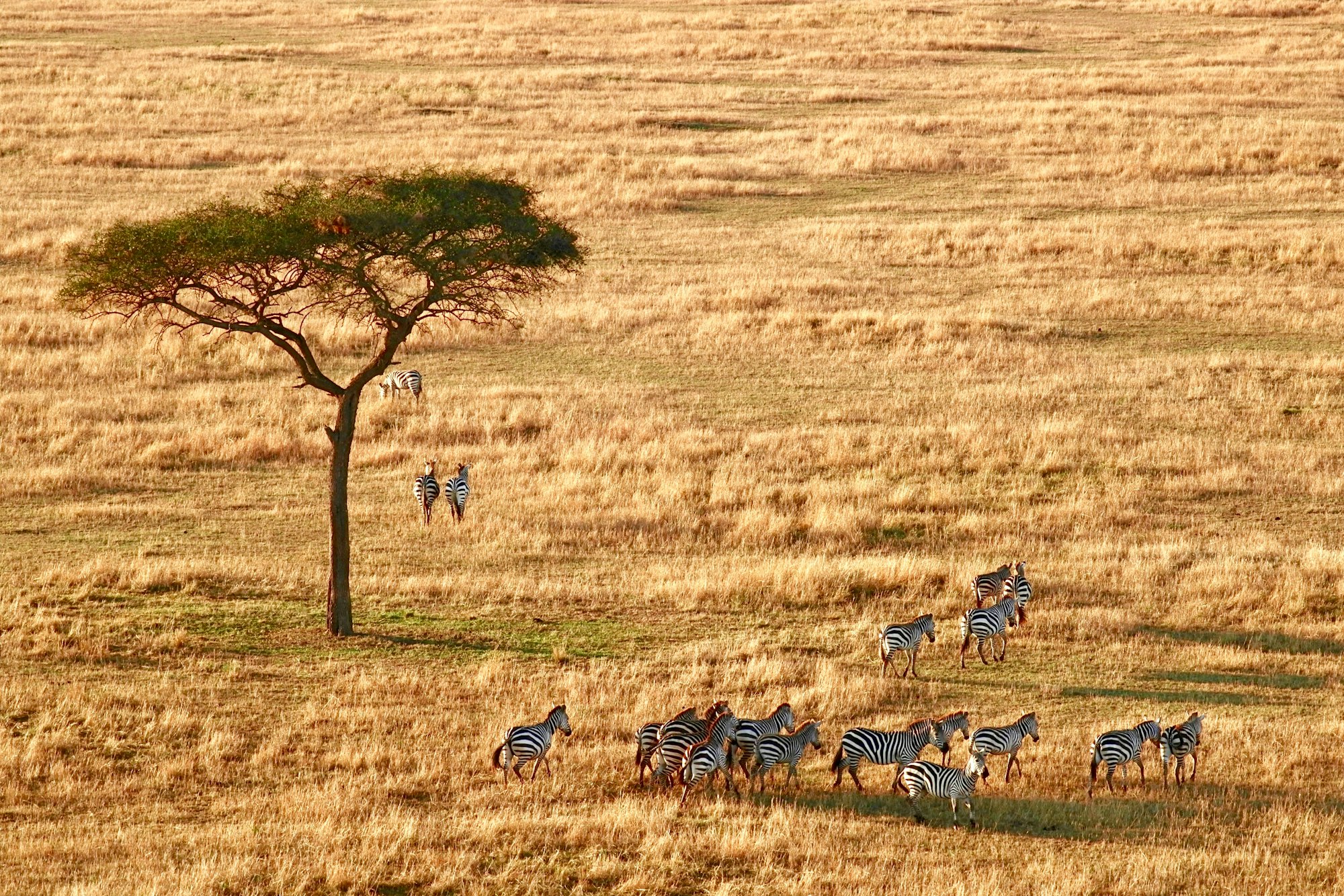
Most of what you look at is grass. The central plains run flat to the horizon, and the name Serengeti is often traced to a Maasai word for endless plains. Across them move over 1.5 million wildebeest and zebra, with the big cats and crocodiles that hunt them, in the largest land mammal migration on earth.
Kopjes break the plains: outcrops of bare rock that stand up out of the grass like islands. The Moru Kopjes in the central plains are a gathering point for wildlife, and their rocks carry Maasai cave paintings. Most kopjes are seen from your vehicle on the track or from the foot of the rocks.
The rivers hold different animals again. North of the Seronera River Valley, the Retina Hippo Pool holds roughly 200 hippos, and the Grumeti River in the west carries large crocodiles. The park also holds riverine forest, swamp and woodland, and lions, elephants, leopards, buffalo and rhinos all live here, along with wild dogs and over 500 bird species.
In the south, the famous sight is the calving. Around 500,000 wildebeest calves are born in a window of two to three weeks, and the predators gather on the plains for them.
Pick your camp by the month, because the herds move and the drives between areas are long. From December to March they graze the short-grass plains around Ndutu in the south, and by June they are heading north, crossing the Grumeti River on the western side.
From July to October, base yourself near Kogatende in the north, by the Mara River, where the crossings peak in August and September. Some days no herd crosses, so give the Mara more than two nights. In October and November, look for cheetahs on the Namiri plains east of Seronera, the central area where most lodges are.
Wherever you stay, expect to leave camp before sunrise in a 4x4, because the animals are most active at dawn. A second game drive goes out in the late afternoon. On both you keep to designated areas, never feed the animals and hold to the speed limits.
Permits are sold for 24 hours at a time, and one minute over means buying a new one, so time your entry. Enter in late morning, before the tour vehicles crowd the gate between noon and 2pm, and one permit gives you an afternoon, an evening and the next morning.
If you drive yourself, fill the tank in Karatu, the last fuel station before the park; Seronera has only an emergency pump, and it charges more. Pack khaki or light neutral colours rather than blue or black, which draw tsetse flies, and a warm jacket for the dawn drives.
Arusha, and further afield
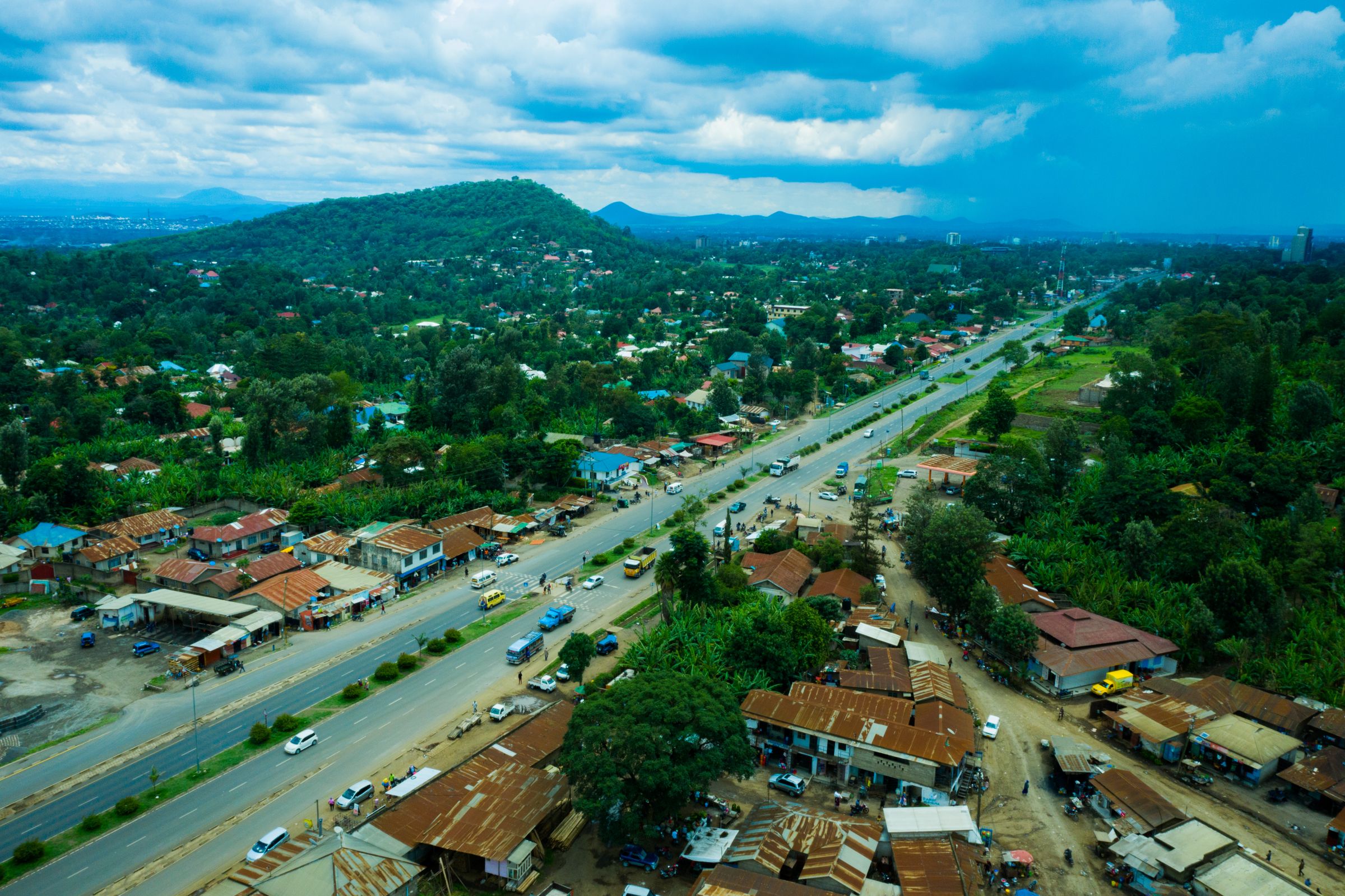
Arusha is the safari city of northern Tanzania. Around its Clock Tower roundabout stand the Maasai Market for crafts, the Central Market…
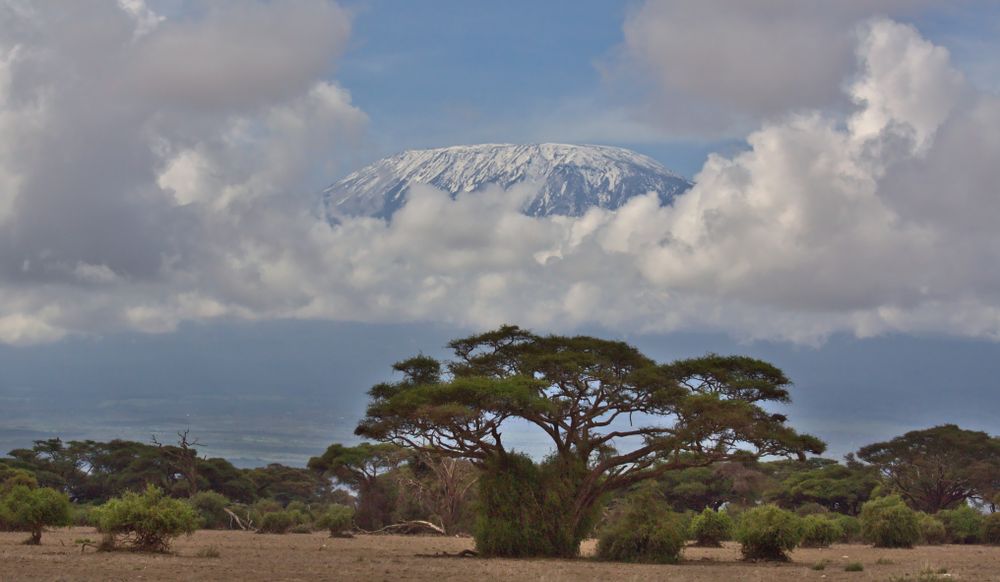
Africa's high point stands alone above the plain at 5,895 metres, a dormant volcano carrying glaciers on a summit close to the equator.…
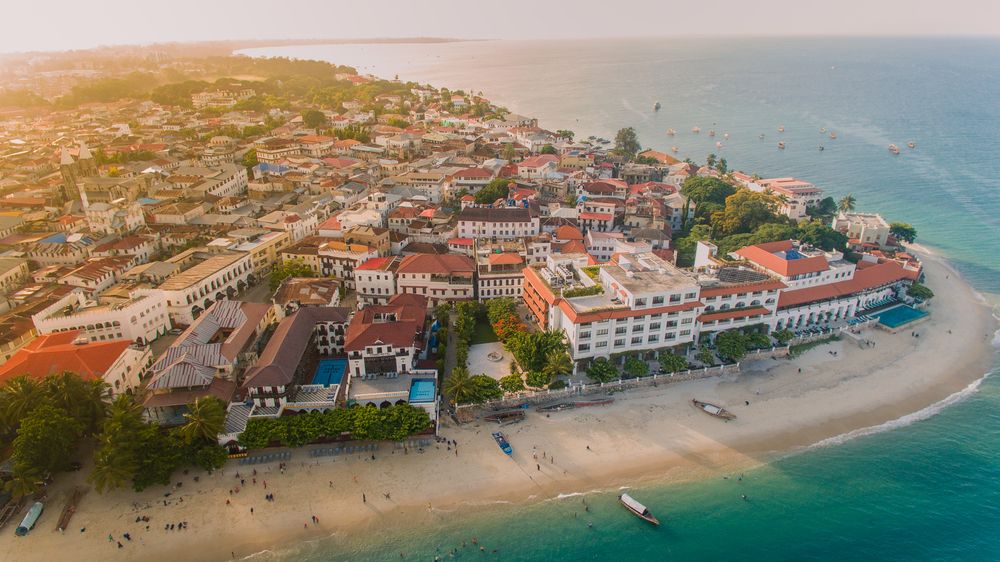
Coral stone houses, carved doors and lanes too narrow for cars fill the old quarter of Zanzibar's main port, on the western side of Unguja…
Coffee country on Kilimanjaro's southern slopes gives this northern Tanzanian town its living and its view: the mountain stands directly…
Last updated