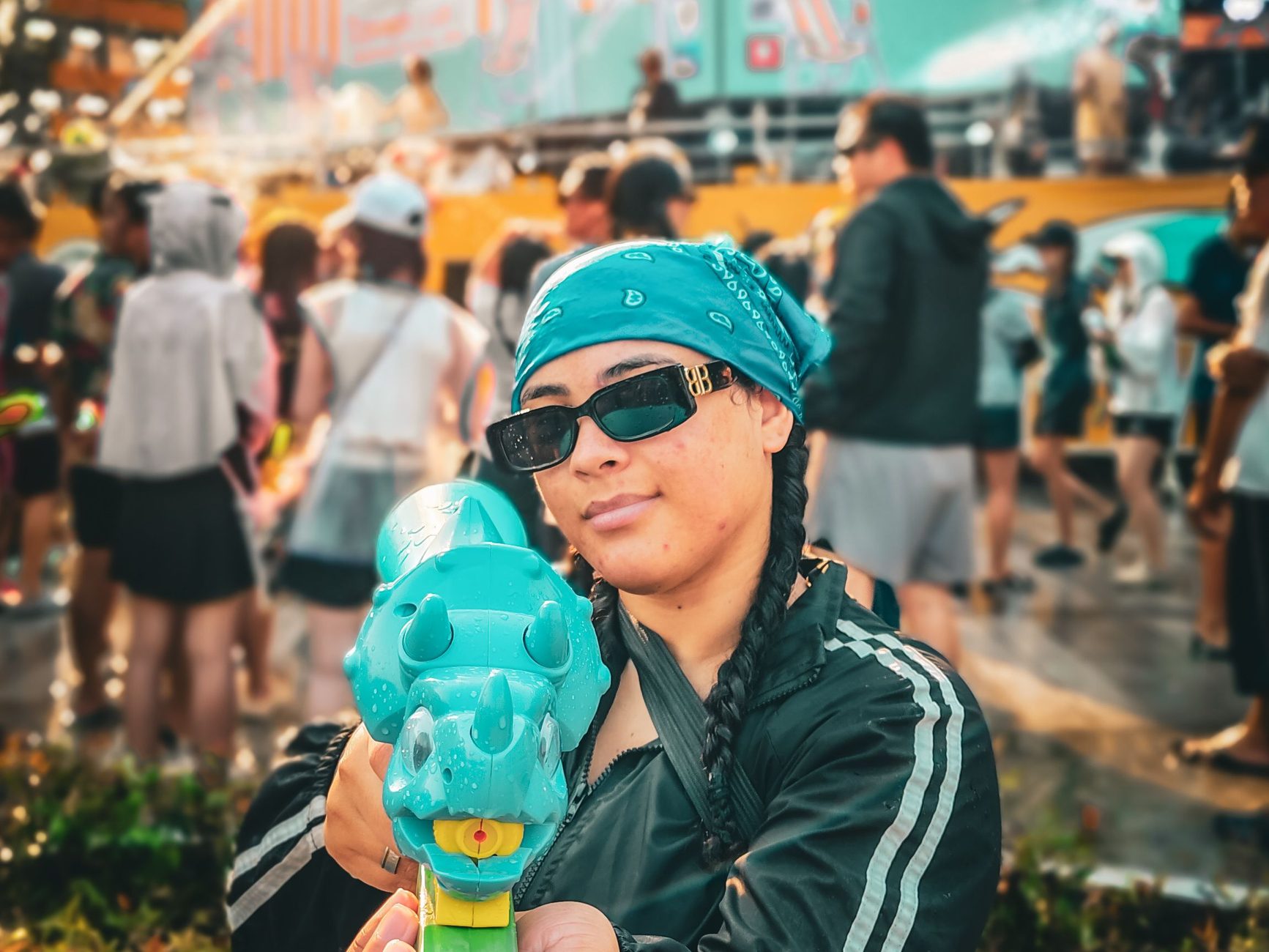
 Submit a photo
Songkran 2027 runs from Tuesday 13 to Thursday 15 April, the three days of Thailand's national holiday. Tuesday the 13th is Songkran Day itself and opens the festival. In Chiang Mai the first water fights usually break out a day early, on Monday the 12th, and the city's own 2027 programme is published closer to April.
Longer than the holiday. The national break covers three days, but Chiang Mai Municipality wraps a wider programme around it: in 2026 the city festival ran from 6 to 17 April. The three holiday days remain the core, and the Buddha procession and the water play at Tha Phae Gate both fall inside that longer run.
Tha Phae Gate, where the municipality stages its traditional water celebrations and water tunnels. The moat that rings the old city is the main battleground, and police ban alcohol sales in the area around it. In 2026 the national tourism authority also listed a Chiang Mai Water Festival at Wat Chedi Luang, inside the old city, from 11 to 13 April.
The city sets the day and hour each year. The parade carries the Phra Buddha Sihing and other revered Buddha images through the streets, and it is the centrepiece of the municipal programme. In 2022 it set off at 3pm, running between Tha Phae Gate and Wat Phra Singh. The 2027 schedule goes up on the municipality's website, cmcity.go.th, shortly before the festival.
Consent comes first. Throwing water at someone trying to stay dry, or on the way to work, can bring a fine, and so can smearing powder on a stranger uninvited. Water guns with excessive pressure are banned because they injure. Chiang Mai police also stop alcohol sales around the old city moat. Those were the 2026 rules, and the 2027 list follows nearer the date.
Modest clothes that can take a soaking. Police ask Thai and foreign revellers alike to avoid indecent or revealing clothing in public spaces, and officers issue warnings on the spot. The same modesty applies on stepping into a temple, where the water stops at the gate.
Very hot, and close to the end of it. April is Chiang Mai's hottest month, with an average daily high of 36.7C on the 1991 to 2020 normals. The smoky season runs from December to April, when air pollution returns every year, so the air quality forecast is worth checking before travel.
It depends on the Songkran wanted. Bangkok stages the bigger shows, and Silom and Siam Square turn into major water celebration zones. The North, Chiang Mai above all, keeps longer ceremonies rooted in local tradition, and its old city inside a moat makes the street itself the water fight. Temples and the procession favour Chiang Mai; stages and headliners favour Bangkok.
Songkran is the Thai New Year, recognised by UNESCO as Intangible Cultural Heritage of Humanity. Its roots are merit-making, temple visits and pouring water over the hands of elders, a rite of respect and renewal that stands for purification. The citywide water fight grew out of that ritual, and the quieter ceremonies still run alongside it in the mornings.
Songkran is the Thai New Year, held over three days in mid-April by the old solar calendar. Water is the heart of it: poured over Buddha images and the hands of elders, it washes away the bad luck of the year that is ending, in the hottest month.
The water fights grew out of that gentler pouring, and Chiang Mai, its old city ringed by a moat to draw from, has some of the biggest. During the festival the Phra Buddha Sihing, the city's most revered Buddha image, is carried in procession through the old city so that residents can bathe it with scented water.
13 to 15 Apr 2027
From the 12th you will rarely stay dry anywhere in the old city, so seal your phone in a bag before you step out. Head to Tha Phae Gate for the biggest water fight and to Wat Phra Singh for the temple ceremonies.
13 to 15 Apr 2027. Times are approximate and can change from year to year.
The first day of the holiday. Buy a water gun and a phone pouch before you walk into the old city, where the shops are busiest.
The middle day. The water fight carries on round the moat for much of the day.
The last day of the holiday. The party round the old city goes on late into the night.
You are a target the moment you step outside. Children with water pistols and strangers with hoses and buckets will all soak you, even well away from the moat.
Songkran is also a family festival. Young people pour scented water over the hands of their parents and grandparents and ask for a blessing for the year ahead, a custom called Rod Nam Dam Hua.
Watch for the Phra Buddha Sihing, a revered Buddha statue, carried in procession through the old city while crowds sprinkle it with scented water.
Away from the moat, the big malls have run their own Songkran events in past years, and Central Festival has put on a foam party for small children. Elsewhere, households and guesthouses carry speakers into the street and start a party at the door.
Put your cash and ID in a zip-lock bag as well, and leave your passport in the room; many hotels give the bags out. Keep the water out of your mouth and eyes, since some of it is scooped from the moat. Leave monks, the elderly and anyone on a motorbike dry, and if someone soaks you, smile and give a wai, the Thai greeting with palms pressed together.
Stay inside the old city or close to Tha Phae Gate, so you can walk everywhere. Book well ahead, because the popular hotels fill early. Our pick is Rachamankha in the old city, which holds two Michelin Keys.
Add the five days to your plan
Explore the rest of Chiang Mai
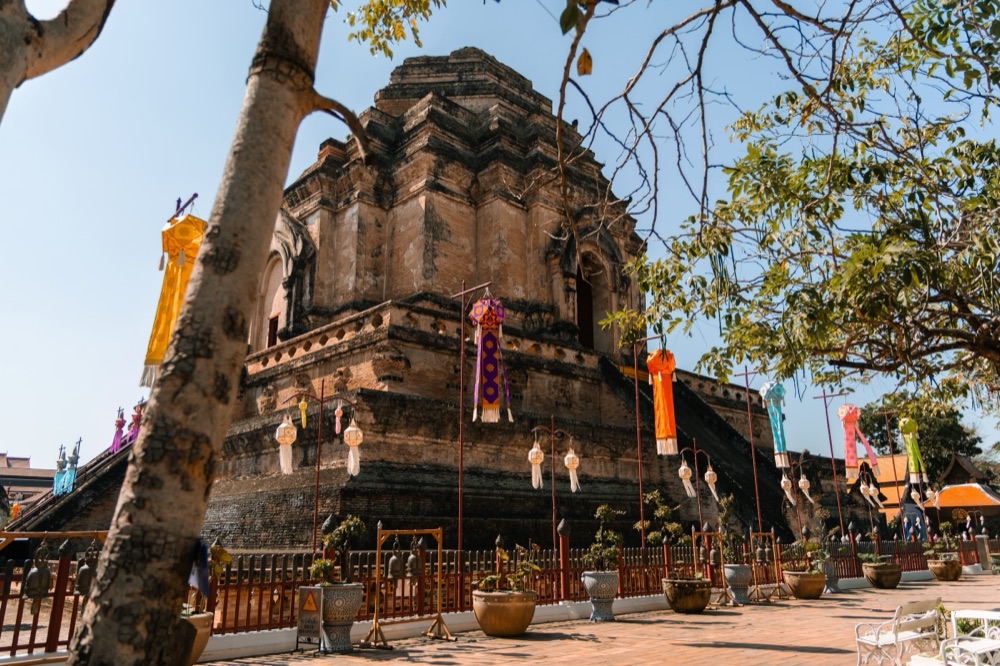
Northern Thailand's largest city grew inside a square moat and the remains of a Lan Na wall, with more than thirty temples inside that…
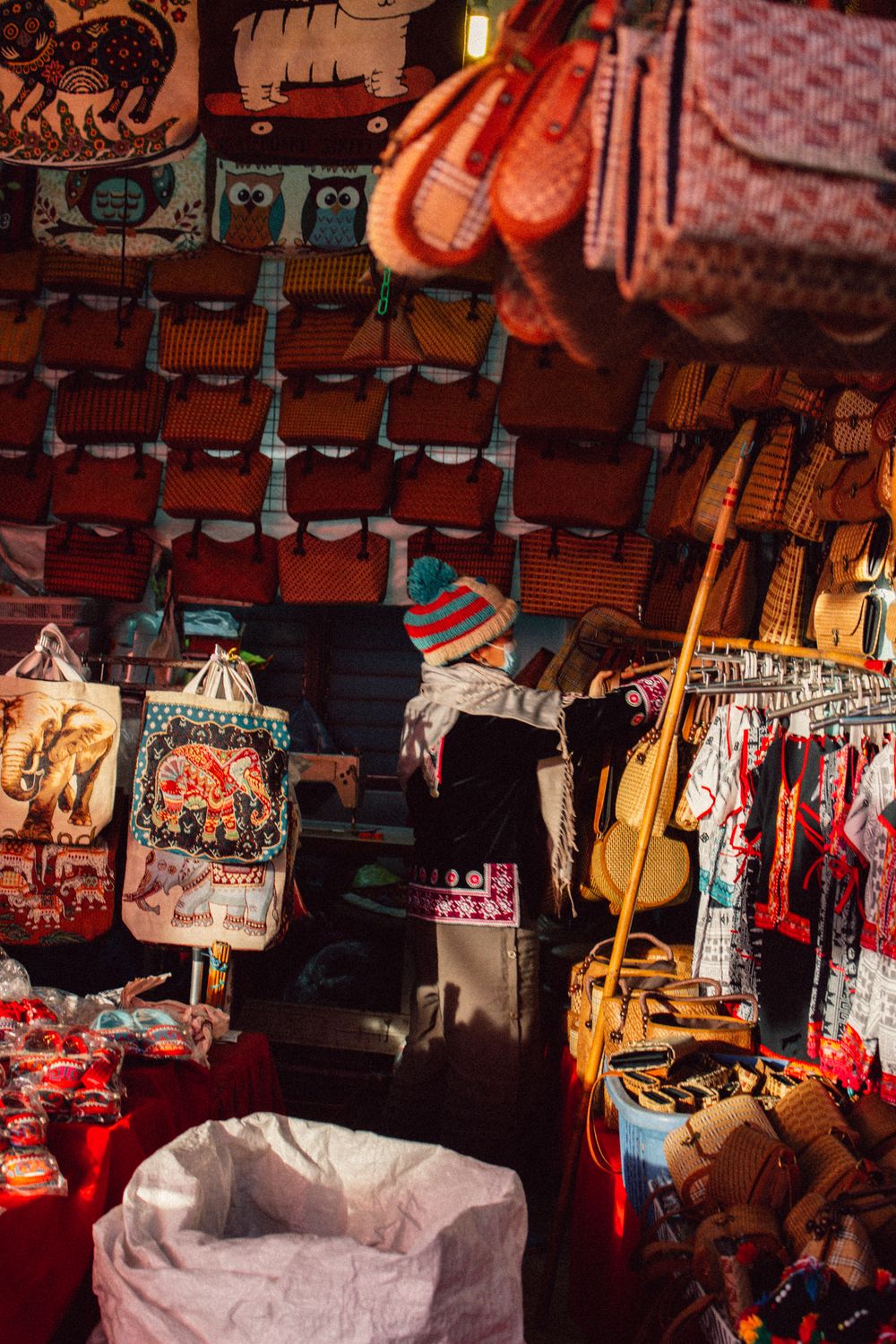
Stalls fill Chang Khlan Road every evening from about six, on the strip between the moat and the Ping River, selling hill-tribe textiles,…
Last updated