Things to do
12-
Chiang Mai Night Bazaar
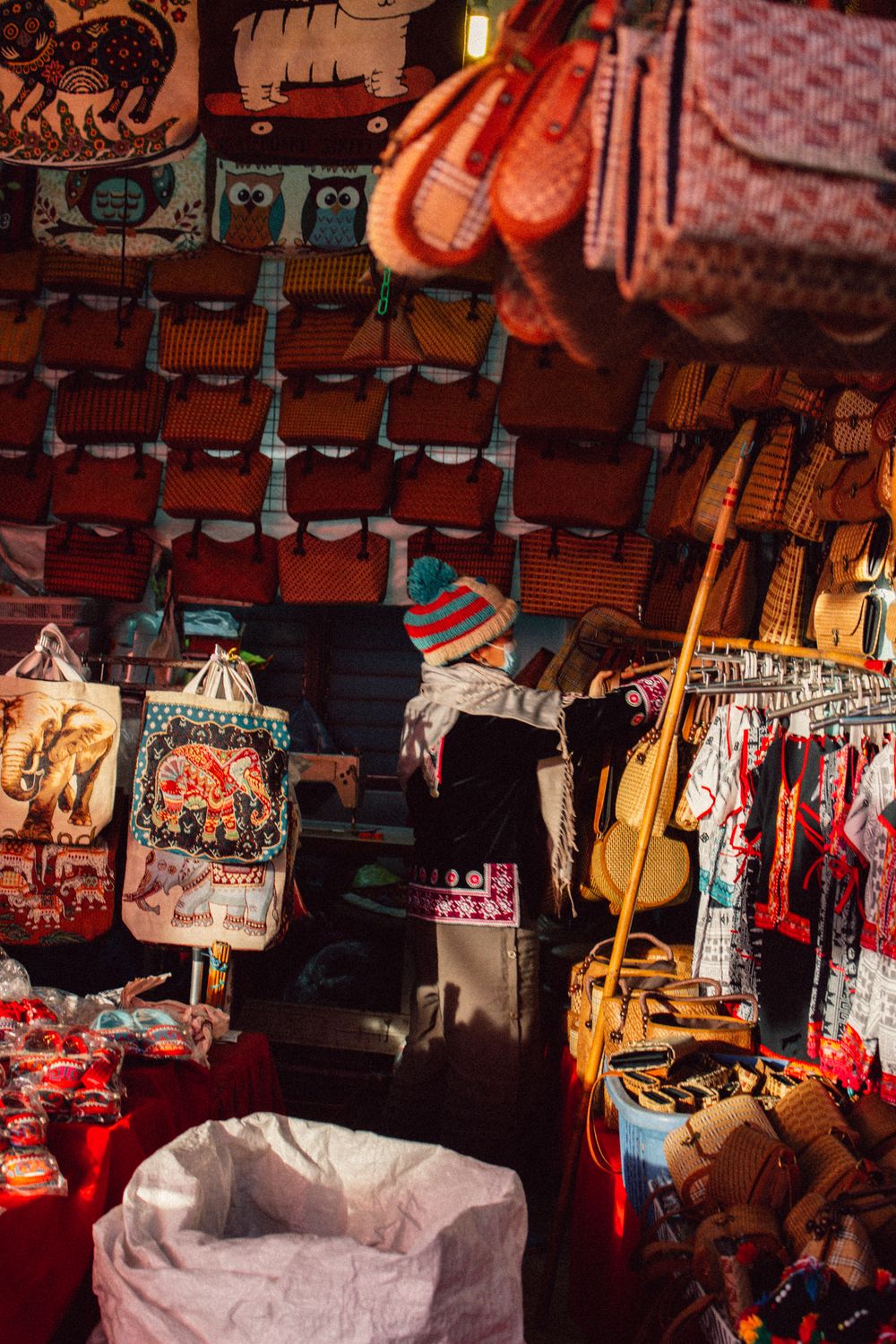
Stalls fill Chang Khlan Road every evening from about six, on the strip between the moat and the Ping River, selling hill-tribe textiles, carved wood, lanterns and painted portraits. Food courts and bar terraces sit behind the street frontage. Bargaining is normal here, and much of the same stock turns up on Sunday at the walking street inside the old city.
-
Doi Inthanon National Park
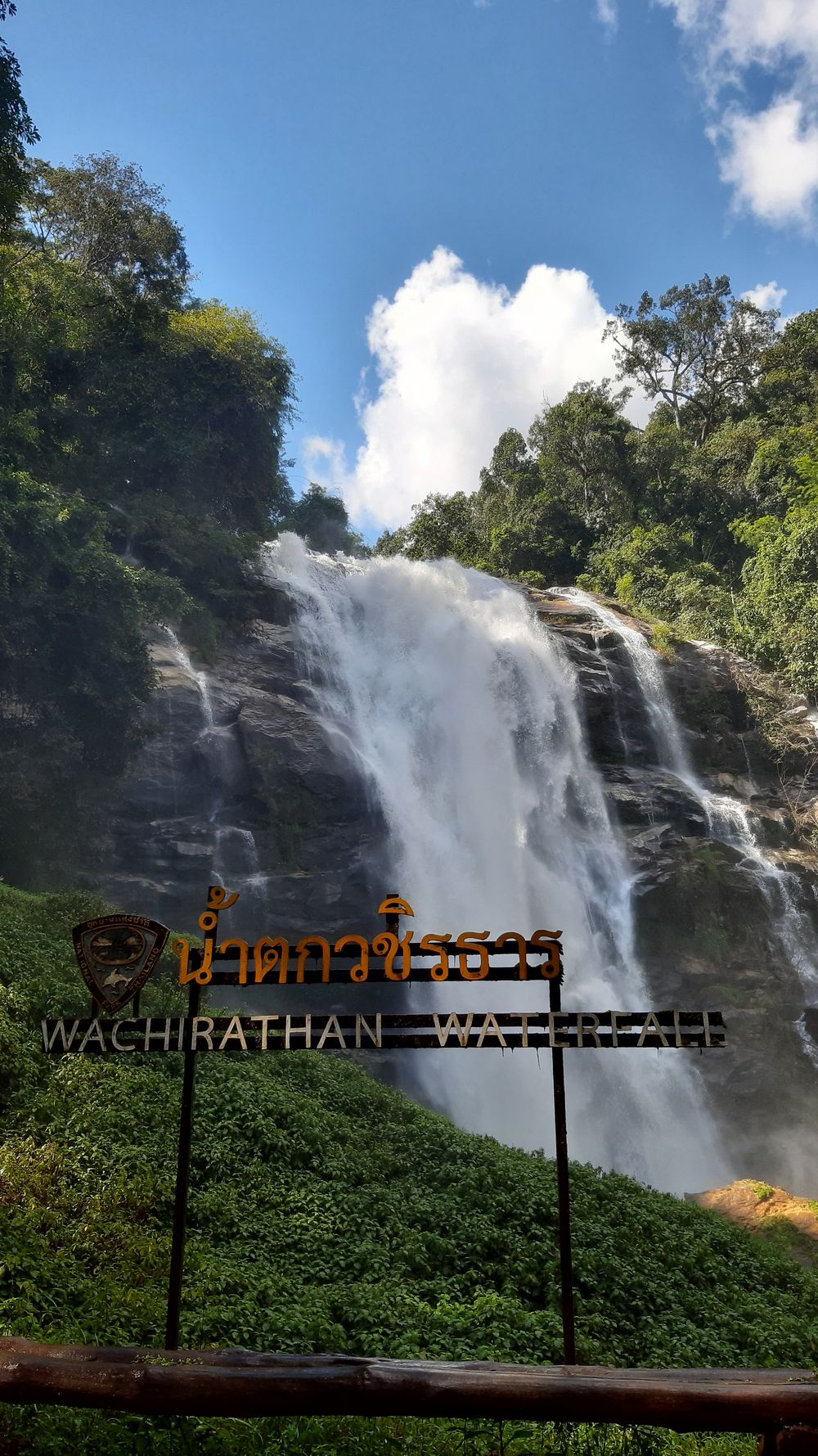
Thailand's highest ground rises to 2,565 metres inside this park, about two hours southwest of the city by road. The summit itself is a wooded bog with a boardwalk and no view, while the twin royal pagodas below it open onto the range. Wachirathan and Mae Ya falls sit on the way up. Dawn temperatures near the top fall close to freezing in December and January.
-
Elephant Nature Park
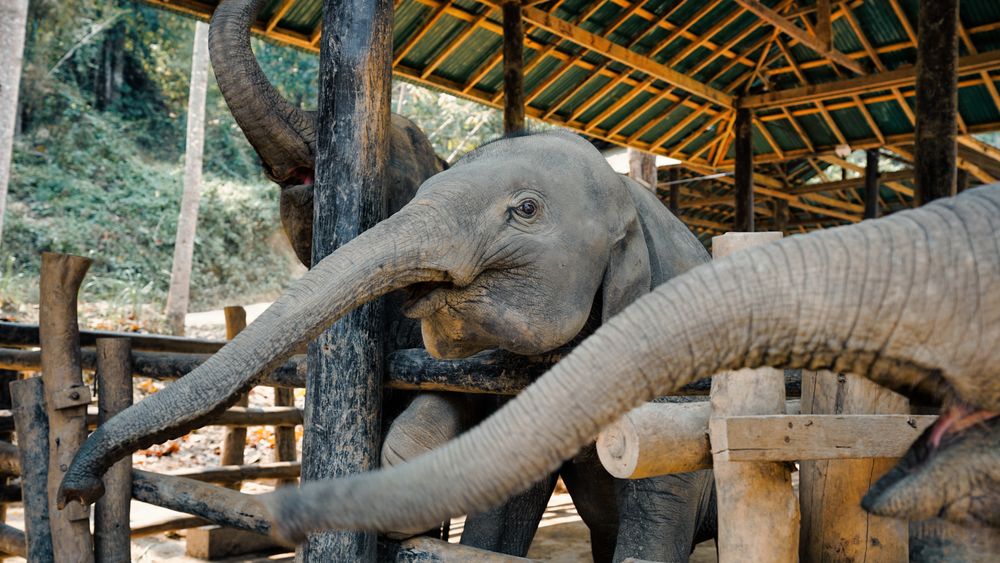
Rescued elephants live loose in a river valley in Mae Taeng, an hour or so north of the city, at a sanctuary co-founded in the 1990s by Sangduen Chailert. Visits are observational: feeding and walking with the herd, with no riding and no performance. Day trips include transport from Chiang Mai and book out weeks ahead in the high season.
-
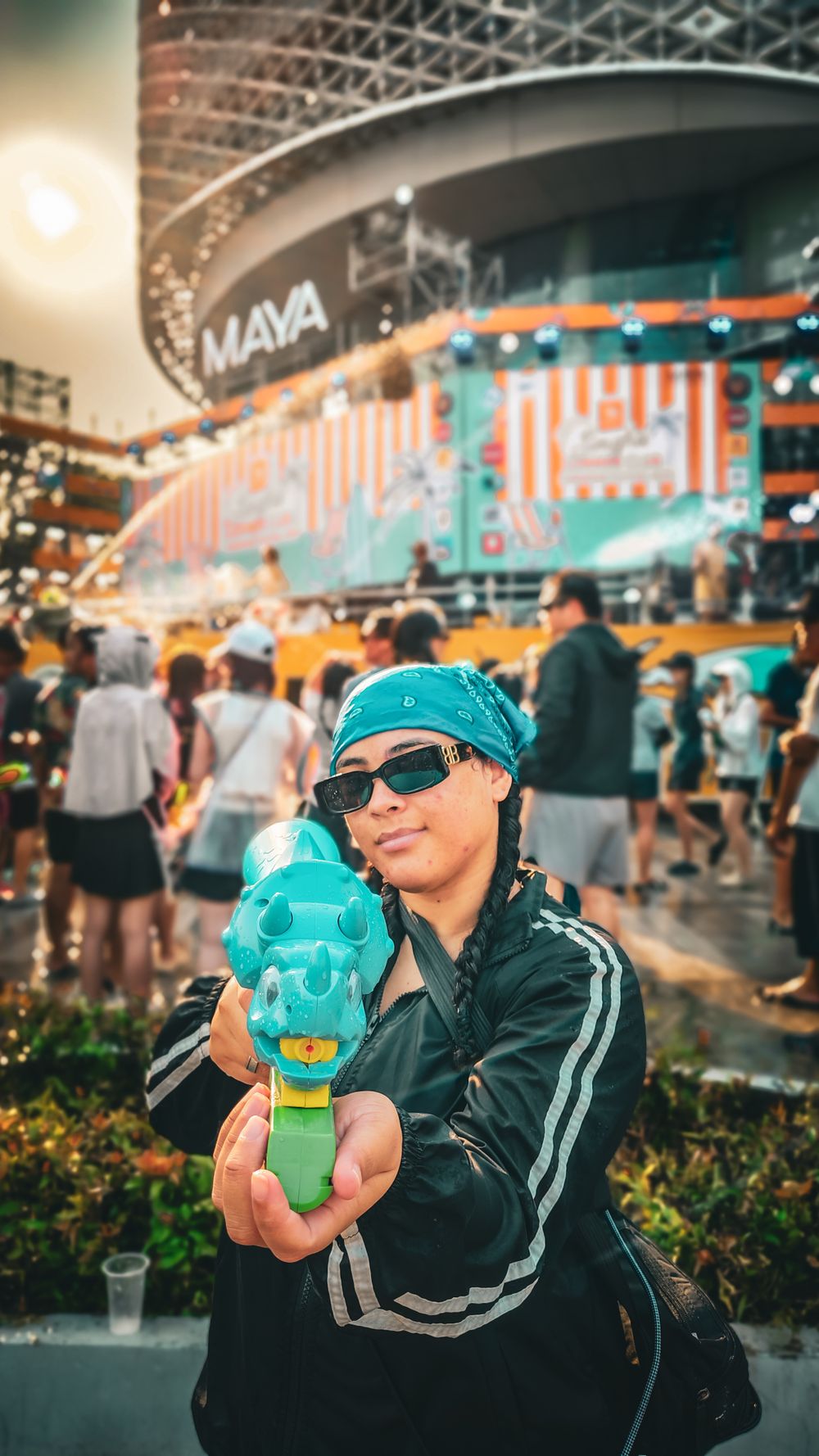
Songkran
From the 12th you will rarely stay dry anywhere in the old city, so seal your phone in a bag before you step out. Head to Tha Phae Gate for the biggest water fight and to Wat Phra Singh for the temple ceremonies.
View more → -
Nimmanhaemin
West of the Old City lies the modern side of Chiang Mai, a district of cafes laid out along Nimmanhaemin Road. Come in the afternoon for coffee and a slower pace after a morning at the temples of the Old City. It also makes the better base for a longer stay in Chiang Mai.
-
Old City
Inside the square moat lies the walled core of Chiang Mai, compact enough to cross on foot, with the great brick chedi of Wat Chedi Luang among its temples. On Sunday evenings its main street, Ratchadamnoen Road, closes to traffic for the walking-street market of crafts and food.
-
Saturday Walking Street
Wualai Road, just south of the Old City, closes to traffic on Saturday evenings for a weekend market known for silver jewellery, decorative pieces and fine metalwork. It falls on the night before the Sunday market inside the walls, so a stay across the weekend takes in both.
-
Sunday Walking Street
Every Sunday from five in the afternoon, Ratchadamnoen Road inside the Old City closes to traffic for a kilometre, and stalls of handmade crafts, paintings, souvenirs and food fill it until half past ten. It runs through the middle of the walled city, a short walk from most of the guesthouses inside the moat.
-
Warorot Market
Kad Luang, as the city calls it, has traded on Wichayanon Road since 1910 and remains the market locals shop in. Sai ua sausage, nam phrik num and dried fruit fill the ground floor, while fabric and clothing fill the upper ones. Flower stalls run along the river behind it. Mornings are the busiest hours, and much of the food is gone by late afternoon.
-
Wat Chedi Luang
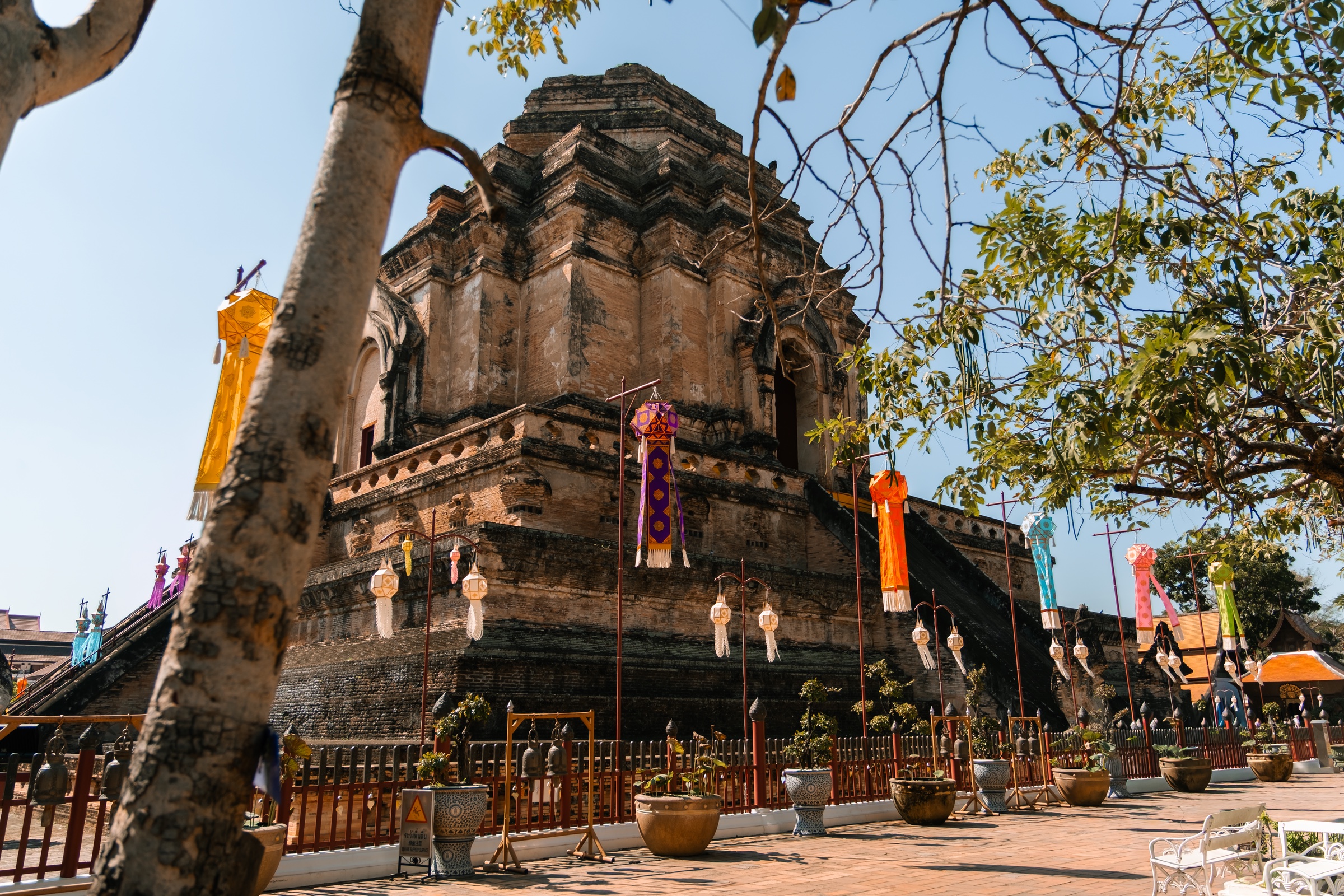
Half a brick mountain stands in the middle of this compound: a fifteenth-century chedi that rose above eighty metres until an earthquake took its top in 1545. The Emerald Buddha now in Bangkok sat in its eastern niche for eighty years. Chiang Mai's city pillar stands in a hall on the same grounds, which women may not enter.
-
Wat Phra Singh
Lan Na woodwork is the draw at this temple inside the old city walls, founded in 1345 to hold a king's ashes and named for the Phra Singh Buddha image enshrined here. The small Lai Kham hall behind the main viharn carries murals of nineteenth-century northern dress and daily life. At Songkran the image is paraded through the streets.
-
Wat Phra That Doi Suthep
A naga staircase of about three hundred steps climbs to the gilded chedi on the mountain, fifteen kilometres from the city and roughly a thousand metres up. The temple dates from 1383 and holds a relic said to have been carried there by a white elephant. A funicular runs for anyone avoiding the steps. Haze often hides the city view between March and May.


