Ninety seconds on Suna and İnan Kıraç Kaleiçi Museum
Two restored buildings share one Kaleiçi garden, an old Antalya house and the former Greek church of Aya Yorgi, so you step from a 19th-century family home into a church turned gallery in one short stop.
Inside the door, the ground floor of the house is a stone-paved entry laid with pebble mosaic, a standard feature of old Antalya houses. The family lived above it: the first floor was the main floor, where the work and daily life of the house went on.
Upstairs, the rooms are fitted out as a well-to-do 19th-century home. Look up as well as around: the ceilings are wooden lath and the walls are decorated, details that are easy to miss beside the figures.
The life-size figures act out the household's customs: coffee being served, a groom's shave, a henna night and the preparations for a wedding, all in period dress.
The church of Aya Yorgi (St George) is one vaulted room with no inner divisions. Over the south door a marble panel shows St George on horseback fighting the dragon, flanked by angels. The inscription on the door is in Karamanlıca, Turkish written in Greek letters, and records a restoration of 1863.
Inside, the ceiling is painted as heaven in several shades of blue. Little of the original church fabric survives, so it reads as a gallery. The main floor holds the Kıraç collection of Çanakkale ceramics: give it most of your time.
At the church entrance hangs a letter in which İnan Kıraç tells how he gave the church to his wife, Suna.
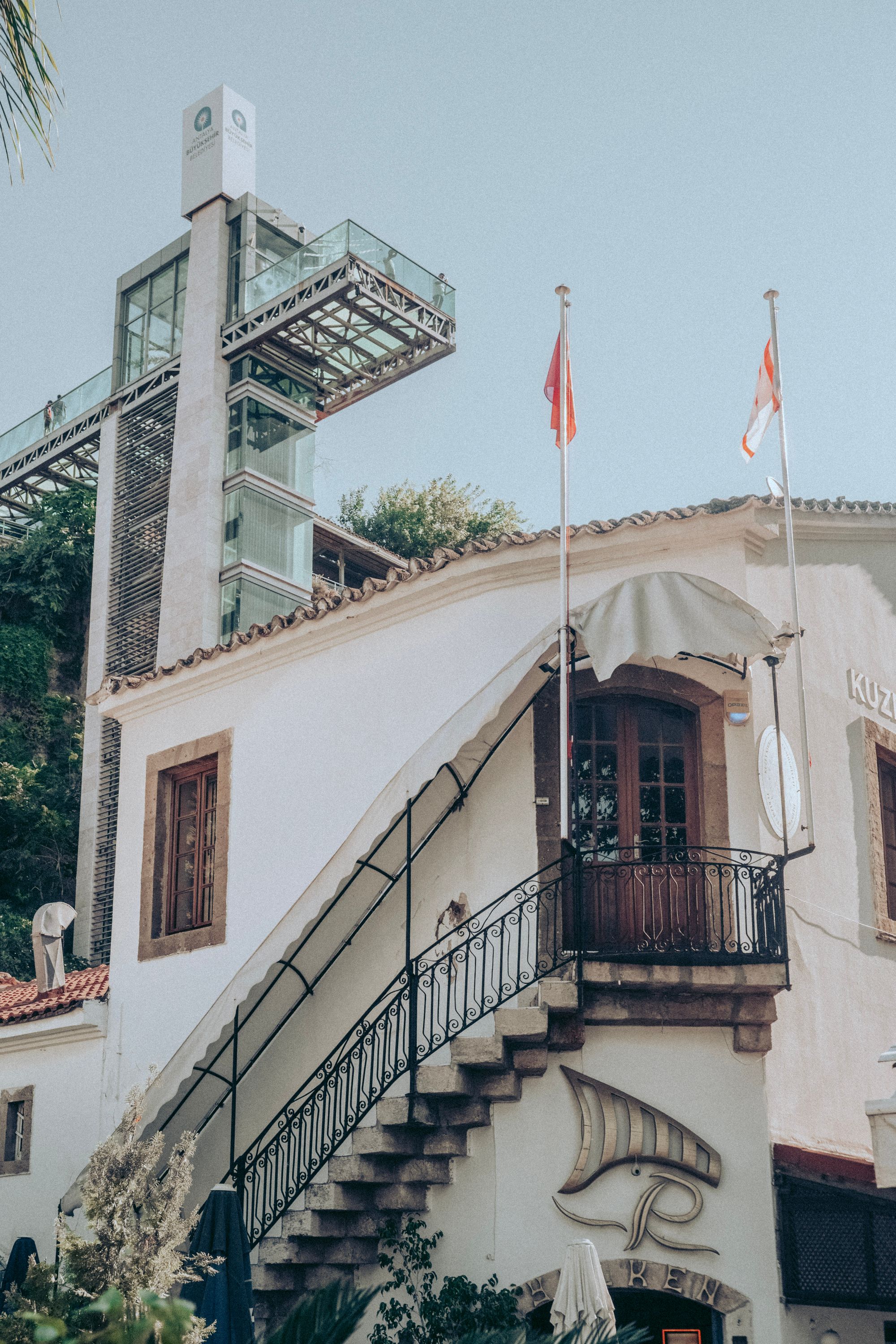
Kocatepe Sokak has the museum's only entrance, a large door under a bay window that opens into the house and its garden. Do the house first, starting on the ground floor and then taking the stairs to the furnished rooms.
Take the upstairs rooms in order, with audio narration and folk songs playing as you go. The last rooms follow the wedding preparations scene by scene.
Then cross the garden to the church's main floor. Afterwards go back outside: a spiral stair on the north wall climbs to the mezzanine, where the upper floor holds changing exhibitions on Mediterranean cultures.
Allow 30 to 45 minutes, a little more when the upper-floor exhibition is on. This is a small private museum, so set your expectations by its scale rather than its name.
Bring student or teacher ID if you have it, since it can qualify for a reduced ticket. Ask at the door whether the upper-floor exhibition in the church is open, as it sometimes closes for work.
Explore the rest of Antalya
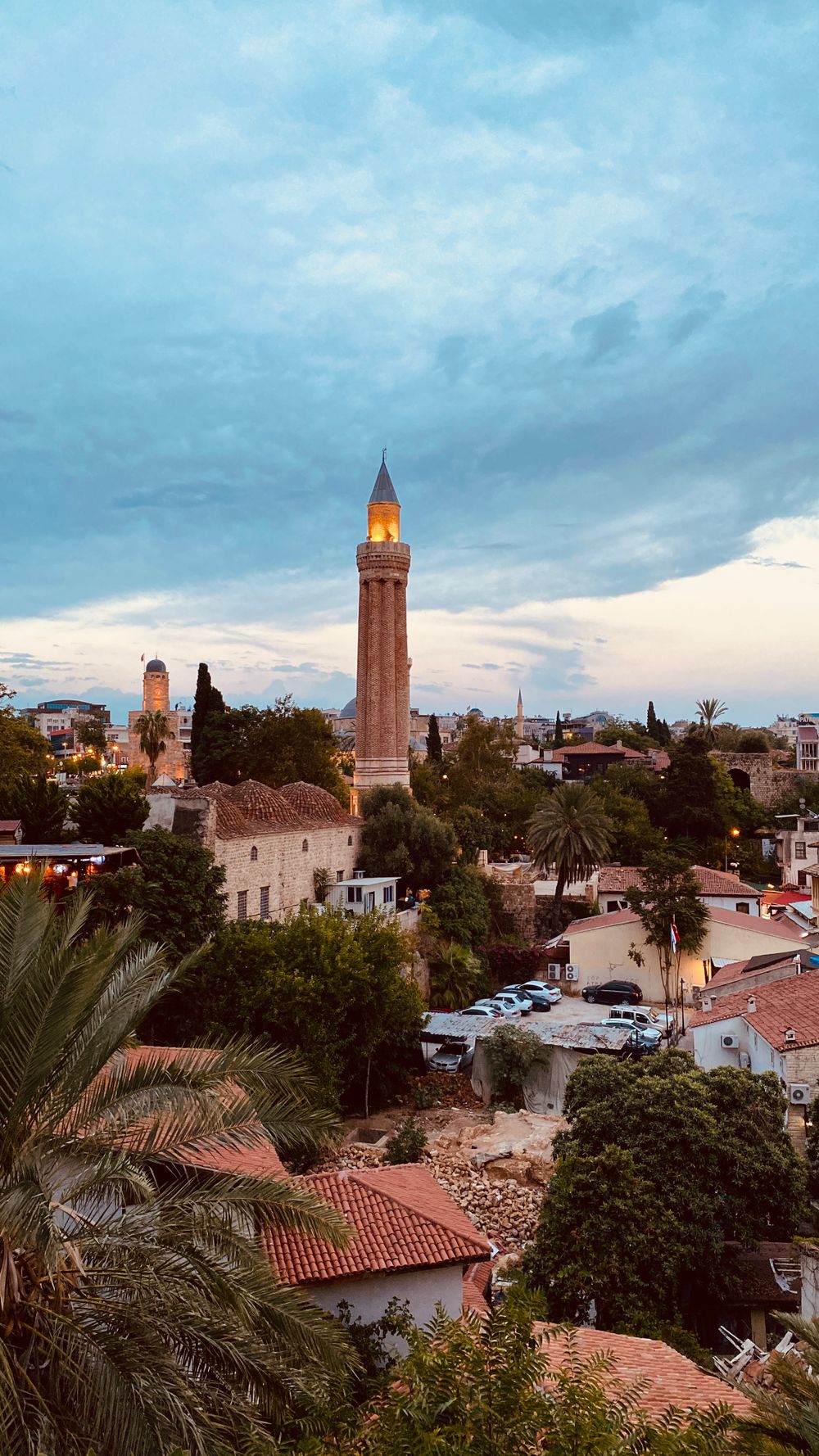
Known as the cut minaret, it stands over a building that has served as a Roman temple, a Byzantine church and a mosque in turn, and that a…
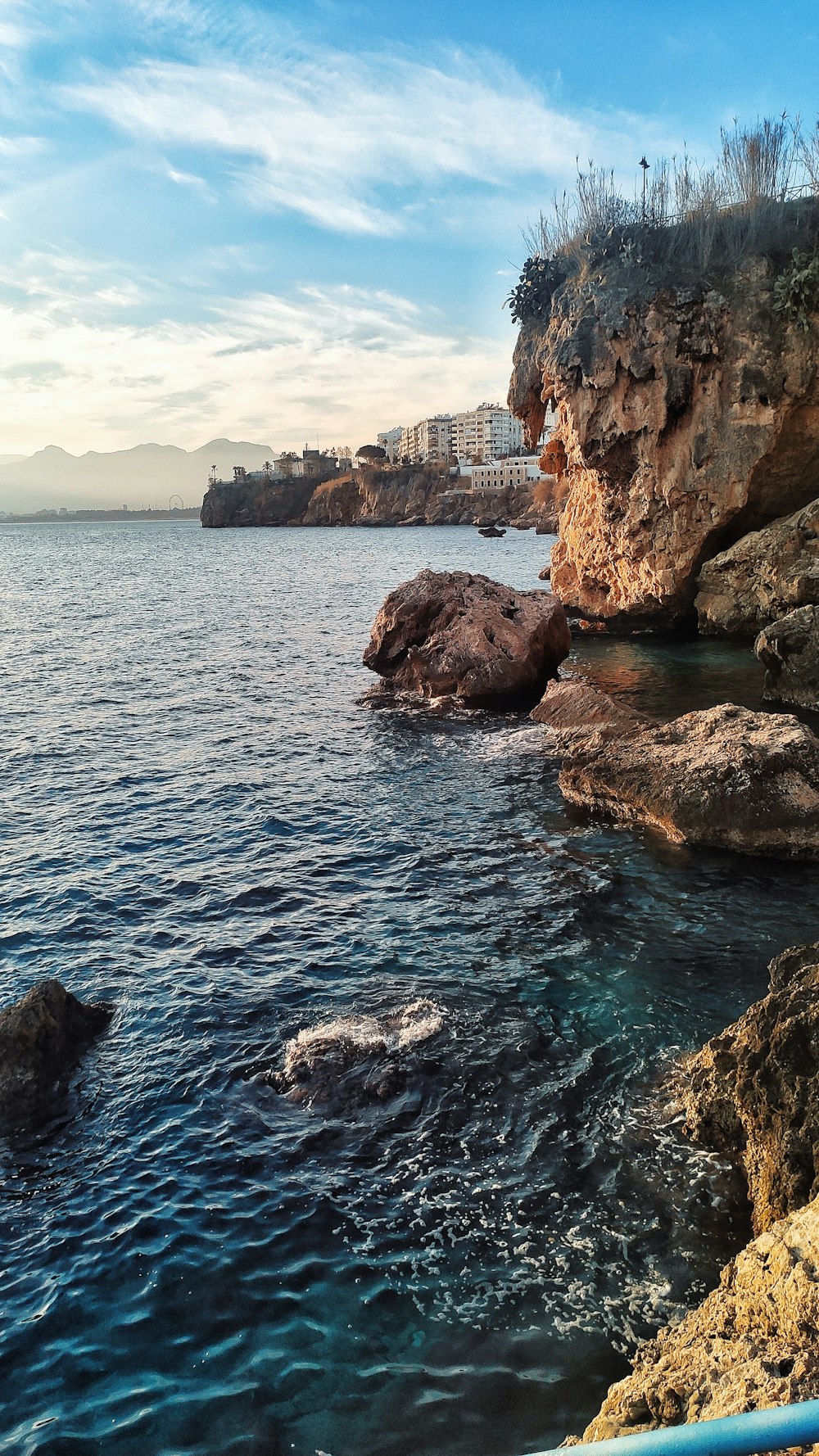
Lara is Antalya's sand beach, east of the city on the airport side, with very fine sand backed by pines and a sea that shelves gently.…
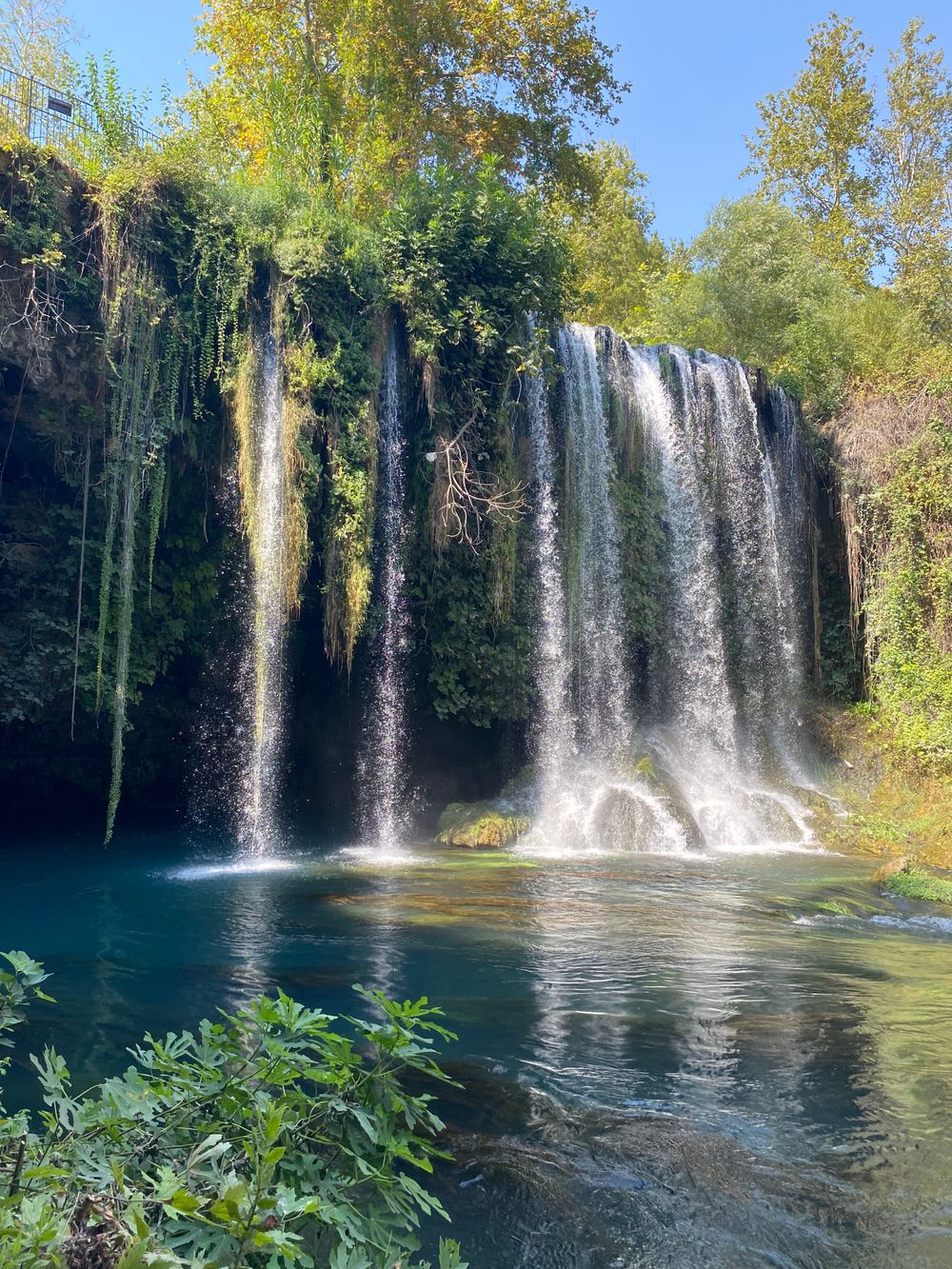
On a tributary of the Aksu, a short drive inland from Antalya city centre, the fall sits in a pine-wooded nature park where a path runs…