52.8 million people visited in 2025, and most of them saw Istanbul, Cappadocia and one beach. The country is 1,600 kilometres wide.
Ten days for Istanbul, Cappadocia and Ephesus; a fortnight adds the Lycian coast or the southeast. The country is 1,600 kilometres wide, so the east is a separate trip. US, UK, Canadian and most EU passports need no visa for 90 days in any 180
Only on the coast, where it is the one sensible way. Turkish Airlines, AJet and Pegasus fly about fifty domestic airports and most legs are under two hours. High-speed rail runs Istanbul to Ankara in about four hours and Ankara to Konya in one hour forty
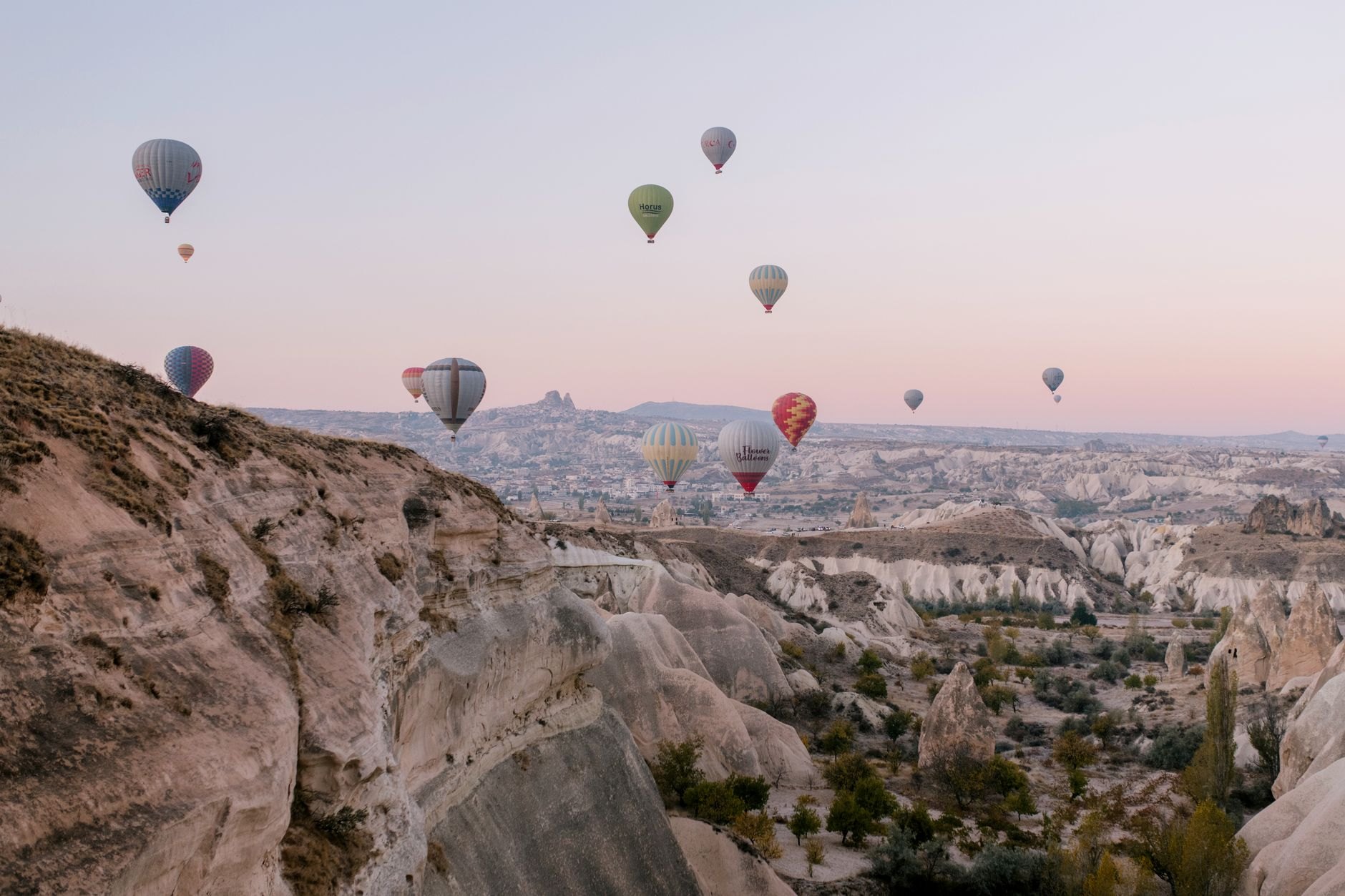
April to early June and September to October. The coast runs above 35C through July and August and the southeast hotter still. Cappadocia flies balloons all year, but December to April is when the wind cancels them, and Istanbul works in every month
Turkish. English proficiency is low, 71st of 123 on the 2025 EF index and 33rd of 34 in Europe, so it is fluent in the Istanbul and resort trade and thins fast inland. Kurdish is widely spoken in the southeast
The lira. Cards are taken almost everywhere, taxis included, but tipping is cash and the machines have no gratuity line. Inflation was near 32 percent in mid-2026, so any price quoted online is old. Always choose to pay in lira, never in the card's home currency
Istanbul has two, on opposite continents: IST took 84 million passengers in 2025 and Sabiha Gokcen SAW 48 million. Antalya AYT and Dalaman DLM for the coast, Izmir ADB for Ephesus, Kayseri ASR or Nevsehir NAV for Cappadocia, Trabzon TZX for the Black Sea
Ninety seconds on the country
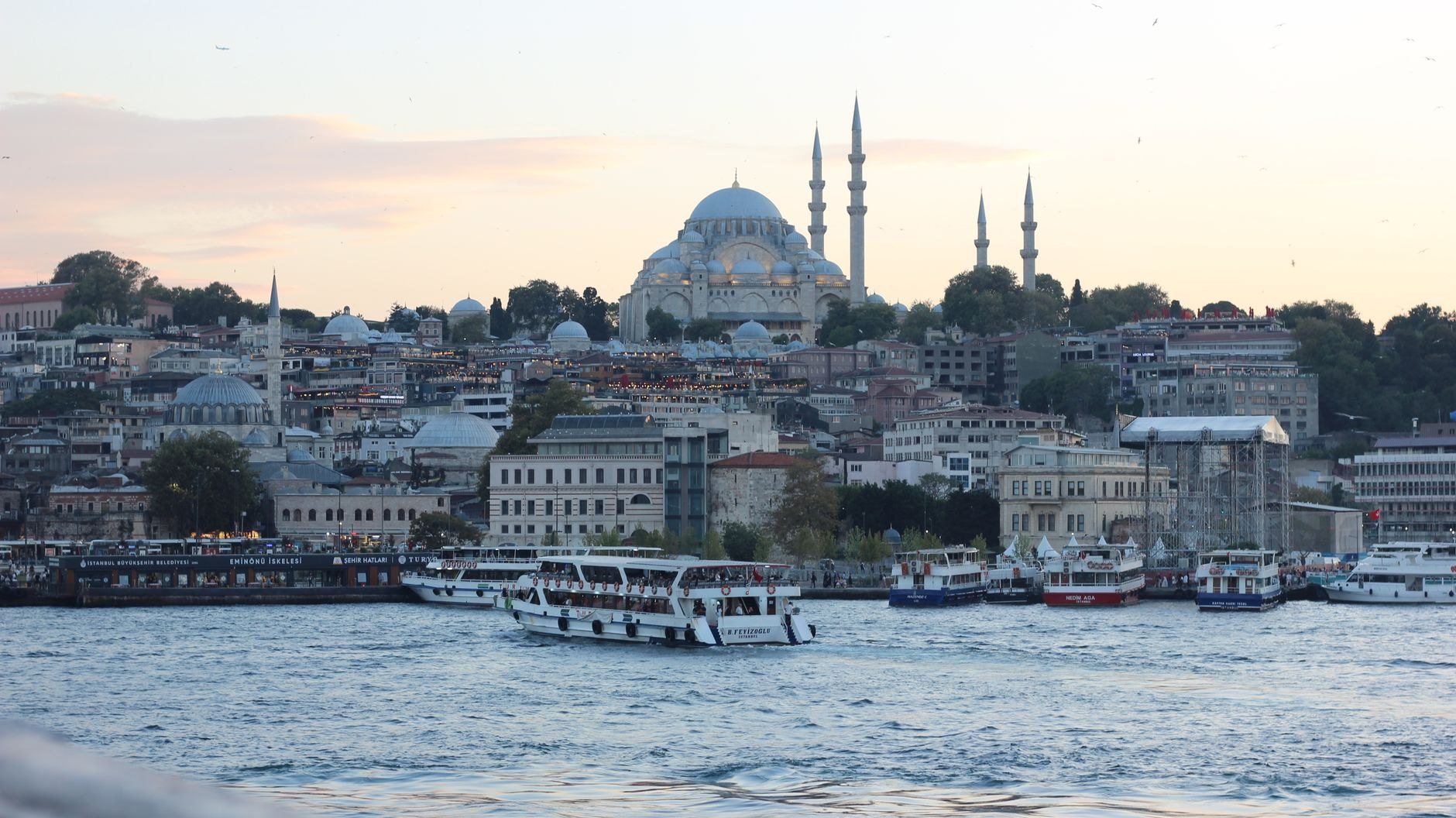
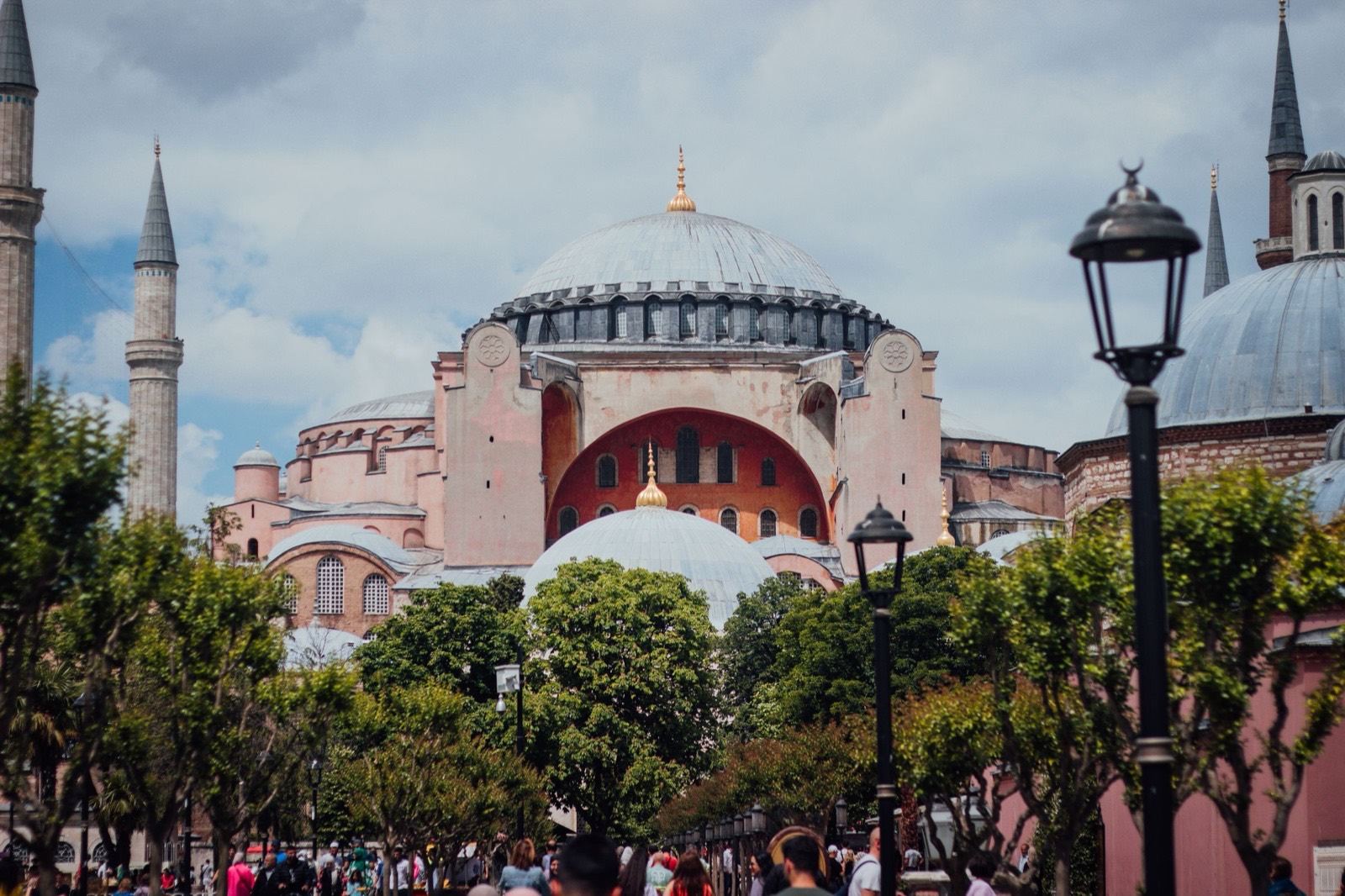
Turkey is where Europe stops and Asia starts, and it was run as the centre of the Roman, Byzantine and Ottoman worlds in turn. The evidence of all three is still standing, and a great deal of it is free to walk into.
A record 52.8 million foreign visitors came in 2025. Almost all of them went to Istanbul, Cappadocia and one southwestern beach. Those three deserve the crowds; they are also about a tenth of what is here.
The second week is the argument. Göbekli Tepe on the Mesopotamian plain pushed the start of monumental building back by seven thousand years. Ani was a city of a hundred thousand people and nobody has lived in it since the fourteenth century.
The mistake is scale. Istanbul to Kars is 1,400 kilometres and the roads are slower than the map suggests, so the long legs are flown. The seasons are the other trap: July and August on the coast run above 35C, while April, May, September and October are the months when everything is open and nothing is full.
Pick how you want to travel. The towns, the things to do and the map all change with it.
Three empires ran their world from here, and what all three built is still standing. Istanbul holds 25 of the 184 places, and İzmir, Ankara, Selçuk and Konya carry nine or so each, across 33 towns in all.
The trap is stopping at Istanbul. Çatalhöyük on the Konya plain is a nine-thousand-year-old town where the dead were buried under the floors, and a monastery near Mardin has sung its liturgy in Aramaic since 397.
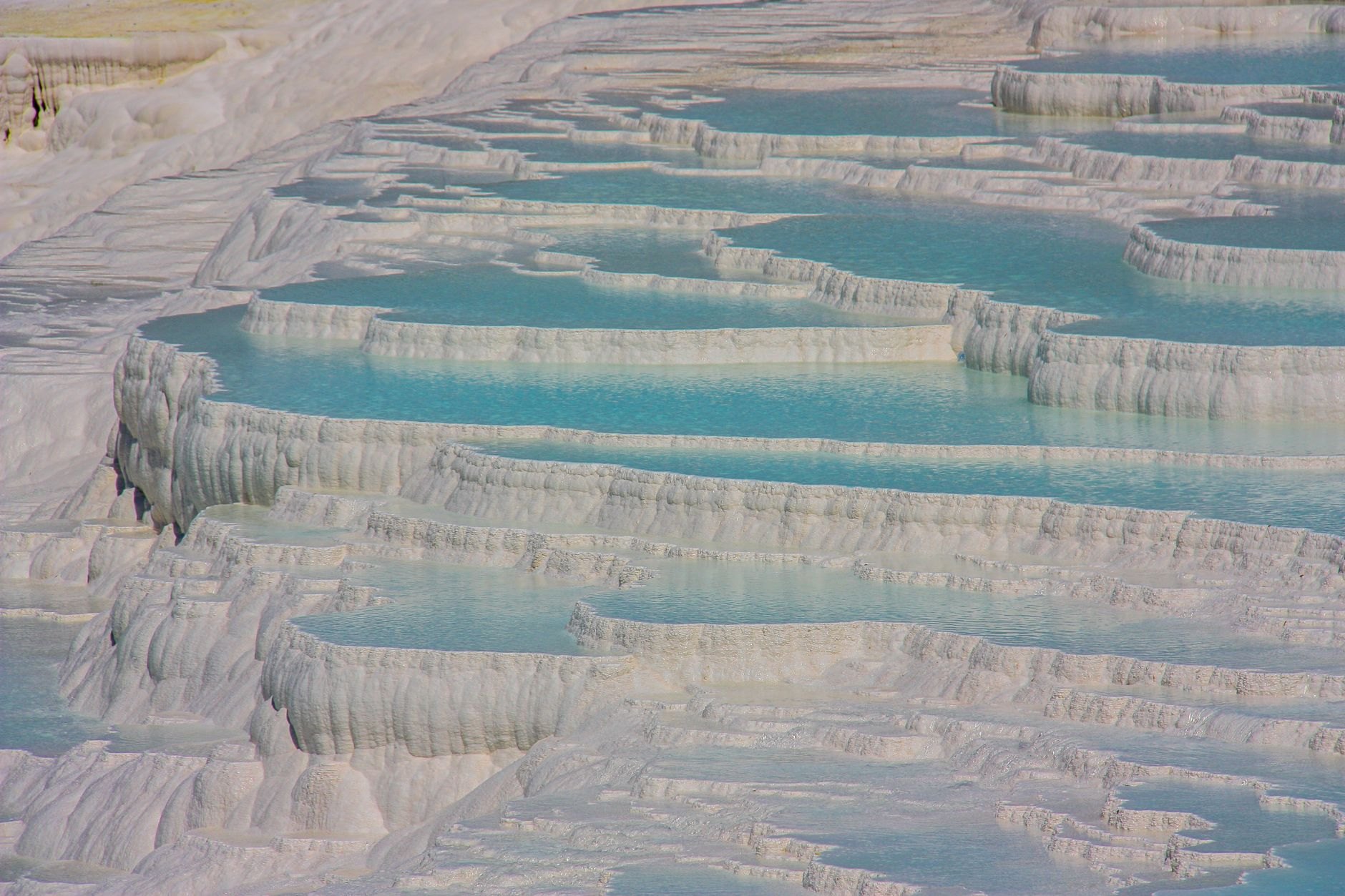
Almost none of it is what a Mediterranean brochure would predict. A hillside at Pamukkale turned to white stone by its own springs, a rock face that has burned since antiquity, a soda lake the size of a small sea. Pamukkale and Ayder hold the most of the thirty-five places, which run across twenty towns.
The Black Sea is the surprise. Behind the tea terraces of Rize the Kaçkar range climbs to 3,937 metres, the cloud sits in the valleys most mornings, and it rains far more than anywhere on the Aegean.
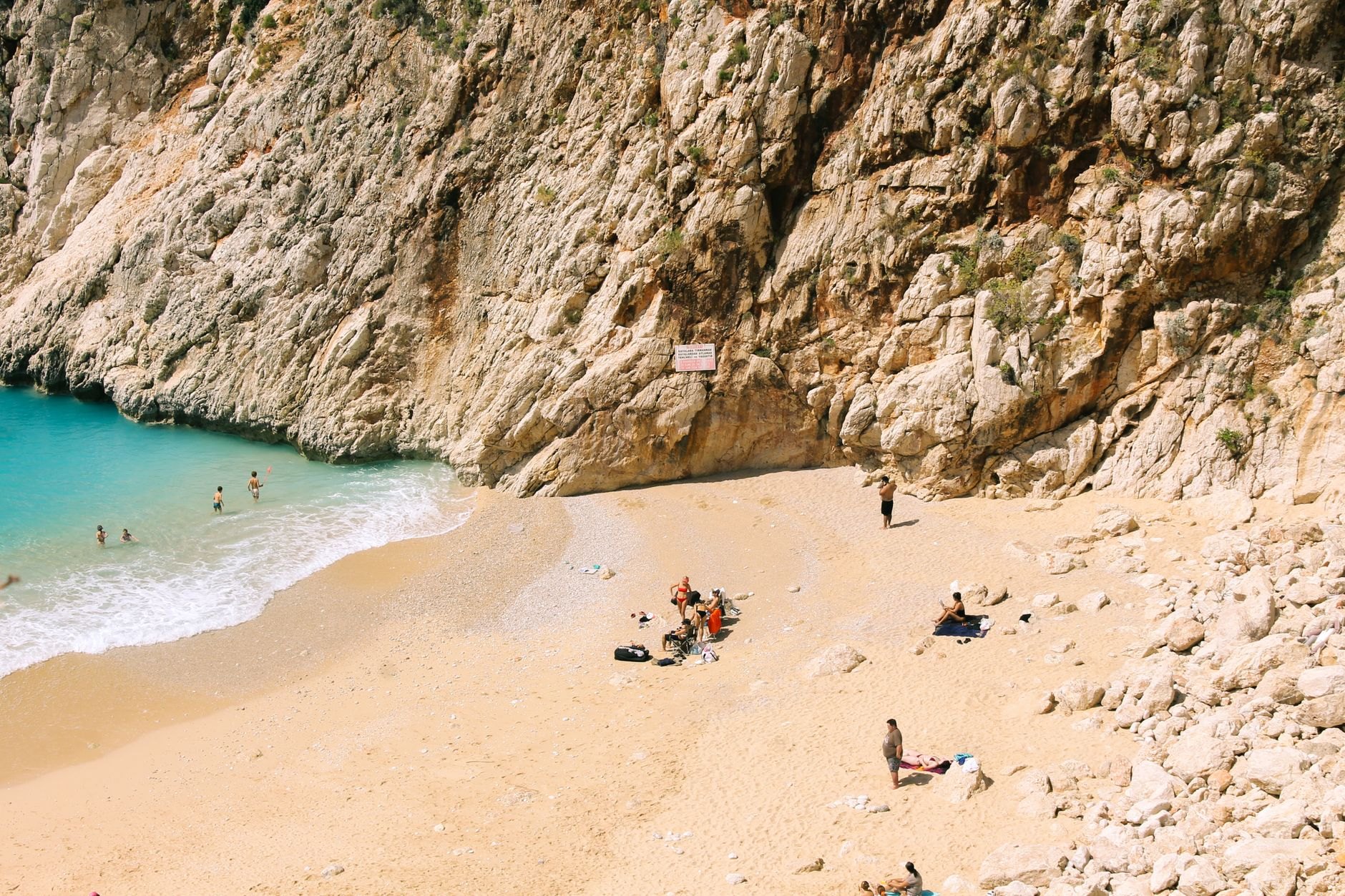
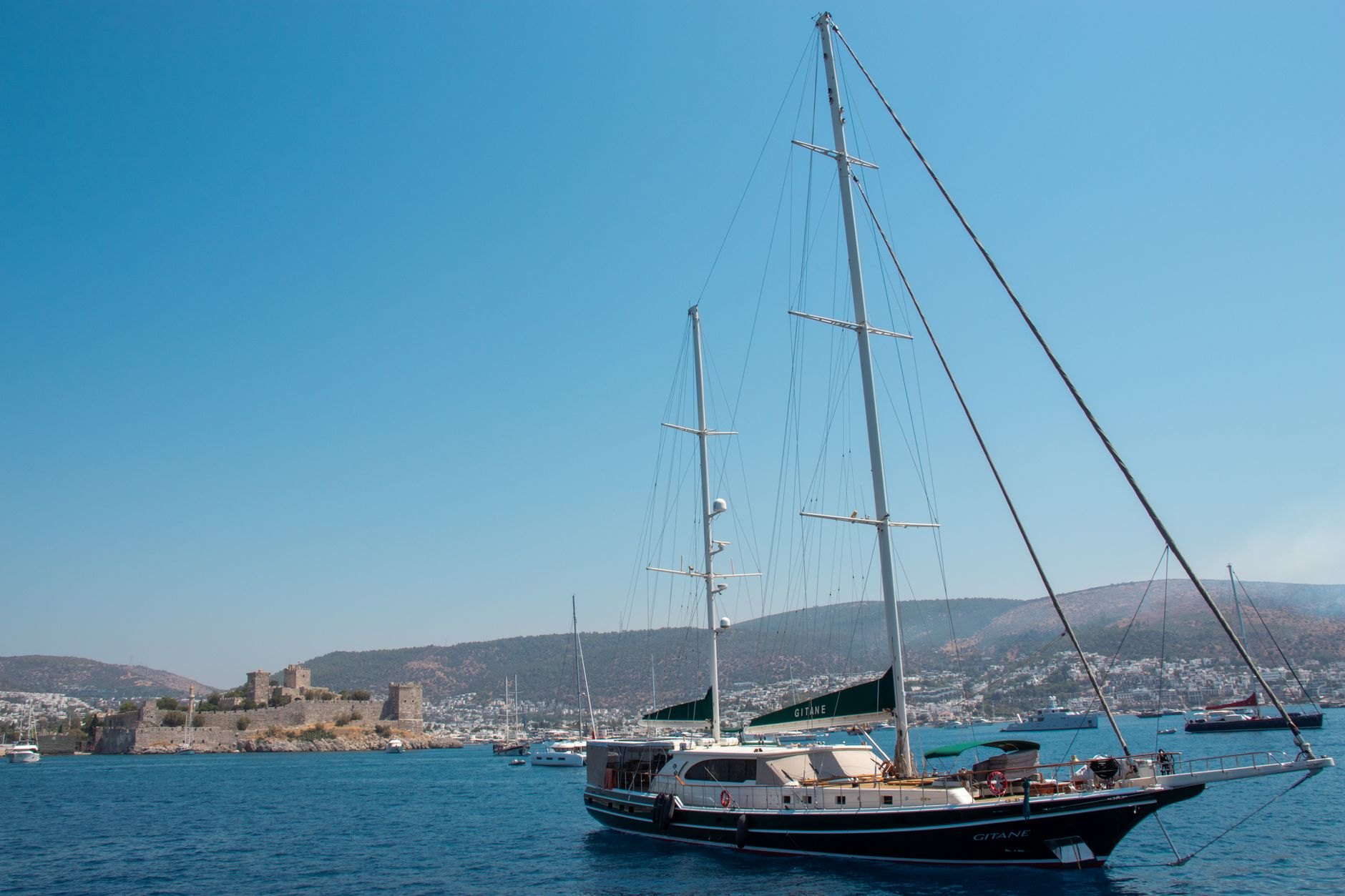
The southwest is the one to plan around: a lagoon at Ölüdeniz, eighteen kilometres of protected dune at Patara, and coves on the Datça peninsula that are two hours from the nearest motorway. Çeşme, Fethiye, Kaş and Datça carry most of the twenty beaches and waterfronts, which sit on four different seas across eleven towns.
The Black Sea is cold and its swimming season is short, and the Bosphorus is a strait crossed by public ferry rather than a shore to lie on.
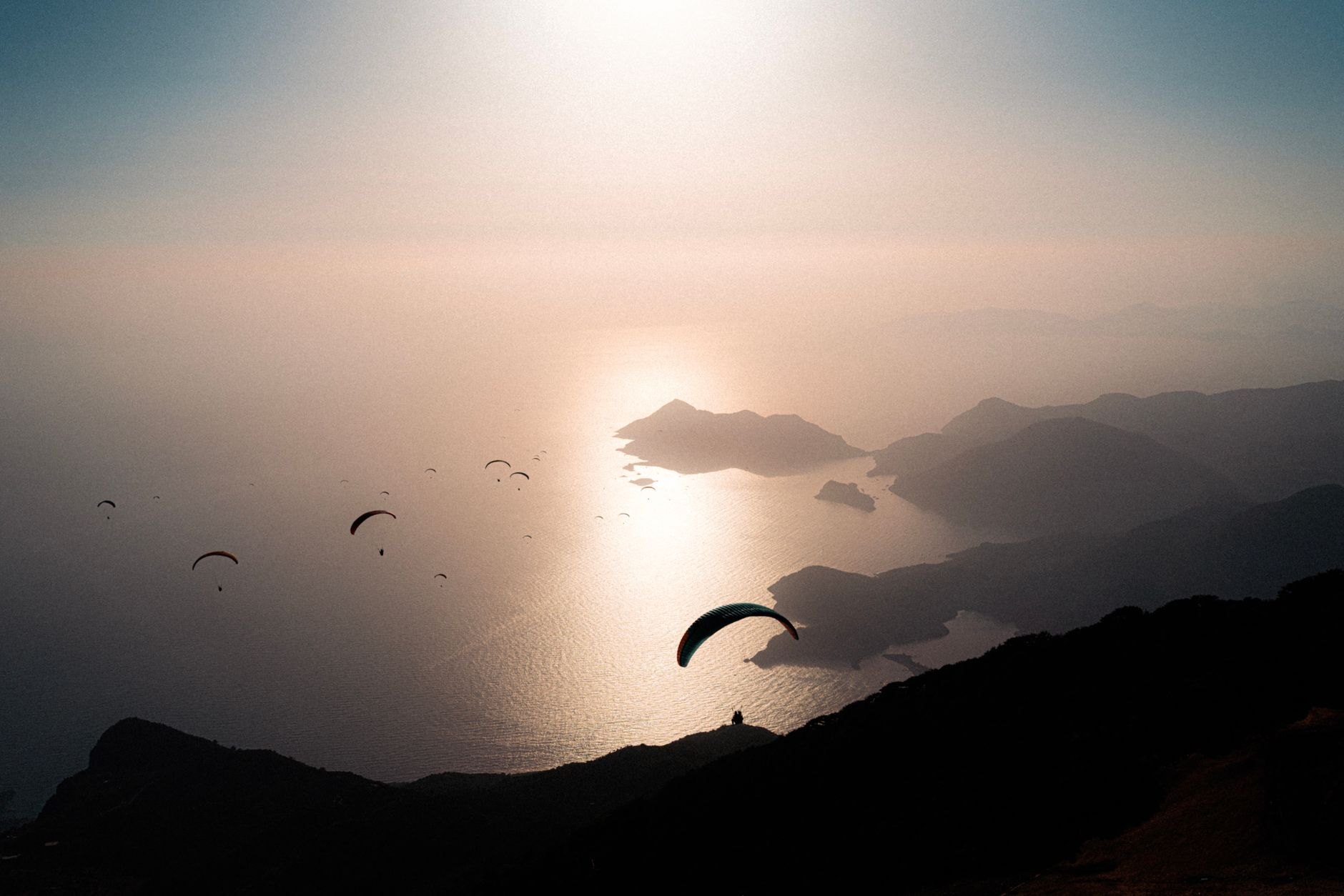
Babadağ above Fethiye is one of the busiest tandem paragliding mountains in the world, and the Köprüçay is the country’s busiest whitewater run. Turkey keeps this short: nine places across seven towns, with Fethiye holding three.
The long one is the Lycian Way, 760 kilometres of waymarked path from Fethiye to Antalya along Roman roads above the sea. Almost nobody walks it whole; most take a week of it in spring or autumn.
The good ones are almost always a converted something: a palace on the Bosphorus wall, the hotel built for the Orient Express, a ruined monastery at Uçhisar, an Ottoman mansion on the Datça road. Istanbul has three of the sixteen, Bodrum and Uçhisar two each, across twelve towns.
Cappadocia is the concentration. Its cave hotels are cut rooms rather than themed ones, and the terrace the balloon photographs are taken from belongs to one of them.
Last updated
The places on this page are in the app, each with a verdict: why to go, how far from your hotel, how long to stay. Forward your confirmations and the days fill themselves in.