 Submit a photo
Ninety seconds on Chelsea Physic Garden
The garden opens from 11am to 4pm every day except Saturday, when it stays shut, and the last visitors go in half an hour before closing. Plan around a winter closure too: the garden shuts for a break each year and reopens in the new year.
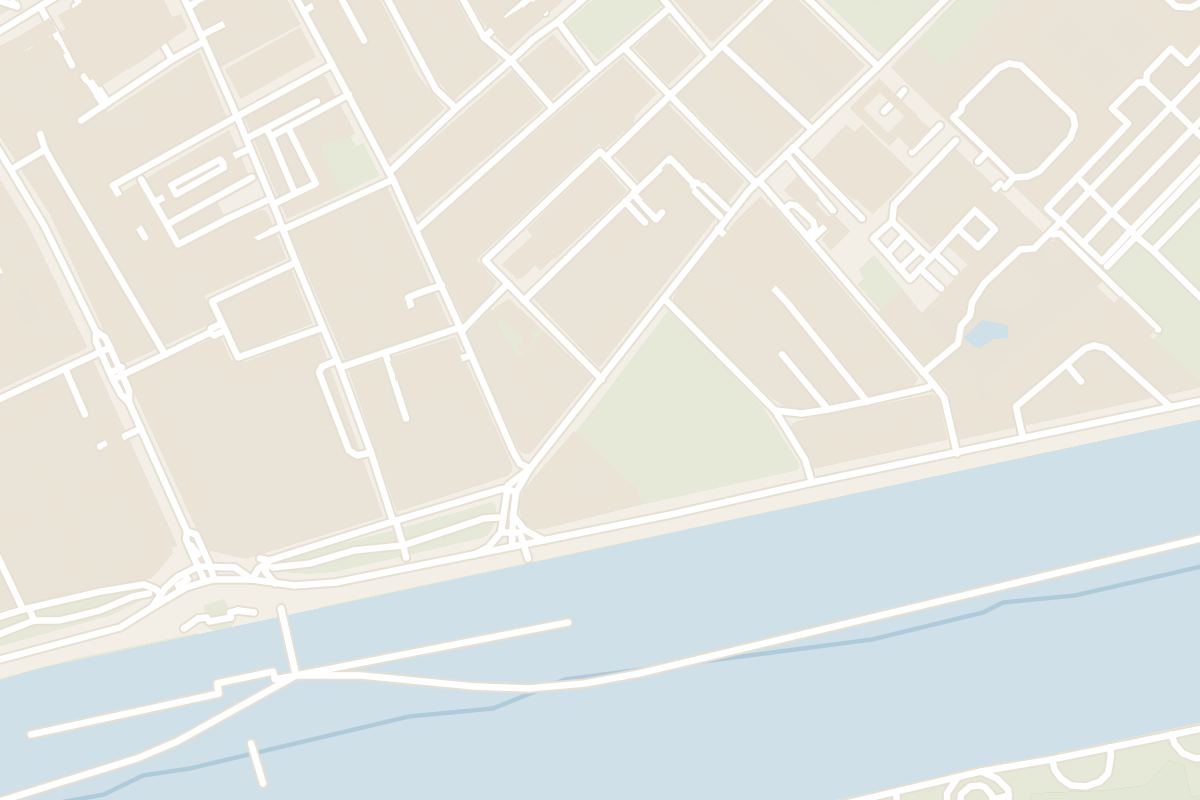
The visitor entrance is at 66 Royal Hospital Road. South Kensington and Sloane Square stations are each about a 15 minute walk away. The 170 bus from Victoria stops on Royal Hospital Road, a few metres from the gate.
Physic is an old word for medicine. The Worshipful Society of Apothecaries of London founded the garden in 1673 to grow medicinal plants, and the collection still centres on medicinal, edible and useful species. It is the oldest botanic garden in London.
The two famous trees are Britain's largest fruiting olive grown outdoors and the most northerly grapefruit grown outdoors anywhere. The 1773 Pond Rockery and the beds arranged by plant family are the other highlights, and entry includes the glasshouses.
Volunteer-led tours run between 1 April and 31 October. They go out on an ad hoc basis through the day rather than to a timetable, so none can be guaranteed. A tour lasts about 45 minutes, and the entry ticket covers it.
Largely, yes. The whole garden sits on one level, ramps lead to the cafe and the education space, and wheelchairs are available to borrow in limited numbers. Guide and assistance dogs are welcome inside the garden.
Over 4,500 medicinal, edible and useful plants grow in London's oldest botanic garden, and you can find Britain's largest outdoor fruiting olive tree and the world's most northerly outdoor grapefruit among them.
The Apothecaries leased this land in 1673 to raise plants for medicine. A wall went up around it a few years later and created the microclimate that still lets tender trees fruit outdoors here.
Pomegranates, mulberries, ginkgos and eucalyptus grow among more than 100 species of tree.
The Pond Rockery has stood at the centre since 1773. A bust of the plant hunter Joseph Banks faces it, beside the basalt he used as ship's ballast on his voyage to Iceland. The garden credits the rockery as the first of its kind in the world.
The Order Beds hold over 800 plants arranged by family, so related plants sit side by side.
The Order Beds make the clearest start. From there walk to the Pond Rockery at the centre and look for the olive and grapefruit trees.
End in the glasshouses, which the ticket covers. An audio guide to them plays on your phone through the Bloomberg app or a web player, so bring headphones.
The Physic Garden Cafe on site serves drinks, cakes, pastries and light bites.
Pair it with the Natural History Museum for a second stop on the same day.
Last entry is 30 minutes before the 4pm close, at 3.30pm.
There is no cloakroom or bag storage, so bring only what you are happy to carry round the beds.
Between April and October a volunteer may be leading a walk round the beds when you arrive. Ask at the gate, and allow about three quarters of an hour extra if you join.
Explore the rest of London
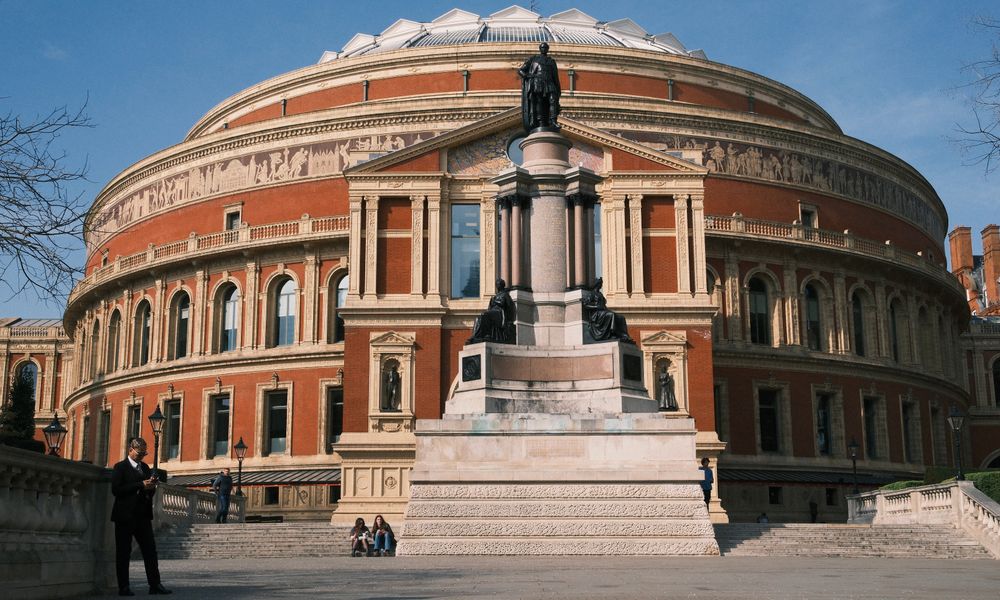
The museum quarter Prince Albert laid out with the Great Exhibition's profits: the Natural History Museum, the V&A and the Science Museum…
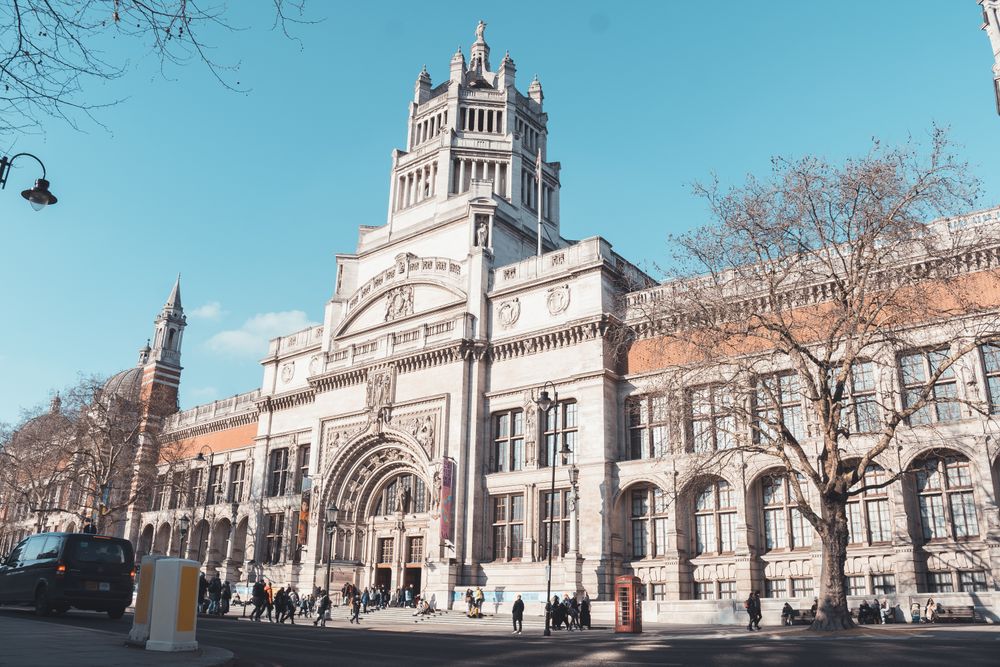
The world's largest museum of decorative arts and design, free, with the Cast Courts and the Raphael Cartoons as its two great rooms. The…
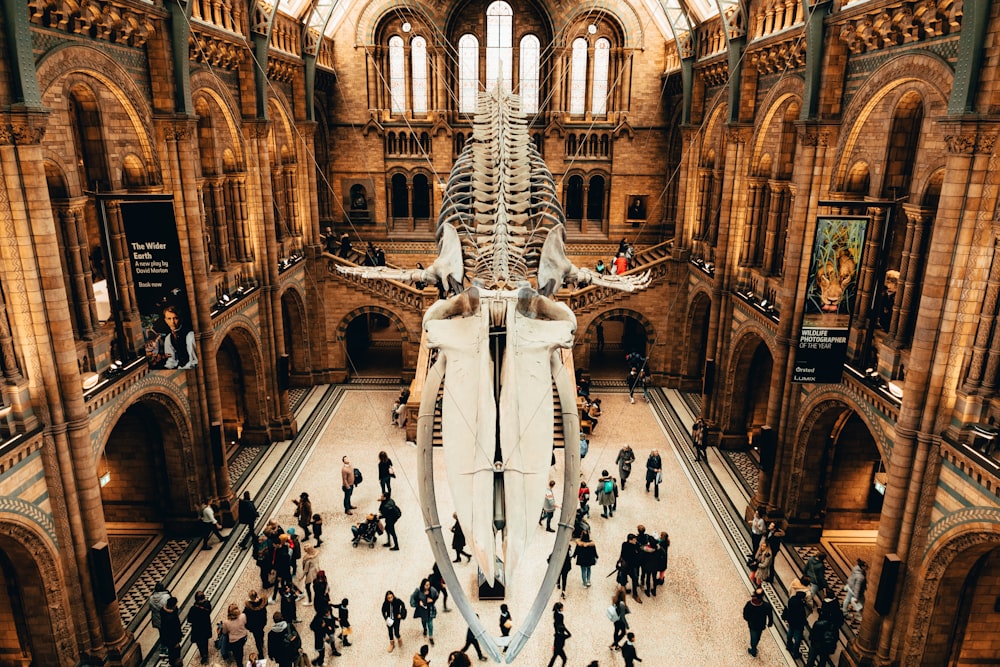
Alfred Waterhouse's terracotta museum in South Kensington, with dinosaur galleries, meteorites and an escalator through a model planet.…
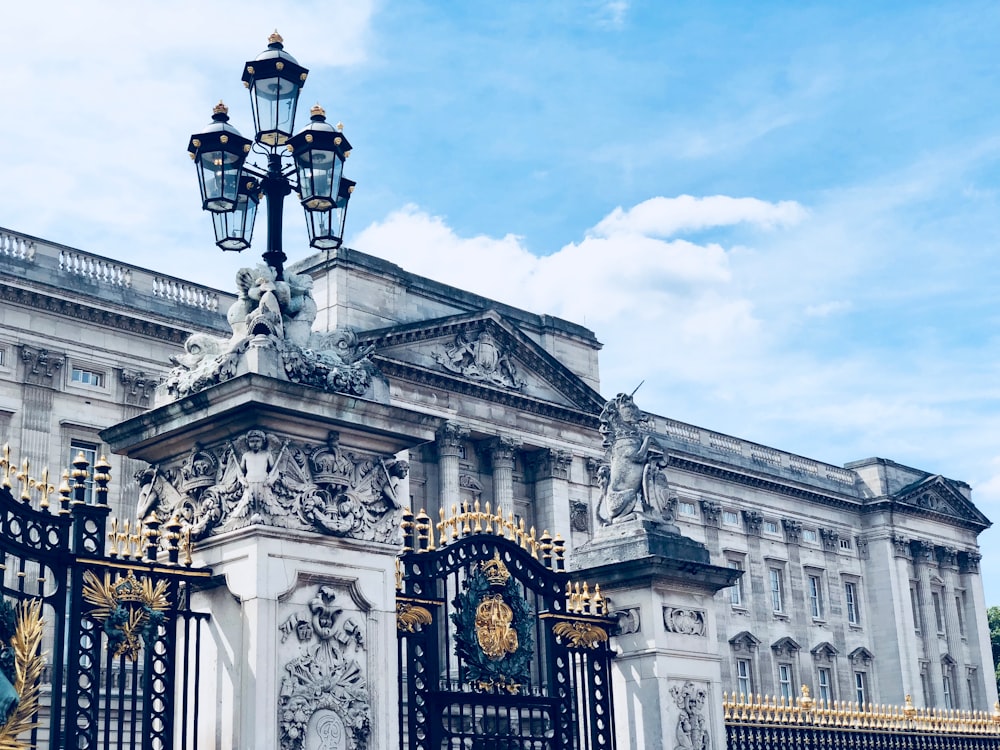
The monarch's London residence. The State Rooms open each summer, with a few small guided tours in December, January and at Easter.
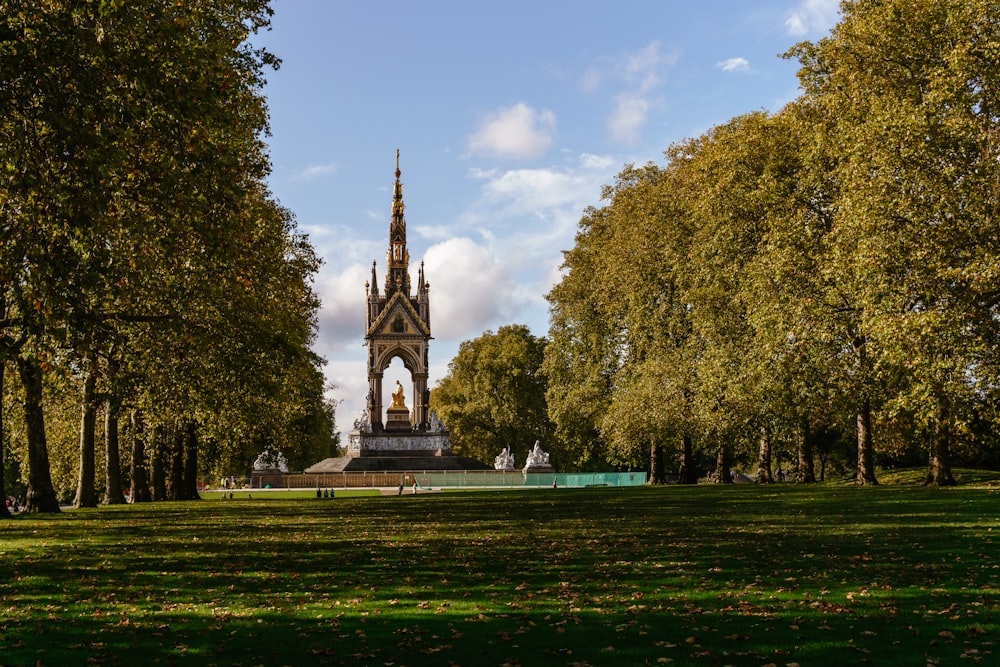
The largest Royal Park in central London, with rowing boats and a lido on the Serpentine, the Diana memorial fountain, and Speakers' Corner…
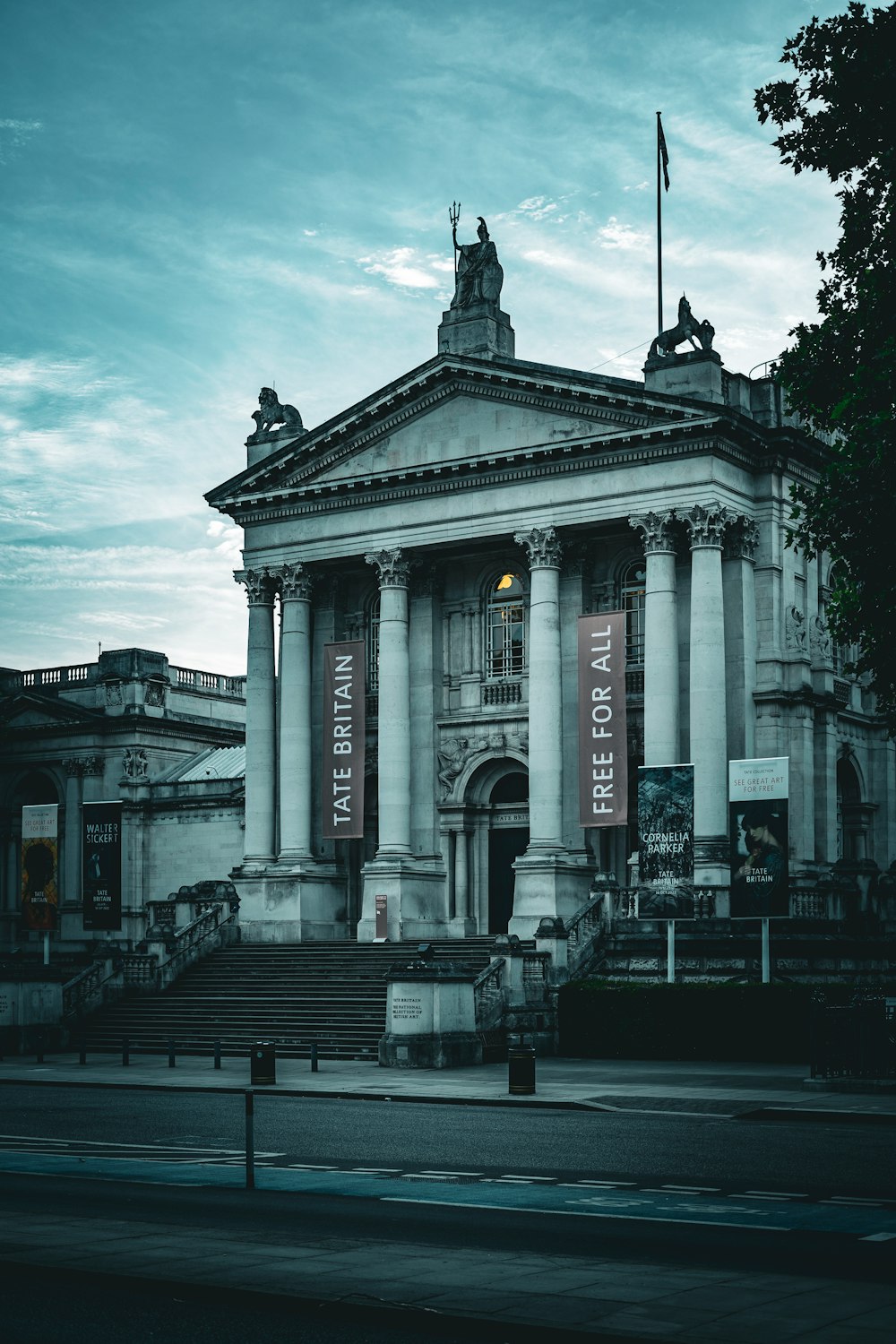
British art from the 1500s onward on Millbank, with the largest Turner collection in the world in the Clore Gallery. The collection is…
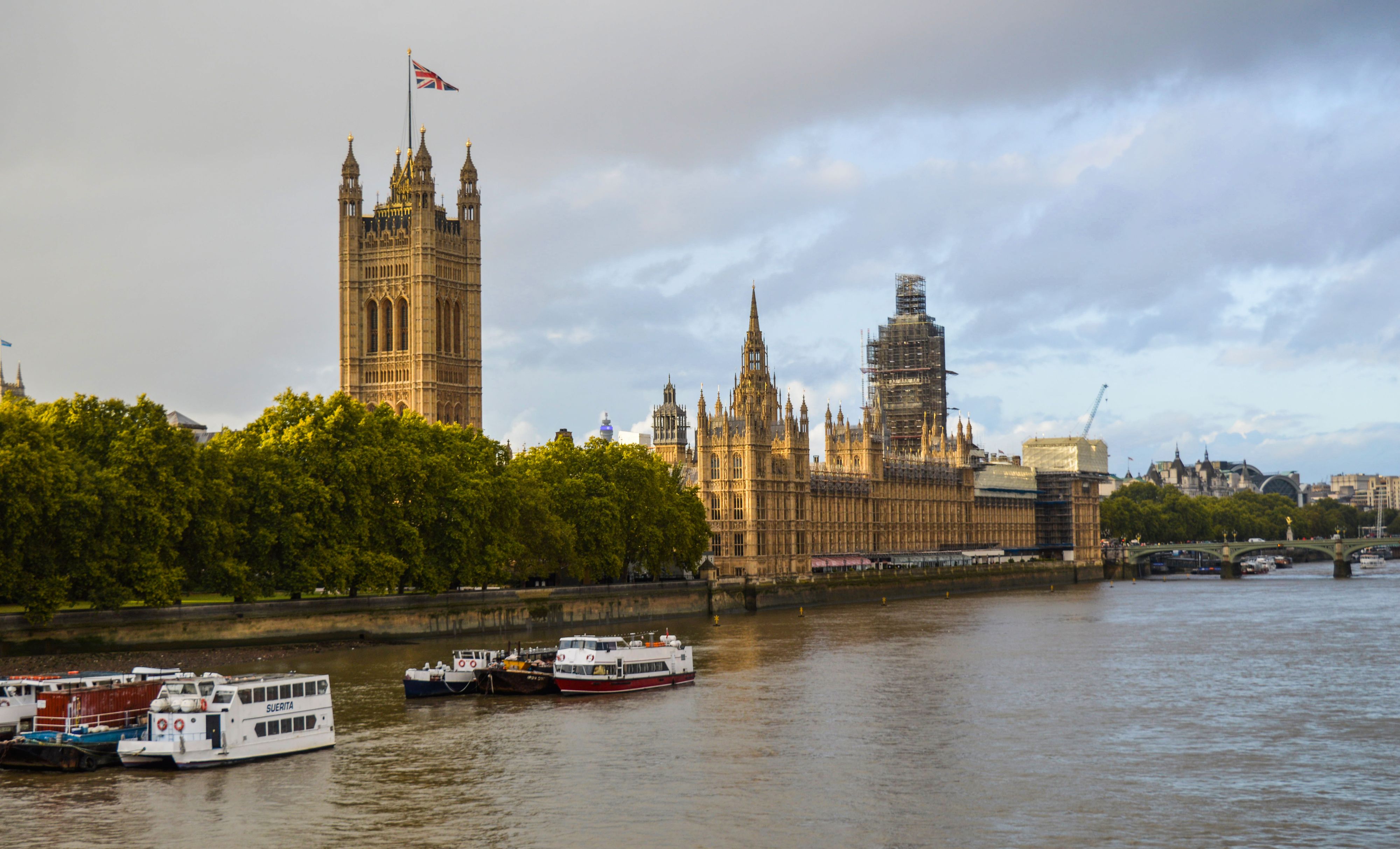
The seat of government and the monarchy, with the Abbey, the Houses of Parliament and Buckingham Palace within a fifteen-minute walk of…
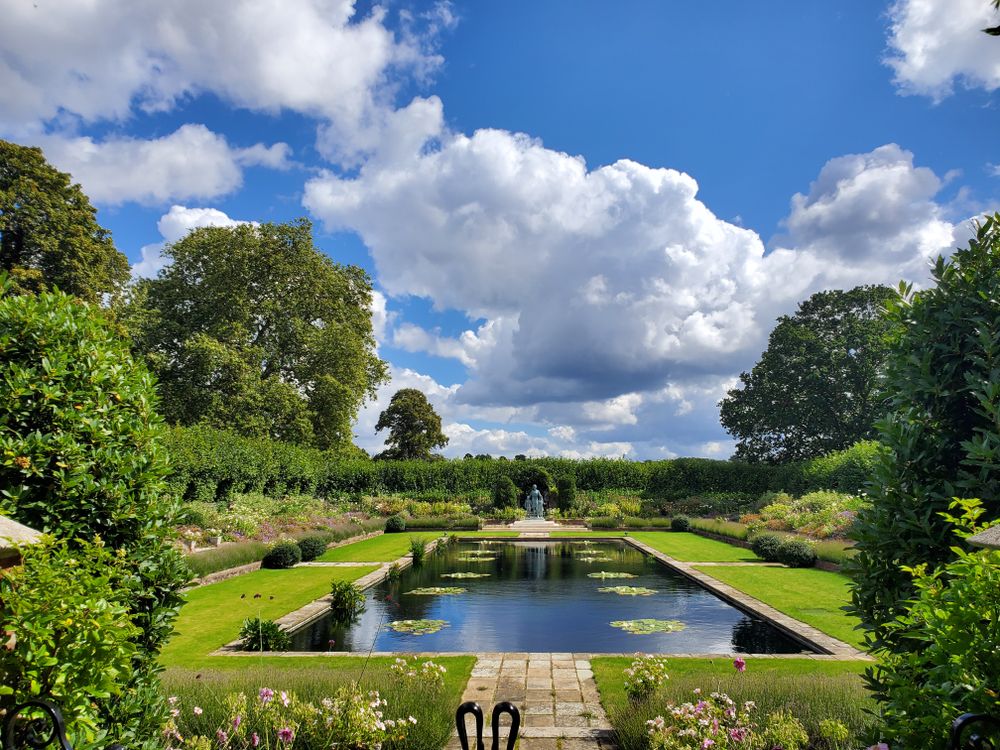
Kensington Gardens is the royal park west of the Serpentine bridge, laid out as the grounds of Kensington Palace and divided from Hyde Park…
Last updated