 Submit a photo
Ninety seconds on Covent Garden
Its covered market and its street performers. The Piazza is a pedestrian market place with some of the world's leading street performance, and the Market Place itself is private land, where acts perform only with the landowner's permission.
Covent Garden station comes out at the end of James Street, a short walk from the Market Building. The climb from the platforms to street level is long, and the market advises the lifts. At peak times the market suggests Leicester Square, a few minutes away on foot.
As of October 2026, the Apple Market stalls trade from 10am to 6pm, with crafts from Tuesday to Sunday, and the East Colonnade Market from 10.30am to 7pm. The shops around the market generally keep 10am to 8pm from Monday to Saturday.
Yes. The Apple Market craft stalls trade on Sunday, as on every day from Tuesday. As of October 2026, the shops around the market open later on a Sunday, from around 11am until about 6pm.
Walking the market halls and watching the street acts. The Piazza and the Market Building are public space with no entry charge. The performers work set pitches between 11am and 9pm and play for tips, so a little cash helps.
Covent Garden gives you London's first formally planned square, with a covered market hall of craft stalls at its centre and street acts working the cobbles outside it every day.
The square itself is the sight, with St Paul's church closing its west side. Inigo Jones laid it out in the 1630s, and Charles Fowler's market hall of 1830 in the middle held London's largest fruit, vegetable and flower market until the wholesale trade moved south to Nine Elms.
That hall is the covered building you walk through today. Its arcades hold shops and the Apple Market stalls, and its lower courtyard is one of the two places the performers work.
The acts are the square's other draw. Musicians, magicians, acrobats and living statues gather crowds across the piazza every day, and the Market Building holds regular auditions for vocalists, instrumentalists and dancers.
Jubilee Market, the square's second covered market, trades in Jubilee Hall. It is the only market in London wholly owned by its own traders, and its days split by trade, with antiques on Mondays and a general market from Tuesday to Thursday.
Start inside the market hall, where the Apple Market stalls hold handmade jewellery, prints, watercolours and crafts from Tuesday to Sunday. The shops in the arcades around them open every day.
The performers work two spots: the lower courtyard inside the hall, and the West Piazza in front of St Paul's church. Walk between the two and stop where a crowd is forming.
Finish in Jubilee Market, where Monday is given over to antiques and the rest of the week to general stalls. The Market Building, the Apple Market and Jubilee Market are all under cover, though the West Piazza acts are out in the open.
Carry a little cash if you plan to stop and watch the performers, because they work for tips.
For a meal, look in the side streets: the restaurants directly on the piazza charge a premium for the view. Tables across the area fill completely between 5pm and 7.30pm, so eat before or after that window.
Explore the rest of London
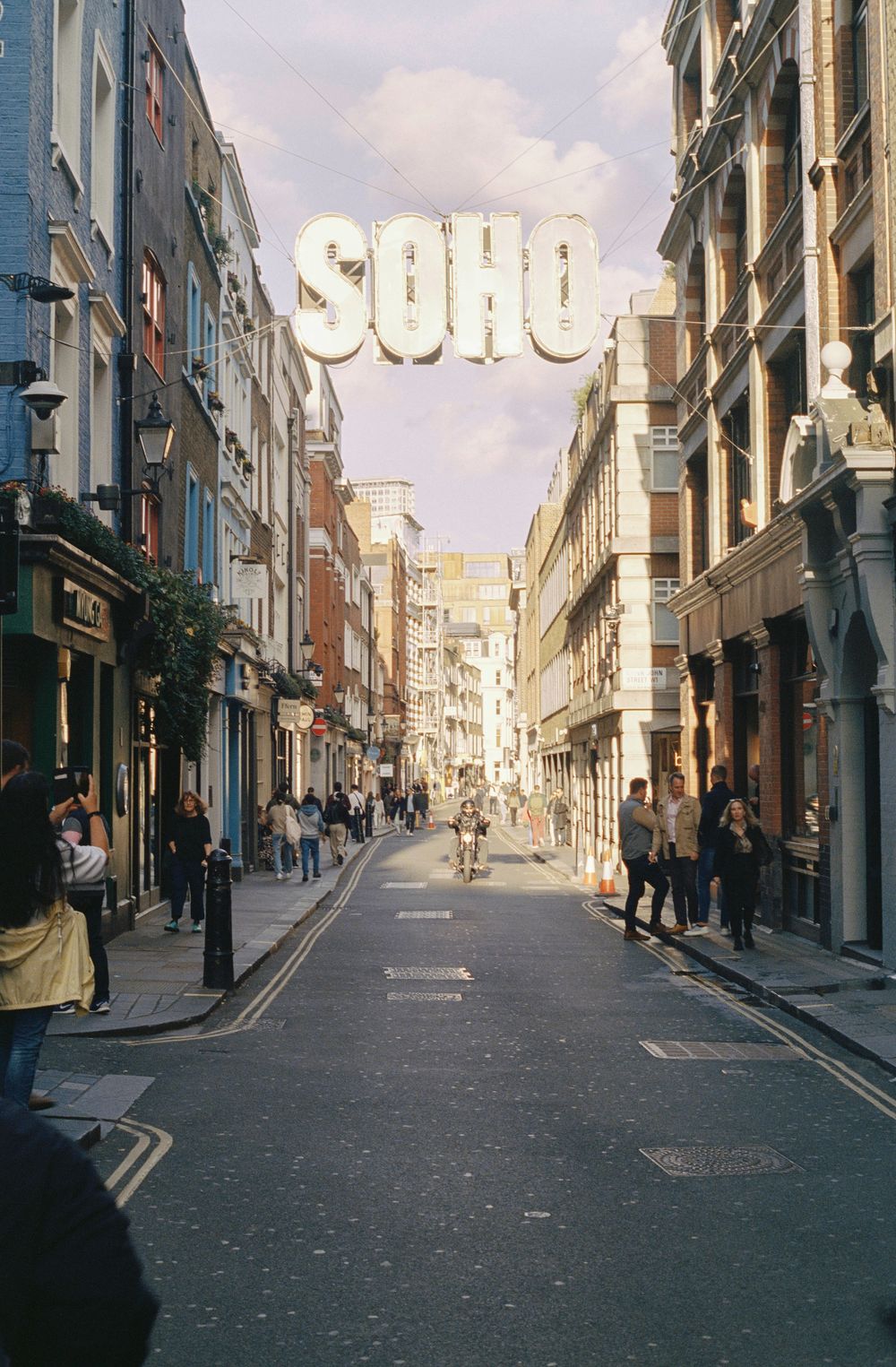
Soho is a district in the West End of London, just behind Oxford Street, with Soho Square at its centre. Its streets take in a fruit,…
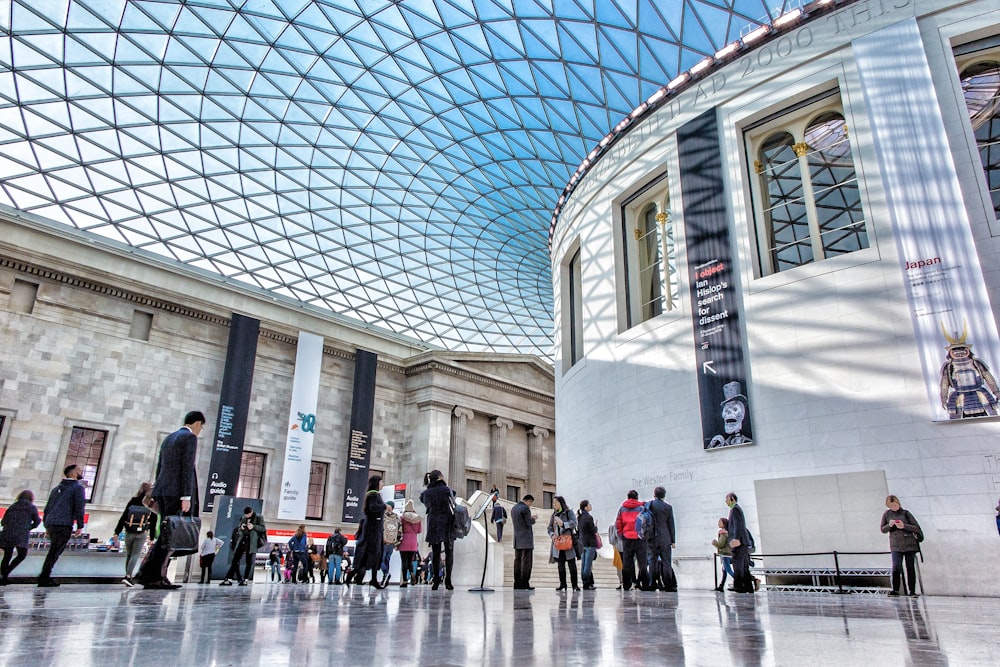
Eight million objects in Bloomsbury, free to enter, with the Rosetta Stone and the Parthenon sculptures the two rooms every visitor heads…
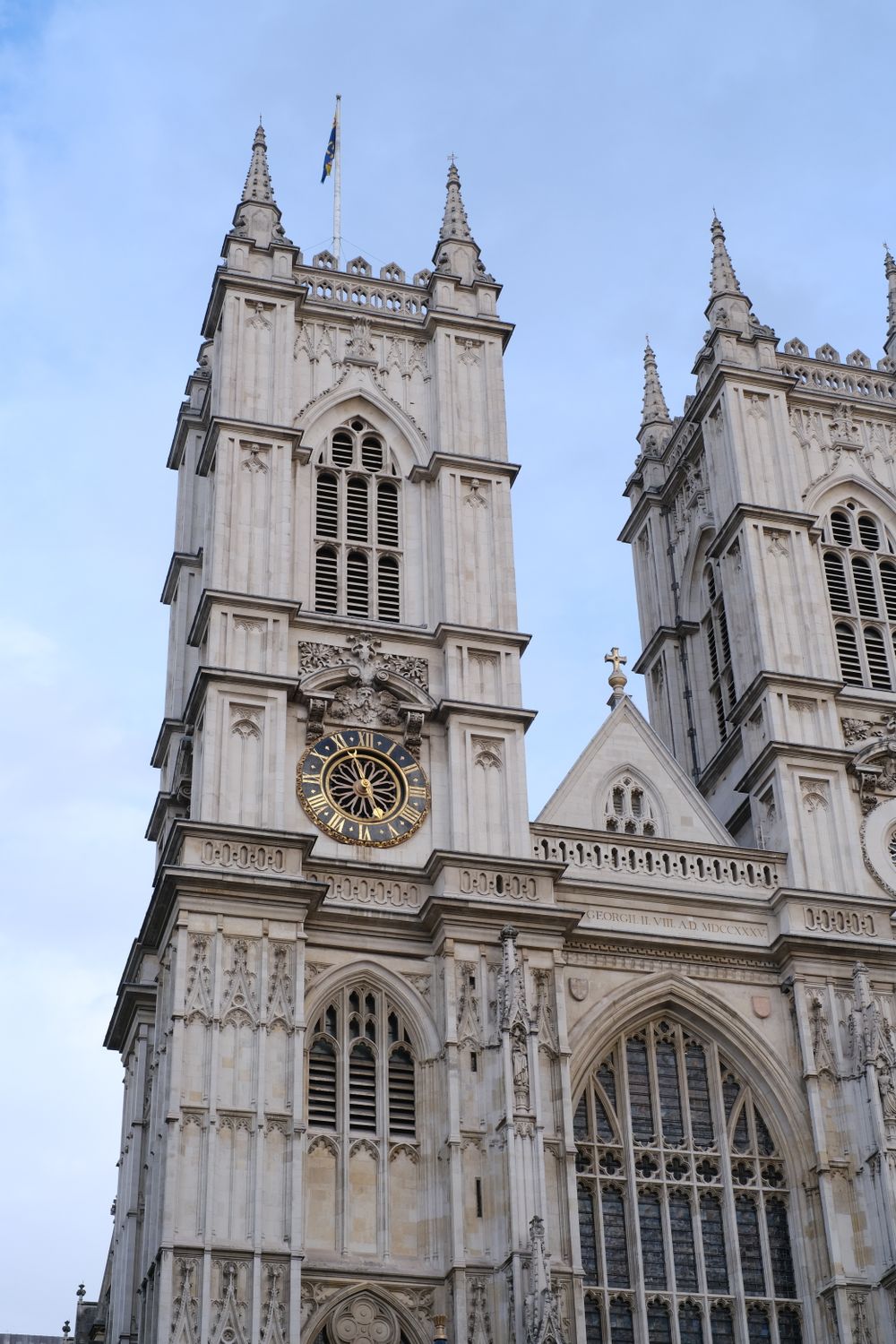
The coronation church, where monarchs have been crowned in the same chair for over 700 years, and the burial place of 30 kings and queens…
The official pages this guide was checked against.
Last updated