 Submit a photo
Ninety seconds on Museum of London Docklands
It opens at 10am and closes at 5pm, seven days a week, as of October 2026. The only closed days fall at Christmas, from 24 to 26 December, and the museum suggests allowing at least an hour for a visit.
Yes. Entry is free and the galleries are unticketed, so there is nothing to book for a standard visit. Booking is recommended only for the Mudlarks family gallery, and the cafe and shop do not take cash.
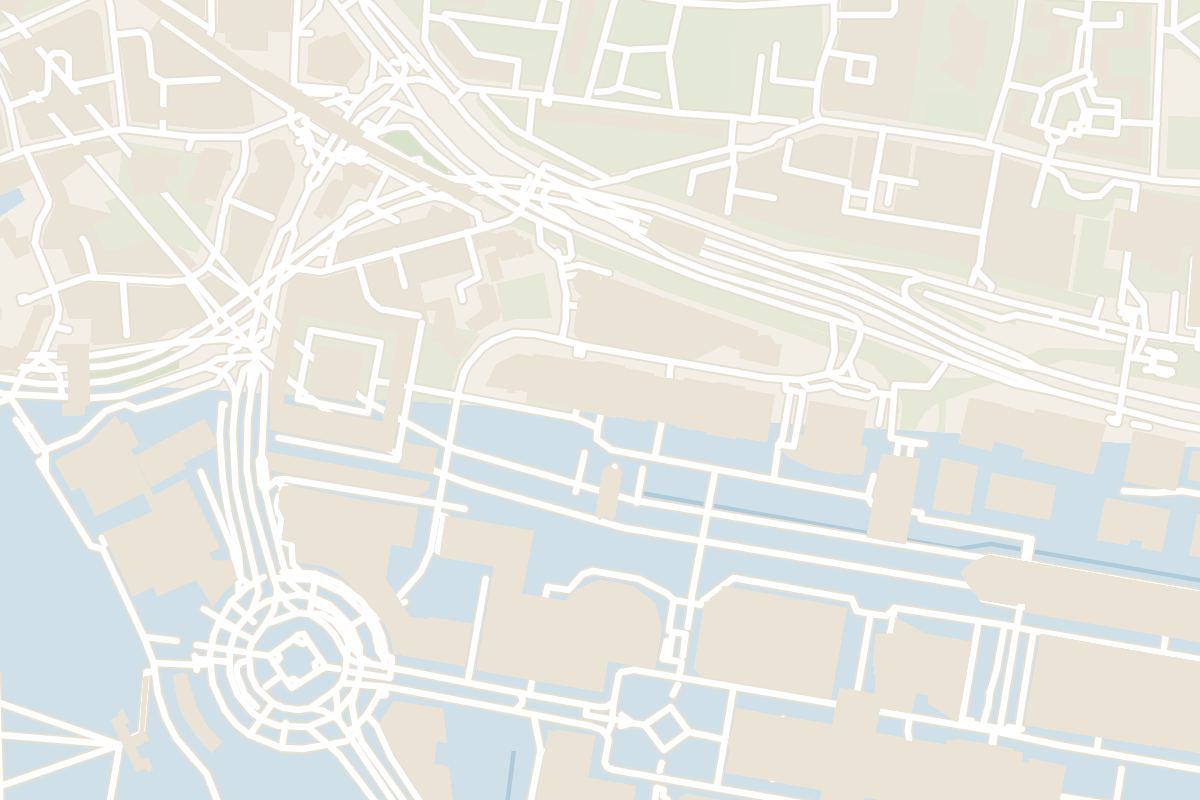
The nearest station is West India Quay on the DLR, a 3-minute walk. Westferry DLR is 7 minutes away, and Canary Wharf, served by the DLR, Jubilee line and Elizabeth line, is also 7 minutes on foot. The address is No. 1 Warehouse, West India Quay, E14 4AL.
The museum recommends at least an hour. Two hours covers the main galleries at an easy pace, including London, Sugar and Slavery and the Sailortown street, with time left for a break.
It covers London's part in the slave trade and the period after abolition in 1833, when 'apprenticeships' replaced slavery. Ship captains and owners are named on the walls, and an engraving of the Brookes, made in 1789, is among the objects.
Yes. There are lifts to every floor, and wheelchairs are available to borrow during a visit. Assistance dogs can go into every part of the museum.
From the sugar trade to the Second World War, London's port tells its story inside a 19th-century dock warehouse, free to walk into on any day of the week. Head first for the gallery on London's slave trade, then walk the recreated sailors' street.
The museum fills No. 1 Warehouse on West India Quay, a 19th-century building that once stored imported sugar, rum and tea. It is one of the last surviving pieces of the old docks, and it closed as a warehouse in the 1980s after nearly two centuries.
London, Sugar and Slavery examines the city's role as one of the world's most significant slave-trading ports. One display lists the names of the captains and owners of slaving ships, and the objects include an engraving of the slave ship Brookes from 1789.
Sailortown recreates Ratcliffe Highway in the 1840s, a street of pubs and shops for ships' crews. You can step into the Three Mariners, one of the area's many pubs at the time, and the Animal Emporium, which sold exotic animals brought home by sailors.
Docklands at War follows the port from Dunkirk to D-Day, and Warehouse of the World shows the goods that passed through the docks.
One recommended route runs through the museum, starting in the warehouse gallery on the Third Floor. Look up there for the beam-scales hanging from the roof timbers, used to weigh sacks and crates, and the cast-iron grilles on the windows.
Give London, Sugar and Slavery the longest stop. At its end, the Holding Emotions display is set aside for taking in what the gallery shows.
Sailortown, the fifth gallery on the route, is on the Second Floor, and the museum suggests at least 15 minutes there. Leave Docklands at War and Warehouse of the World for last.
Pair it with Tower Bridge for the other end of the working Thames.
Staff begin closing the galleries at around 4.40pm, so save a short gallery for the final half hour.
Arriving at Canary Wharf, take the North Colonnade exit from the DLR, Jubilee Plaza from the Jubilee line or Crossrail Place from the Elizabeth line.
The cafe and shop are cashless. Lockers and a cloakroom take coats and bags, and the Mudlarks family gallery is the one part where booking is recommended.
Explore the rest of London
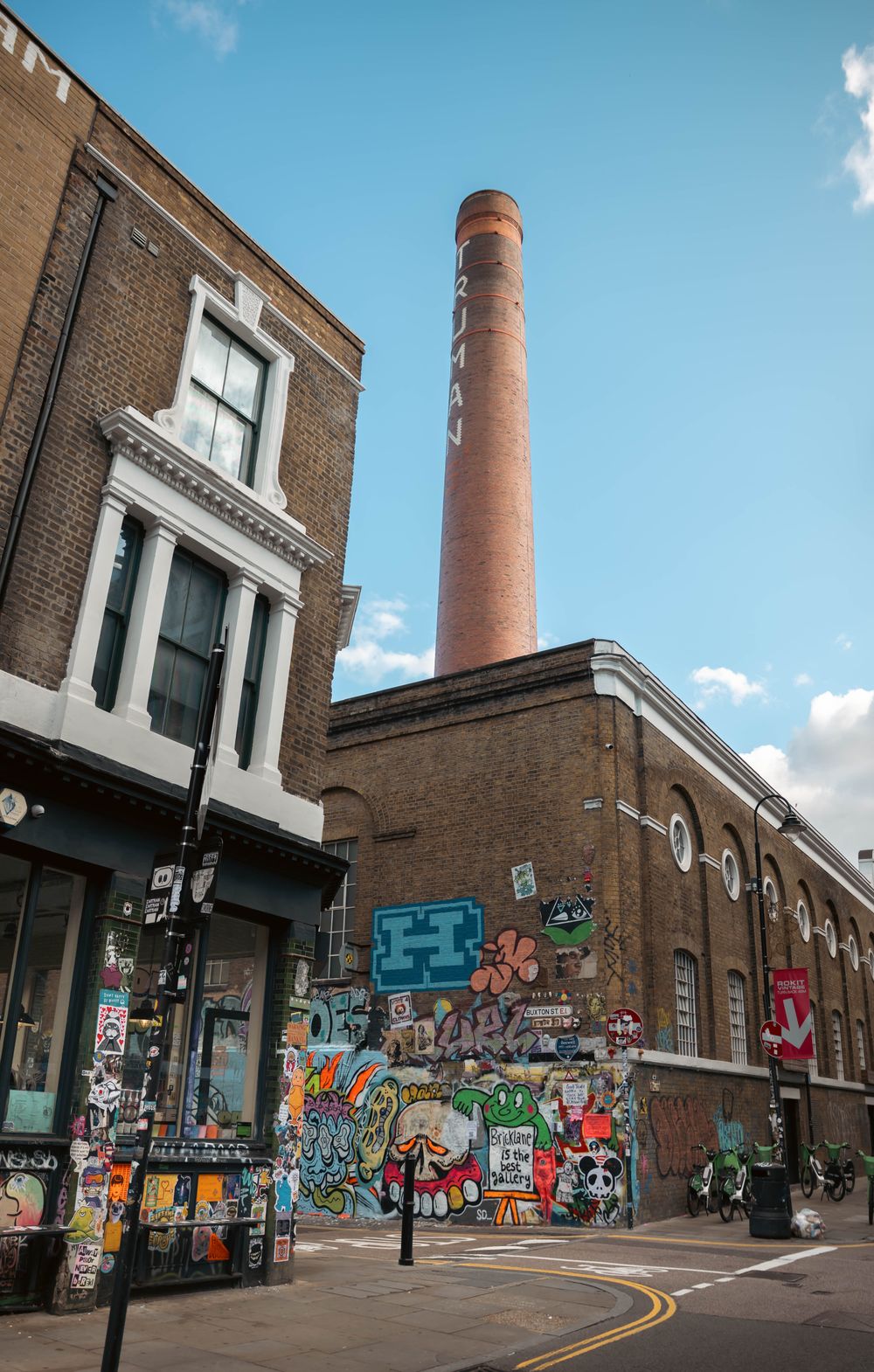
The street of Bangladeshi curry houses, vintage shops and the Sunday market that runs from Shoreditch down to Whitechapel. The bagel shops…
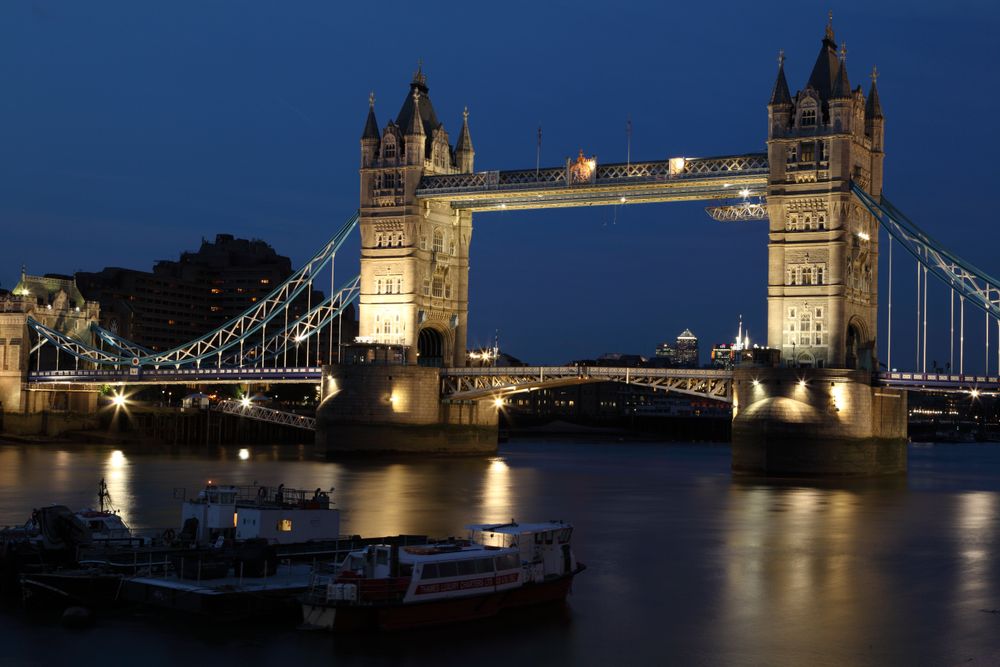
The Victorian bascule bridge beside the Tower of London, with glass floors in the high-level walkways and the engine rooms open to…
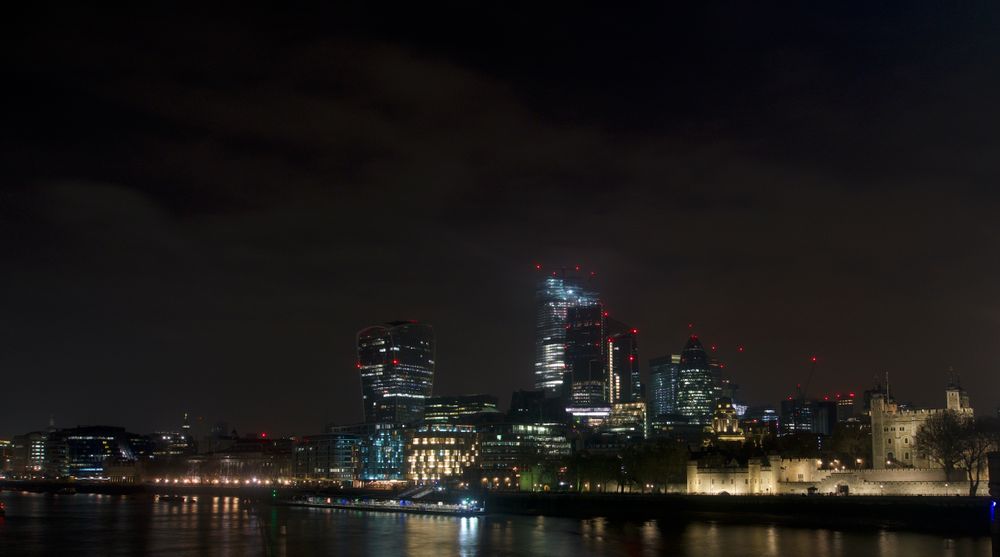
A castle on the north bank of the Thames beside Tower Bridge, with the Norman White Tower at its heart, the Crown Jewels in the Jewel House…
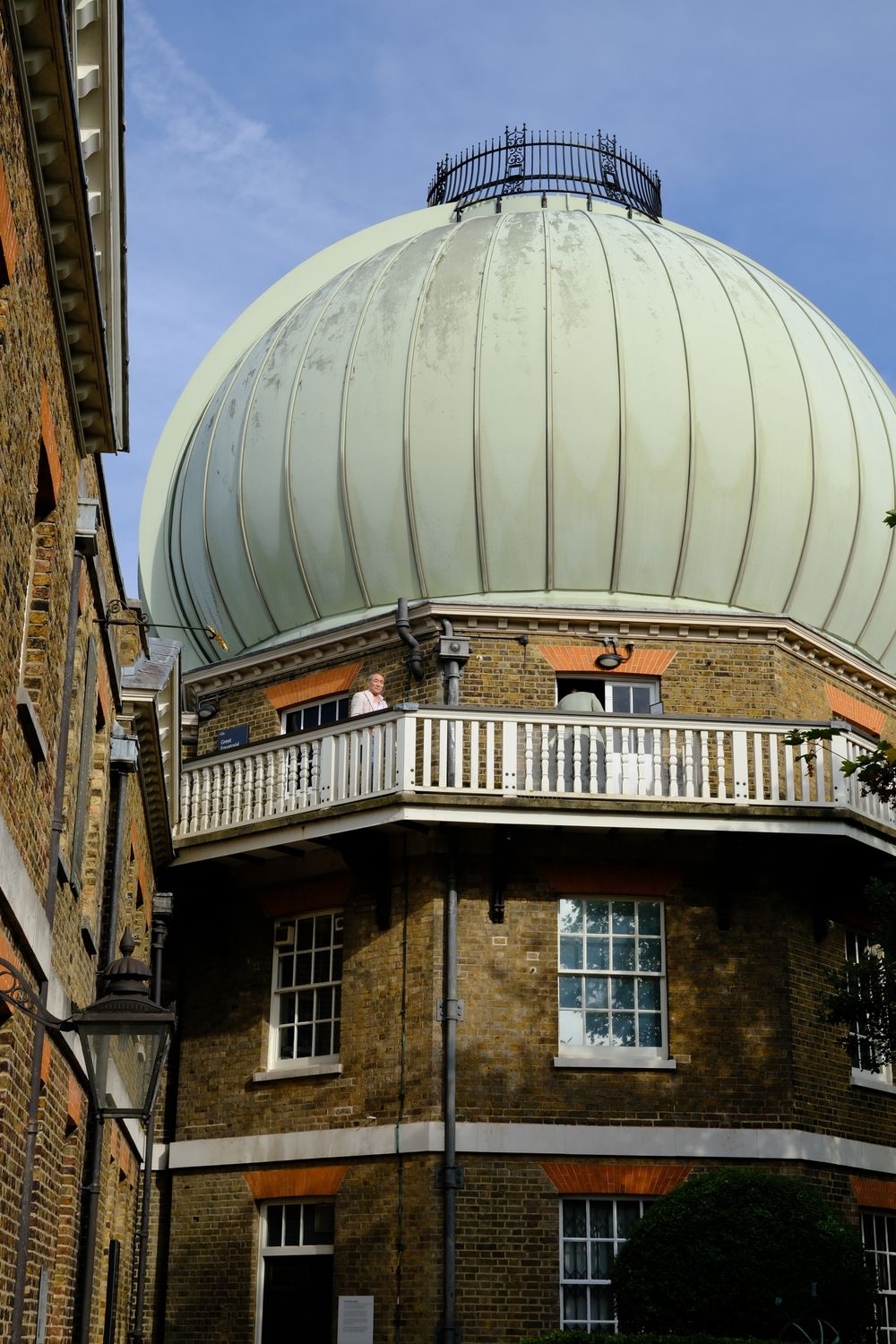
The 1675 observatory where longitude was fixed, with the meridian line in the courtyard and Harrison's clocks inside. The view from the…
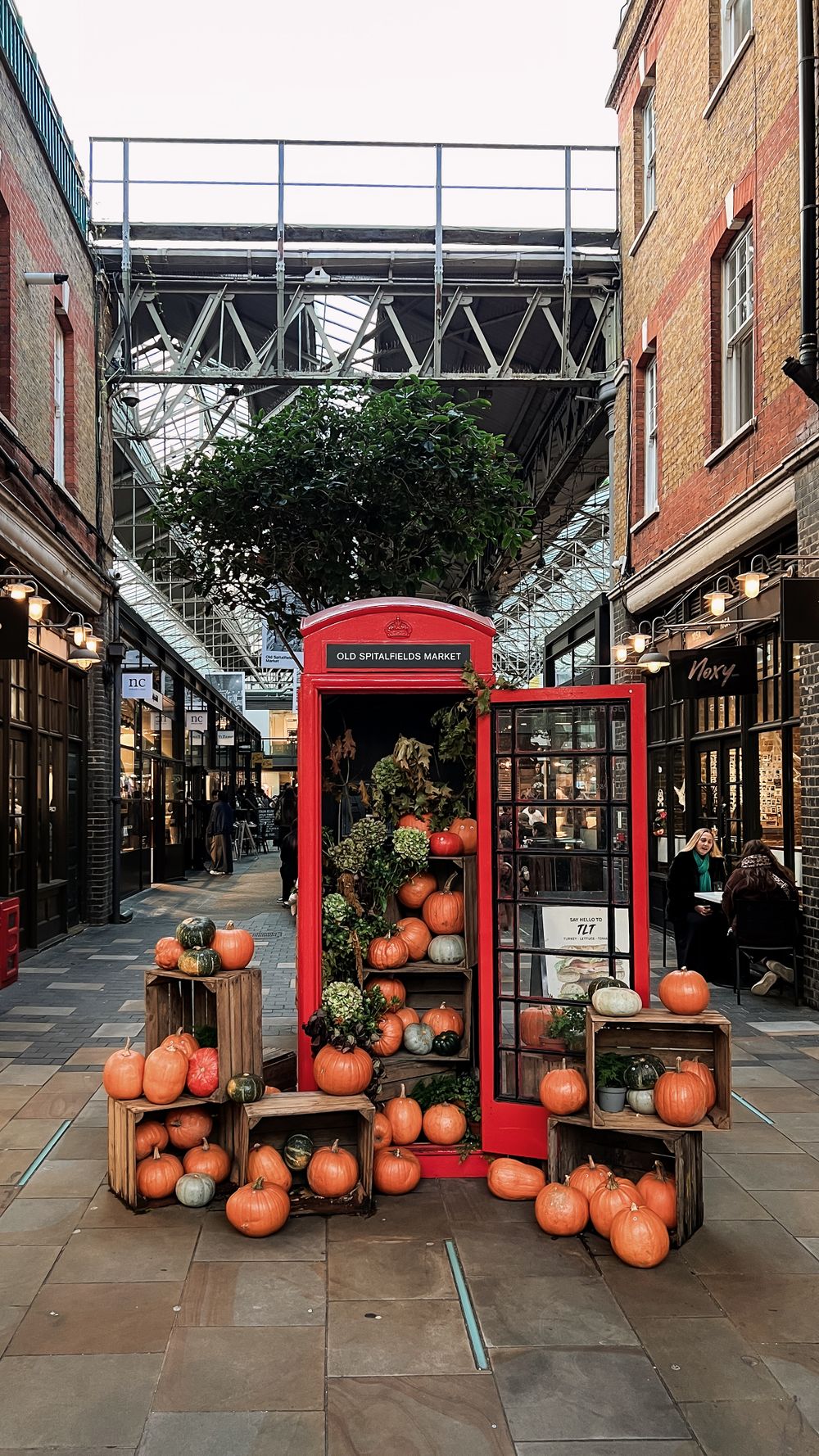
Old Spitalfields Market is a covered Victorian market hall in east London, beside Liverpool Street, with daily independent stalls, weekly…
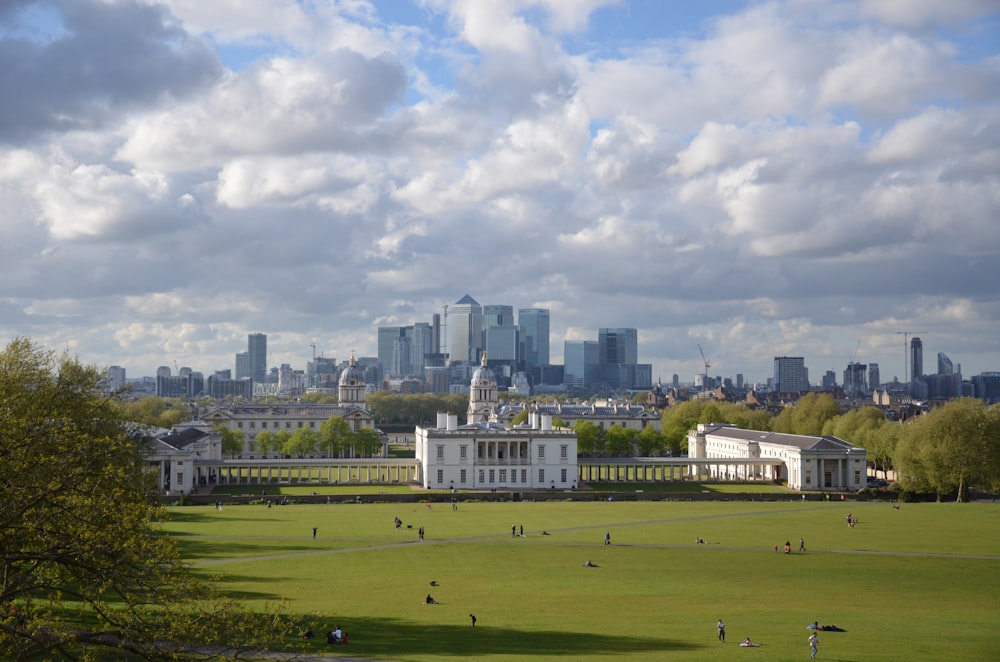
The royal park on the hill above the old Royal Naval College, with the Royal Observatory and the Prime Meridian at the top and a free view…
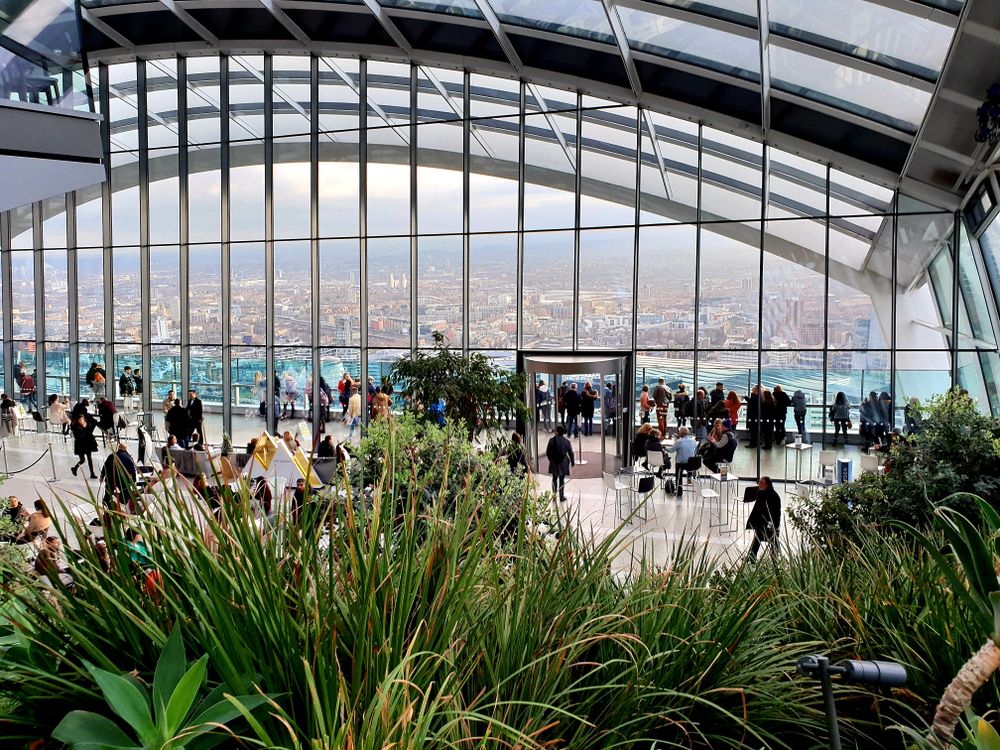
London's highest public garden, at the top of a glass tower in the City, with landscaped beds, observation decks and an open-air terrace.…
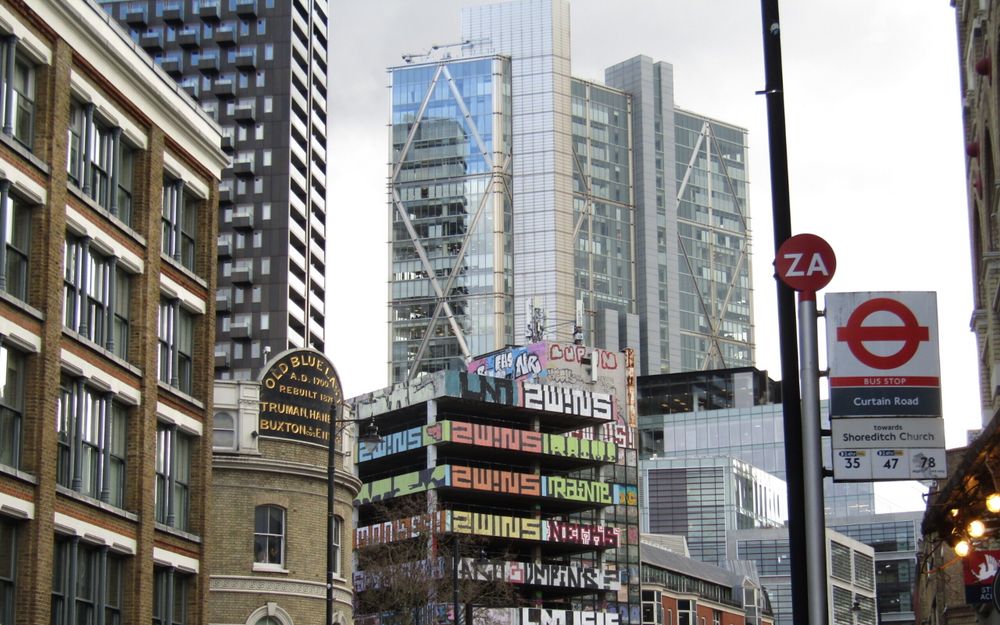
The East End district where the street art, the Sunday markets and the independent restaurants are, a short walk from Liverpool Street. It…
Last updated