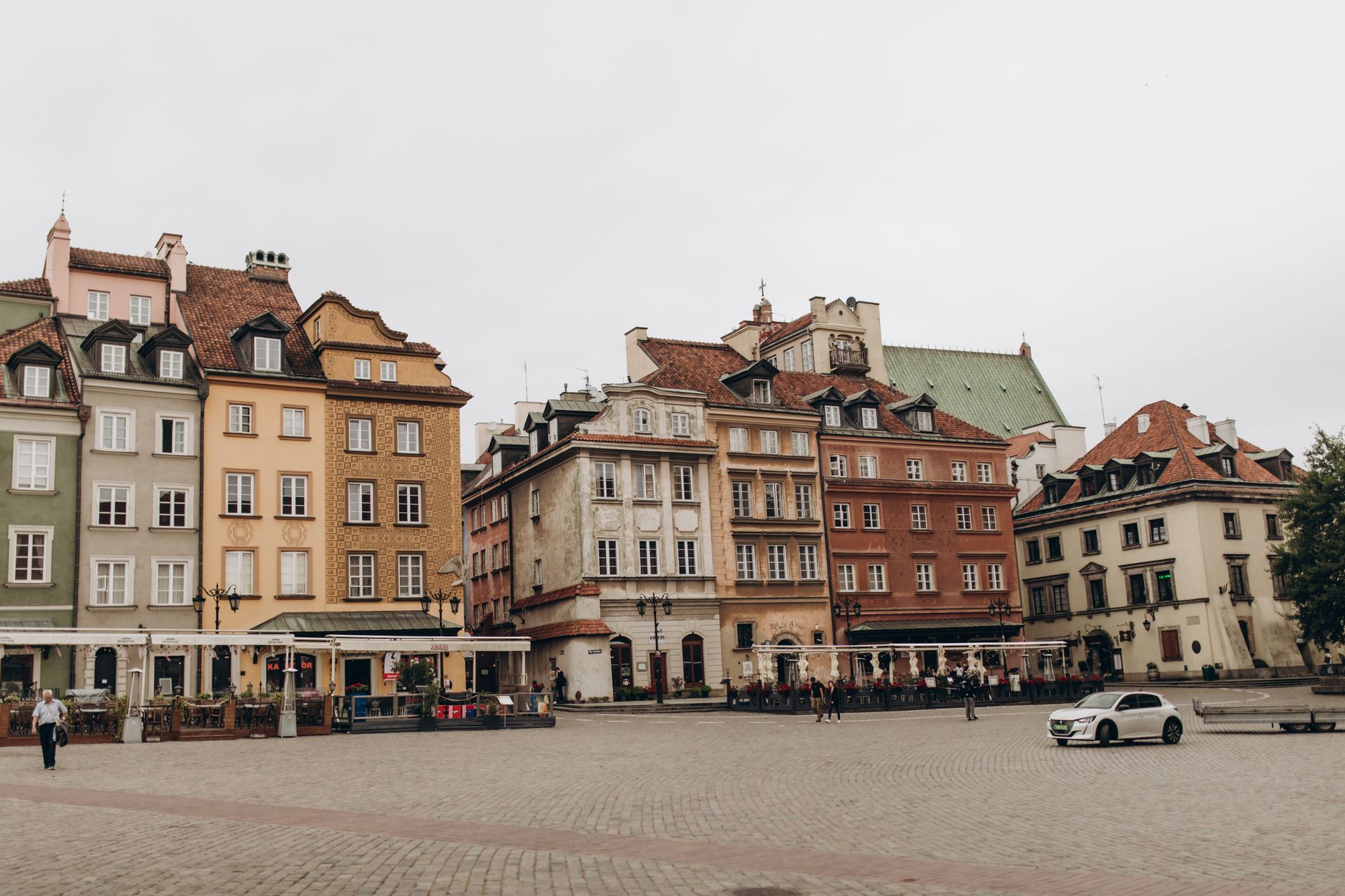
Do not plan Warsaw as an afternoon between trains; give it at least two days. The Old Town on one bank of the Vistula is a near-total reconstruction, made in the years after the war, and across the river Praga lost far less, so its pre-war streets are the ones still standing.
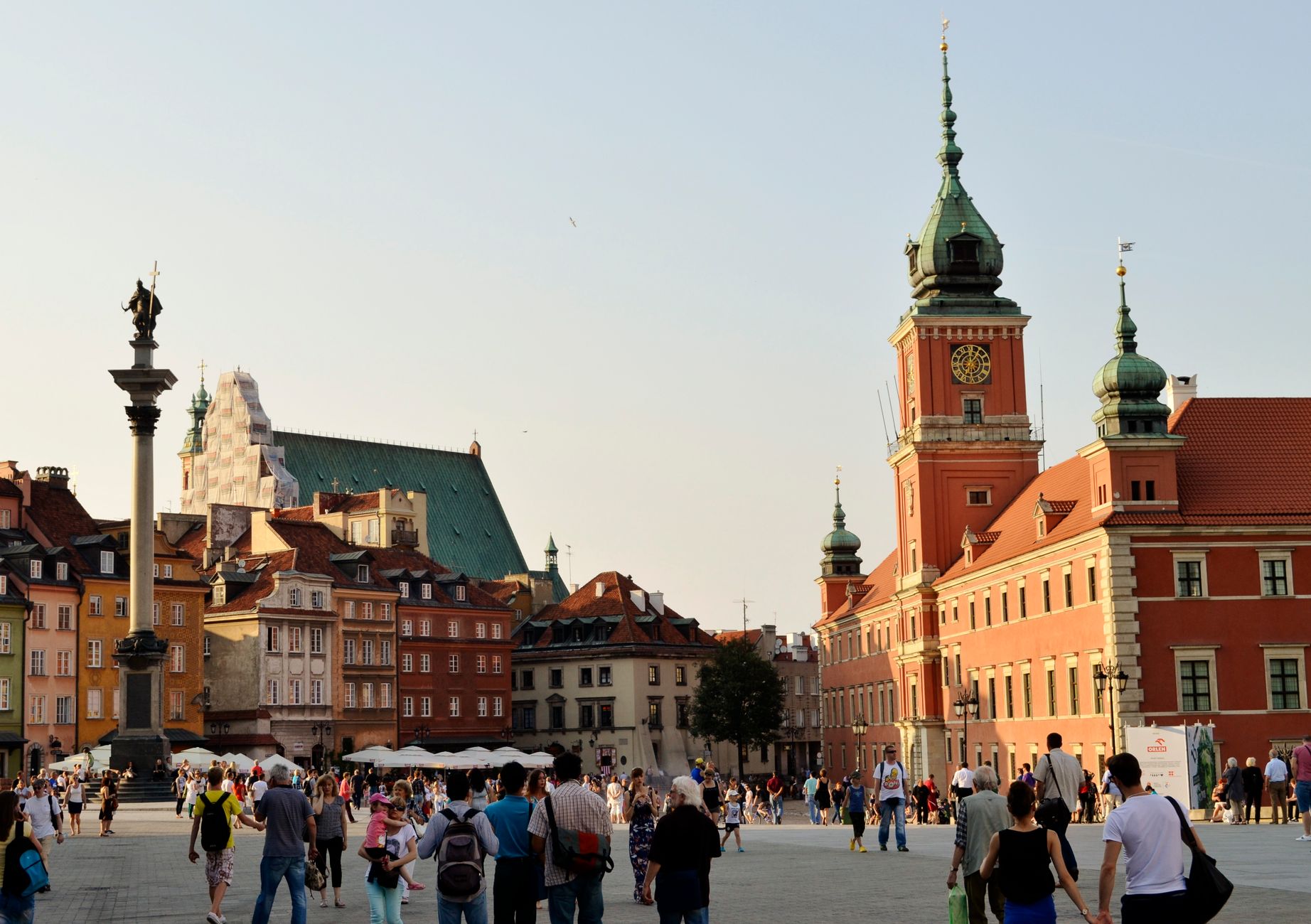
Judge the rebuild for yourself. Cross the Market Square on a Sunday afternoon, when it is at its busiest, then again late at night when it is quiet, and decide whether it reads as a film set or as a lived-in place.
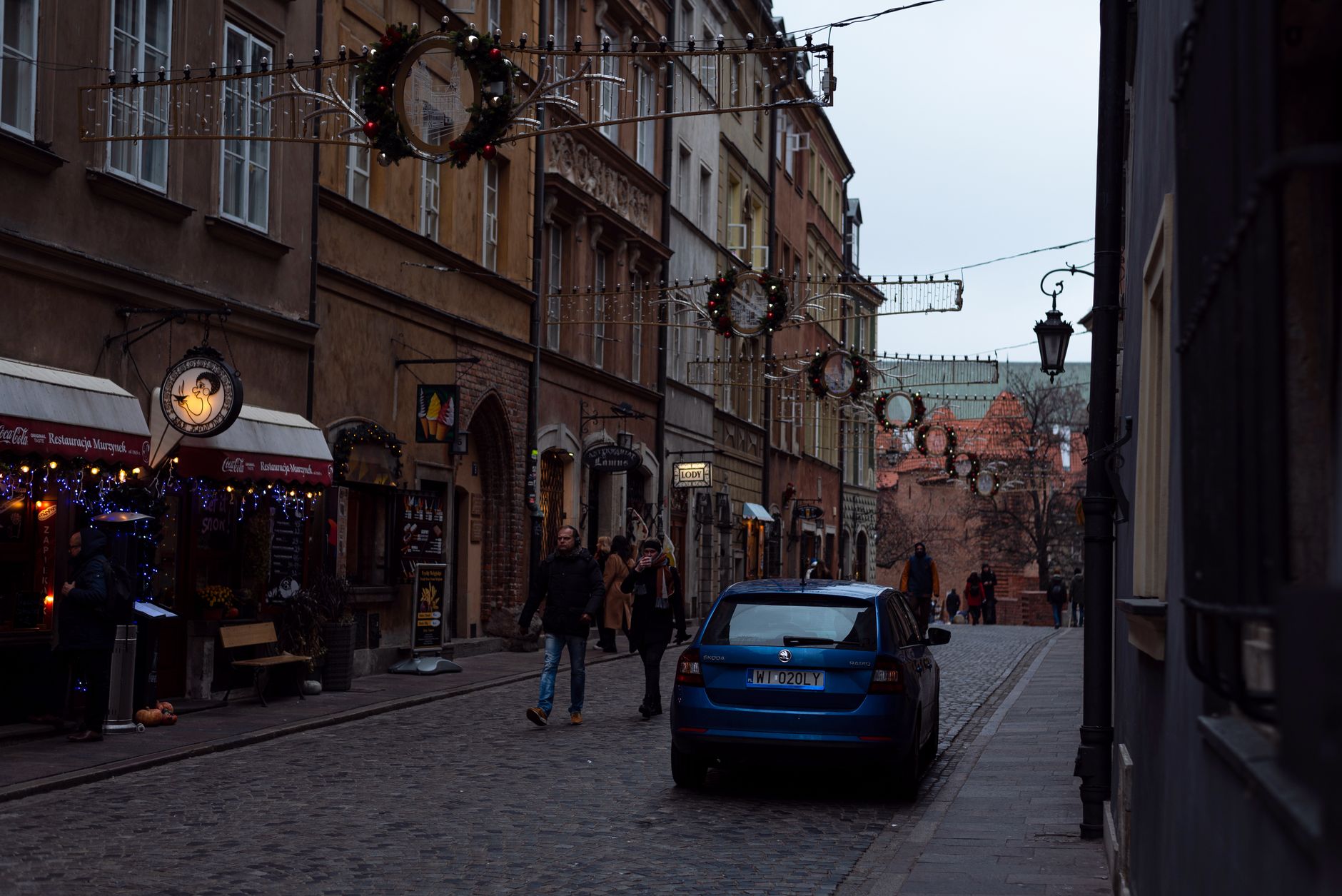
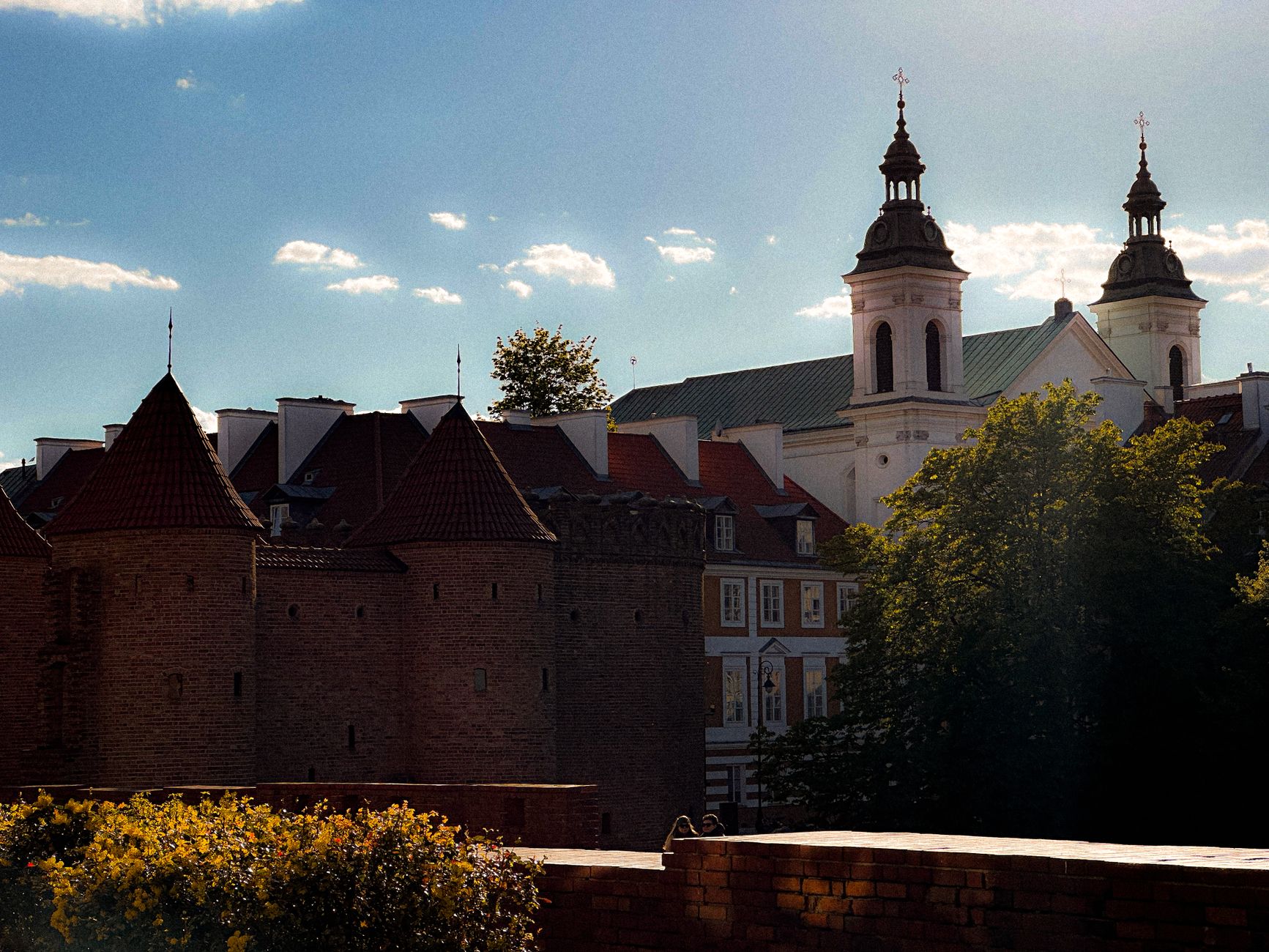
From the castle, the cobbled lanes lead north to the Market Square and on to the Barbican, the brick gatehouse in the old walls. The cobbles tire the feet over an evening, so wear proper shoes. In winter a small Christmas market runs in the Old Town; dress for evenings well below freezing.
Sleep in or beside the Old Town on a first visit, so the evening walk starts at your door. Powiśle, between the centre and the river, is more relaxed and close to both the Old Town and the bridge for Praga. The blocks around the Palace of Culture are central and well connected, but busier and less historic.
Trains from Chopin Airport reach Warszawa Centralna in about 20 to 25 minutes. On trams and buses, validate your ticket as soon as you board.
Sleep in or beside the Old Town on a first visit, so the evening walk starts at your door.
South of the castle runs Krakowskie Przedmieście, the first kilometre of the Royal Route, lined with palaces and churches. St Anne's Church has a viewing terrace in its bell tower; bring cash for the ticket, though an ATM stands across the street. Chopin's heart is sealed in a pillar of the Holy Cross Church nearby; the Chopin Museum is expected to reopen in 2027.
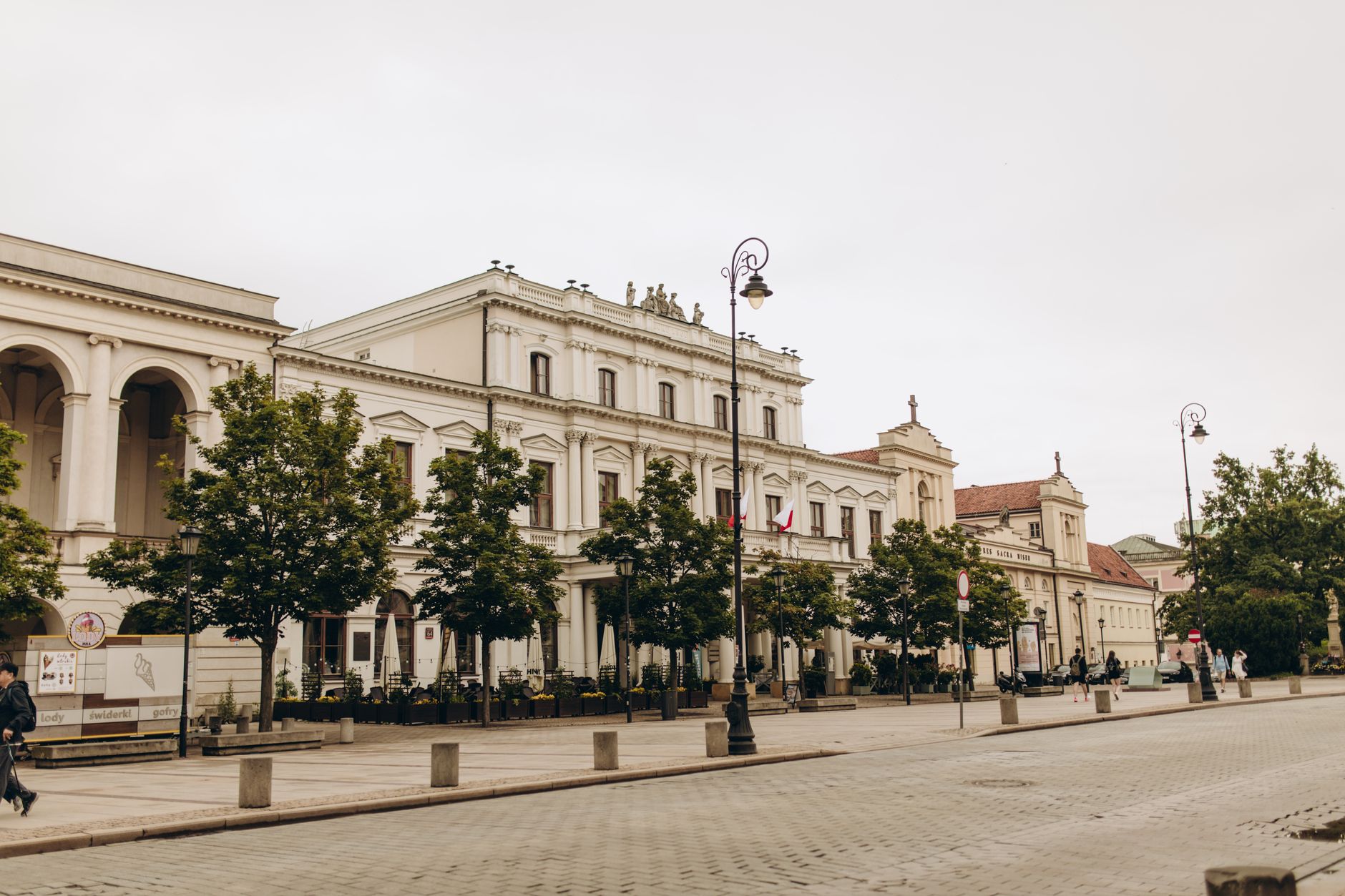
Inside the Royal Castle, the Canaletto Room hangs 22 of Bernardo Bellotto's eighteenth-century views of Warsaw, which the rebuilders used after the war. Take your time with the lower rows, because the top ones are hard to make out from the floor. The castle closes on Mondays and is free on Wednesdays; entry is time-allocated, so book ahead and allow an hour or two.
Lunch is a milk bar, a bar mleczny: a plain cafeteria of traditional Polish dishes, pierogi among them, kept cheap by a partial state subsidy. The ordering differs from room to room. In some a cashier in a booth takes your order and the kitchen calls you to the counter as each dish comes up; in others you order at a digital kiosk.
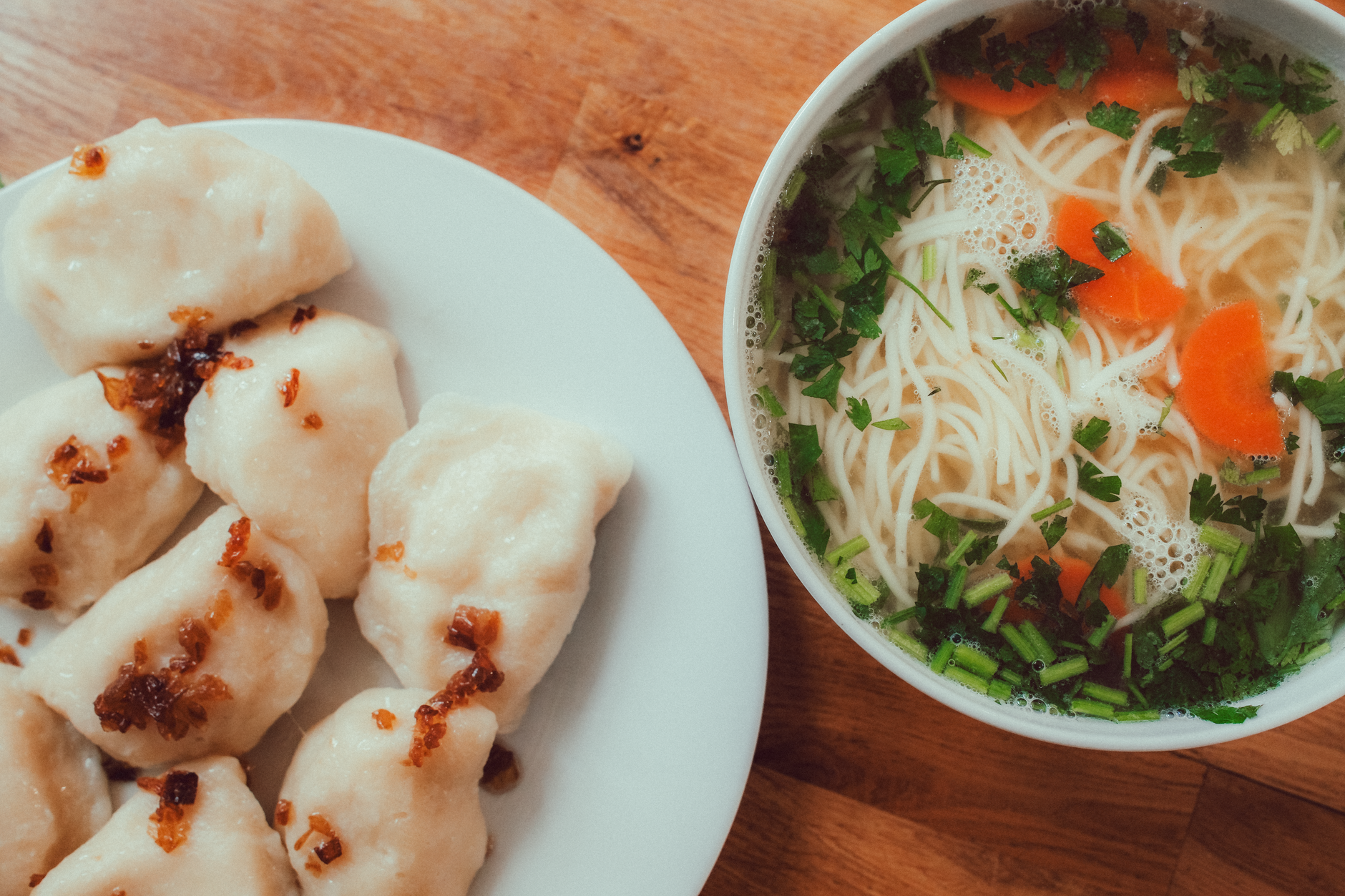
Some milk bars take cards and some take only cash, so carry złoty as well as a card. A set menu that pairs a main with its side saves translating the board, and a few words of Polish go down well with the kitchen. With a long menu and small dishes, it is easy to over-order.
Most shops close on Sundays, apart from a handful of trading Sundays a year. Restaurants and cafés stay open, and so do pharmacies and small owner-run shops.
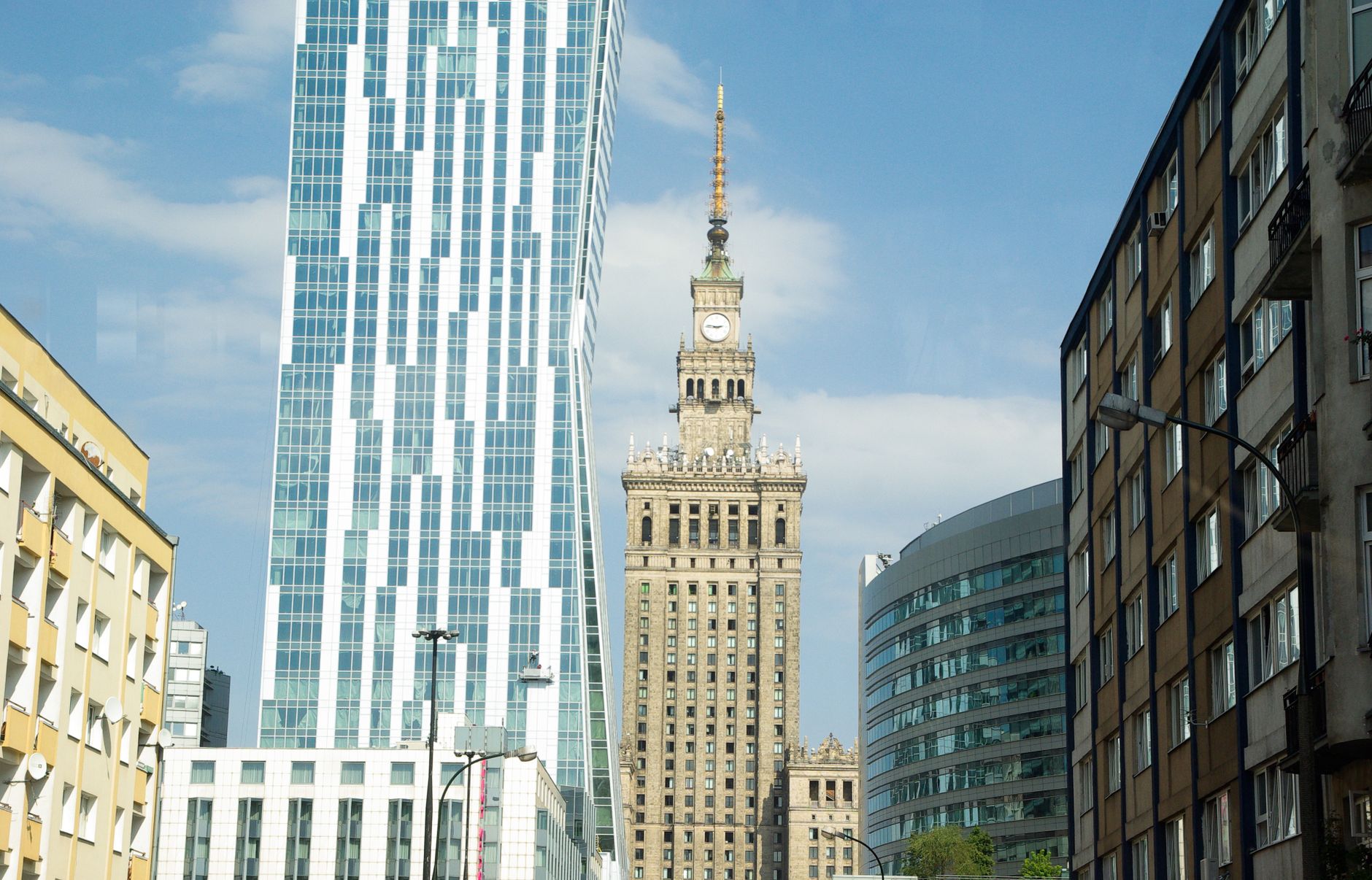
The Palace of Culture and Science, the Soviet-era tower in the centre, has a terrace on the 30th floor, 114 metres up, with a view all the way round; in winter the wind up there is sharp. The Neon Museum moved onto the Palace's fourth floor in 2025, and about 45 minutes covers it.
Keep Tuesday away from the two big museums, because POLIN Museum of the History of Polish Jews and the Warsaw Uprising Museum both close that day, and both are free on Thursdays. The Uprising Museum is in Wola, about 45 minutes on foot from the Old Town; allow three hours and arrive at opening to miss the worst of the queue.
See POLIN before you look for the 22 markers on the old ghetto boundary, and start that walk early in the day.
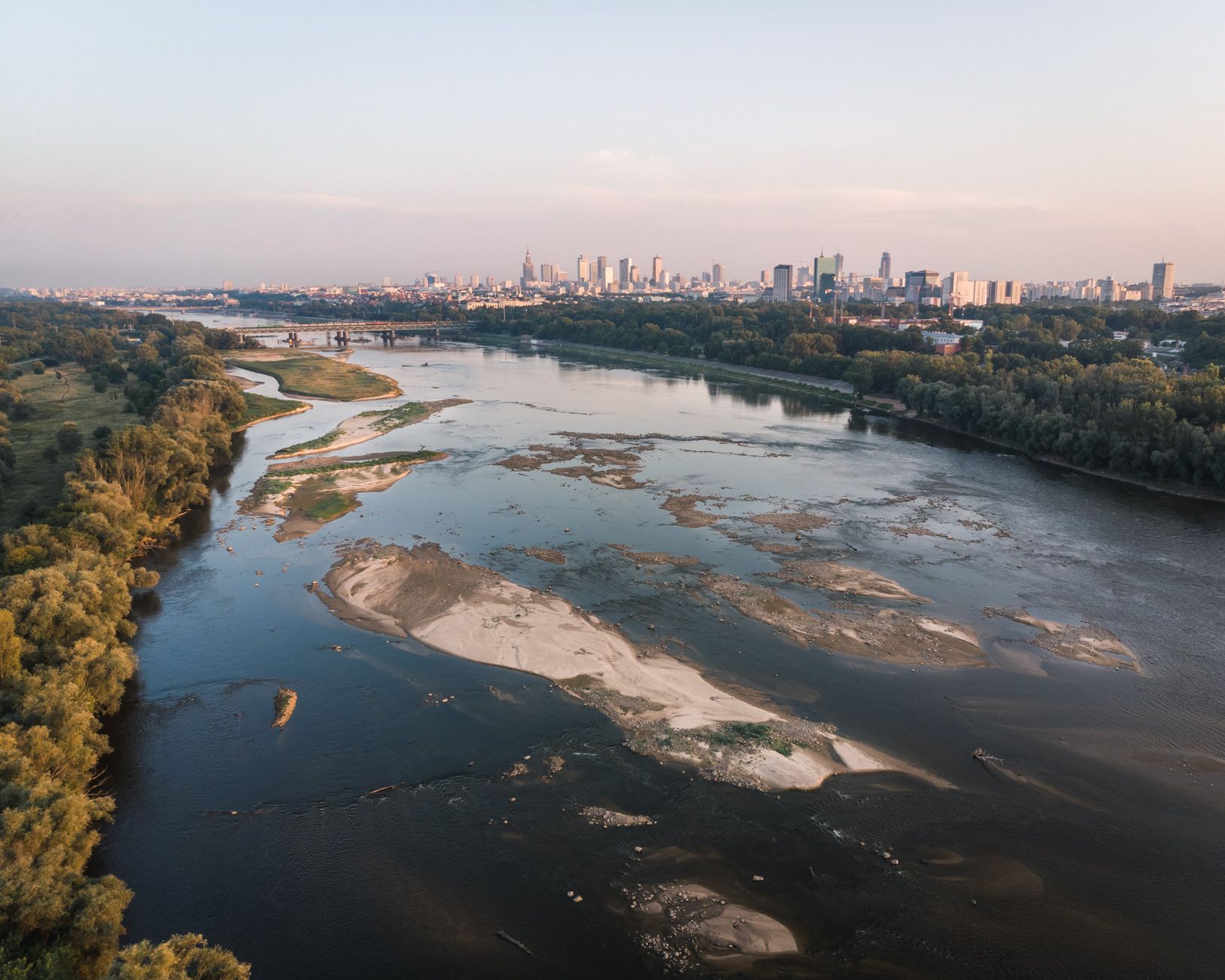
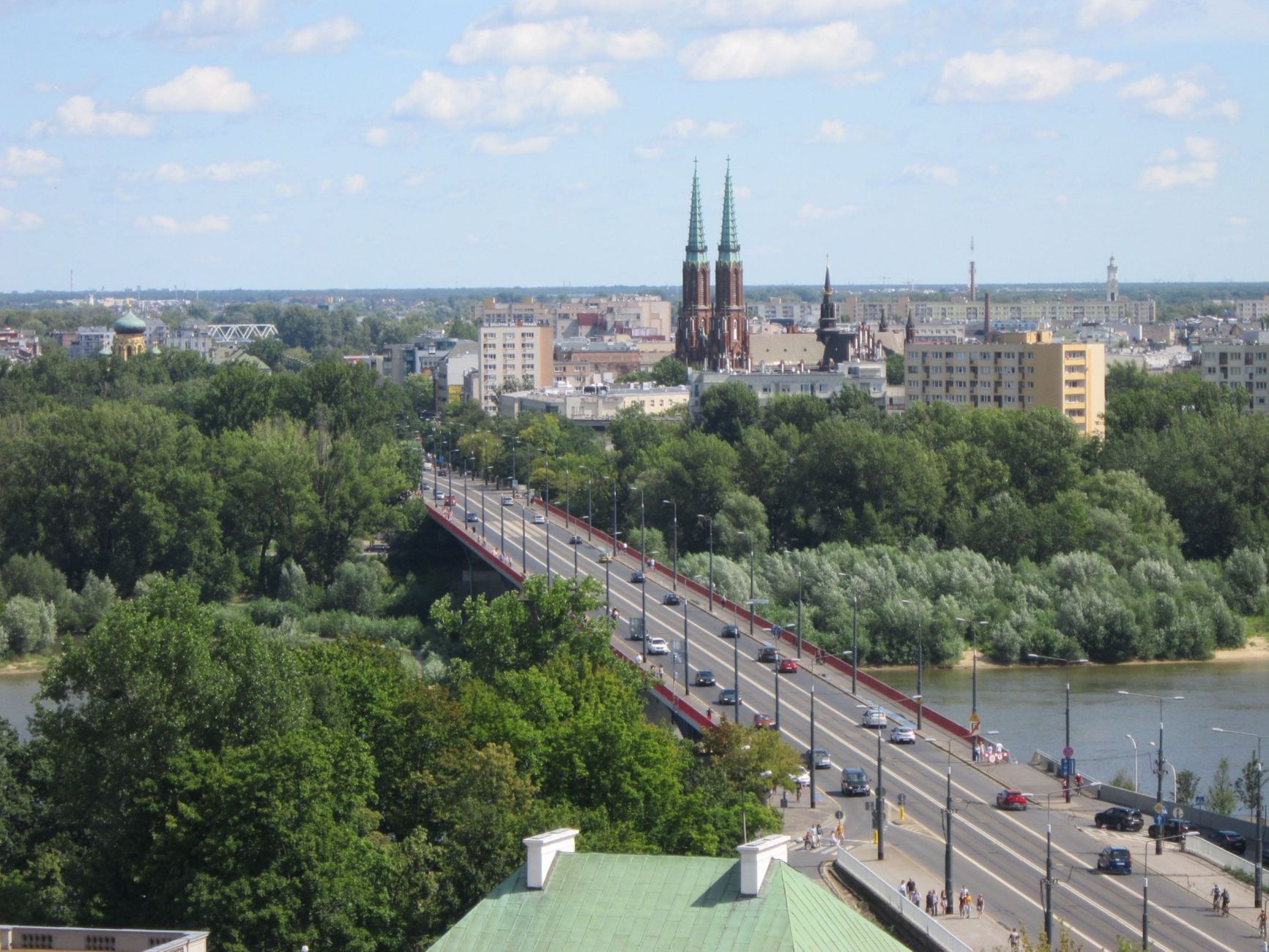
The Świętokrzyski Bridge runs from Powiśle to Praga, and walking it takes about 15 minutes; trams 22 and 24 cross it too. On foot you see the river and the Vistula Boulevards along its edge. Boat trips depend on the water level, so check on the day.
Give Praga at least half a day, and start on Ząbkowska Street, its spine, where pre-war tenements stand beside cafés and street art. Turn off onto Brzeska Street for murals and the small shrines in its courtyards, then walk on to Bazar Różycki, a short way from Ząbkowska.
The Koneser Centre, a former vodka distillery in the same part of Praga, holds restaurants, shops and a vodka museum. In winter the light goes very early, so walk the right bank in the morning if you want photographs.
If you are in Warsaw on 1 August, be out on a street at five in the afternoon. The sirens sound, and the trams, the buses, many of the cars and the pedestrians stop in silence.