 Submit a photo
Ninety seconds on the Hallstatt Prehistoric Cemetery
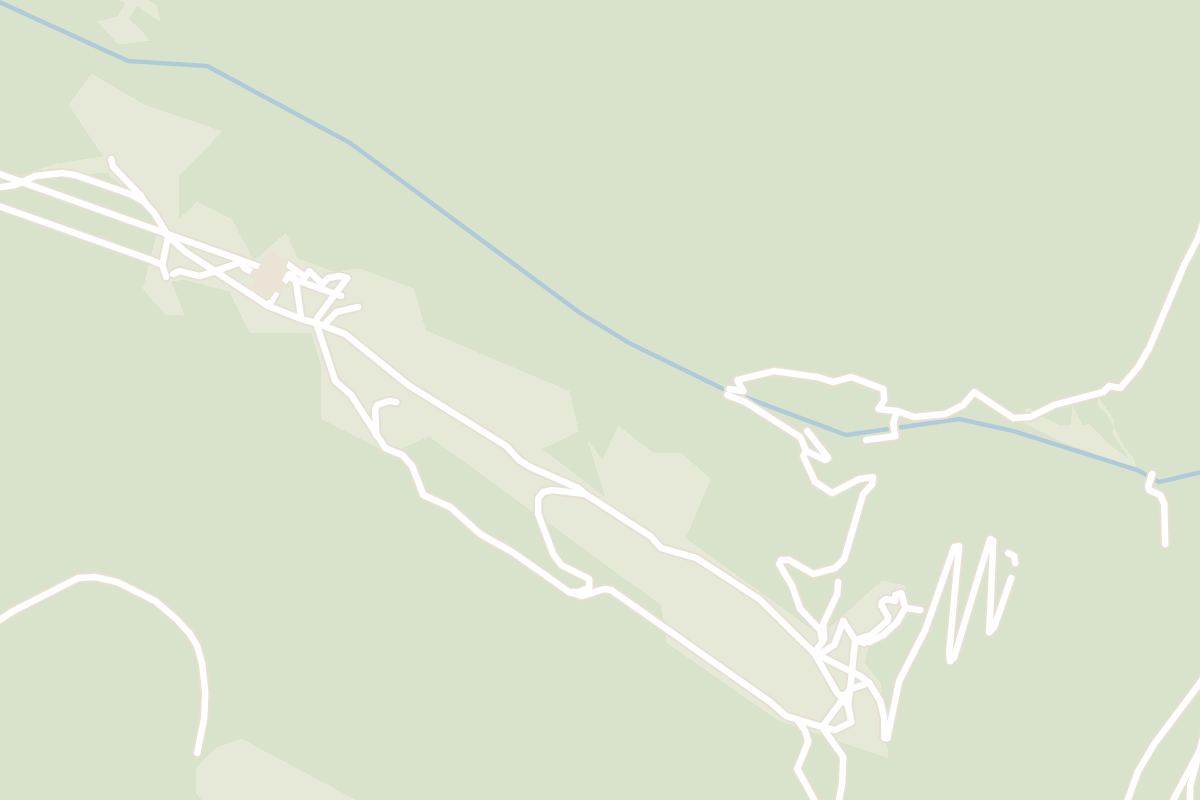
Yes. The burial ground lies in the high valley above the village, at the exit of the steep elevated plane over Hallstatt, and a theme path called the Path through Time crosses it. The walk retraces an entire epoch of human history, past replica huts and demonstration graves, with the funicular from the Salzwelten valley station doing the climb.
An estimated 2,000 to 4,000, and none is marked. The tombs are flat and outwardly unmarked, so nothing on the surface shows where one lies. Some 1,300 have been excavated so far, and the first excavator alone unearthed about 980 of them in the years up to 1863.
In Vienna. The first excavator's finds are preserved in the prehistoric department of the Natural History Museum of Vienna, so the objects that made the cemetery famous are not on the hill. What remains above ground in the high valley is the flat, unmarked burial ground itself.
Yes, in summers when the Natural History Museum holds a public live excavation in the high valley. Watching costs nothing, and only the funicular ascent and descent are charged. Each summer brings a new set of dates.
When archaeologists from Vienna dig in the high valley in summer, you may watch them at work above Hallstatt. The rest of the year, a signed path takes you across the Iron Age burial ground.
Nothing marks a grave on the hill. The burials are flat and were only ever covered with coarse loose stones, so the pasture and the path you walk on lie over them. Thousands of people were buried here, and more than a thousand graves have been opened.
The finds are why the ground is famous. Most of the richest goods came from the cremation graves, among them a massive ribbed bangle probably worn on the upper arm, and the warrior graves held 19 swords and 38 daggers. Some grave goods came from far outside the Alps.
Most of the body graves lie east to west, the dead on their backs facing the mouth of the valley.
Salt has been mined on this hillside for thousands of years, and the miners buried their dead beside the workings. The richness of these graves gave the early Iron Age of central Europe its name, the Hallstatt period.
The objects themselves are not on the hill. The finds from the early digs are kept by the Natural History Museum in Vienna, and the World Heritage Museum in the village centre shows original grave goods from the cemetery.
The funicular lifts you to the Rudolfsturm, which stands at the entrance to the high valley. The World Heritage View lookout is in front of the tower, and a small museum on its top floor tells the story of the man who found the graves.
From the tower, the Path through Time crosses the burial ground itself. Load the free audio guide onto your phone before you ride up, then walk at your own pace past the replica huts and the demonstration graves.
The Natural History Museum keeps a site office in the Alte Schmiede on the Salzberg.
Pair the walk with Salzwelten Hallstatt, the salt mine above the village, which meets at the same funicular valley station. Its guided tour lasts about 90 minutes, and the visit needs at least three hours.
From November the funicular stops at half past four instead of six, so in winter leave the graves time before the last ride down. If your phone has no room for the app, ask at the ticket window, where the audio guide comes in 13 languages.
If you plan to walk down instead of riding, check the trail notices first, because the route from the Salzberg towards Steeg has been posted closed. Children under four ride the funicular free.
Before you ride up, see the Katholische Pfarrkirche Hallstatt in the village, where the late Gothic altar was completed around 1520.
Explore the rest of Hallstatt
Salt has been cut out of the mountain above this shore for some seven thousand years, in a mine billed as the oldest in the world, and the…
A late Gothic church finished about 1505 on a terrace above the roofs, reached by stone steps, keeping a twelfth century tower and a carved…
The mine above the village, entered by funicular and then a tunnel, with wooden miners' slides between levels and a subterranean lake.…
Six kilometres of dark green water held between limestone walls and a hundred and twenty five metres deep, with the shore road carried in a…
A limestone plateau at just over two thousand metres above Obertraun, reached by the second and third stages of the same cable car. A steel…
Three stages from the valley floor at Obertraun to the plateau, the first opened in 1951 and the other two within the following decade,…
Ice caves high inside the Dachstein, where meltwater refreezes into sheets and towers that grow and shrink from year to year. A cable car…
Two lakes in a side valley west of the village, the lower one ringed by a level path of about an hour with the Dachstein glacier standing…
The official pages this guide was checked against.
Last updated