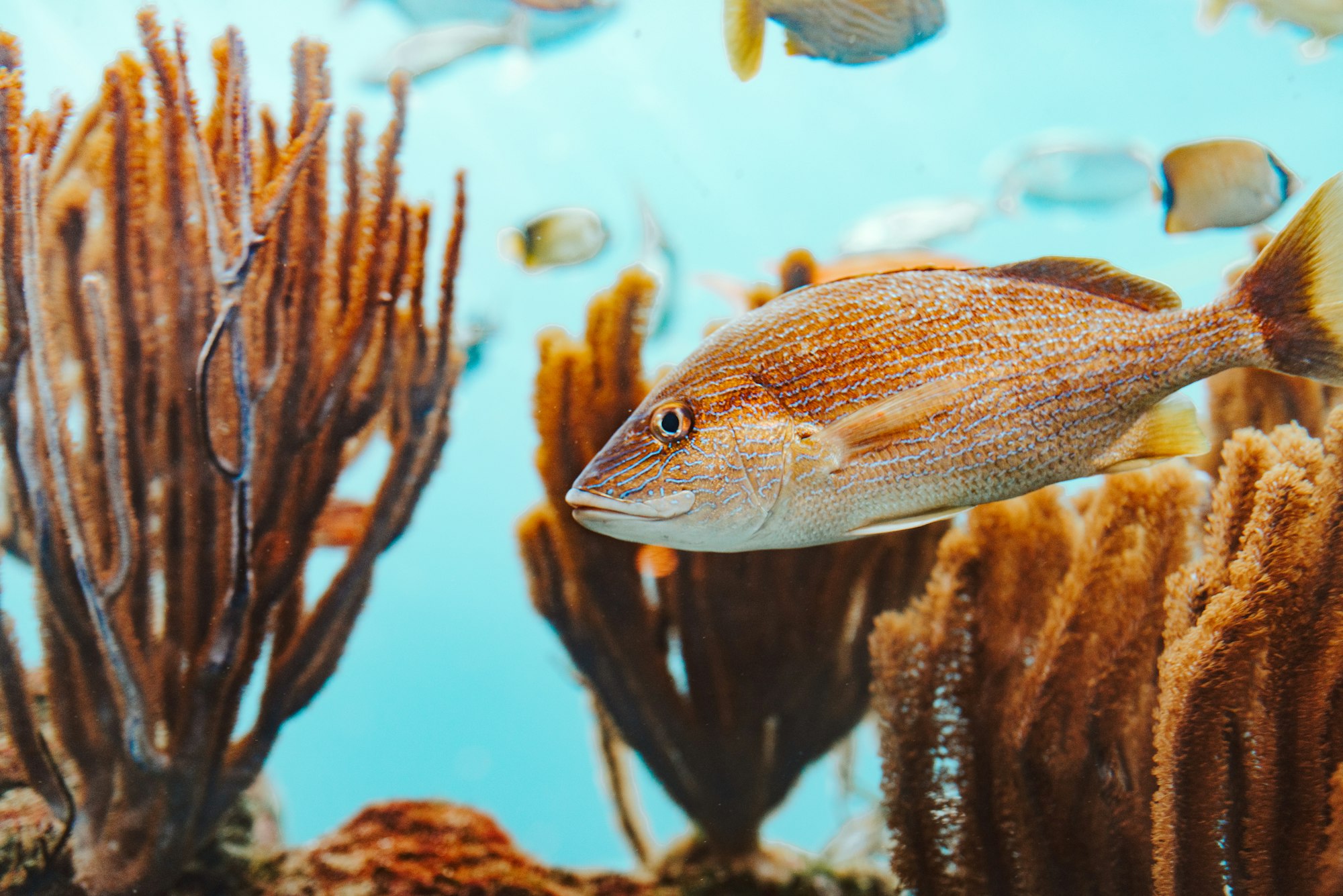
Ninety seconds on the Bermuda Aquarium, Museum and Zoo
Bermuda's reef fish, harbour seals and sea turtles are all in one place here, so in a single afternoon you can watch the seals and the turtles being fed, then walk through a natural history museum and an island zoo.
The North Rock tank, a living copy of a reef offshore, is the centrepiece once it fully reopens (see the note), and it holds one of the largest collections of living coral in the world. Many of the native fish in the hall carry a label beside the glass that tells you what you are looking at. Several more large tanks hold barracuda, sharks and parrotfish.
Open since 1926, this is one of the oldest aquariums in the world. Its staff also run the Bermuda Turtle Project, which has caught, tagged and released more than 5,000 green turtles, and they treat sick and injured turtles in a rehabilitation centre on site.
Outdoors, much of the zoo sits under large nets that you walk inside, so the animals are close. A roseate spoonbill may wander up to you, and a red ruffed lemur may call from the trees.
Keep an eye out for Bermuda's native birds too: the longtail, the bright yellow kiskadee and the rare cahow. The cahow was thought extinct until eighteen nesting pairs were found in 1951, and there are now more than 100.
You reach the aquarium hall first, just past the ticket desk. The natural history museum comes next, with the geology of Bermuda and a clear account of how the island formed. Many of its displays on humpback whales, fish and sea birds are hands-on and suit children.
Outside, the zoo groups about three hundred animals by island: Caribbean, Australasian and Madagascan. Look for the flamingos in their open-air enclosure.
Plan the walk around the feeds. The gates open at 9am, the harbour seals are fed in their outdoor pool at 9.30am, 1.30pm and 4pm, and the sea turtles at 10am and 2pm. There is a cafe and a picnic area in the grounds for the break between them.
Group visits need one adult for every five children. Staff talks at the turtle feeds and the touch pool explain the animals. Visitors with impaired sight can have a guide for the visit: phone the front desk at least 24 hours ahead.
On a Monday or Wednesday, come after lunch, when the touch pool is staffed from 1pm to 3pm. The Galapagos tortoises are fed at 10.45am on Mondays, Wednesdays and Fridays.
Leave balloons, drinking straws and pets behind, though guide dogs are welcome, and do not feed or tease the animals. Inside, keep your hands off the glass and acrylic panels. Children may not run in the buildings, and under twelves must stay with an adult.
Explore the rest of Hamilton
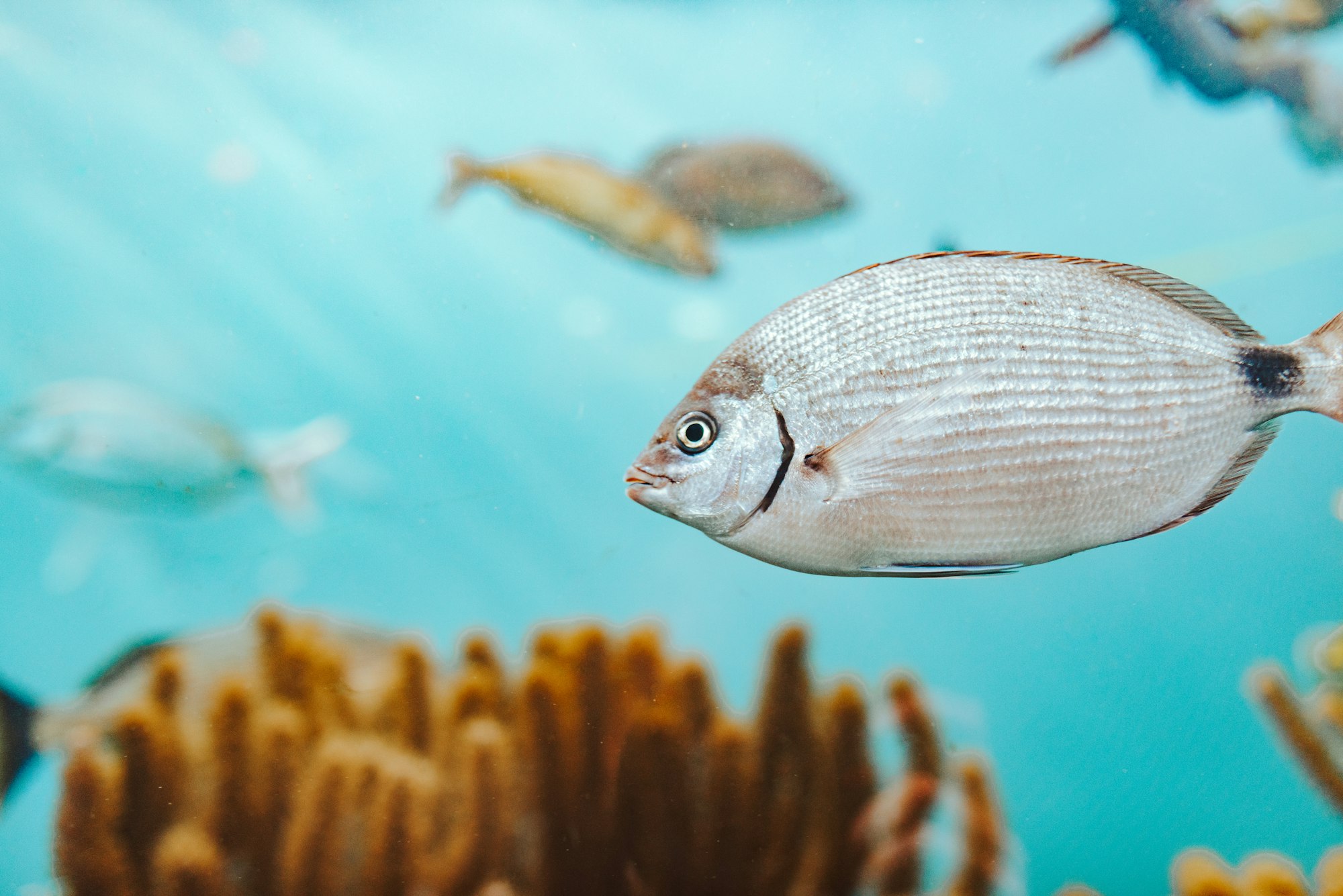
A village built either side of the narrow inlet where Harrington Sound empties into the sea, and the tide runs through the bridge hard…
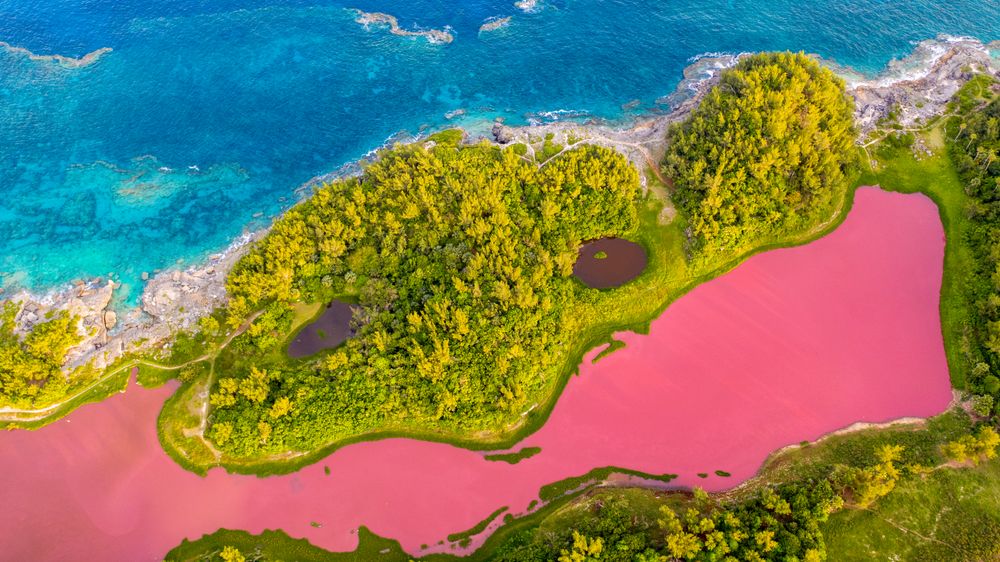
The largest nature reserve in Bermuda, some twenty six hectares of brackish pond and coastal cliff where most of the island's migrating…
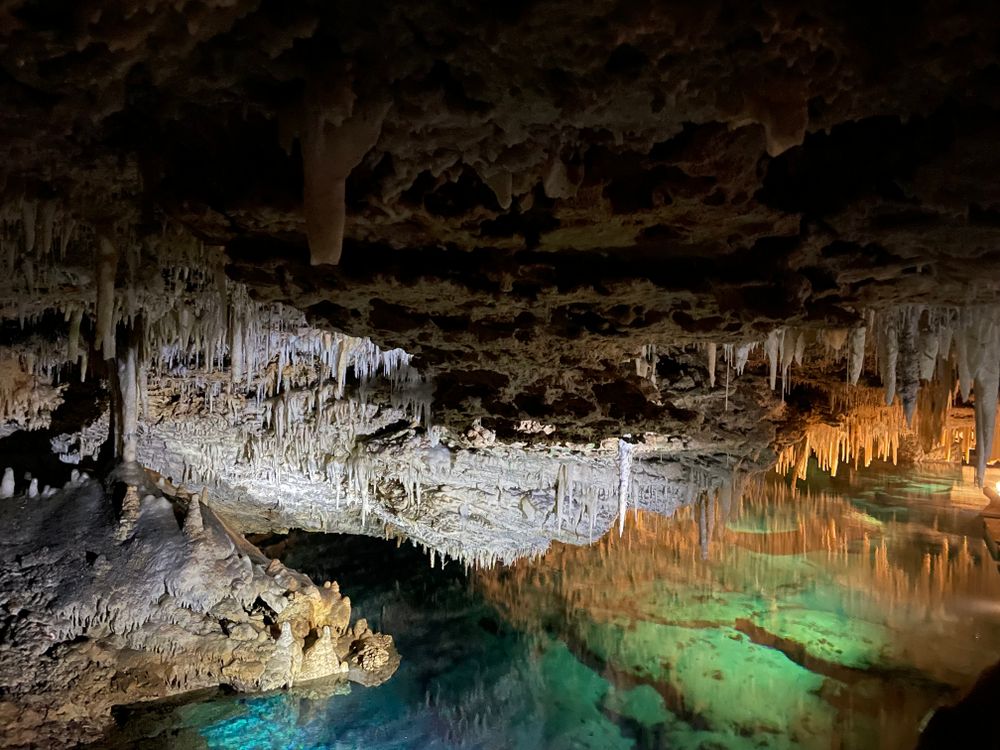
A cave found by two boys chasing a lost cricket ball, its chambers hung with stalactites above a clear underground lake crossed on a…