Things to do
39-
Front Street
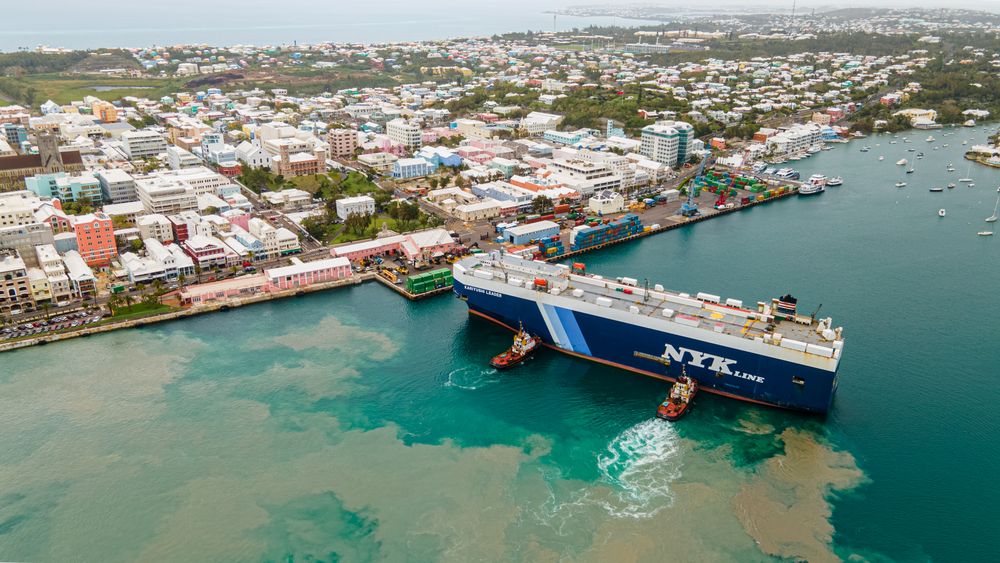
Walking this one harbourfront street gives you most of what Hamilton offers a day visitor: shops, lanes of local crafts, lunch on a balcony over the water and the Birdcage. The ferry from Dockyard lands you on it.
View more → -
Bermuda Aquarium, Museum and Zoo
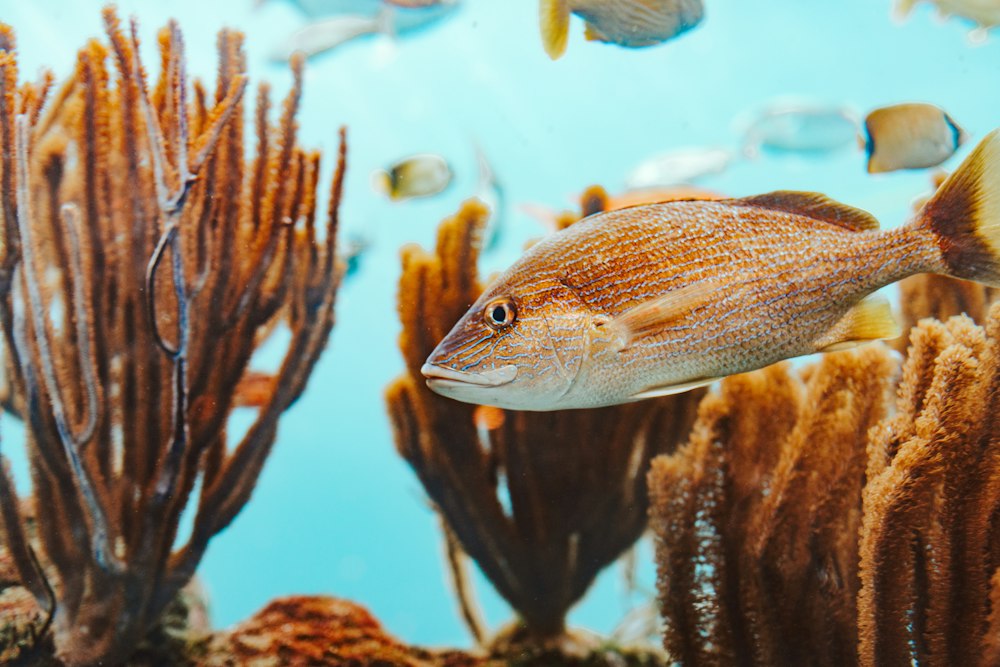
Bermuda's reef fish, harbour seals and sea turtles are all in one place here, so in a single afternoon you can watch the seals and the turtles being fed, then walk through a natural history museum and an island zoo.
View more → -
Bermuda Railway Trail
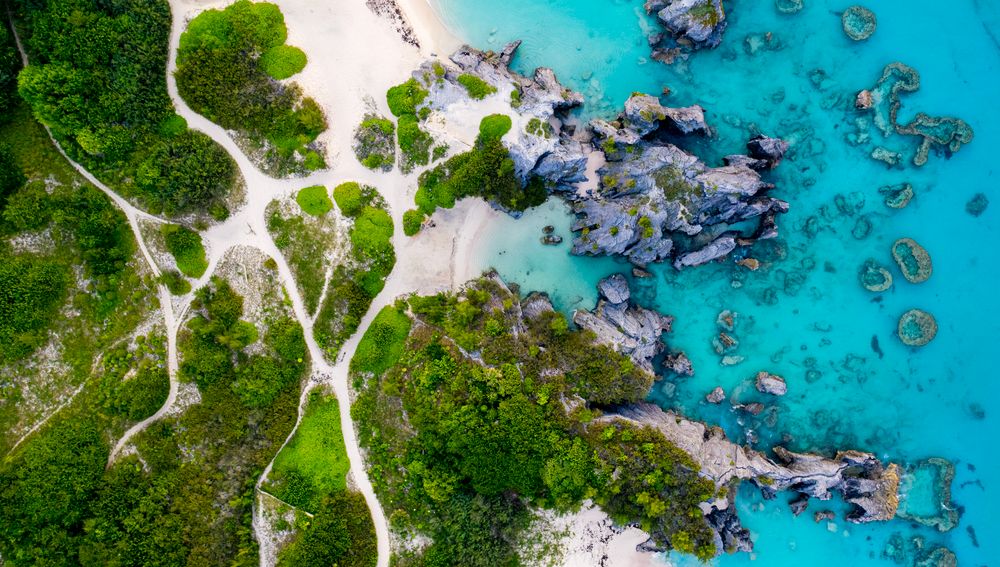
The trail stays close to the water east of the aquarium all the way to Coney Island, and ends by crossing Bailey's Bay on a footbridge near water level.
View more → -
Crystal Caves
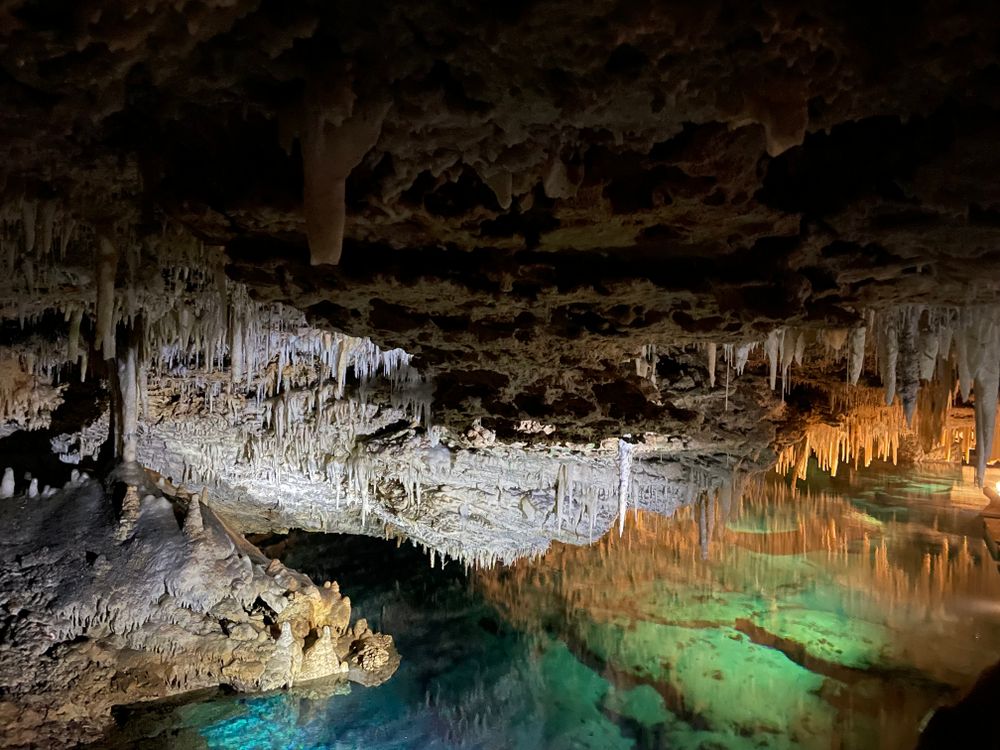
One walk across a floating pontoon puts you over an underground lake clear enough to show the cave's formations below the waterline. Of the two show caves on this property, this is the one with the lake; Fantasy Cave is next door.
View more → -
Elbow Beach
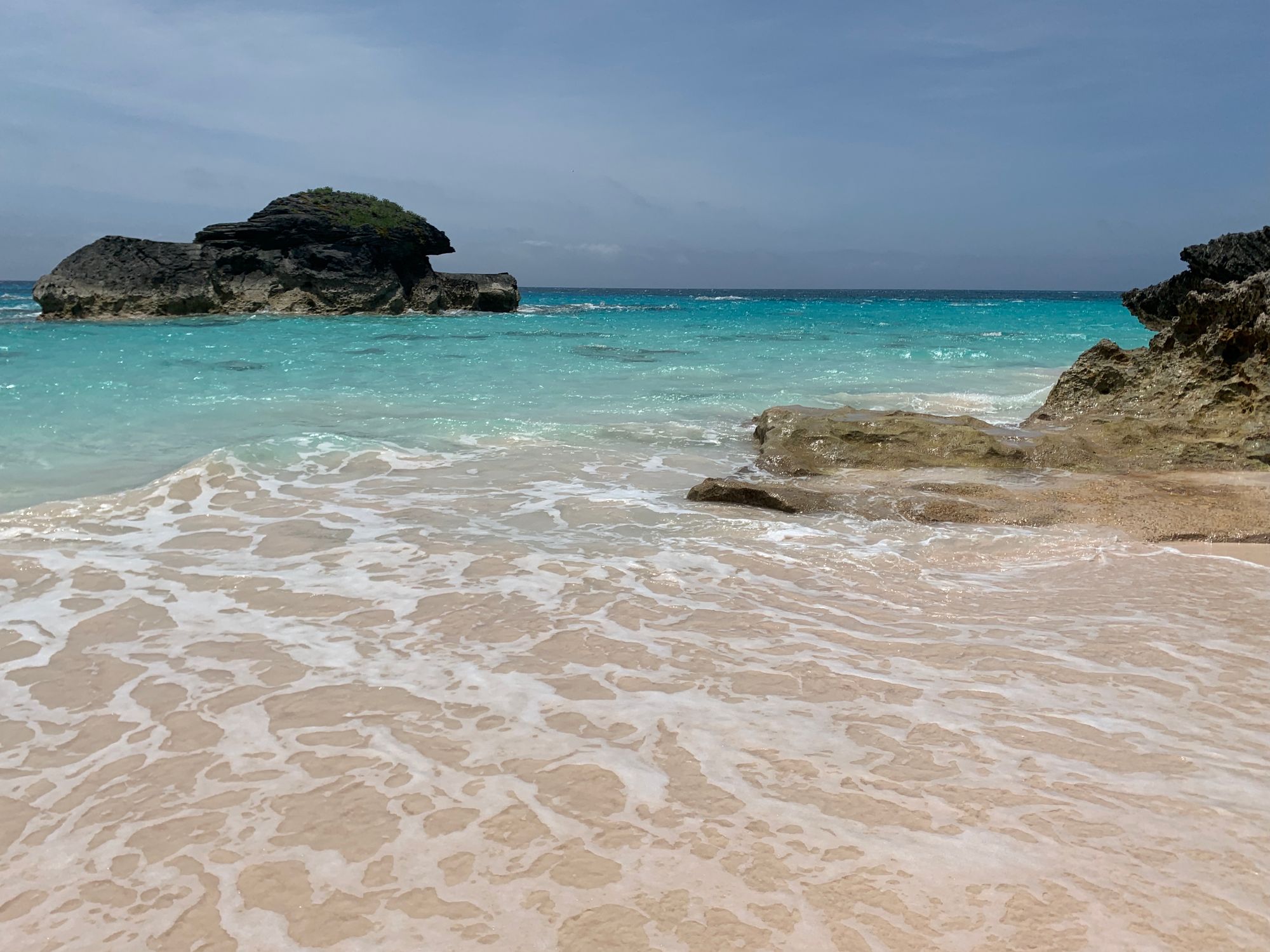
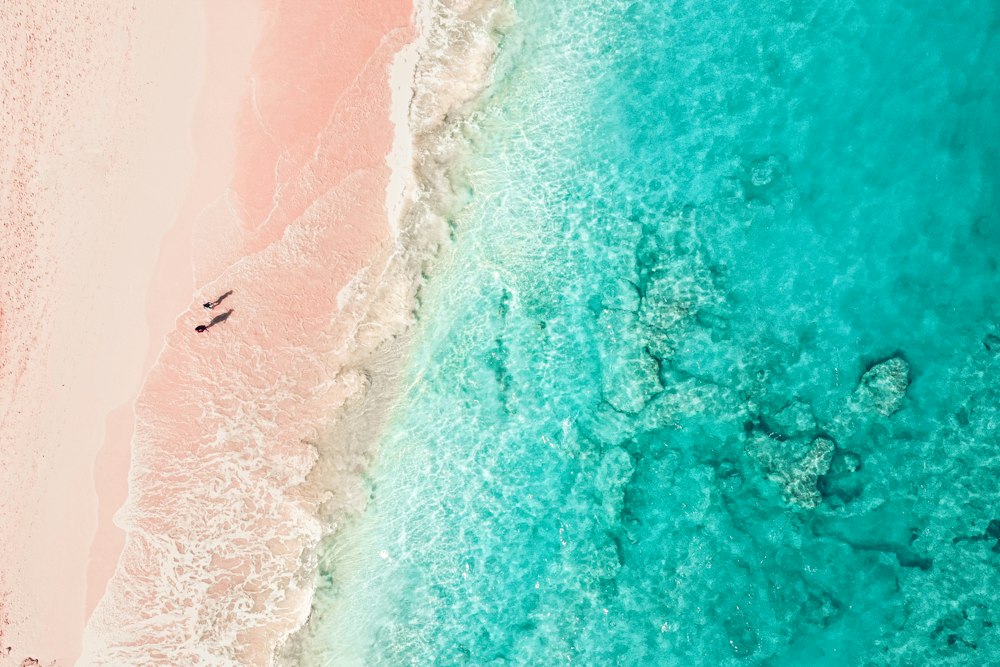
Cruise ship days pack Horseshoe Bay; this beach has roomier pink sand and healthy reef a short swim from the public stairs. There is no lifeguard and rip currents run here.
View more → -
Flatts Village
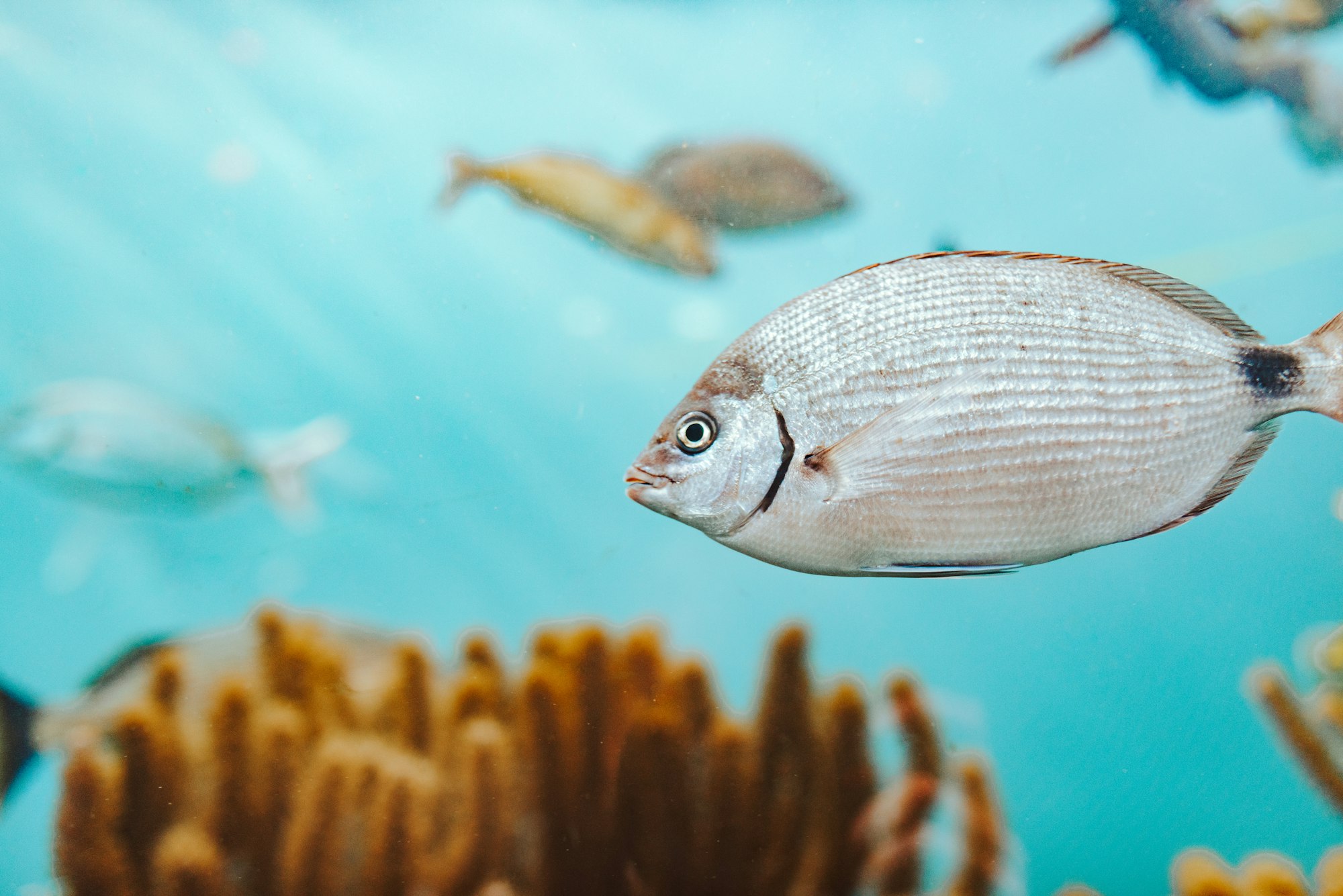
Stand on Flatts Bridge at the turn of the tide, when the current slackens and eagle rays and turtles pass between the sound and the sea.
View more → -
Spittal Pond Nature Reserve
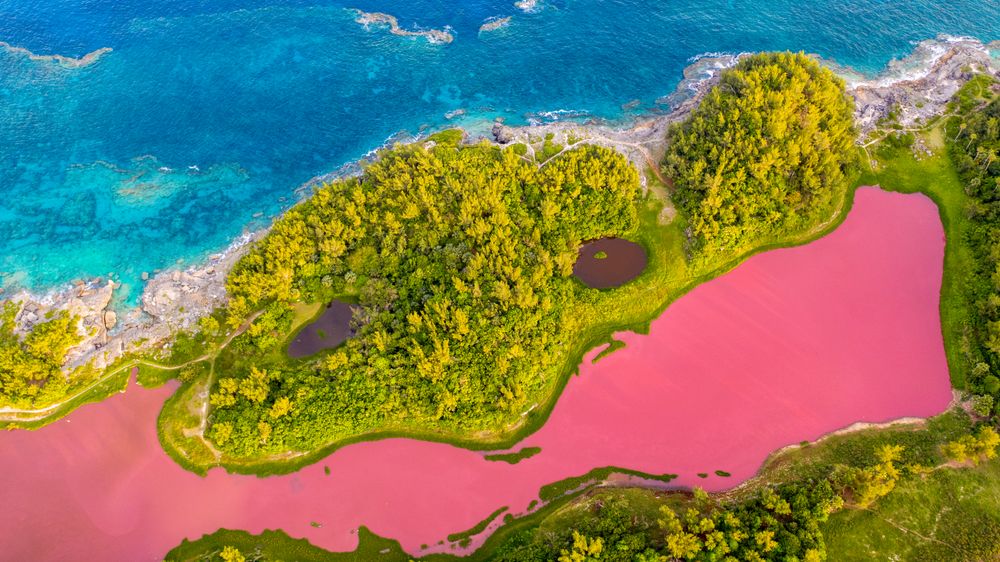
In April and May you can watch for humpback whales from the cliff trail as they pass offshore, while longtails fly along the rock face.
View more → -
Bermuda National Gallery
Admission is free all through 2026, so you can fit an easy indoor hour into a Hamilton day. Go on a weekday, because Saturday hours are short.
-
Cathedral of the Most Holy Trinity
Climb the tower before the midday heat, and carry small notes: the church office often cannot change a large one for the ticket. On a clear morning the view west runs across the Great Sound to Dockyard.
-
Fort Hamilton
Before sunset, climb to the western rampart and you look almost straight down on Hamilton, with White's Island and the Salt Kettle peninsula across the harbour. Entry is free, and the gates shut at sunset.
-
Queen Street and Par-la-Ville Park
A morning visit catches both: the Historical Society museum closes at lunchtime, and the National Library in the same house stays open through the afternoon. Both are free.
-
Admiralty House Park
Quiet midweek in term time, this cove gives you a lagoon off the sand, shaded paths and a rock stair from the Admiral's Cave into open water, a short bus ride from Hamilton.
-
Albuoy's Point
Wait for your boat here, not on the dock: most of the island's tour boats and fishing charters pick up at Albuoy's Point, and the lawn has shade, benches and a food truck.
-
Bermuda Arboretum
Shade, birdsong and paths you may have to yourself are the reasons to come. Little is manicured and few trees carry names, so it is a quieter, wilder walk than the Botanical Gardens.
-
Bermuda Botanical Gardens
Spend a morning here between beach days. Entry is free and every tree and shrub is labelled, so you learn the hibiscus, frangipani and banyans you see all over the island.
-
Bermuda Society of Arts
A rotating show of local artists' work changes every three weeks, so a second visit in the same month can look entirely different. Half an hour is enough on a Church Street morning, and the Greetings from Bermuda mural on the side of Dorchester House is on the same street.
-
Bermuda Underwater Exploration Institute
Shells are the reason to buy the ticket: more than a thousand from Jack Lightbourn's private collection, a better hour than the simulated dive. Save it for a wet weekday afternoon, when it stays open an hour longer.
-
Blue Hole Park
Bring a swimsuit: the Blue Hole is a free pool under open sky, where jumping in from the rocks is the custom. This gate also has the best parking in the whole reserve.
-
Cabinet Building
From November to July, you can watch the Senate sit here on Wednesday mornings, with its proceedings open to the public. On any other day, walk the memorials in the grounds and pair it with Sessions House next door.
-
Camden House
Midday on a Tuesday or Friday is the only time the curator shows visitors inside. Any other day, see the balconied front from the lawns.
-
Cathedral of Saint Theresa of Lisieux
Free to enter and open into the evening at weekends, this is the Hamilton cathedral you can still visit at the end of your day.
-
City Hall & Arts Centre
The art upstairs is for sale, so come for the galleries as much as the town hall. Look up at the tower too: its blue and gold dial shows the wind direction, not the time.
-
Devonshire Bay Park
Buy your fish here. On most weekdays the catch is sold at the bay and filleted on request, and the shaded hillside by the old fort is a good place to eat lunch.
-
Fantasy Cave
Here the calcite formations hang right above you; in Crystal Cave next door you see them through water. Add it as the second half of a combined ticket.
-
Harrington Sound
Paddling here is the easiest start on Bermuda: small islands to circle, an easy crossing for a beginner, and a rock shore with an underwater notch to look into from the kayak.
-
Hungry Bay Nature Reserve
From the end of a public lane you look across shallow water to the reserve's mangroves. Private homes ring it, so there is no trail in; bring binoculars.
-
John Smith's Bay
Quieter than Horseshoe Bay and one of only four guarded beaches on the island, it suits a family where one of you snorkels the reef edge and another stays in the shallows.
-
Masterworks Museum of Bermuda Art
One Saturday a month, entry is free to all; the rest of the week it is ticketed. The collection of more than 1,600 works is shown in rotation, so a second visit shows different works.
-
Old Devonshire Church
Sunday morning, at a service, is when you can see the cedar interior; the church keeps no weekday visiting hours. Walk the graveyard first.
-
Paget Marsh Nature Reserve
A floating boardwalk carries you through mangrove, sawgrass and cedar woods without getting wet. It is the only fully wheelchair-friendly nature reserve in Bermuda.
-
Perot Post Office
There is no counter here any more: the old post office no longer sells stamps and stands shuttered while the city plans its renovation. Take your postcards to the General Post Office on Church Street.
-
Queen Elizabeth Park
Eating lunch on a shaded bench is how Hamilton uses this park, and you can do the same between the ferry and the shops, with koi pools and sculpture along the paths.
-
Sessions House
Sessions House runs a guided tour every day at half past ten, except on Fridays while Parliament is sitting. On those Fridays, come instead and watch the debate from the public gallery.
-
Shelly Bay Beach
Bring small children here: the bay is flat enough for a toddler to paddle, and trees give shade. There is no lifeguard at any time of year, so an adult has to watch the water.
-
Spanish Point Park
Two things go in your bag for this park, a mask and lunch: the calm coves on the north shore side are good snorkelling, and the lawns under the pines are shaded for a picnic. It is a short bus ride from Hamilton.
-
St Andrew's Presbyterian Church
Stop outside for the facade on Church Street, painted bubblegum pink and white, which is why the building is known as the Pink Church. There is no need to go in: ten or fifteen minutes with a camera from the pavement covers the visit, so fit it into a Church Street walk with the cathedral tower.
-
Verdmont
The 11am and 1pm guided tours take in the kitchen, the quarters and the lives of those enslaved here, which you miss walking the rooms alone.
-
Victoria Park
It is worth planning around one Sunday in July, when the City's free Summer Sunday fills the lawn with live music and food stalls. On any other day the park is a shaded half hour beside the bus station.
-
Walsingham Nature Reserve
Tom Moore's Tavern is at one end of this shaded path and the Blue Hole car park at the other, under a kilometre apart. Walk it for the caves and grottoes along the way.