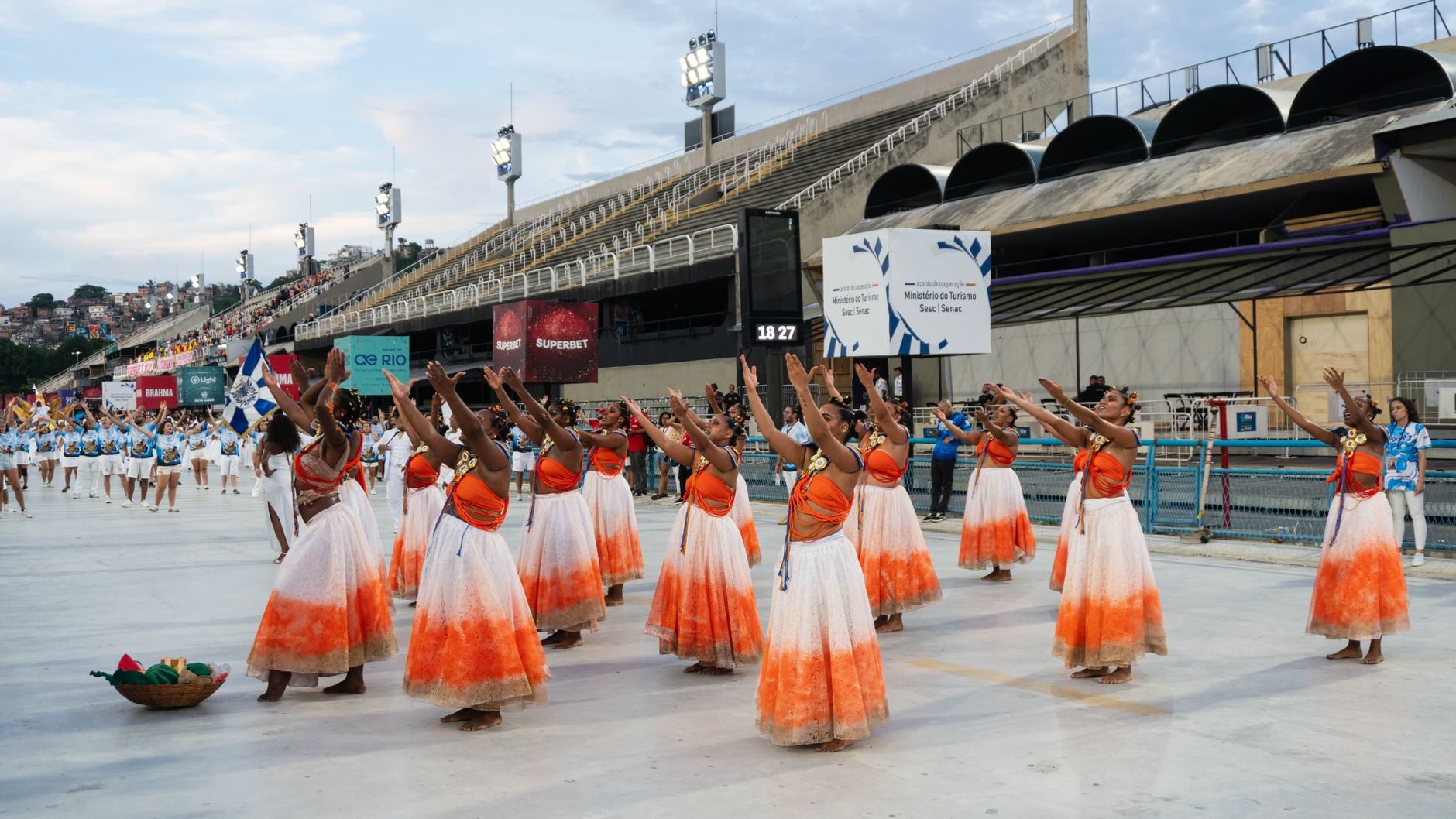
The running order was drawn in April 2026 and the start times follow the 2026 timetable; the league confirms the hours in the new year, and the city publishes the bloco list in January.
Rio Carnival 2027 runs from Friday 5 February to noon on Ash Wednesday, 10 February, and the top finishers parade once more on Saturday 13 February. The Série Ouro opens the Sambadrome on 5 and 6 February. The nights that matter most are the Special Group's: Sunday 7, Monday 8 and Tuesday 9 February. The street carnival starts much earlier, on 16 January.
Online only, through Ticketmaster, the official platform of LIESA, the league of samba schools. Each buyer can take up to two tickets per parade day, the final Saturday included, and a Passaporte covers the special sectors on all three Special Group nights. The Série Ouro nights go on sale separately. Only the Sambadrome needs a ticket.
Grandstand seats, the arquibancadas, are individual places on open concrete stands; sector 12 is the one public-sale sector where each chair is numbered. Frisas are open-air fenced boxes at ground level for six, with their own entrance. Camarotes are covered boxes, and a camarote ticket is valid for every night of Carnival rather than one.
Partly. The Sambadrome parade nights are ticketed, but the street carnival is not: the city authorises hundreds of blocos each year, more than 400 parades in 2026, and none of them needs a ticket. The technical rehearsals at the Sambadrome are free as well, on 23, 24, 30 and 31 January 2027.
The Sambadrome gates open at 19.00 on official parade nights, and the schools parade on into the early morning hours. The 2027 order is already drawn. São Clemente opens the Série Ouro on Friday 5 February, União de Maricá opens the Special Group on Sunday 7, and Mangueira closes the last night, Tuesday 9 February, after Portela, Viradouro and Grande Rio.
On the Marquês de Sapucaí, the Sambadrome avenue in Centro, where both the Special Group and the Série Ouro parade. The metro is the way in: Praça Onze for the even-numbered sectors, Central do Brasil for the odd ones. During Carnival 2025 the metro, buses, BRT, VLT and suburban trains all ran through the night, and the 2027 hours are set nearer the date.
All over the city, from 16 January 2027, when the street carnival is due to start, through Carnival week. The full programme, with each bloco's meeting point and hour, goes up at carnavalderua.rio and in the Blocos do Rio app. The biggest parade on the Circuito Preta Gil in Centro, gathering on Rua Primeiro de Março.
To the blocos, yes; to the Sambadrome, only from the age of five. A court order sets five completed years as the minimum age for entry, and the authorities can ask to see the child's birth certificate at the gate. At the street parties, the city advises that children wear an identification bracelet or badge carrying the phone number of the adult responsible.
Drinks, within limits. Each spectator may carry up to two 500 ml plastic bottles of drink into the stands. Coolers and glass bottles stay outside, and the city also seizes glass at the street parties, where it is banned. A cushion for the concrete steps is worth the space in the bag.
The city runs it as one large security operation, and for the 2026 parades it put more than 400 cameras and drones over the Sambadrome. For the blocos, the city's own health advice is light clothing or a costume, closed comfortable shoes, sunscreen of SPF 50 or higher, and identification with a contact phone number kept on the person.
Any of the three Special Group nights, 7, 8 and 9 February 2027, and Tuesday sells first because Mangueira closes it. The city expected more than eight million people to circulate during Carnival 2026. The calmer way onto the avenue is the January technical rehearsals, which drew about 360,000 in 2026 and need no ticket.
Yes, it is a competition. Rio Carnival is the celebration before Lent, ending at noon on Ash Wednesday, and at its heart the samba schools are judged as they cross the Sambadrome. The result is read out on Ash Wednesday, and the six top schools come back for the champions' parade the following Saturday, 13 February 2027.
Buy a seat for one Special Group night and spend the daylight hours in a bloco, and you will have done both carnivals inside forty-eight hours. Book the room and the seat months ahead, and stay on the metro line.
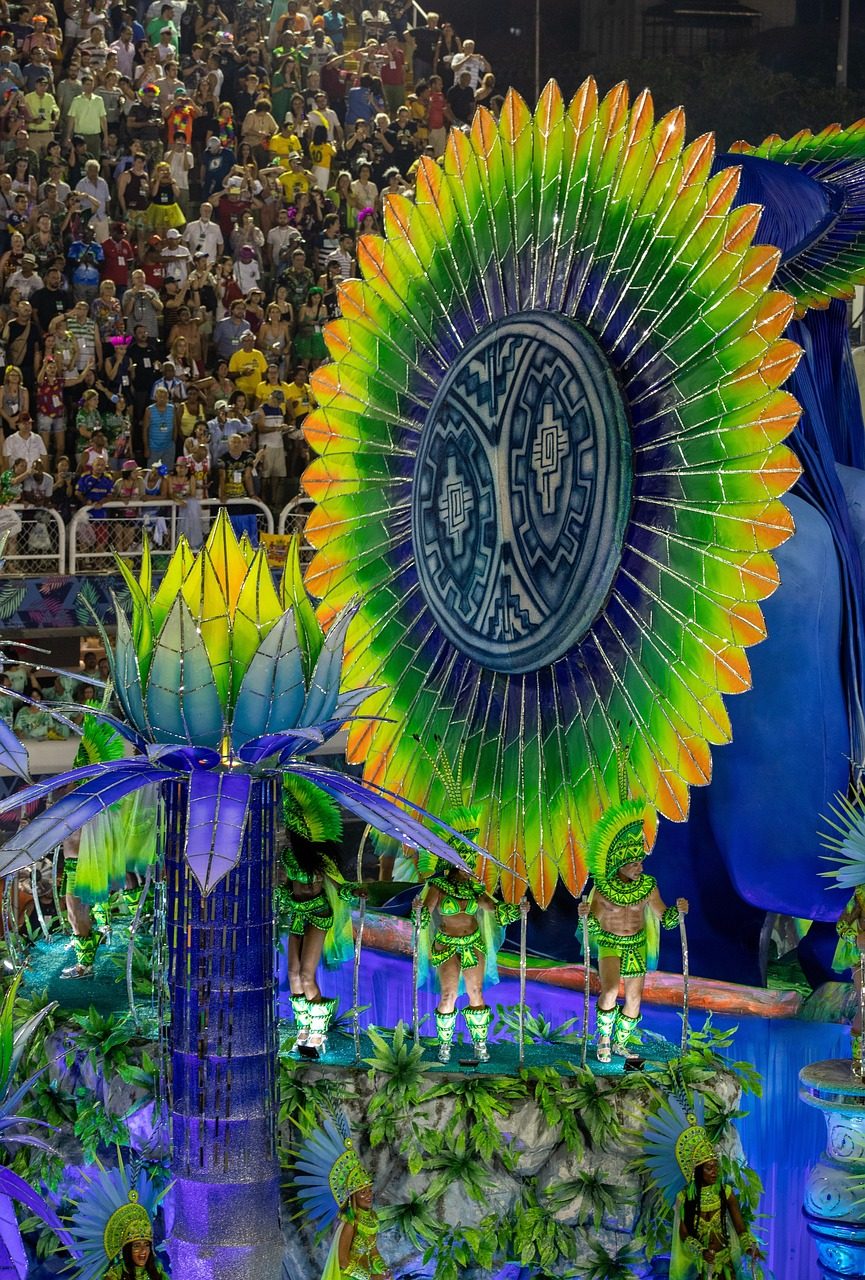

Two weekends before Carnival the league opens the Sambadrome for technical rehearsals, and anyone can walk in without a ticket. Each of the twelve Special Group schools runs its parade without the costumes and floats, which leaves the drums, the dancers and the song, and the stands fill with the school's own neighbourhood.
If you are in Rio early, this is the way to learn the avenue before you pay for it: where the bateria bay is, how long an hour of one school feels, which side of the stands you want. The last Sunday starts with the Lavagem da Sapucaí, the washing of the avenue, at five, and ends with Mangueira after seven.
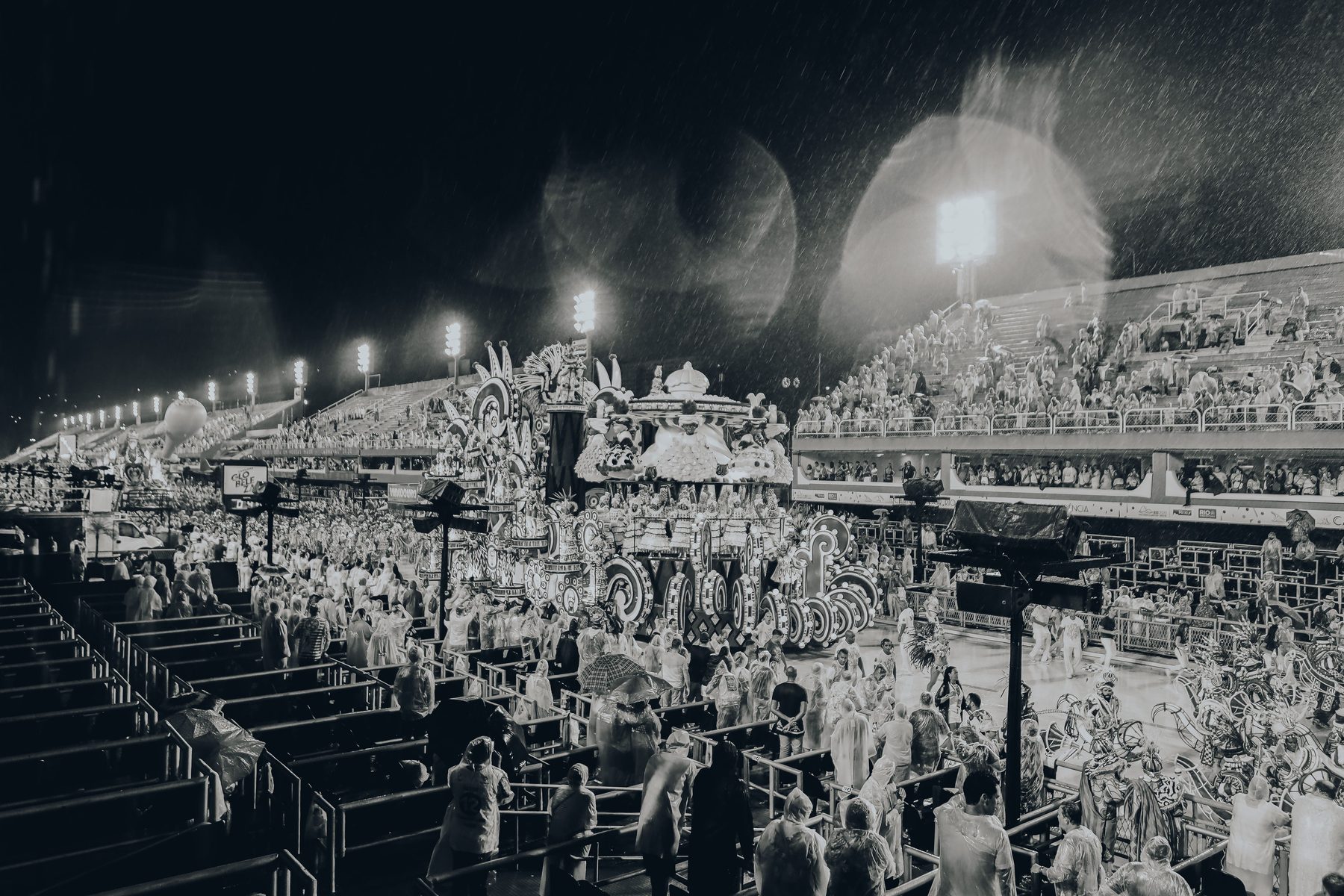
Salgueiro, Imperatriz and Portela rehearse on the evening of 30 January; Viradouro, Grande Rio and Mangueira on the 31st. Go to the one whose school you want to see on its night.
Carnival Friday is the night the second division, the Série Ouro, opens the Sambadrome: eight schools from ten to nine, competing for promotion, with the stands easier to get into than on the nights after. It is the night to see if you want the avenue twice and can only afford one Special Group seat.
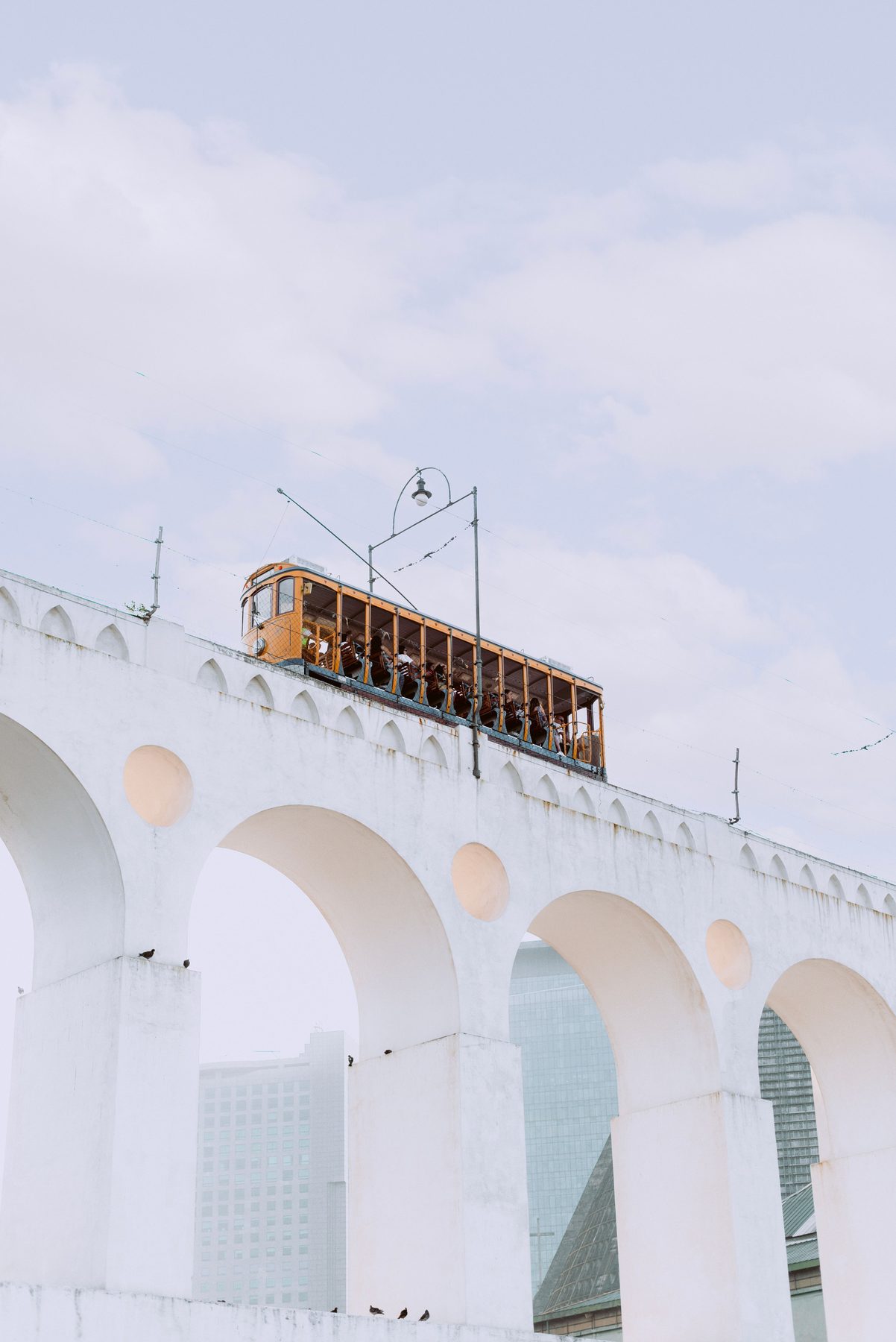
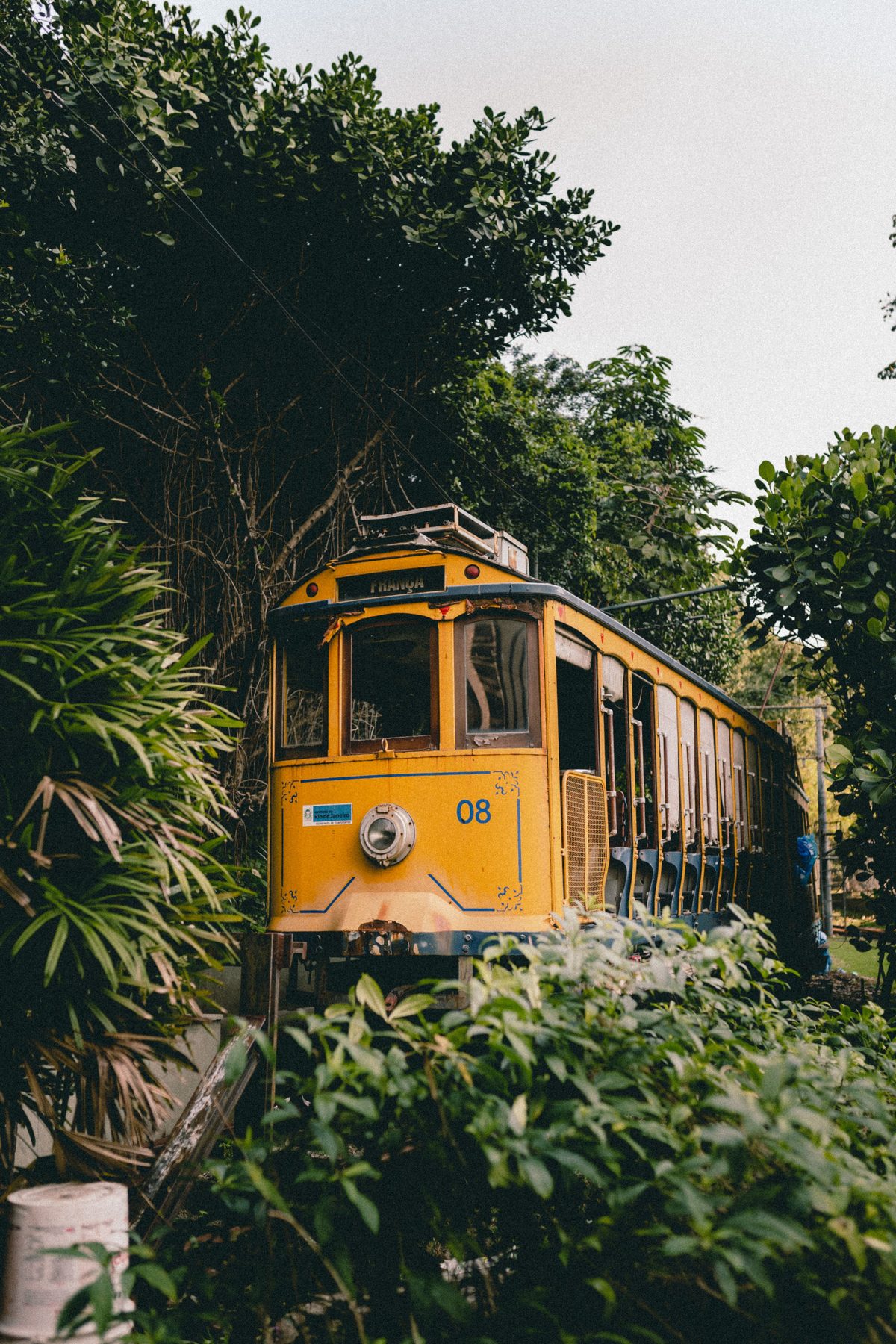
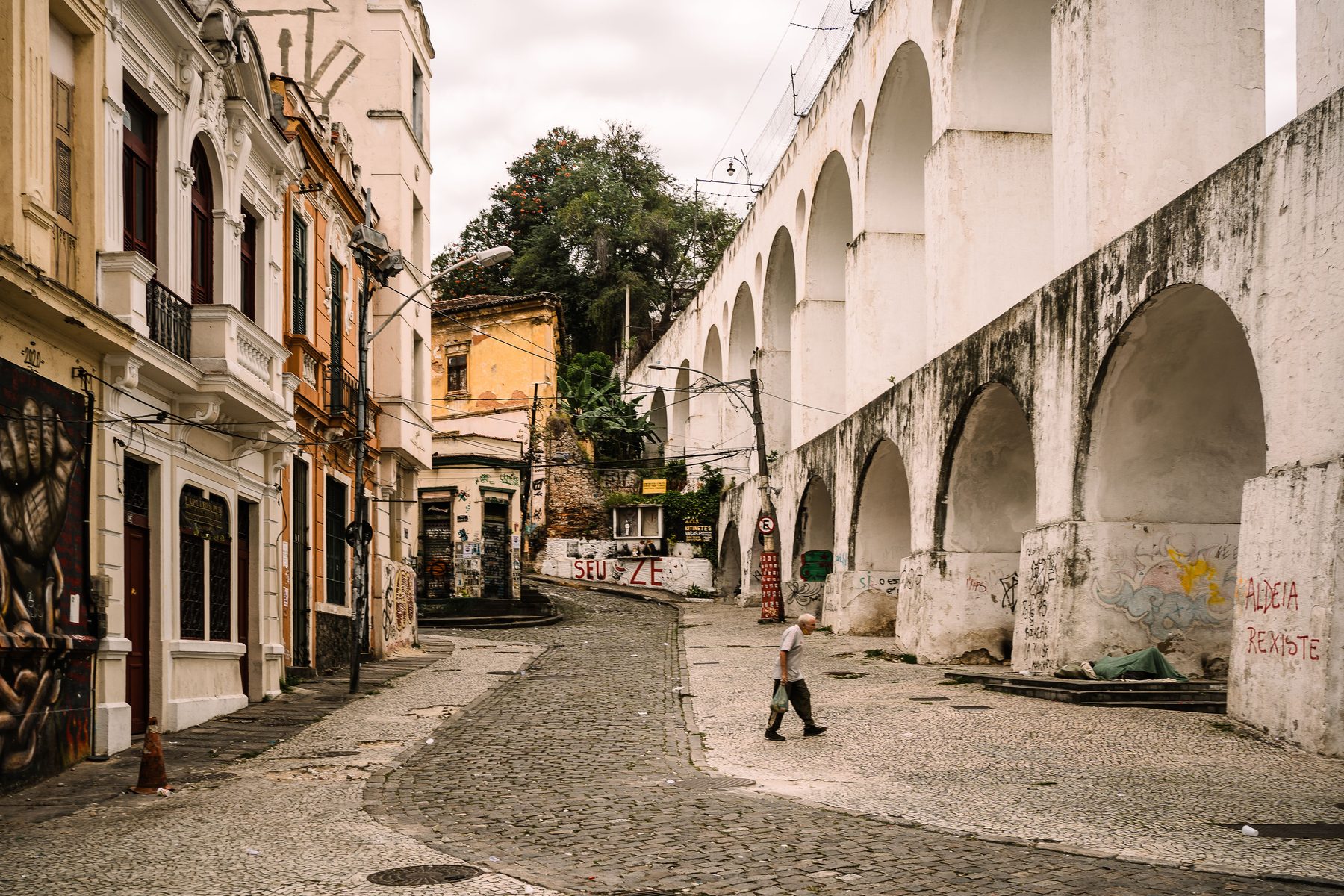
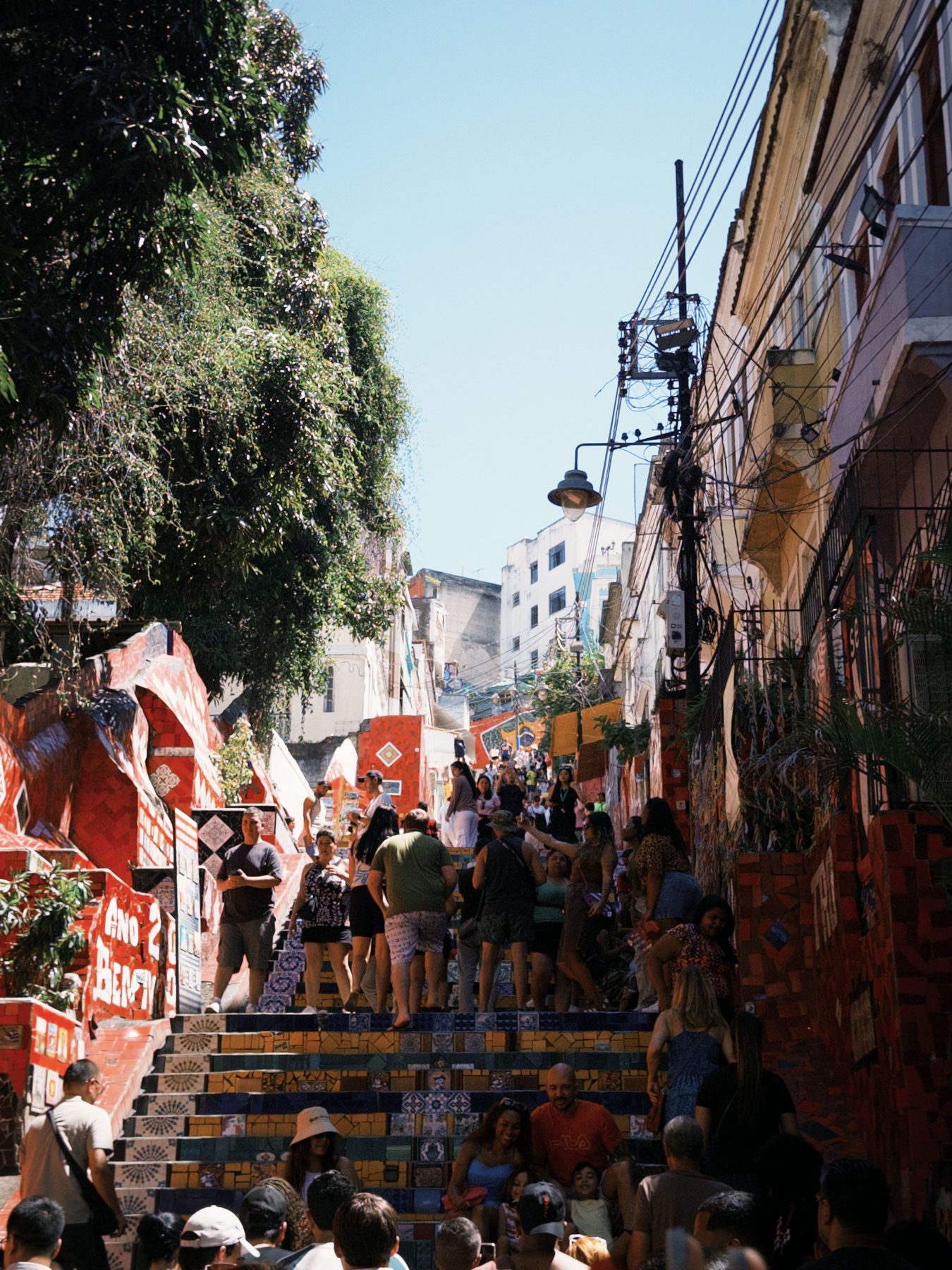
Spend the afternoon up the hill in Santa Teresa, where the tram climbs over the aqueduct arches and the blocos go through the lanes on most days of the week. Walk down to Lapa for dinner: the arches are at the bottom of the hill and the bars around them do not close this week.
The oldest bloco in the city, Cordão da Bola Preta, parades on Carnival Saturday through Centro, and it is the biggest street party of the week. Its colours are black and white with polka dots, worn by everyone in it, and it gathers on Rua Primeiro de Março in the morning before moving along the avenue past the old centre.
Leave your valuables in the room. The Série Ouro's second night, nine more schools, follows at the Sambadrome from ten to nine, if you still have the legs for it.
The city publishes the licensed bloco calendar in January, several hundred of them, with the meeting point and the hour for each. Pick one a day near where you are staying, and never more than two.
The Special Group begins. União de Maricá opens, then Beija-Flor, Paraíso do Tuiuti and Vila Isabel, each with the avenue to itself for about an hour, each judged on its song, its drums, its costumes and its floats. The last school goes on at about half past two and parades until the sky is pale.
Which sector you buy decides which metro station you use, which gate you enter, what you sit on and what you see.
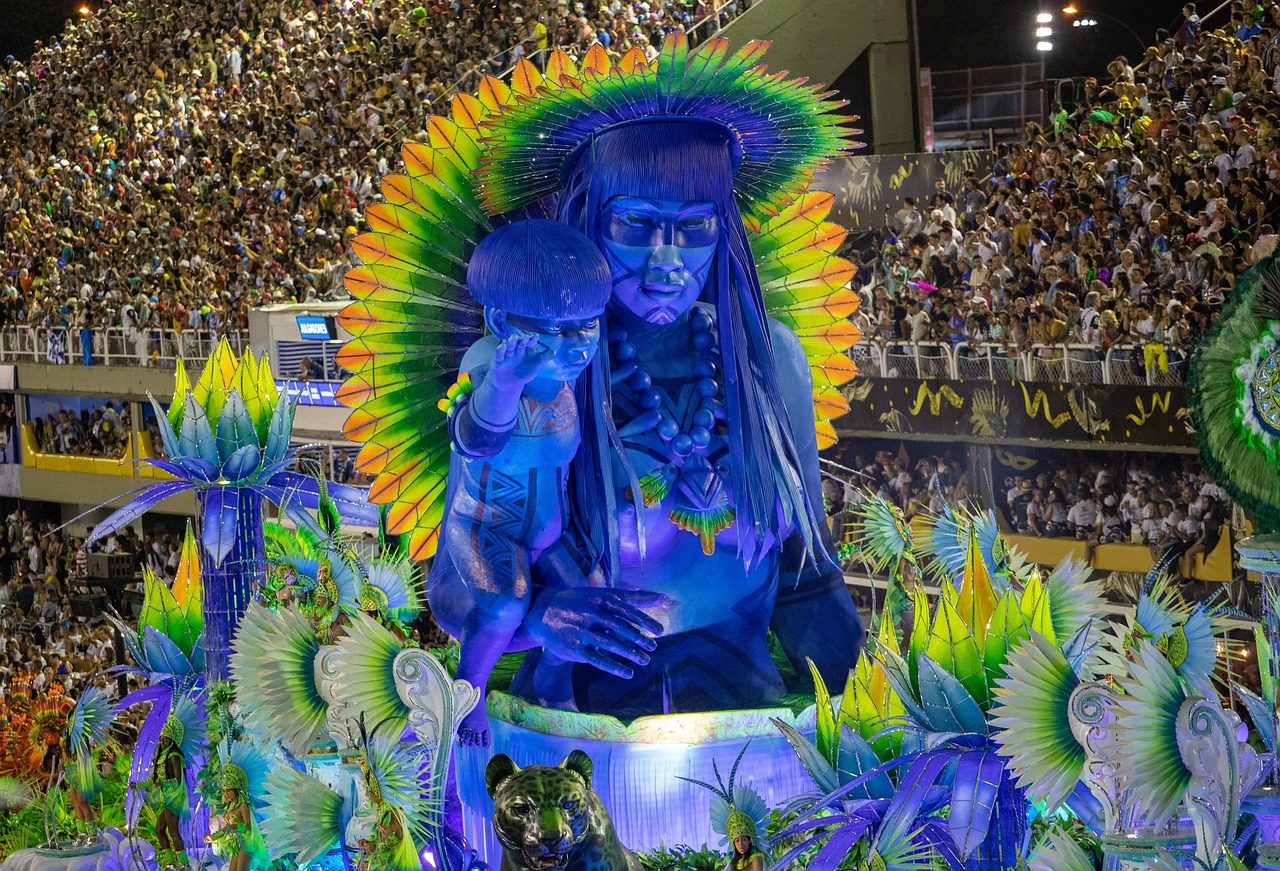
Sector 7 faces the judges’ cabins, so every school gives its best in front of it: the dancers turn to the jury, the floats stop square to it and the drums are at full stretch. Its covered frisas, the boxes at ground level, are the most sought-after places on the avenue, and sector 8 watches the same stretch from across it. These two go first.
The only two sectors where your ticket names a seat, so you can leave for water and come back to it. Sector 12 is in the public sale and sits near the end of the avenue, where the schools finish; sector 9 is kept out of the public sale and sold separately. Your first Sambadrome night, if you would rather know where you will sit than queue for a step.
The general stands of the public sale, sold by sector rather than by seat: open concrete steps, unnumbered, so bring a cushion. The low numbers see the schools in their first tight minutes; 10 and 11 see them loosen as the floats turn for the exit. A full parade night on a budget, on whichever side your hotel’s metro line serves.
Sector 1 is the first stand past where the schools line up and sees every parade begin; sector 13 is the last before the Praça da Apoteose, where they finish and the floats are driven off. Neither is in the 2027 public sale; the official sellers say what is offered there.
Your ticket names your gate: even-numbered sectors enter from the Praça Onze side, odd from Central do Brasil.
Mocidade opens, then Unidos da Tijuca, Salgueiro and Imperatriz Leopoldinense. If you only have one night, any of the three will do: every night has champions in it.
Every school parades the same shape: the opening group of dancers, the flag-bearer and her escort, the wings of costumed sections, the floats, the bateria in its bay, the old guard at the back. Once you have seen one you can read the next, and the judging makes sense.
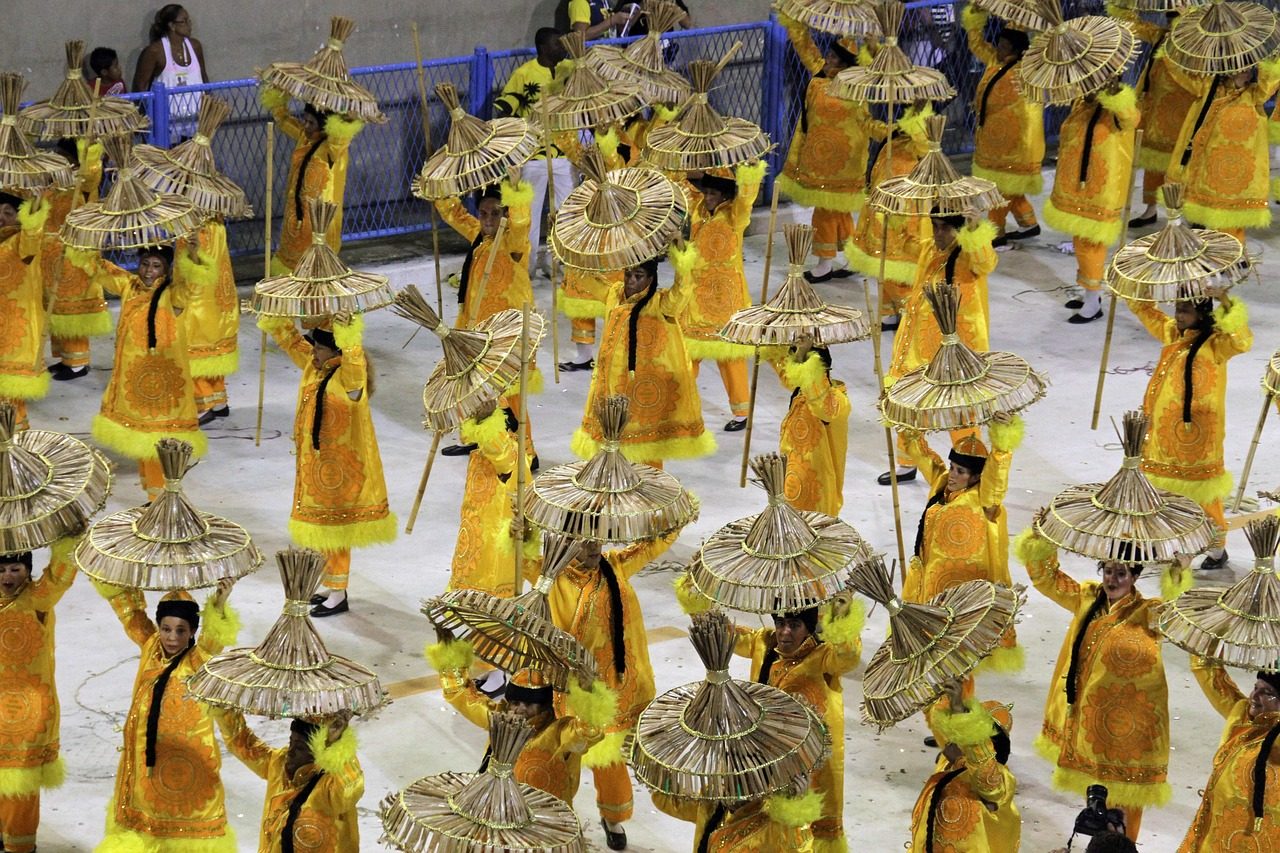
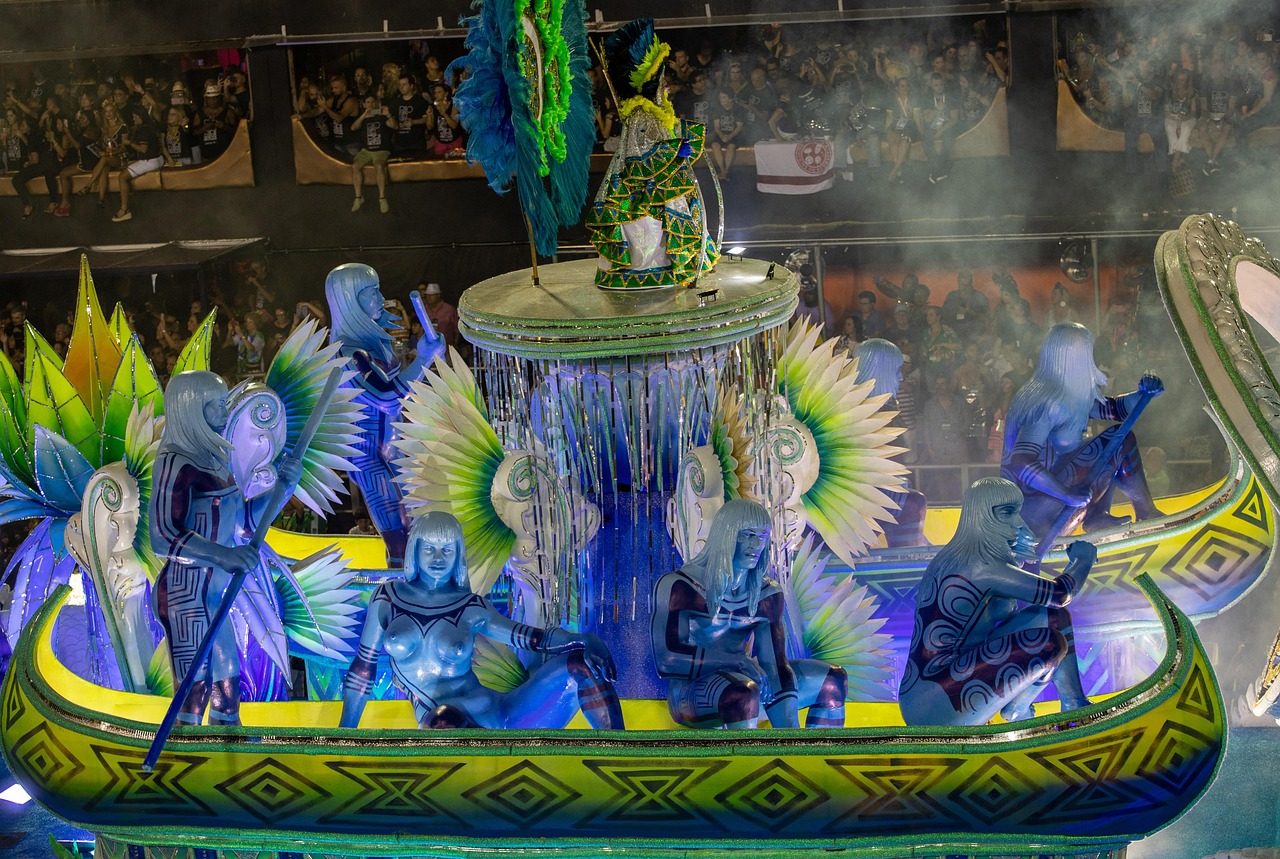
Portela, Viradouro, Grande Rio, and the pink and green of Mangueira last. It is the night most visitors want, so the seats go first; if this is the night you have, buy the day the sale opens.
The judges' scores are sealed when the last float leaves the avenue. The result is read out at the Sambadrome on Wednesday afternoon, one card at a time, and the city listens to it on the beach.
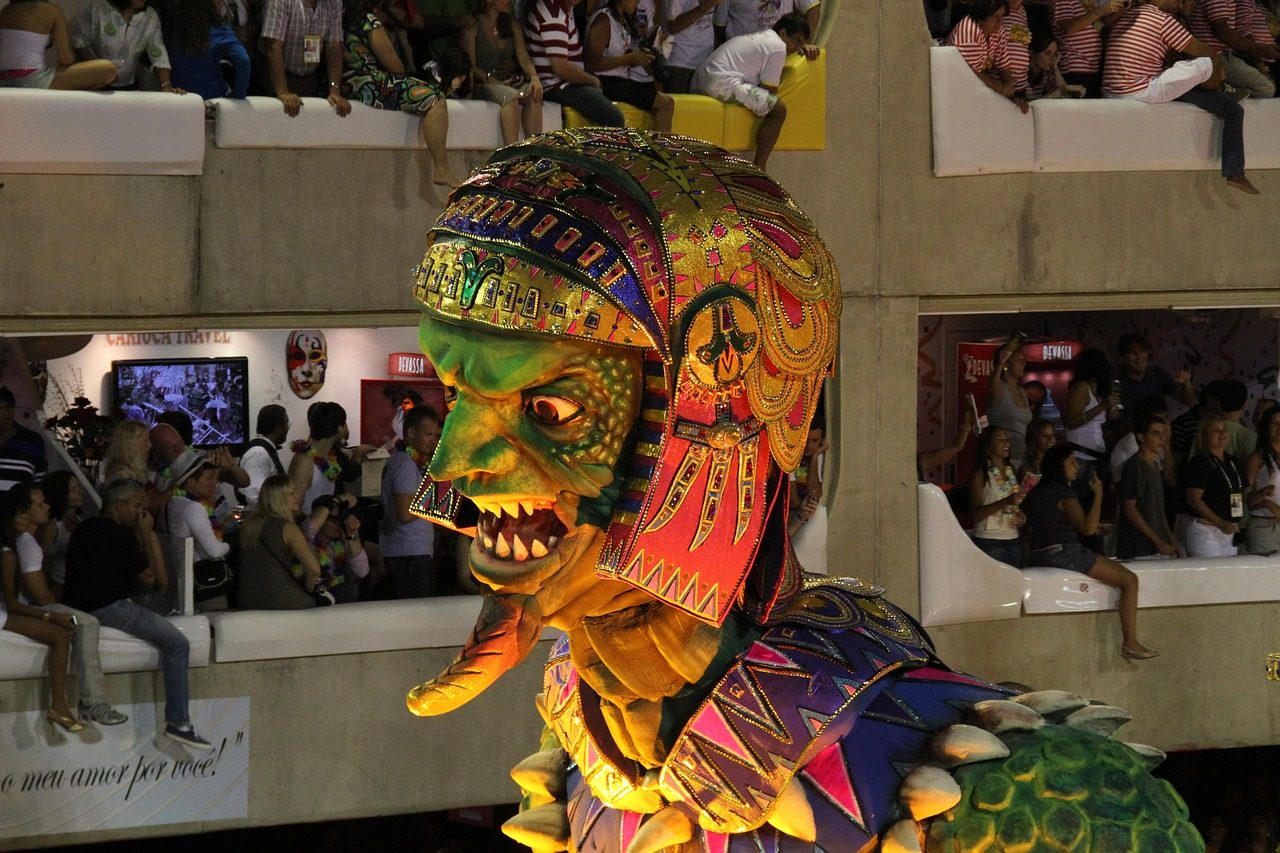
Buy seats from the league's official sale only, stay on the metro line, and carry nothing you would mind losing.
The 2027 public sale covers the special stands in sectors 2 to 11, except sector 9, and the numbered seats of sector 12, with a limit per buyer, and the champions' Saturday is sold in the same sale. Your ticket names the gate: even-numbered sectors enter from the Praça Onze side, odd from Central do Brasil.
February is the hottest month of the year and a bloco is hours on your feet in a packed crowd, so drink water all day and wear shoes you can walk and dance in. Pickpockets work the blocos: a phone, a little cash and nothing else, and a hand on them.
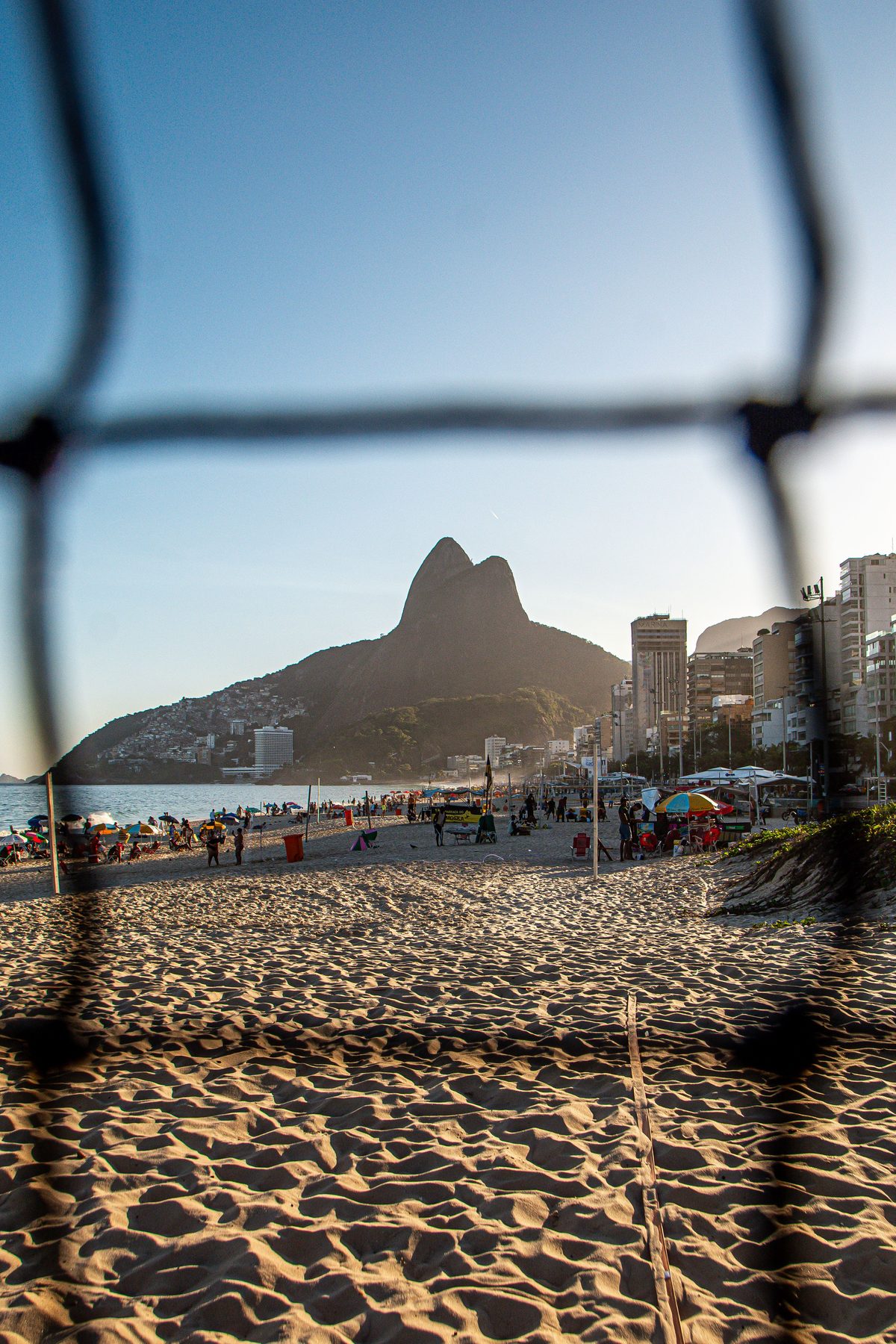
Carnival ends at noon on Ash Wednesday and the city sleeps late. This is the day for Ipanema: swim, eat on the sand, and follow the scores being read out from the Sambadrome, one judge's card at a time, until a school is champion.
The verdict decides your Saturday. The six best-placed schools come back for one more night, so if you are staying the week, this is the afternoon to buy for it.
The six best schools of the week return to the Sambadrome for a night with nothing to lose: the same parades, the judging over, the crowd singing the winning song from the first bar. The seats are sold in the same official sale as the competition nights.
If you could not get a Special Group seat, this is the night to try. It is the easiest of the Sambadrome nights to buy and the only one where every school on the avenue has already won something.
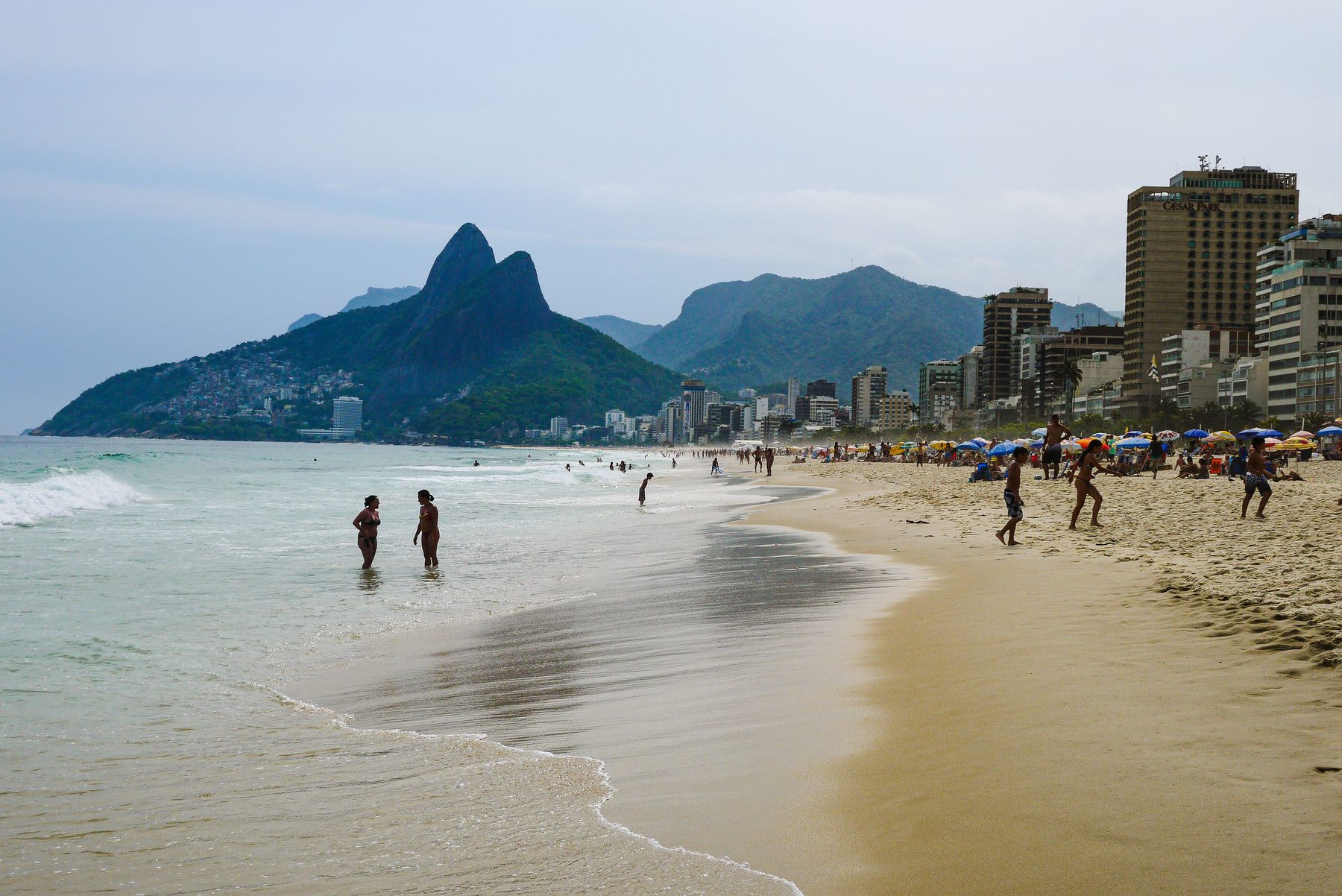
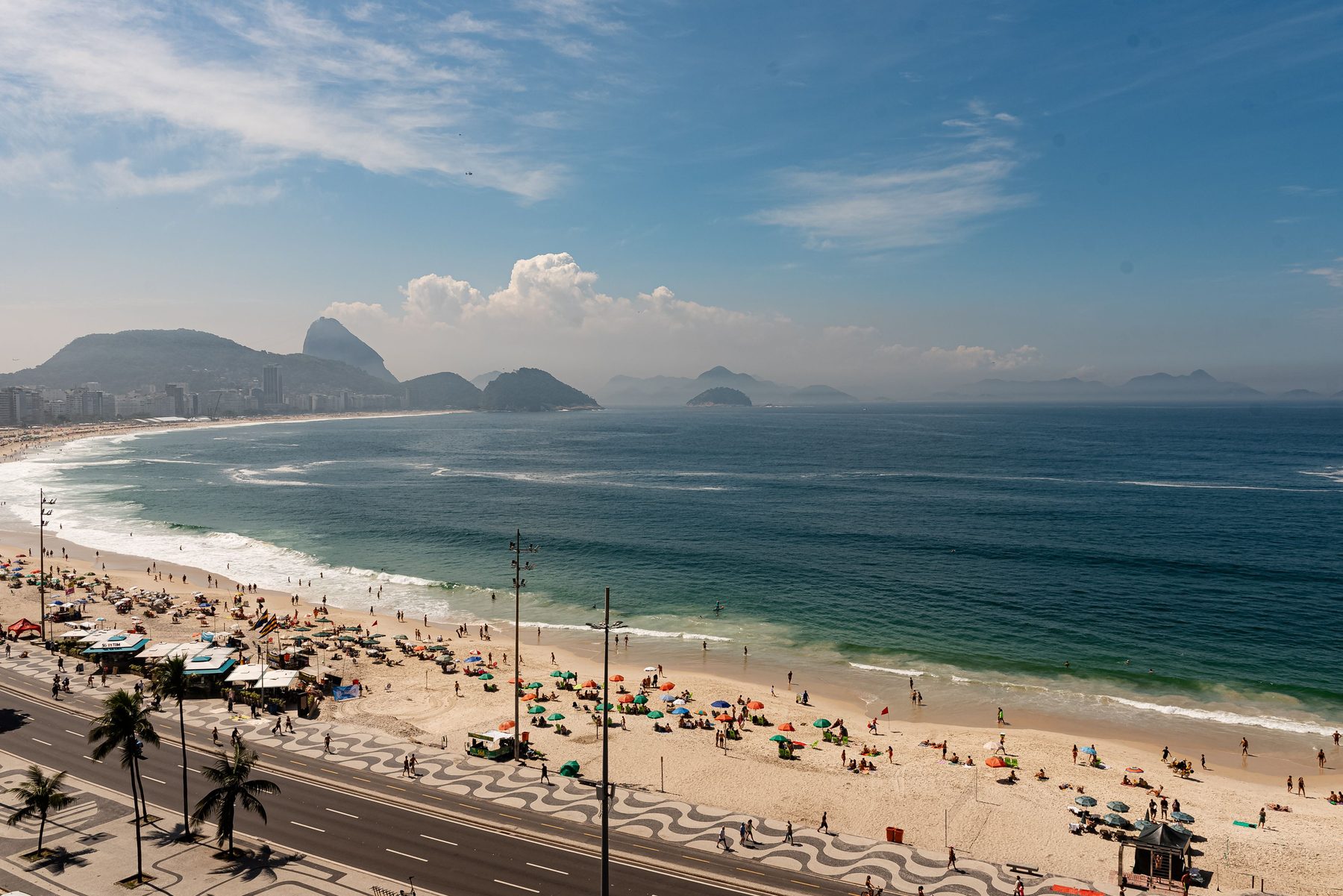
The beach the city sleeps on this week, with the posts to meet at and the sunset from the rocks at Arpoador. Its own page.
Open the beach page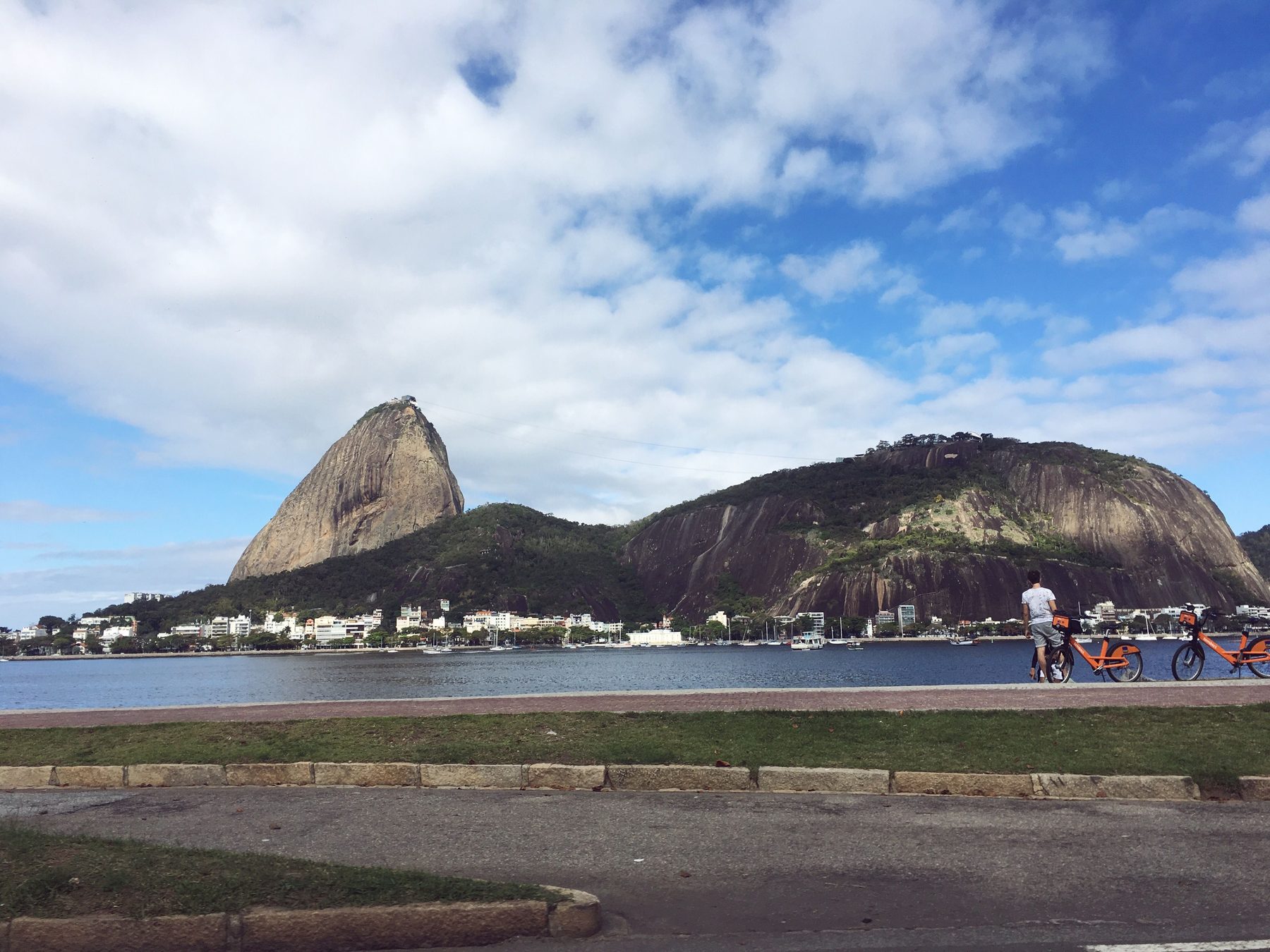
Flamengo, Catete and Botafogo are on the metro and close to the Sambadrome. Wherever you book, stay near a station: the parades finish around dawn. Our pick is the Copacabana Palace, a short walk from Cardeal Arcoverde station on Line 1.
Open the city guideThe city between the nights.

The official pages this guide was checked against.
Last updated