Things to do
19-
Christ the Redeemer
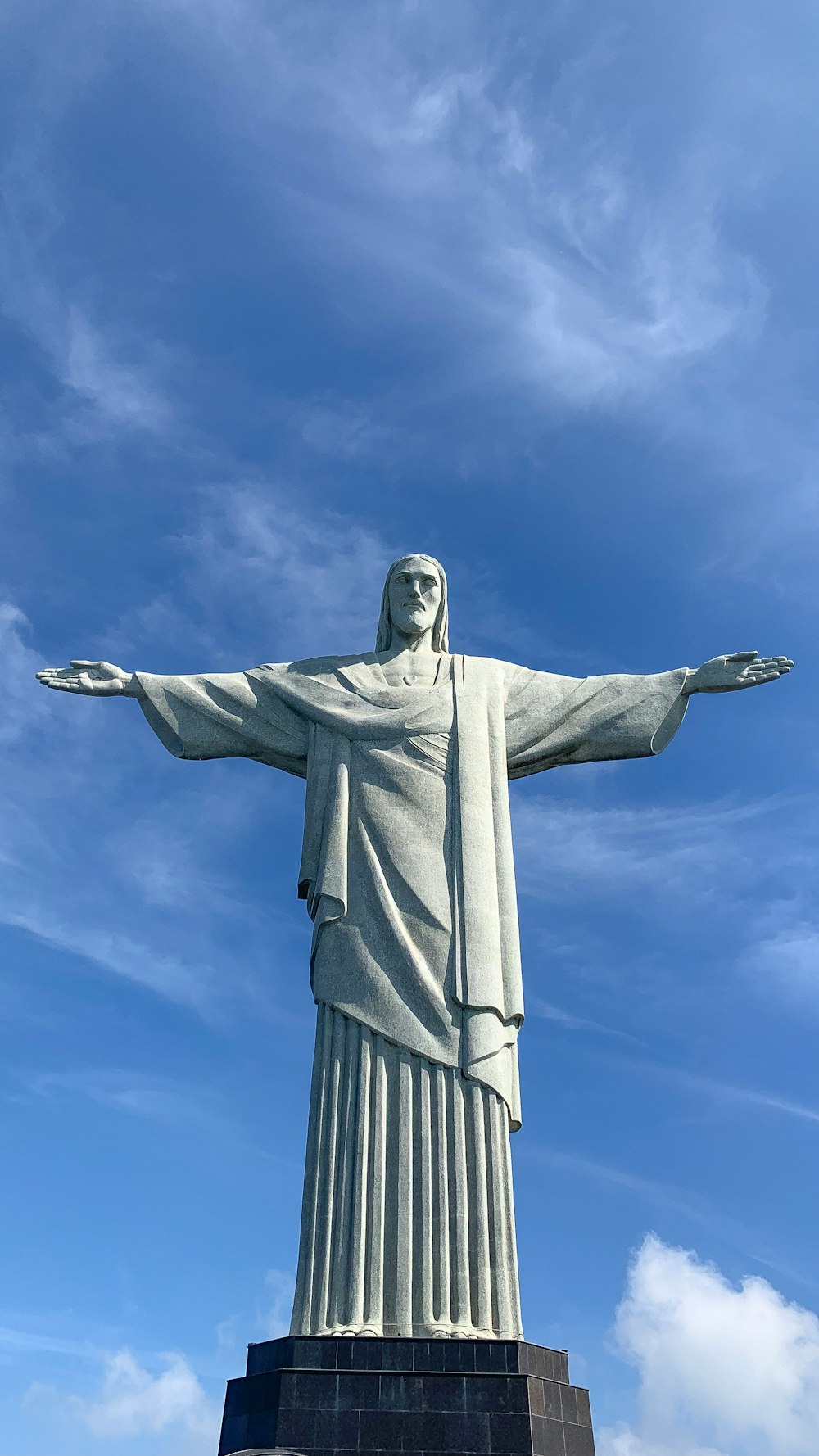
Book the timed van or train ticket the night before and go at opening, or the morning disappears in queues.
-
Sugarloaf Mountain
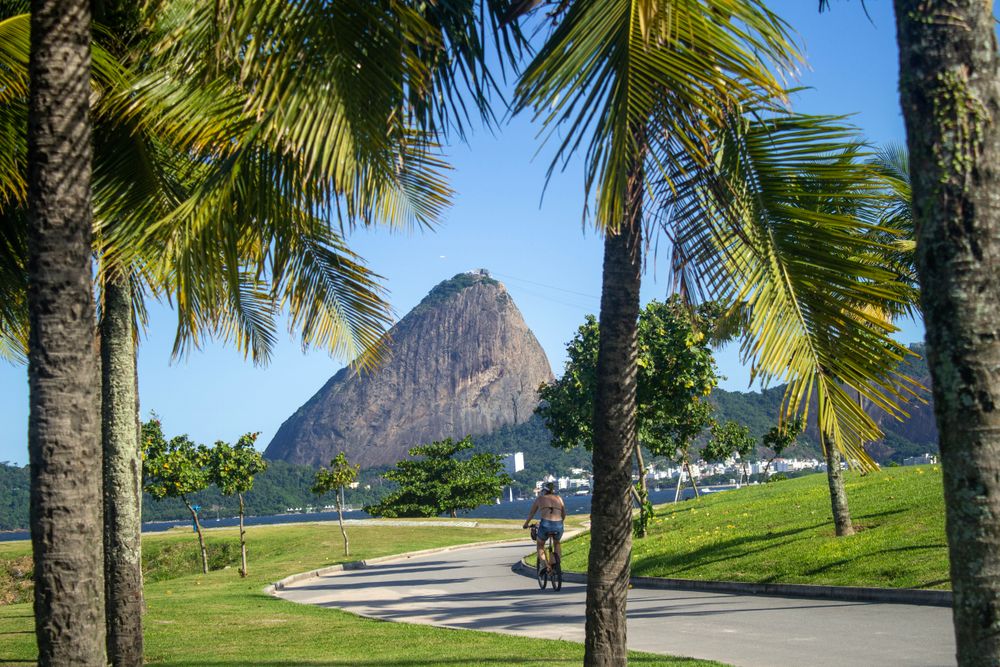
About two hours including both cable car stages; skip it if Corcovado already ate the morning.
-
Jardim Botânico do
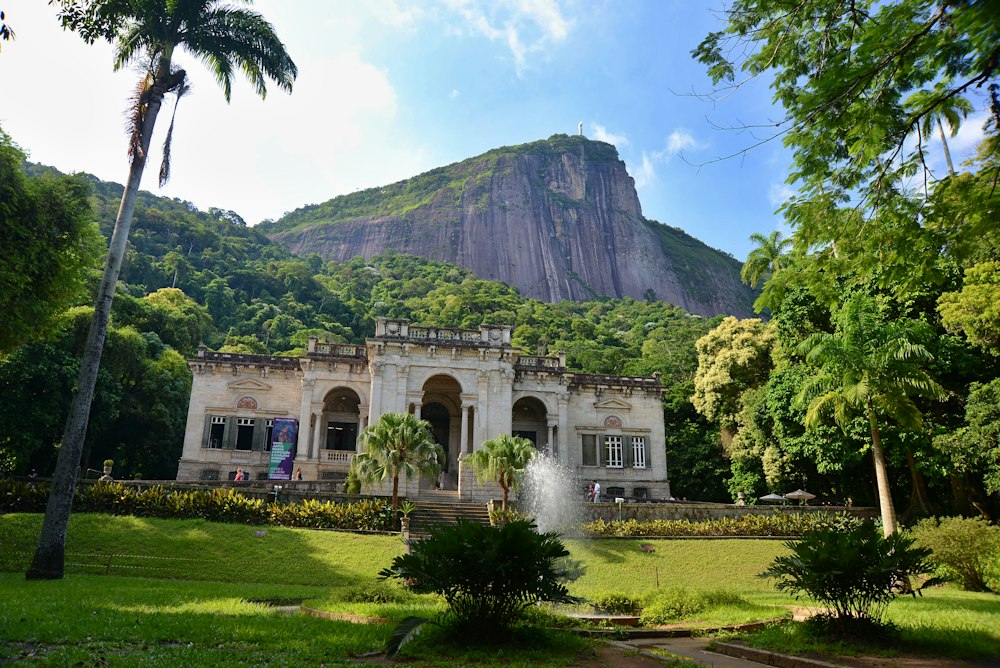
Founded in 1808 by João VI to acclimatise spice plants brought from the Indies, and now a research garden of some 6,500 species. The avenue of royal palms, the orchid house and the Amazon section are what justify the walk. Marmosets and toucans work the canopy early in the day.
-
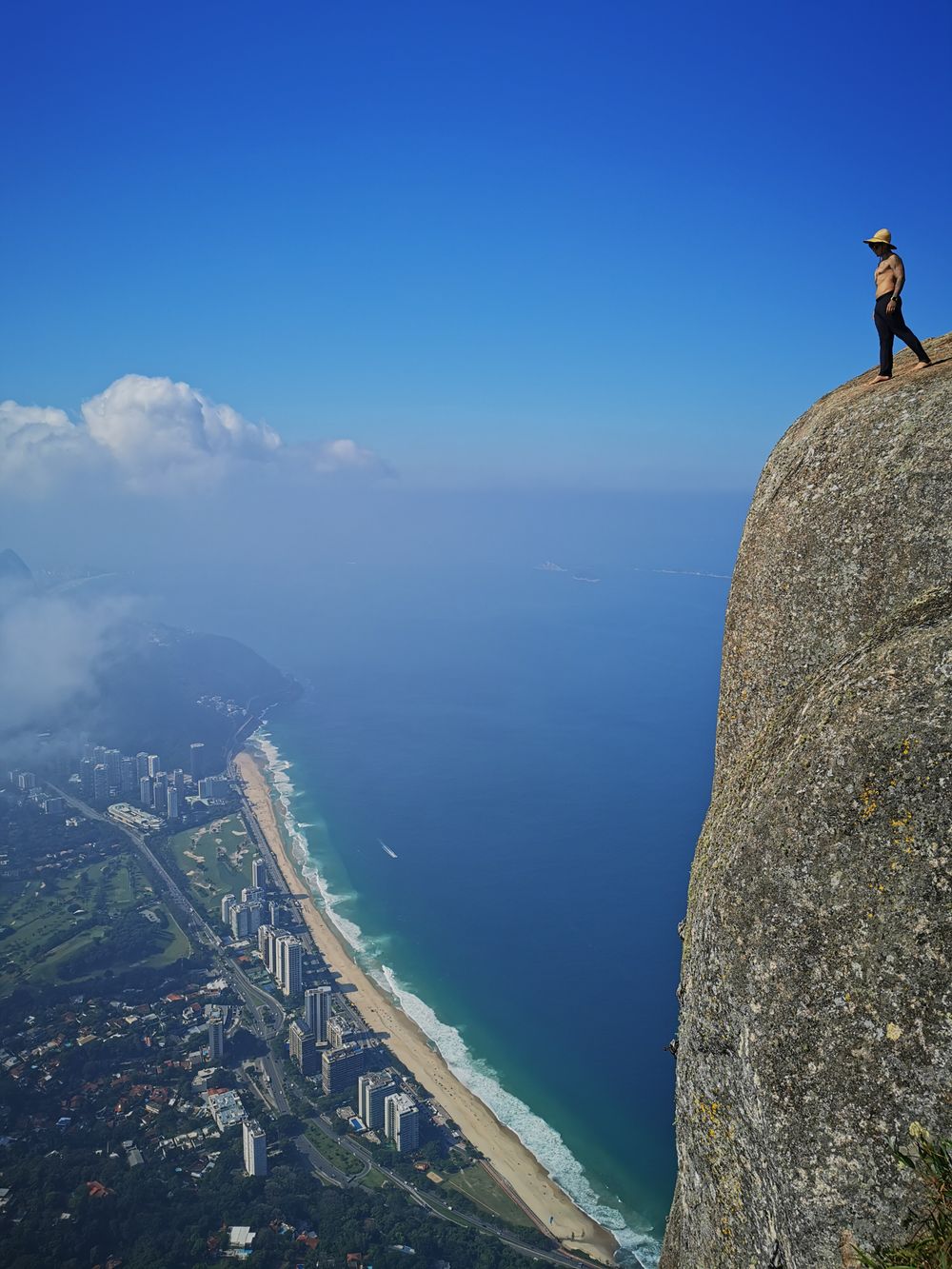
Pedra da Gávea
At 842 metres this is one of the highest mountains in the world to end directly at the sea, and the hardest walk in the city. Trails cut by farmers in 1830 climb through forest to the Carrasqueira, a slab most walkers take roped and guided.
-
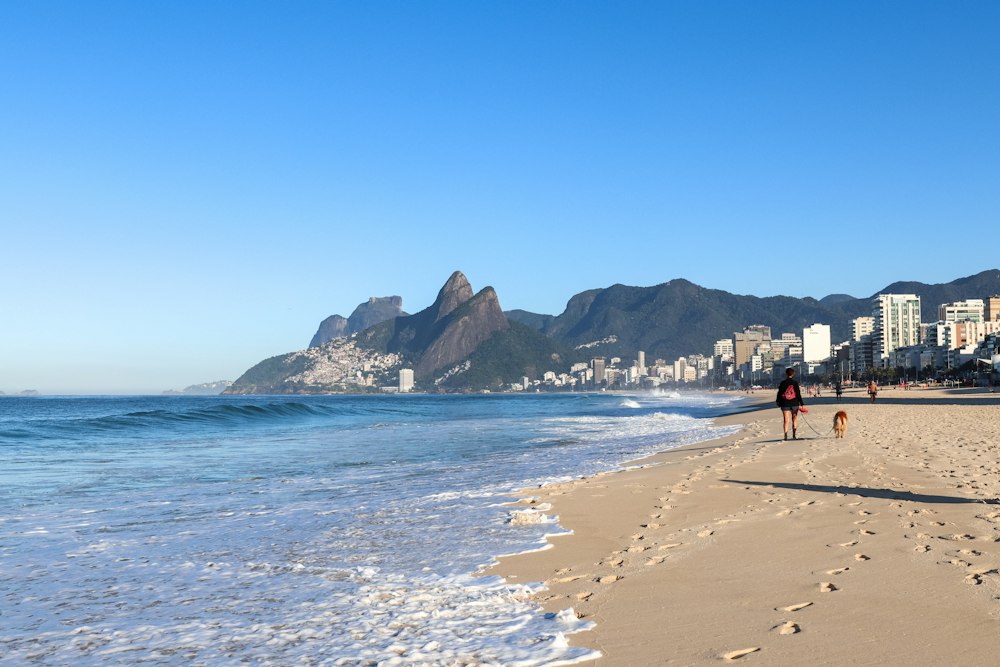
Praia de Ipanema
Very little has to come with you to Ipanema: you can spend a whole afternoon on the sand while sellers walk the beach and bring food and drink to where you sit.
View more → -
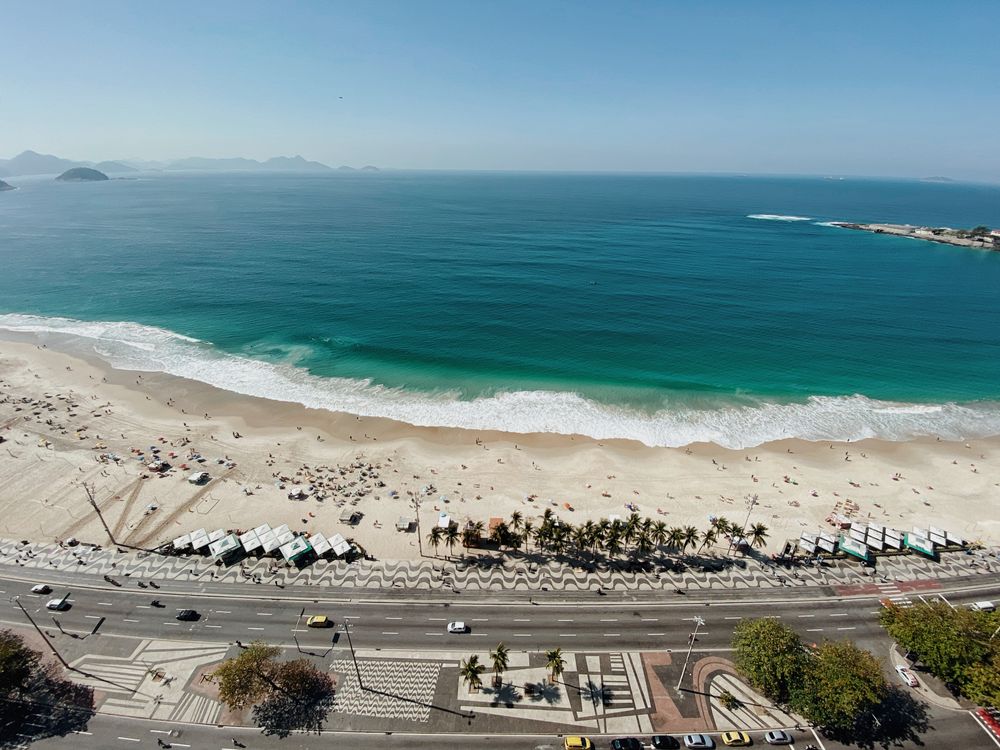
Copacabana Beach
An easy 30-minute leg-stretch and coffee on the way out of the city, with paid parking along Avenida Atlantica.
-
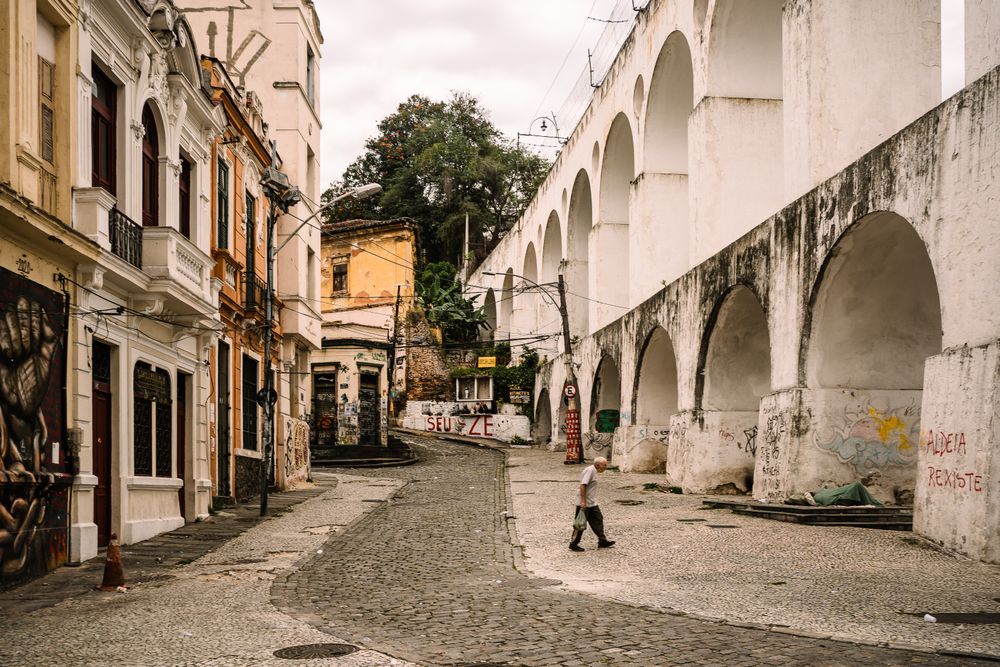
Arcos da Lapa
The white arches of the old Carioca Aqueduct stand in Lapa, in the centre of the city, and take a few minutes to see. Pair them with the Lavradio antiques market, a short walk away in the same district, or with an afternoon in Santa Teresa on the hill above.
-
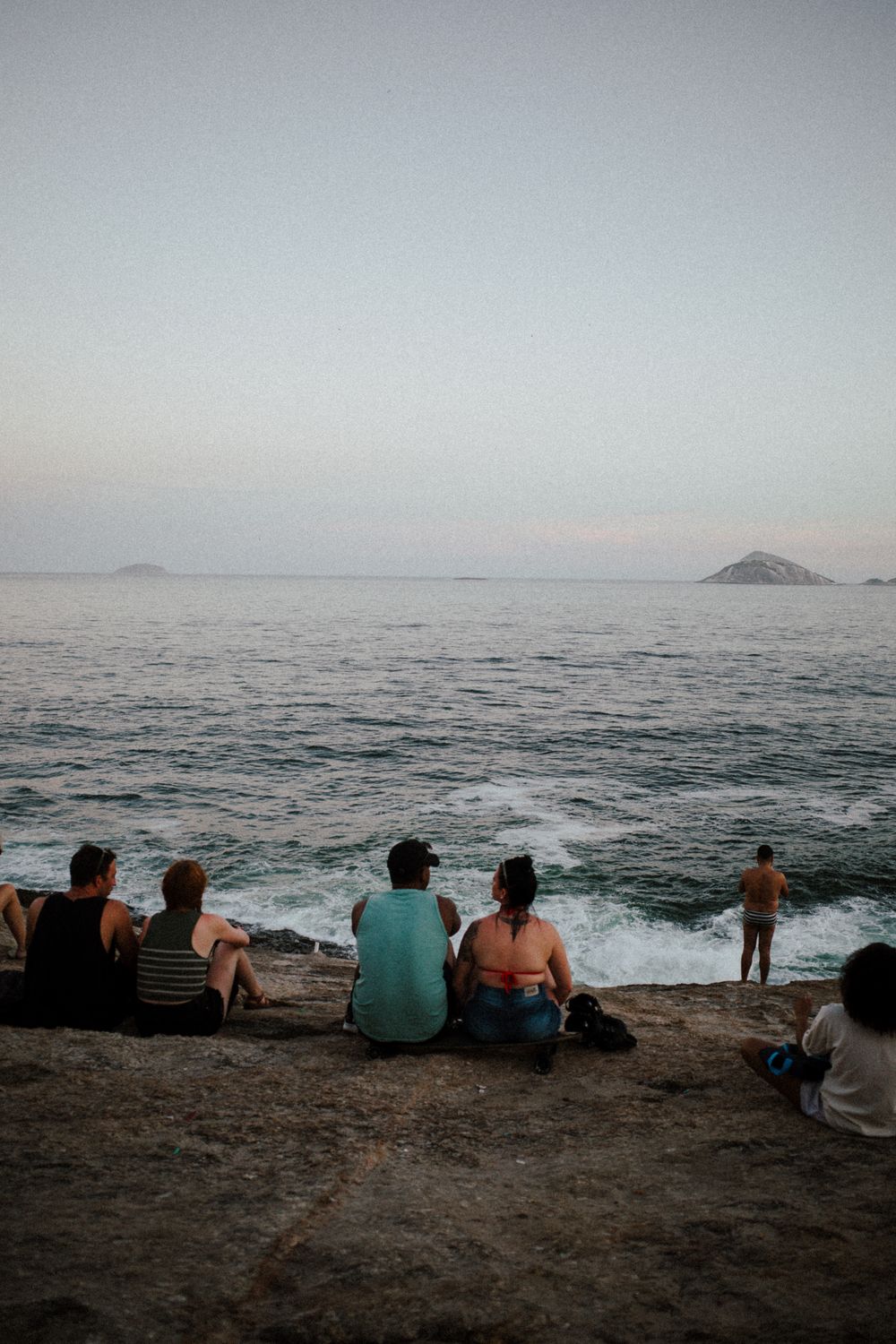
Arpoador
Come at sunset to Arpoador, the rock point at the far end of Ipanema beach. Arrive with time to climb onto the rock before the light starts to go. General Osório, the Ipanema metro station, is the nearest stop, and an app car is the easier way back after dark.
-
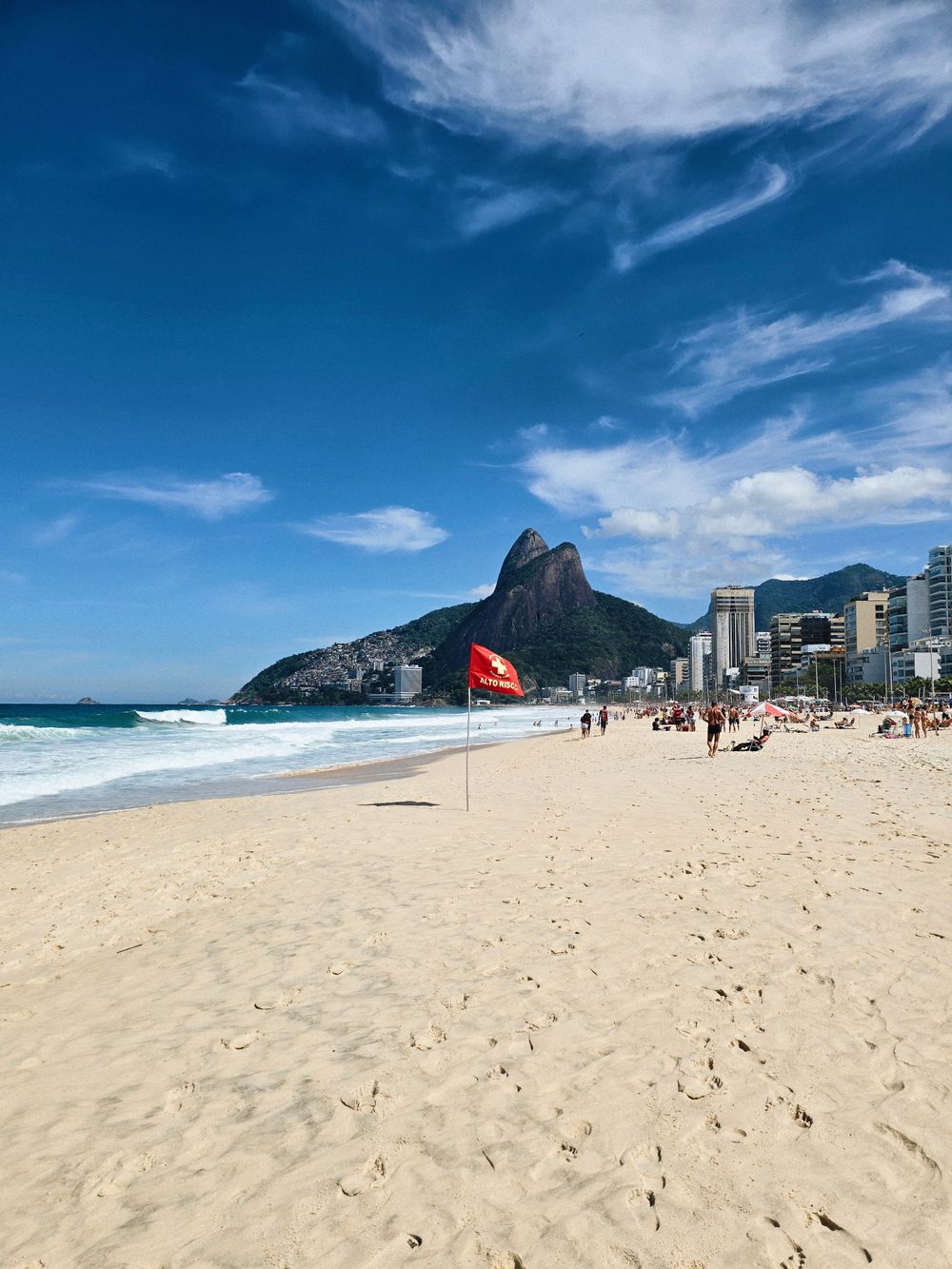
Leblon Beach
For a quieter beach day than Ipanema, take a towel to Leblon, the next beach along the southern shore. Like Ipanema and Copacabana, it faces the open ocean. Bring small notes for the vendors on the sand, and keep phones out of sight between uses.
-
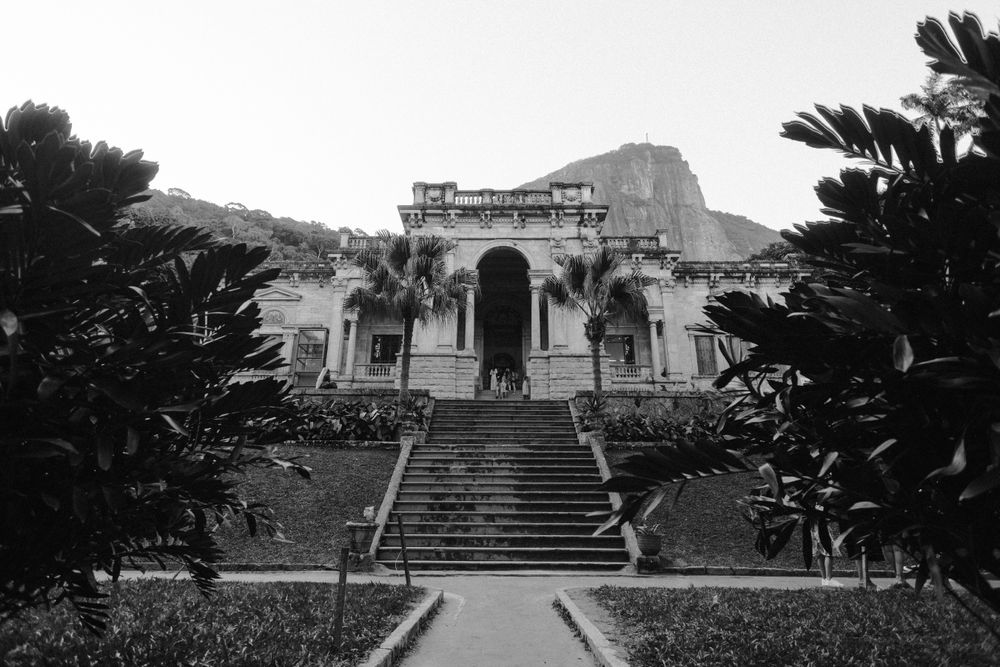
Parque das Ruínas
Stop at this small park on a walk through Santa Teresa, on the hill above Lapa, for its view over Guanabara Bay. The Chácara do Céu art museum is in the same neighbourhood, so the two fit into one afternoon. Take an app car up, because no metro station serves the hill.
-
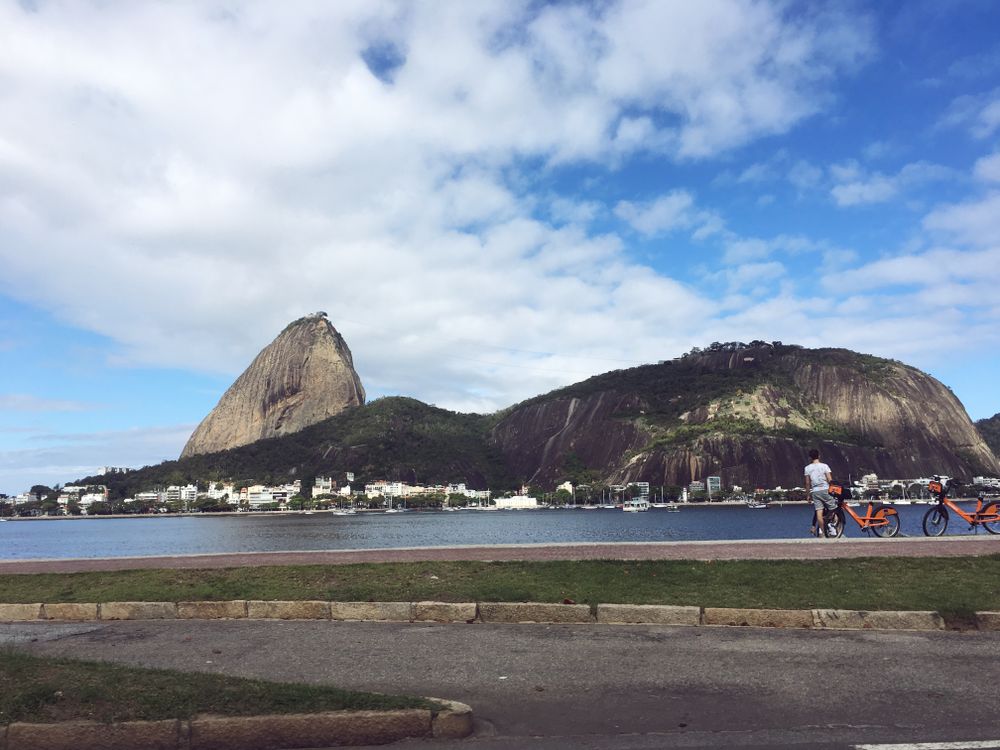
Parque do Flamengo
This waterfront park runs beside Guanabara Bay through Flamengo and Glória, close to the city centre. Come in the morning for a walk along the water. Save the swim for the ocean beaches further south, because this is the same bay water that makes Botafogo unsuitable.
-
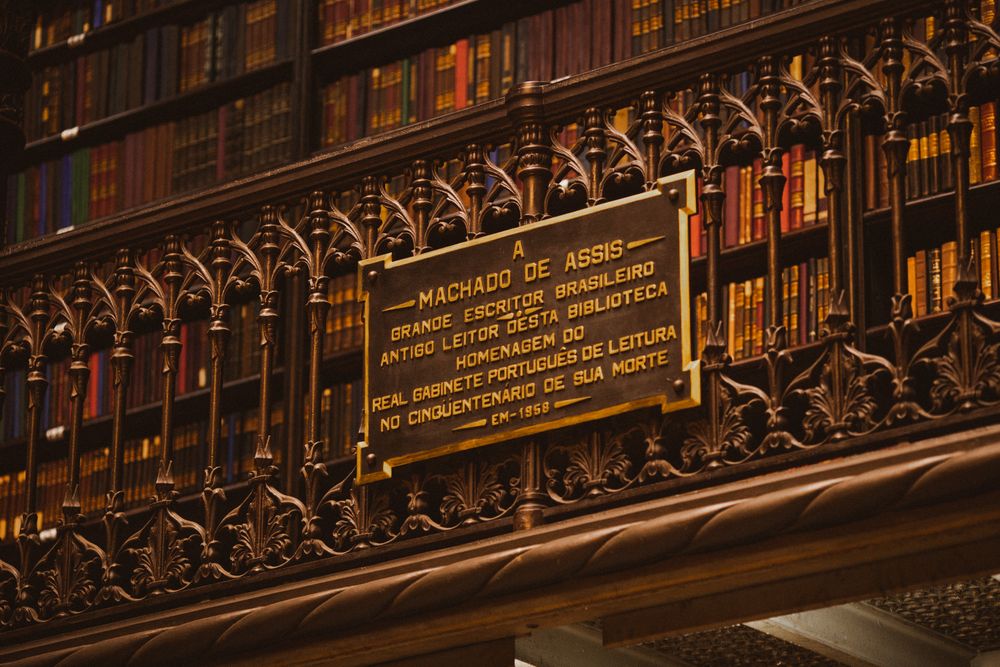
Real Gabinete Português de Leitura
A neo-Manueline reading room opened in 1887, its galleries rising three storeys in carved wood around a skylit nave, holding the largest collection of Portuguese works outside Portugal. Entry is free and it is still a working library, which is why the hours are short and the room is quiet.
-
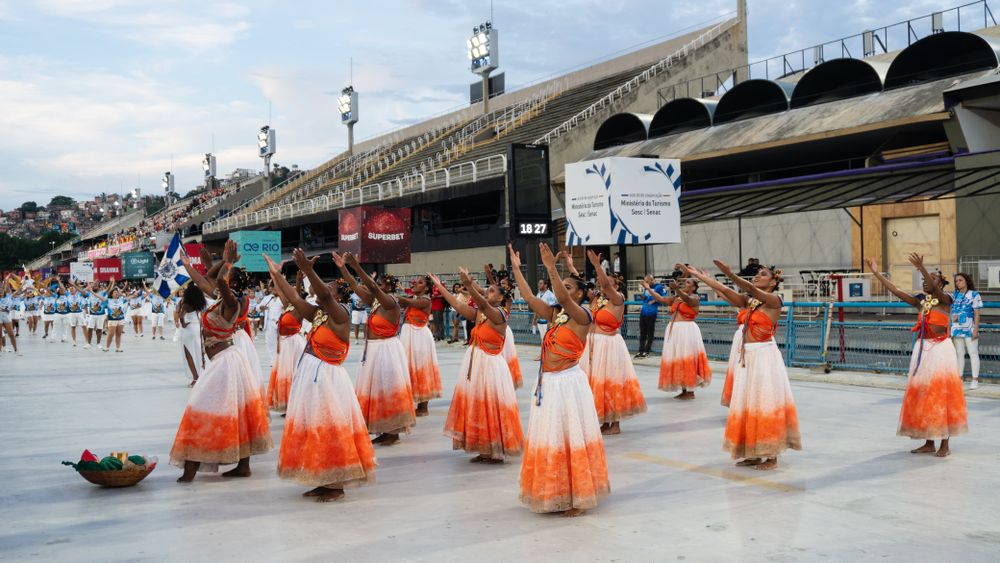
Rio Carnival
Book seats for a Special Group night, when the top schools parade until dawn. The street blocos the next morning need nothing but good shoes.
View more → -
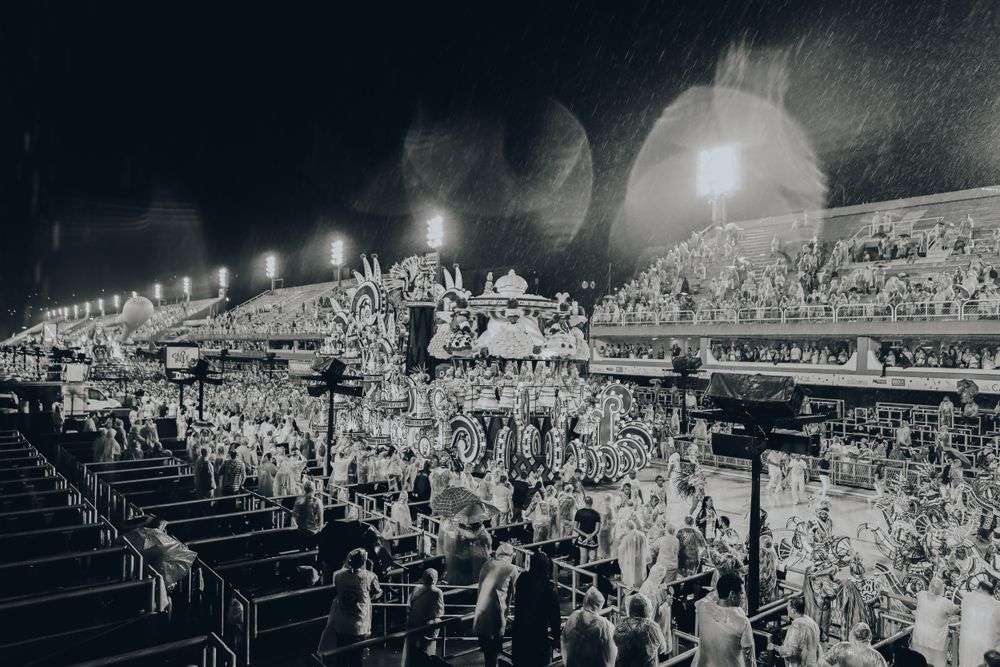
Sambadrome
Parades here start at nine at night and run until about six the next morning, and the top samba schools of the Special Group take the Sunday and Monday of Carnival. Book a seat in the chosen sector well before the trip. Roads close all around the stadium and there are no taxi stands, so come by metro and walk the last stretch.
-
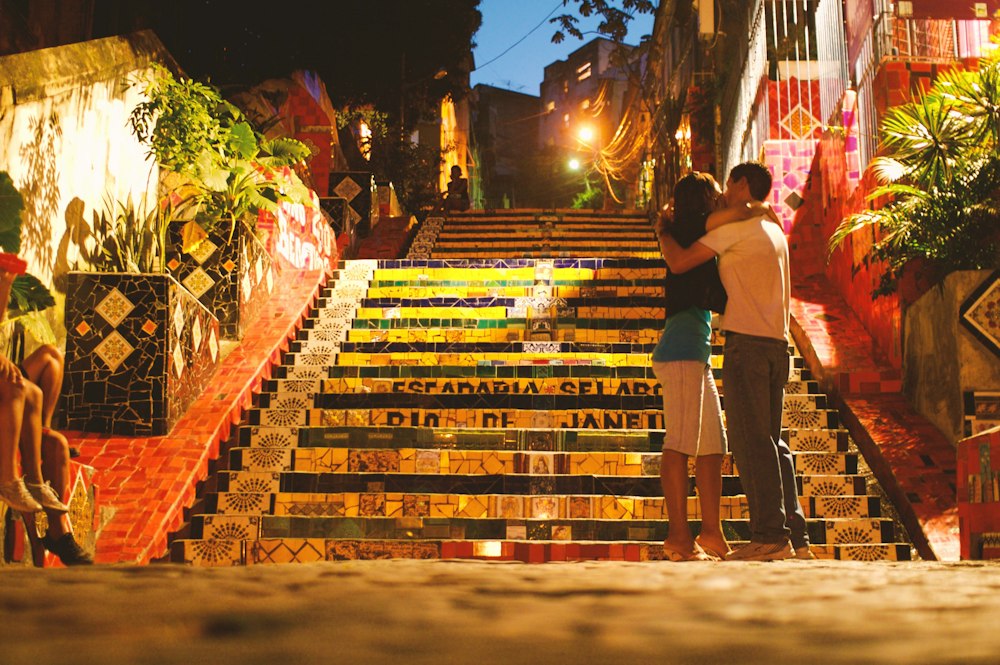
Selarón Steps
Chilean artist Jorge Selarón tiled these 215 steps between Lapa and Santa Teresa over two decades, working with fragments sent from dozens of countries and repainting the reds as they faded. The stairway takes minutes to climb and sits on a busy corner. Daylight hours are the sensible window, and the surrounding streets warrant the usual care with a camera.
-
Copacabana Palace
The white Art Deco block of 1923 that made Copacabana fashionable, built for the transatlantic trade and still the address on the beachfront. The pool terrace and the marble lobby are the parts guests come back for, and the beach is straight across the Avenida Atlântica.
-
Hotel Fasano
Philippe Starck designed this Ipanema hotel on Avenida Vieira Souto, where the rooftop pool frames the Dois Irmãos peaks and a beach service runs down to the sand. The sea facing rooms and their balconies are the reason to book.
-
Parque Nacional da Tijuca
Replanted by hand from the 1860s after coffee clearing stripped the hillsides, this urban forest now covers much of the range behind Rio and shelters howler monkeys, toucans and waterfalls inside the city limits. Trails run to the Pico da Tijuca summit and the Vista Chinesa lookout. Rain turns the granite slabs slick, and the gates close in the late afternoon.
-
Praia Vermelha
A short crescent of coarse red sand held between Pão de Açúcar and Morro da Urca, sheltered enough to stay flat when the rest of the coast is breaking. The Pista Cláudio Coutinho trail runs along the water from its far end.