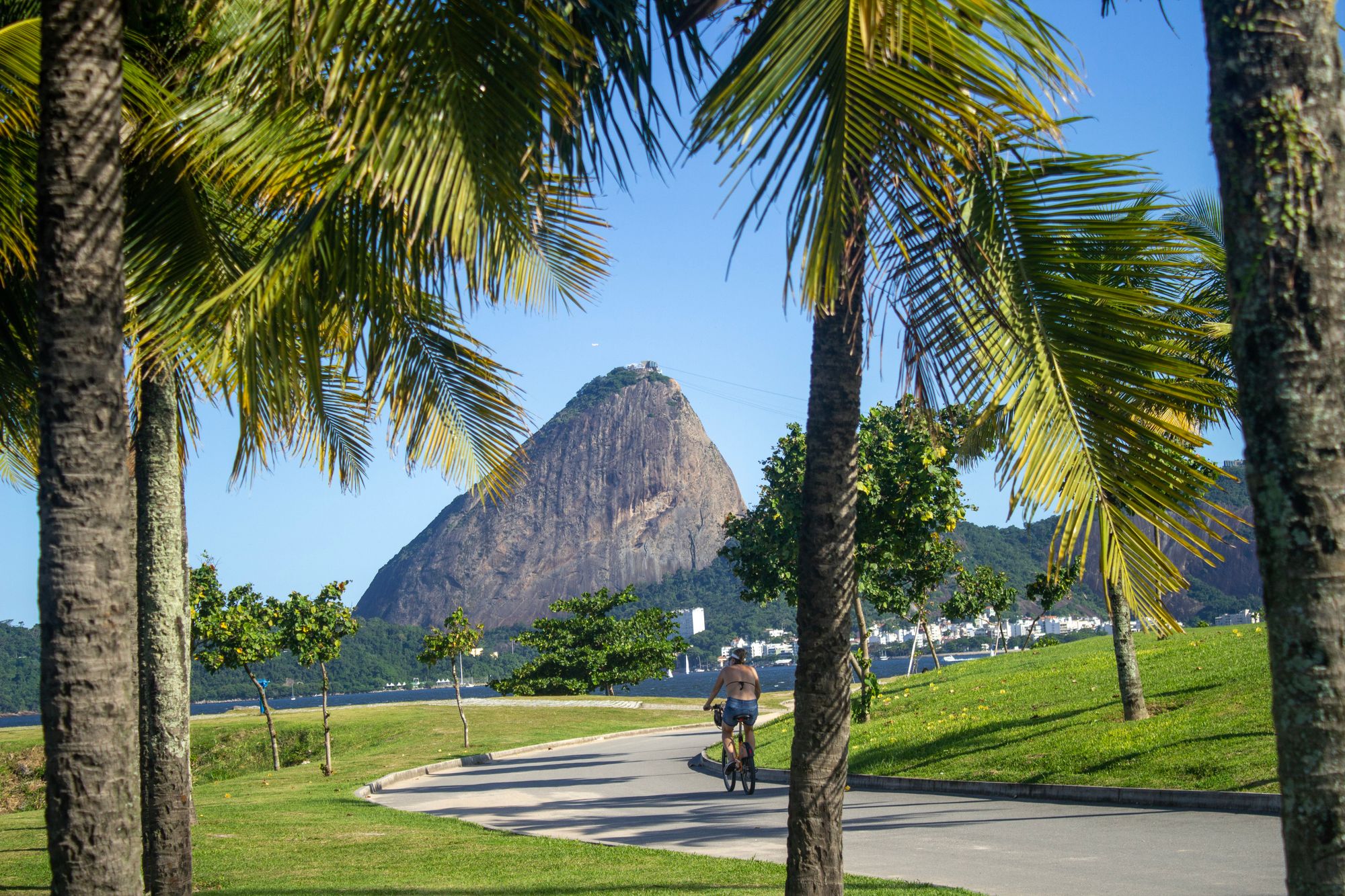
Ninety seconds on Sugarloaf Mountain
Two short cable car rides lift you onto the peak at the mouth of Guanabara Bay. From the top you look along Rio's shore, its beaches laid out one after another below you.
The peak rises straight from the water at the entrance to the bay, one of several monolithic mountains that ring Rio. Its name comes from the conical clay moulds that held blocks of sugar for shipping, a shape the Portuguese saw in it in the 16th century.
The cable car is the other half of the sight. The line opened in 1912, and it is one of the oldest passenger cable cars still running. Today's glass-walled cars are Swiss-made bubbles with a view all the way round.
From the summit, Christ the Redeemer stands on its own hill across the city. Watch the trees along the paths and near the viewing platforms for common marmosets, small monkeys that are often seen there.
Both peaks are a protected natural monument. On Morro da Urca the park keeps hives of native stingless bees, which help the Atlantic Forest that covers the hills.
Praia Vermelha station, in Urca, is where every visit starts. The first car lifts you to Morro da Urca, the lower of the two hills, and your ticket covers each stage up and back once. A forest trail also climbs to Morro da Urca in about 30 minutes, at a light to moderate pace.
Change cars at Morro da Urca for the second stage to the summit. At this second stop, the Bosque das Artes shows Carlos Vergara's Projeto Maravilha among the trees; check its hours on the day.
The park has restaurants serving Brazilian food and shops under cover, so a shower does not end the day.
The park sells its own guided visit on its website, with a bilingual guide, fast access to the queues and the air-conditioned lounge at Praia Vermelha before boarding. It suits you if you want the story of the cable car and the forest told as you go.
Booked 24 hours or more ahead, it can be cancelled or moved as often as you like, depending on availability. Walk past anyone outside offering tours.
Queues peak at sunset, worst on the way back down at weekends and on Brazilian public holidays. Go up on a weekday, and reach the summit well before the light goes.
Leave glass, drones, tripods, beach chairs, cool boxes and any bag over 25 x 35 x 55 cm behind. Bring only sealed food, and nothing is eaten or drunk in the cars.
Explore the rest of Rio de Janeiro
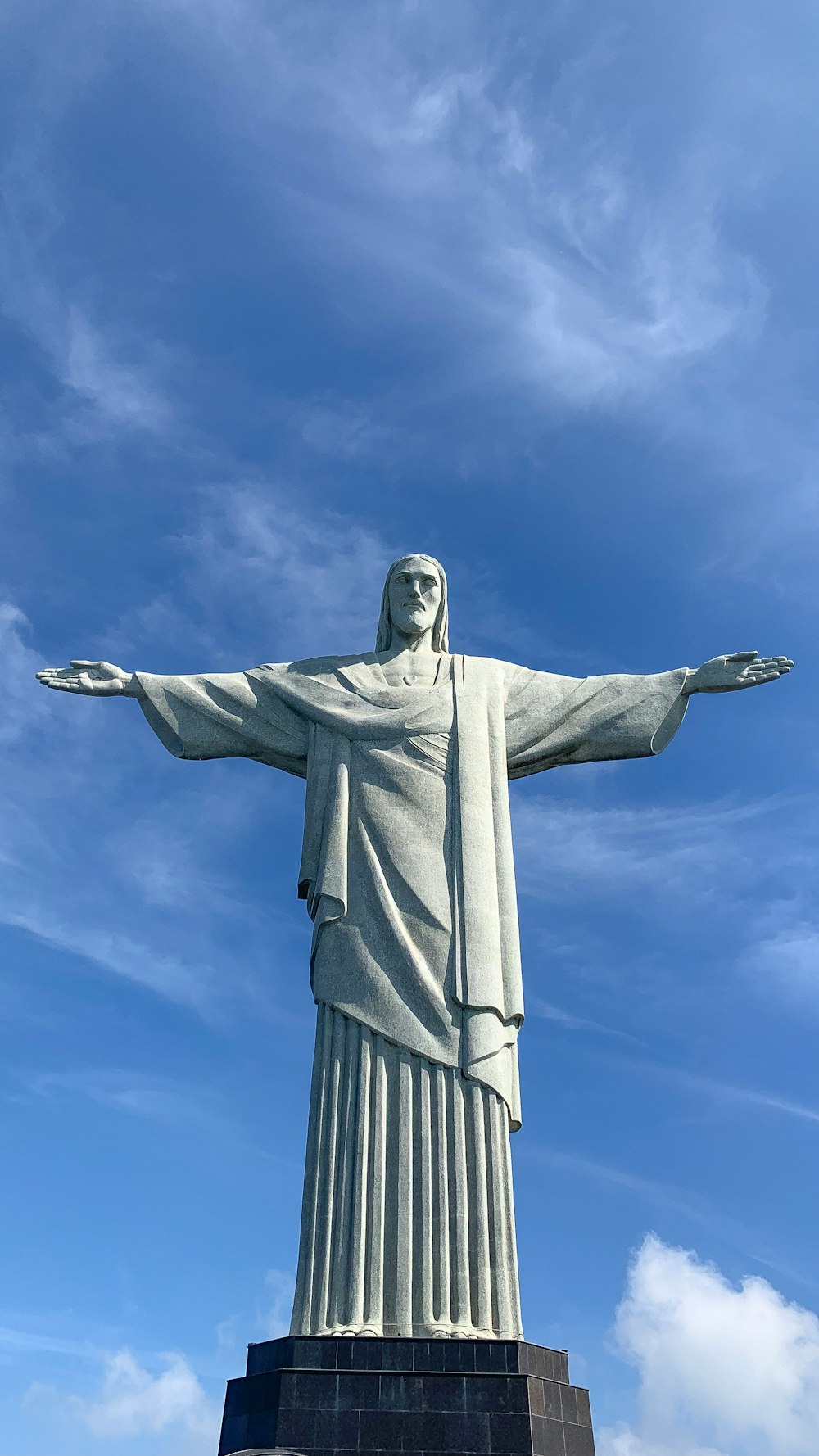
A 38-metre statue of Christ with arms outstretched stands on the 704-metre rock summit of Corcovado, in Tijuca National Park. A train from…
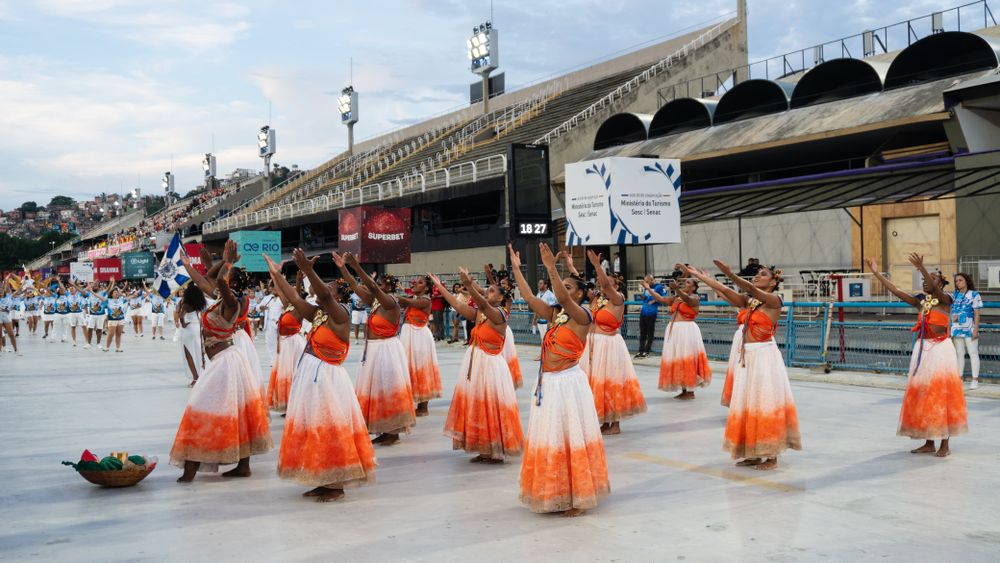
For the five days before Ash Wednesday the city stops working and starts dancing. The big samba schools parade through the night on the…
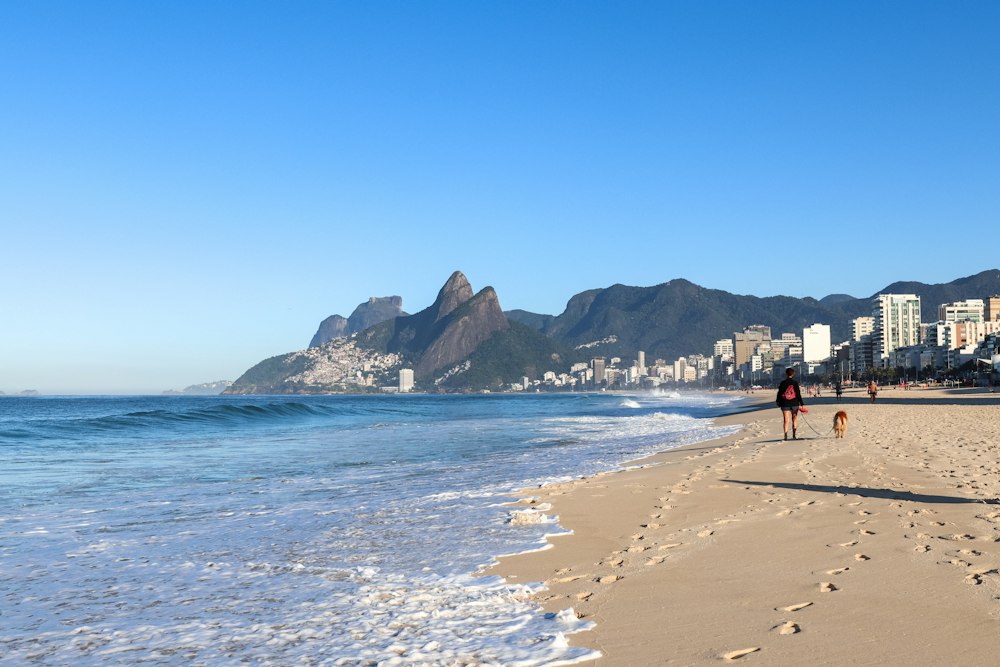
A long beach in Rio de Janeiro's south zone, running west from the Arpoador rock to the Leblon end, with a beachfront walk of about four…