 Submit a photo
Ninety seconds on Morro de Arica
From the summit you look directly down on the port, with the city centre behind it and the Pacific stretching out in front. You are standing on the city's best-known landmark, a headland protected as a national historic monument.
Chilean troops captured this hill on 7 June 1880 from the Peruvian garrison that held Arica. It was the last position the garrison had left to defend.
On the flat summit you find a monument to Colonel Pedro Lagos and another to the Unknown Soldier. Around them are a trench and several historic cannons.
A museum stands on the summit too, the Museo Histórico del Morro de Arica. Its subject is the War of the Pacific, fought in the nineteenth century.
Above it all rises a statue of Christ, the Cristo por la Paz, whose name means Christ for Peace.
Lower on the hill, the stairs up from Calle Colón pass the Mirador de la Virgen del Carmen, a separate lookout below the summit.
Once you reach the summit, one order that works well is the open platform first and the museum last. Start at the cannons and the trench, then go on to the two monuments and the statue.
Inside the museum are weapons, uniforms and photographs from the War of the Pacific.
If the climb is too much, take a taxi or drive up the paved road to the summit car park. Either way, wear sturdy shoes and sunscreen: the sun and the heat on the hill are strong, and a sea breeze blows across the top.
Explore the rest of Arica
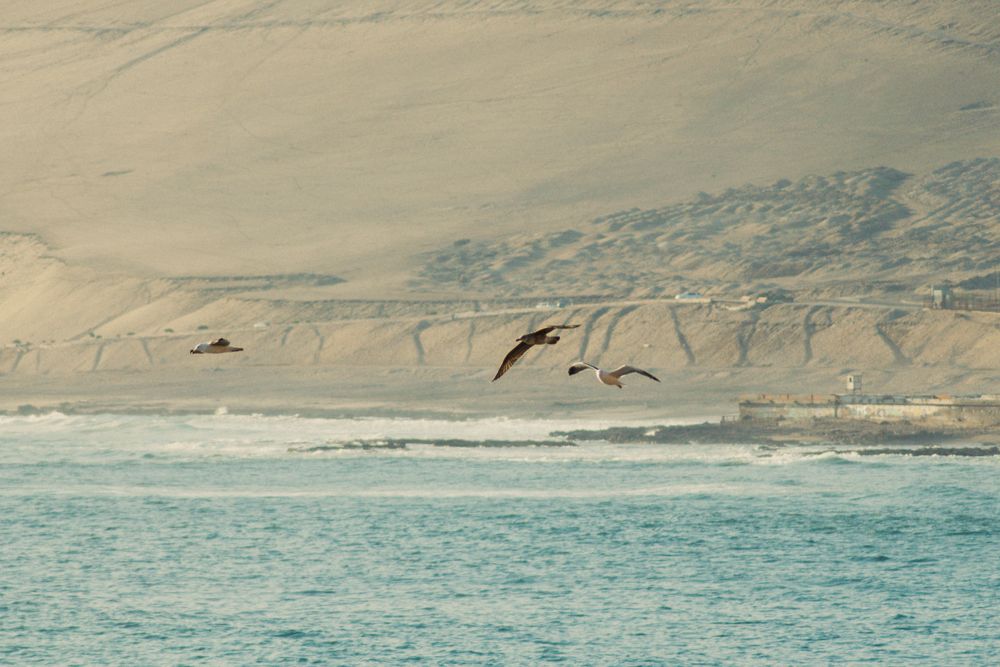
Arica stands at the far north of Chile, a port city under a brown headland where the Atacama desert meets the Pacific and the Peruvian…
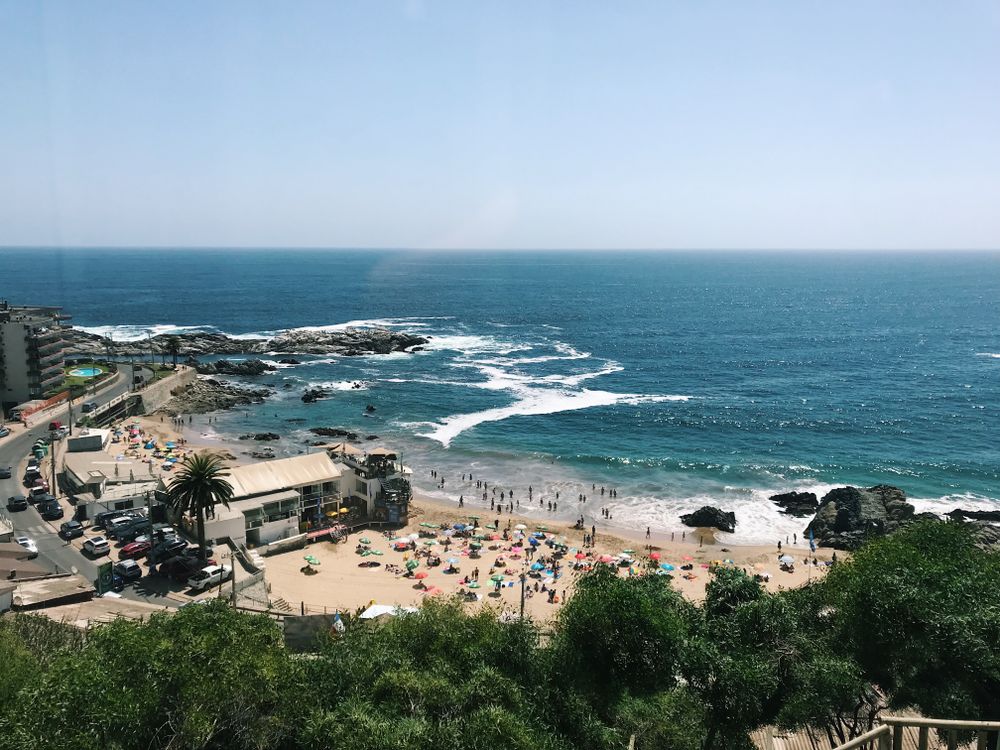
A small beach of white sand south of the centre, beside Playa del Alacrán, where the swell runs very gently and the water is mild enough…
The official pages this guide was checked against.
Last updated